The idea that video games can be used as a force for good has been central to Games for Change, a nonprofit that held its 20th anniversary festival in New York City this week.
Why it matters: The movement was born at a time when its view about the positive potential of games was rare among the public, in the media and even within a video game industry that was hesitant to join in.
Altana, a New York-based startup that uses AI to map global supply chains, has been awarded a contract with U.S. Customs and Border Protection, the company told Axios exclusively.
Why it matters: The federal government is putting its faith in Altana via a multi-year contract in a bid to prevent goods produced using forced labor from coming into the country, showing a real-life use case of AI with high stakes.
Personal tracking devices like AirTag and Tile were designed to help avoid mishaps such as lost keys, but they're raising alarms about privacy and security.
Why it matters: Mounting accounts of the devices' misuse have prompted Apple and Google to try helping users identify and thwart tracking without consent — as states pass legislation outlawing this intrusion.
A new app that creates brief episodes of "South Park" from a single prompt highlights the promise and peril of injecting generative AI into creative franchises.
Why it matters: Such technology could open the door for fans and viewers to bring their own ideas and join in the action — but also threatens the standing of the creators who made those beloved franchises possible.
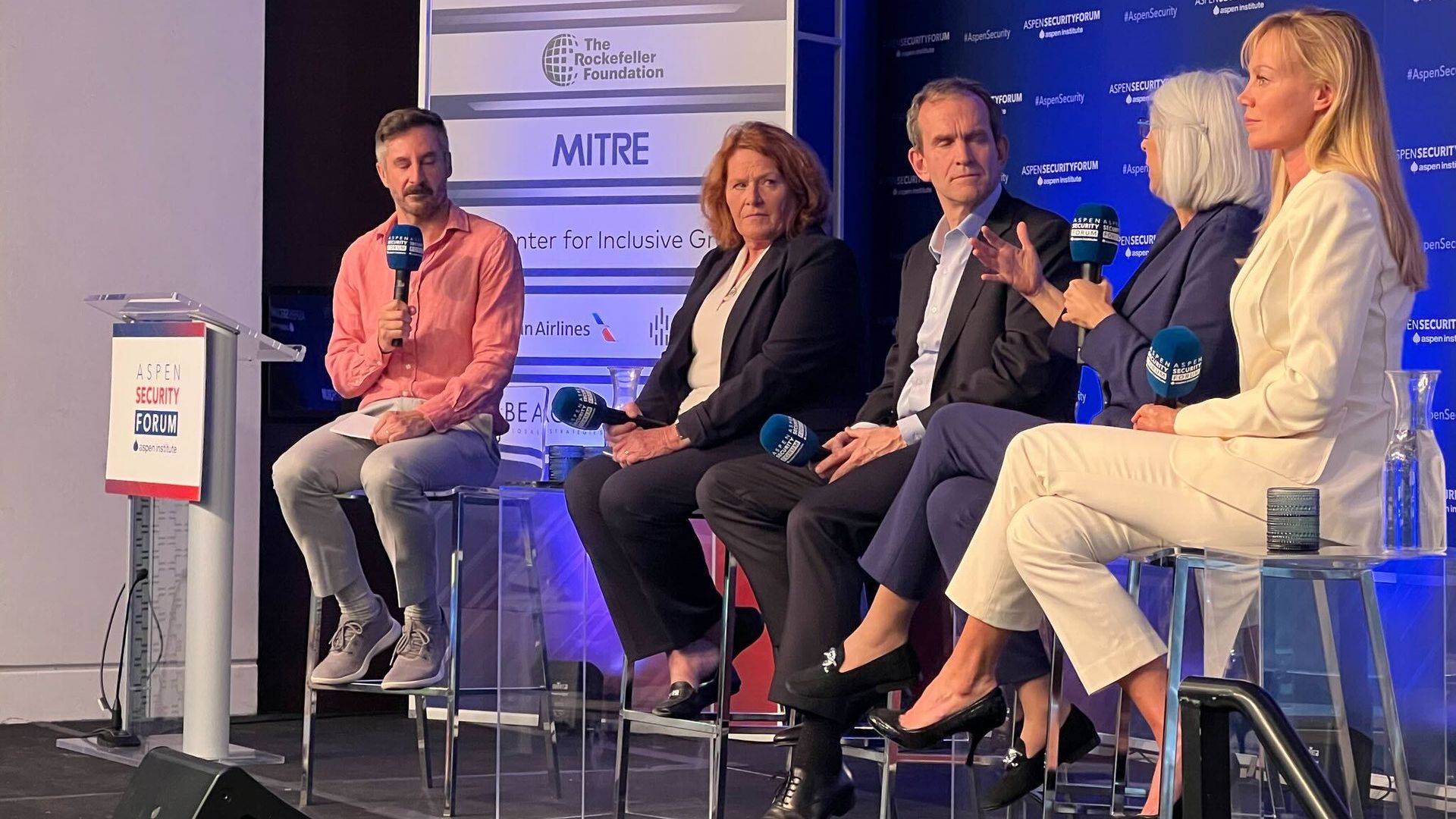
National security officials and contractors at the elite Aspen Security Forum are just as worried and excited about AI as the rest of the world.
Why it matters: Officials from across government are struggling to keep pace with the development of AI — with the White House admitting it has no way to know if a given AI product is safe.
Nintendo’s newest video game, Pikmin 4, may be full of astronauts, tiny plant-people and giant bugs — but it’s ultimately about time management, delegation and how to make the most out of being in charge.
Why it matters: Pikmin 4 wouldn’t serve as a replacement for a good book on management, but Nintendo itself is promoting it using the word “dandori,” Japanese for planning or, as Nintendo puts it, “to think about planning and efficiency in advance to get things done smoothly.”
Regulators are rushingto get ahead of whatever dangers they believe artificial intelligence may unleash — and the Securities and Exchanges Commission is no exception.
Driving the news: In a speech Monday at the National Press Club, SEC chair Gary Gensler discussed the potential challenges to markets that AI could cause.
Crypto exchanges and platforms in Canada could potentially be required to submit to surveillance that will help securities regulators keep a closer eye on market activity.
Microsoft said Wednesday it will offer customers wider access to security logs for free in September in an effort to help them better find hackers on their networks.
Microsoft now has until the end of Oct. 18 to close its deal to purchase Activision Blizzard, according to a revised agreement announced by the companies Wednesday.
Why it matters: Regulatory concerns made it uncomfortable, if not impossible, for Microsoft to complete its purchase by midnight on Tuesday, the original deadline.
Microsoft announced Tuesday it will charge $30 per user per month for businesses that want to use its AI-infused copilots to automate work in Office products such as Word, PowerPoint and Excel.
Why it matters: That will add up to a hefty chunk of change, representing the most significant new revenue opportunity for Microsoft's Office business since it switched to a subscription model.
Meta policy chief Nick Clegg wants you to be impressed by the powers of its latest open source AI model, known as Llama 2 — but not so impressed that you worry about the havoc it could wreak in the wrong hands.
Why it matters: Meta has opened the new model to allow anyone to use it commercially for free — the prior version, released in February, was for research use only.
Antitrust regulators' frustrations with Big Tech are evident in a new draft of the Department of Justice and Federal Trade Commission's proposed joint merger guidelines released Wednesday morning.
Driving the news: The new guidelines — which will now be subject to a public comment period — specifically call out "multi-sided platforms," along with rules more subtly aimed at acquisitions for taking out potential competitors, as well as at minority investments.