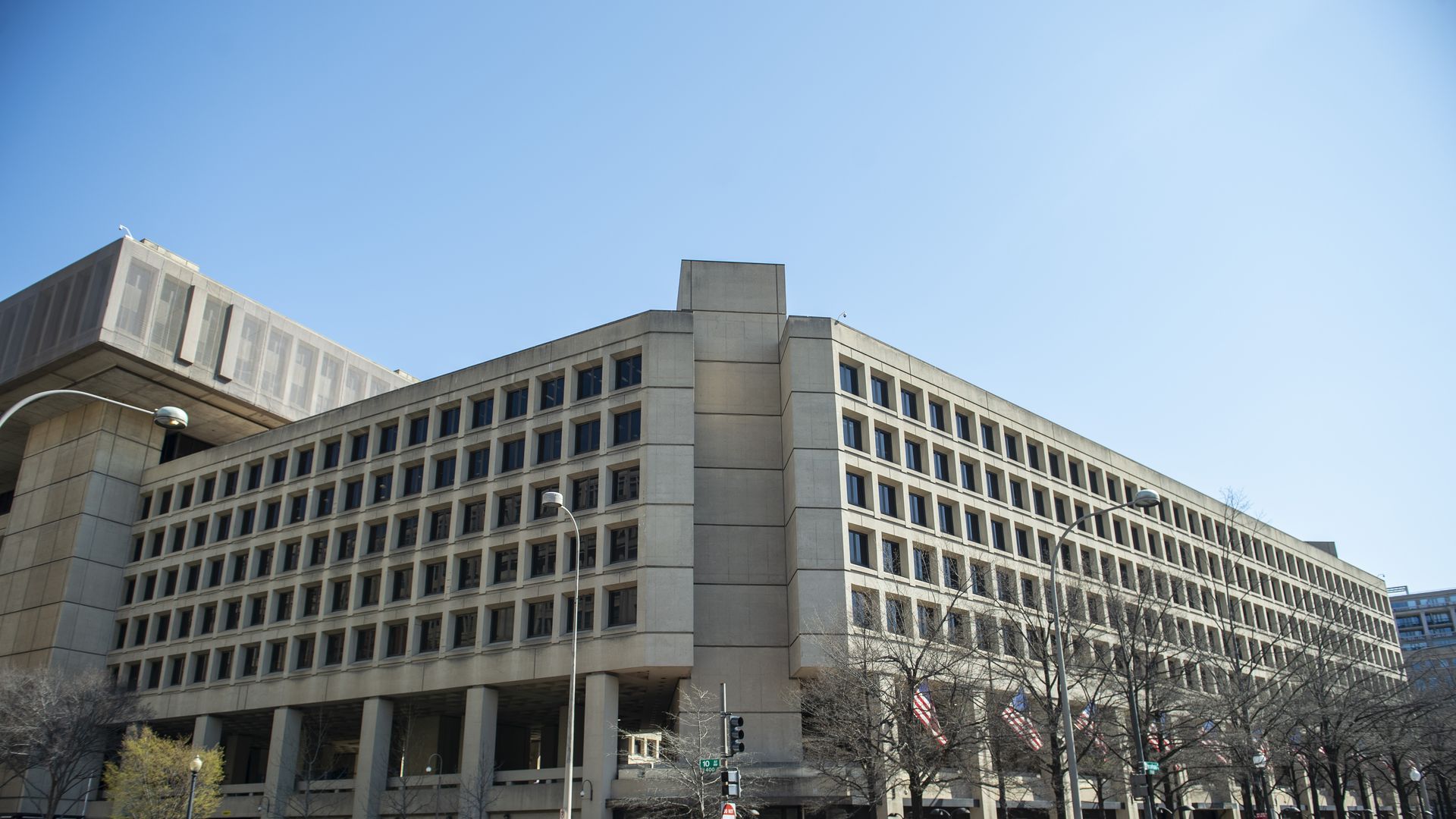
The FBI improperly used an intelligence database to search for information about a U.S. senator, state senator and a state-level judge, according to documents released Friday.
Why it matters: Congress is currently reviewing whether to reauthorize Section 702 of the Foreign Intelligence Surveillance Act — which allows intelligence agencies to collect warrantless online communications from non-American citizens outside the U.S. — before it expires at the end of the year.
Cloud IT provider JumpCloud confirmed Thursday that North Korean state-backed hackers broke into its systems last month.
Driving the news: Security researchers and a Reuters report warned ahead of JumpCloud's confirmation that North Korea was behind the attack, which started in late June.
The cybersecurity workforce is becoming less white, but there's still a ways to go to attract minority workers to the field and keep them there.
Why it matters: White men have historically dominated the cybersecurity industry, and the U.S. has enough cybersecurity workers to fill only 69% of available jobs, according to government data.
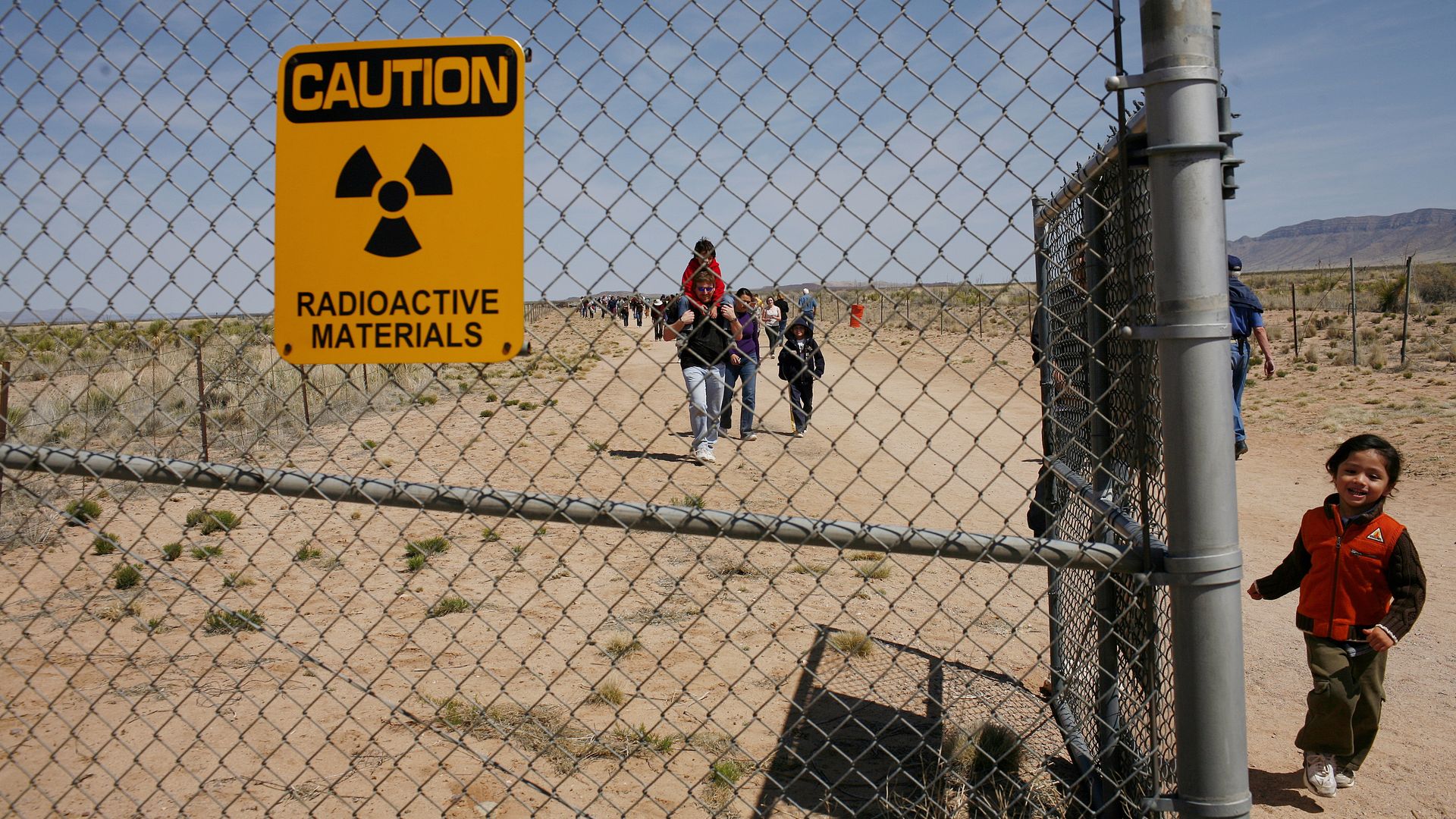
J. Robert Oppenheimer's shadow still looms over New Mexico — as a scientific hero who helped reshape one of the nation's poorest states, and as a villain who generated a trail of human destruction still felt there today.
There's only one movie that matters this weekend to tech-industry insiders (Sorry, "Barbie").
Zoom out: Even before this weekend's release of Christopher Nolan's "Oppenheimer," Silicon Valley has been obsessed with the similarities between the current existential fear-mongering around AI and the nightmares that haunted the scientists who created the atom bomb in the darkest moments of World War II.
White House chief of staff Jeff Zients told Axios in an interview that President Biden will push Congress for more authority and resources to monitor and regulate the mushrooming AI industry.
Seven companies at the forefront of this year's generative AI wave have given the White House voluntary "commitments" to make sure their products are safe and transparent, the Biden administration announced Friday morning.
Why it matters: The White House hopes the companies' pledges will help the government get ahead ofwhat some key administration officials have viewed as a reckless initial deployment of the technology.