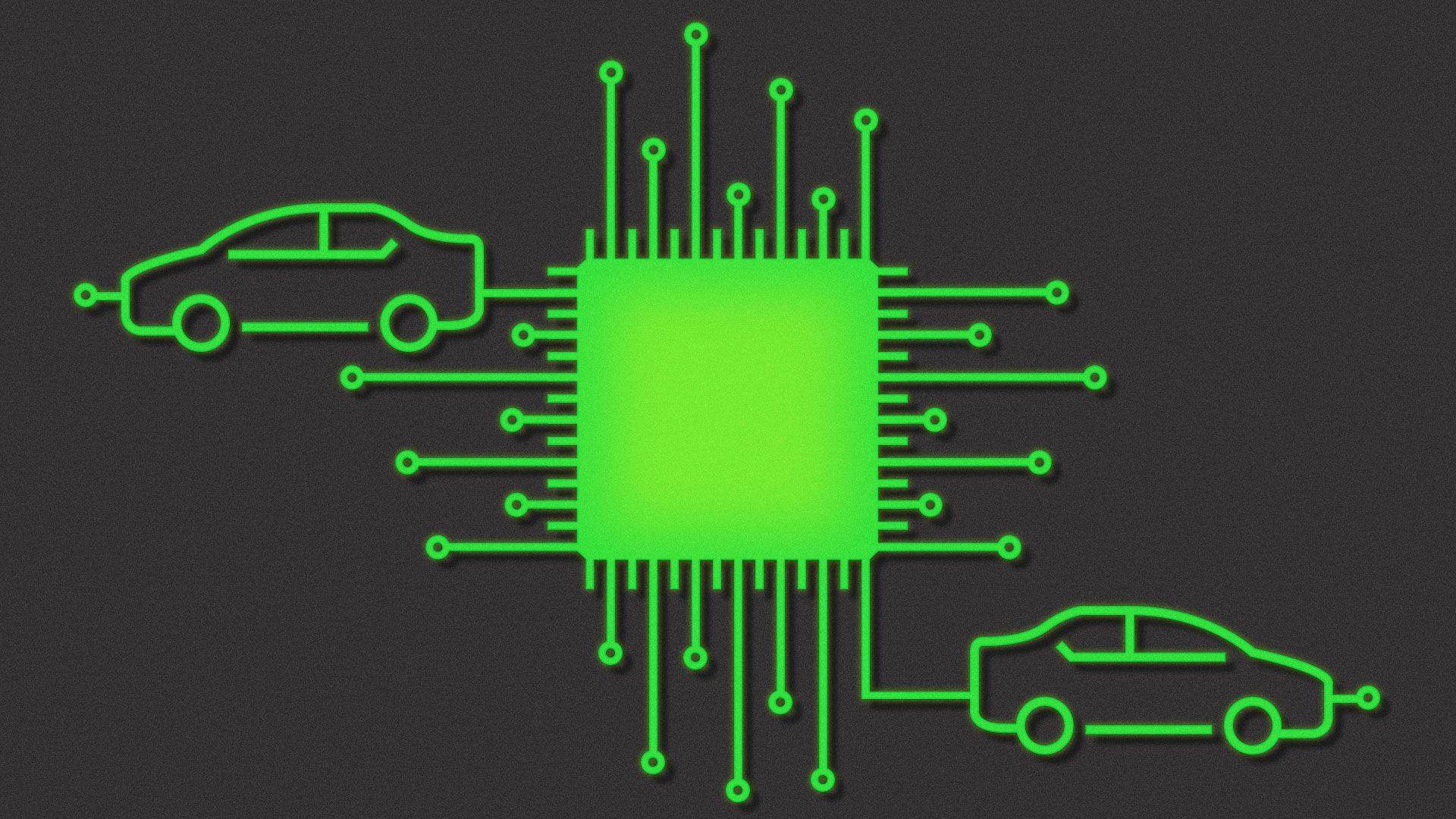
Qualcomm, a leading maker of wireless chips used in cell phones, cars and other devices, slashed its forecast for the current quarter amid both weaker demand and an excess of inventory already in customers' hands.
Why it matters: Qualcomm is a bellwether for the smartphone industry and its challenges highlight just how quickly the semiconductor industry has shifted from unprecedented supply shortage into a glut of chips.
Health and dieting trends on TikTok glorify weight loss and may contribute to disordered eating behaviors and body dissatisfaction, particularly in adolescent and young users, according to a University of Vermont study published Tuesday in the journal PLOS One.
Why it matters: It is the first study to assess content related to nutrition and body-image at scale on the the social app for short video.
Sony's PlayStation VR 2 headset will cost more than the PlayStation 5 required to run it when it launches on Feb. 22, 2023, the company revealed today.
Why it matters: Despite mountains of hype and investment behind it for the past decade, VR tech has struggled to go mainstream, in part because of the cost of entry to use it.
Mozilla is looking for new forms of revenue apart from its privacy-focused Firefox, as it urges Big Tech companies to stop pushing their browsers on users.
Driving the news: Mozilla launched a $35 million venture fund for "responsible tech," the company announced Wednesday at the Web Summit conference in Lisbon, Portugal.
BuildWithin, a Washington, D.C.-based developer of apprenticeship management software, tells Axios that it's raised $2.4 million in pre-seed funding led by Dundee Venture Capital.
Why it matters: The startup is co-founded by Michelle Rhee, one of the most polarizing figures in American education. It's her first for-profit company, and says she hopes to apply some of her K-12 learnings to workforce training — at a time when there are still millions of unfilled tech jobs.
Using a virtual reality headset while riding in a car sounds like a recipe for nausea, but one startup is betting it's an experience people will pay for. Holoride, an Audi spin-off, is launching a $700 software and hardware combo Wednesday that synchronizes games and videos to the motion of a car.
Why it matters: Virtual reality is still searching for its market. The car may sound like an unlikely place for it, but there are a lot of teenagers being driven around by their parents out there, and Holoride thinks they might be up for a VR adventure.
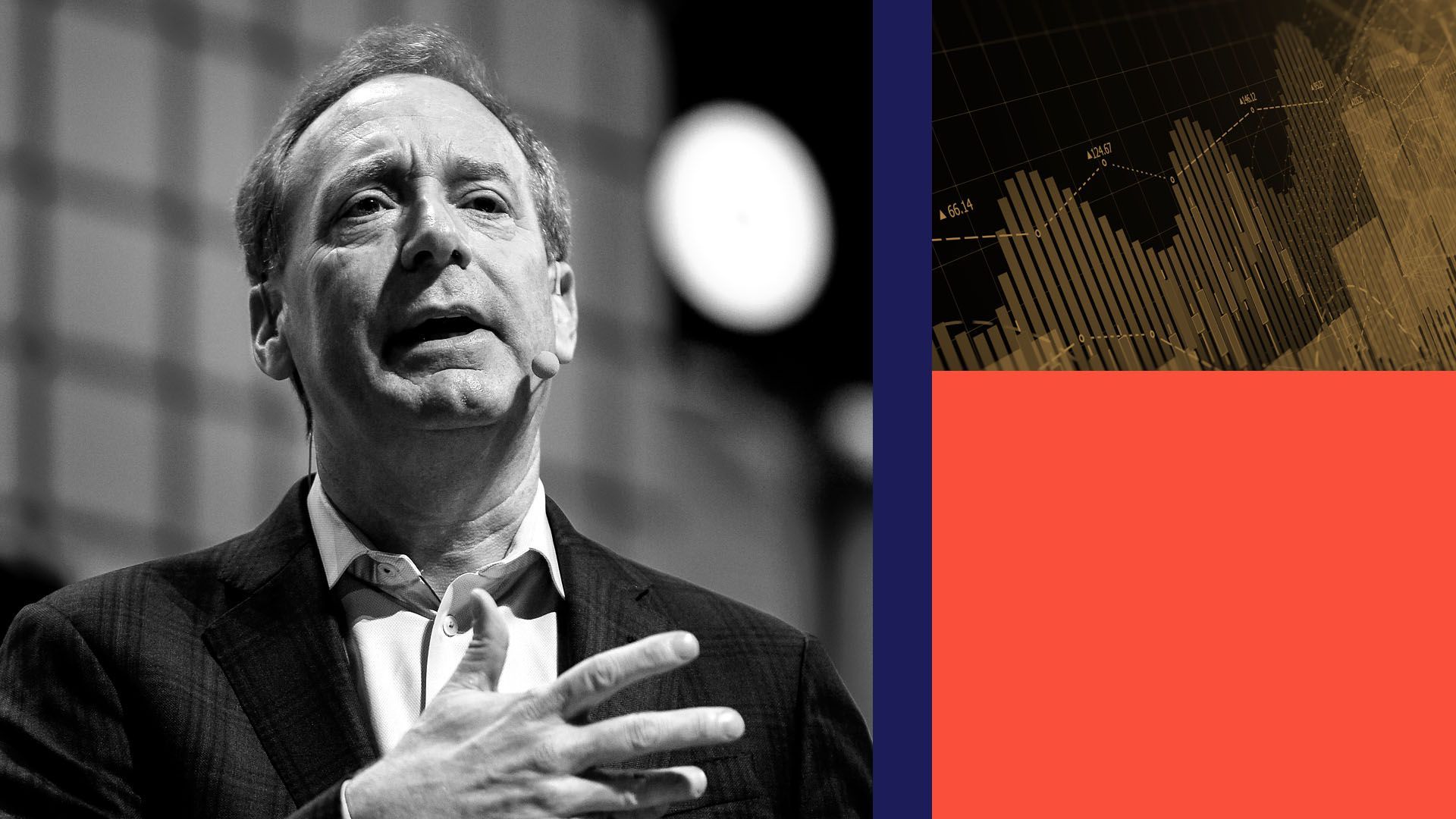
Although nearly 4,000 companies have made pledges to reduce their emissions, many lack the skilled workers needed to meet those goals, Microsoft president Brad Smith tells Axios.
Why it matters: In order to reduce carbon emissions, companies need employees with a range of new skills, including a deep understanding of how supply chains work as well as the ability to properly account for how much carbon a company is emitting.
States are shoring up expertise in high-speed internet networks by creating or expanding broadband offices to prepare for an influx of infrastructure cash.
Why it matters: Ensuring that more than $40 billion in new funding connects every American to high-speed internet service is a job that's falling to the states — and they need help.
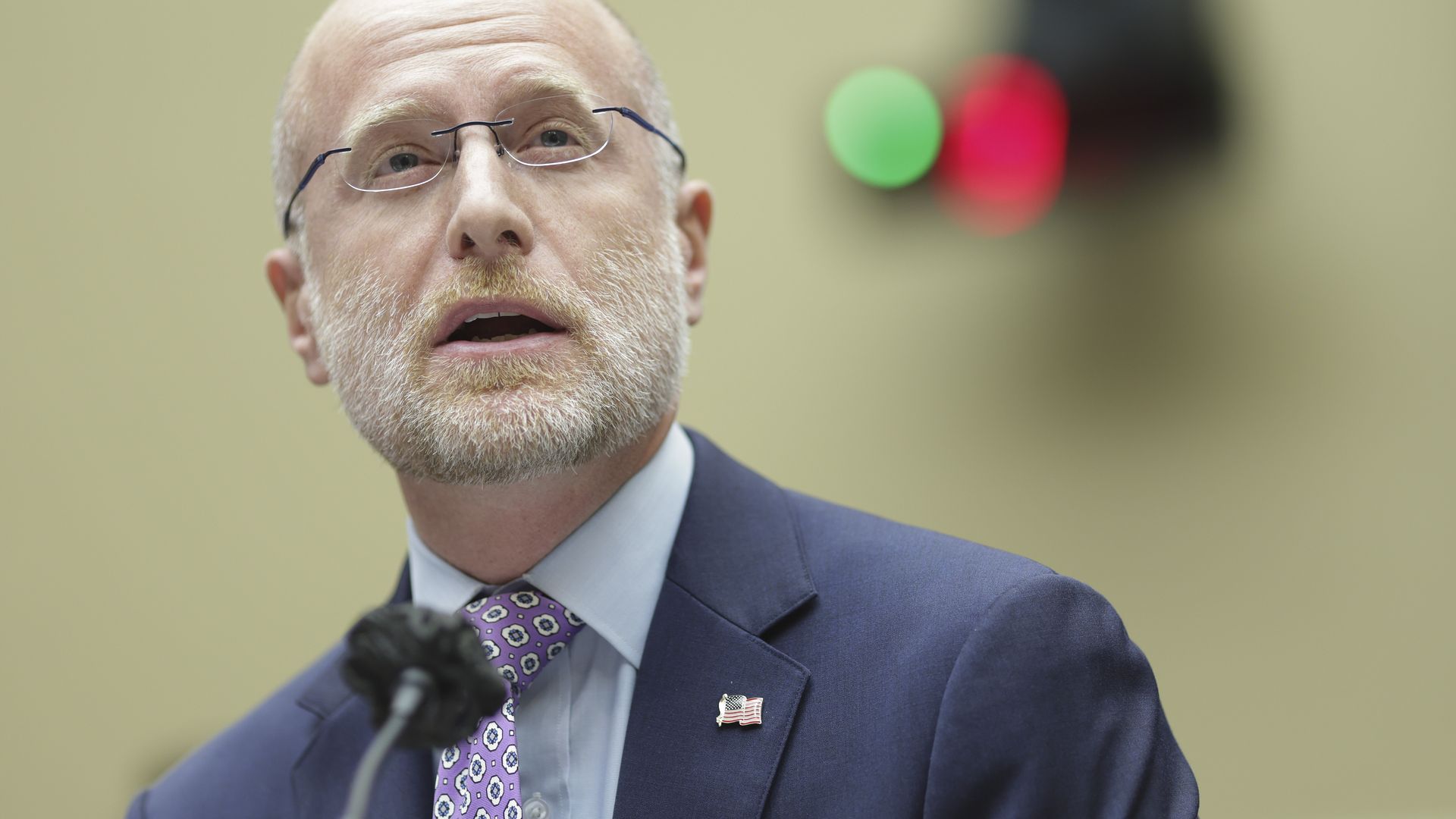
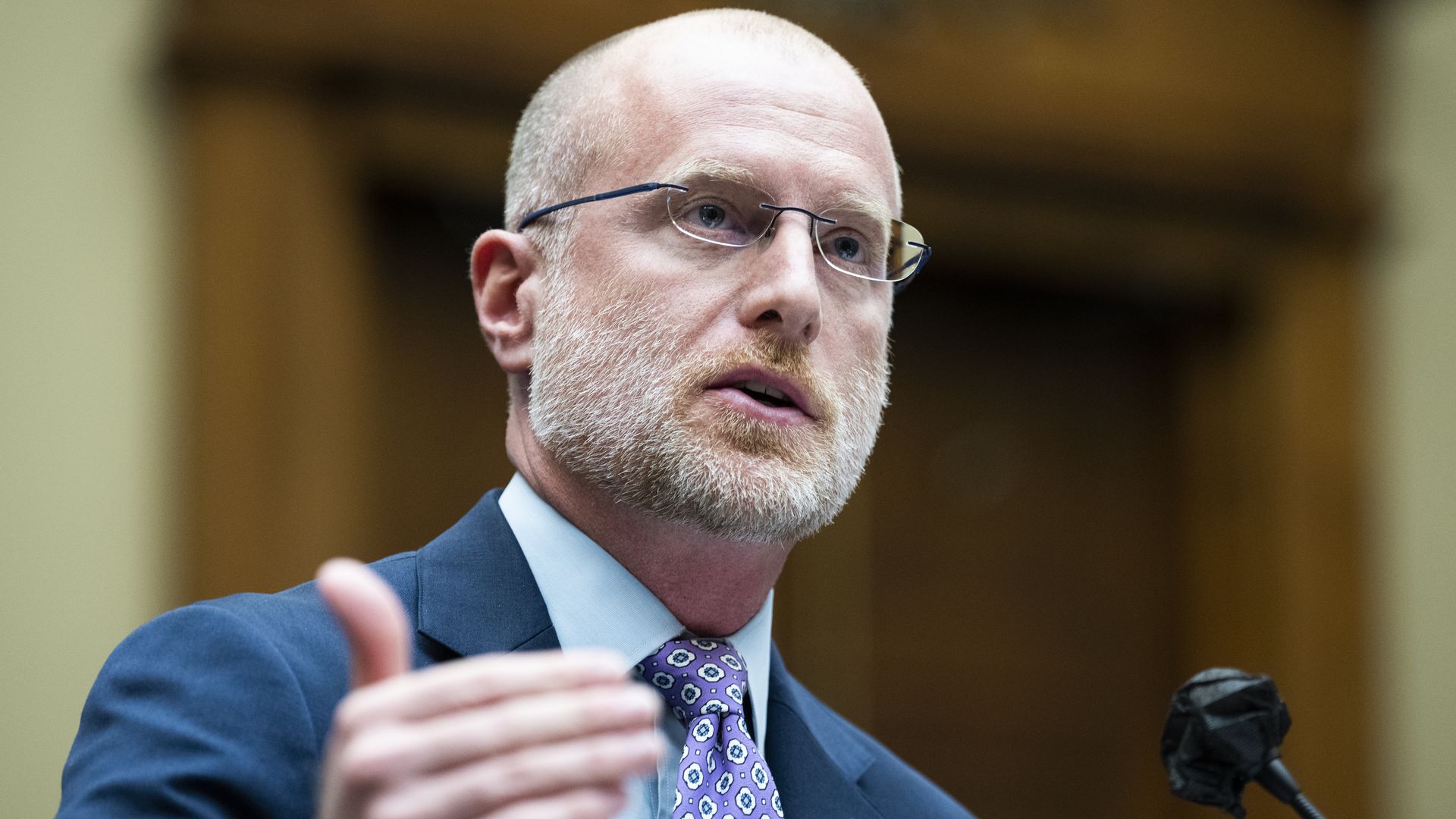
TAIPEI, Taiwan — Brendan Carr, one of five commissioners at the U.S. Federal Communications Commission, has arrived in Taiwan to attend meetings with Taiwanese government counterparts, Axios has learned.
Why it matters: Carr is the first sitting FCC commissioner to visit Taiwan in an official capacity. His trip comes as a steady stream of government officials from democratic nations have visited the self-governing island amid growing pressure from Beijing, which claims Taiwan as its sovereign territory.
A group of more than three dozen governments have pledged to not harbor ransomware criminals within their borders and stand up a new threat-sharing task force following a two-day summit at the White House this week.
The big picture: The two-day summit marked the second annual meeting — and first in-person event — of the Counter Ransomware Initiative, which aims to establish norms across the 37 participants on how to fight and defend against ransomware.
The developer of a widely used open-source code library released a patch to resolve two new high-risk security vulnerabilities in its tools that could allow hackers to remotely execute new code or trigger website crashes.
Why it matters: It's one of a growing number of casualties across the tech industry as companies look to cut products and services to focus on core offerings.
The Council on Foreign Investment in the U.S. (CFIUS) should take action to ban TikTok, Brendan Carr, one of five commissioners at the Federal Communications Commission, told Axios in an interview.
Why it matters: It's the strongest language Carr has used to date to urge action on TikTok. With more than 200 million downloads in the U.S. alone, the popular app is becoming a form of critical information infrastructure — making the app's ownership by a Chinese parent company a target of growing national security concern.
Federal officials are examining what role they should play in strengthening the cybersecurity of electric vehicles (EVs) as they push for increased EV adoption in the U.S.
The big picture: EV chargers create unique cyber threats, since the systems tend to be interconnected, run on personal home or business networks, and connect to local power grids.
Instagram is funding a new slate of content from ATTN:, the millennial-focused digital media company, that's designed to combat Spanish-language misinformation ahead of the midterms, the companies told Axios.
Why it matters: Instagram has historically opted not to pay publishers for their content, but it has paid ATTN: in the past to create viral content designed to encourage young people to vote.
This year’s Call of Duty: Modern Warfare II is making a massive impact, with Activision Blizzard announcing that the new game earned $800 million in sales in its first three days of full release.
Why it matters: It's a sure sign of recovery for gaming's biggest annual franchise, after an uncharacteristically poor performance of last year's Call of Duty Vanguard, which drew blame for softer game sales worldwide throughout 2022.
The Kapor Foundation, which has spent years trying to raise awareness around racial disparities in the tech industry, is launching a new push to explore what types of policy changes could lead to greater equity.
Why it matters: Years of efforts haven't led to significant changes in the demographics at tech companies large and small.
Sarah Personette, Twitter's chief customer officer who's been with the company for more than four years, is leaving the company, following a string of senior Twitter executives that exited shortly after Elon Musk's Twitter takeover.
The big picture: Nearly every major C-suite executive is out at Twitter. The company's former CEO, CFO, general counsel and policy chief were let go Thursday.
2022 is looking unhappily like 2000 for the tech industry.
The big picture: In both this year and 2000, tech stocks took a tumble in the spring after peaking in the stratosphere. Then six months later,with a recession looming, big companies started cutting payrolls and startups began measuring burn-rate runways.
Twitter co-founder Jack Dorsey retained a 2.4% stake in the microblogging site after Elon Musk completed his $44 billion acquisition, according to a new filing with the Securities and Exchange Commission.
By the numbers: The filing indicates that Dorsey rolled over some 18 million shares when Twitter became private.