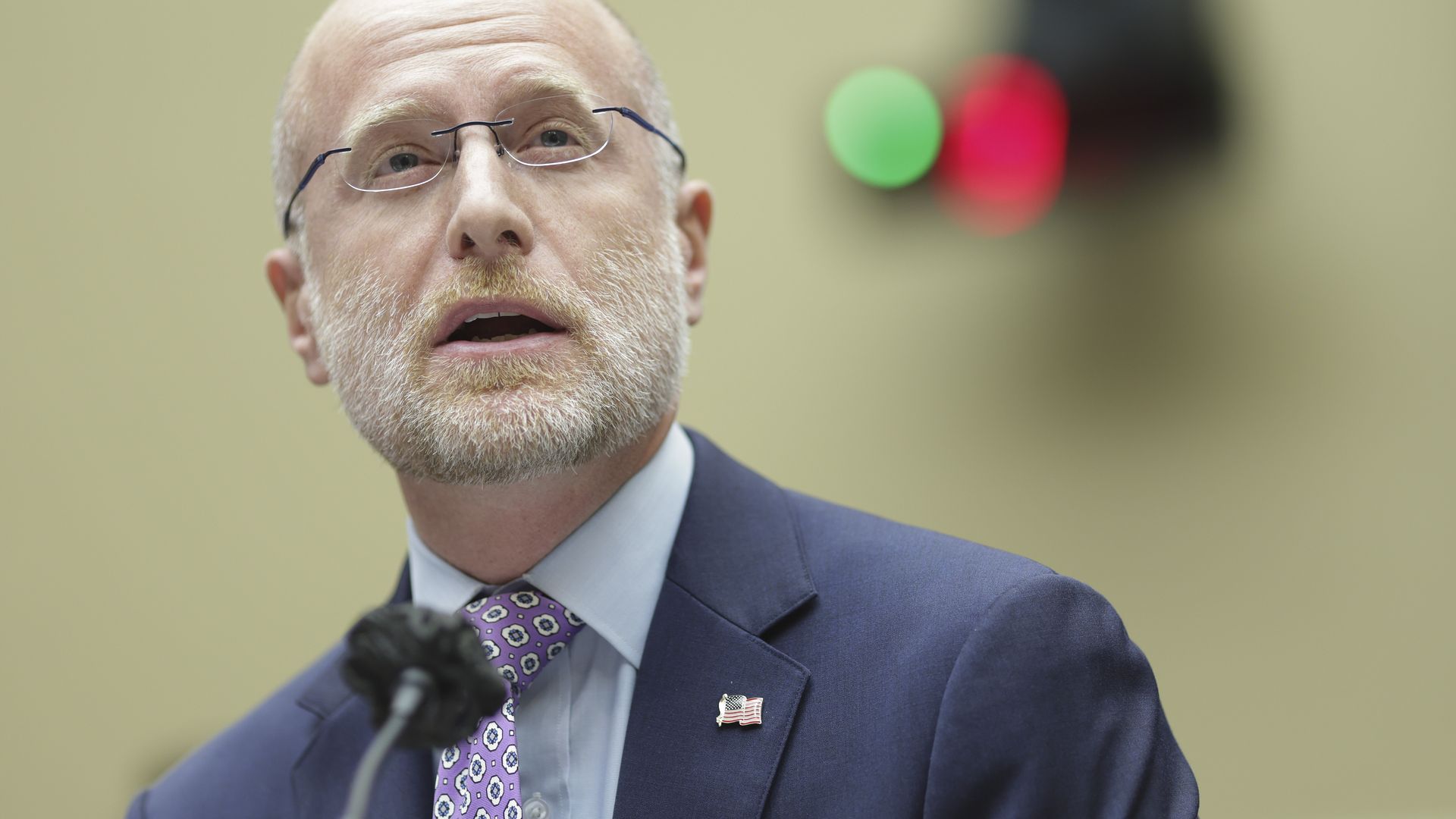
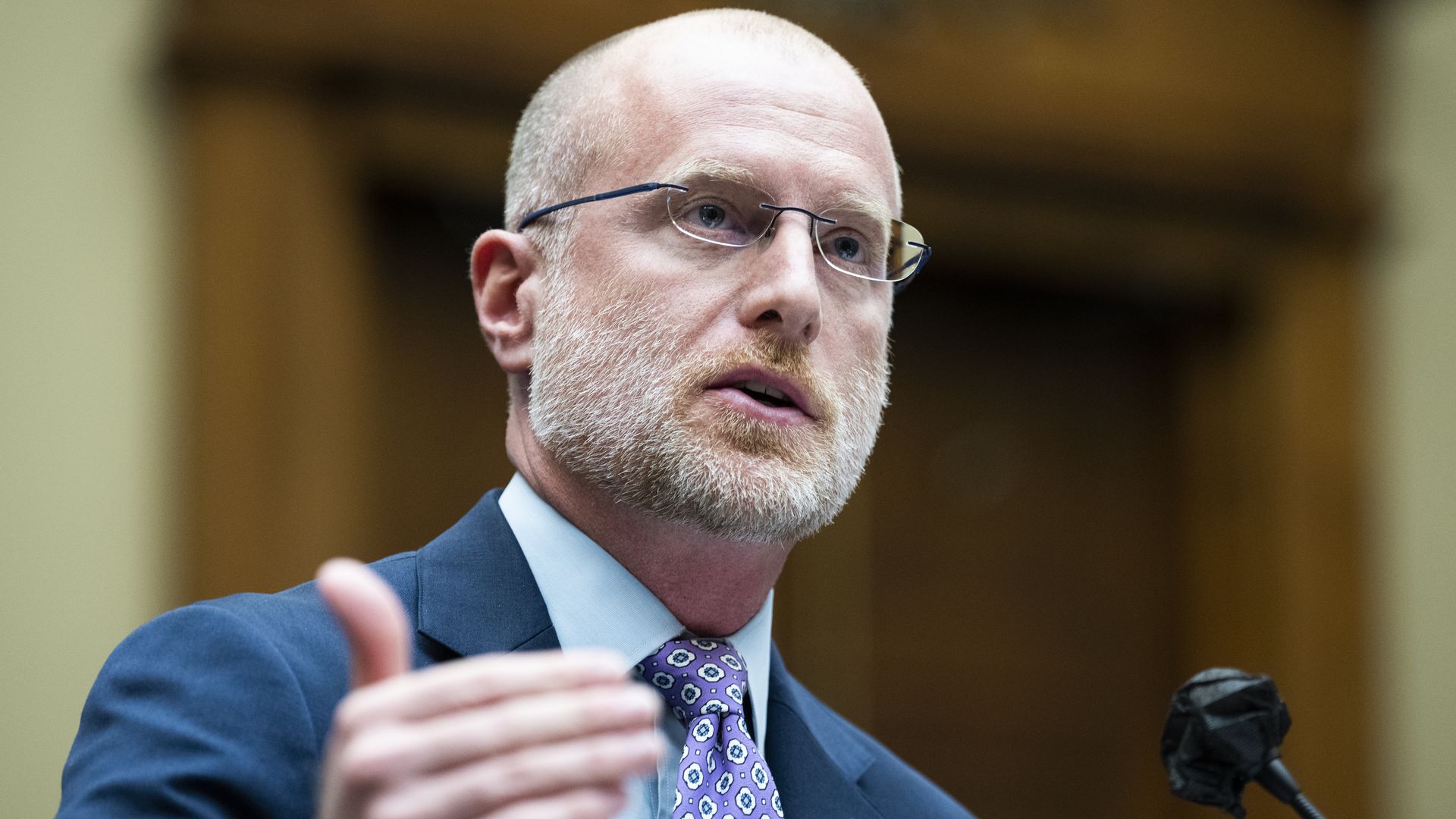
TAIPEI, Taiwan — Brendan Carr, one of five commissioners at the U.S. Federal Communications Commission, has arrived in Taiwan to attend meetings with Taiwanese government counterparts, Axios has learned.
Why it matters: Carr is the first sitting FCC commissioner to visit Taiwan in an official capacity. His trip comes as a steady stream of government officials from democratic nations have visited the self-governing island amid growing pressure from Beijing, which claims Taiwan as its sovereign territory.
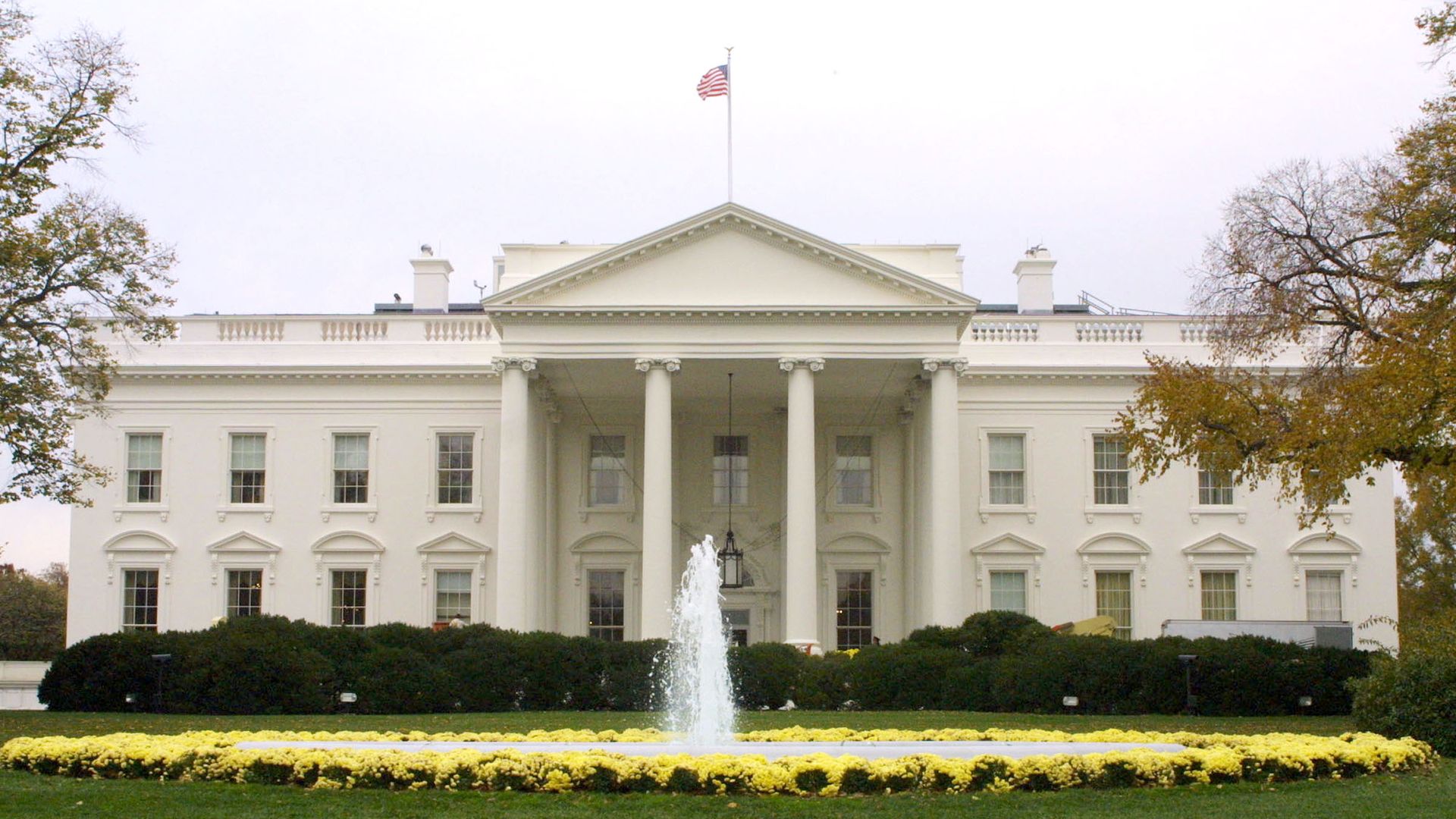
A group of more than three dozen governments have pledged to not harbor ransomware criminals within their borders and stand up a new threat-sharing task force following a two-day summit at the White House this week.
The big picture: The two-day summit marked the second annual meeting — and first in-person event — of the Counter Ransomware Initiative, which aims to establish norms across the 37 participants on how to fight and defend against ransomware.
The developer of a widely used open-source code library released a patch to resolve two new high-risk security vulnerabilities in its tools that could allow hackers to remotely execute new code or trigger website crashes.
Why it matters: It's one of a growing number of casualties across the tech industry as companies look to cut products and services to focus on core offerings.
The Council on Foreign Investment in the U.S. (CFIUS) should take action to ban TikTok, Brendan Carr, one of five commissioners at the Federal Communications Commission, told Axios in an interview.
Why it matters: It's the strongest language Carr has used to date to urge action on TikTok. With more than 200 million downloads in the U.S. alone, the popular app is becoming a form of critical information infrastructure — making the app's ownership by a Chinese parent company a target of growing national security concern.
Federal officials are examining what role they should play in strengthening the cybersecurity of electric vehicles (EVs) as they push for increased EV adoption in the U.S.
The big picture: EV chargers create unique cyber threats, since the systems tend to be interconnected, run on personal home or business networks, and connect to local power grids.
Instagram is funding a new slate of content from ATTN:, the millennial-focused digital media company, that's designed to combat Spanish-language misinformation ahead of the midterms, the companies told Axios.
Why it matters: Instagram has historically opted not to pay publishers for their content, but it has paid ATTN: in the past to create viral content designed to encourage young people to vote.
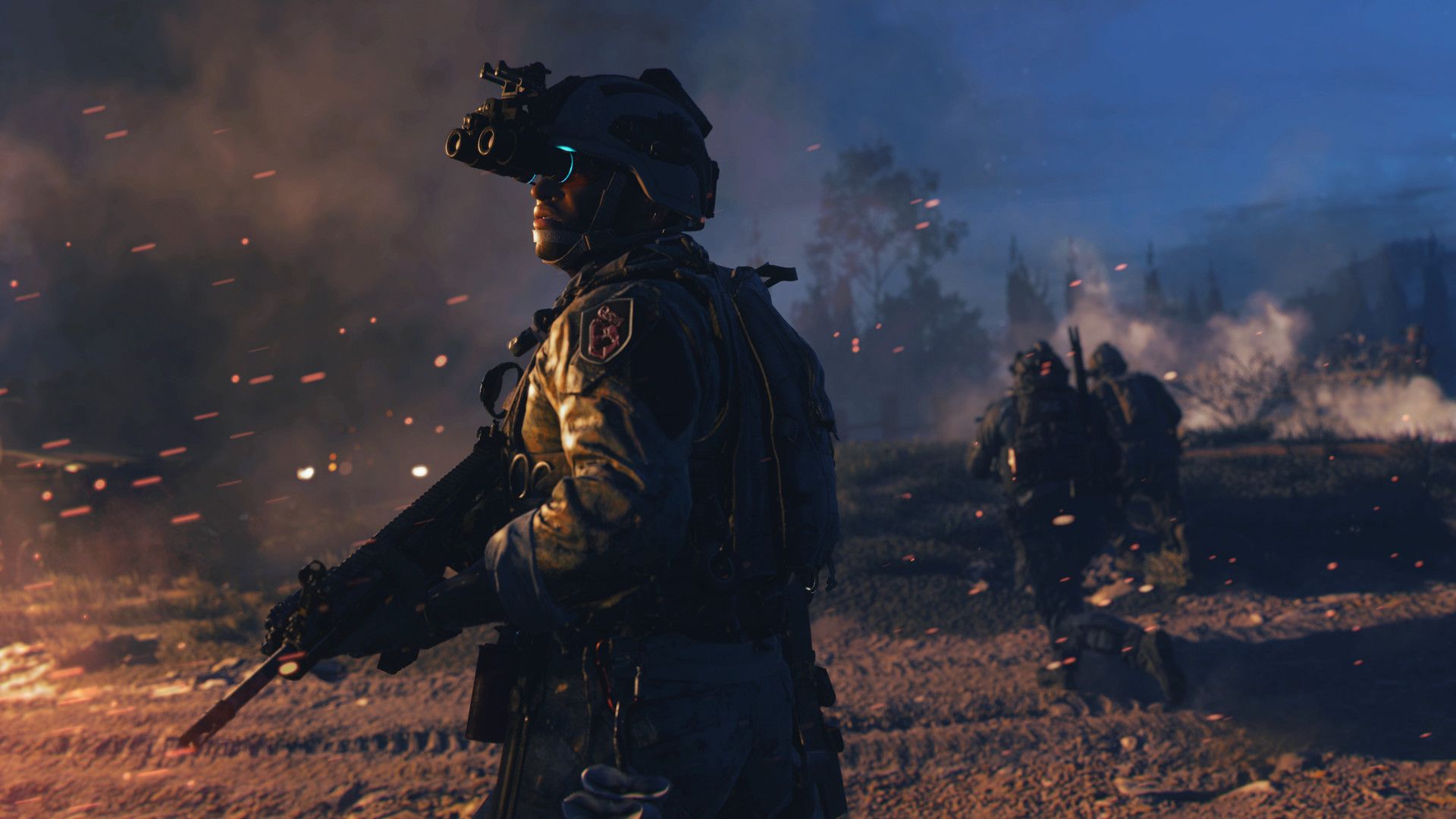
This year’s Call of Duty: Modern Warfare II is making a massive impact, with Activision Blizzard announcing that the new game earned $800 million in sales in its first three days of full release.
Why it matters: It's a sure sign of recovery for gaming's biggest annual franchise, after an uncharacteristically poor performance of last year's Call of Duty Vanguard, which drew blame for softer game sales worldwide throughout 2022.
The Kapor Foundation, which has spent years trying to raise awareness around racial disparities in the tech industry, is launching a new push to explore what types of policy changes could lead to greater equity.
Why it matters: Years of efforts haven't led to significant changes in the demographics at tech companies large and small.
Sarah Personette, Twitter's chief customer officer who's been with the company for more than four years, is leaving the company, following a string of senior Twitter executives that exited shortly after Elon Musk's Twitter takeover.
The big picture: Nearly every major C-suite executive is out at Twitter. The company's former CEO, CFO, general counsel and policy chief were let go Thursday.
2022 is looking unhappily like 2000 for the tech industry.
The big picture: In both this year and 2000, tech stocks took a tumble in the spring after peaking in the stratosphere. Then six months later,with a recession looming, big companies started cutting payrolls and startups began measuring burn-rate runways.
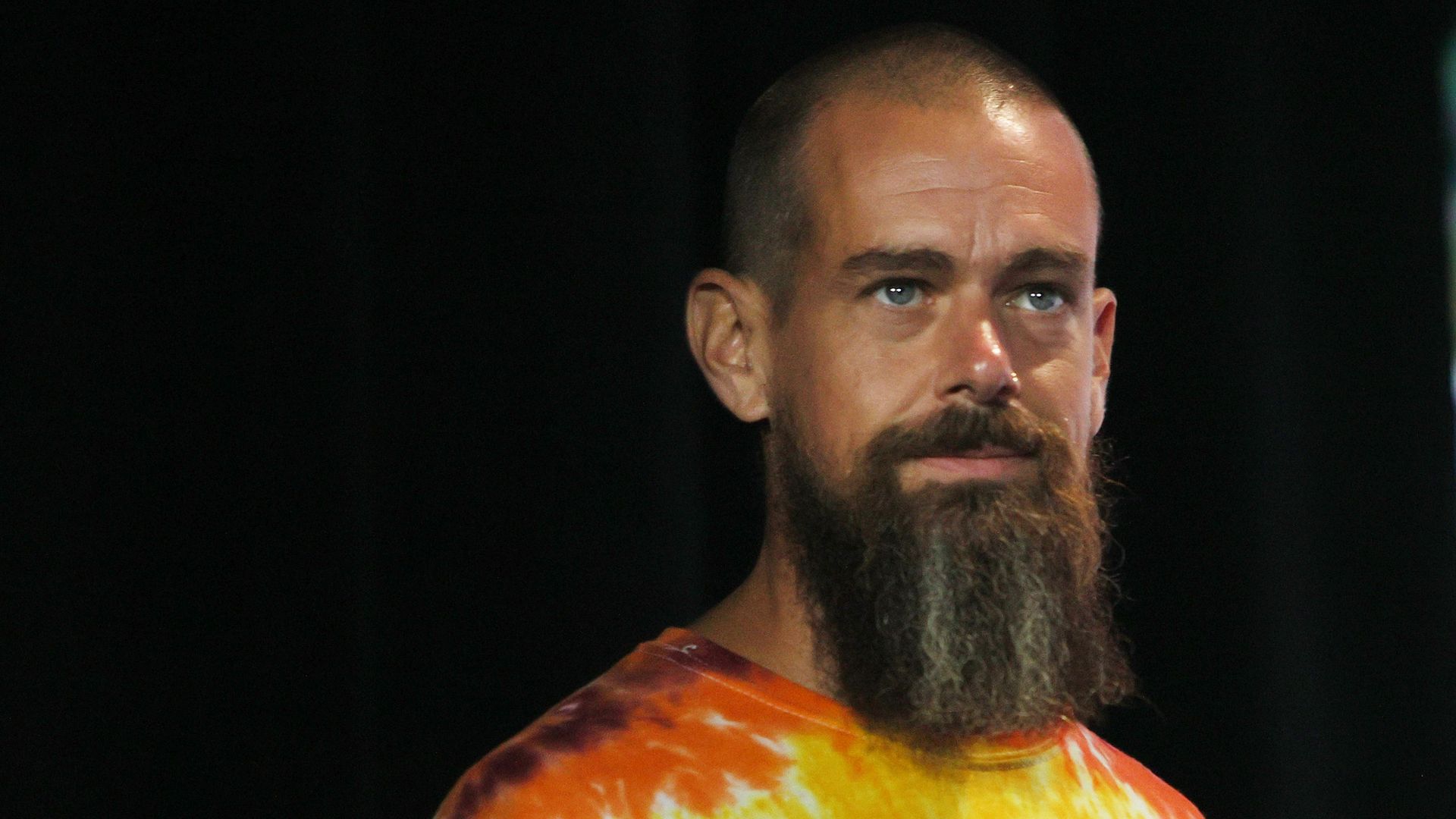
Twitter co-founder Jack Dorsey retained a 2.4% stake in the microblogging site after Elon Musk completed his $44 billion acquisition, according to a new filing with the Securities and Exchange Commission.
By the numbers: The filing indicates that Dorsey rolled over some 18 million shares when Twitter became private.