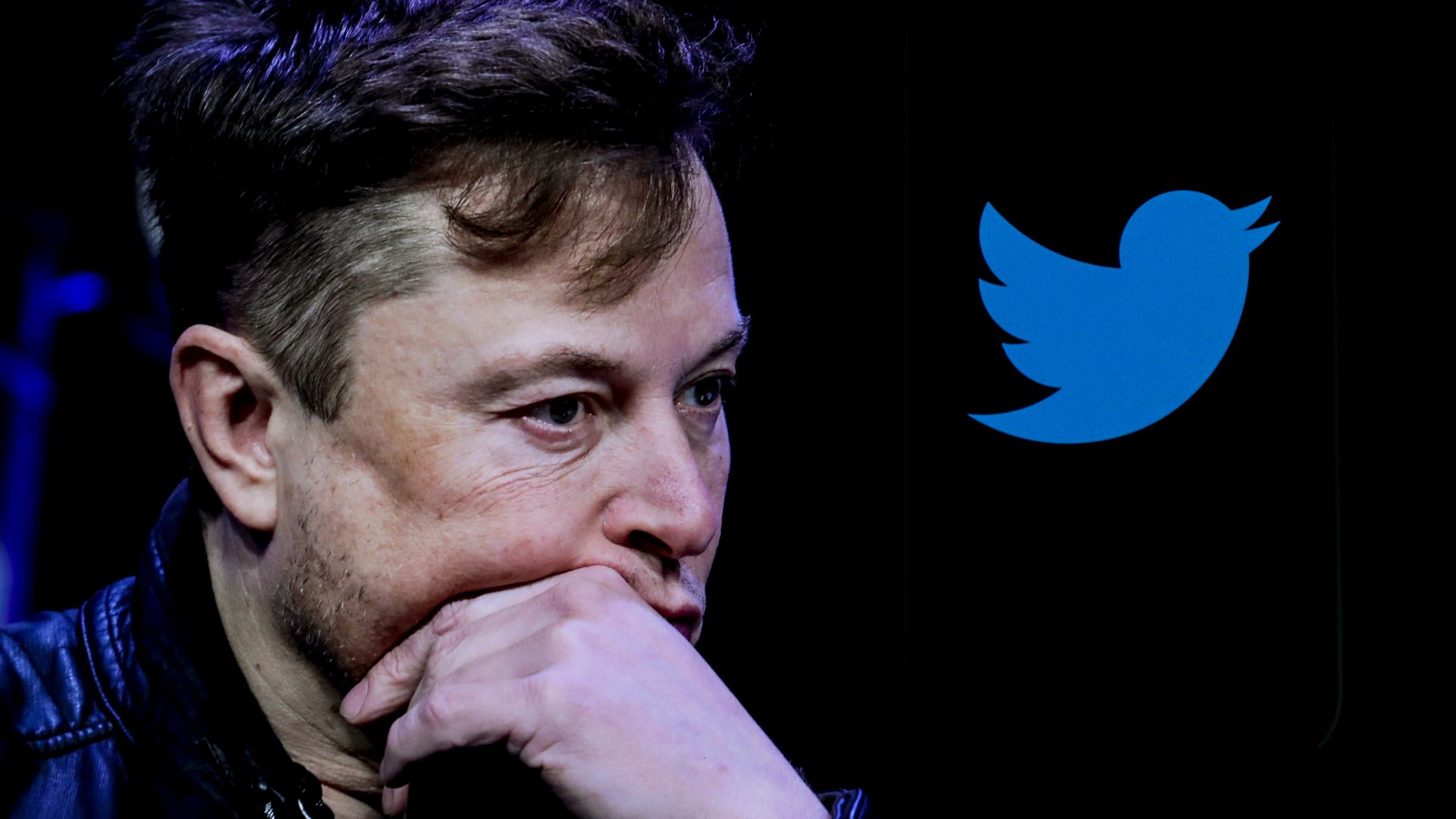
It's been just two days since Elon Musk officially bought Twitter. Already, the billionaire businessman is using the platform to spread misinformation to his 112 million followers — about the biggest U.S. news of the weekend.
Driving the news: Early on Sunday, Musk cited a widely discredited website that implied the brutal attack on House Speaker Nancy Pelosi's husband, Paul, wasn't carried out by an unhinged far-right blogger — but rather was linked to an anti-LGTBQ "theory" about a skirmish at a local bar.
After firing much of Twitter's senior management team, Elon Musk now plans to cut up to 30% of staff in certain departments, beginning this weekend, sources told Axios.
Why it matters: Musk's breakneck pace shows his determination to reshape Twitter's organization but could also result in chaos inside the company.
Severalapps and technological solutions have been launched over the past decadein an attempt to help de-escalate police encounters.
Why it matters: Technology has played a significant role in exposing police abuse. But activists say it can only be one tool in leading to change — and some technologies have raised civil liberties concerns.
Public figures are speaking out about Twitter's change in ownership, with sentiments ranging from enthusiastic support to despair.
Why it matters: Like Twitter co-founder and former CEO Jack Dorsey, Elon Musk will likely be bombarded with a continuous flood of user feedback — particularly about what content is allowed and what's not — and his responses will likely reveal patterns and inconsistencies in decision making along the way.