A top GOP congressional cyber leader is pushing the Biden administration to establish an economic continuity plan in the event of a massive cyberattack, in a new letter shared exclusively with Axios.
Why it matters: The letter gives a sneak peek at what will be top of mind for House GOP cyber leaders if their party takes control of the House after the upcoming elections.
Why it matters: The new campaign indicates strong foreign interest still exists in interfering in tight U.S. races in the days leading up to Election Day.
Efforts to ditch easy-to-guess, phrase-based passwords are gaining more traction, paving the way for the passwordless future cybersecurity pros dream of.
The big picture: Companies are increasingly investing in technologies that let people log in to their accounts with passkeys, which replace passwords with biometric data or device PINs tied to a user's phone or laptop.
Representatives of Facebook's independent Oversight Board have advice for Elon Musk as he decides the future of speech rules on Twitter: He should "start with the principle of not doing harm," they told Axios in an interview on stage at the Web Summit in Lisbon, Portugal on Friday.
Why it matters: Musk has trumpeted a "free speech" agenda for the social network he now owns and runs but has already begun facing tough choices and criticism of his own posts.
It shook the whole crypto industry when its leading publicly traded firm in the U.S. announced massive layoffs in June, but the headcount changes are lost in the numbers Coinbase released with Q3 results.
Why it matters Headcount is about 26% higher now than the start of the year, in spite of CEO Brian Armstrong's pledge to slim down after the company's growth ambitions pushed the firm out over its skis.
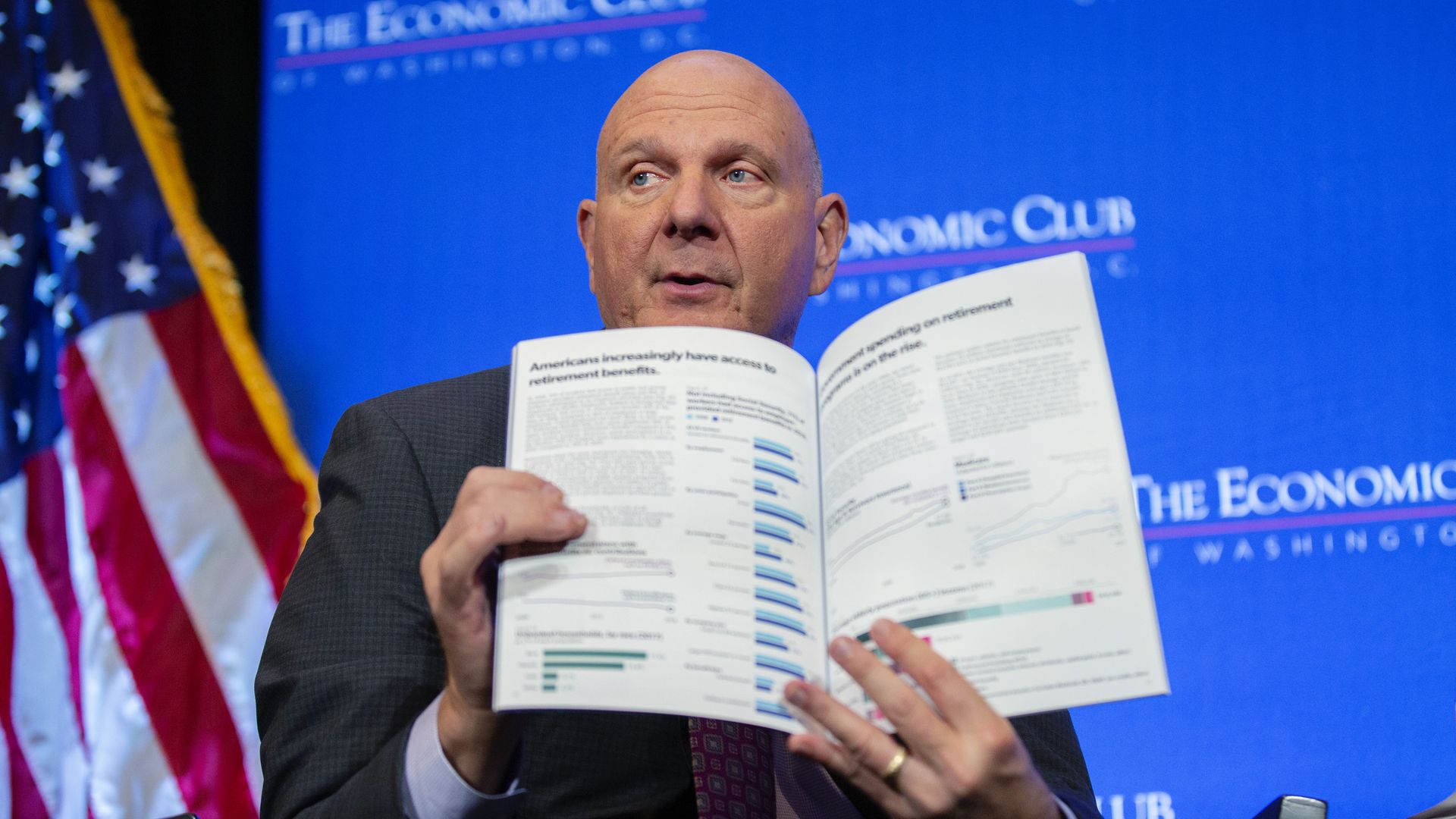
Former Microsoft CEO Steve Ballmer has spent the last few years investing in a nonprofit site that publicizes government data in hopes of rooting political discussions in fact. Though that doesn't seem to be the current direction of U.S. political discourse, Ballmer isn't ready to give up.
"I don’t think the baby goes out with the bathwater," Ballmer told Axios. "This notion that we need an informed electorate, I stand by that."
The new round of efforts to slow China's access to semiconductor technology the U.S. announced last month went further than many people expected. And the Biden Administration isn't slowing down, with more restrictions seen as likely.
Why it matters: The tech industry once drove a wider movement to tie the world's economies together. Now it's becoming a victim of larger forces that are tearing them apart.
The halcyon day when all our smart home devices talk to one another — and reduce our energy bills — took a giant step forward Thursday with the introduction of Matter, a widely-backed connectivity standard.
Why it matters: Many consumers are leery of buying Internet-of-Things (IoT) devices such as smart light bulbs, blinds and door locks, fearing they're hard to set up or won't work with one another.



/2022/11/03/1667497459385.gif?w=3840)








/2022/11/03/1667501458466.gif?w=3840)