Middleware provider Kaseya said Thursday it received a key to unlock the encrypted computers of more than 1,000 companies after a Russian-based hacking group locked the systems as part of a massive ransomware campaign earlier this month, according to AP.
Why it matters: The company would not disclose how it obtained the key or if it paid a ransom to REvil, the group behind the breach, but it said the key was working and its customers around the world were regaining access to their systems.
Snapchat's stock was up over 13% in after-hours trading Thursday after reported its highest revenue and user growth numbers since 2018.
Why it matters: The record numbers are part of a huge turnaround story for Snapchat, which struggled to grow in line with Wall Street's expectations for years prior to the pandemic.
Twitter's stock was up nearly 5% in after-hours trading Thursday after the tech giant reported top- and bottom-line revenue growth. User growth also met Wall Street expectations.
Why it matters: Twitter attributed revenue growth to improvements in its products and sales execution as well as "a broad increase in advertiser demand." Twitter's ad revenue was up 87% year-over-year.
AI is speeding up thediscovery of the structure of proteins that drive biological processes across organisms.
Why it matters: If researchers can predict what shape a protein will take, they can better understand how it works — and potentially target medicines for proteins that cause disease or create antibiotics that can disable resistant bacteria's proteins.
Several senior developers at Gearbox Software who worked on “Borderlands 3” are leaving the company and going to work on a new independent project together, Gearbox confirmed to Axios.
Why it matters: Senior producer Christopher Brock, lead mission designer Keith Schuler, and art director Scott Kester have been with the company for more than a decade. Paul Sage served as the game’s creative director, alongside UX/Game Feel director Chris Strasz and lead character artist Kevin Penrod. All are leaving.
Google on Thursday said it's rolling out a new feature called the "About This Result panel," which will give users more context about their search results, and help them find the most useful information.
Why it matters: The update gives everyday users much more visibility into how Google's search algorithm works.
GoPuff, a Philadelphia-based instant delivery platform for everyday items, is raising $1 billion in new funding at a $15 billion post-money valuation, Axios has learned from sources close to the situation.
Why it matters: This reflects surging investor interest in hyper-local delivery, as GoPuff raised money at an $8.9 billion valuation earlier this year.
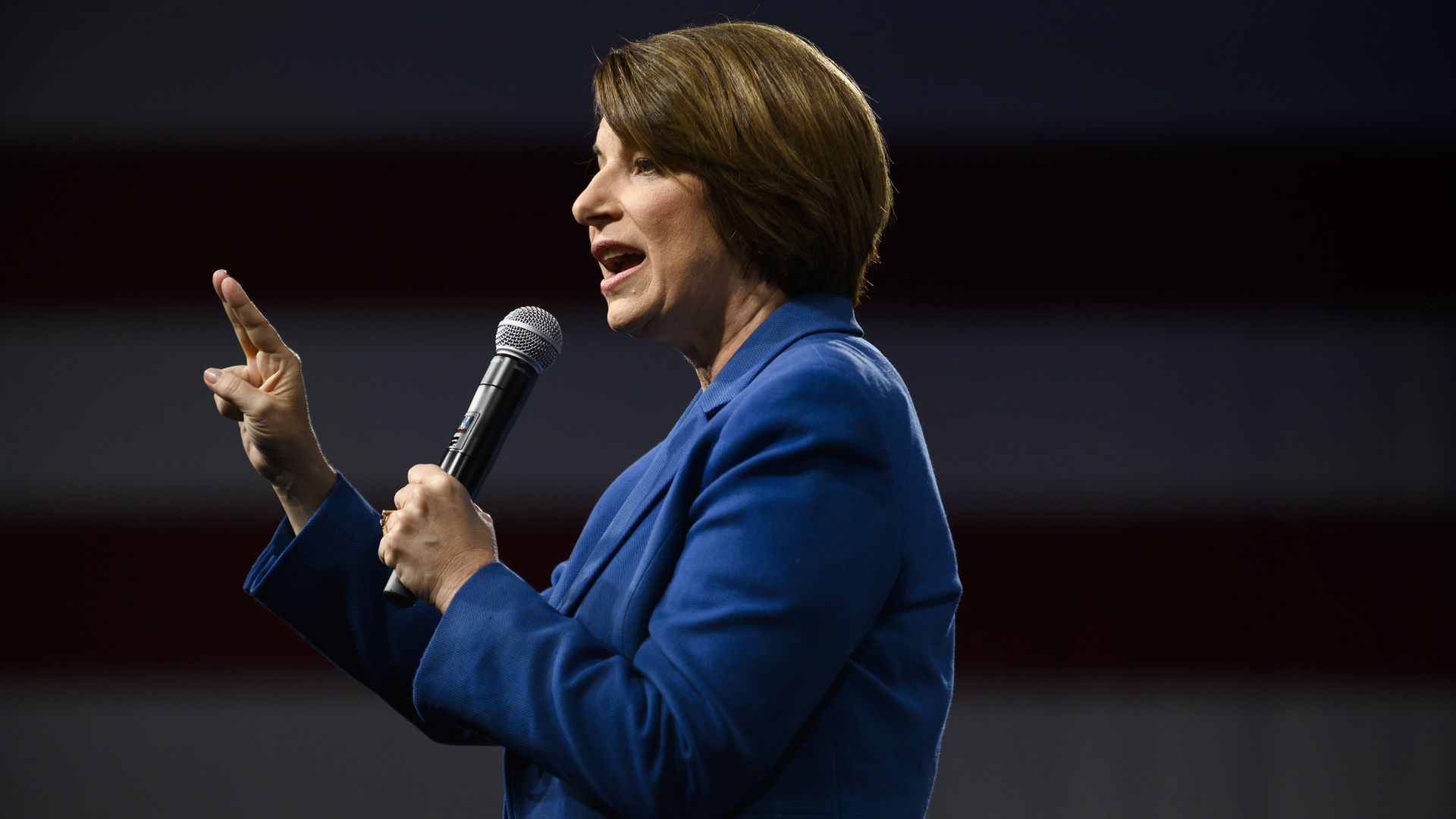
New legislation introduced Thursday by Sen. Amy Klobuchar (D-Minn.) would hold online platforms like Facebook or YouTube liable for promoting health-related misinformation.
Why it matters: Washington is bearing down on the role social media companies play in COVID-19 misinformation as U.S. vaccine uptake slows and new cases surge.
“Call of Duty” and “World of Warcraft” maker Activision Blizzard is accused of fostering a “pervasive frat boy workplace culture,” that subjects women to harassment, abuse and lower pay, according to a lawsuit filed earlier this week by the state of California.
Why it matters: Activision Blizzard is one of the biggest gaming companies in the world and must now answer a litany of allegations.
Israeli cybersecurity company NSO Group has become a pernicious version of Steve Urkel, never acknowledging the calamity that its software seems to cause. Unlike the old TGIF character, however, NSO's consequences are very real and enabled by private equity.
Driving the news: An international journalistic consortium, in partnership with Amnesty International, this week reported that a piece of NSO software, called Pegasus, was used by used by governments to spy on journalists, lawyers, human rights activists and world leaders.
A new video investigation by the Wall Street Journal finds the key to TikTok's success in how the short-video sharing app monitors viewing times.
Why it matters: TikTok is known for the fiendishly effective way that it selects streams of videos tailored to each user's taste. The algorithm behind this personalization is the company's prize asset — and, like those that power Google and Facebook, it's a secret.
Supermarkets and wholesalers in the U.K. are beginning to face shortages after the government's official health app told hundreds of thousands of workers to self-isolate after contact with someone with COVID-19, Reuters reports.
Why it matters: The "pingdemic" disruptions pose a new challenge to the highly vaccinated U.K., which is reporting more than 50,000 new COVID-19 cases per day as the Delta variant tears through the country.
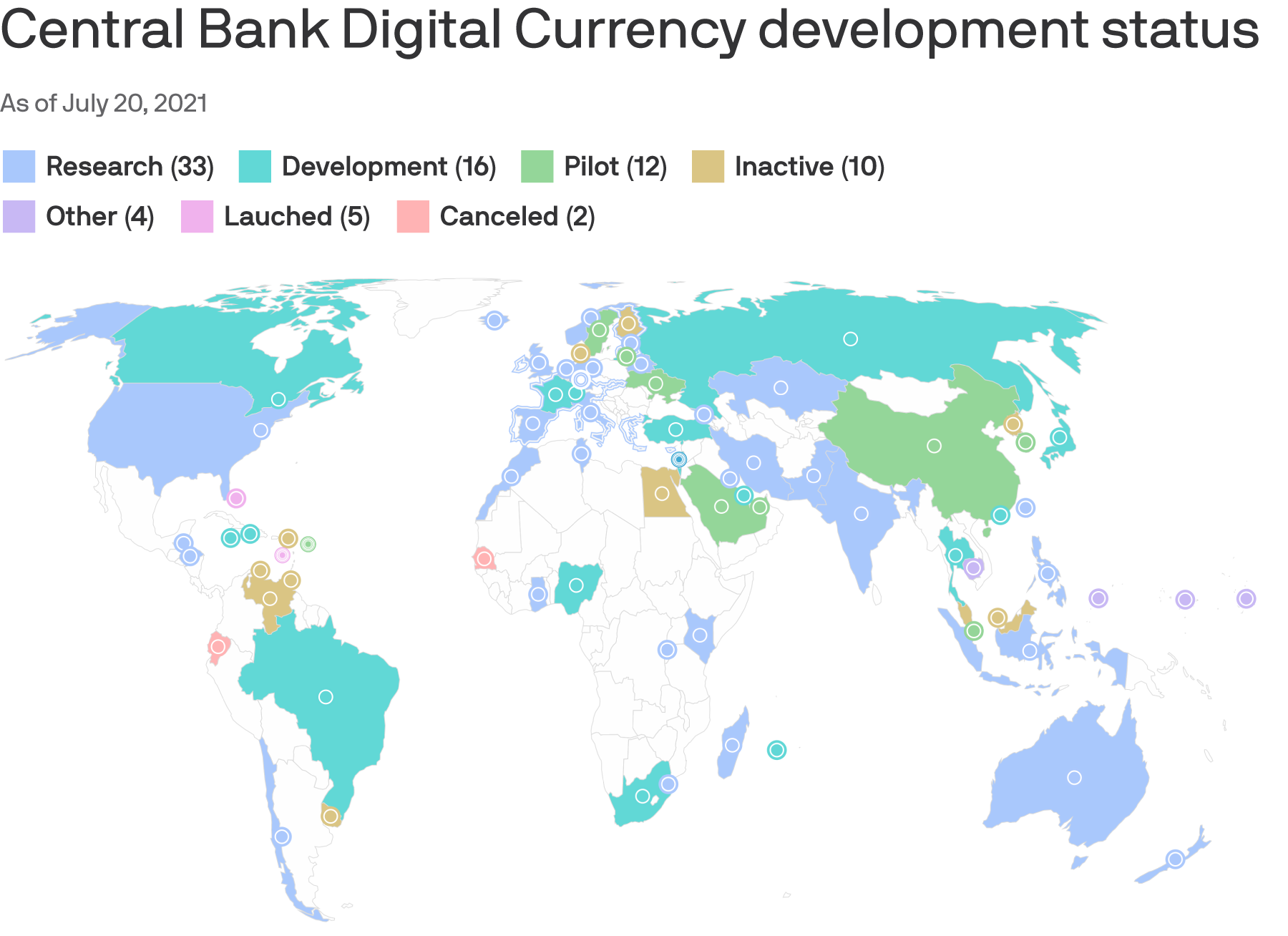
Central bankdigital currency (CBDC) is probably not top of mind for most global consumers. But we may soon have no choice but to think about it — since 81 countries, representing over 90% of global GDP, are now exploring the development of one.
Why it matters: The U.S. lags much of the world. It could miss out on the opportunity to take a leadership role in an increasingly likely global transition to some form of digital currencies.
A trio of Senate Republicans introduced legislation Wednesday that would lay the groundwork to force Big Tech companies to pay fees to support broadband subsidy programs.
Why it matters: Republicans are increasingly looking to Big Tech to support a struggling subsidy fund that pays for internet access and deployment programs.
A startup is launching a new smart scheduling platform designed for the stresses — and the busyness — of the remote work era.
Why it matters: With many workers still at home rather than concentrated in an office, even a quick conversation still often requires a dedicated time slot. Smarter calendar tools can help lighten some of the burden of managing our time.
Privacy-focused email app ProtonMail is stepping into the U.S. antitrust debate as it and other smaller players take on Apple and Google in a fight over app store fees and practices.
Why it matters: App makers have long feared antagonizing Big Tech firms that control their access to customers, but now some are seizing the antitrust moment as a chance to change the rules.
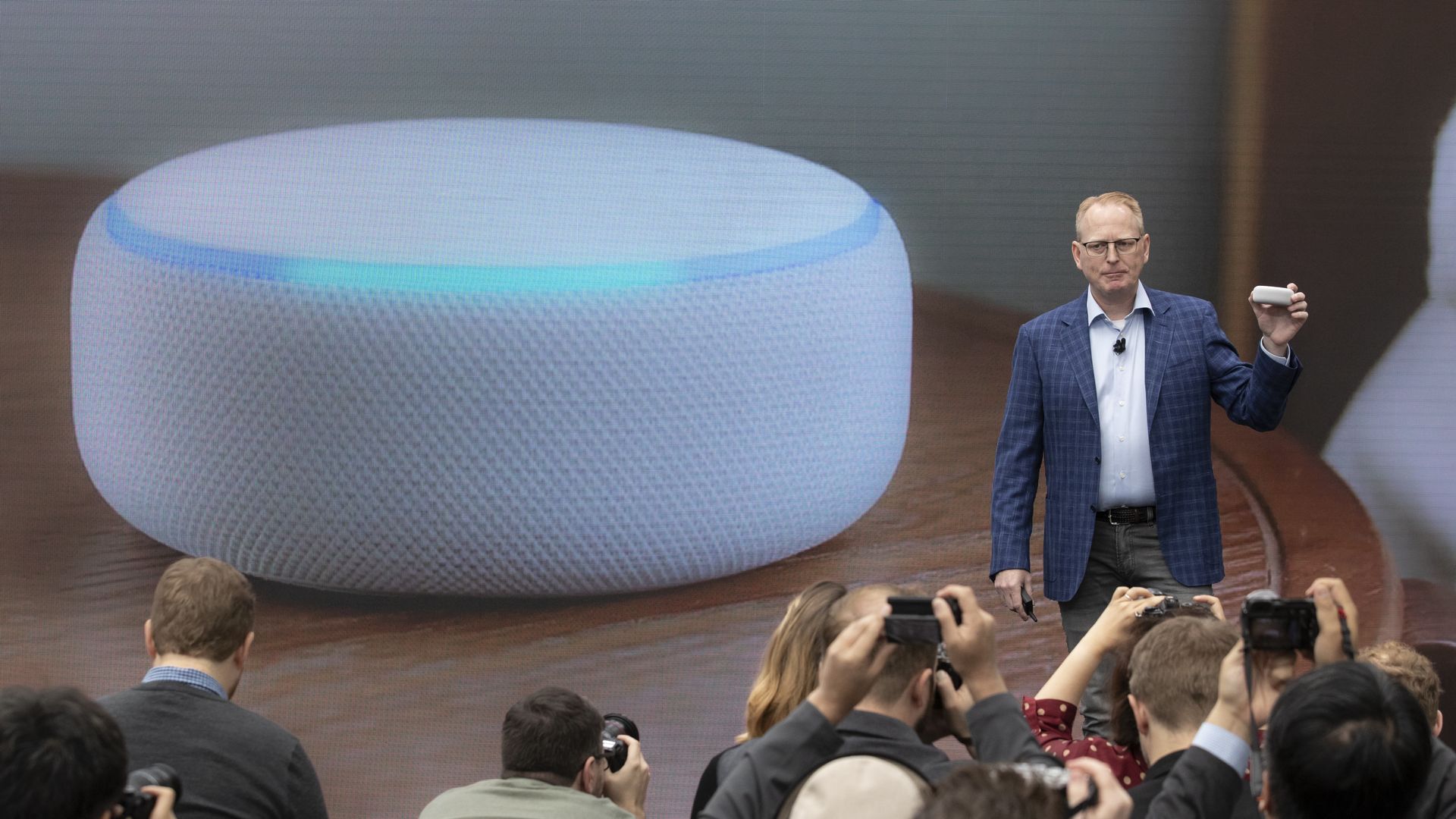
While many people think of Alexa as just the voice behind Amazon's smart speaker, Amazon sees it as the first step towards something more akin to "Star Trek's" remarkably versatile talking computer.
Why it matters: So-called "ambient computing" is seen as the next big wave of computing, where information is personal and delivered in the best way possible given the combination of devices one has nearby.
YouTube removed videos from Brazilian President Jair Bolsonaro's channel Wednesday for spreading pandemic misinformation, the tech giant said.
Driving the news: YouTube said a "careful review" found rule breaches concerning incorrect comments about face masks and hydroxychloroquine, which is proven to not work as a COVID-19 treatment, per a statement to news outlets.
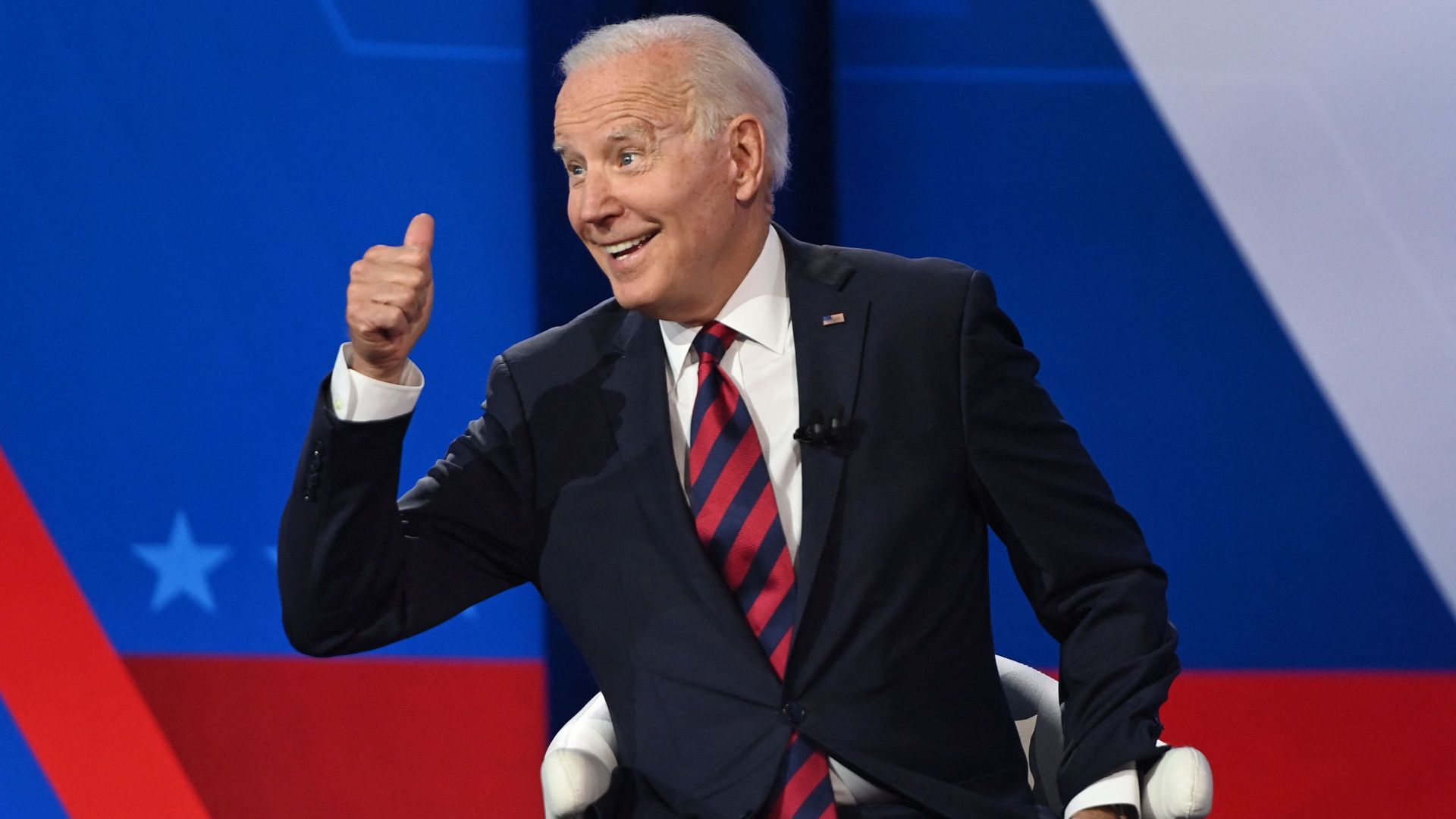
President Biden jabbed at Fox News during his CNN town hall Wednesday night, saying the network had "an altar call" over stepping up messaging on getting vaccinated against COVID-19.
Why it matters: Fox News has long been criticized for allowing some of its personalities to spread misinformation as they've railed against pandemic measures.