A resurgent Zynga is much more than the company that got everyone playing "Farmville" on Facebook many years ago, company president Bernard Kim tells Axios.
Why it matters: One of the best-known social gaming companies has transformed itself into a mobile giant and is also setting its sights on consoles.
Sony is under firefrom indie developers who say it charges over $25,000 for prime placement on the PlayStation store and gives them "no ability to manage their games."
Why it matters: The process of getting listed, and then selling, games on the PlayStation store is a bureaucracy that small developers have no control over.
Robinhood lied to its customers for years, costing them millions of dollars and breaking numerous regulatory rules, according to a blockbuster disciplinary action revealed on Tuesday by the Financial Industry Regulatory Authority, the brokerage's chief regulator.
Why it matters: Robinhood burst onto a relatively sleepy discount-brokerage scene by offering disruptive mobile-native free stock trading. Finra's complaint, coupled with a record $70 million in fines and restitution, reveals the degree to which Robinhood failed at core components of what a brokerage must be able to do.
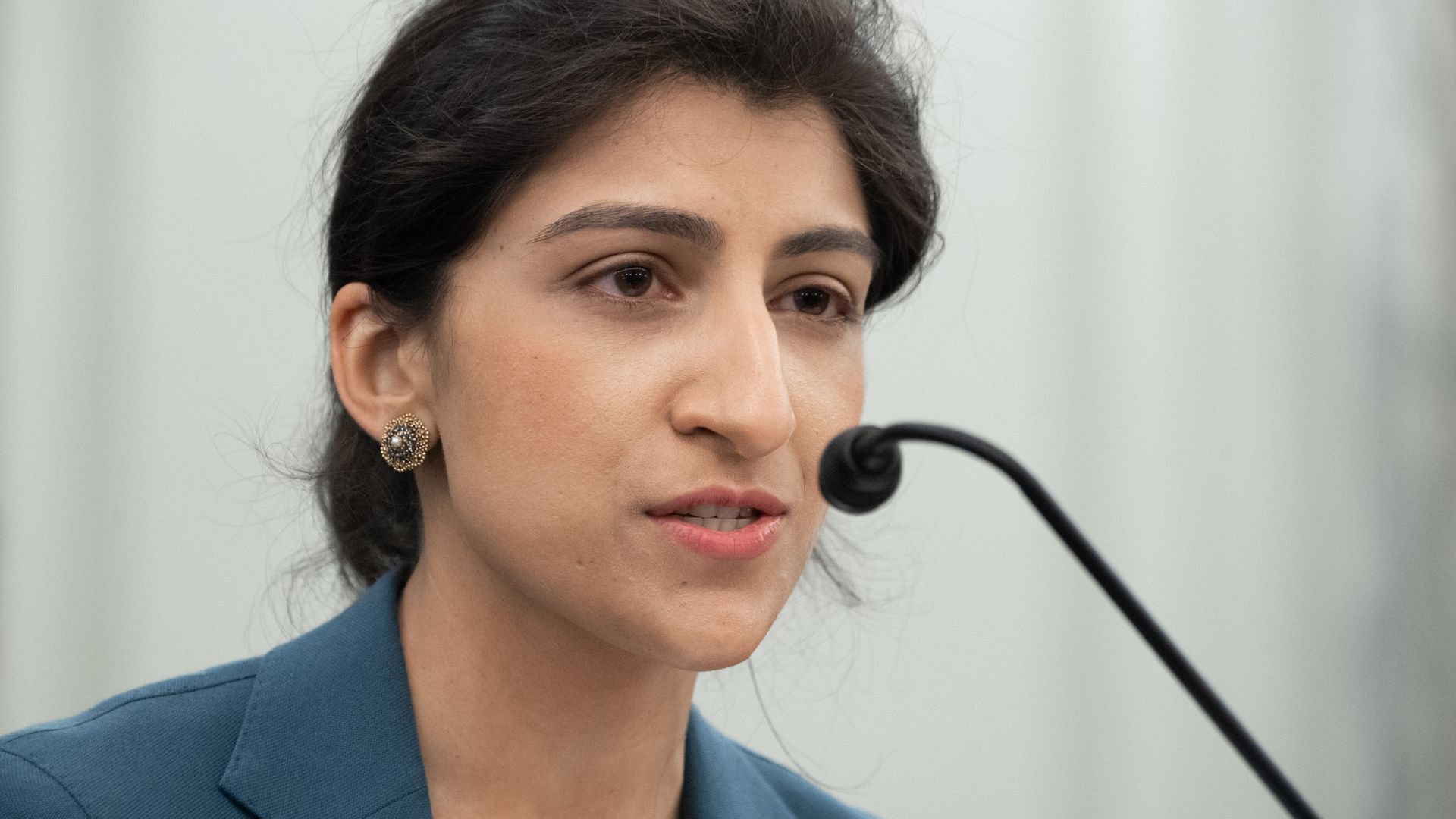
Amazon wants Federal Trade Commission chair Lina Khan recused from any antitrust investigation targeting the company, arguing her past statements about the e-commerce giant create the appearance that she has prejudged the company.
Why it matters: Amazon's purchase of MGM will reportedly be reviewed by the FTC.
TikTok on Wednesday said it removed more than 7 million accounts "from the full TikTok experience” during the first quarter of 2021 for potentially belonging to people under the age of 13.
Why it matters: The disclosure marks the first time the tech giant has revealed the number of accounts it has had to address for possibly belonging to kids and pre-teens.
Facebook, Google and Apple take note: Microsoft is spending a fortune to bulk up its legal staff in anticipation of years of new tech regulations around the globe. And Microsoft isn't even the company in most regulators' crosshairs.
Driving the news: As first reported by Axios, Microsoft plans to increase the size of its corporate and legal affairs team by 20%.
New imaging technology is designed to address a dangerous blind spot when it comes to today's assisted driving systems: they don't always brake for pedestrians.
Why it matters: About 6,200 pedestrians are killed by motor vehicles every year, according to federal statistics, accounting for 16% of all traffic deaths. Three-fourths of those deaths occur at night.
Millions of cars are equipped with automatic emergency braking systems, which are supposed to detect and avoid pedestrians. But they are often "ineffective" at night, AAA testing found.
These systems are powered by radar and visible cameras, which have trouble seeing in low-light, glaring sun or bad weather.
Adding thermal sensors could greatly improve pedestrian safety in these situations, as recent tests performed by VSI Labs, a technical advisor to self-driving car developers, found.
What's happening: Oregon-based Teledyne FLIR Systems, a maker of thermal-imaging and night-vision technology for the military and others, has developed a new type of sensor that can simultaneously detect both light and heat.
In a recent demo, I saw how well the so-called "thermal camera" picked up vulnerable road users like a woman crossing the street carrying a child's slide or smokers taking a break in the shadows of a parking garage.
The "blended thermal/visible technology" can also help detect humans and animals for forthcoming augmented reality systems in cars, FLIR's John Eggert told me.
How it works: Regular cameras make pictures from visible light but can struggle in high-contrast light/dark environments.
Thermal cameras make pictures from heat energy, not visible light, so they're largely unaffected by sun glare and shadows.
Heat (also called infrared, or thermal, energy) and light are both parts of the electromagnetic spectrum, but a camera that can detect visible light won’t see thermal energy, and vice versa.
The bottom line: Sensor fusion — combining multiple perception systems into one — will help improve how cars of the future will see.
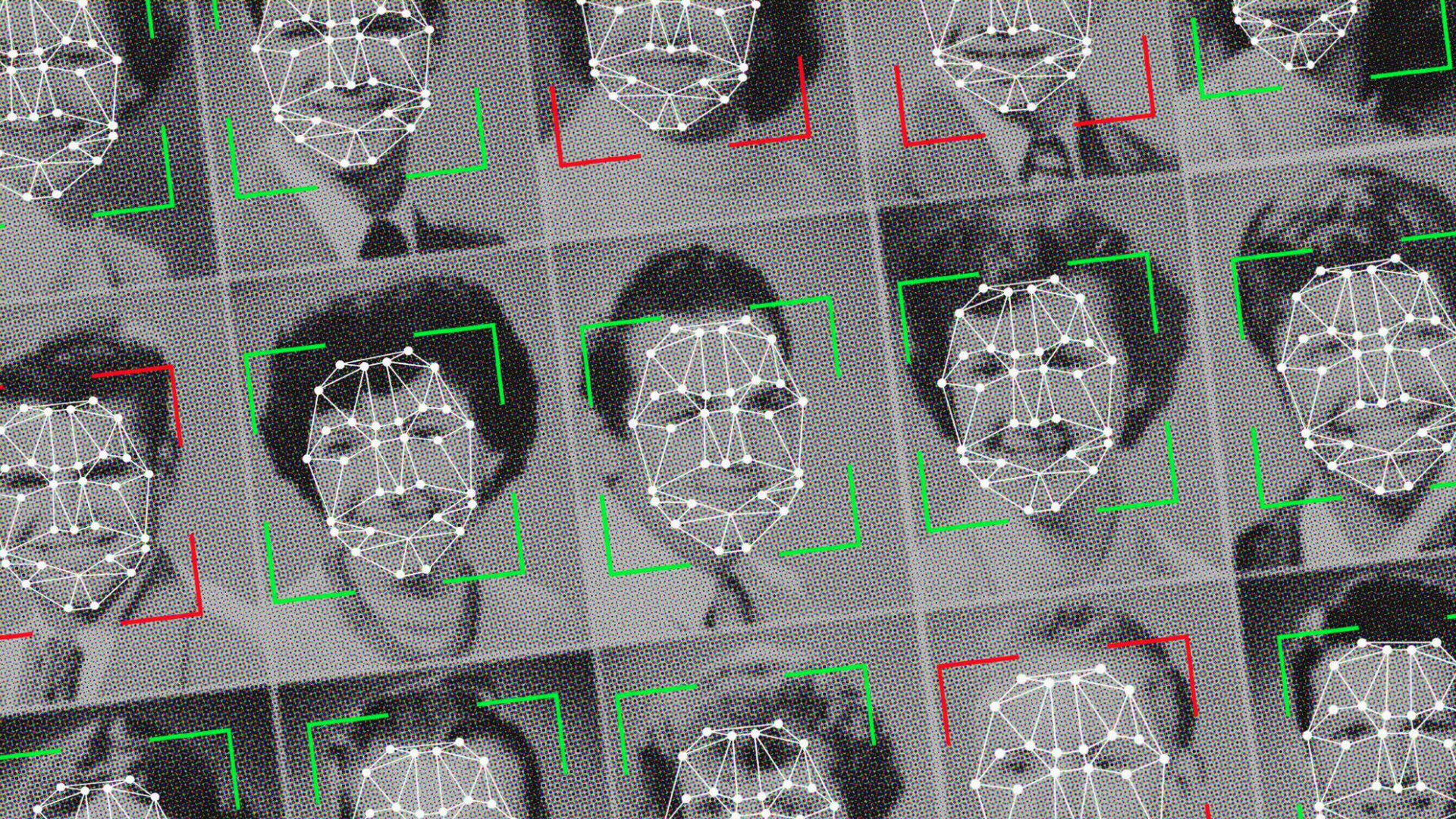
The Government Accountability Office said in a new report Tuesday that federal law enforcement agencies need to track use of facial recognition technology more closely to better protect privacy.
Why it matters: Use of face-recognition tech is becoming more widespread within the federal government, with 20 out of 42 federal agencies that employ law enforcement officers using it.
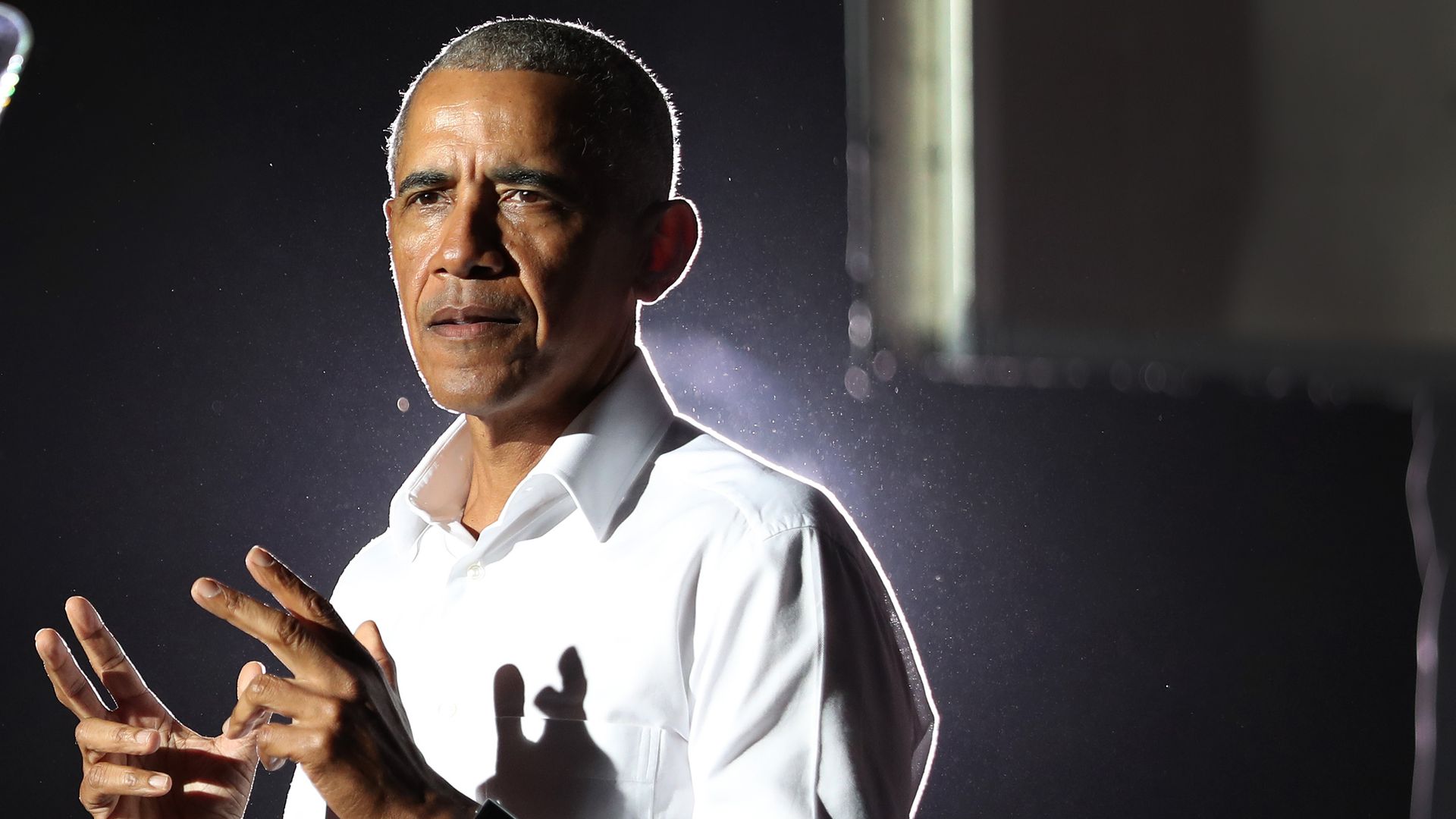
Former President Obama said at the American Library Association's annual conference Tuesday "we should all be worried" by the rise in misinformation, like that which led to the Capitol riot, per CNN.
Details: Obama told moderator Lonnie Bunch he saw some misinformation happening during his presidency, with former President Trump "one of the perpetrators" of stoking sentiment against him. He accused Trump of being "somebody who surfed that for their own advantage."
Chinese ride-hailing company Didi priced its initial public offering at the top of its range at $14, according to mediareports. The company is reportedly considering selling more shares than planned to raise more than $4 billion, and giving it a market cap of at least $67 billion.
Why it matters: Didi will be the second largest U.S. IPO by a Chinese company after Alibaba, which raised about $25 billion from investors in 2014. Didi also famously acquired Uber's Chinese business after an expensive battle to win the market.
DataRobot, a Boston-based enterprise AI company, has quietly raised around $250 million in new funding led by existing investors Altimeter Capital Management and Tiger Global at around a $6 billion pre-money valuation, Axios has learned.
Why it matters: This is all about the promise of automated insights, allowing companies to build predictive models based on their reams of data.
Game developers are speaking out about their fickle careers, which are rife with long hours, stagnation and the threat of layoffs.
Why it matters: Longtime designer Laralyn McWilliams calls this "one of the unspoken taxes of being in game dev," pointing in a Twitter thread to 10 moves in 27 years that span cities from Raleigh, North Carolina, and Ann Arbor, Michigan, to Seattle, Los Angeles, and Chicago.
Marvel may be a better-known company in the west, but Korean mobile gaming giant Netmarble will be the creative force to watch when the companies launch an open-world role-playing game called "Marvel Future Revolution" later this year.
Why it matters: The power of modern phones is emboldening studios to make the kinds of games that previously would have only been expected on PCs and consoles.
Facebook CEO Mark Zuckerberg on Tuesday unveiled the company's newest product, an independent writing platform called Bulletin.
Why it matters: It's the latest feature Facebook has built to go after independent creators. It could also help Facebook's user base stay better connected to its platform.
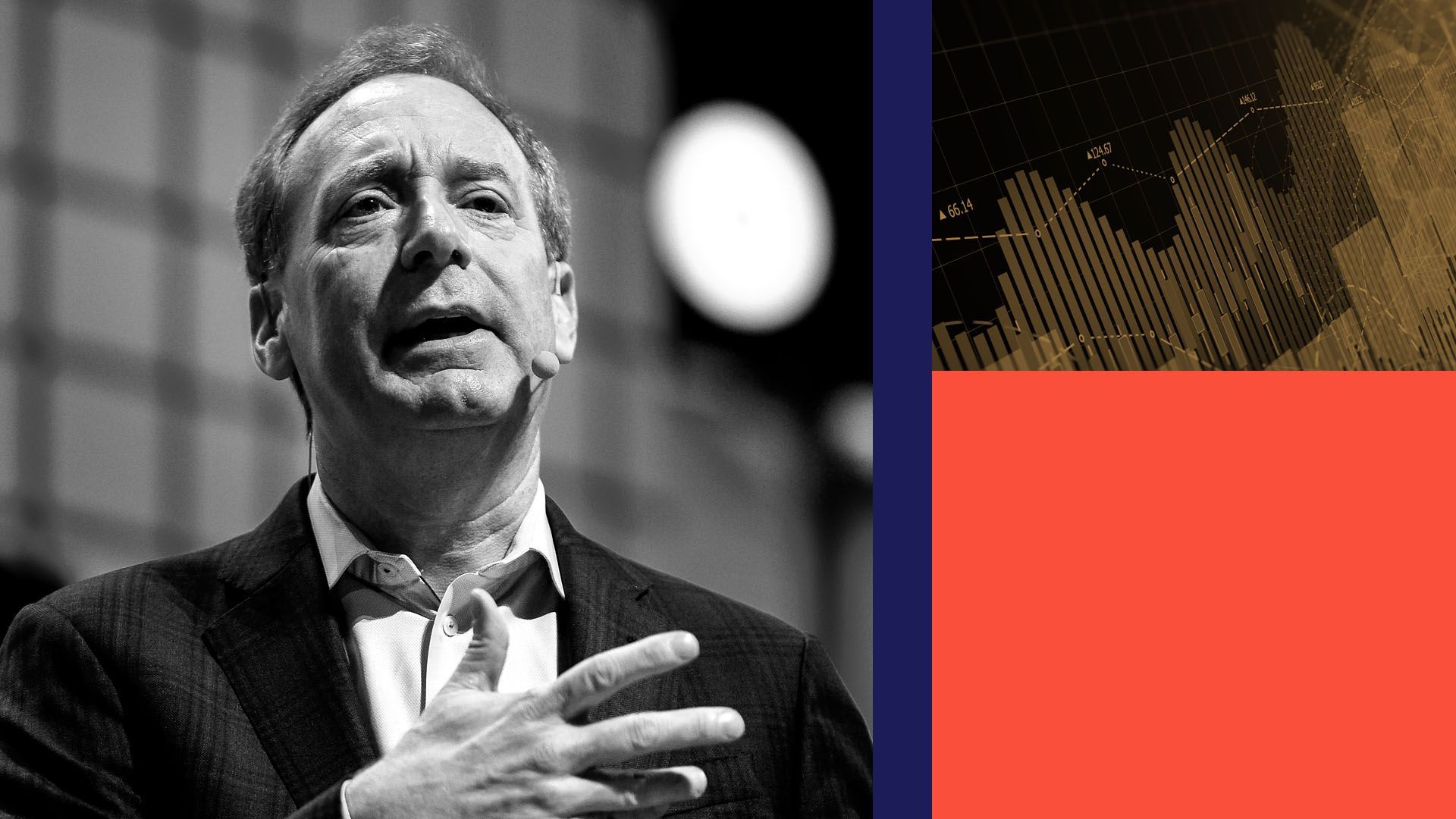
Microsoft plans to increase its legal and corporate affairs unit by 20 percent in the coming fiscal year as it prepares for what it sees as a years-long wave of tech regulation across the globe, Microsoft president Brad Smith told Axios.
The big picture: Smith individually, and Microsoft as a company, have plenty of experience with tech regulation — most notably, from a decade-long fight with regulators on both sides of the Atlantic over antitrust issues beginning in the late '90s.
After months of testing, marketers are finally going to be able to start running video ads within console and PC games.
Why it matters: In-game advertising, a linchpin of mobile gaming, could be very lucrative for console and PC developers. But studios have been hesitant to adopt them, fearing that a clunky ad experience would mess with user engagement.
A federal judge's decisions Monday tossed out antitrust lawsuits against Facebook — and threw cold water on the heated campaign to brand Big Tech's leading companies as illegal monopolists.
Why it matters: The rulings show just how tough it will be for regulators at the Federal Trade Commission and the Justice Department to make their charges of tech malfeasance stick.
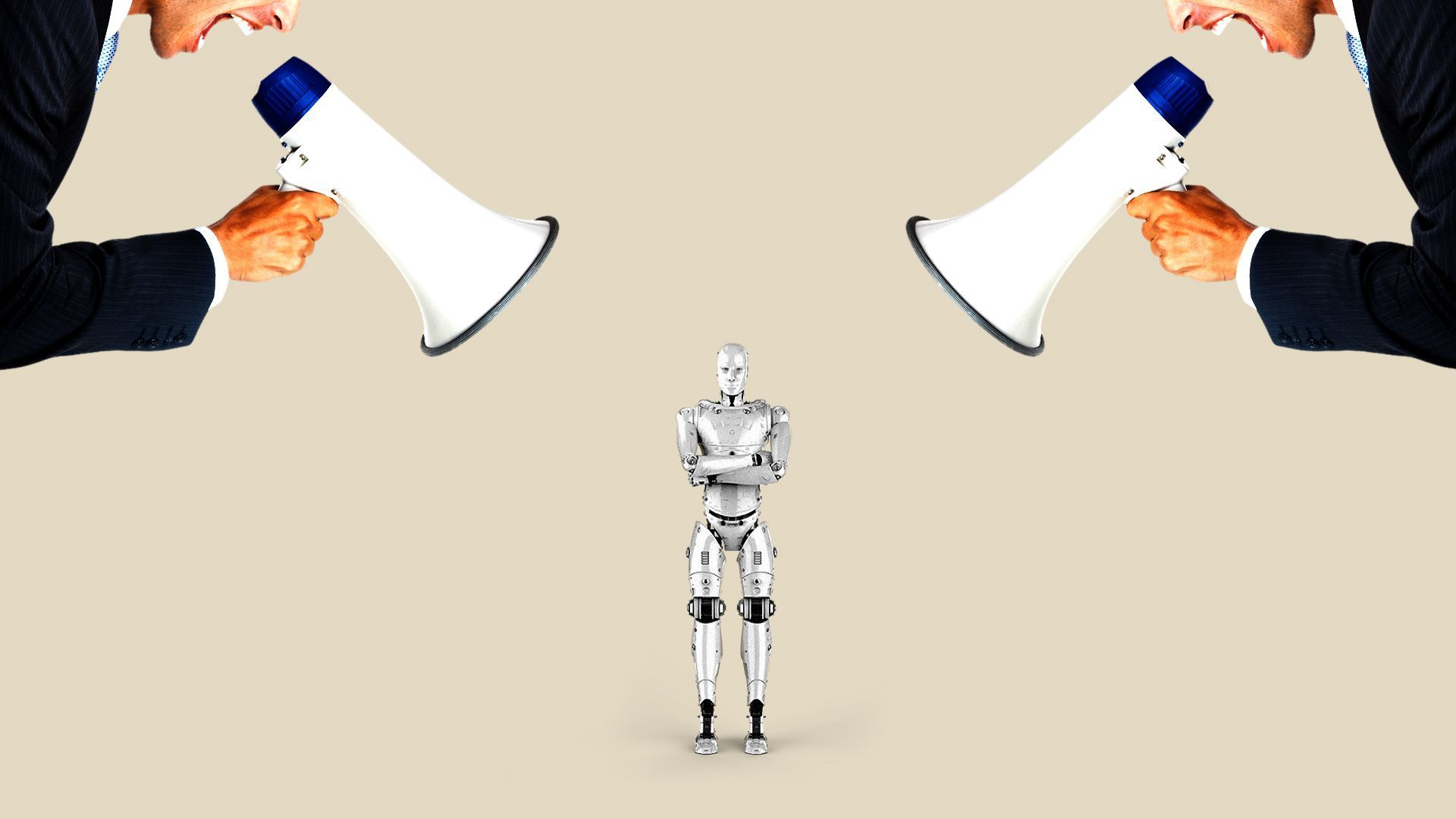
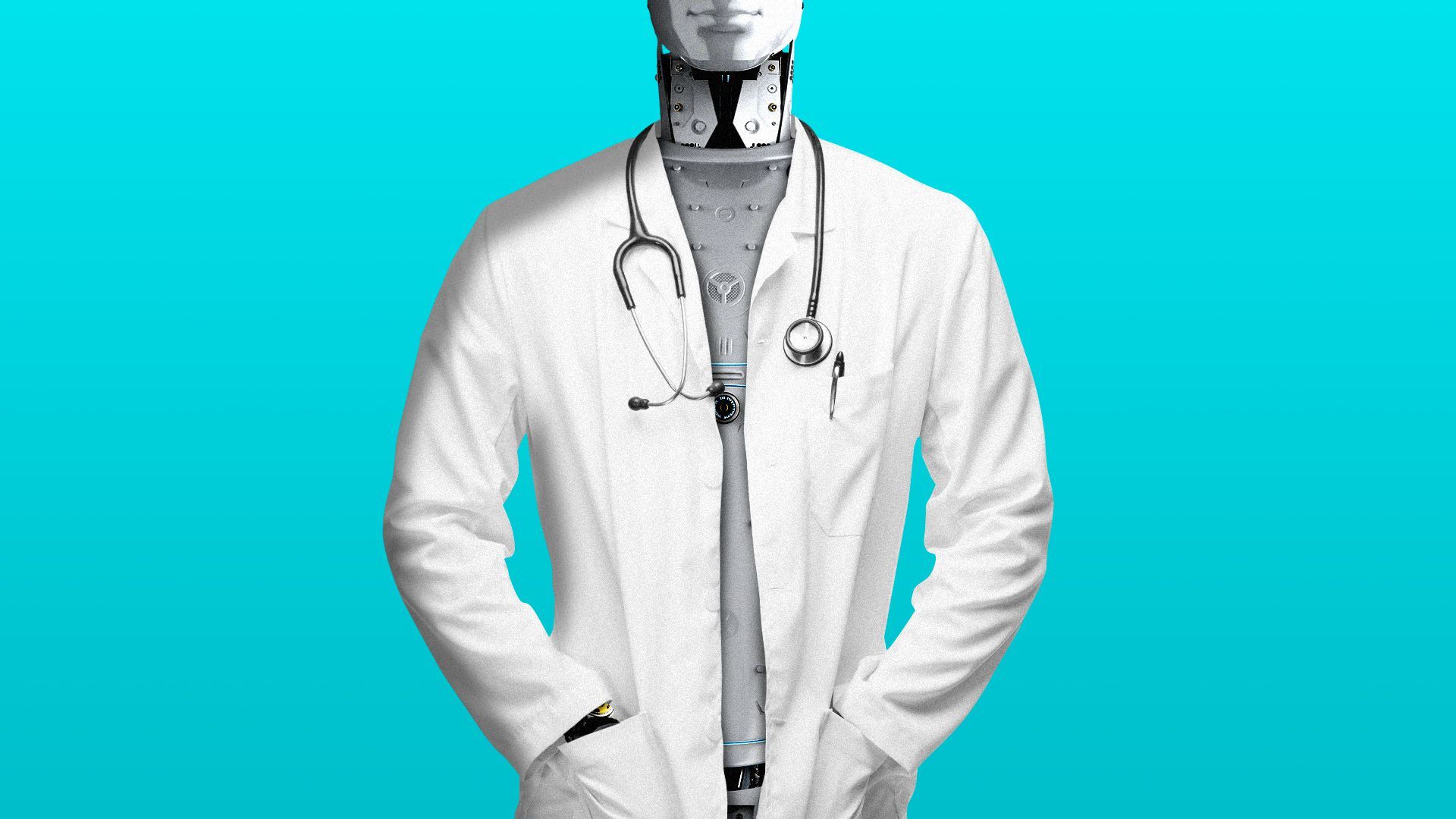
A broad new report from the World Health Organization (WHO) lays out ethical principles for the use of artificial intelligence in medicine.
Why it matters: Health is one of the most promising areas of expansion for AI, and the pandemic only accelerated the adoption of machine learning tools. But adding algorithms to health care will require that AI can follow the most basic rule of human medicine: "Do no harm" — and that won't be simple.