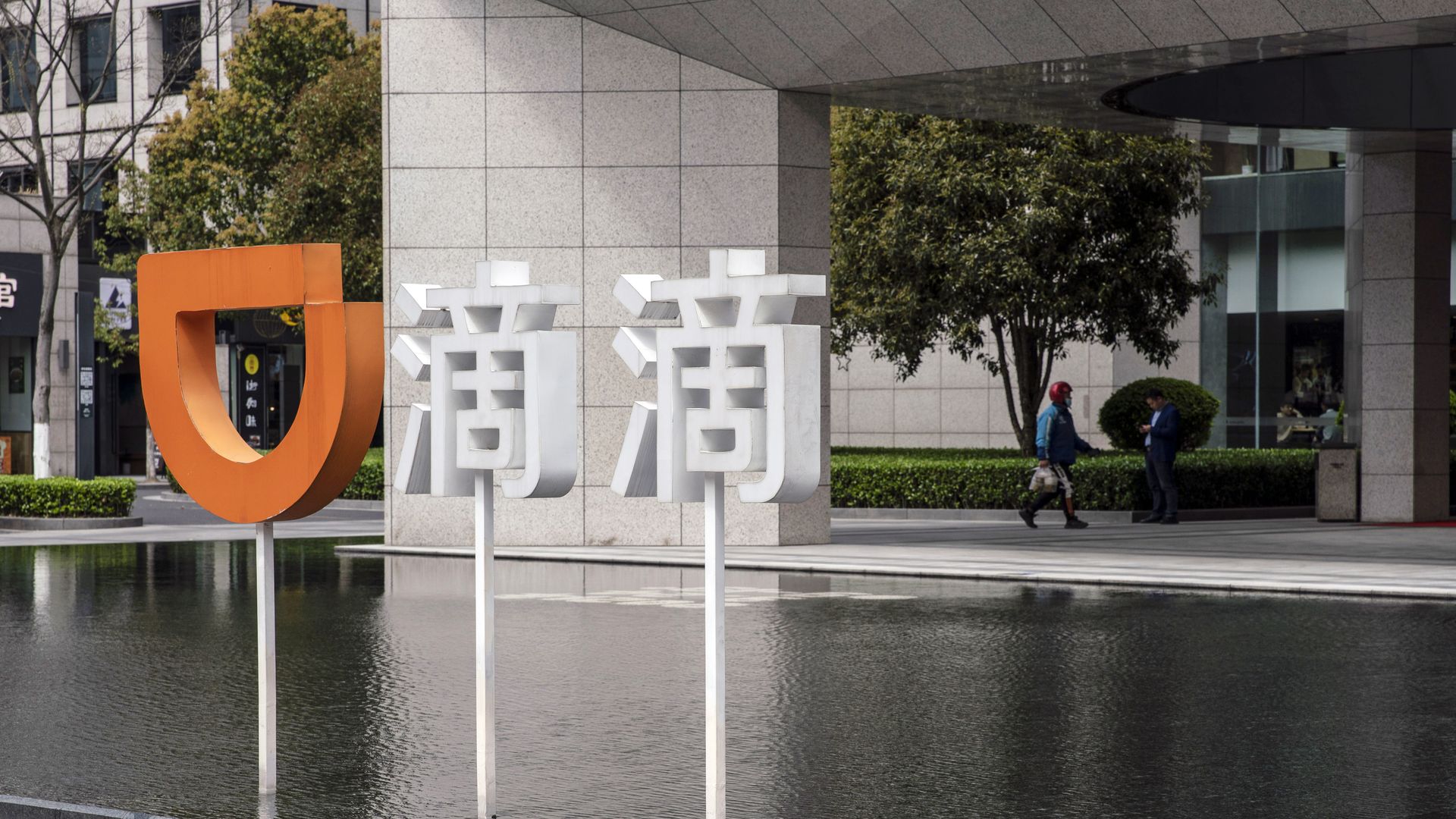
Chinese ride-hailing company Didi priced its initial public offering at the top of its range at $14, according to mediareports. The company is reportedly considering selling more shares than planned to raise more than $4 billion, and giving it a market cap of at least $67 billion.
Why it matters: Didi will be the second largest U.S. IPO by a Chinese company after Alibaba, which raised about $25 billion from investors in 2014. Didi also famously acquired Uber's Chinese business after an expensive battle to win the market.
DataRobot, a Boston-based enterprise AI company, has quietly raised around $250 million in new funding led by existing investors Altimeter Capital Management and Tiger Global at around a $6 billion pre-money valuation, Axios has learned.
Why it matters: This is all about the promise of automated insights, allowing companies to build predictive models based on their reams of data.
Game developers are speaking out about their fickle careers, which are rife with long hours, stagnation and the threat of layoffs.
Why it matters: Longtime designer Laralyn McWilliams calls this "one of the unspoken taxes of being in game dev," pointing in a Twitter thread to 10 moves in 27 years that span cities from Raleigh, North Carolina, and Ann Arbor, Michigan, to Seattle, Los Angeles, and Chicago.
Marvel may be a better-known company in the west, but Korean mobile gaming giant Netmarble will be the creative force to watch when the companies launch an open-world role-playing game called "Marvel Future Revolution" later this year.
Why it matters: The power of modern phones is emboldening studios to make the kinds of games that previously would have only been expected on PCs and consoles.
Facebook CEO Mark Zuckerberg on Tuesday unveiled the company's newest product, an independent writing platform called Bulletin.
Why it matters: It's the latest feature Facebook has built to go after independent creators. It could also help Facebook's user base stay better connected to its platform.
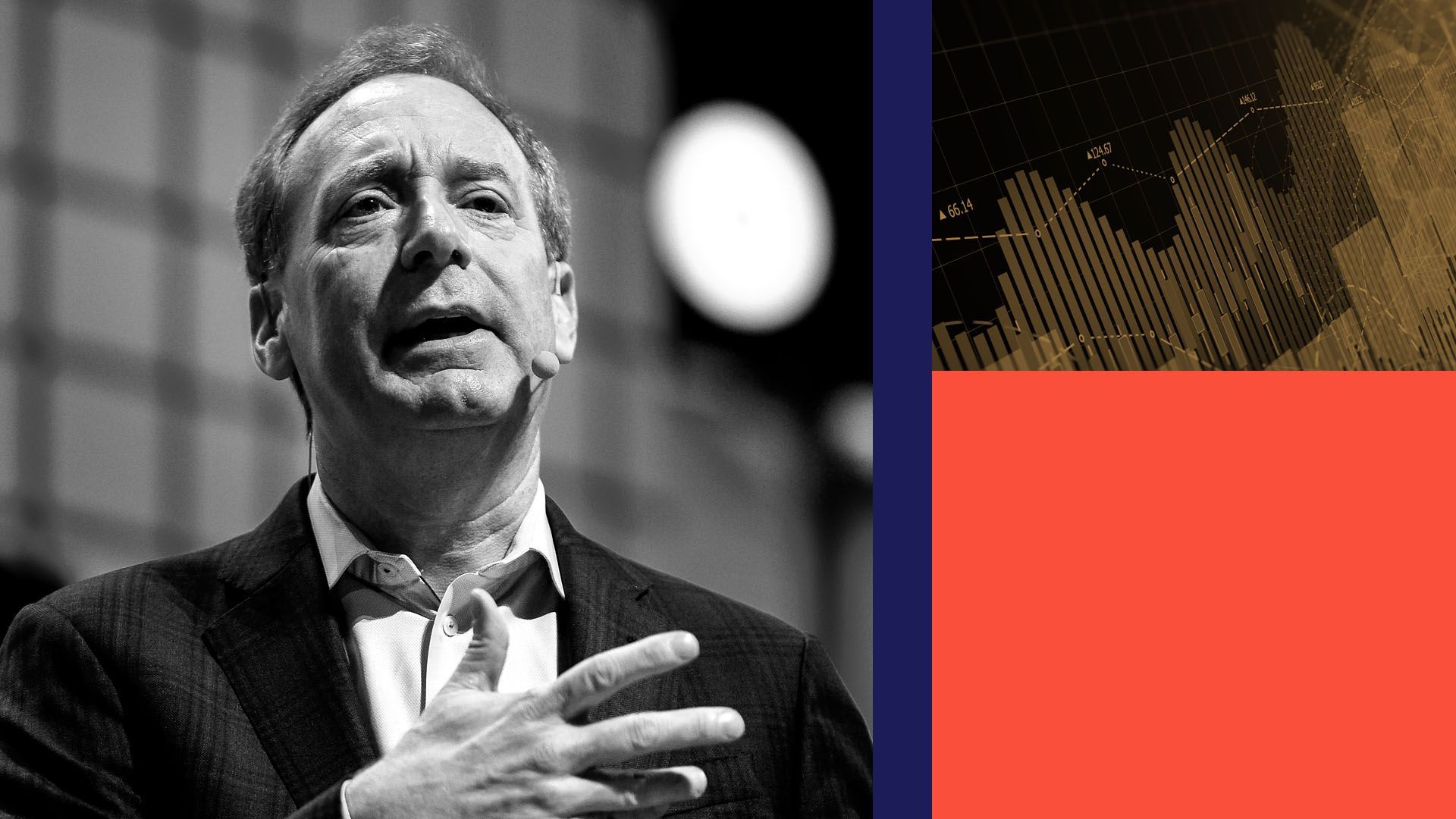
Microsoft plans to increase its legal and corporate affairs unit by 20 percent in the coming fiscal year as it prepares for what it sees as a years-long wave of tech regulation across the globe, Microsoft president Brad Smith told Axios.
The big picture: Smith individually, and Microsoft as a company, have plenty of experience with tech regulation — most notably, from a decade-long fight with regulators on both sides of the Atlantic over antitrust issues beginning in the late '90s.
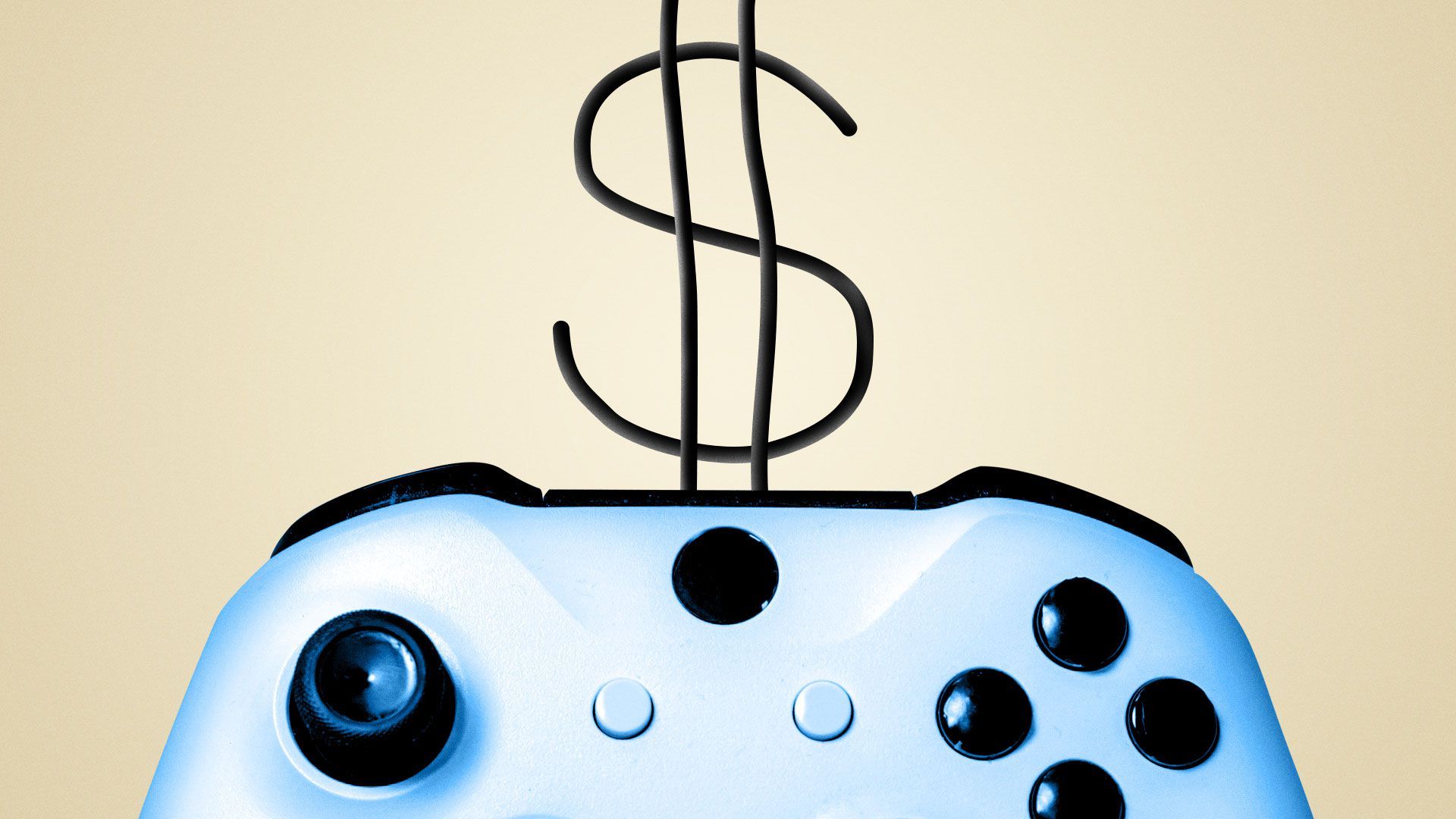
After months of testing, marketers are finally going to be able to start running video ads within console and PC games.
Why it matters: In-game advertising, a linchpin of mobile gaming, could be very lucrative for console and PC developers. But studios have been hesitant to adopt them, fearing that a clunky ad experience would mess with user engagement.
A federal judge's decisions Monday tossed out antitrust lawsuits against Facebook — and threw cold water on the heated campaign to brand Big Tech's leading companies as illegal monopolists.
Why it matters: The rulings show just how tough it will be for regulators at the Federal Trade Commission and the Justice Department to make their charges of tech malfeasance stick.
A broad new report from the World Health Organization (WHO) lays out ethical principles for the use of artificial intelligence in medicine.
Why it matters: Health is one of the most promising areas of expansion for AI, and the pandemic only accelerated the adoption of machine learning tools. But adding algorithms to health care will require that AI can follow the most basic rule of human medicine: "Do no harm" — and that won't be simple.