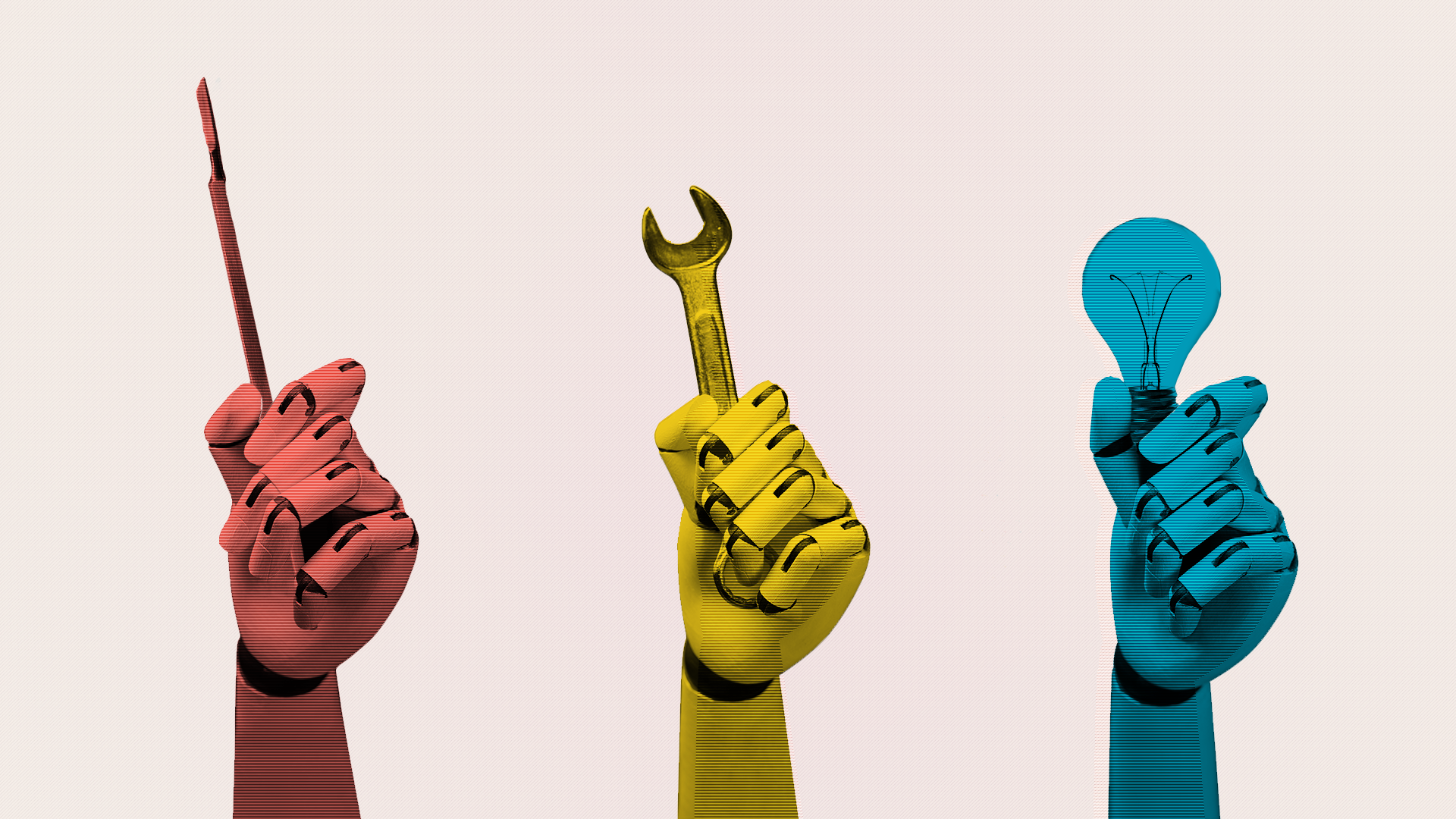
Talk of artificial intelligence goes almost inexorably to the very large. Companies, it is said, must embrace big data, along with future human-like AI, or be lost to history. But some tech leaders are going the other way: urging businesses to start thinking small.
What's happening: This growing mantra speaks of the upside of narrow AI ambitions, and small data. But by small bore, they don't mean small results. AI and data minimalism, they say, could be what revolutionizes business, industry, war and more.
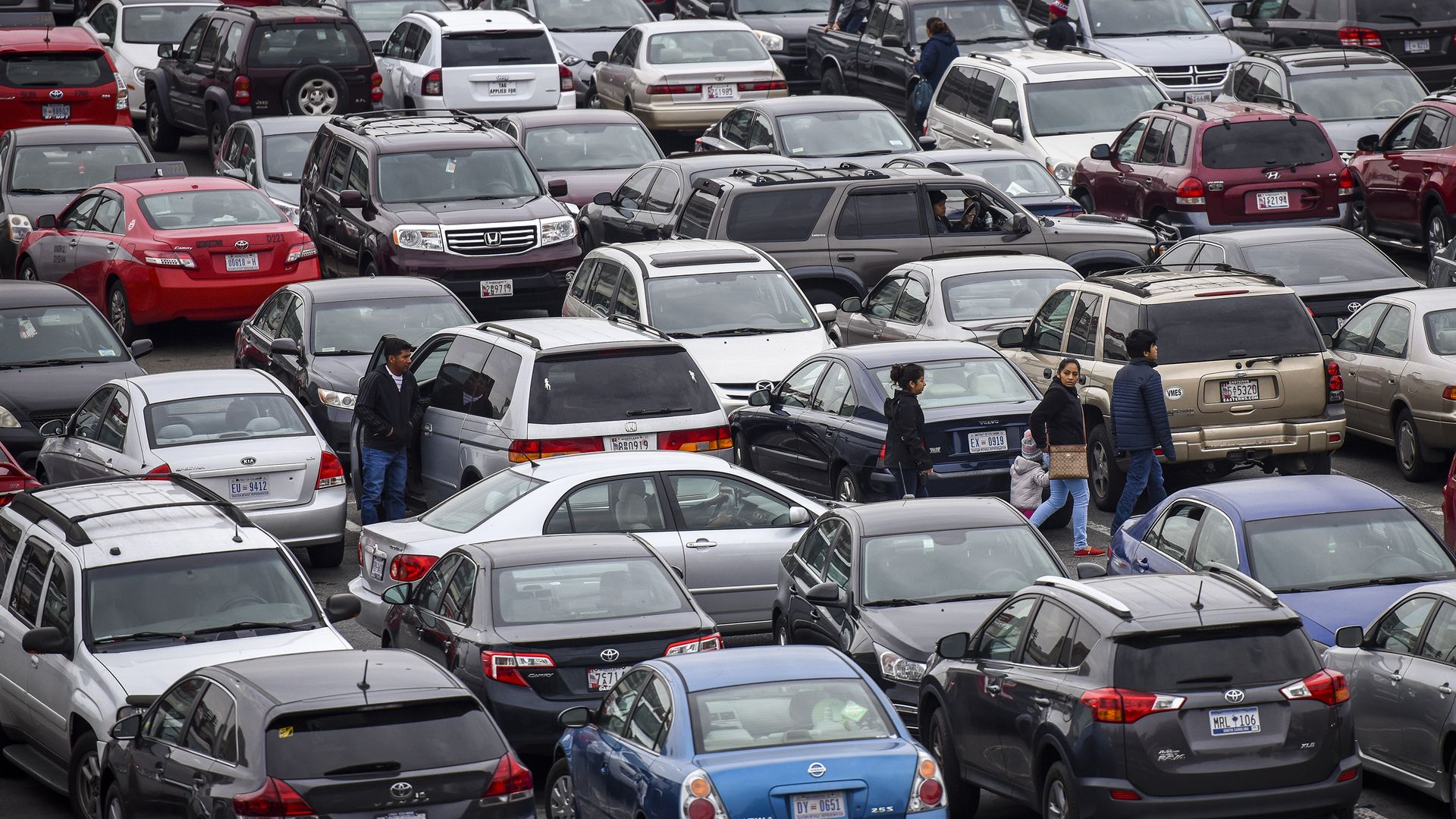
America is overparked. In Los Angeles, for example, there are 9 parking spaces for every car. Nationally, 250 million adults have access to more than 700 million parking spaces. That adds up: The U.S. dedicates an area the size of Connecticut to parking.
The big picture: As an alternative to personal car ownership, self-driving cars will allow cities to be rebuilt around people. Ride-sharing fleets in particular could transform the use of valuable urban real estate, turning the asphalt jungle back into spaces communities can use for anything from dedicated bike and scooter lanes to on-street parklets or even housing.
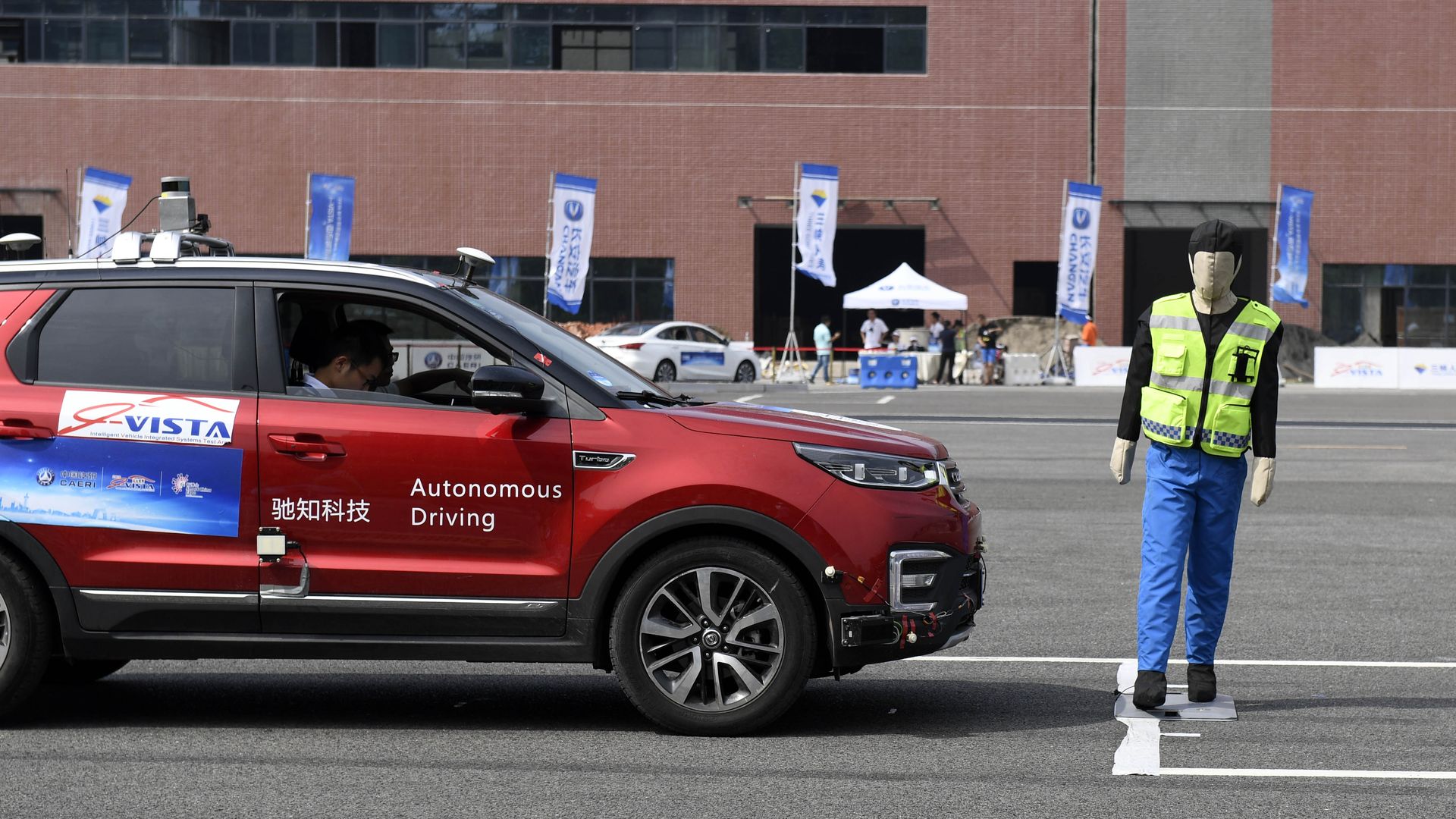
Part of the promise of self-driving cars is that they will be exceptionally safe. As Toyota puts it, vehicles should be "incapable of causing an accident." However, even if a car doesn’t directly cause accidents, it might create minor hazards that make it more likely that others will cause an accident.
Why it matters: There’s more to being a good driver than never being at fault for an accident. AVs should not just “do no harm”; they should “do good” by making the road a safer environment for all road users.
Why it matters: Not only did advertisers bet heavily on video, so did publishers, especially news organizations which laid off word people to hire video people and then laid off those video people when the ad dollars didn't materialize.
Why it matters: The move follows a European Commission order that Google stop bundling its search engine and browser with its Android apps and store, a ruling Google is appealing, along with the accompanying $5 billion fine.
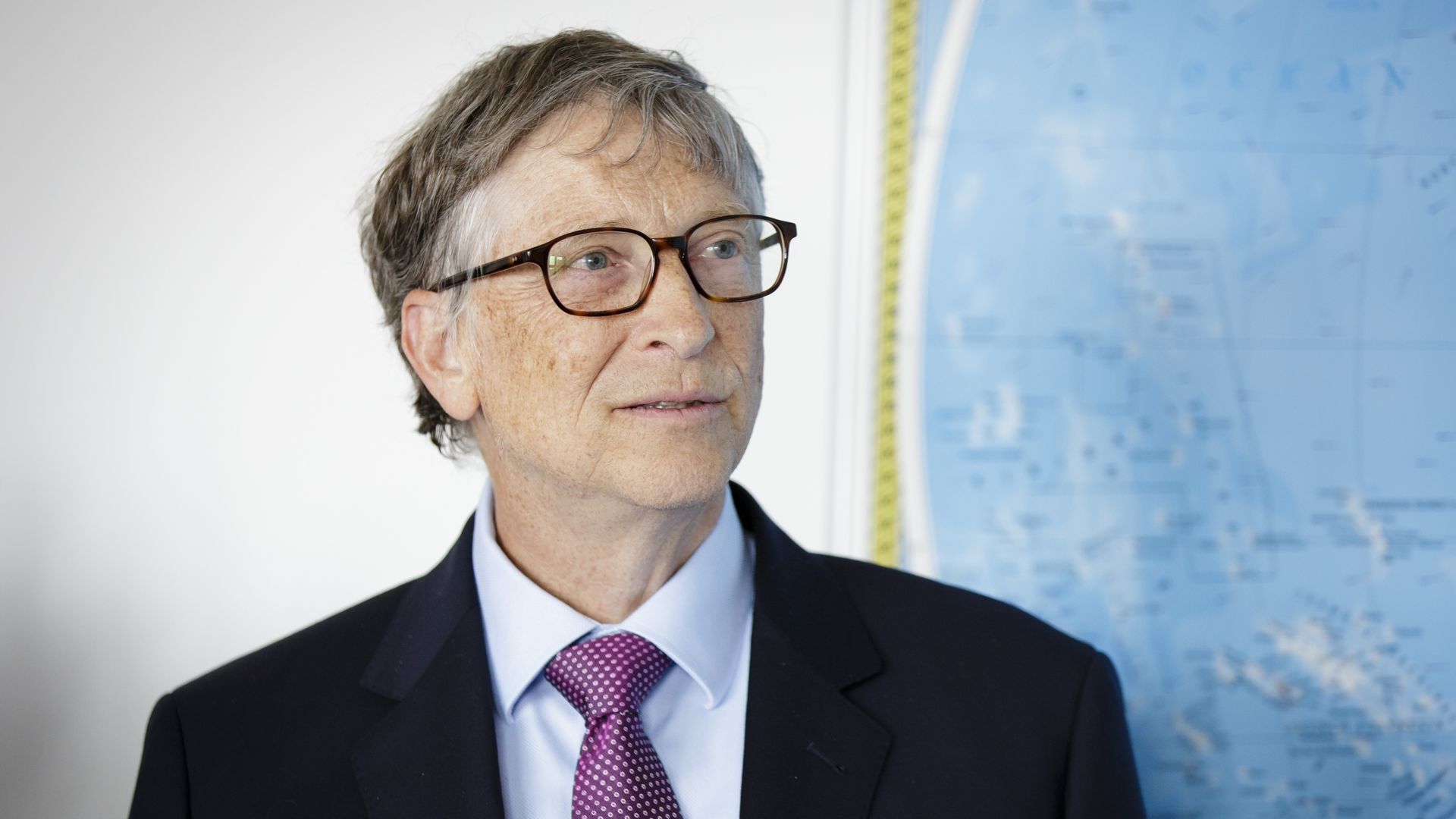
A clean-energy venture fund led by Bill Gates is forging a new partnership with the European Commission, the billionaire and Microsoft co-founder announced today.
Why it matters: Gates’ move is the latest sign of how private citizens, companies and other countries are trying to move forward on addressing climate change, despite President Trump’s retreat on the issue.
Twitter is releasing all the content associated with 4,611 accounts it has tied to two previously announced misinformation campaigns by Russia and Iran — 3,814 accounts linked to Russia's Internet Research Agency, which meddled in the 2016 elections, and 770 that were linked to state-backed activity from Iran.
Why it matters: Twitter says the release is part of an effort to be more transparent about the "information operations" it identifies on the platform and opens up those operations to researchers aiming to understand meddling in U.S. politics.
Over the weekend Twitter suspended 1,500 fake accounts a pro-Trump group created to mock liberals because the accounts had been spreading false information about Election Day, such as saying that Election Day is November 7, when in fact it is on Tuesday, November 6, per The New York Times.
Why it matters: Reddit’s largest pro-Trump forum,"r/the_donald," likely created the trolling campaign as a joke, but spreading false information about the midterms can keep voters from casting ballots. "Similar types of disinformation spread on social media in 2016, which makes companies like Twitter nervous," as the NYT’s Kevin Roose writes.
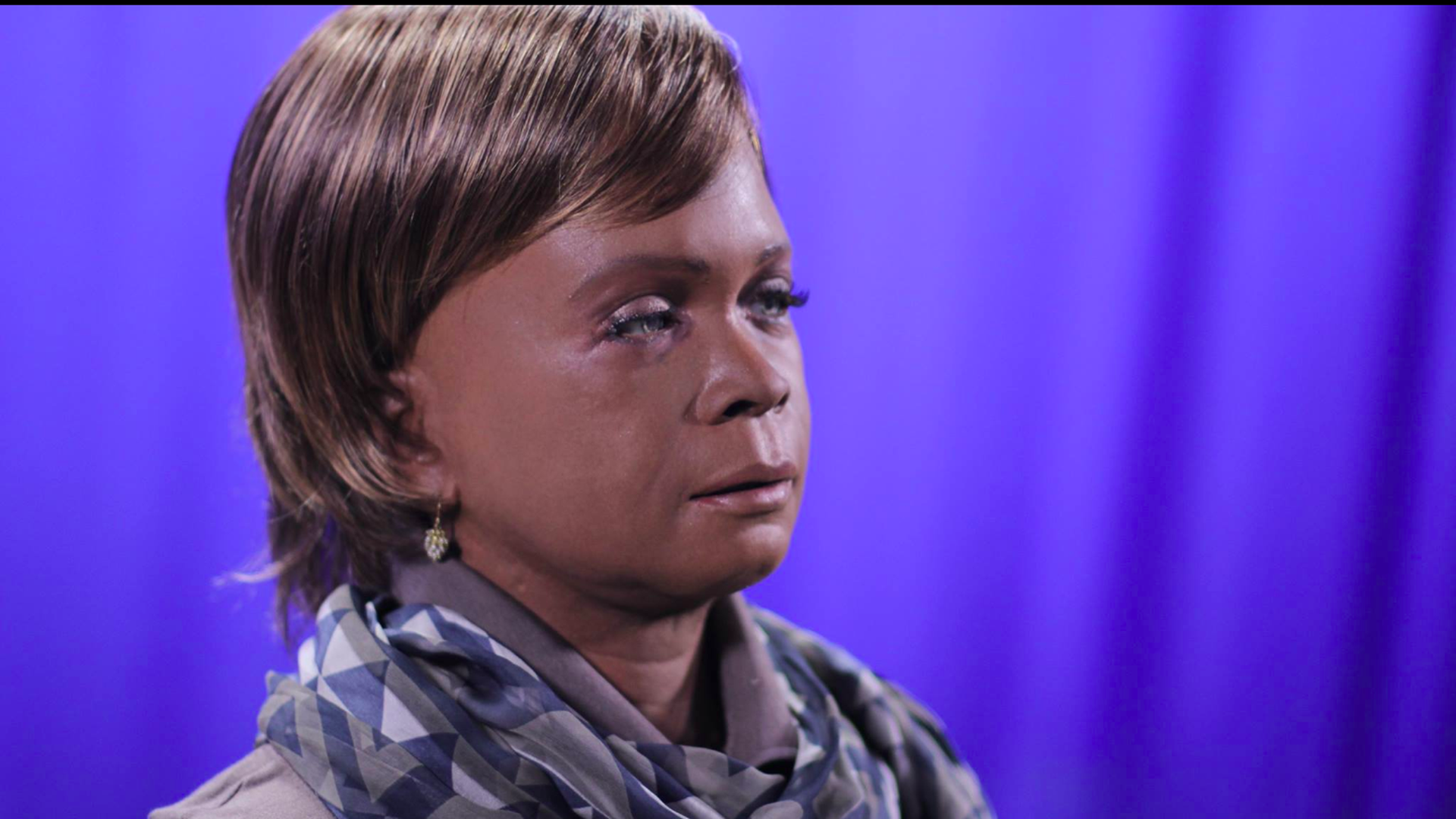
Bina48, the first-ever robot to complete a college course, finished another mission today: It became the first robot to co-teach a university-level class.
Why it matters: The experiment at the U.S. Military Academy at West Point sought to determine if AI can "support a liberal education model," says William Barry, a West Point professor who has been using Bina48 to teach for years.
Netflix stock was up roughly 15% in after-hours trading Tuesday after the streaming giant announced it had beat investor expectations on earnings, revenue and user growth.
Flashback: Netflix failed to meet investor expectations around user growth in July during its second quarter earnings report, causing it's stock to drop nearly 14% in after-hours trading.
Why it matters: The move follows a European Commission order that Google stop bundling its search engine and browser with its Android apps and store, a ruling Google is appealing, along with the accompanying $5 billion fine.
Morgan Stanley and Goldman Sachs — both pitching IPO proposals to Uber — have valued UberEats, its food delivery business, at as much as $20 billion, and it's expected to become profitable before the company's ride-hailing arm, according to the Wall Street Journal.
Why it matters: On-demand delivery is a tough business in countries like the U.S., as many companies have learned in the last several years. That's largely because labor is expensive while customers don't want to pay high fees.
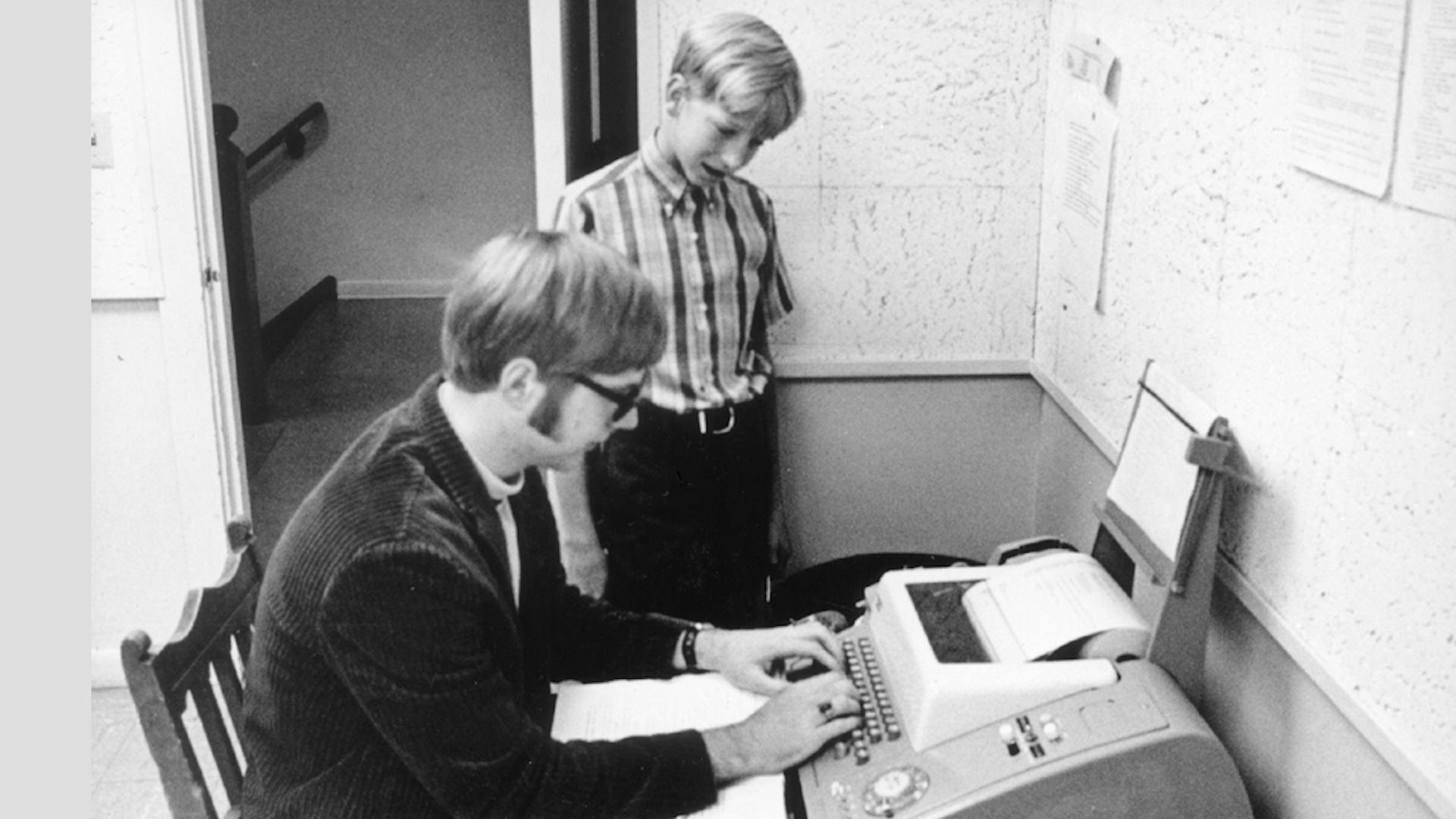
Paul Allen, the Microsoft co-founder who went on to become a major tech investor, philanthropist and civic leader, died Monday after a recurrence of cancer.
The big picture: Though Allen was personally low key, he made a major mark on the world, especially in his hometown of Seattle, where he helped cement the city's role.
Facing both saturation and user fatigue in its core base, Facebook has based a big part of its growth strategy on getting the next billion users online.
The backdrop: Facebook's approach historically has involved partnering with telecom providers to offer users access to certain mobile data for free.
Goldman Sachs and Morgan Stanley submitted proposals to Uber last month that would value a potential IPO for the ride-sharing giant as high as $120 billion, nearly double the company's valuation from a fundraising round two months ago, reports WSJ.
Flashback: Almost exactly a year ago, Axios' Dan Primack outlined the case for Uber being valued at $95 billion in a round of private funding from SoftBank.
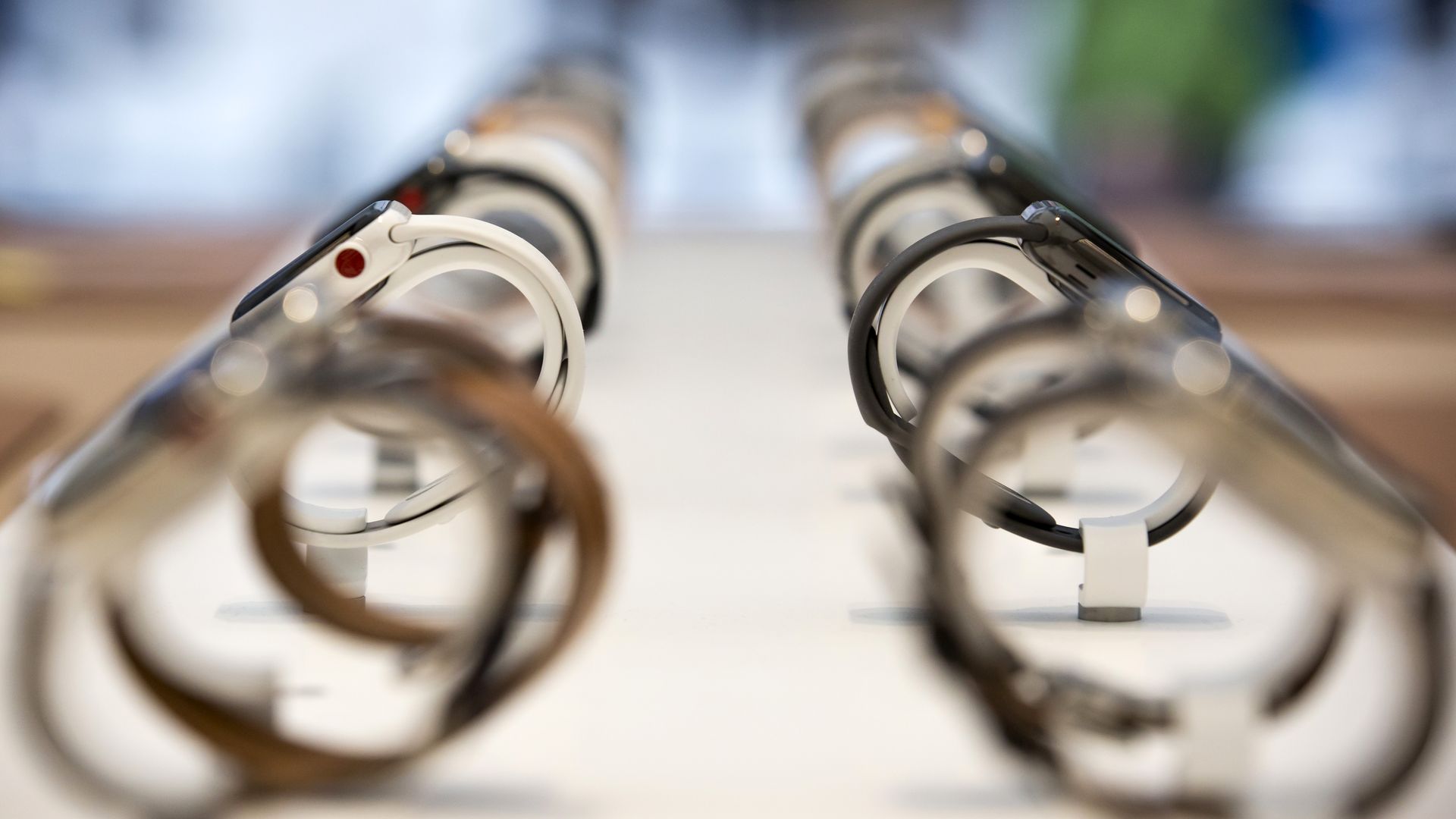
Hip and knee replacements may be the next health care frontier for the Apple Watch, now that it can monitor users' heart rates.
What's new:Reuters reports that 4 hospitals and a handful of other providers are working with Zimmer Biomet, a medical device company, to test an app that would transmit patients’ heart rate, steps taken and standing hours to their doctors.
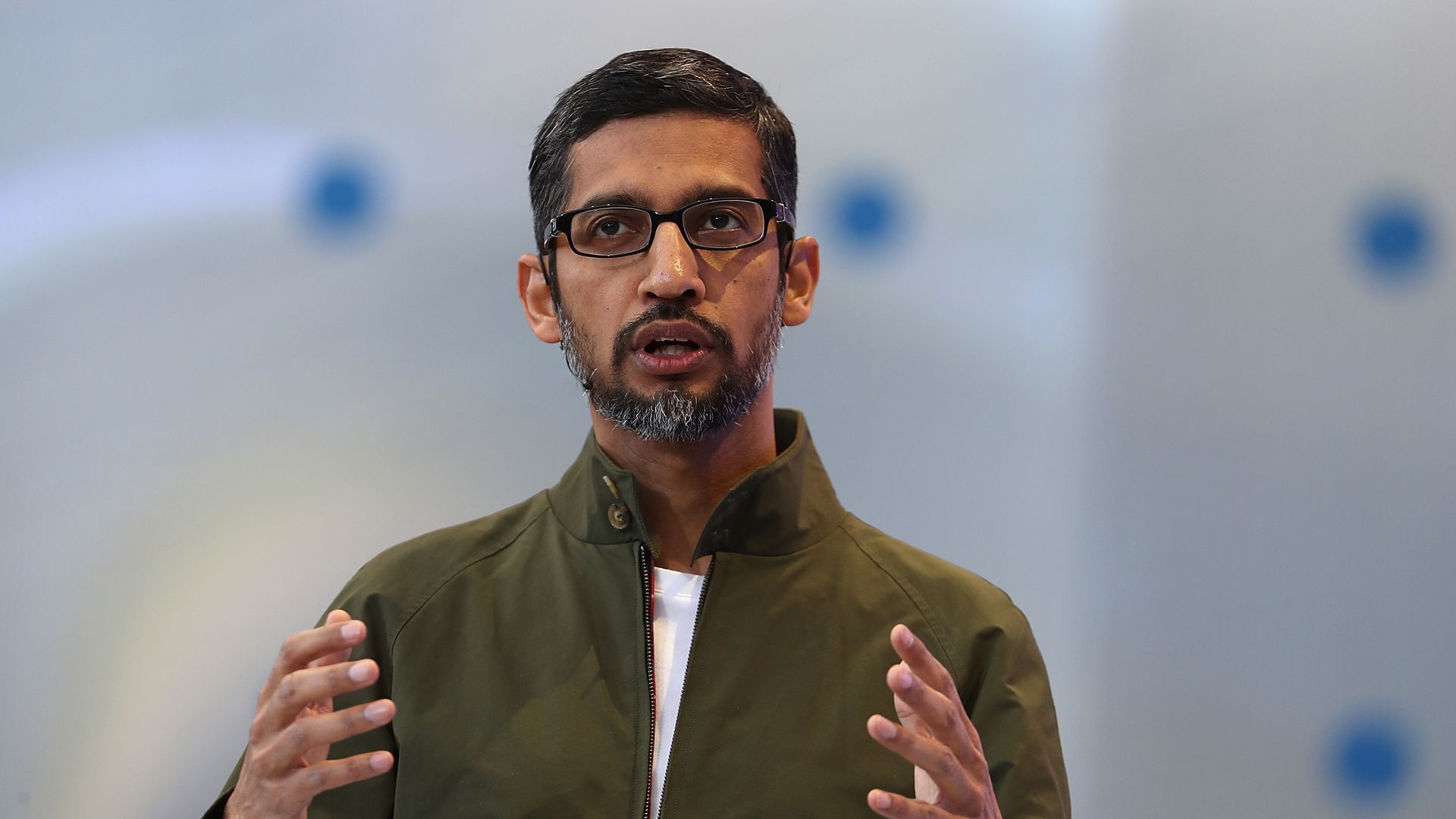
Google CEO Sundar Pichai has, for the first time, publicly acknowledged that Google has considered relaunching its search engine in China, stating Monday that the company's mission "is to provide information to everyone."
Why it matters: Since leaks of Google's Project Dragonfly, an internal project prototyping a potential search engine for China, the company has faced criticism for wanting to enter a market that would require it play by the government's censorship rules.
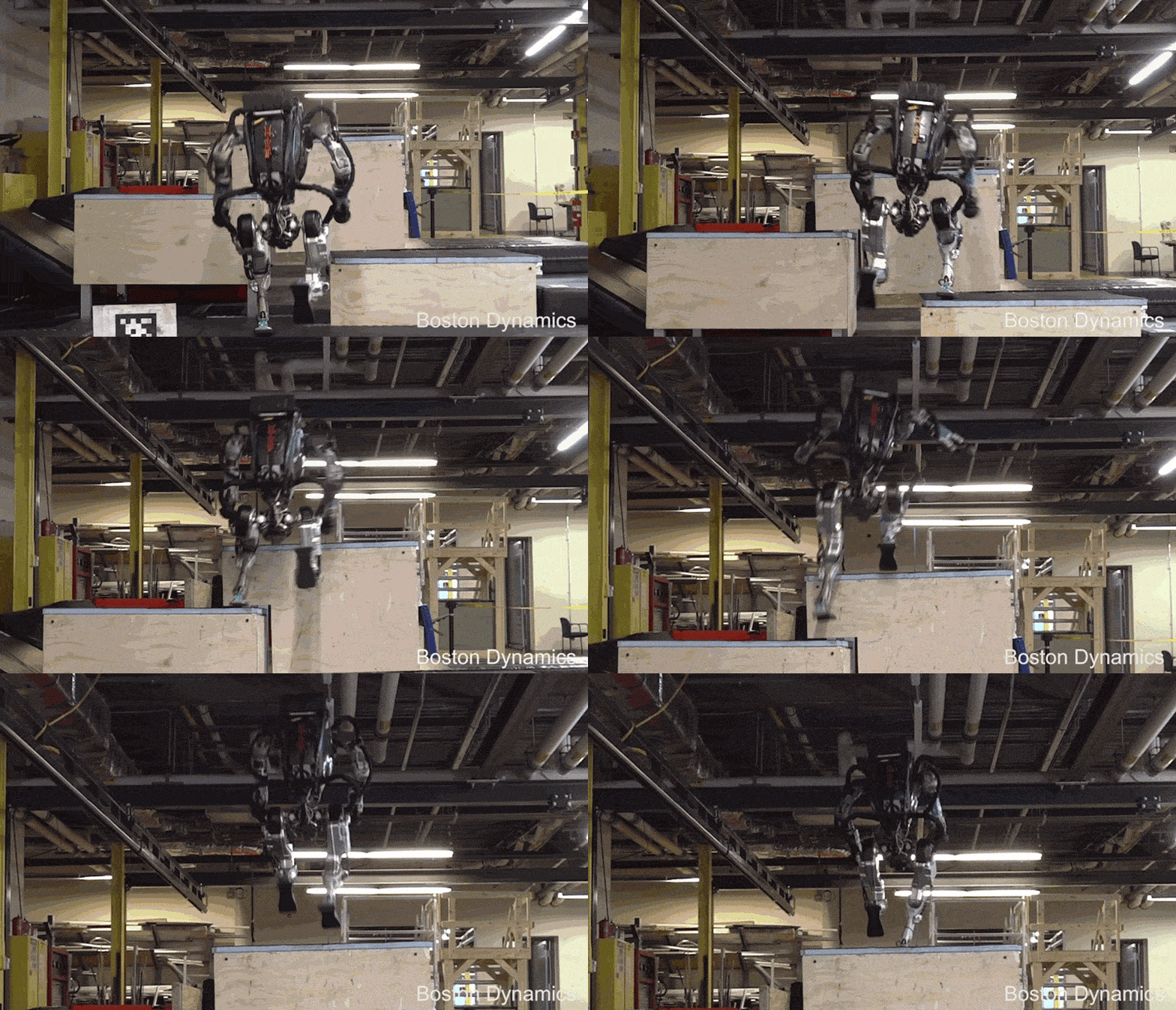
Technologists and reporters started a Twitter fire yesterday to criticize consumer robot companies that post videos depicting super-impressive human-like action, but then fail to explain the limitations of their creations.
What’s going on: Boston Dynamics, a revered but very secretive robotics company, published two videos of their walking bots last week.