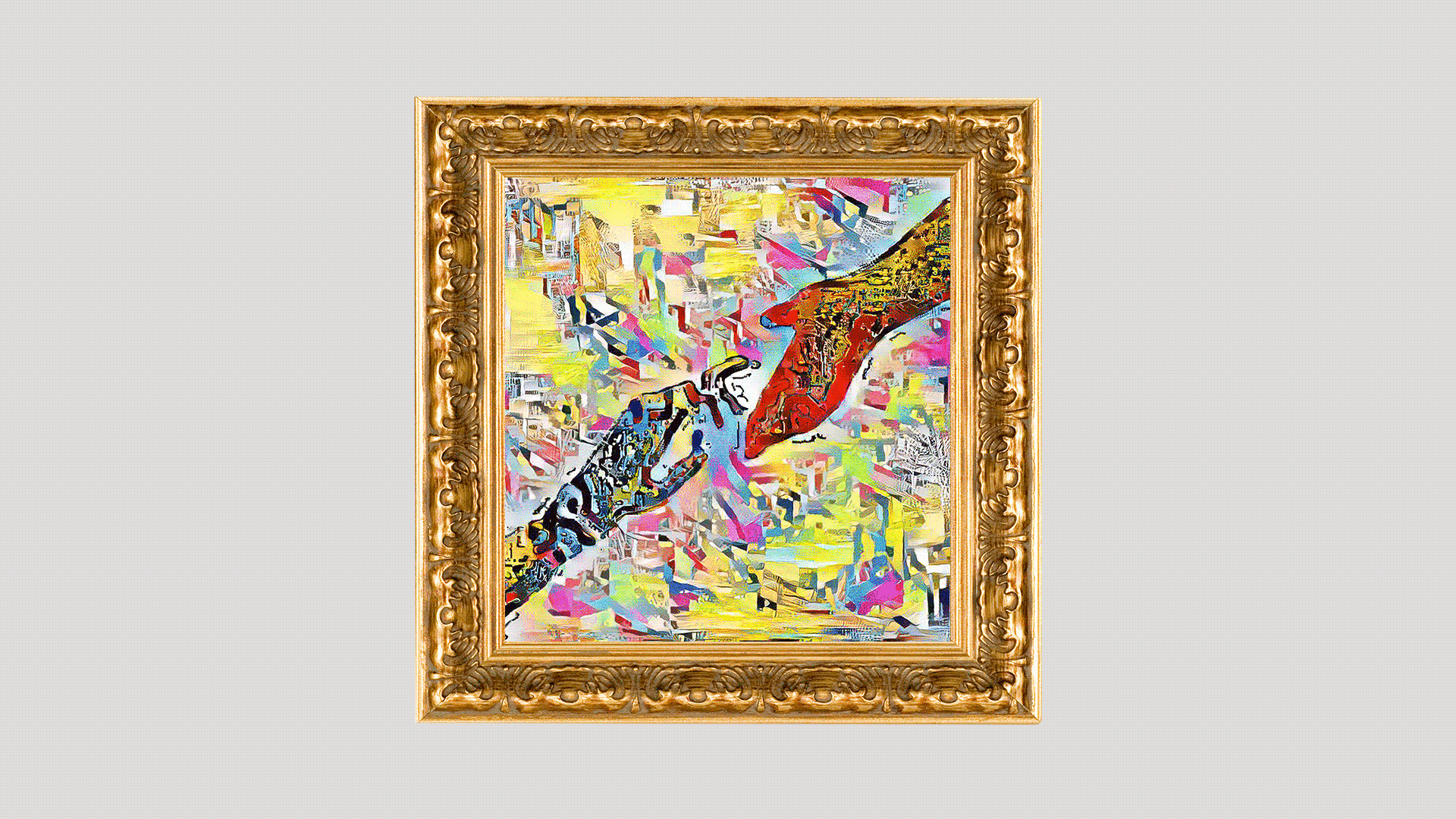
Accompanying an NYT series on artificial intelligence today is a piece of art — seen above — that’s very unlike the newspaper's usual imagery: It represents AI, and it’s drawn by AI.
Why it matters: Artists are using increasingly powerful machine-learning algorithms to help produce fiction, film, and visual art. Incapable of creativity on their own, they can be programmed to act as a formidable artistic tool.
For 21 years, Edgar Rodriguez has worked as the doorman at 115 Central Park West, a job requiring subtle courtesy and dapper dress. But in the last decade, his duties have been wholly upended.
Why it matters: The rise of Amazon has shaken up the U.S. and global economy. But it's done so in sometimes odd ways, all-but killing some centuries-old trades, like bookselling, while giving others — like the doorman — surprising second lives.
The son of Jair Bolsonaro, the far-right frontrunner in Brazil's Oct. 28 presidential runoff, has demanded an explanation after being banned from WhatsApp amid a controversy over fake news on the Facebook-owned platform.
Why it matters: Representatives of Whatsapp told The Guardian that several accounts had been banned to fight the distribution of fake news. Newspaper Folha du São Paulo reports that Bolsonaro backers paid to illegally distribute mass WhatsApp texts. After denouncing WhatsApp's "persecution," Flavio Bolsonaro later said his account had been reactivated.
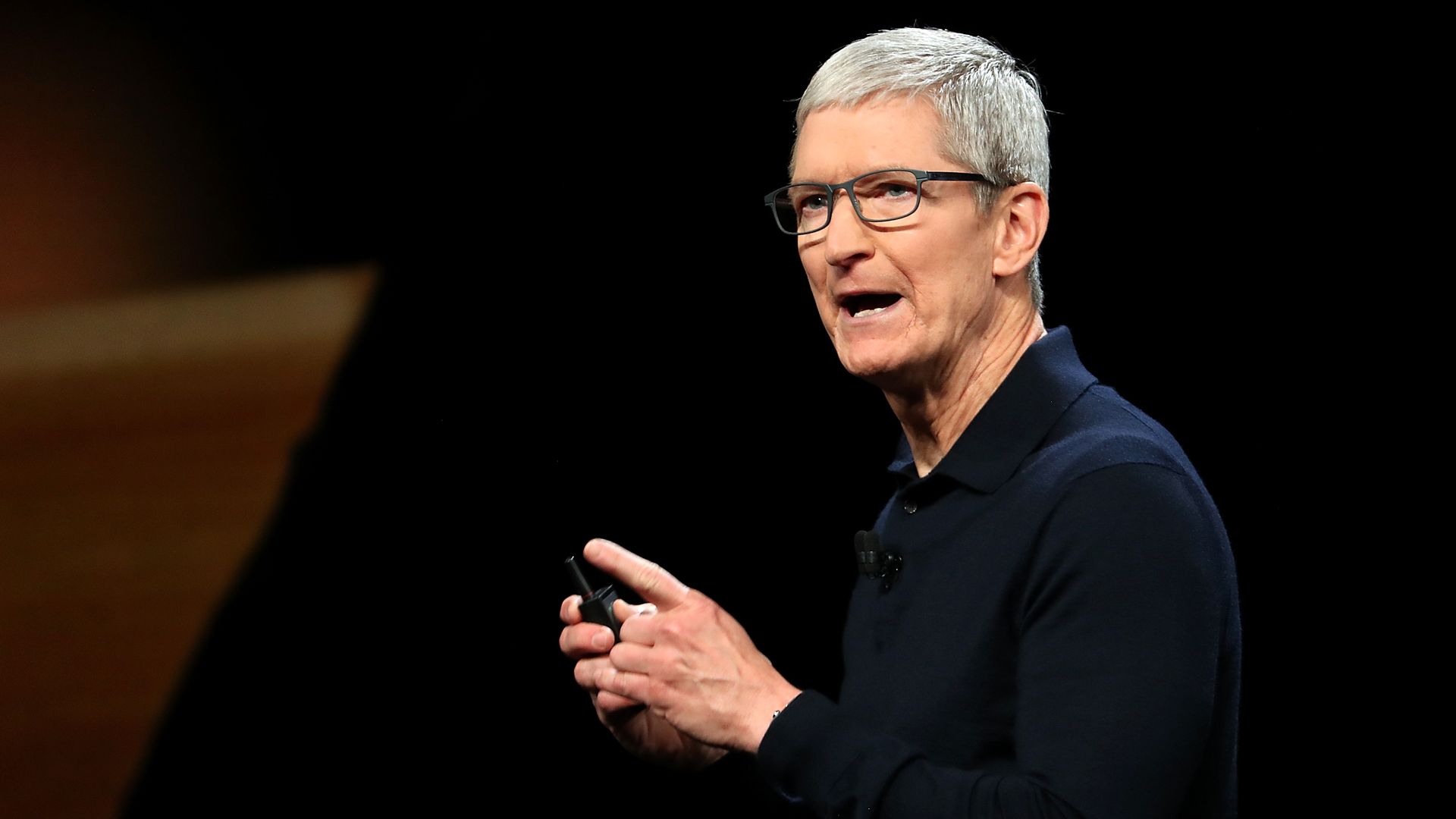
Apple CEO Tim Cook denied allegations that the company fell victim to a hardware-based attack carried out by the Chinese government, and called on the publication, Bloomberg, to retract the story, according to an interview with BuzzFeed News.
Why it matters: This is the first time Apple has called for a retraction of a news article based on the contents written about the company. Buzzfeed also details the Apple CEO's frustration with the publication, as Cook claims Bloomberg has ignored their accounts.
It was only a matter of time before Amazon Go, the online giant's futuristic new cashier-free stores, made it to San Francisco. Amazon is slated to open its first store in the city’s Financial District, according to records obtained by the SF Chronicle.
Why it matters: After directly contributing to the decline of a number of brick-and-mortar stores and chains through the benefits of e-commerce, Amazon now wants to own physical retail, too — but with its own twist of being cashierless, Kia Kokalitcheva writes.
Uber drivers could soon do more than shuttle passengers or food orders in their cars. The company is quietly testing a new service, Uber Works, for on-demand labor for businesses, according to the Financial Times.
The bottom line: After driving and food delivery, Uber wants to see if it can harness its massive labor pool for other purposes. It could also burnish its image with new lines of business as it prepares to go public likely next year.
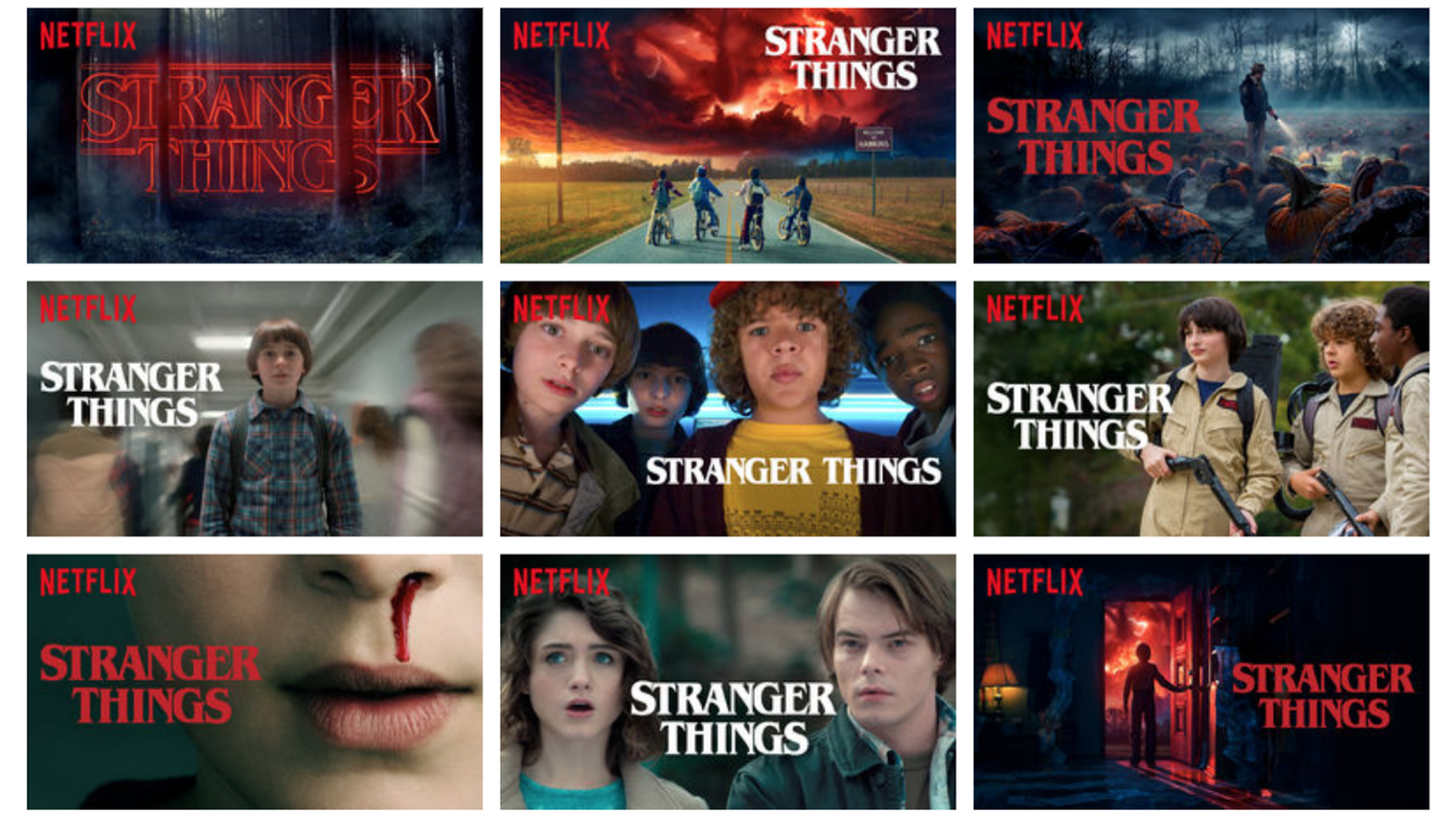
Concern over how Netflix tweaks promos for individual users — recently reignited by a Twitter thread questioning if race and gender are being targeted — highlights the challenges internet companies face when deciding just how much to personalize their services.
Why it matters: Netflix says its artwork personalization algorithms aren't based on race, ethnicity, gender or location, but on a user's viewing behavior. However, it's hard to say if viewers' preferences on genres or even minority actors have been picked up by algorithms that then personalize promotional artwork.
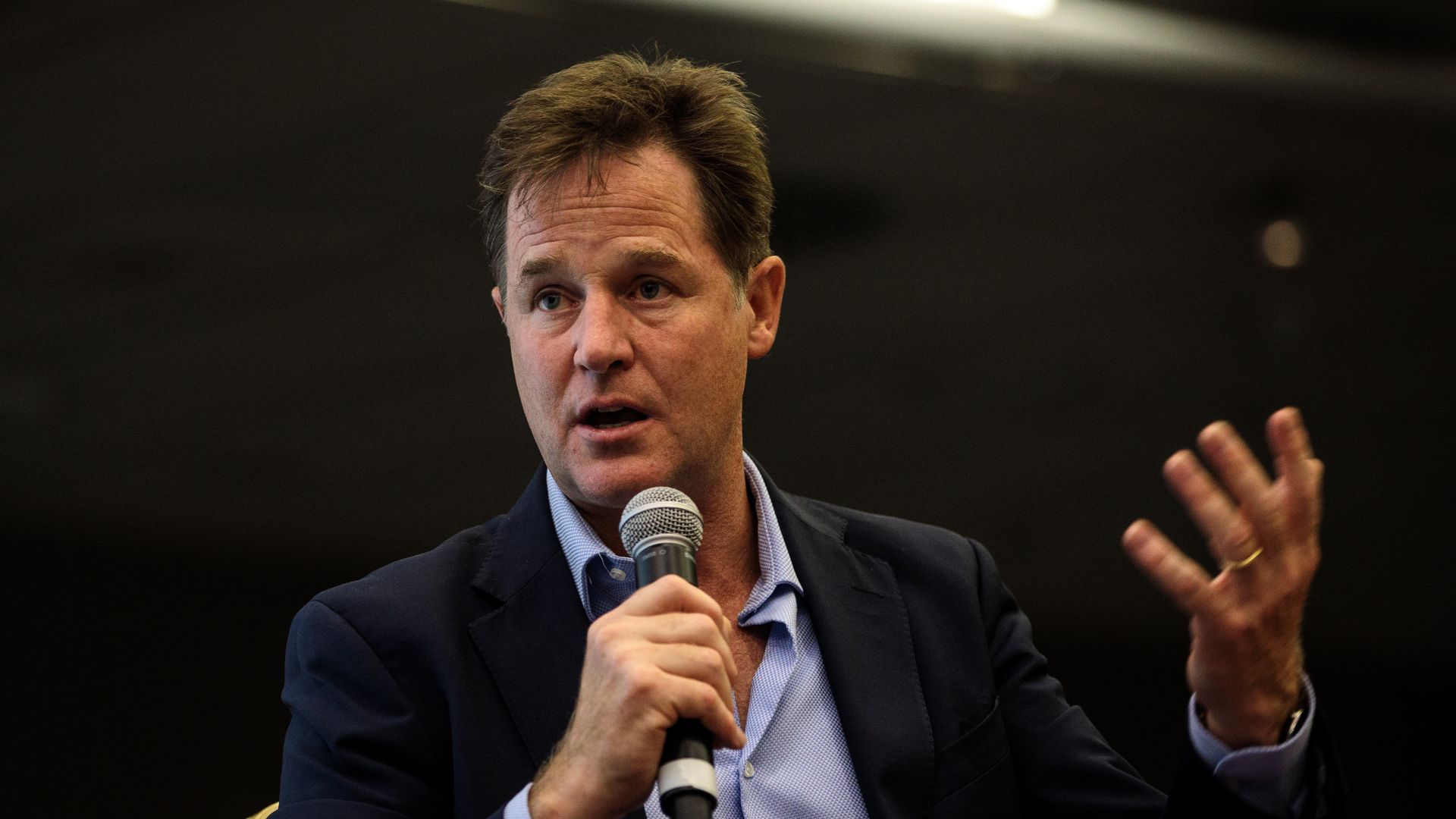
Former U.K. deputy prime minister, Nick Clegg, has been brought on by Facebook to lead its global affairs and communications team.
Why it matters: This comes as the company is facing increased government regulation and data protection issues. The Financial Times reports that Clegg's hiring suggests Facebook "is trying to boost its connections in Brussels" where it could be up against serious regulatory challenges. It could also help CEO Mark Zuckerberg dodge criticism that he's made too few changes to his inner circle. Clegg will be filling the post previously held by Elliot Schrage, who announced he'd be leaving Facebook over the summer.
Self-driving cars currentlylack the common sense needed to navigate using a traditional human map. Since they can't interpret context, they need to rely on a map signal that doesn't cut out in tunnels, waver in precision or fall out of date.
The big picture: A new class of machine maps have thus become an essential element of safe and predictable vehicle autonomy. But what’s obvious to human drivers can be incredibly difficult to replicate in code, as can collecting the necessary data.
Officials from the United States have entered the second day of discussions with their European counterparts in Brussels over the status of the Privacy Shield agreement, which allows Europeans to file complaints about how U.S. companies are using their data.
Why it matters: U.S. companies prize the agreement because it lets them easily host the data of European citizens stateside despite the differing regulatory regimes on the two sides of the Atlantic. This is the first time the arrangement is being reviewed since Facebook’s Cambridge Analytica data scandal triggered a privacy reckoning in the United States.
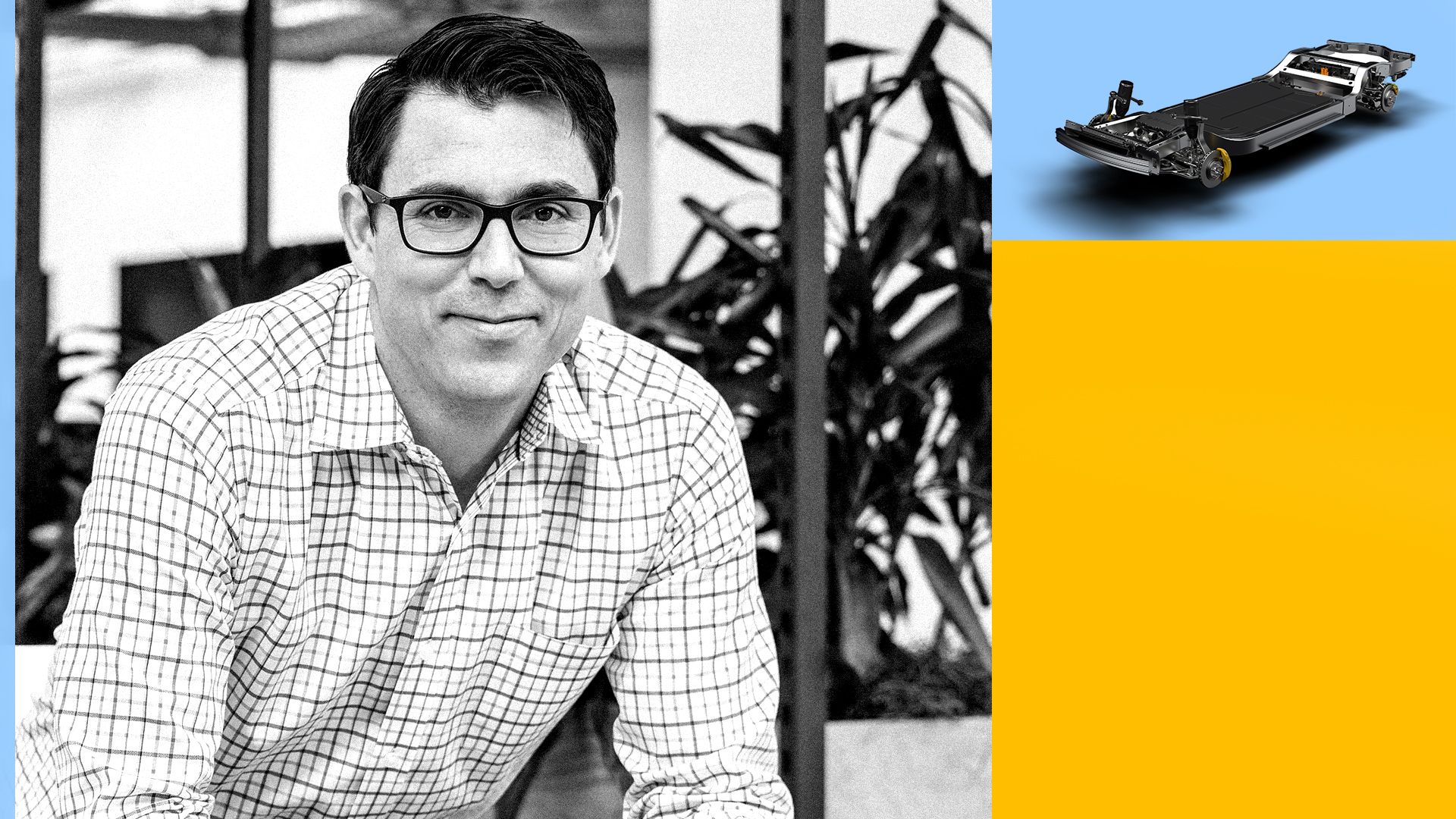
RJ Scaringe thinks he's figured out the smart play for his electric-vehicle startup Rivian: make EVs for outdoor adventurers and then license his battery-powered “skateboard” to other companies that want to sell automated EVs, but lack their own technology.
Why it matters: After 100 years, automobiles are shifting away from gasoline, steering wheels and personal ownership. But there are a lot of electric-vehicle startups out there, and most have had a rocky go of it. You’d better have a solid business plan, innovative technology, manufacturing chops and plenty of capital. Scaringe — a lifelong car nut and a Clark Kent lookalike — claims to have it all.
A haunting choose-your-own-adventure, set in a modest Syrian home and rendered in immersive virtual reality, is the latest product from a humanitarian organization desperate to remind the world of the harms of urban warfare.
Why it matters: Syria’s seven-year-long civil war has killed roughly half a million civilians, and it’s just one of many ongoing conflicts that are lost in the wash of daily headlines. With new storytelling formats, aid organizations hope to ignite empathy in faraway viewers — and perhaps stoke some generosity.