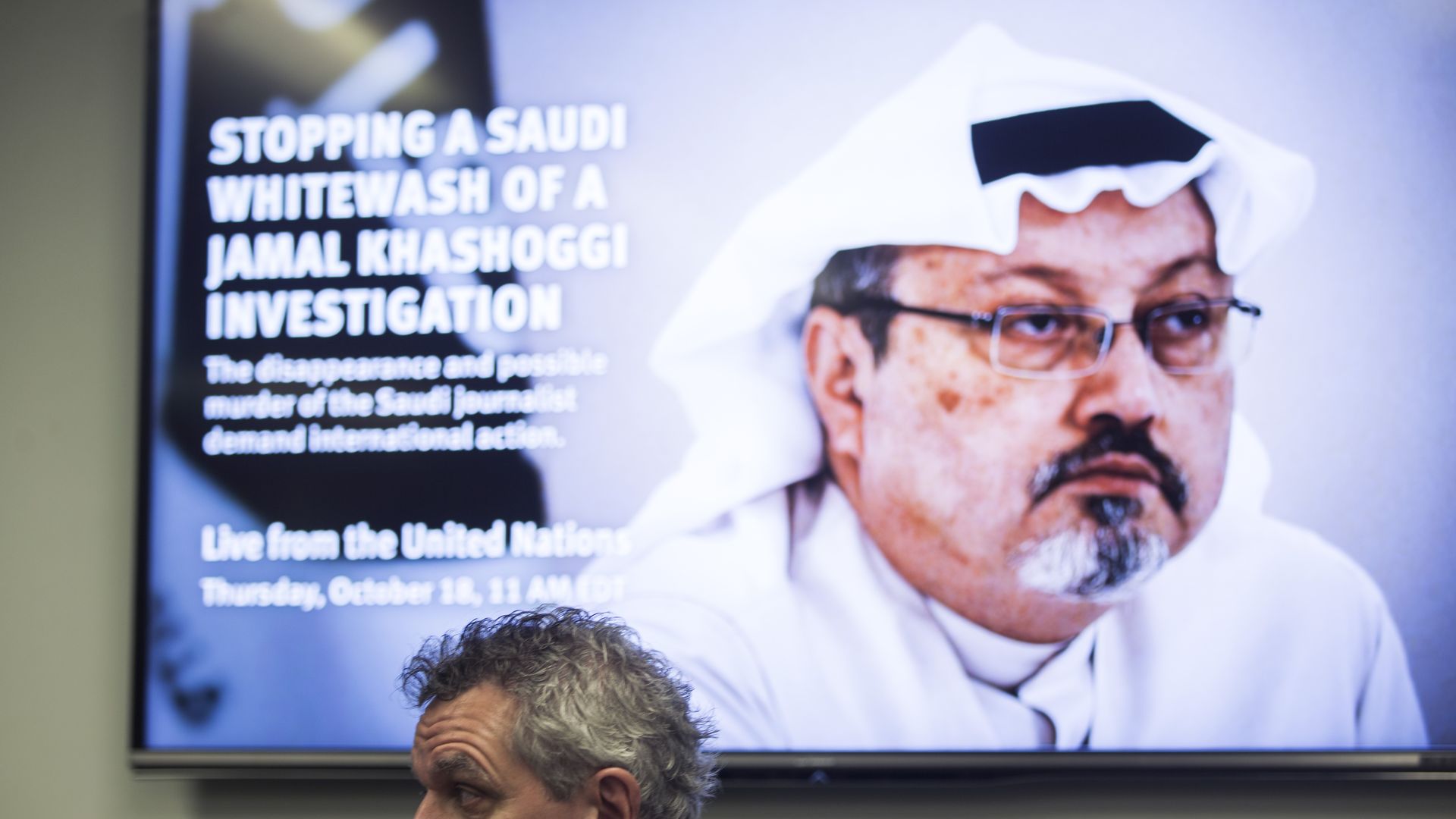
Twitter has suspended hundreds of bot accounts that have been tweeting in support of Saudi Arabia and Crown Prince Mohammed bin Salman in light of Jamal Khashoggi’s disappearance, NBC News’ Ben Collins and Shoshana Wodinsky report.
The intrigue: The bots were posting sporadically, which may have helped them avoid detection for some time, per Ben Nimmo, who tracks online misinformation campaigns at the Atlantic Council’s Digital Forensics Lab.
Dan and Axios executive editor Mike Allen discuss the role money is playing in the midterm elections, which are less than three weeks away, and if it still matters like it once did.
Apple, which recently debuted new versions of its iPhone and Apple Watch, has announced that it's hosting an event on Oct. 30 in New York to showcase its new hardware, including what it has in store for the holidays.
What to watch: The company is widely expected to introduce an iPad that, like recent iPhones, drops the fingerprint-sensing home button in favor of FaceID and an all-screen design. Other possible introductions include a rumored MacBook Air replacement as well as its delayed AirPower wireless charging mat.
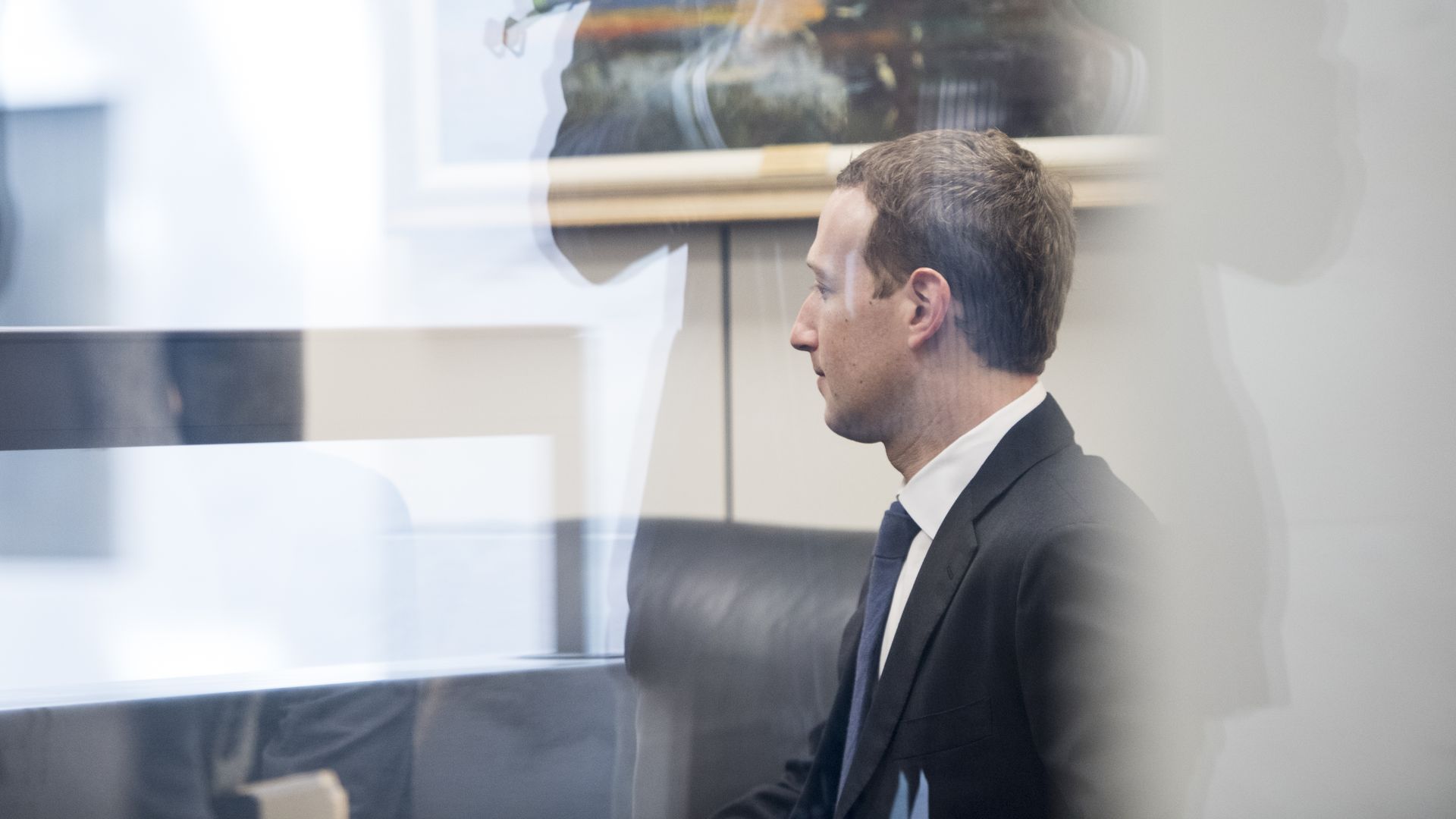
As the midterms approach, Facebook has stepped up its efforts to assure a wary Washington, D.C. that it can protect elections.
Why it matters: Outreach that Facebook detailed to Axios is part of a broader push by the company to convince policymakers, the media and the public that it won’t allow a recurrence of the kind of election meddling that occurred in 2016 and is still under investigation today.
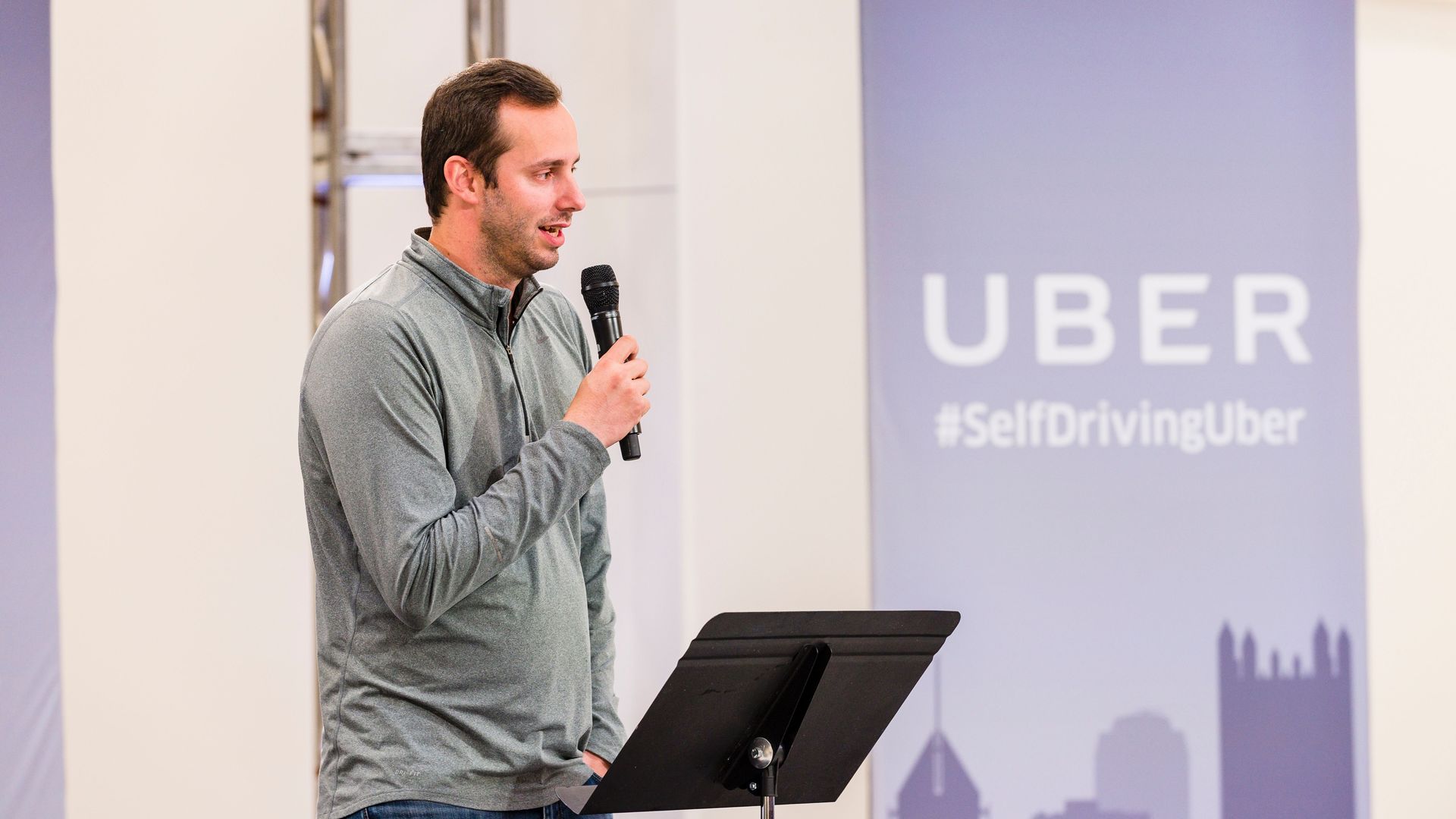
Why it matters: Waymo and Uber's year-long legal scuffle over self-driving car tech was one of the most high-profile — and drama-laden — battles in Silicon Valley. It exposed the fierce competition between companies over technology that can have massive implications and revenues.
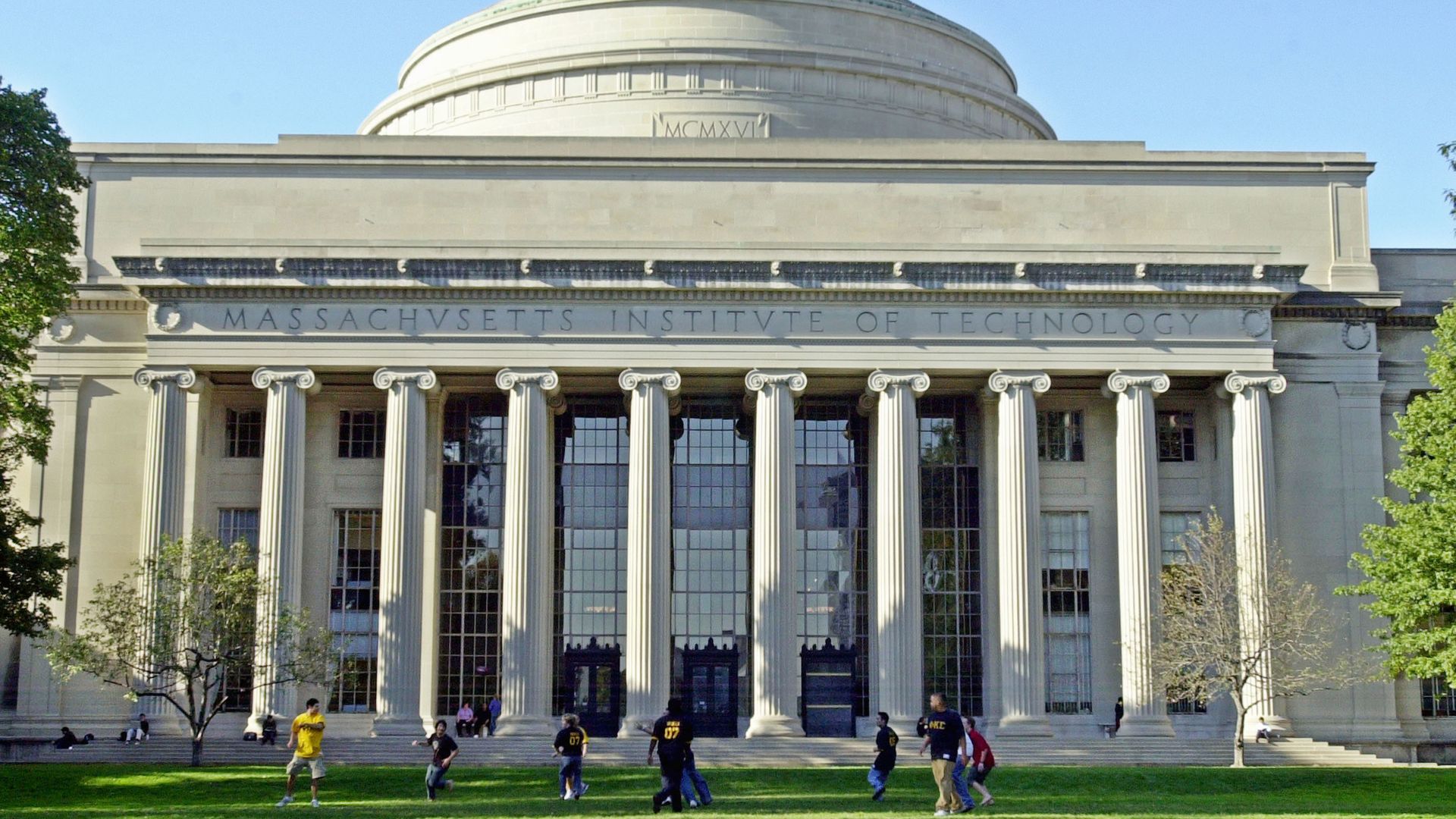
In its first fundamental restructuring in nearly 70 years, MIT has announced that it’s pumping $1 billion into creating a new college focused on computing and artificial intelligence.
Why it matters: MIT has lined up what it says will be the single largest investment in computing and AI by an American university at a time when the U.S. and China are competing to produce — and retain — top AI talent in order to reap the technology's economic and geopolitical gains.
eBay sued Amazon in Santa Clara County Superior Court in California, Wednesday, alleging the e-commerce giant illegally lured sellers away from its site.
The details: The filing comes weeks after eBay sent Amazon a cease-and-desist letter. eBay claims “dozens” of Amazon sales reps throughout the world set up eBay accounts specifically to contact and recruit “high-value” eBay sellers to Amazon. The suit alleges these practices violated a California computer crime law and its own user agreement, per The Wall Street Journal. In an onstage interview at the GeekWire Summit, CEO Devin Wenig commented on Amazon's unfair trade practices to Axios' Ina Fried saying, "That's not the way we compete."
Talk of artificial intelligence goes almost inexorably to the very large. Companies, it is said, must embrace big data, along with future human-like AI, or be lost to history. But some tech leaders are going the other way: urging businesses to start thinking small.
What's happening: This growing mantra speaks of the upside of narrow AI ambitions, and small data. But by small bore, they don't mean small results. AI and data minimalism, they say, could be what revolutionizes business, industry, war and more.
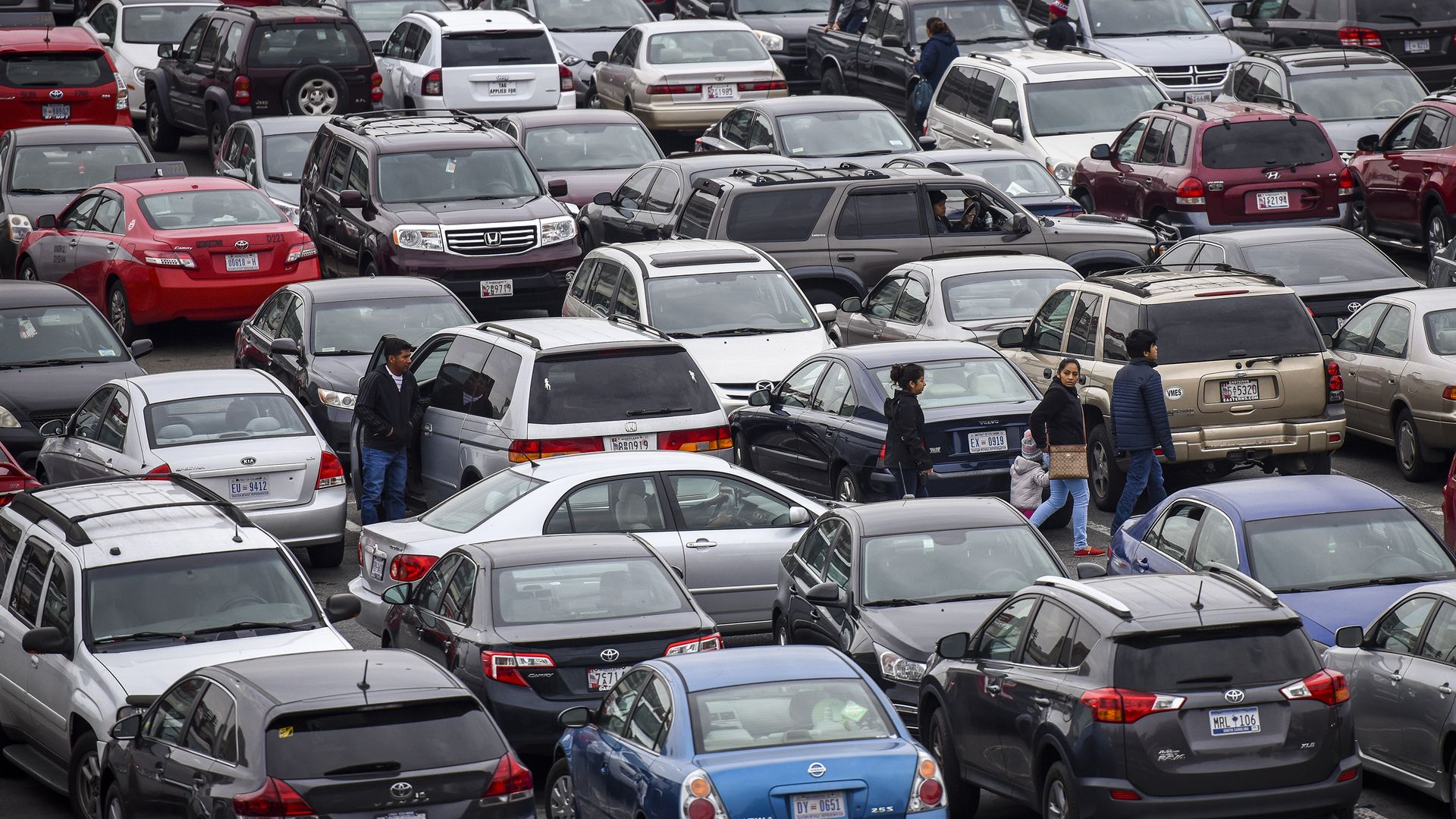
America is overparked. In Los Angeles, for example, there are 9 parking spaces for every car. Nationally, 250 million adults have access to more than 700 million parking spaces. That adds up: The U.S. dedicates an area the size of Connecticut to parking.
The big picture: As an alternative to personal car ownership, self-driving cars will allow cities to be rebuilt around people. Ride-sharing fleets in particular could transform the use of valuable urban real estate, turning the asphalt jungle back into spaces communities can use for anything from dedicated bike and scooter lanes to on-street parklets or even housing.
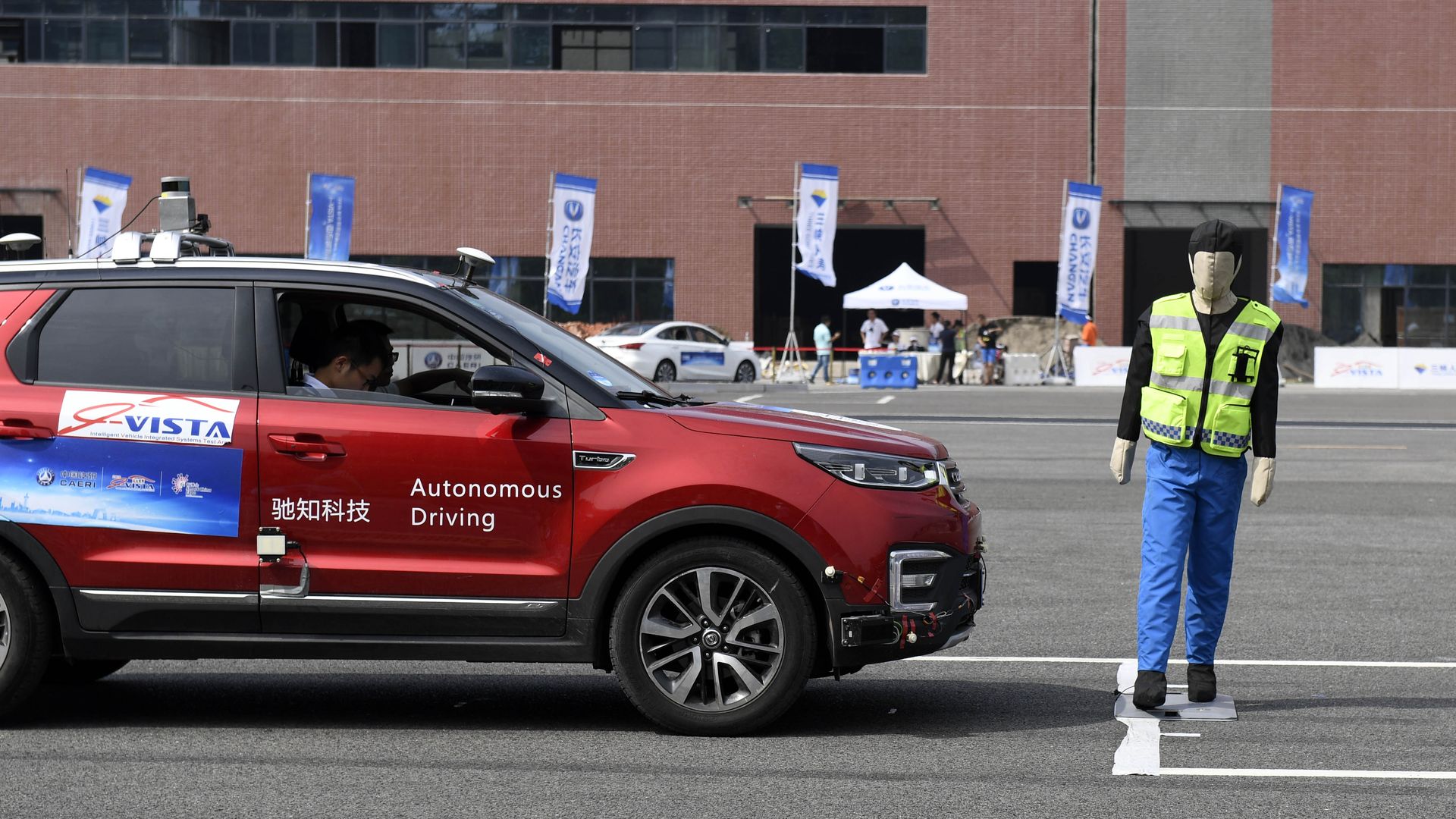
Part of the promise of self-driving cars is that they will be exceptionally safe. As Toyota puts it, vehicles should be "incapable of causing an accident." However, even if a car doesn’t directly cause accidents, it might create minor hazards that make it more likely that others will cause an accident.
Why it matters: There’s more to being a good driver than never being at fault for an accident. AVs should not just “do no harm”; they should “do good” by making the road a safer environment for all road users.
Why it matters: Not only did advertisers bet heavily on video, so did publishers, especially news organizations which laid off word people to hire video people and then laid off those video people when the ad dollars didn't materialize.
Why it matters: The move follows a European Commission order that Google stop bundling its search engine and browser with its Android apps and store, a ruling Google is appealing, along with the accompanying $5 billion fine.
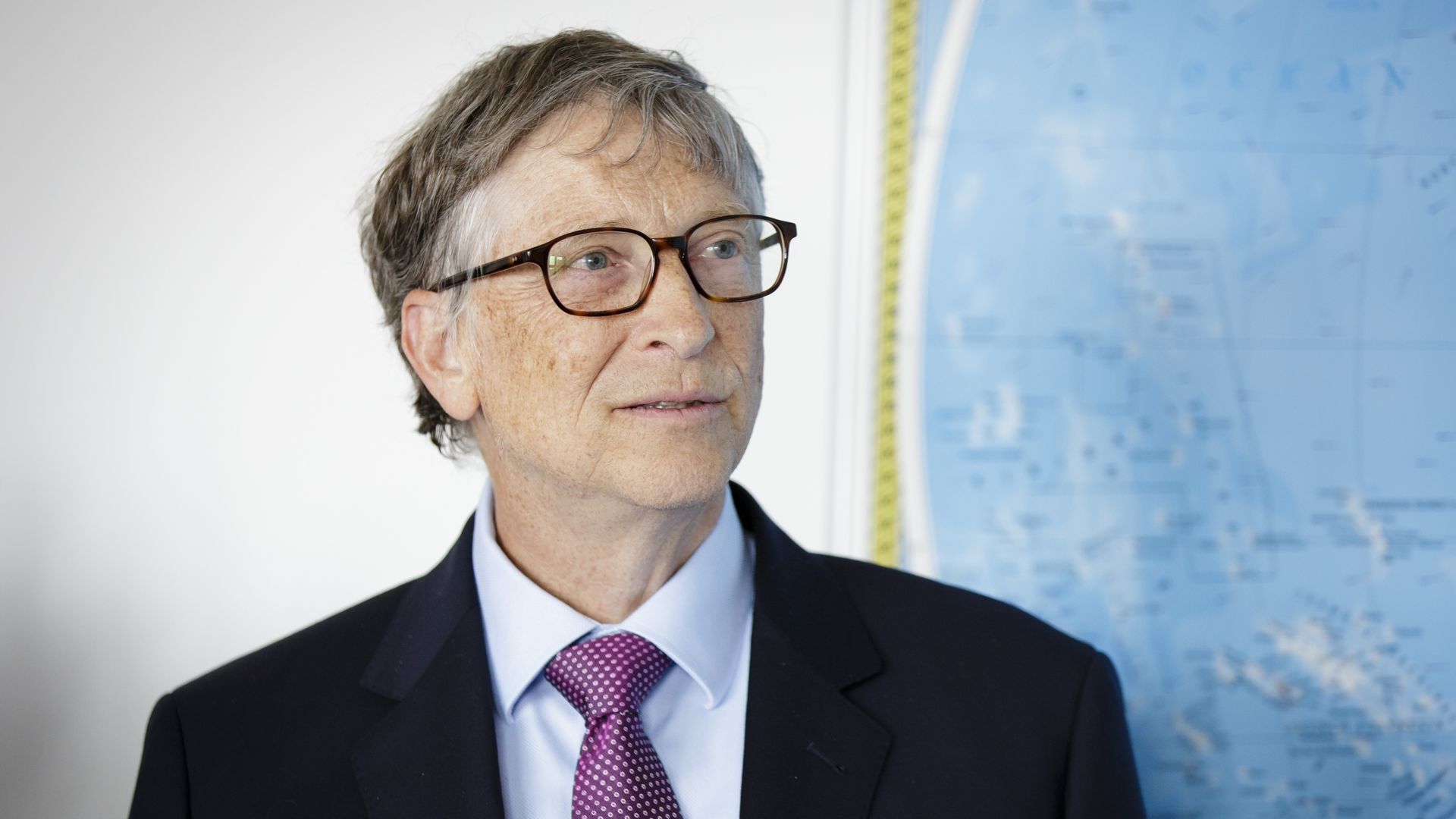
A clean-energy venture fund led by Bill Gates is forging a new partnership with the European Commission, the billionaire and Microsoft co-founder announced today.
Why it matters: Gates’ move is the latest sign of how private citizens, companies and other countries are trying to move forward on addressing climate change, despite President Trump’s retreat on the issue.
Twitter is releasing all the content associated with 4,611 accounts it has tied to two previously announced misinformation campaigns by Russia and Iran — 3,814 accounts linked to Russia's Internet Research Agency, which meddled in the 2016 elections, and 770 that were linked to state-backed activity from Iran.
Why it matters: Twitter says the release is part of an effort to be more transparent about the "information operations" it identifies on the platform and opens up those operations to researchers aiming to understand meddling in U.S. politics.