Over the weekend Twitter suspended 1,500 fake accounts a pro-Trump group created to mock liberals because the accounts had been spreading false information about Election Day, such as saying that Election Day is November 7, when in fact it is on Tuesday, November 6, per The New York Times.
Why it matters: Reddit’s largest pro-Trump forum,"r/the_donald," likely created the trolling campaign as a joke, but spreading false information about the midterms can keep voters from casting ballots. "Similar types of disinformation spread on social media in 2016, which makes companies like Twitter nervous," as the NYT’s Kevin Roose writes.
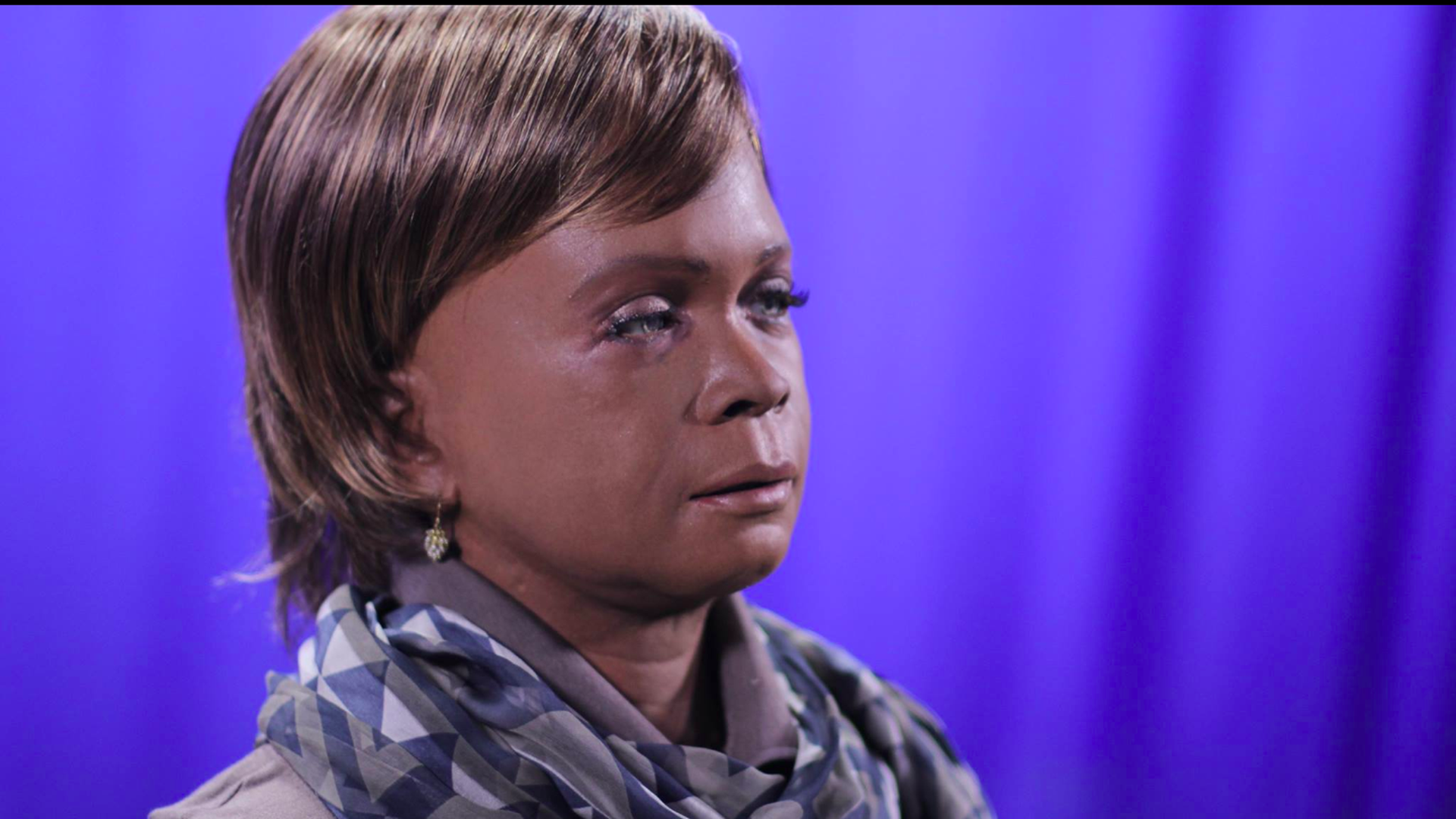
Bina48, the first-ever robot to complete a college course, finished another mission today: It became the first robot to co-teach a university-level class.
Why it matters: The experiment at the U.S. Military Academy at West Point sought to determine if AI can "support a liberal education model," says William Barry, a West Point professor who has been using Bina48 to teach for years.
Netflix stock was up roughly 15% in after-hours trading Tuesday after the streaming giant announced it had beat investor expectations on earnings, revenue and user growth.
Flashback: Netflix failed to meet investor expectations around user growth in July during its second quarter earnings report, causing it's stock to drop nearly 14% in after-hours trading.
Why it matters: The move follows a European Commission order that Google stop bundling its search engine and browser with its Android apps and store, a ruling Google is appealing, along with the accompanying $5 billion fine.
Morgan Stanley and Goldman Sachs — both pitching IPO proposals to Uber — have valued UberEats, its food delivery business, at as much as $20 billion, and it's expected to become profitable before the company's ride-hailing arm, according to the Wall Street Journal.
Why it matters: On-demand delivery is a tough business in countries like the U.S., as many companies have learned in the last several years. That's largely because labor is expensive while customers don't want to pay high fees.
Paul Allen, the Microsoft co-founder who went on to become a major tech investor, philanthropist and civic leader, died Monday after a recurrence of cancer.
The big picture: Though Allen was personally low key, he made a major mark on the world, especially in his hometown of Seattle, where he helped cement the city's role.
Facing both saturation and user fatigue in its core base, Facebook has based a big part of its growth strategy on getting the next billion users online.
The backdrop: Facebook's approach historically has involved partnering with telecom providers to offer users access to certain mobile data for free.
Goldman Sachs and Morgan Stanley submitted proposals to Uber last month that would value a potential IPO for the ride-sharing giant as high as $120 billion, nearly double the company's valuation from a fundraising round two months ago, reports WSJ.
Flashback: Almost exactly a year ago, Axios' Dan Primack outlined the case for Uber being valued at $95 billion in a round of private funding from SoftBank.
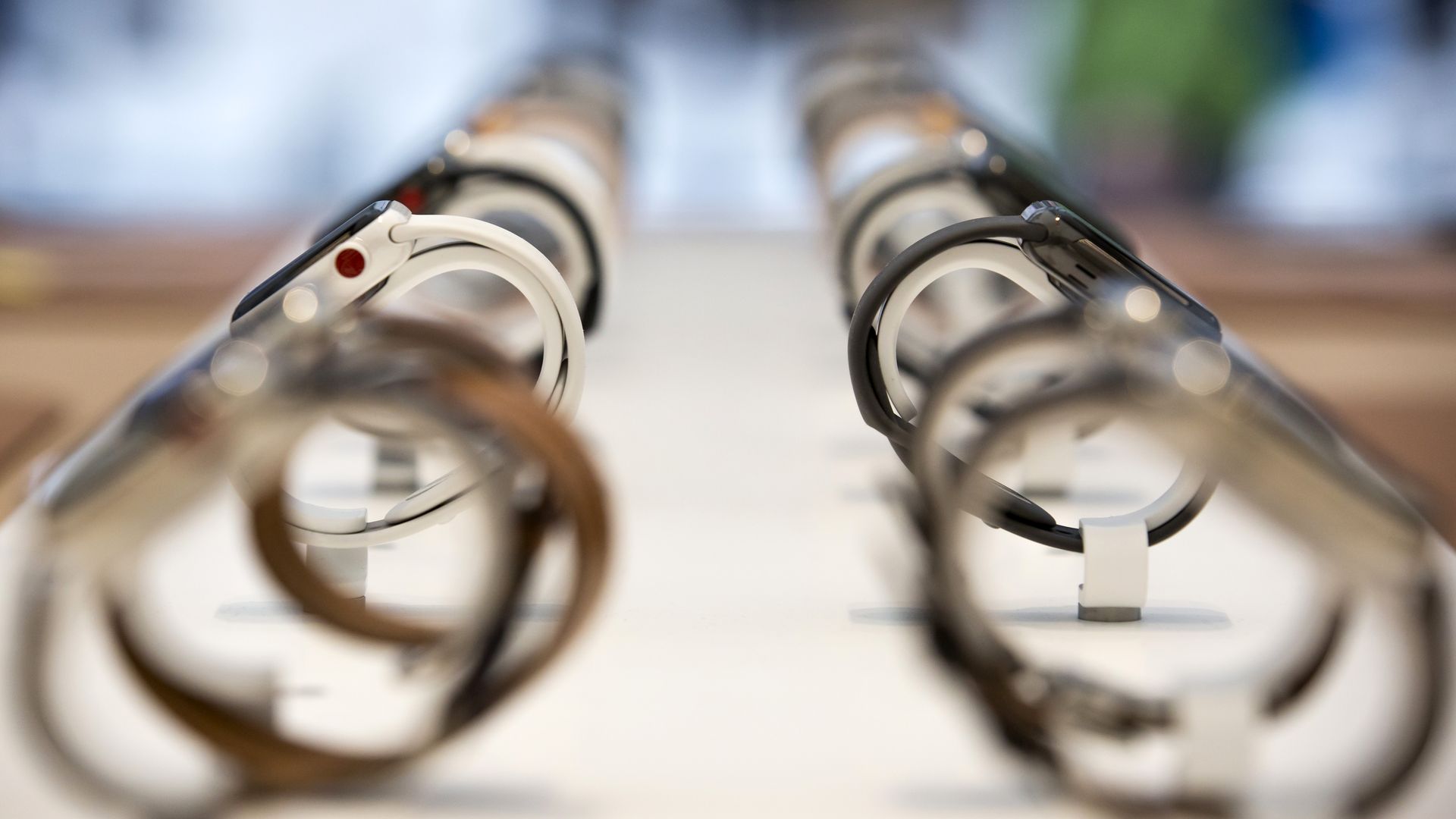
Hip and knee replacements may be the next health care frontier for the Apple Watch, now that it can monitor users' heart rates.
What's new:Reuters reports that 4 hospitals and a handful of other providers are working with Zimmer Biomet, a medical device company, to test an app that would transmit patients’ heart rate, steps taken and standing hours to their doctors.
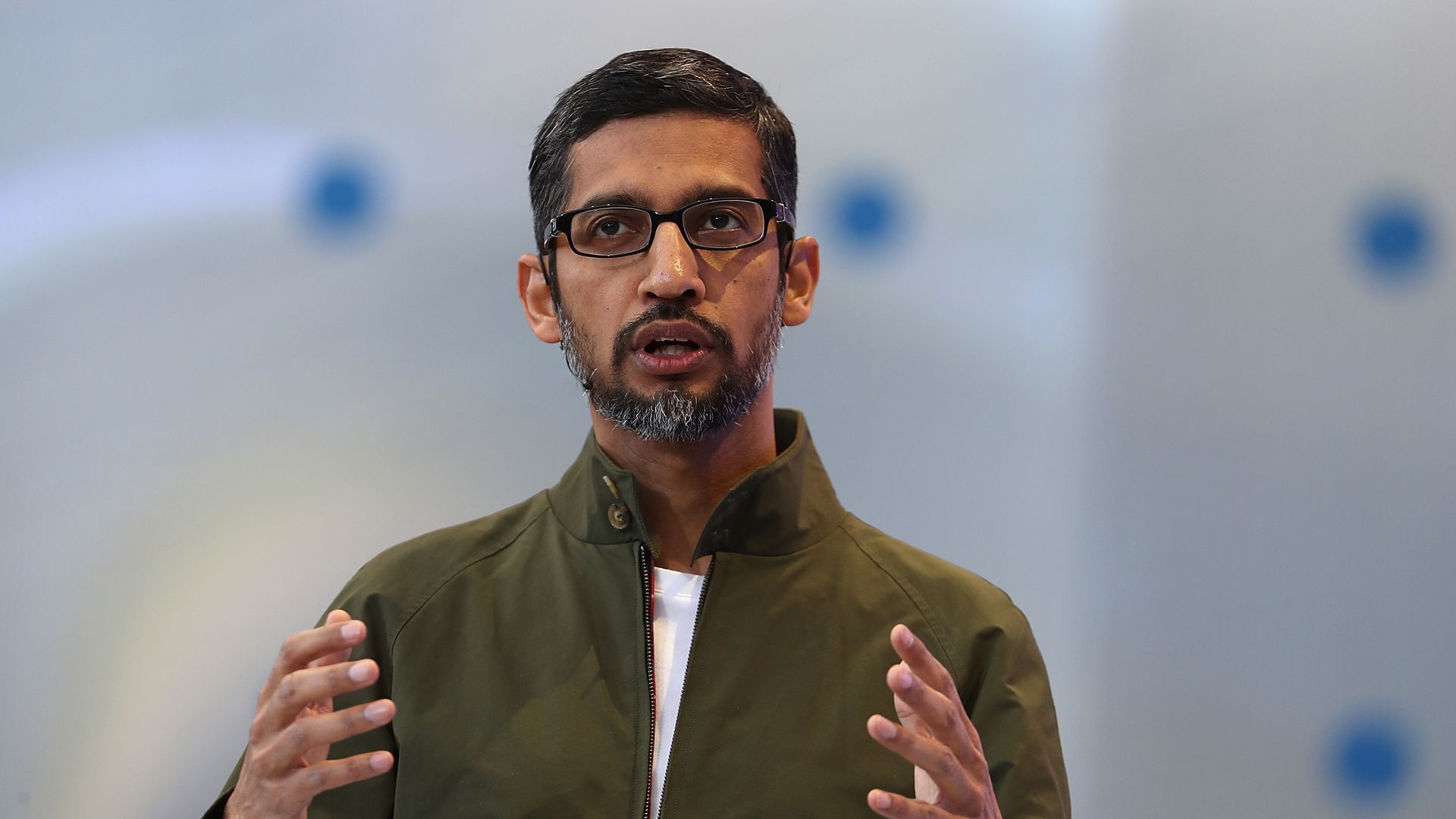
Google CEO Sundar Pichai has, for the first time, publicly acknowledged that Google has considered relaunching its search engine in China, stating Monday that the company's mission "is to provide information to everyone."
Why it matters: Since leaks of Google's Project Dragonfly, an internal project prototyping a potential search engine for China, the company has faced criticism for wanting to enter a market that would require it play by the government's censorship rules.
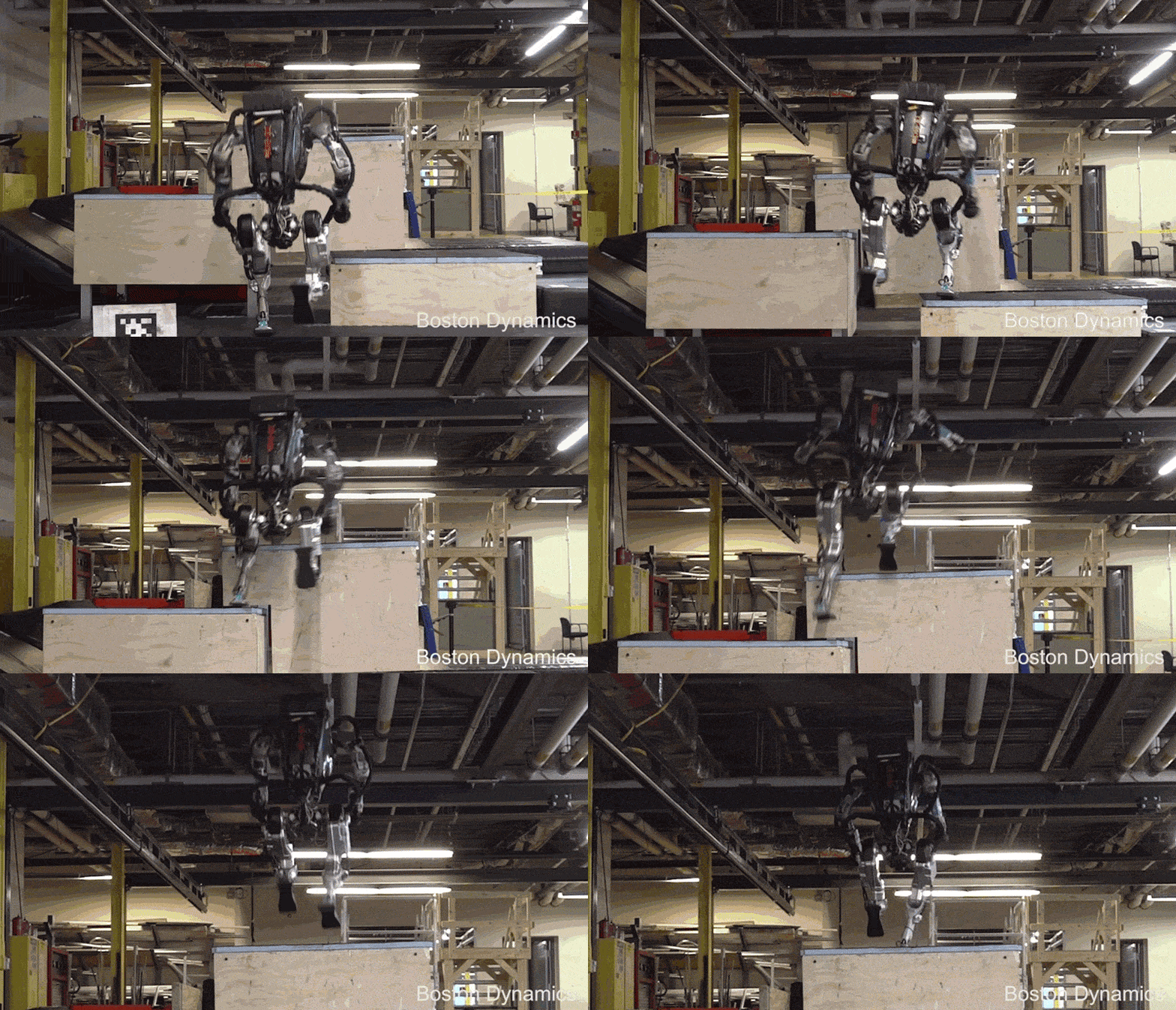
Technologists and reporters started a Twitter fire yesterday to criticize consumer robot companies that post videos depicting super-impressive human-like action, but then fail to explain the limitations of their creations.
What’s going on: Boston Dynamics, a revered but very secretive robotics company, published two videos of their walking bots last week.