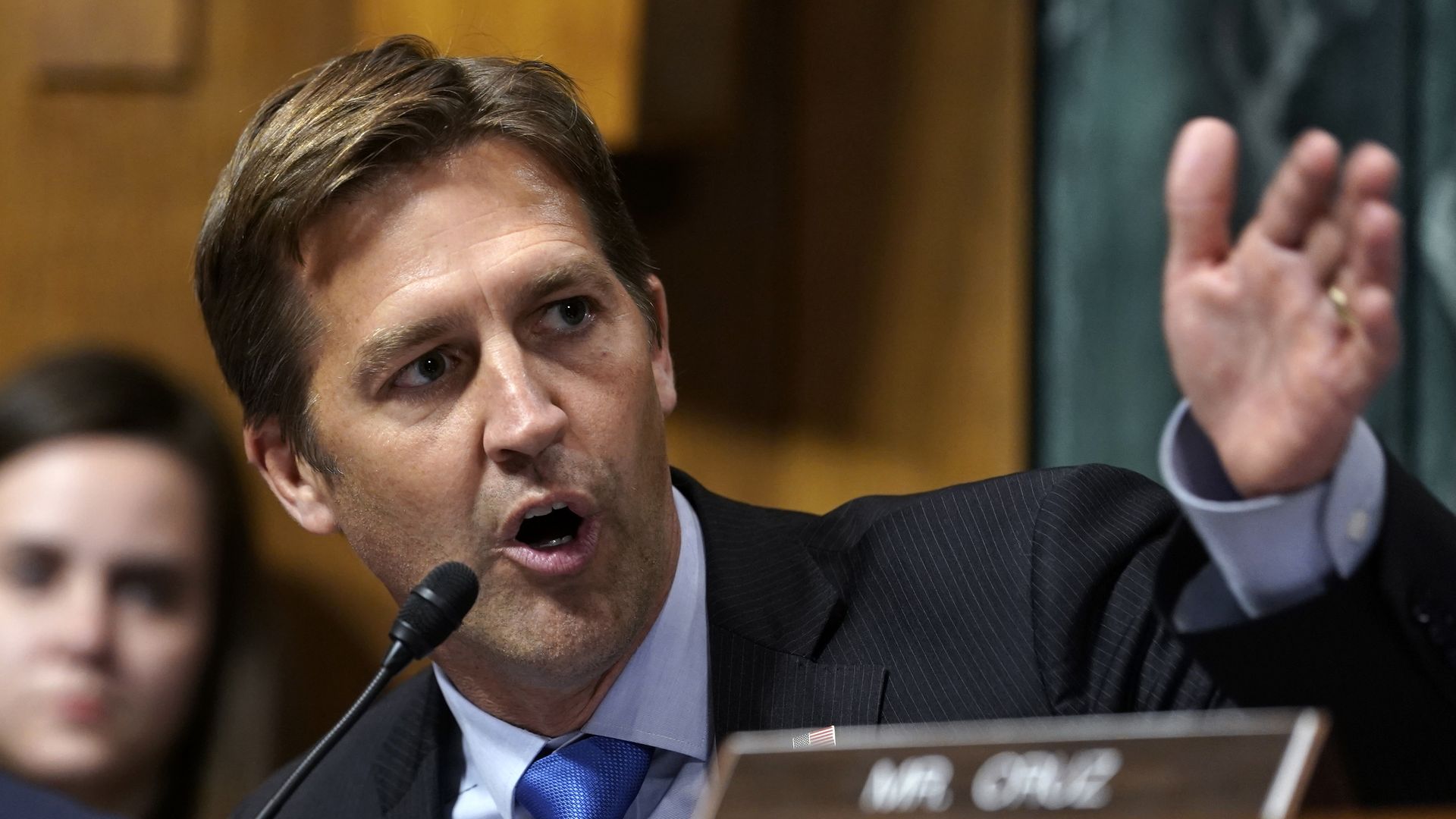
Sen. Ben Sasse (R-Neb.) — who'll be out Tuesday with his second book, "Them: Why We Hate Each Other — and How to Heal" — tells Axios:
"I had a conversation last month with one of the most senior U.S. intelligence officials, who told me that many leaders in the [Intelligence Committee] worry that we’re on the verge of a deepfakes [artificial intelligence algorithms that create convincing fake images, audio and video] 'perfect storm.'"
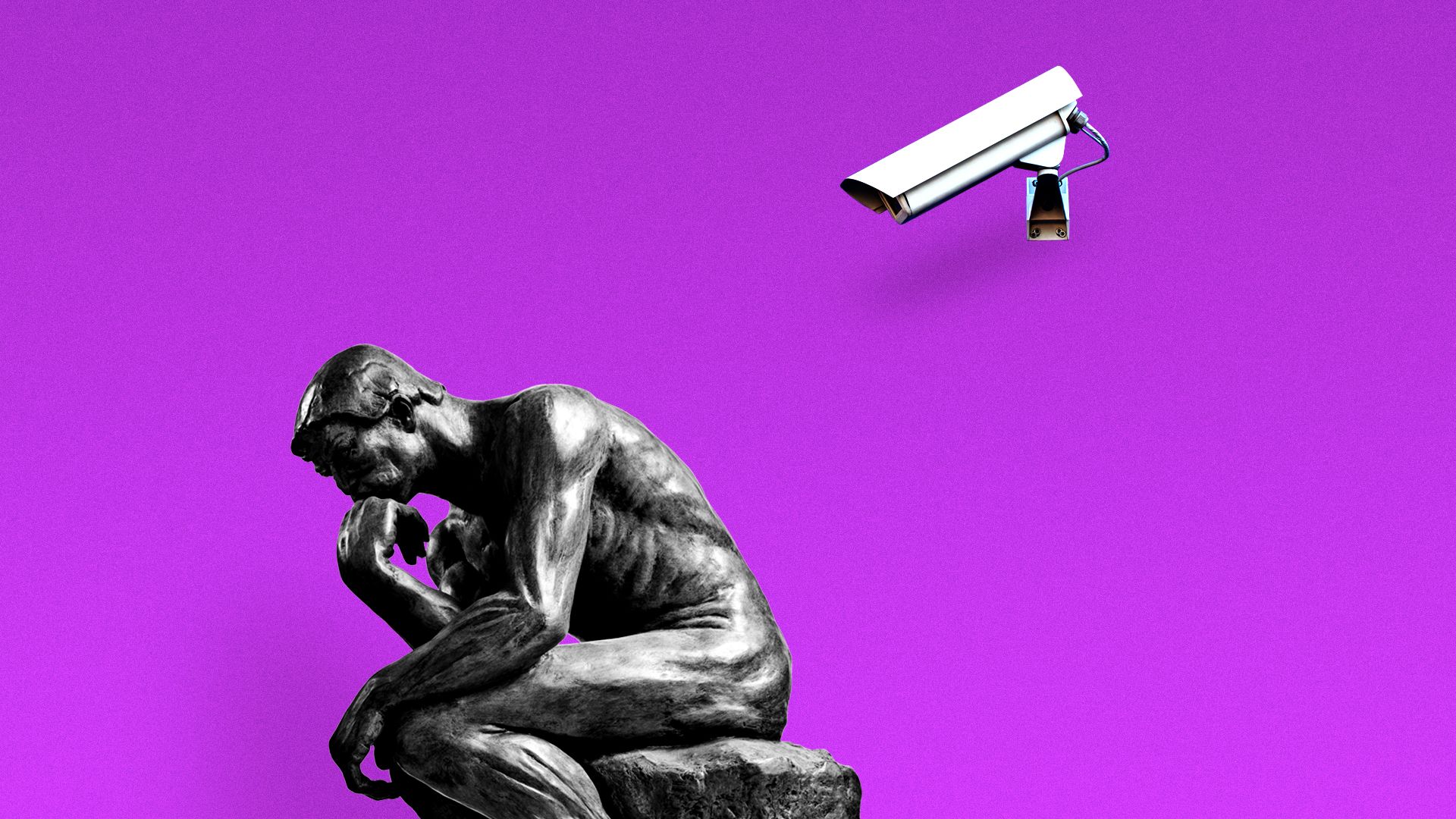
Since the Enlightenment, humans have made unprecedented advances — in science, technology, health conditions, living standards and more — as reason and analysis replaced superstition. Now, technology may be threatening that system.
Driving the news: In a much-read essay in The Atlantic, former Secretary of State Henry Kissinger argues that powerful artificial intelligence could replace human thought with data-driven decision-making. If that happens, AI could chip away at our ability to think critically.
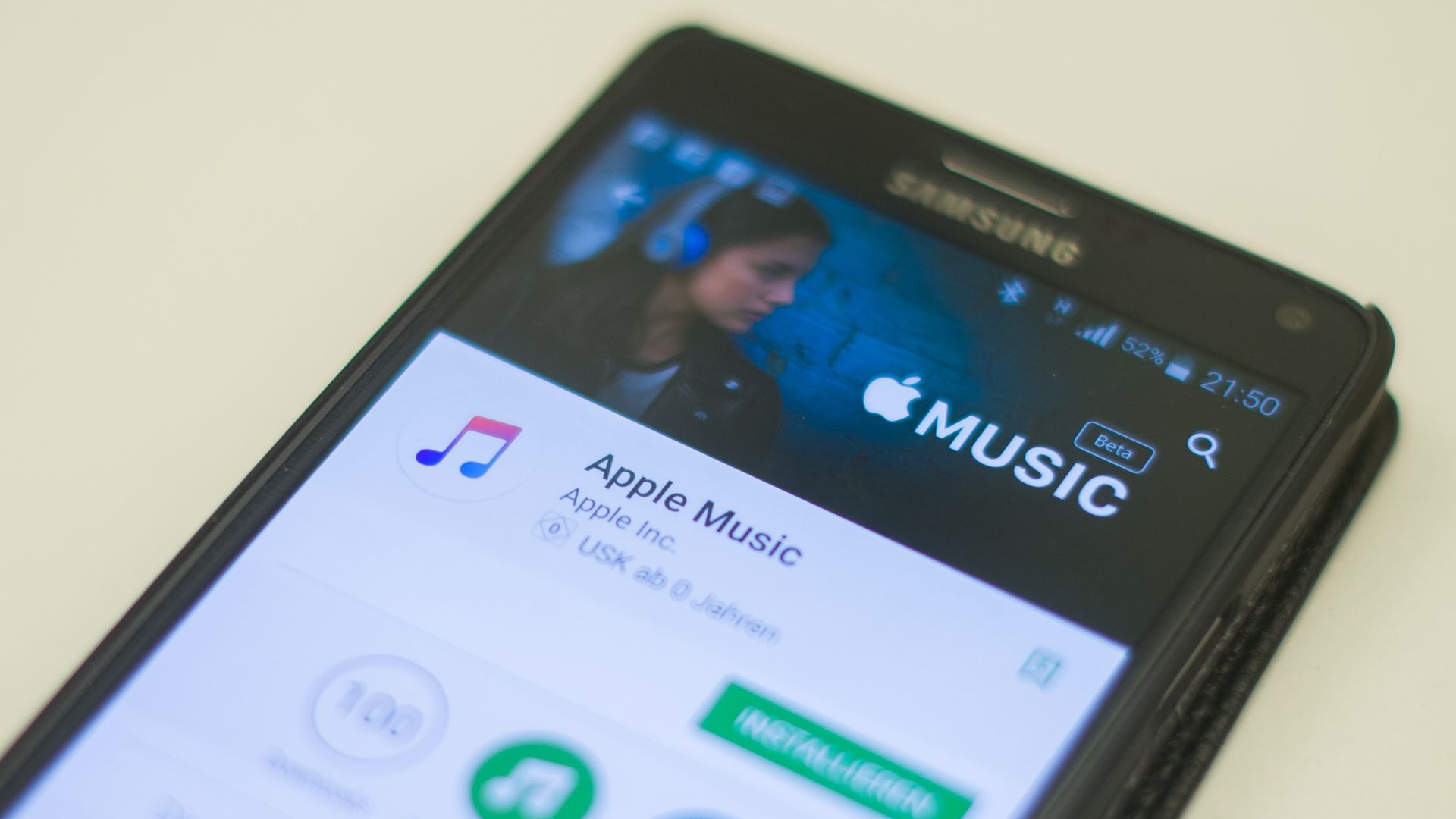
Apple has acquired Asaii, a startup that built a music analytics engine for music labels and artist managers, sources confirm to Axios. The deal, which appears to be verified by employee LinkedInprofiles, was worth less than $100 million, according to a source.
Why it matters: Along with bolstering content recommendations to users, Apple is also interested in Asaii as it can help it compete with Spotify's efforts to work directly with smaller artist —like a music label — Axios has learned.
Last week, we described the long-term crisis for democracy. But advanced Western economies face another pressure point — artificial intelligence, which is proving to be a new advantage to autocratic government.
The bottom line: Tyrants thrive on centralized power. So the sudden ability to monitor and assess one's subjects 24/7 is a boon for top-down power — and a blow to the more chaotic and dispersed bottom.
Dozens of new initiatives have launched over the past few years to address fake news and the erosion of faith in the media, creating a measurement problem of its own.
Why it matters: So many new efforts are launching simultaneously to solve the same problem that it’s become difficult to track which ones do what and which ones are partnering with each other.
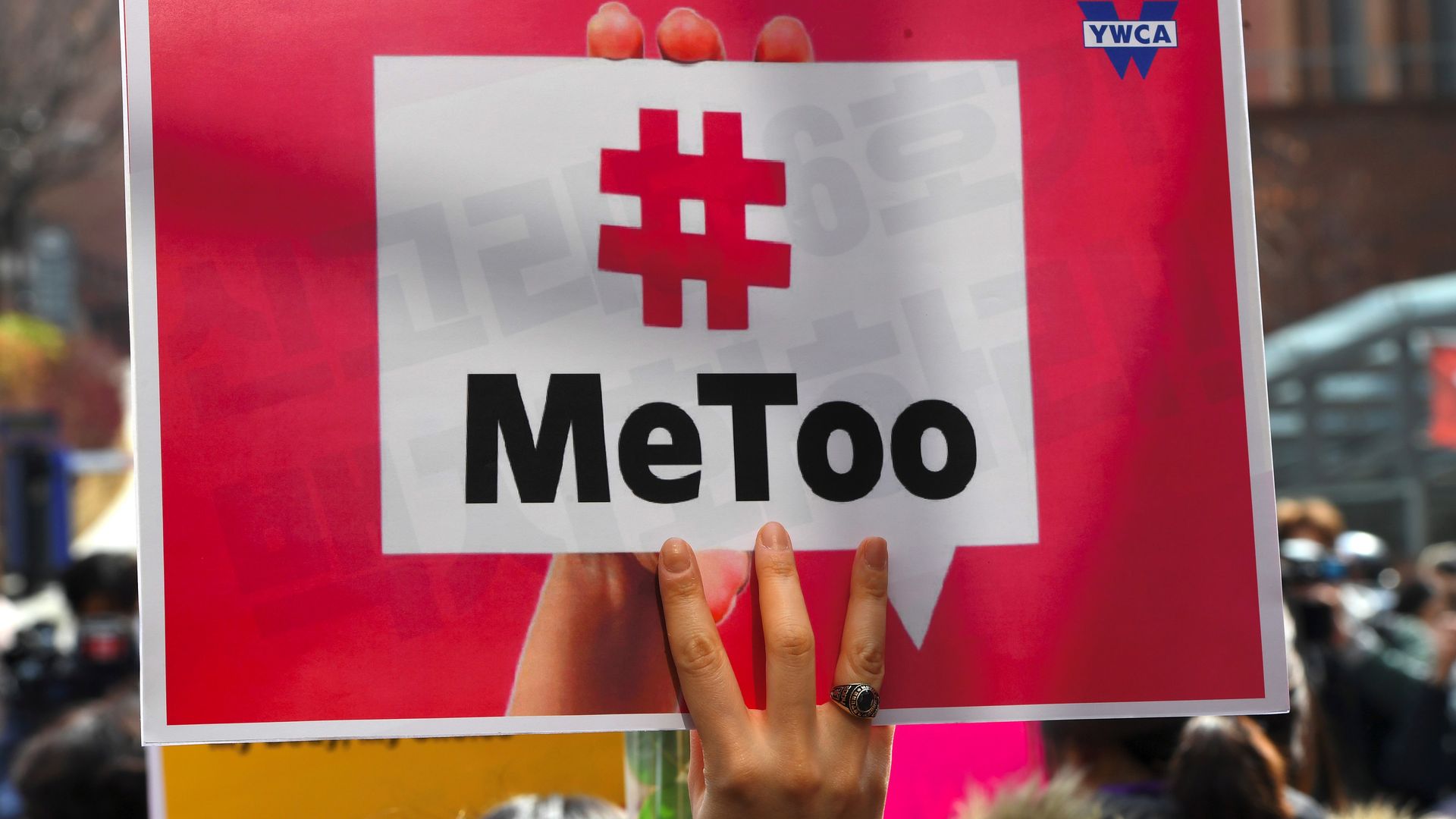
The hashtag #MeToo has been used more than 19 million times on Twitter since it was used by actress Alyssa Milano almost one year ago, a Pew Research study shows.
Why it matters: This metric is used to gauge just how wide the #MeToo movement has spread, as it averages 55,319 uses of the hashtag a day. While 71% of the tweets containing #MeToo were in English, 29% were in other languages, proving the global impact the movement has had.
By year's end, anyone in metro Phoenix (not just a handful of early participants) will be able to summon an autonomous vehicle from Waymo using an app on their phone. The nation’s first commercial robo-taxi service will be limited to certain areas, but the territory will gradually expand as the cars get even smarter with experience.
Why it matters: Waymo is by far the leader in autonomous vehicle technology, racking up 10 million miles of real-world driving and 5 billion simulated miles. But it’s still up to the public to decide if they want self-driving cars. Waymo’s robo-taxi service will be an early test of that question.
After years of urging regulators to leave them be, Silicon Valley companies are gearing up for new rules, especially around privacy. The industry's focus has shifted from fending off regulation to helping craft something palatable.
What tech companies would like in return for federal legislation is to see states prohibited from passing their own rules. California has already passed a strict privacy law, set to take effect in 2020, adding additional incentive for tech companies to come to the table on federal legislation.


/2018/10/09/1539047985109.gif?w=3840)



/2018/10/09/1539088454750.gif?w=3840)