For its latest trick, a dog-like robot from Boston Dynamics noses around a construction site and scuttles up stairs on four legs — a demonstration, the company hopes, for why the market should buy its creations.
Why it matters: Boston Dynamics is trying to figure out how to sell its robots, including Spot, the robot that in the clip above is moving with an agility and versatility that possibly no rival has matched.
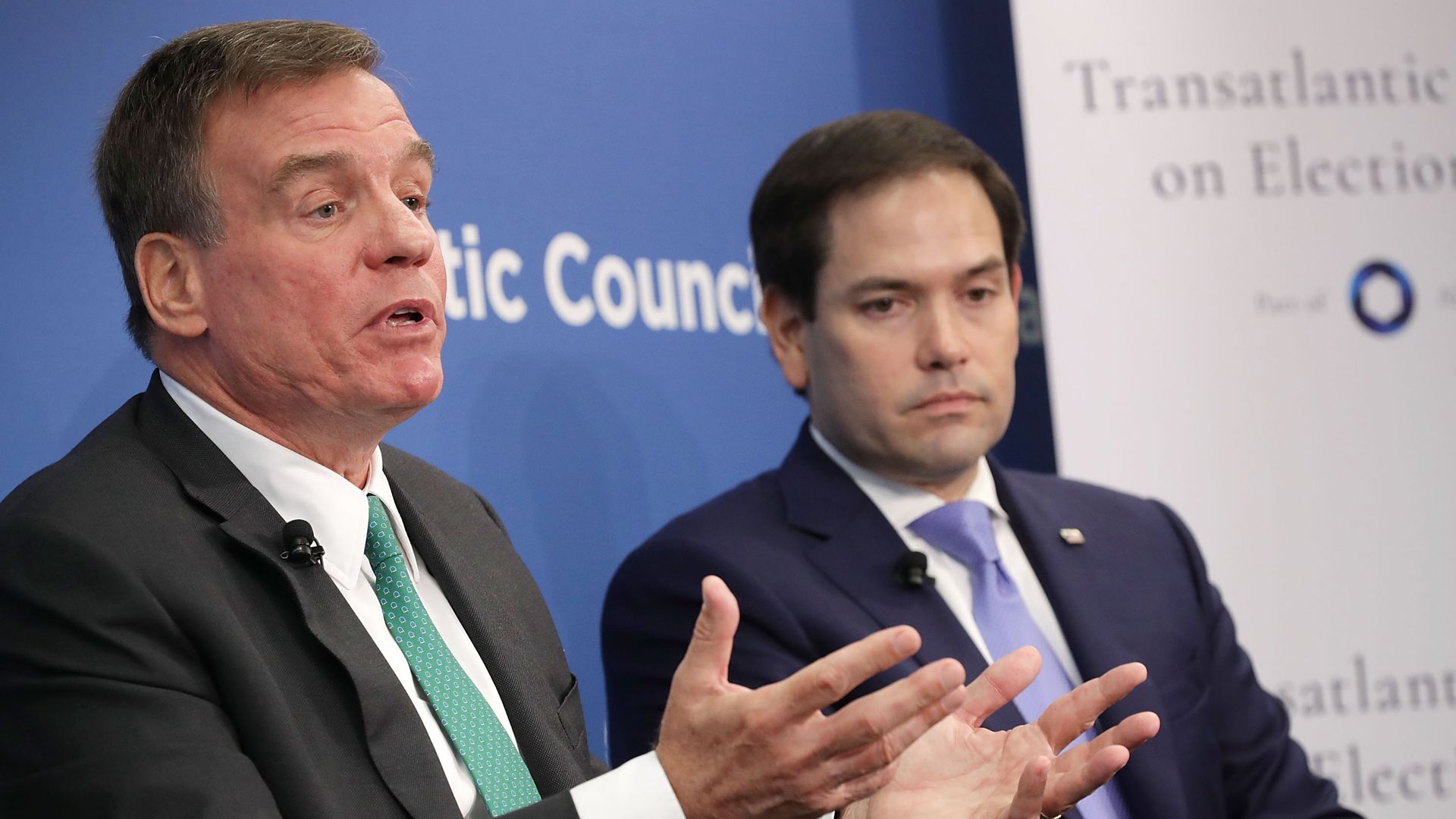
Republican Sen. Marco Rubio and Democratic Sen. Mark Warner warned Canadian Prime Minister Justin Trudeau that using Huawei technology in the transition to 5G internet poses "unacceptable risks to national security" and that its use in Canada could jeopardize intelligence cooperation with the U.S., according to a letter the senators sent Thursday, which Axios obtained.
Why it matters: Although a lot of attention on Capitol Hill has been focused on concerns that ZTE is not independent of Chinese government influence, Huawei is the largest maker of telecommunications equipment in the world, and there are similar concerns about its links with the Communist Party.
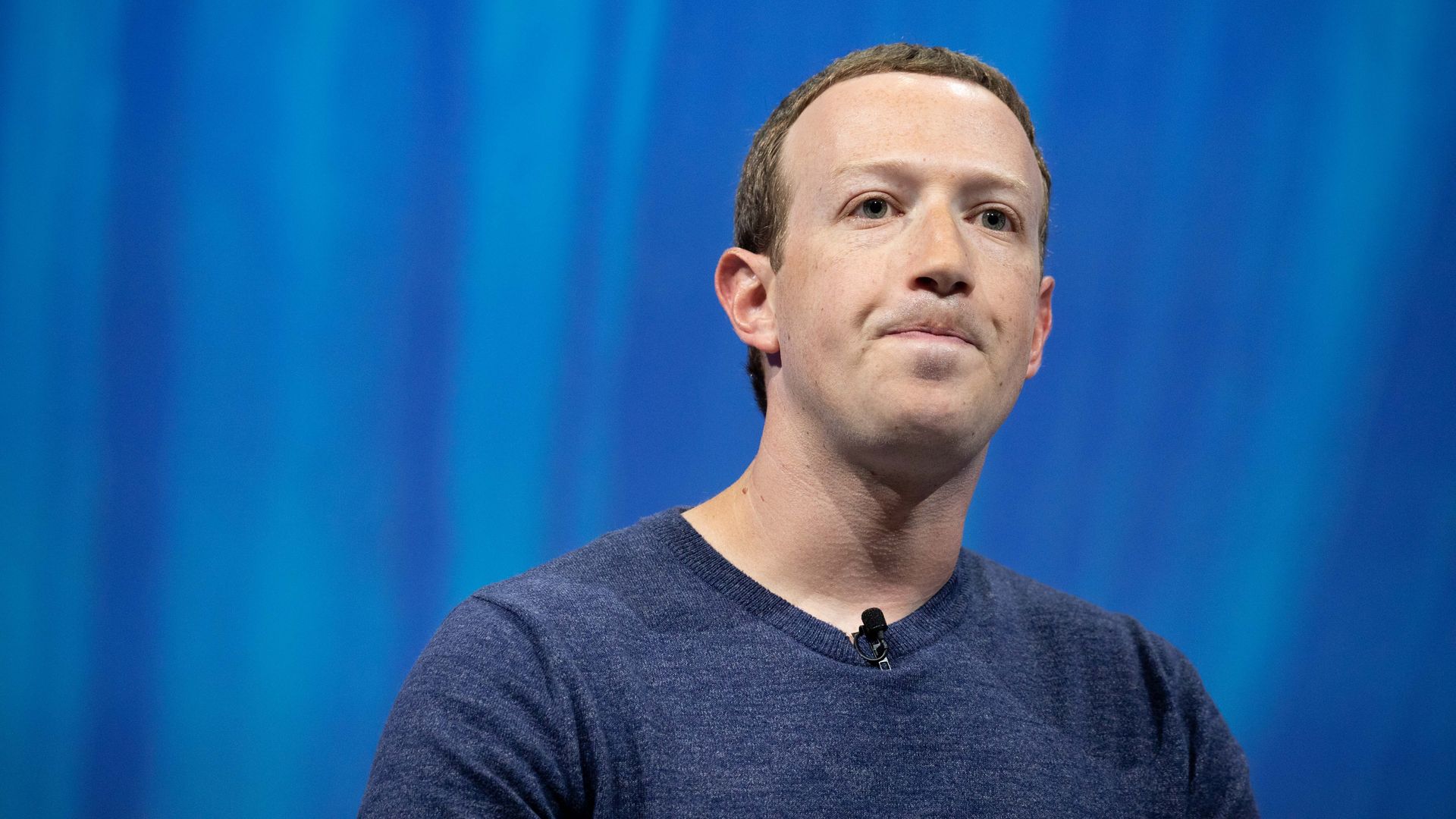
Facebook confirmed for the first time Friday that hackers who stole the keys to millions of accounts used some of them to access a wide variety of personal information about users.
Why it matters: The breach is under investigation in Ireland, and there have been calls for a similar investigation in the United States. It affected 30 million people — though that's a lower number than Facebook initially believed.
On Monday we wrote that the disappearance of Jamal Khashoggi could complicate Saudi Arabia's business dealings with the West, and that we'd get a better gauge by who does, and doesn't, attend the Saudi government's Future Investment Conference in Riyadh later this month.
The bottom line: It turns out we didn't need to wait that long, as there is now a steady drumbeat of withdrawals, but not everyone agrees with the push to pull out.
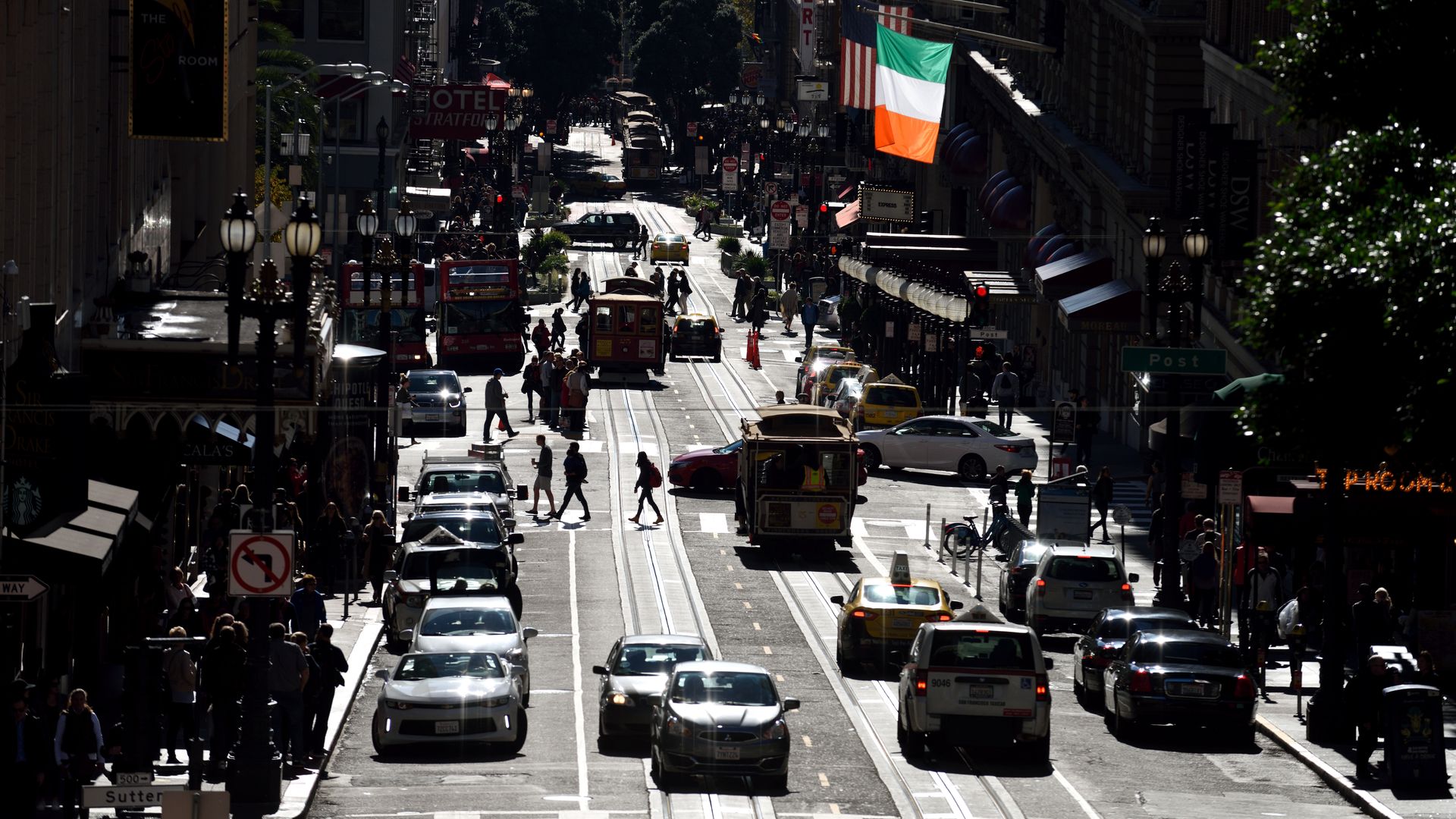
To ensure the safety of autonomous vehicles, companies have been testing fleets in San Francisco, Austin, Miami and elsewhere — gathering data and exposing their technology to everyday experiences. However, road tests are a cumbersome form of validation — the Rand Corporation estimates it would take hundreds of millions to hundreds of billions of miles (nearly a century of driving) to prove an AV drives safely.
The big picture: Not all experience needs to come from road tests. Simulation platforms enable the artificial intelligence brain powering an autonomous vehicle to run in a photorealistic world that mimics real-life traffic, exposing its deep-learning algorithms to scenarios and conditions as many times as necessary for the system to handle them perfectly.
With more and more people turning to ride-hailing options, shared bike systems or motorized scooters — and with the advent of autonomous vehicles looming — urban planners and policymakers have started to rethink the curb.
The big picture: Historically, the curb has been the meeting spot for most buses and taxis, but curb space has increased in value. To take full advantage of this prime real estate, the use of curbs will have to be modified to make entries and exits easier, more efficient and better for the environment.
Ford is as intent on finding a profitable business model for autonomous vehicles as it is on the underlying technology. CEO Jim Hackett told me their AV research is advancing rapidly, but they are equally focused on building a transportation service based on what people need and want.
Why it matters: Unlike some of its competitors, Ford — one of the world's largest automakers — hasn't crowed much about its position in the race to develop self-driving cars. That's led to the perception that Ford has fallen behind. But Ford is taking a slightly different tack, with the understanding that large-scale adoption of autonomous vehicles won't happen unless paying customers see value in them.
New technologies have transformed everything from the way we order food to how we track our exercise, but moving into a new home remains a massive headache.
The big picture: Imagine a future where you send the floor plans of your empty new apartment or house to a company. Then, as soon as later that day, delivery trucks arrive with mattresses, sofas, pillows, bar stools and sheets.
Uber on Thursday sent a letter to federal securities regulators, asking for rules changes that would let it provide company stock to its drivers, Axios has learned.
Uber first met with U.S. Securities and Exchange officials several years ago about this issue, but was rebuffed. New SEC chairman Jay Clayton, however, spearheaded a request for comment on the issue, and Airbnb received attention last month for its positive response.
Why it matters: This could become an important new type of compensation for millions of "gig economy" workers.
Facebook is purging 559 pages and 251 accounts that have demonstrated spammy behavior that violate its rules, a spokesperson tells Axios. Many of the accounts removed are from hyper-partisan political pages and accounts.
Why it matters: Spam content often reflects society's emotions and obsessions — like diet pill scams and celebrity gossip. Facebook's finding an increase in spam activity around political content is a sign of how radicalized U.S. users have become around political extremes.
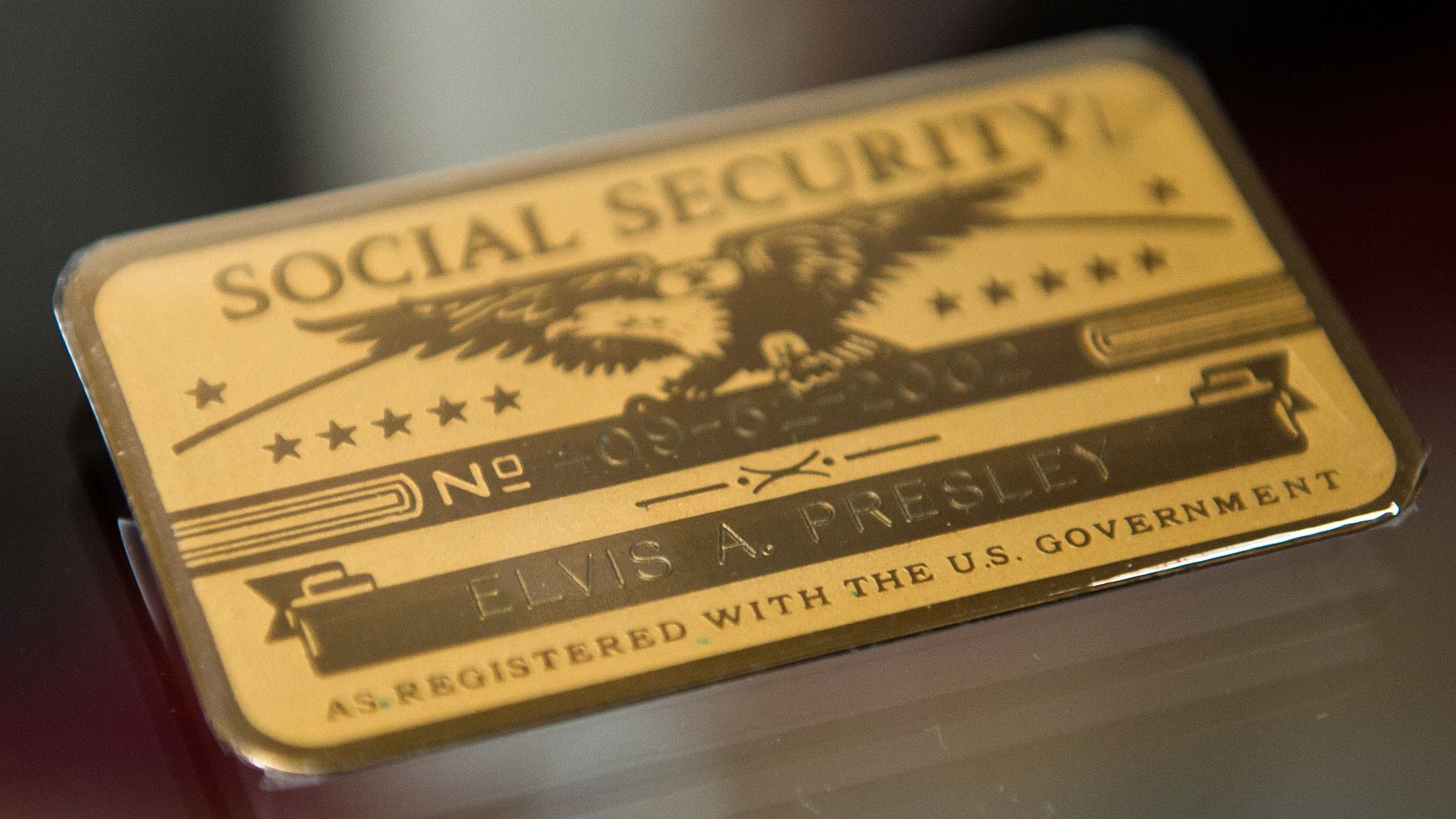
The Center for Strategic and International Studies and McAfee released a new report on modernizing the Social Security number system Wednesday. And the numbers are a thing that need modernizing — we use them as identification in everything from mortgages to job applications, despite the fact that they're easy to steal.
The problem: “If we look at how well we're doing right now with Social Security, an estimated 60–80% are already compromised,” said Candace Worley, McAfee vice president and chief technical strategist. That’s because the online world has opened up previously unavailable potential for hackers to steal and sell Social Security numbers.
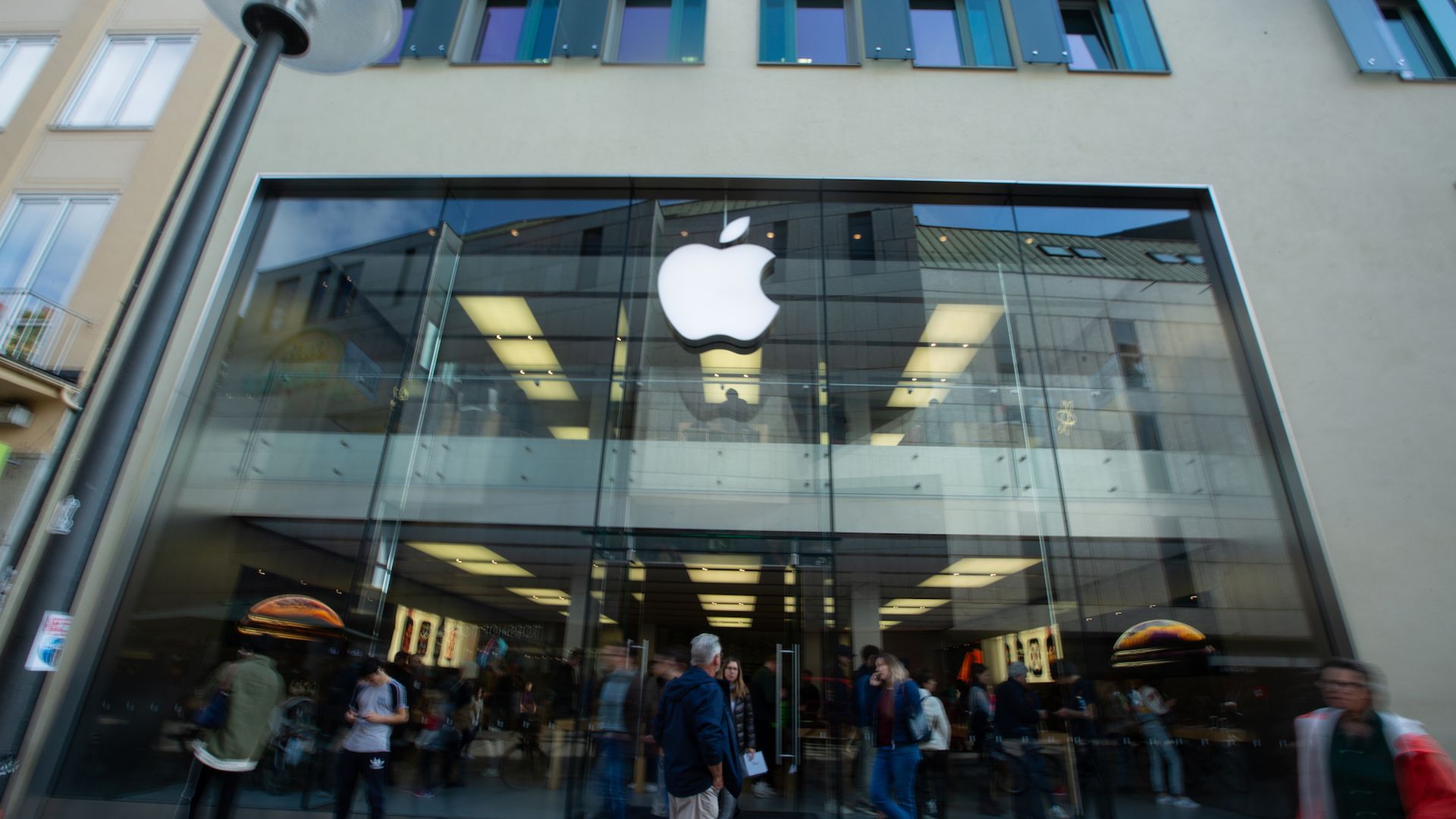
Apple has agreed to pay $300 million in cash to carve out part of European chipmaker Dialog Semiconductor, and also committed to buy another $300 million of products from the remaining Dialog business over the next three years.
Why it's a big deal: Because it's Apple's largest-ever acqui-hire, with over 300 Dialog engineers moving over, and reflects how Apple is seeking to control more of its supply chain.
On Monday I was sent a four-page memo purportedly written by a Defense Department official, requesting that the U.S. Treasury launch a national security review of Broadcom's proposed $18 billion takeover of CA Technologies.
The details: The sender claimed to be a government official who shared the memo's concerns that Broadcom, which recently reconciled from Singapore to the U.S., is beholden to Chinese interests because of its client base and the physical locations of its manufacturing facilities.
Google released a report yesterday describing an interesting challenge: It aims to eventually use carbon-free electricity to power its energy-thirsty data centers around the clock and around the world.
Why it matters: The tech giant announced months ago that it already purchases enough renewable energy in the aggregate to match their annual power consumption. But that's not the same thing as never using carbon-emitting power.
Apple is acquiring a piece of U.K.- and Germany-based chip company Dialog Semiconductor for $600 million, including $300 million as a pre-payment for chips.
Why it matters: Apple is going deeper into designing its own chips as the deal includes about 300 employees joining Apple and acquisition of intellectual property. It also puts more certainty into Dialog's future after recent rumors that Apple may turn to other suppliers.






/2018/10/12/1539352468711.gif?w=3840)