The hashtag #MeToo has been used more than 19 million times on Twitter since it was used by actress Alyssa Milano almost one year ago, a Pew Research study shows.
Why it matters: This metric is used to gauge just how wide the #MeToo movement has spread, as it averages 55,319 uses of the hashtag a day. While 71% of the tweets containing #MeToo were in English, 29% were in other languages, proving the global impact the movement has had.
By year's end, anyone in metro Phoenix (not just a handful of early participants) will be able to summon an autonomous vehicle from Waymo using an app on their phone. The nation’s first commercial robo-taxi service will be limited to certain areas, but the territory will gradually expand as the cars get even smarter with experience.
Why it matters: Waymo is by far the leader in autonomous vehicle technology, racking up 10 million miles of real-world driving and 5 billion simulated miles. But it’s still up to the public to decide if they want self-driving cars. Waymo’s robo-taxi service will be an early test of that question.
After years of urging regulators to leave them be, Silicon Valley companies are gearing up for new rules, especially around privacy. The industry's focus has shifted from fending off regulation to helping craft something palatable.
What tech companies would like in return for federal legislation is to see states prohibited from passing their own rules. California has already passed a strict privacy law, set to take effect in 2020, adding additional incentive for tech companies to come to the table on federal legislation.
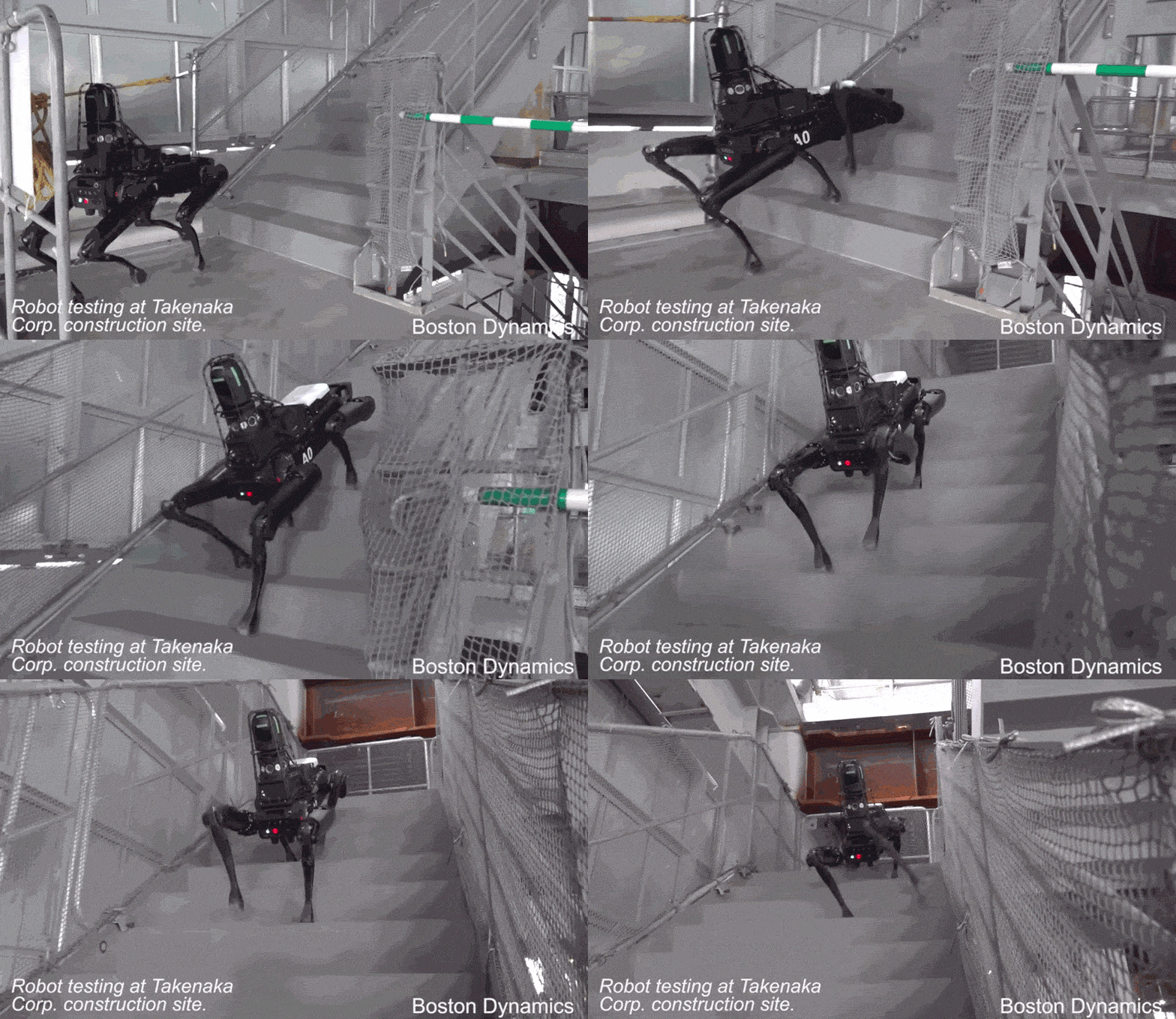
For its latest trick, a dog-like robot from Boston Dynamics noses around a construction site and scuttles up stairs on four legs — a demonstration, the company hopes, for why the market should buy its creations.
Why it matters: Boston Dynamics is trying to figure out how to sell its robots, including Spot, the robot that in the clip above is moving with an agility and versatility that possibly no rival has matched.
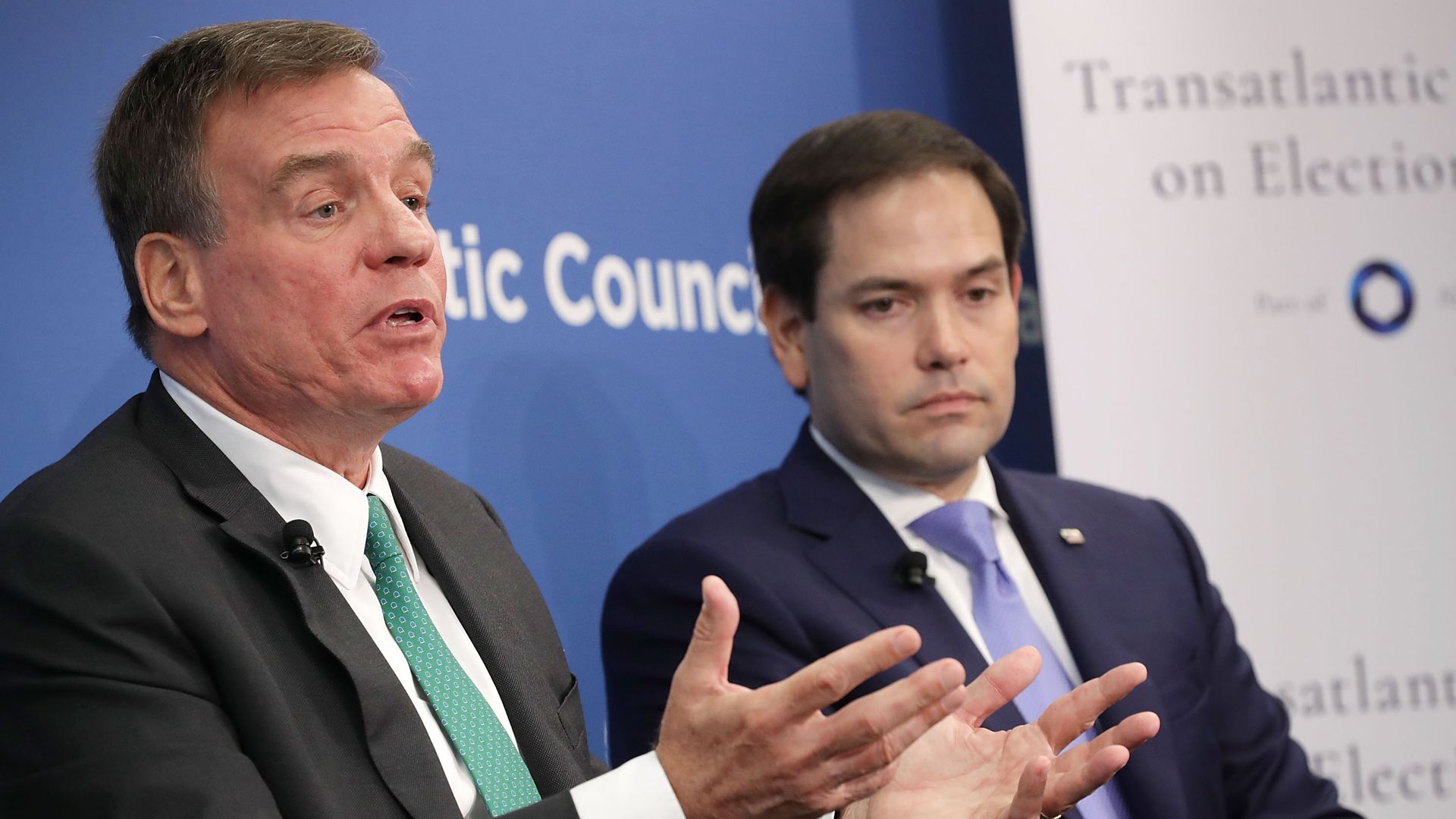
Republican Sen. Marco Rubio and Democratic Sen. Mark Warner warned Canadian Prime Minister Justin Trudeau that using Huawei technology in the transition to 5G internet poses "unacceptable risks to national security" and that its use in Canada could jeopardize intelligence cooperation with the U.S., according to a letter the senators sent Thursday, which Axios obtained.
Why it matters: Although a lot of attention on Capitol Hill has been focused on concerns that ZTE is not independent of Chinese government influence, Huawei is the largest maker of telecommunications equipment in the world, and there are similar concerns about its links with the Communist Party.
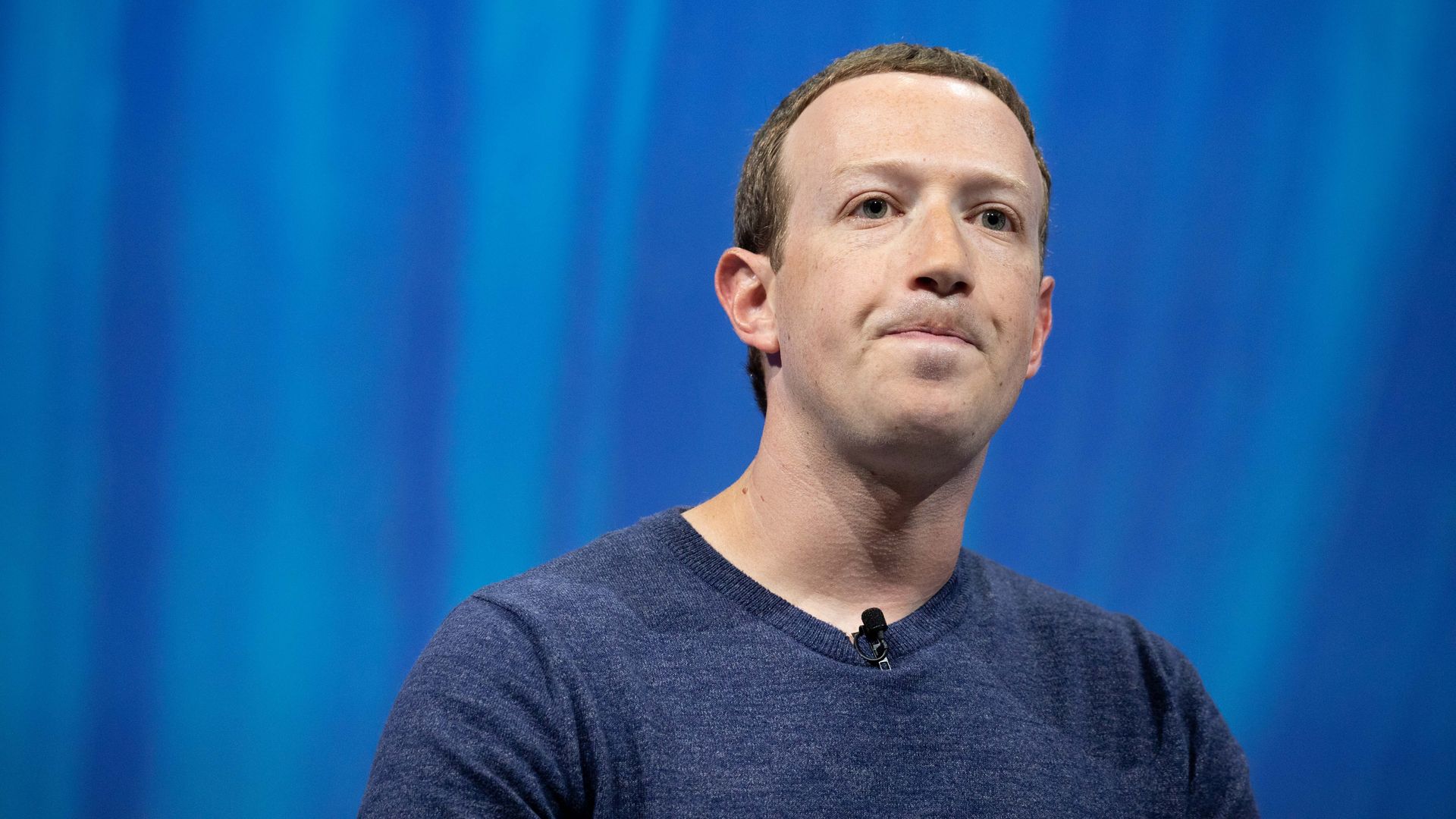
Facebook confirmed for the first time Friday that hackers who stole the keys to millions of accounts used some of them to access a wide variety of personal information about users.
Why it matters: The breach is under investigation in Ireland, and there have been calls for a similar investigation in the United States. It affected 30 million people — though that's a lower number than Facebook initially believed.
On Monday we wrote that the disappearance of Jamal Khashoggi could complicate Saudi Arabia's business dealings with the West, and that we'd get a better gauge by who does, and doesn't, attend the Saudi government's Future Investment Conference in Riyadh later this month.
The bottom line: It turns out we didn't need to wait that long, as there is now a steady drumbeat of withdrawals, but not everyone agrees with the push to pull out.
To ensure the safety of autonomous vehicles, companies have been testing fleets in San Francisco, Austin, Miami and elsewhere — gathering data and exposing their technology to everyday experiences. However, road tests are a cumbersome form of validation — the Rand Corporation estimates it would take hundreds of millions to hundreds of billions of miles (nearly a century of driving) to prove an AV drives safely.
The big picture: Not all experience needs to come from road tests. Simulation platforms enable the artificial intelligence brain powering an autonomous vehicle to run in a photorealistic world that mimics real-life traffic, exposing its deep-learning algorithms to scenarios and conditions as many times as necessary for the system to handle them perfectly.
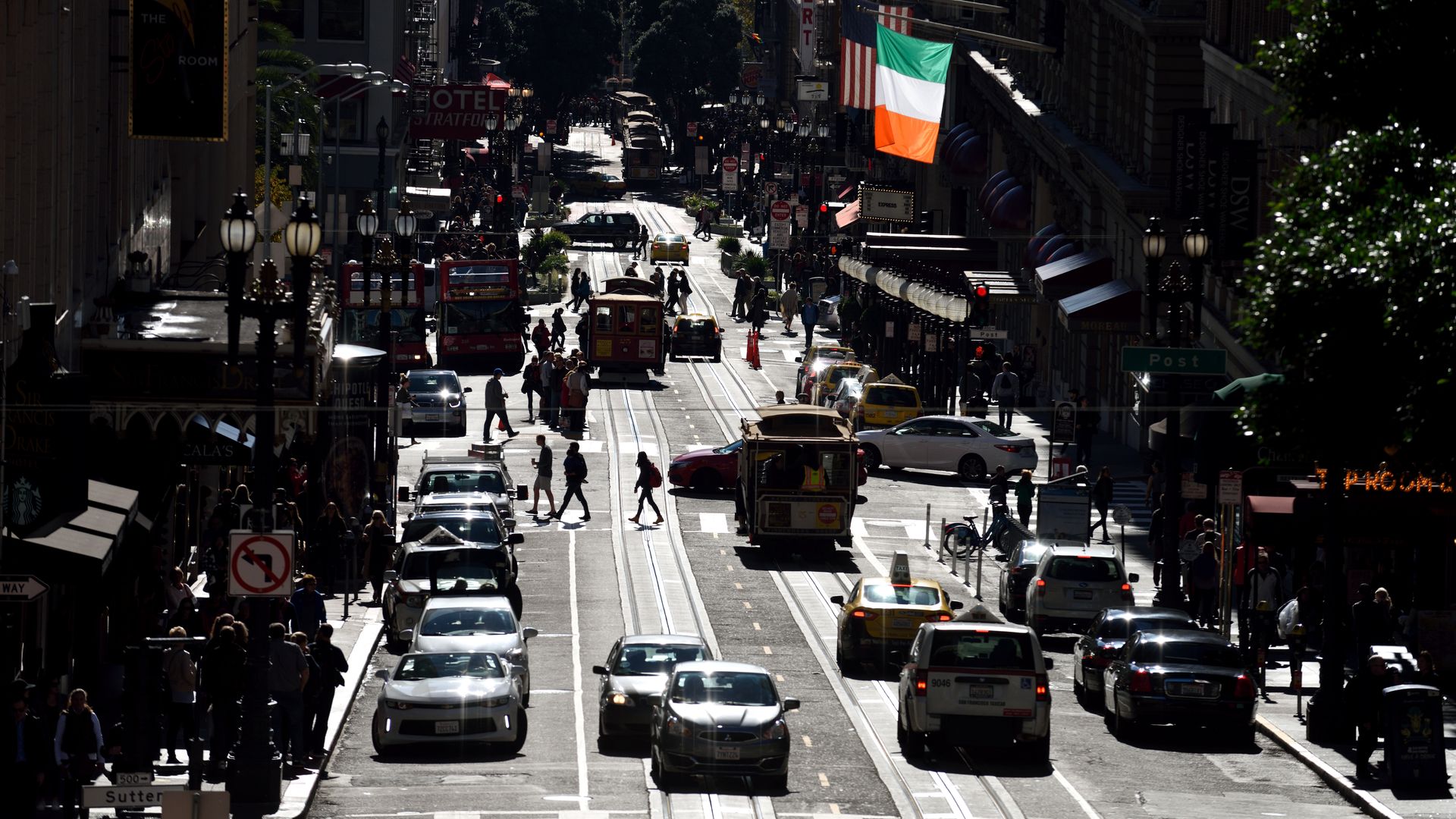
With more and more people turning to ride-hailing options, shared bike systems or motorized scooters — and with the advent of autonomous vehicles looming — urban planners and policymakers have started to rethink the curb.
The big picture: Historically, the curb has been the meeting spot for most buses and taxis, but curb space has increased in value. To take full advantage of this prime real estate, the use of curbs will have to be modified to make entries and exits easier, more efficient and better for the environment.
Ford is as intent on finding a profitable business model for autonomous vehicles as it is on the underlying technology. CEO Jim Hackett told me their AV research is advancing rapidly, but they are equally focused on building a transportation service based on what people need and want.
Why it matters: Unlike some of its competitors, Ford — one of the world's largest automakers — hasn't crowed much about its position in the race to develop self-driving cars. That's led to the perception that Ford has fallen behind. But Ford is taking a slightly different tack, with the understanding that large-scale adoption of autonomous vehicles won't happen unless paying customers see value in them.
New technologies have transformed everything from the way we order food to how we track our exercise, but moving into a new home remains a massive headache.
The big picture: Imagine a future where you send the floor plans of your empty new apartment or house to a company. Then, as soon as later that day, delivery trucks arrive with mattresses, sofas, pillows, bar stools and sheets.









/2018/10/12/1539352468711.gif?w=3840)