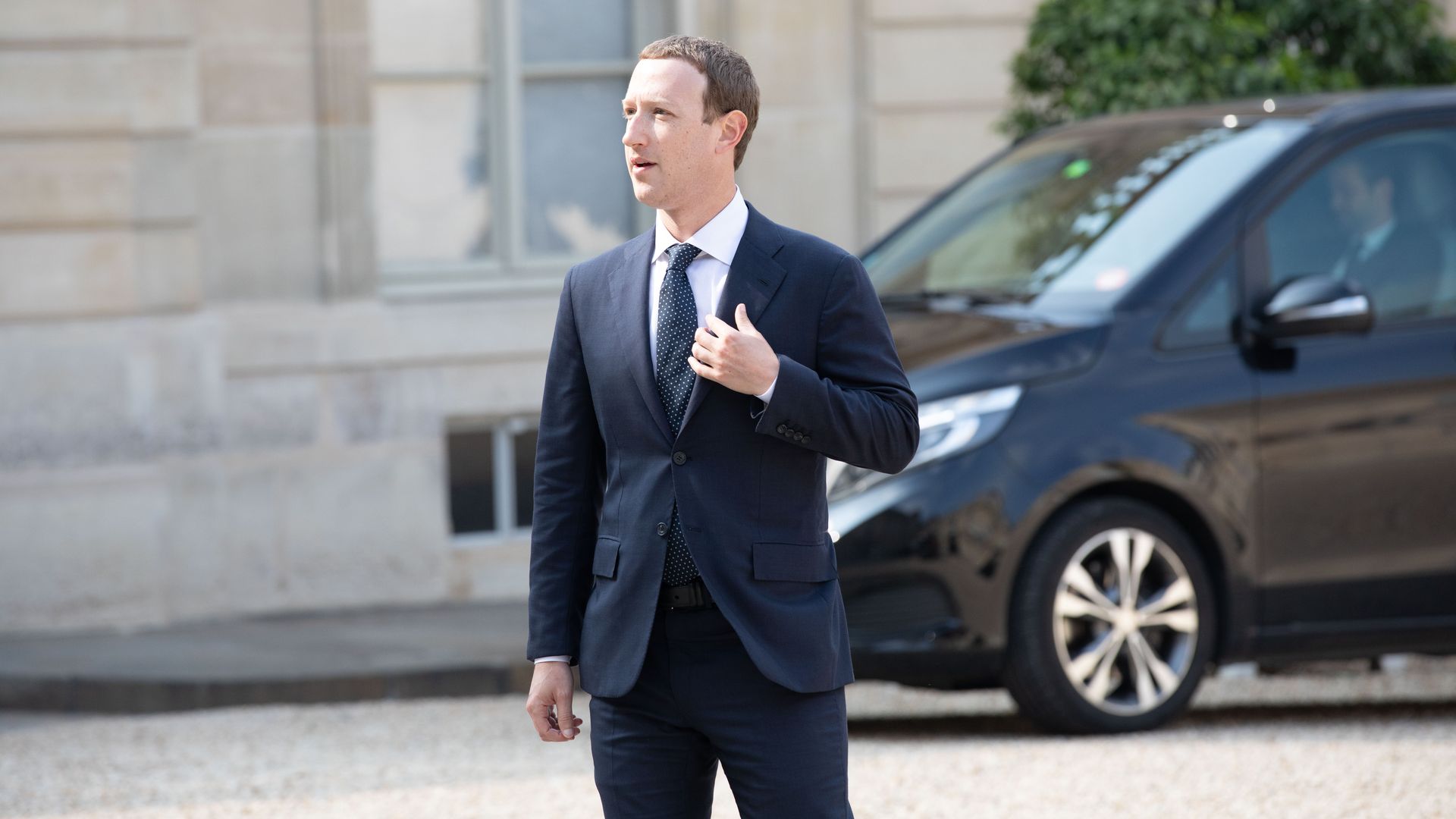
Facebook said Monday it has banned from its platform a broad variety of false statements about voting in the United States ahead of the midterm elections.
Why it matters: The social network has long held that it should not be the arbiter of truth on its platform. Yet as the midterms approach, Facebook is under extraordinary pressure, with executives trying to avoid a repeat of the misinformation campaigns that mired the 2016 election.
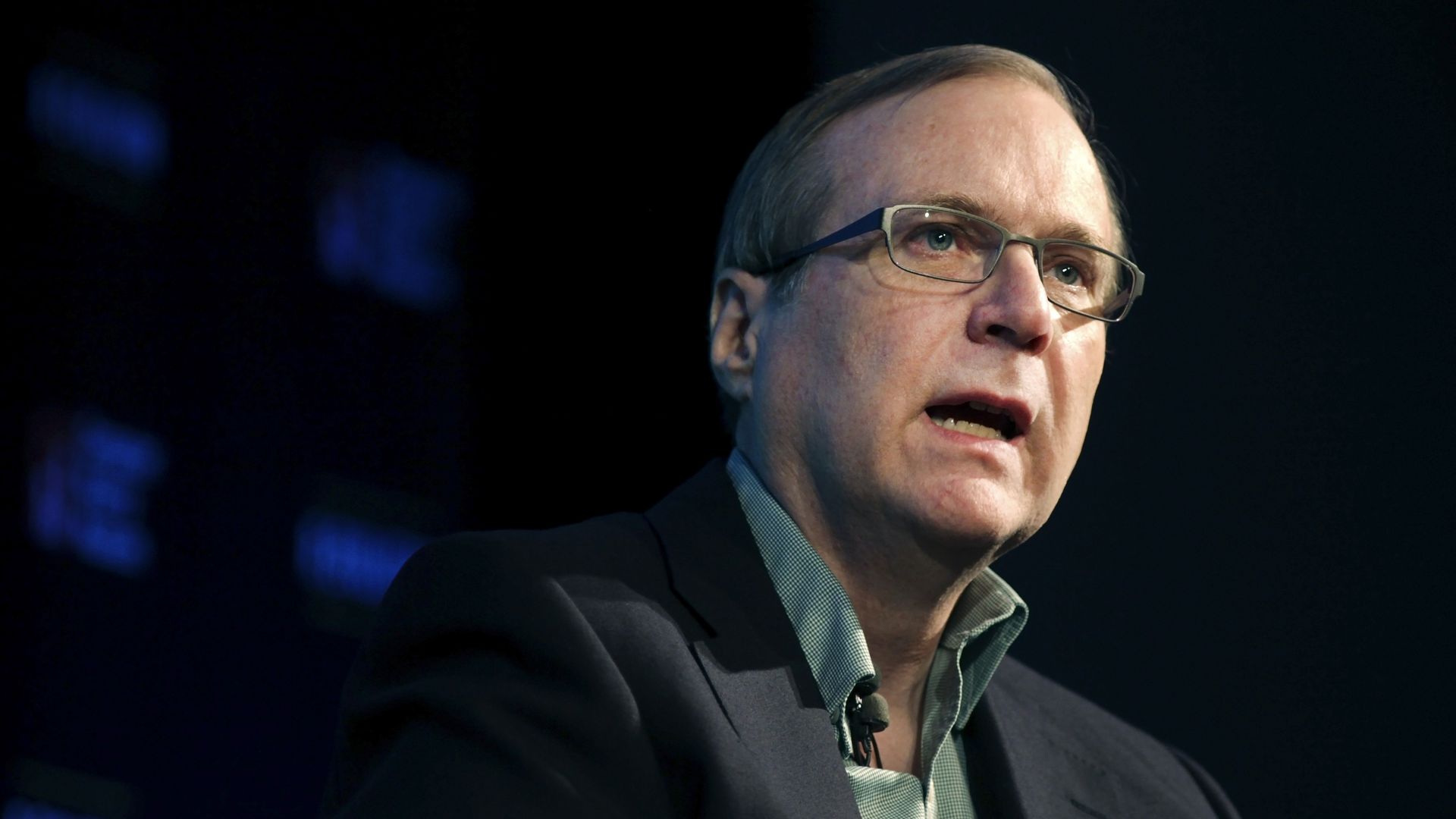
Microsoft co-founder and billionaire investor Paul Allen died Monday in Seattle from "complications of non-Hodgkin's lymphoma," his family said in a statement.
Allen revealed earlier this month that he had restarted treatment for the disease, which he was first diagnosed with in the early 1980s.
In the last few days Cisco, Apple, Facebook, Google, Microsoft, and other tech giants have criticized Australia’s draft encryption legislation, which they say gives law enforcement access to encrypted communications at the price of weaker security for everyone.
Why it matters: Australia’s legislation could act as a catalyst for less liberal countries to adopt similar measures, Cisco warns. Apple writes: "Encryption is simply math. Any process that weakens the mathematical models that protect user data for anyone will by extension weaken the protections for everyone."
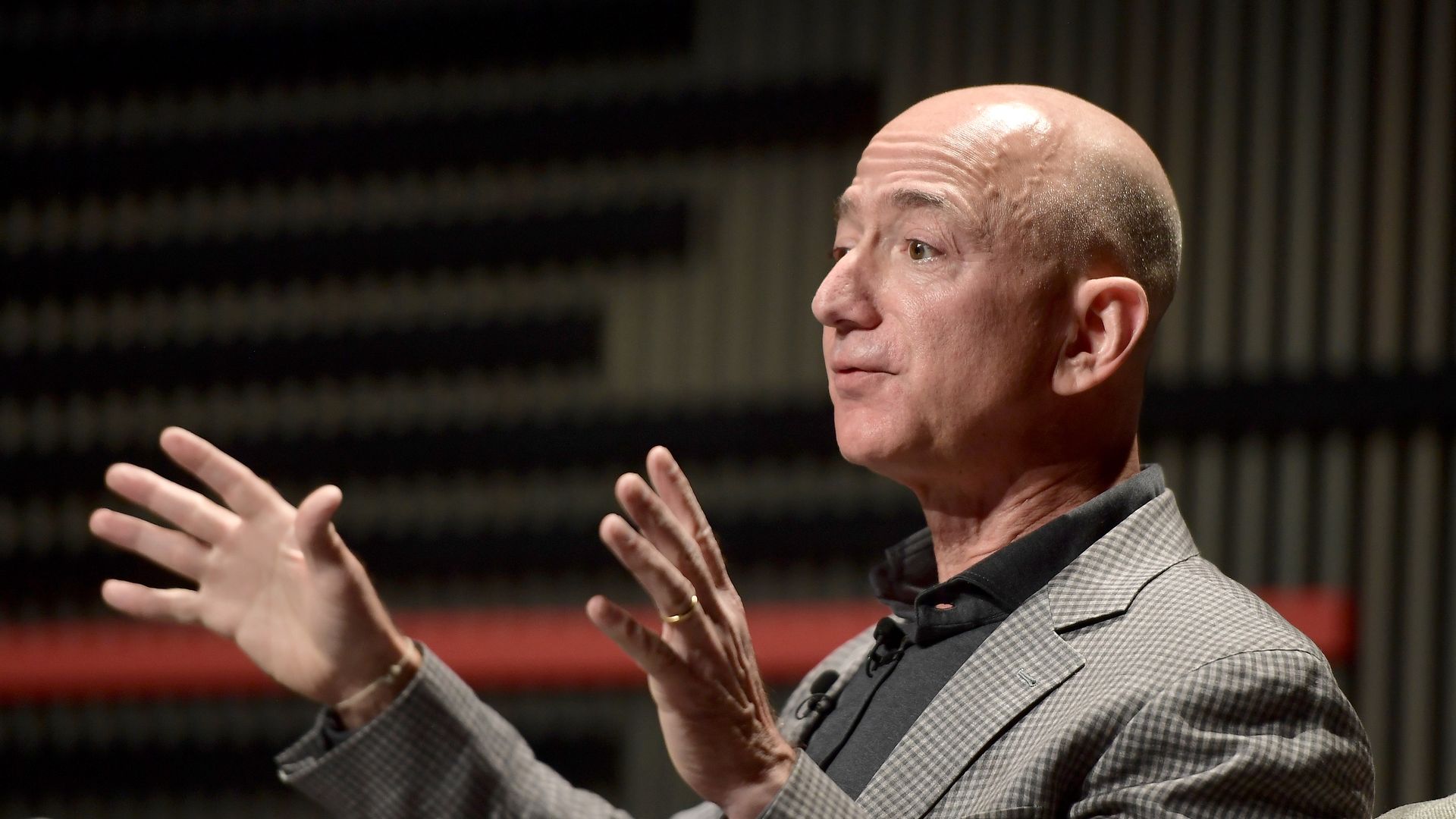
Amazon CEO Jeff Bezos said Monday he plans to spend "a little more" than $1 billion on his space exploration company, Blue Origin, next year — a slight increase over the current $1 billion a year.
Why it matters: Bezos, along with other billionaires like Elon Musk, has been criticized for focusing his resources on moonshot projects like space travel instead of immediate problems on Earth (he did recently announce a $2 billion investment in early education and homelessness). Bezos made his announcement at Wired's 25th anniversary conference in San Francisco.
IBM is launching a mobile version of its cybersecurity training center, designed to help train and respond to cyber incidents, by putting it on an 18-wheel expandable tractor trailer, the company announced Monday.
Why it matters: The approach to preparing for cyberattacks isn’t new — Raytheon, Accenture and other cybersecurity-focused companies have been launching cybersecurity preparedness centers in the past few years — but this is the first center of its kind to go on the road. IBM hopes the move will help clients meet expanded, but temporary, cybersecurity needs, particularly when hosting large events.
Facebook continues to struggle with managing its existing products, even as it looks to invent ever more capable technology for the future.
The big picture: The company disclosed Friday that its recent breach may have affected somewhat fewer customers than originally announced (30 million vs. 50 million), but it turns out a great deal of information was taken, after all.
At Apple's developer conference in June, Adobe first talked about Project Aero, an effort to allow creators to transform works of digital art into augmented reality objects. At its own conference this week, the company will announce a limited release of the tool and detail its effort to dive deeper into AR creation.
Why it matters: Adobe is always looking for the next area where creatives will need good authoring software tools. The lack of such tools has been hindering both AR and VR, says Adobe CTO Abhay Parasnis.
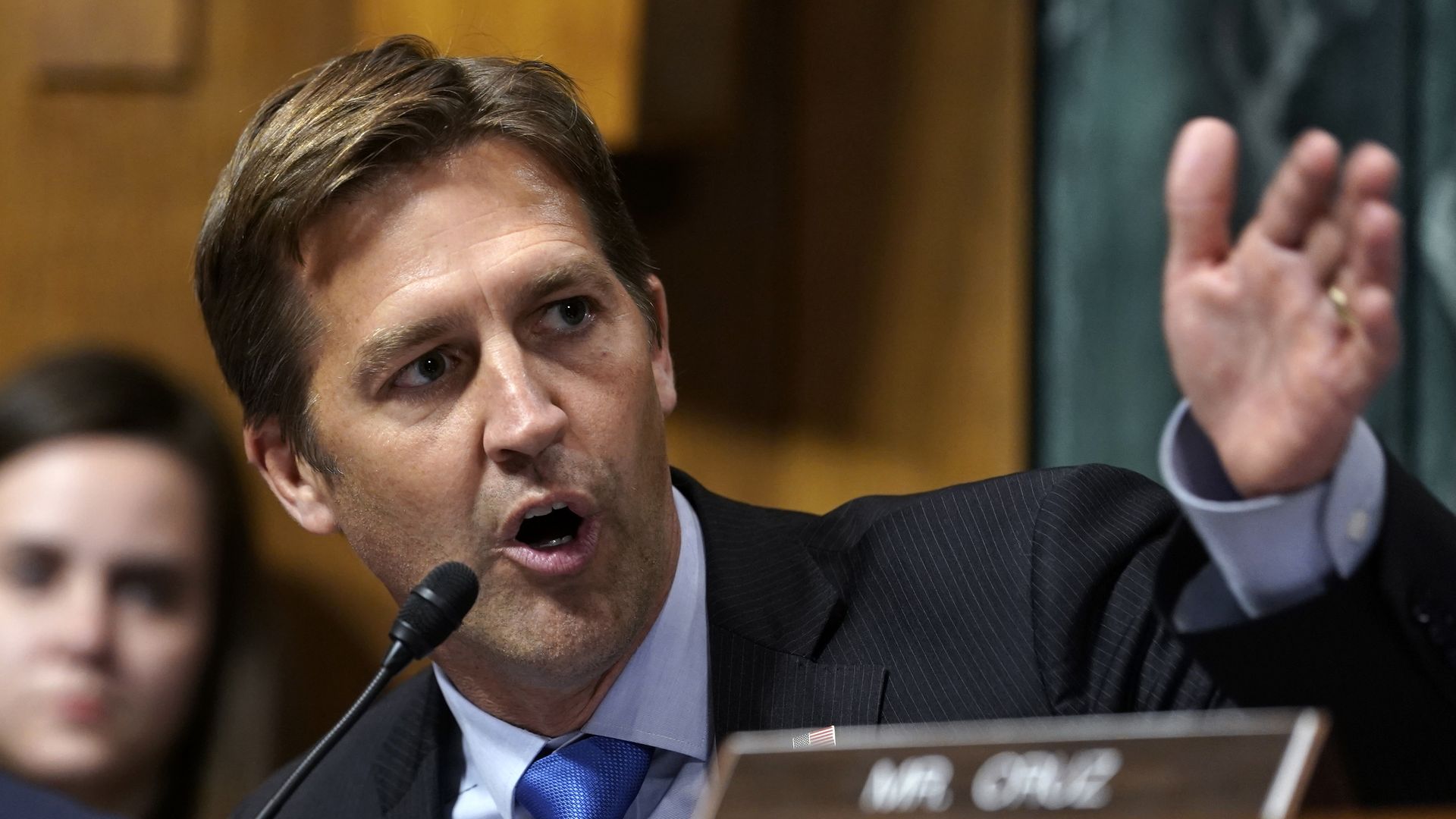
Sen. Ben Sasse (R-Neb.) — who'll be out Tuesday with his second book, "Them: Why We Hate Each Other — and How to Heal" — tells Axios:
"I had a conversation last month with one of the most senior U.S. intelligence officials, who told me that many leaders in the [Intelligence Committee] worry that we’re on the verge of a deepfakes [artificial intelligence algorithms that create convincing fake images, audio and video] 'perfect storm.'"
Since the Enlightenment, humans have made unprecedented advances — in science, technology, health conditions, living standards and more — as reason and analysis replaced superstition. Now, technology may be threatening that system.
Driving the news: In a much-read essay in The Atlantic, former Secretary of State Henry Kissinger argues that powerful artificial intelligence could replace human thought with data-driven decision-making. If that happens, AI could chip away at our ability to think critically.
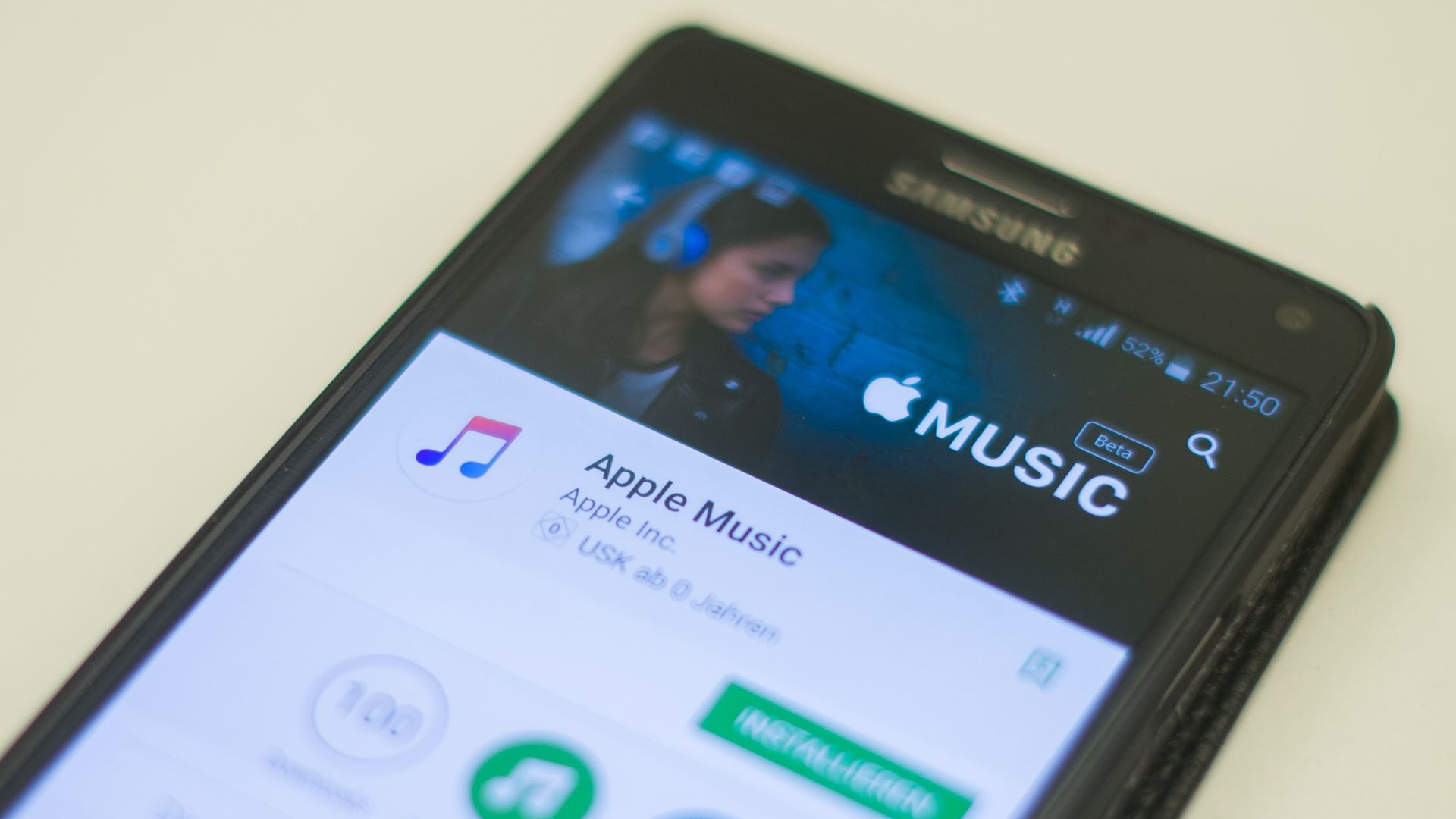
Apple has acquired Asaii, a startup that built a music analytics engine for music labels and artist managers, sources confirm to Axios. The deal, which appears to be verified by employee LinkedInprofiles, was worth less than $100 million, according to a source.
Why it matters: Along with bolstering content recommendations to users, Apple is also interested in Asaii as it can help it compete with Spotify's efforts to work directly with smaller artist —like a music label — Axios has learned.
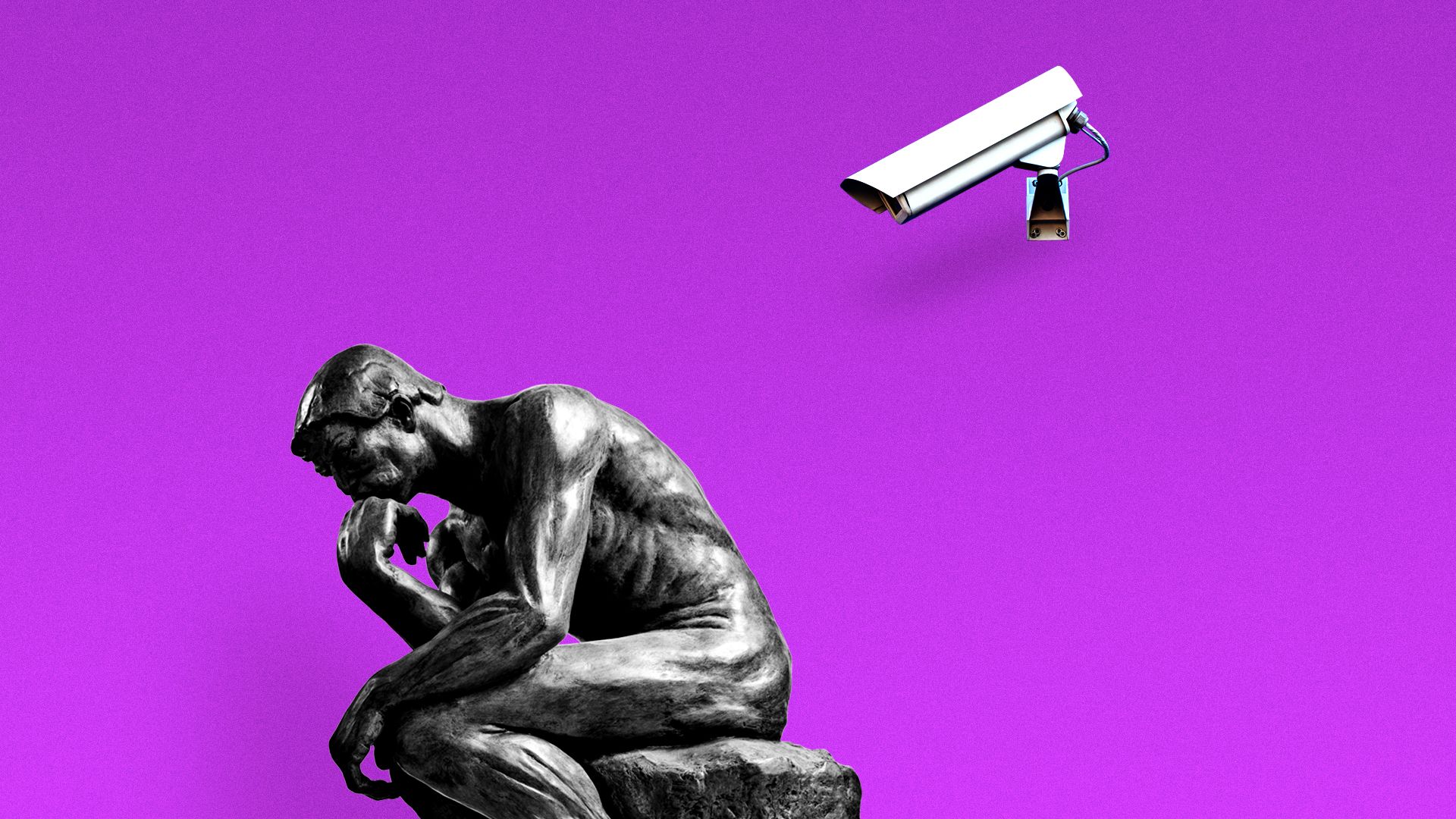
Last week, we described the long-term crisis for democracy. But advanced Western economies face another pressure point — artificial intelligence, which is proving to be a new advantage to autocratic government.
The bottom line: Tyrants thrive on centralized power. So the sudden ability to monitor and assess one's subjects 24/7 is a boon for top-down power — and a blow to the more chaotic and dispersed bottom.
Dozens of new initiatives have launched over the past few years to address fake news and the erosion of faith in the media, creating a measurement problem of its own.
Why it matters: So many new efforts are launching simultaneously to solve the same problem that it’s become difficult to track which ones do what and which ones are partnering with each other.










/2018/10/09/1539047985109.gif?w=3840)


/2018/10/09/1539088454750.gif?w=3840)