The world is in a deceptively quiet period in which some companies and countries are aggressively developing and applying early, rudimentary models of artificial intelligence, but the impact is not visible.
Why it matters: The AI revolutionwill arrive almost imperceptibly, but still faster than prior big technological shifts because of intense global competition and the breadth of its reach, according to a new study by the McKinsey Global Institute.
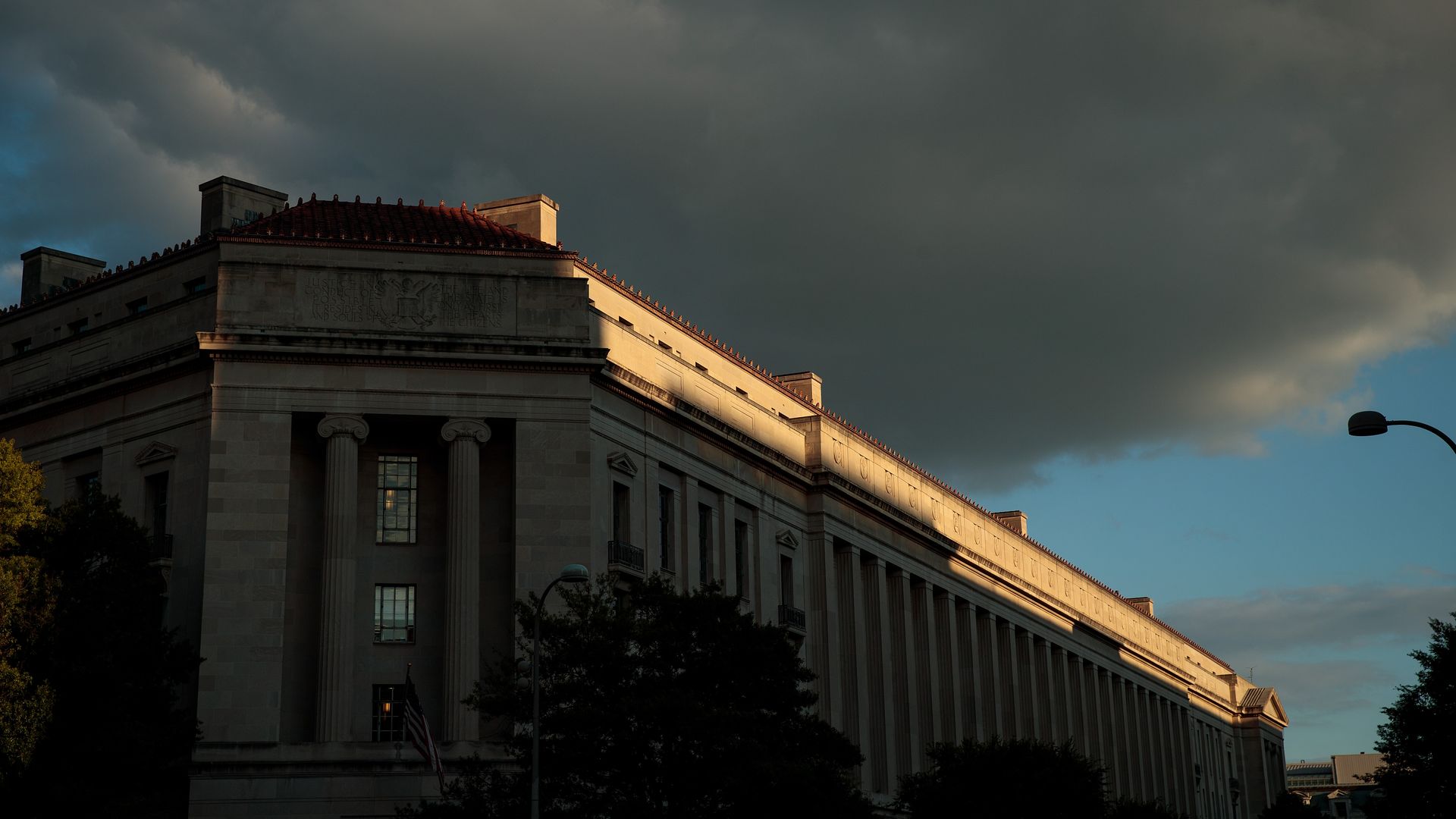
Attorney General Jeff Sessions has planned a meeting this month with several state attorneys general to discuss whether social media companies may be "hurting competition and intentionally stifling the free exchange of ideas on their platforms," the Justice Department said in a statement.
Why it matters: Out of the many ways policymakers can address concerns with large tech companies, antitrust enforcement offers some of the toughest potential penalties. The announcement comes after President Trump, who is not supposed to influence the Justice Department's antitrust enforcement, called the social platforms biased.
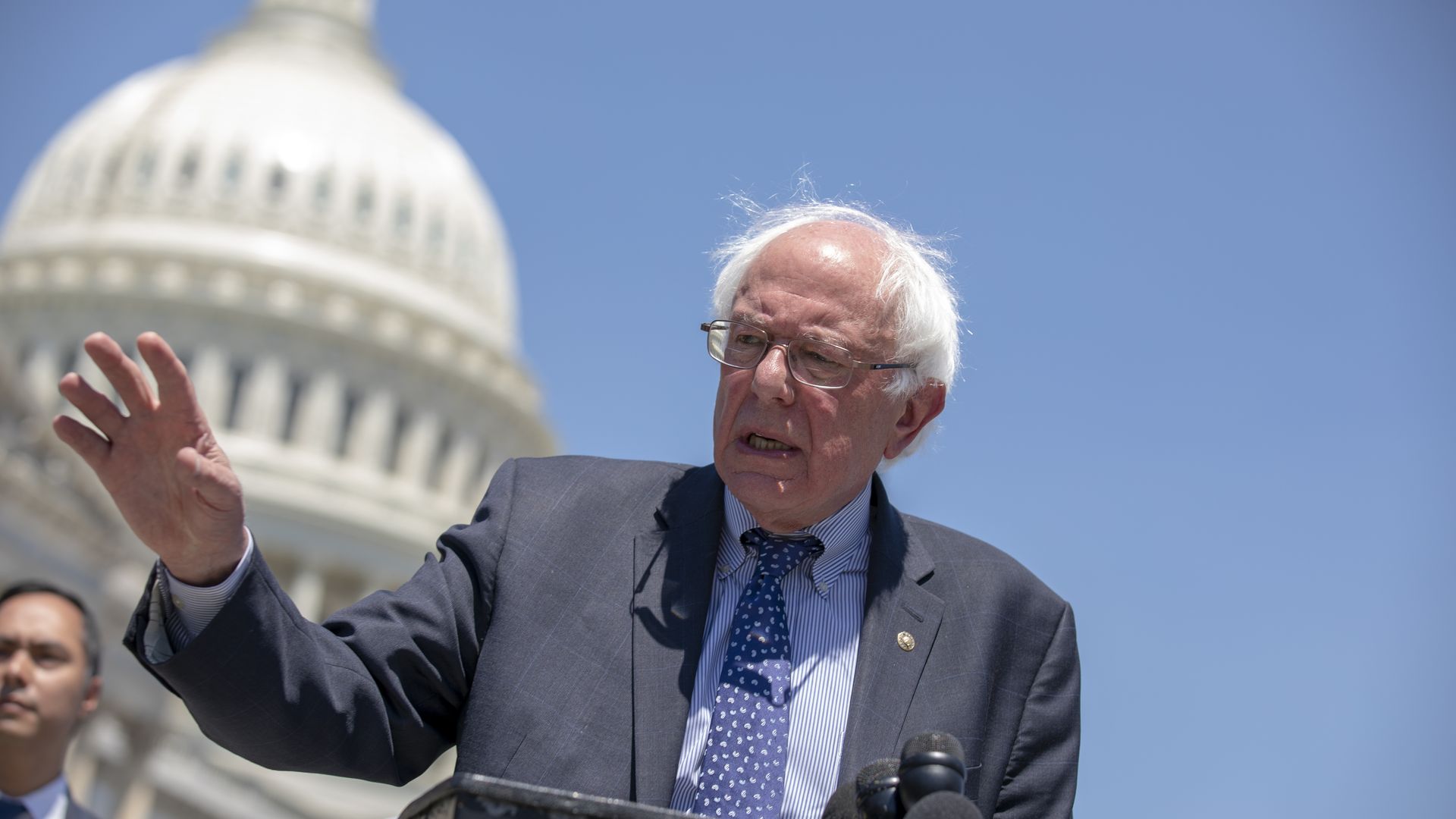
Sen. Bernie Sanders introduced a bill dubbed the "Stop Bad Employers by Zeroing Out Subsidies Act" or "Stop BEZOS Act" in the Senate Wednesday.
The big picture: The bill would make big companies that employ huge numbers of workers at low wages — like Amazon and Walmart — pay the government for the federal assistance their workers receive.
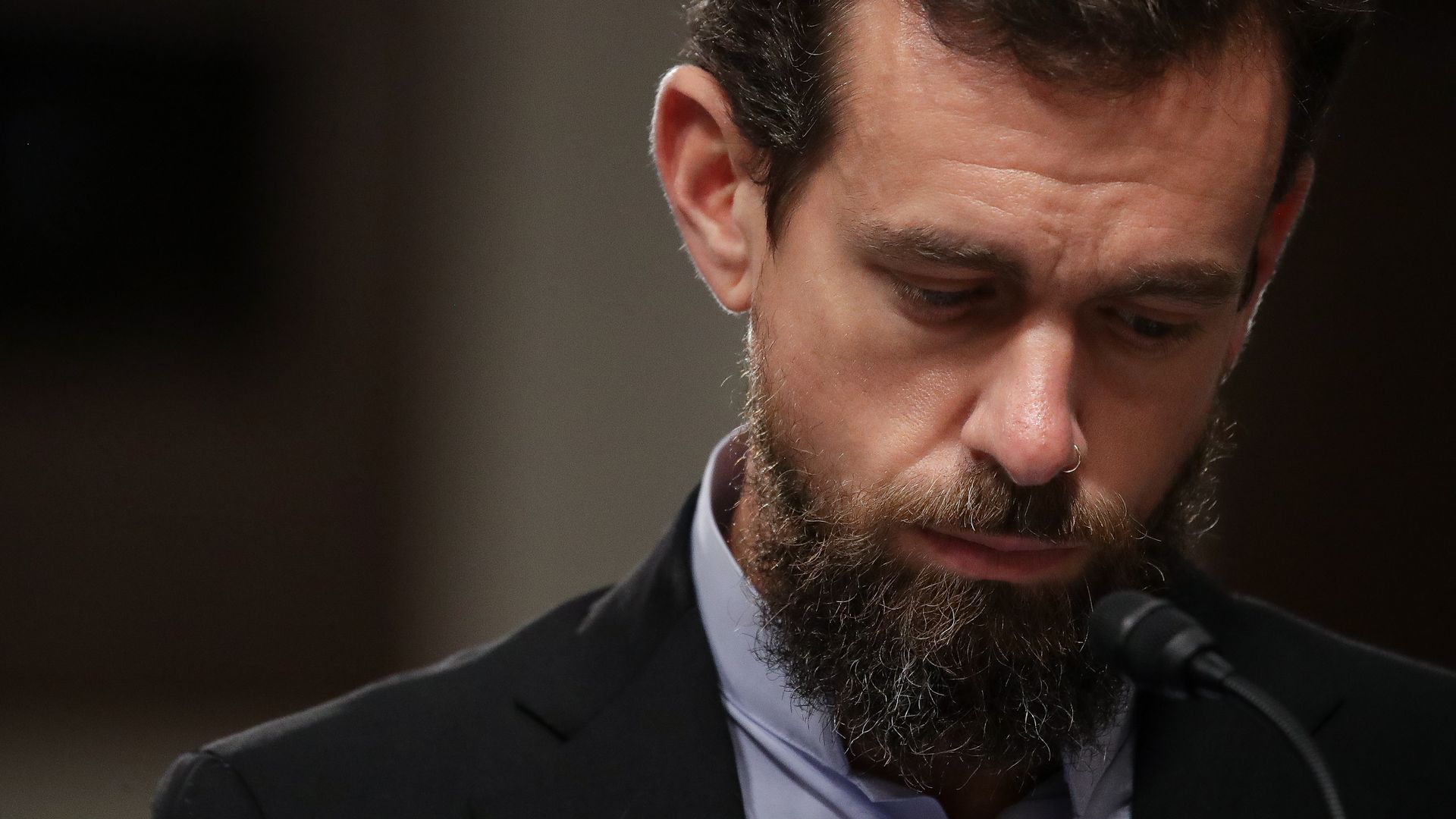
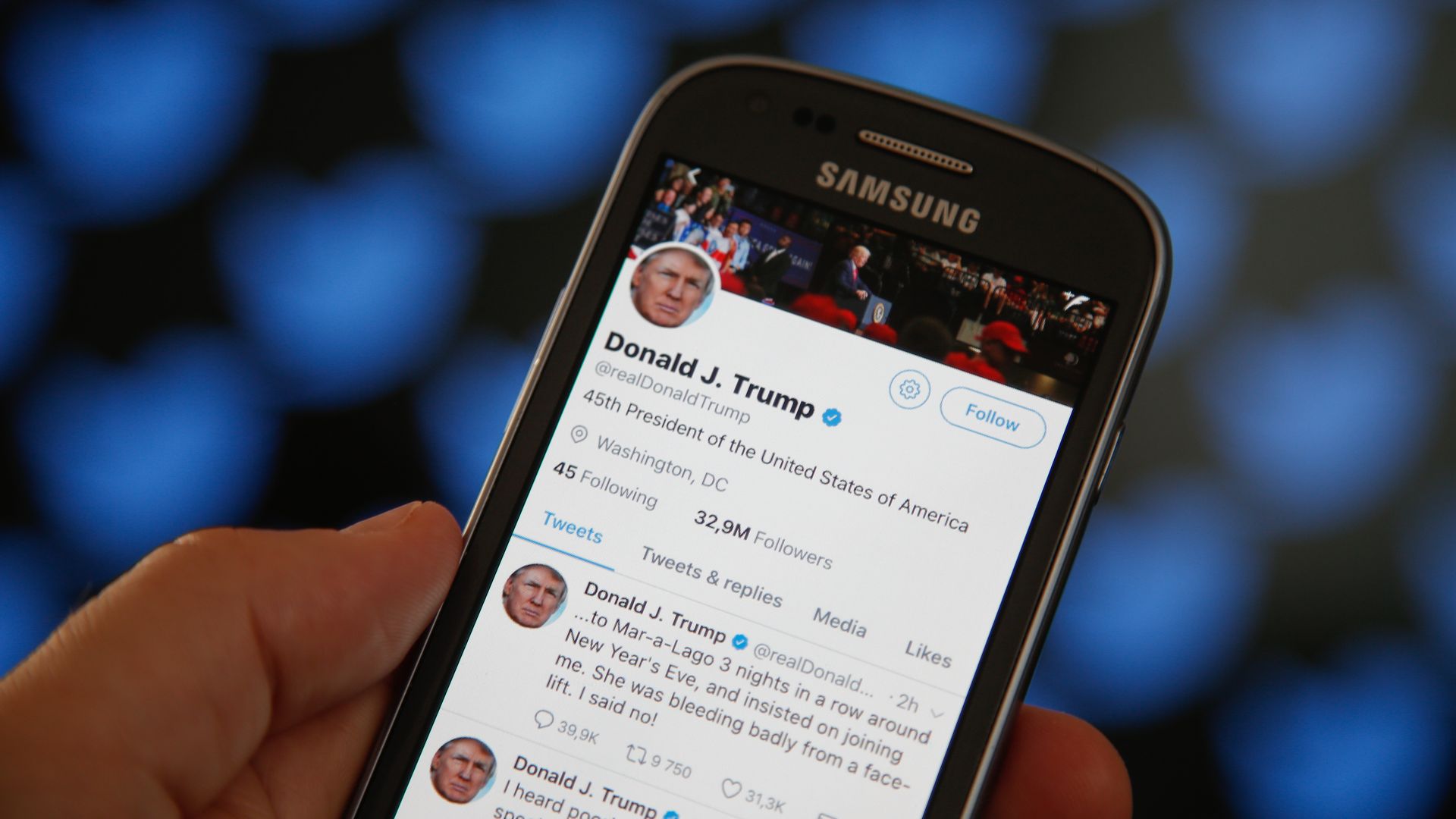
Twitter CEO Jack Dorsey faced skeptical questions at a Wednesday House hearing convened because of Republican allegations of an anti-conservative bias on the platform.
Why it matters: President Trump has seized on the concerns of anti-conservative censorship over the last week — publicly blasting web companies — despite a lack of evidence of platforms intentionally build bias into their systems.
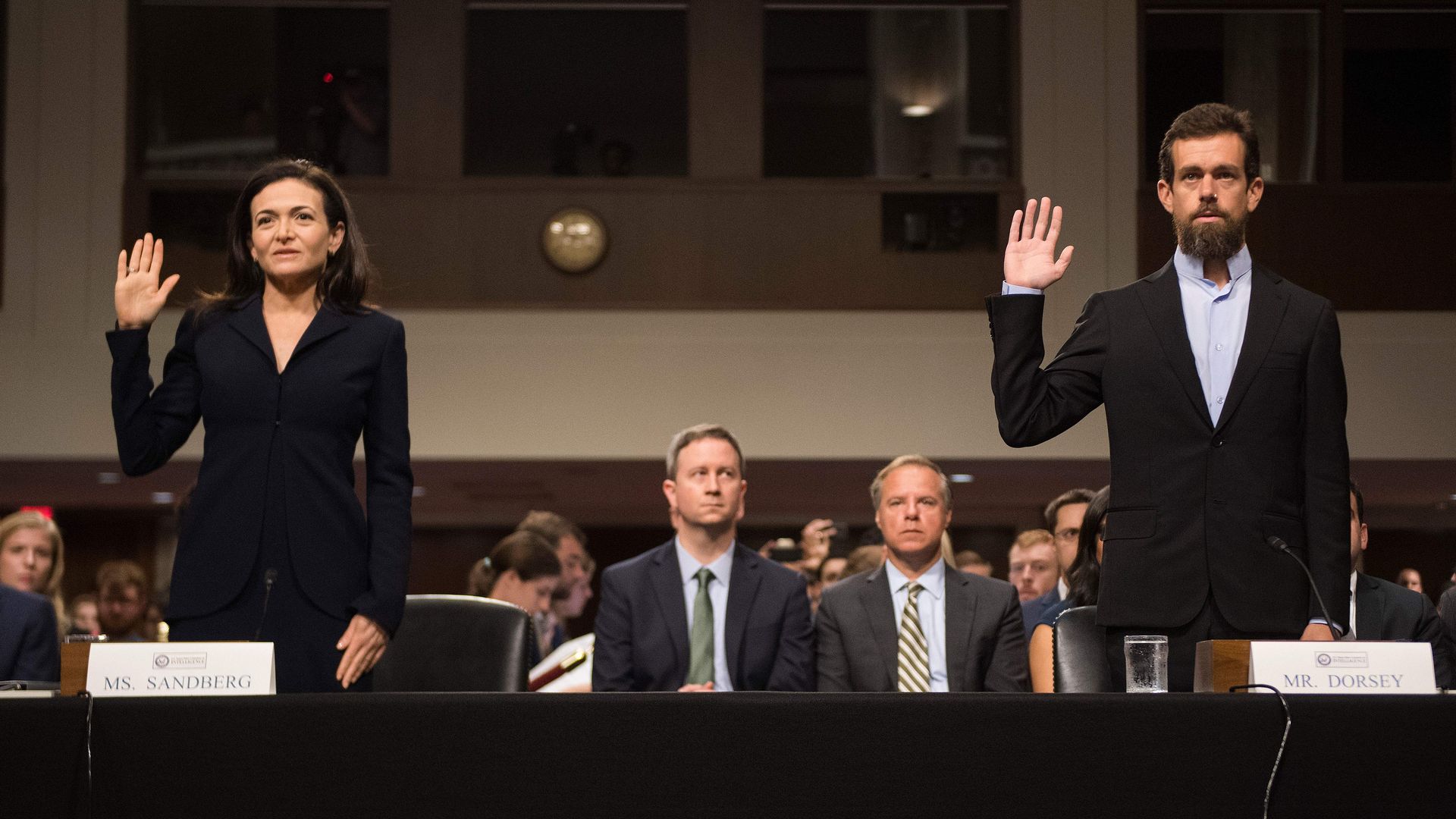
Twitter and Facebook leaders defended their platforms' efforts to stem foreign election interference to lawmakers who said it was time for swifter action to stop online meddling in the democratic process.
The bottom line: Compared to previous hearings with tech executives, this one was less heated — with no major missteps by either Twitter CEO Jack Dorsey and Facebook Chief Operative Officer Sheryl Sandberg. Dorsey, however, is appearing before a House committee on Wednesday afternoon where questioning will focus on accusations that Twitter reflects a liberal bias.
President Trump escalated his attacks against Big Tech in an interview with The Daily Caller, claiming that "the true interference" in the 2016 presidential election was by social media platforms on behalf of Hillary Clinton — and that they continue to favor Democrats ahead of the 2018 midterm elections.
"Maybe I did a better job because I’m good with the Twitter and I’m good at social media, but the truth is they were all on Hillary Clinton’s side, and if you look at what was going on with Facebook and with Google and all of it, they were very much on her side."
The big picture: Facebook COO Sheryl Sandberg and Twitter CEO Jack Dorsey will testify before Congress today, where they're likely to face questions about alleged social media bias against conservatives.
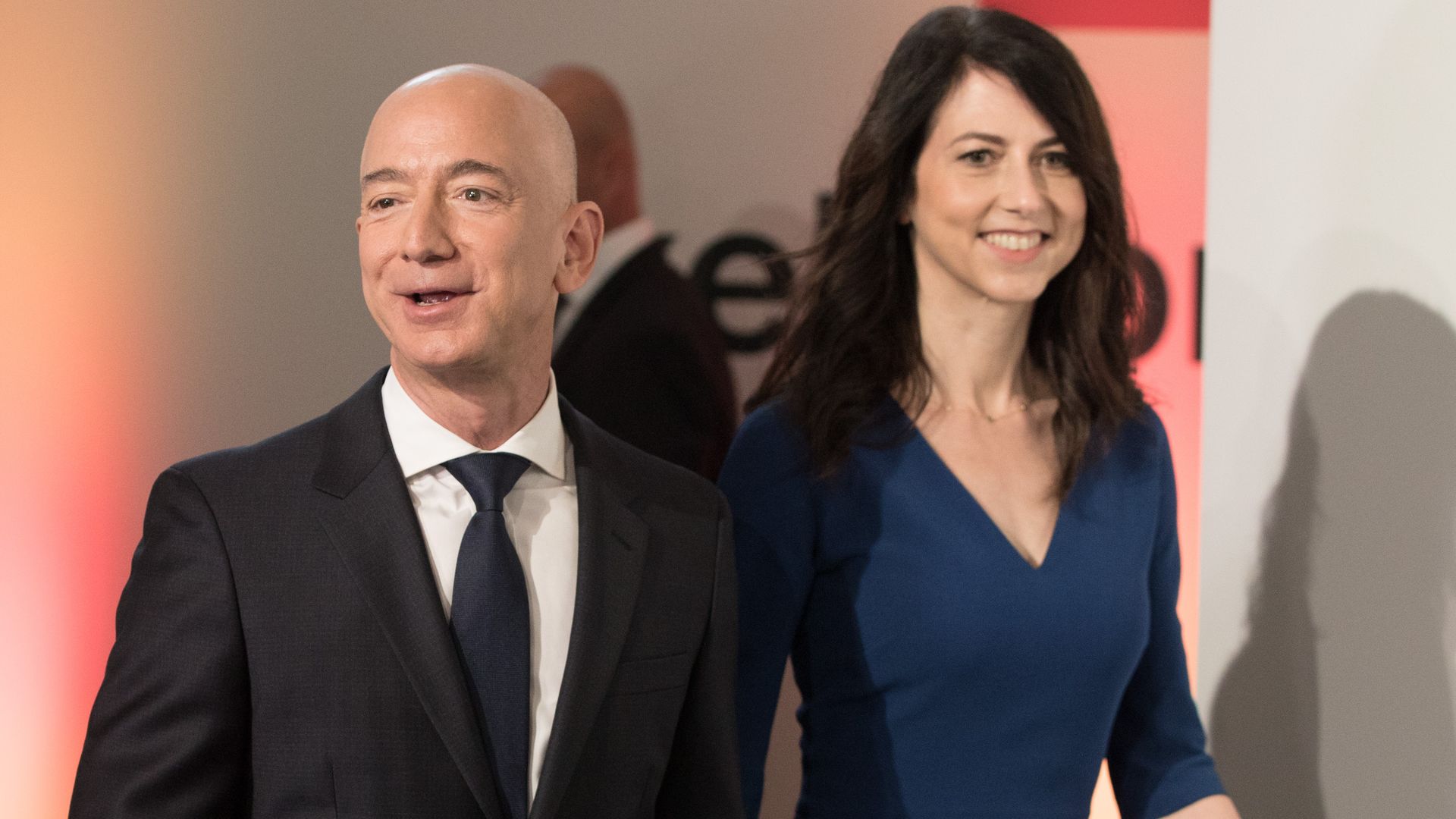
Jeff and MacKenzie Bezos have donated $10 million to a bipartisan super PAC which helps elect military veterans from both sides of the aisle, the Wall Street Journal reports.
The big picture: While other billionaire mega-donors have focused on partisan contributions, With Honor Fund doesn't screen "for ideology," founder Rye Barcott told the WSJ, but looks for a "common bond of service and commitment to the country." There are currently 19 Democrats and 14 Republicans getting support from With Honor Fund.
Influential lawmakers say they want transparency from Facebook COO Sheryl Sandberg and Twitter CEO Jack Dorsey when the two testify before Congress today — and also a sign that the companies are willing to to work with policymakers.
The bottom line: Lawmakers will hear from both platforms about how they're addressing election interference and, in the case of Twitter, confronting allegations of bias against conservatives. But don't expect performances by these executives to put either issue to rest.
On the eve of Silicon Valley executives' congressional testimony, two prominent voices in tech policy from opposite ends of the political spectrum are arguing that Big Tech should be more accountable — via antitrust law or transparency standards.
Why it matters: Tim Wu, a Democrat who coined the phrase "net neutrality," and Ajit Pai, the current Republican FCC chairman who is considered a major foe of net neutrality, are both coming out swinging against Big Tech. While both have strikingly different views on many aspects of regulation, the fact that they both believe the tech giants need to be reined in underscores the existential problem these companies face.
Instagram has plans to build a standalone app for online shopping, the Verge reports, citing sources familiar with the matter.
The bigger picture: Retailers are already using Instagram as a high-end advertising platform, and Instagram is very popular among younger consumers who are native online shoppers. That positions Facebook-owned Instagram to make a big splash in e-commerce if its app moves forward.
Twitter CEO Jack Dorsey and Facebook COO Sheryl Sandberg will tell Congress on Wednesday that their platforms have taken significant steps to curb foreign election interference — while Dorsey also goes to great lengths to portray his as unbiased.
Why it matters: Midterms are approaching, and with renewed allegations of liberal bias on web platforms, the Silicon Valley executives' remarks will be watched closely by both sides of the aisle.
What's worth more — a company that sells $250 billion of stuff every year at a profit margin of 22%, or a company that sells $200 billion of stuff every year at a profit margin of 3%?
The answer: It's surprisingly close. Both Apple and Amazon now have a stock-market valuation of $1 trillion. The Apple valuation makes a lot of sense: If anything, the iPhone maker is undervalued by the standards of the stock market as a whole. But Amazon is another story entirely: each dollar of profit it makes is valued by the market at an eye-popping $208.
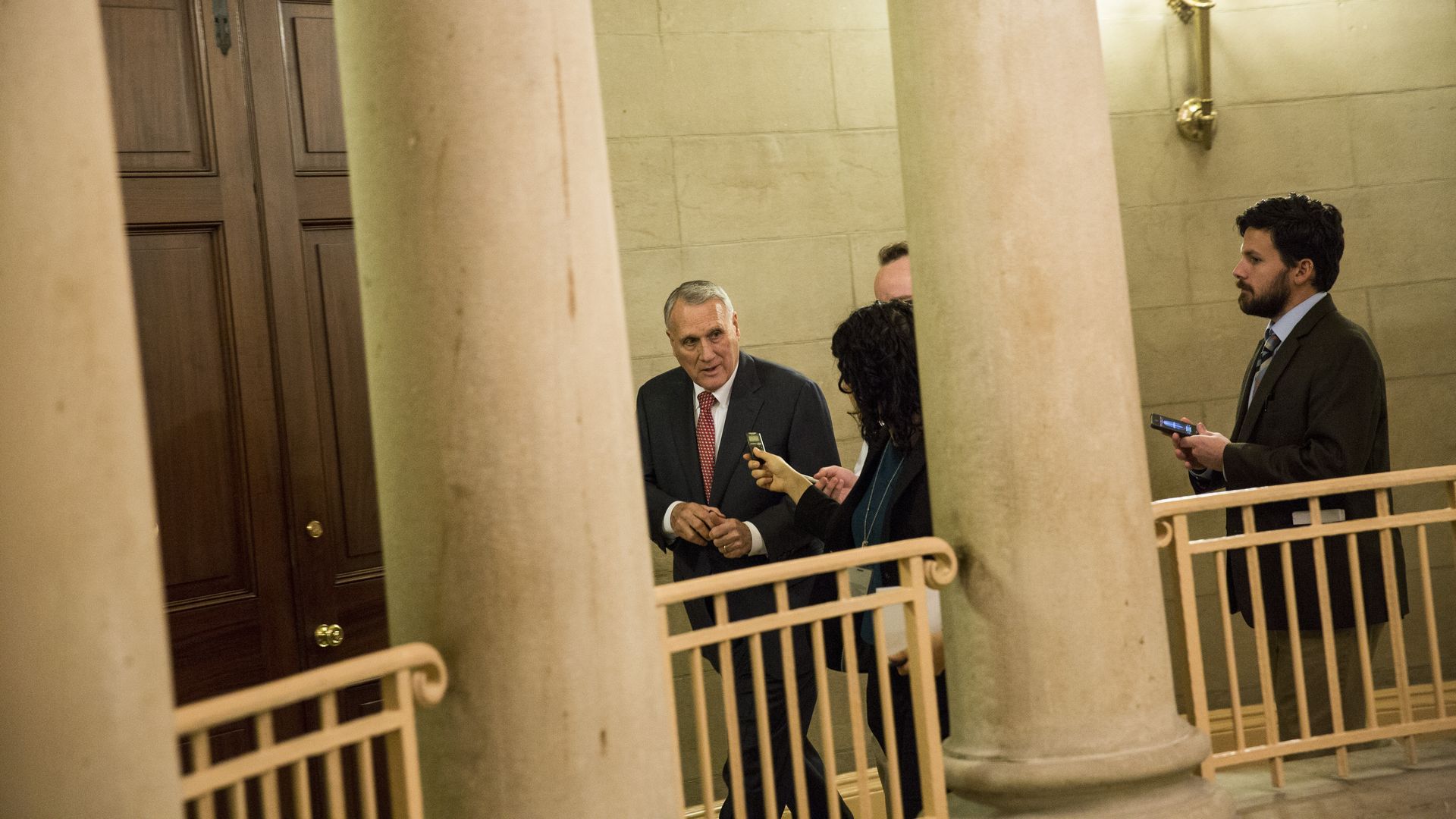
A Facebook spokesperson said its internal investigation into allegations of anti-conservative bias will continue despite its leader, former Sen. Jon Kyl, being appointed to fill the late Sen. John McCain's seat.
Why it matters: President Trump seized on concerns last week about conservative voices being limited by web platforms, despite a lack of hard evidence behind them.
Amazon hit $1 trillion in market value on Tuesday, the second publicly-traded U.S. company to cross that mark.
Why it matters: The e-commerce giant's milestone comes about one month after Apple became the first $1 trillion company. Tech companies like Amazon and Apple have helped power the Nasdaq to record highs.
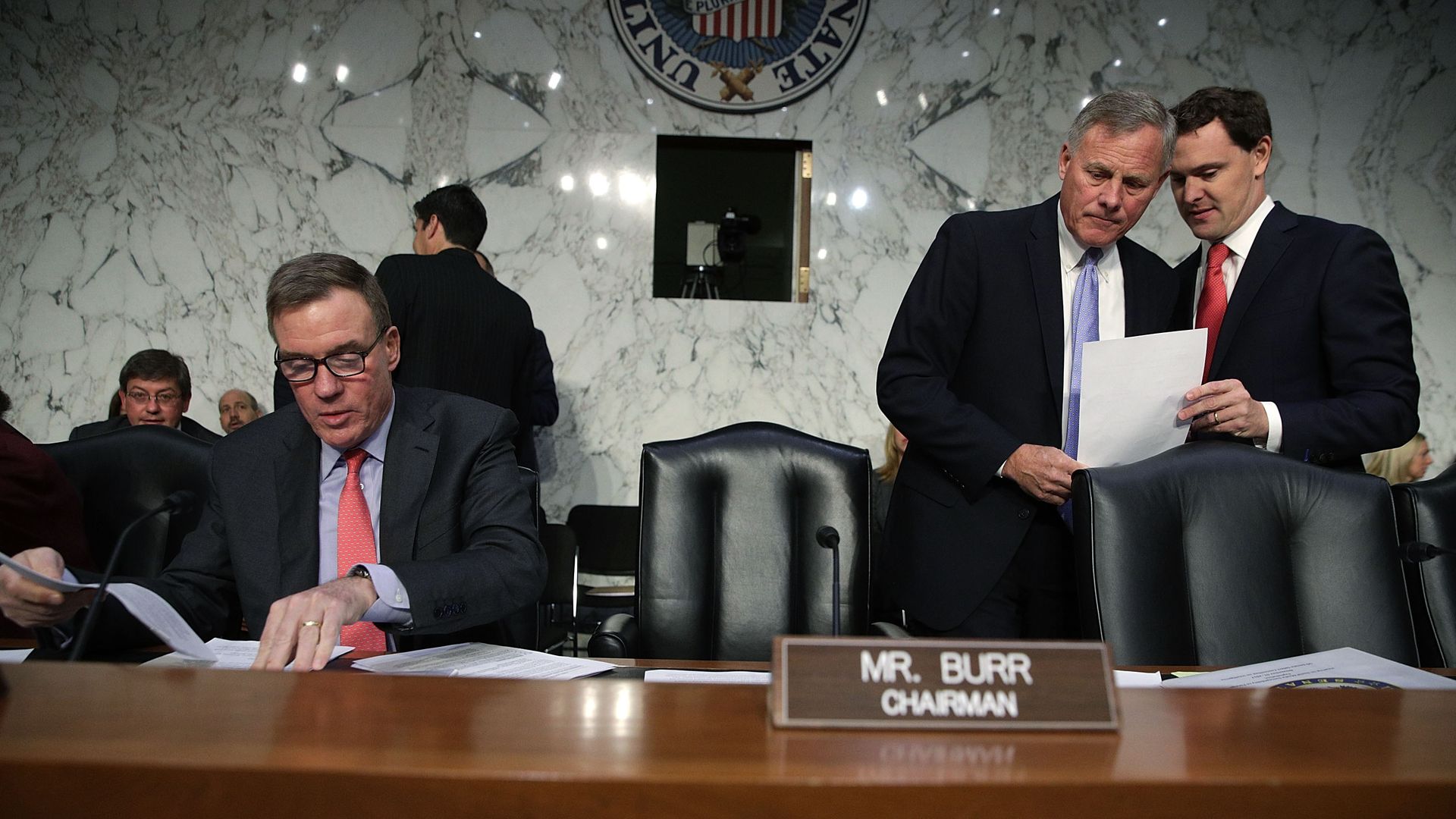
On Wednesday, Facebook COO Sheryl Sandberg and Twitter CEO Jack Dorsey will appear before the Senate Intelligence Committee to make the case they've learned their lesson on foreign election interference — and it won't happen again.
Flashback, a year ago this week: "Facebook has told authorities investigating Russia's influence on the 2016 election about thousands of ads likely linked to Russia, many of which were connected to 'inauthentic' accounts and pages and focused on drawing attention to divisive social issues."
Twitter CEO Jack Dorsey is already in Washington, and will make stops on Capitol Hill today ahead of twin hearings tomorrow — first a duet with Facebook COO Sheryl Sandberg before the Senate Intelligence Committee, then solo for the House Energy and Commerce Committee.
Why it matters: The testimonies come amid increasingly united outcry from Republicans over what they see as censorship of conservatism, as well as questions about hacking and foreign influence campaigns ahead of the 2018 midterm elections.
Facebook might have more people more connected for more hours than any company in human history. But it’s Twitter, with a fraction of the users, that controls what the media and much of America think about, talk about — and try to censor.
The big picture: Twitter’s awesome power was on full display on Labor Day as The New Yorker, which had proudly announced Steve Bannon as a headliner at the annual New Yorker Festival, promptly retreated when liberals on Twitter revolted, including other festival speakers who vowed to withdraw.
All companies are potential victims of cyber attacks, and buying insurance is one way many are trying to manage that risk.
Why it matters: Companies hit by attacks are exposed to incredible costs — Equifax lost $4 billion in stock market value in just a week — so companies are increasingly looking beyond traditional safety nets to avoid financial ruin.

/2018/09/05/1536184626505.gif?w=3840)