Instagram has plans to build a standalone app for online shopping, the Verge reports, citing sources familiar with the matter.
The bigger picture: Retailers are already using Instagram as a high-end advertising platform, and Instagram is very popular among younger consumers who are native online shoppers. That positions Facebook-owned Instagram to make a big splash in e-commerce if its app moves forward.
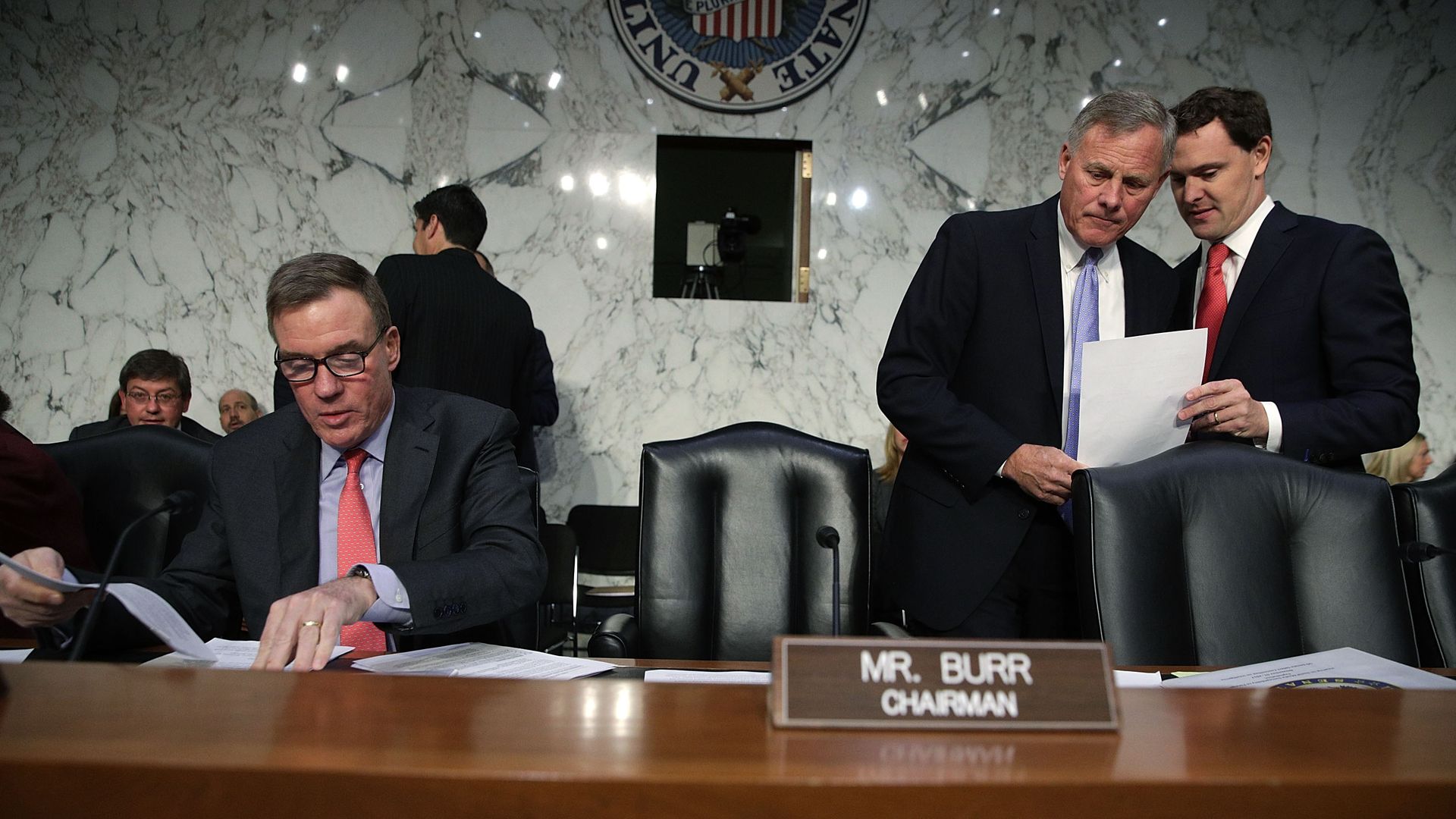
Twitter CEO Jack Dorsey and Facebook COO Sheryl Sandberg will tell Congress on Wednesday that their platforms have taken significant steps to curb foreign election interference — while Dorsey also goes to great lengths to portray his as unbiased.
Why it matters: Midterms are approaching, and with renewed allegations of liberal bias on web platforms, the Silicon Valley executives' remarks will be watched closely by both sides of the aisle.
What's worth more — a company that sells $250 billion of stuff every year at a profit margin of 22%, or a company that sells $200 billion of stuff every year at a profit margin of 3%?
The answer: It's surprisingly close. Both Apple and Amazon now have a stock-market valuation of $1 trillion. The Apple valuation makes a lot of sense: If anything, the iPhone maker is undervalued by the standards of the stock market as a whole. But Amazon is another story entirely: each dollar of profit it makes is valued by the market at an eye-popping $208.
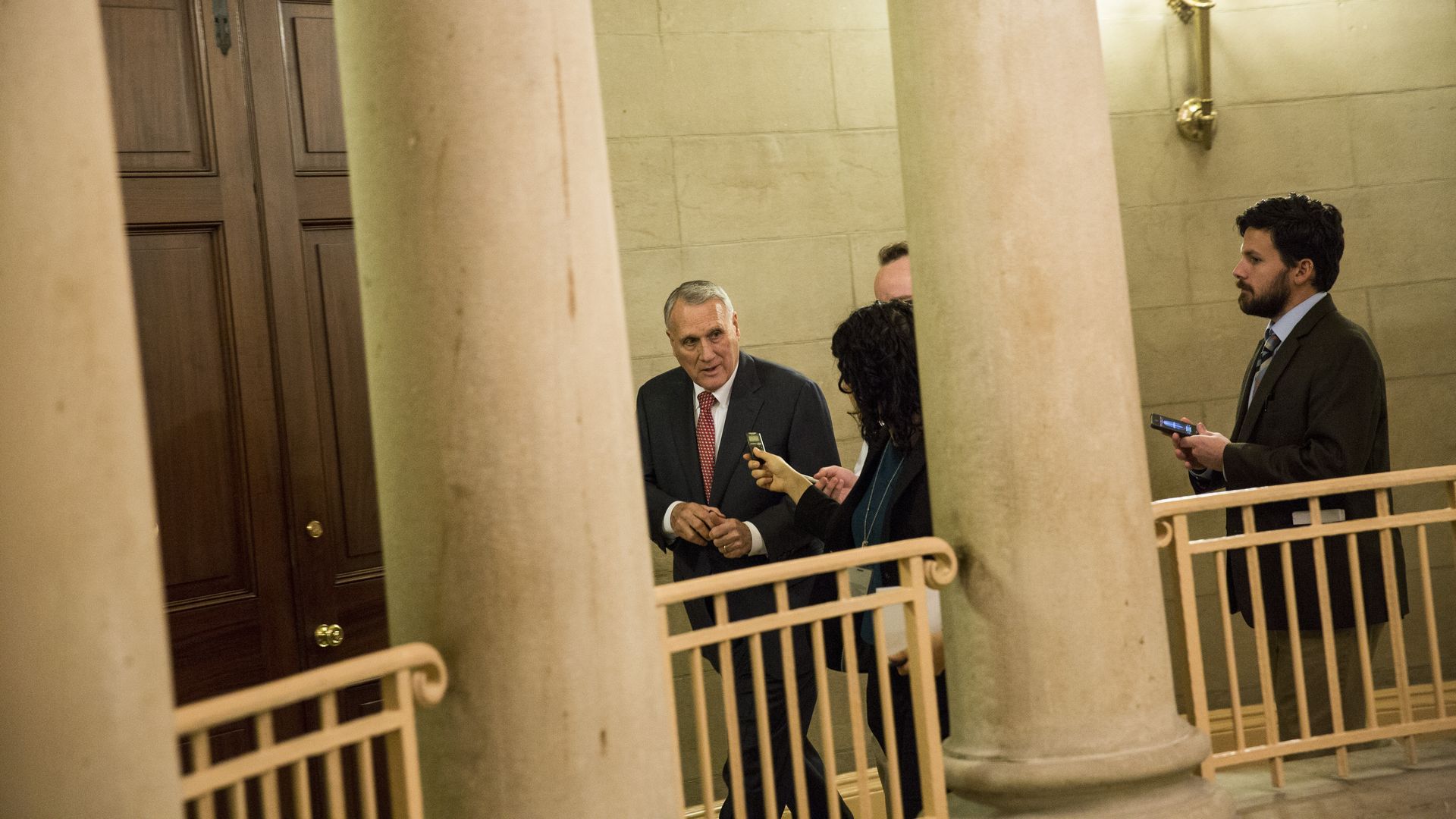
A Facebook spokesperson said its internal investigation into allegations of anti-conservative bias will continue despite its leader, former Sen. Jon Kyl, being appointed to fill the late Sen. John McCain's seat.
Why it matters: President Trump seized on concerns last week about conservative voices being limited by web platforms, despite a lack of hard evidence behind them.
Amazon hit $1 trillion in market value on Tuesday, the second publicly-traded U.S. company to cross that mark.
Why it matters: The e-commerce giant's milestone comes about one month after Apple became the first $1 trillion company. Tech companies like Amazon and Apple have helped power the Nasdaq to record highs.
On Wednesday, Facebook COO Sheryl Sandberg and Twitter CEO Jack Dorsey will appear before the Senate Intelligence Committee to make the case they've learned their lesson on foreign election interference — and it won't happen again.
Flashback, a year ago this week: "Facebook has told authorities investigating Russia's influence on the 2016 election about thousands of ads likely linked to Russia, many of which were connected to 'inauthentic' accounts and pages and focused on drawing attention to divisive social issues."
Twitter CEO Jack Dorsey is already in Washington, and will make stops on Capitol Hill today ahead of twin hearings tomorrow — first a duet with Facebook COO Sheryl Sandberg before the Senate Intelligence Committee, then solo for the House Energy and Commerce Committee.
Why it matters: The testimonies come amid increasingly united outcry from Republicans over what they see as censorship of conservatism, as well as questions about hacking and foreign influence campaigns ahead of the 2018 midterm elections.
Facebook might have more people more connected for more hours than any company in human history. But it’s Twitter, with a fraction of the users, that controls what the media and much of America think about, talk about — and try to censor.
The big picture: Twitter’s awesome power was on full display on Labor Day as The New Yorker, which had proudly announced Steve Bannon as a headliner at the annual New Yorker Festival, promptly retreated when liberals on Twitter revolted, including other festival speakers who vowed to withdraw.
All companies are potential victims of cyber attacks, and buying insurance is one way many are trying to manage that risk.
Why it matters: Companies hit by attacks are exposed to incredible costs — Equifax lost $4 billion in stock market value in just a week — so companies are increasingly looking beyond traditional safety nets to avoid financial ruin.
Residents in cities across Libya have been blocked in recent days from accessing Facebook as rival militia groups clash for power seven years after Muammar Gaddafi was overthrown in 2011, Reuters reports.
Why it matters: Facebook is the main platform for sharing news in Libya in the absence of a robust news media market in the country, per Reuters, and has been a powerful tool of democracy and open speech in times of government unrest. "Earlier today, a networking issue caused some people to have trouble accessing or posting to various Facebook services. We quickly investigated and started restoring access, and we have nearly fixed the issue for everyone. We’re sorry for the inconvenience," said a Facebook spokesperson.
Editor's note: This story has been updated with Facebook's comment.
Silicon Valley giants, lawmakers and Big Tech critics are trying to influence how a key regulator thinks about antitrust law enforcement.
Why it matters: Starting this month, the Federal Trade Commission is holding public hearings over concerns like privacy, market power of online platforms like Google and Facebook, and the impact on data on competition. The agency asked for input on those issues — and in trying to steer the topics, companies, lobbyists and interest groups are trying to steer the ultimate policy conclusions.
Cities are increasingly marketing themselves as "smart cities" — hyper-connected, sensor-equipped communities — in their latest economic development pitch to attract workers and businesses.
Why it matters: Metropolitan areas across the country are trying to take advantage of new technologies to become more efficient and sustainable — two qualities that appeal to younger generations of workers, as well as the startups and big corporations who want to employ them.










/2018/08/31/1535734446443.gif?w=3840)