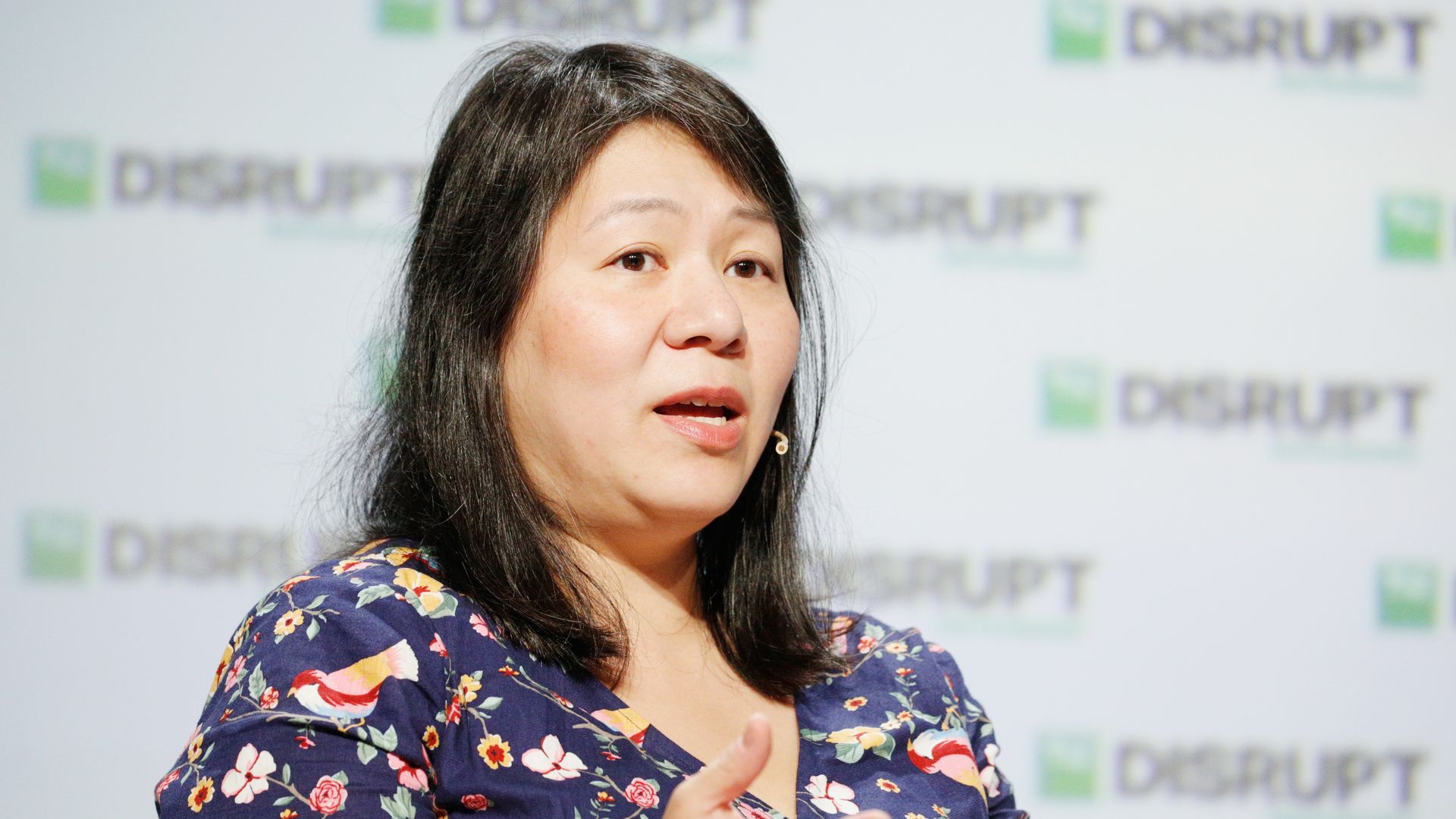
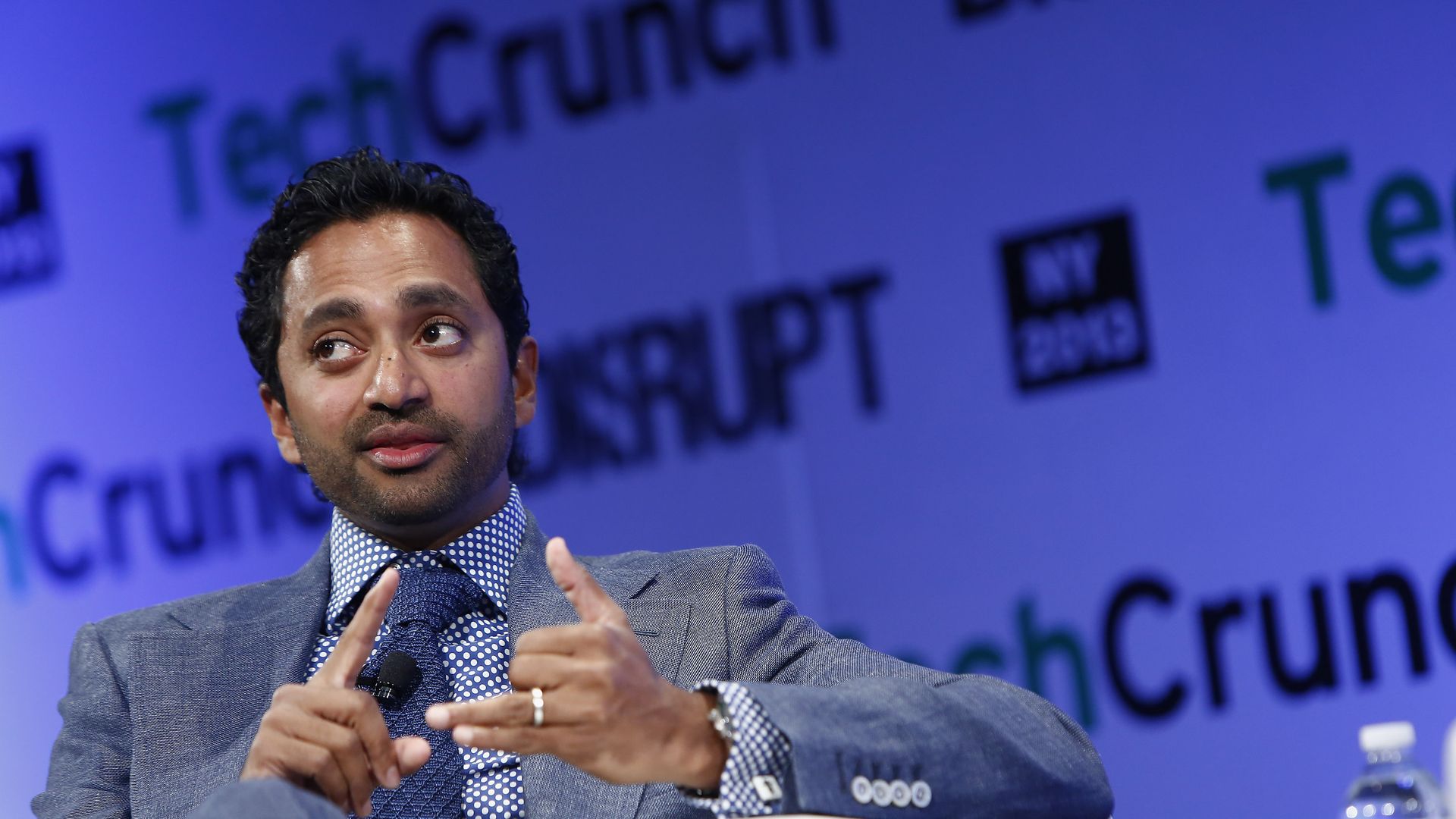
After news broke out in July that Uber's new chief operating officer had made insensitive comments at work, Bo Young Lee, the company's new chief diversity officer, was most disappointed that employees felt compelled to leak to the press, Lee said on Friday at TechCrunch's Disrupt conference.
What it told me was that we still have a culture where people don’t trust things will get solved and they have to go outside.
Why it matters: Since a former engineer published an explosive account of harassment and discrimination at the company in early 2017, Uber has been under pressure to reform its workplace culture.
Apple, in a letter filed to the United States Trade Representative, predicted that tariffs proposed by President Trump on Chinese goods will boost the prices of many of its products and could ultimately hurt the economy, Bloomberg reports.
The state of play: Apple's shares dropped by .8% after news of the letter broke. With $50 billion in China tariffs already on the books, the Trump administration is close to adding another $200 billion, and the president has spoken of an additional $267 billion round on top of that.
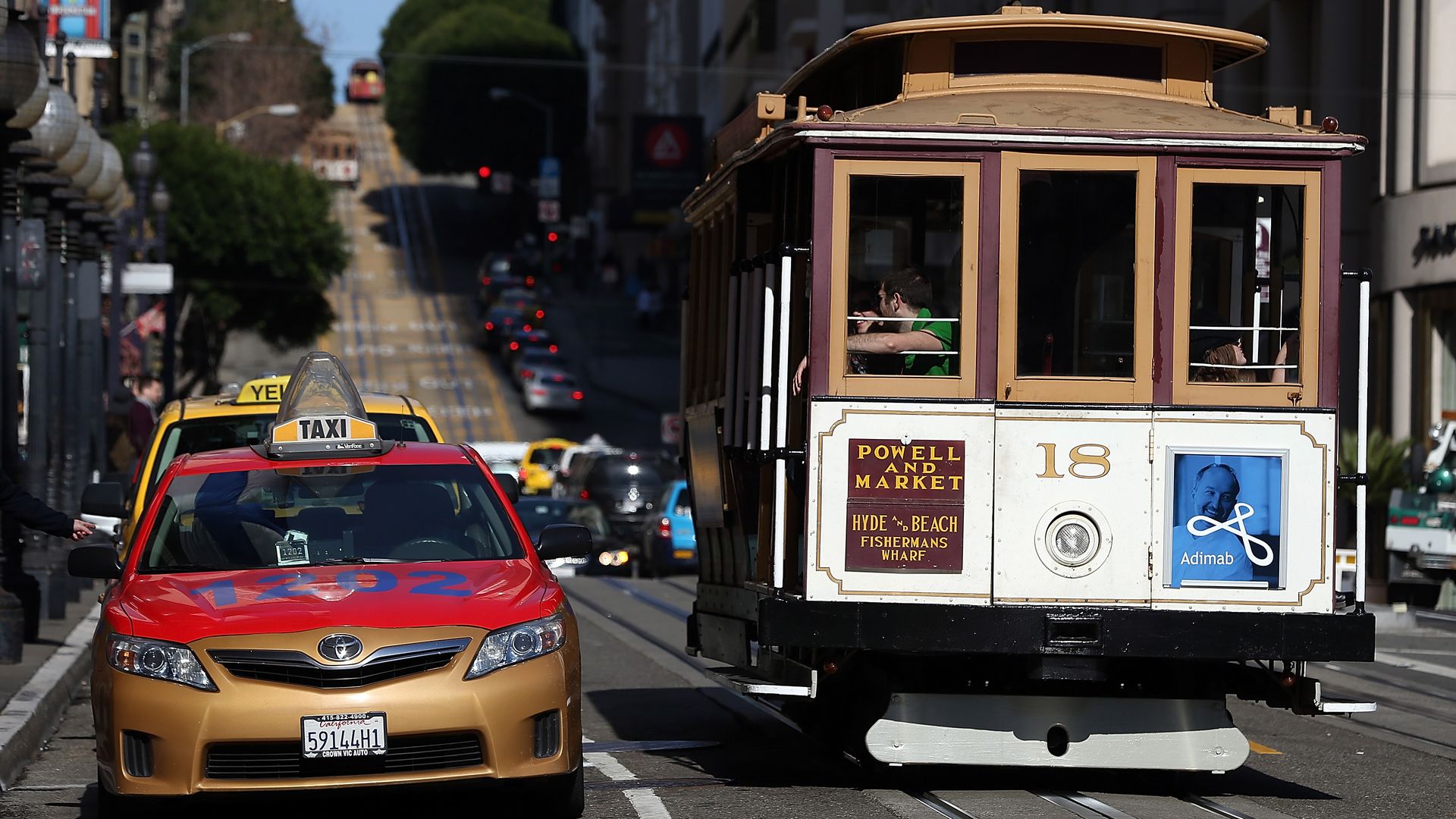
Conventional bus and train transit excels at moving large volumes of passengers along busy corridors, but struggles to provide cost-effective service in outlying areas, where circuitous bus routes operate with few hourly boardings. At the same time, on-demand transportation — Lyft, Uber and any of their future self-driving iterations — converges onto those busy corridors and exacerbates congestion. This mix creates unserved “transit deserts" with high need for public transportation but little availability.
The big picture: A more efficient system would better tailor transit technologies to their environments — with buses and trains on heavily traveled routes and on-demand transportation in low-density areas — and integrate sparse areas with mainline service to overcome transit’s perennial "last-mile problem" at the beginning and end of trips.
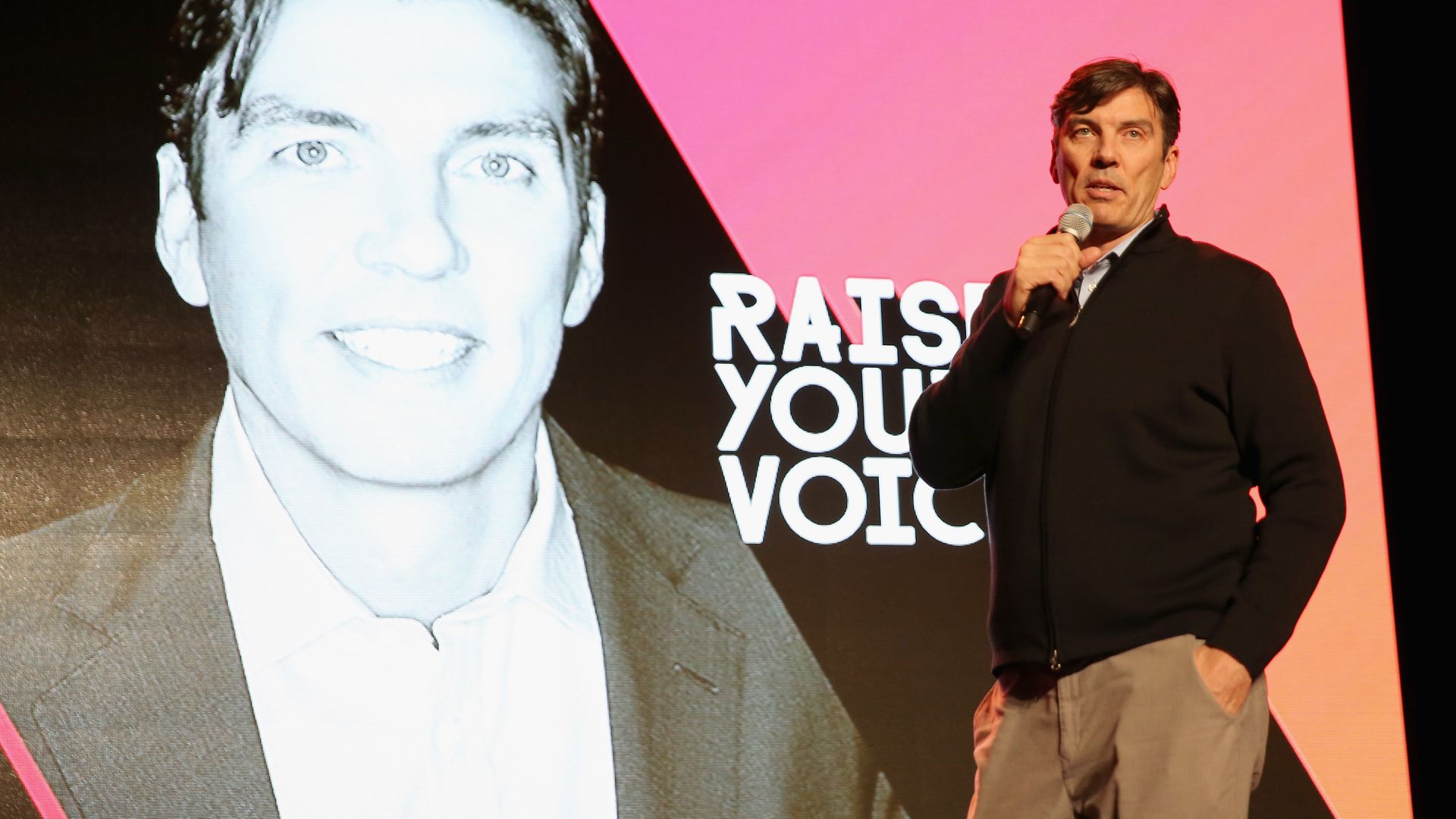
Former AOL chief Tim Armstrong is negotiating an exit plan with Verizon, according to the Wall Street Journal. Verizon's Oath unit, which Armstrong has been instrumental in building, owns AOL and Yahoo.
Why it matters: An internet veteran, Armstrong is one of the most knowledgable people inside Verizon on the ins and outs of online advertising. The real question is whether his exit is natural fallout or a sign new Verizon CEO Hans Vestberg is less interested in that side of the business.
Live from Boston, Axios Business Editor Dan Primack hosted a conversation on technology and innovation with GM CEO Mary Barra, former NBA All-Star Chris Bosh and founder and CEO of Tusk Ventures, Bradley Tusk.
Social Capital arrived in Silicon Valley seven years ago with a charismatic co-founder, former Facebook executive Chamath Palihapitiya who also owns a piece of the Golden State Warriors. It raised more than $1 billion and made early bets on companies like Slack.
Why it matters: The firm is imploding and nine sources blame Palihapitiya for its demise. Here is Silicon Valley's Icarus story.
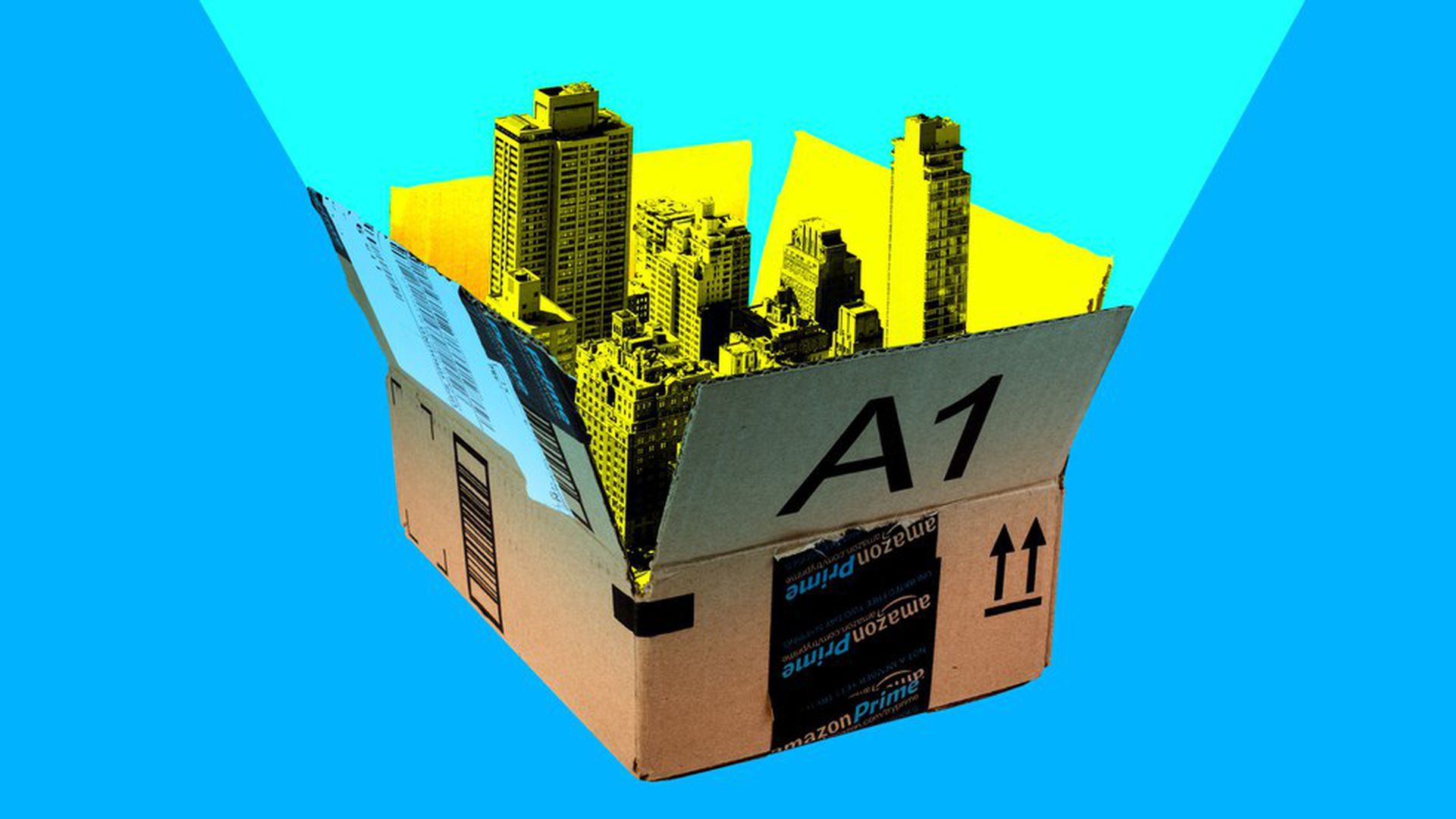
Amazon has concluded its 14-month search for a second global headquarters and selected Crystal City, Virginia, and Long Island City, Queens, New York, to host the split HQ2. But the search has yielded more than just that.
The big picture: When Amazon invited cities to compete for HQ2, it got reams of data from the 238 entrants — enough to learn details of the cities' future plans that a lot of their residents don't even know.
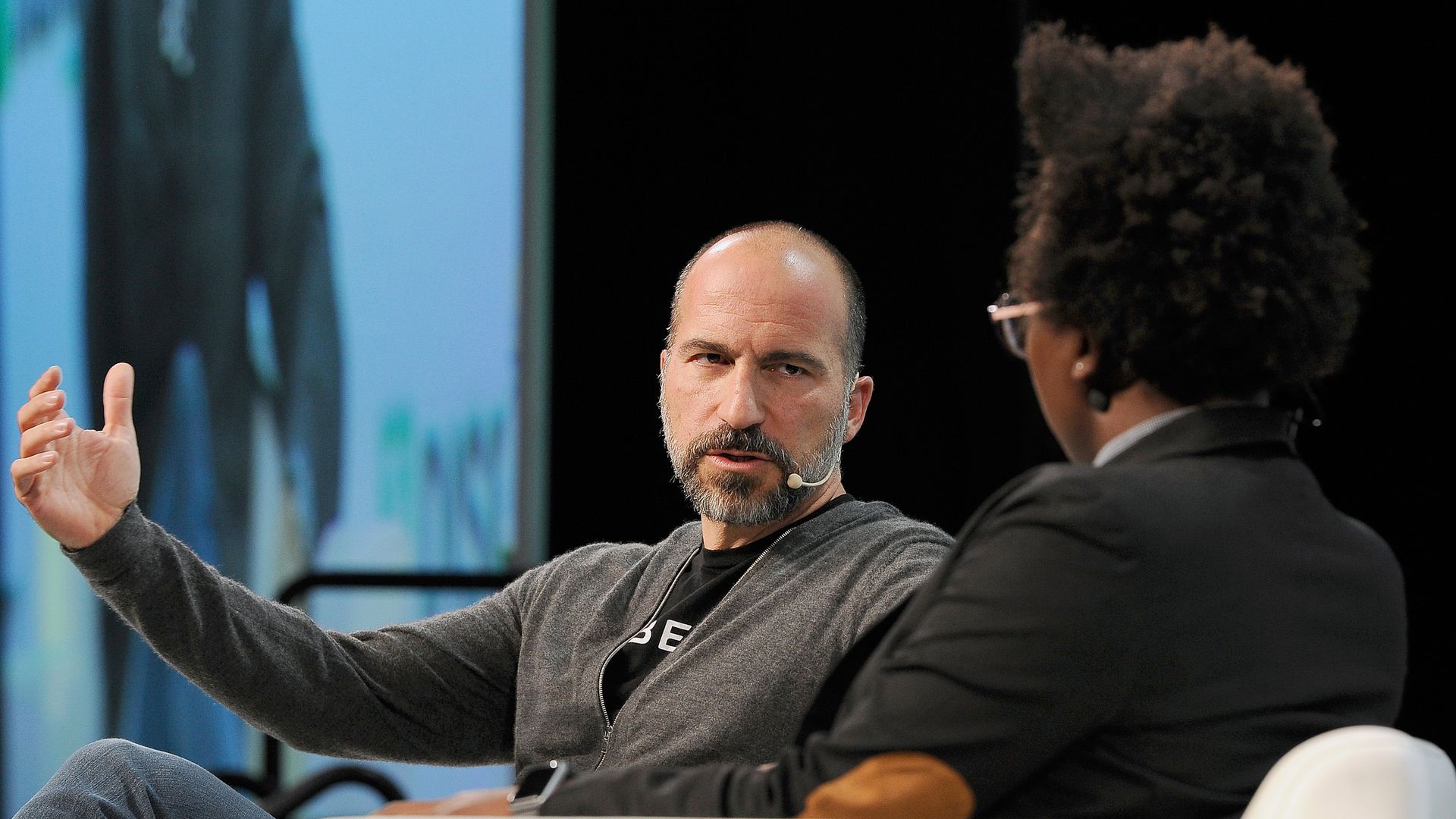
As Uber eyes going public next year, CEO Dara Khosrowshahi tried to dispel at TechCrunch's Disrupt conference the notion that his company's unprofitability and continued losses would be a problem.
"I think that investors are not as short term as people make them out to be... The market is willing to pay for growth."
Why it matters: A growing number of tech companies have eschewed going public (or for as long as possible) to avoid quarterly scrutiny by investors, pressure to generate profits and meet quarterly expectations.
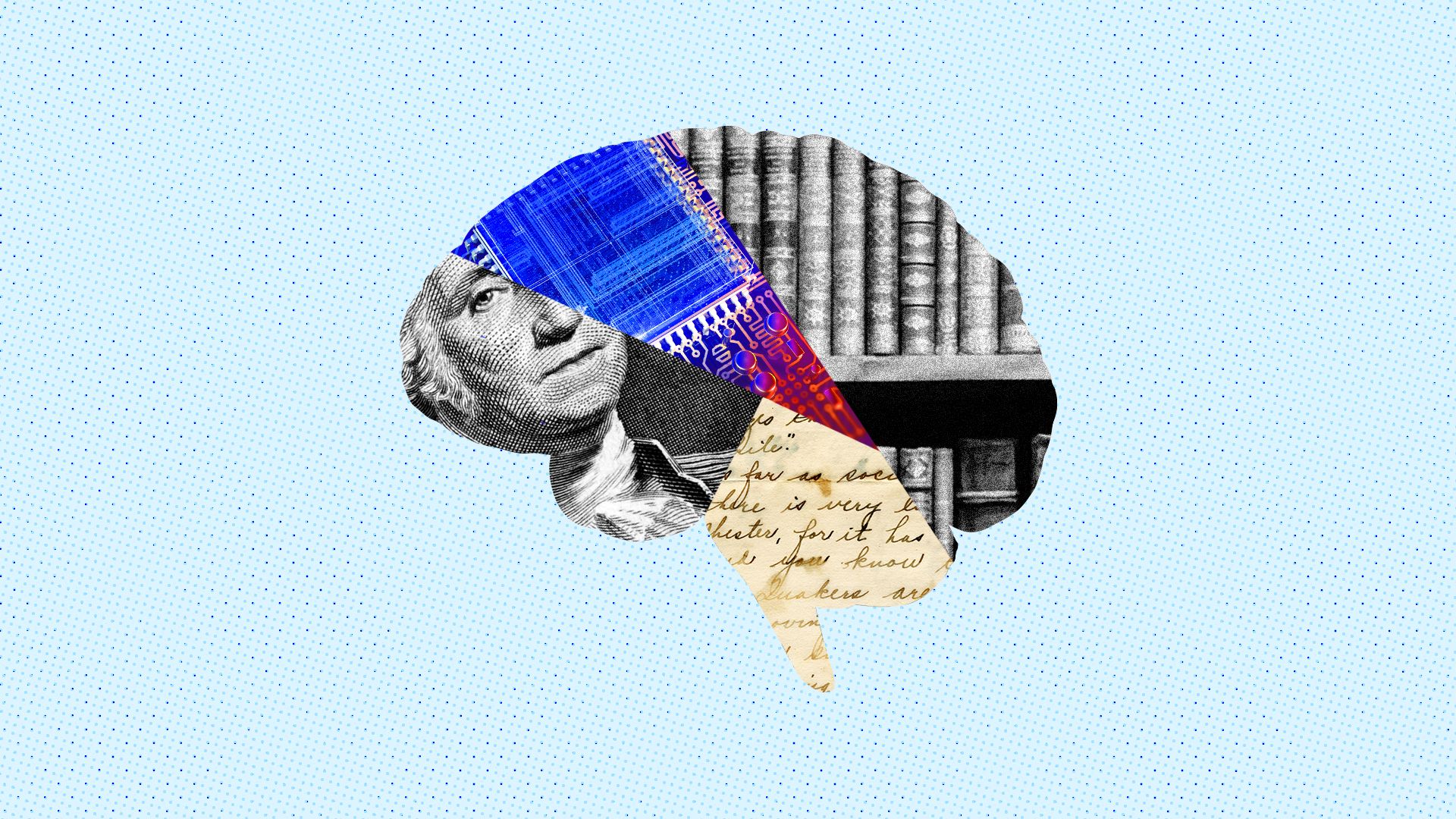
Heavyweight advances in artificial intelligence have typically come from two sources: academia and the tech industry. But beneath a mostly friendly surface is a steaming rift, with companies accused of holding up the field's advancement.
Why it matters: At a time of a fierce U.S.-Chinese rivalry for AI supremacy, academic critics accuse Big Tech of luring away university talent with high-dollar contracts, then focusing research not on big scientific questions, but on what bolsters their bottom line.
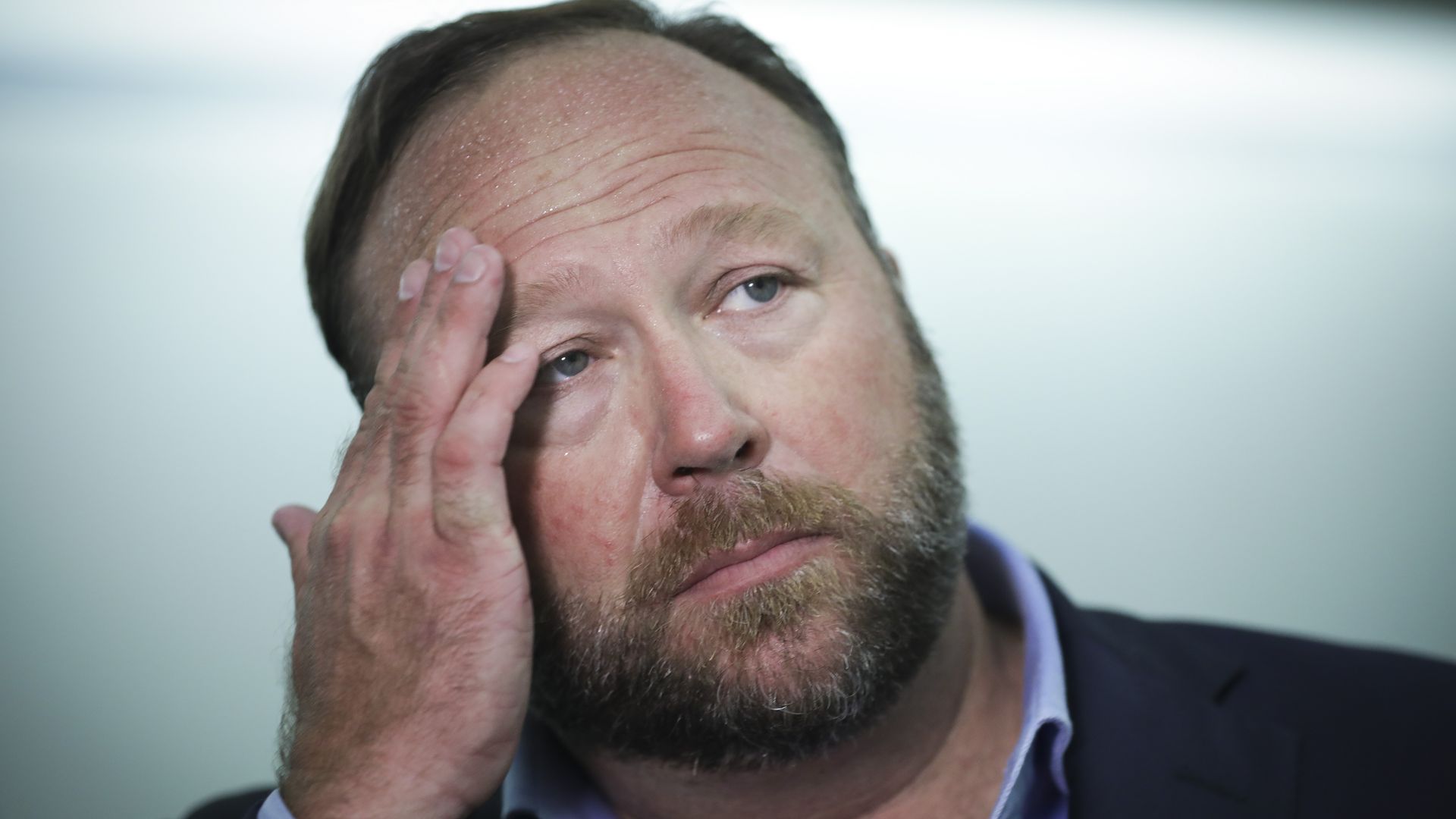
Twitter announced Thursday that it has permanently banned conspiracy theorist Alex Jones and Infowars from its platform, citing abusive behavior.
This comes weeks after Jones was banned or suspended by other major tech companies — like Facebook, Apple, and YouTube. Twitter initially hesitated to suspend or ban Jones, arguing that he hadn’t violated the company's policies, prompting fierce backlash from users. The company eventually suspended him for seven days.
A top business lobby released a set of guidelines that it said could inform the development of new federal privacy rules.
Why it matters: The proposal from the U.S. Chamber of Commerce mark its full entry into the debate over privacy and reflect ideas that are palatable to the business community.
The European Commission has concluded that Apple's purchase of Shazam, a listening app that identifies song titles, would not threaten competition in Europe.
The big picture: The antitrust probe was launched in April to determine whether Apple could use data gathered by Shazam against competitors of its Apple Music streaming service. The extra scrutiny demonstrates how Europe has started to view data as a key asset when it comes to approving deals.
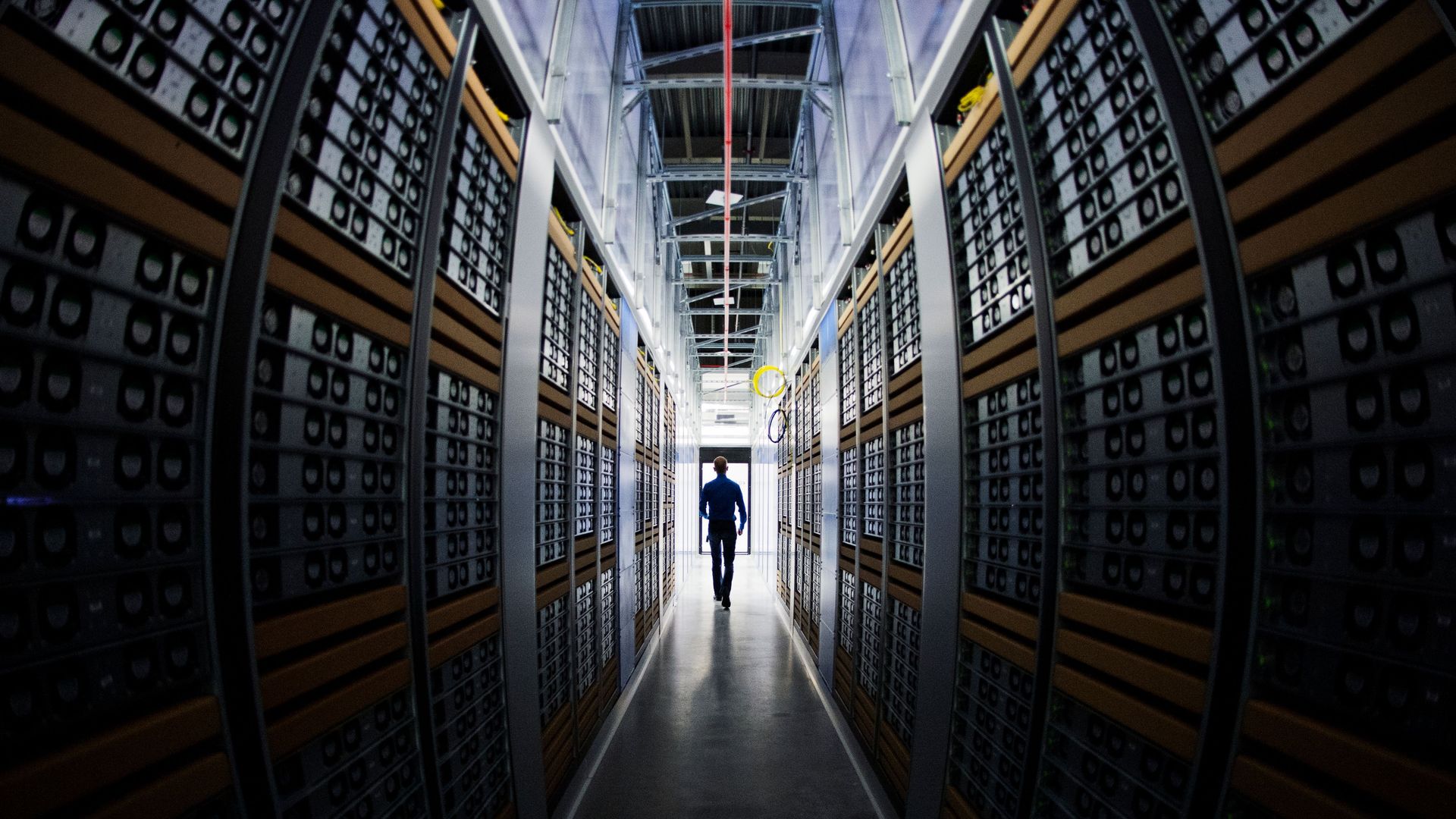
Facebook plans to build a $1 billion, renewable energy-powered data center in Singapore as soon as 2022, reports the WSJ.
Why it matters: This will be Facebook's first data center in Asia, which hosts 40% of the tech giant's 2.23 billion monthly active users. The decision comes as other countries like China and India demand user data be stored domestically. Per the WSJ, Facebook cited Singapore's impressive infrastructure, skilled workforce and business-friendly government as the main factors in its decision.
Attorney General Jeff Sessions will meet with state attorneys general this month "to discuss a growing concern that these companies may be hurting competition and intentionally stifling the free exchange of ideas on their platforms," Axios' David McCabe reports.
Why it matters: The unexpected Justice Department statement raises the prospect of antitrust action against the companies.
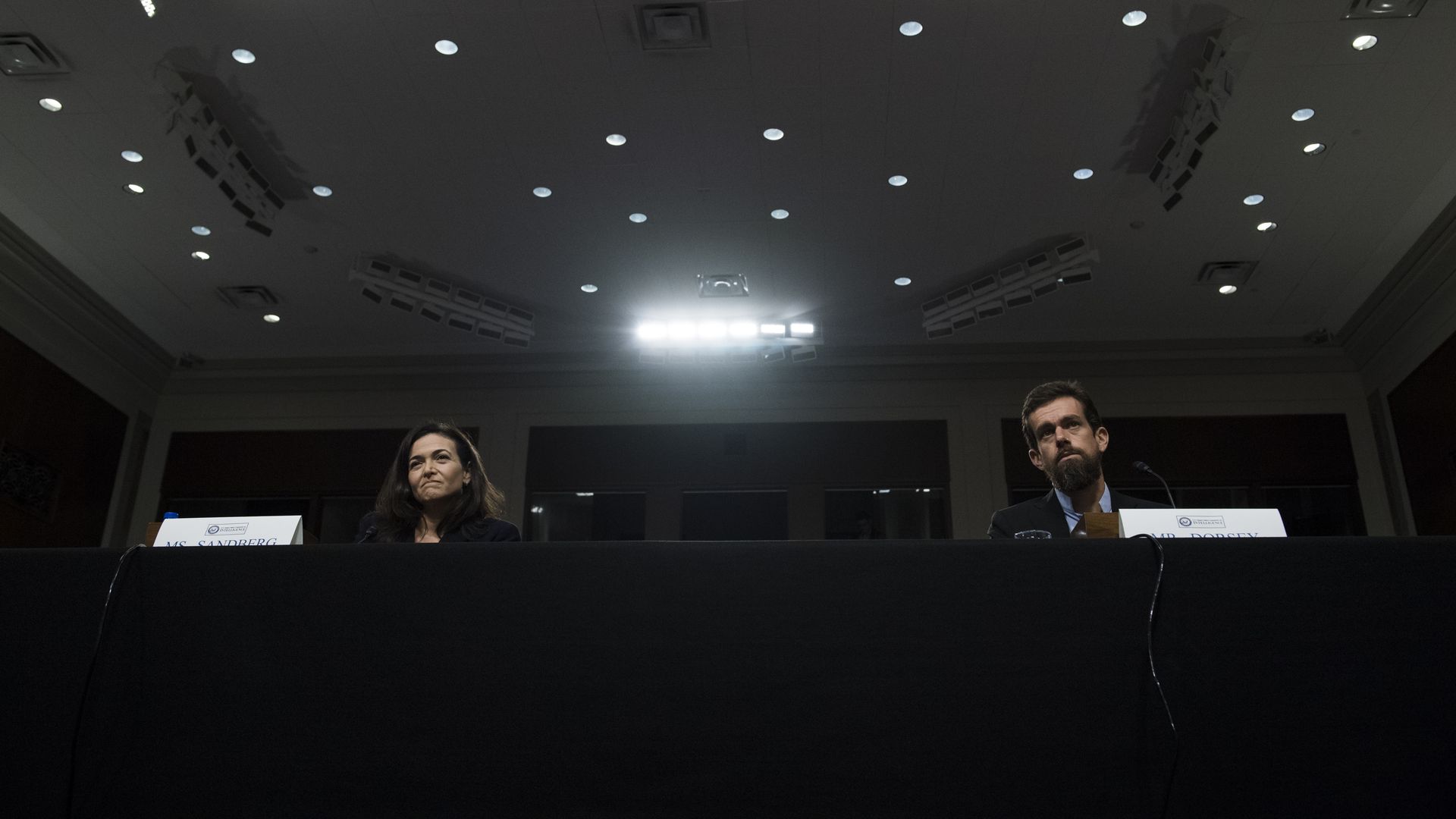
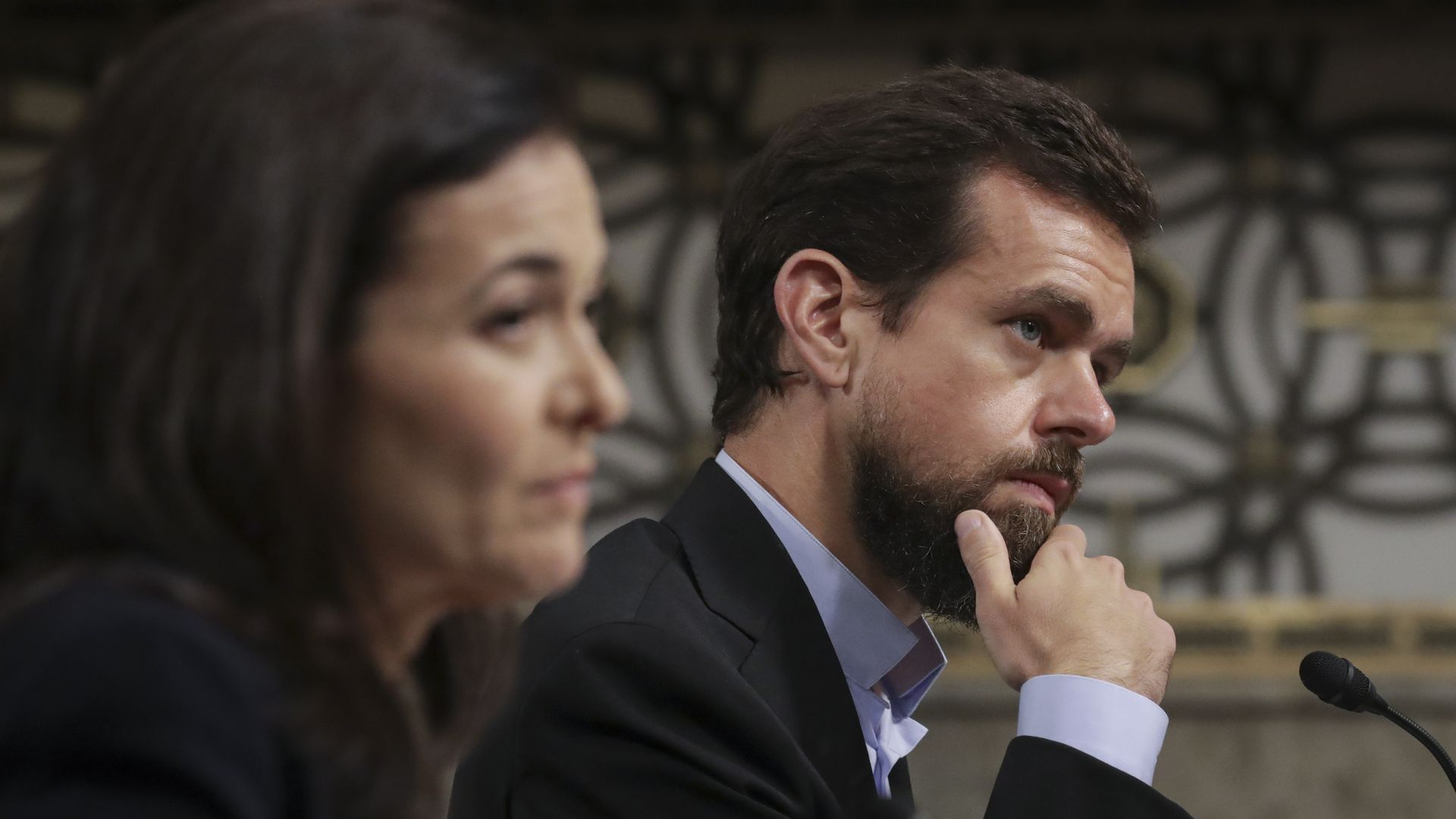
Facebook COO Sheryl Sandberg and Twitter CEO Jack Dorsey stayed out of trouble on Capitol Hill on Wednesday, with fewer-than-expected heated exchanges with lawmakers over content bias and election interference issues.
Yes, but: Between the two hearings, the Justice Department dropped a surprise announcement: Attorney General Jeff Sessions will meet with state attorneys general this month "to discuss a growing concern that these companies may be hurting competition and intentionally stifling the free exchange of ideas on their platforms."
Just four out of 10 Americans trust tech companies to prevent foreign interference in the 2018 midterm elections — a significant loss of confidence from both parties since a February survey, according to a new Axios/SurveyMonkey poll.
Between the lines: Democrats have lost more trust than Republicans. That's notable since Democrats have generally been bigger defenders of the platforms, which have been sharply criticized for exhibiting anti-conservative bias in moderating content. At a Wednesday hearing, Senate Intelligence Committee members from both parties pressed Facebook and Twitter executives to do more to prevent problems in November.
Two-thirds of Republicans believe the results of internet searches are skewed to the left — a shift that's driving significant public distrust in search engines, according to a new Axios/SurveyMonkey poll.
Why it matters: The survey shows that tech companies will have a hard time convincing the public that their algorithms aren't built to favor any point of view, regardless of the reality. The distrust is driven largely by the right, but a significant minority of independents believe the results are biased toward the left, too.