The Senate Commerce Committee is holding a hearing next Wednesday morning, examining how social media platforms are fighting the dissemination of terrorism propaganda.
Lawmakers will grill staffers from Twitter, YouTube, and Facebook.
The bigger picture, per Axios' David McCabe:The big web platforms aren’t out of the woods yet as Washington ramps up pressure over a host of issues, including the way extremist content thrives online.
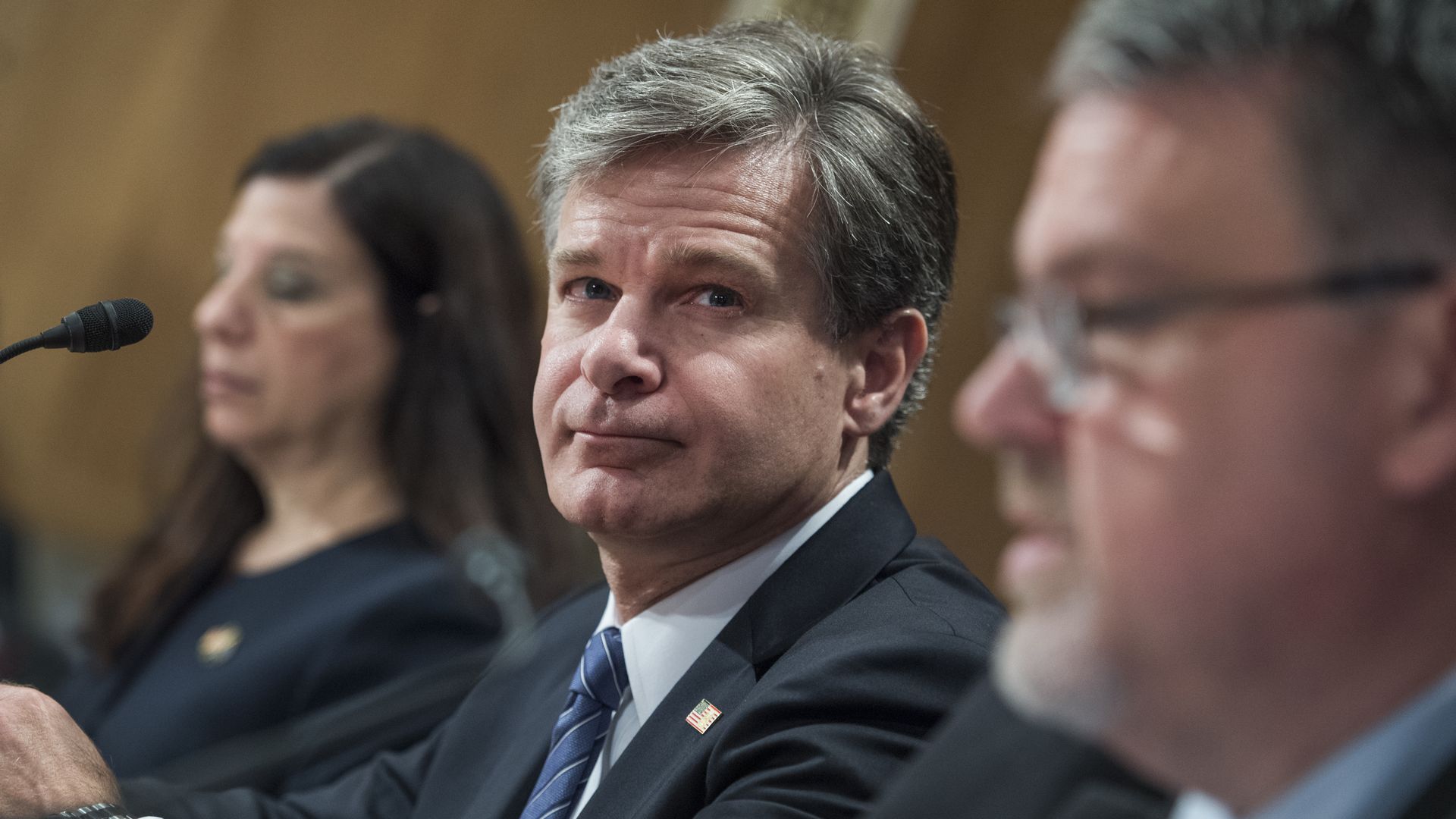
FBI Director Christopher Wray says law enforcement's difficulty in accessing data from a criminal suspect's devices is an “urgent public safety issue,” Reuters reports. In the fiscal year ending Sept. 30, law enforcement failed to access approximately 7,800 devices’ data despite having legal authority to do so.
Why it matters: This pits law enforcement against privacy and security advocates in a debate that has come up time and time again, including in the aftermath of violent attacks like the Texas church shooting. The Justice Department and Apple have battled over this issue before.
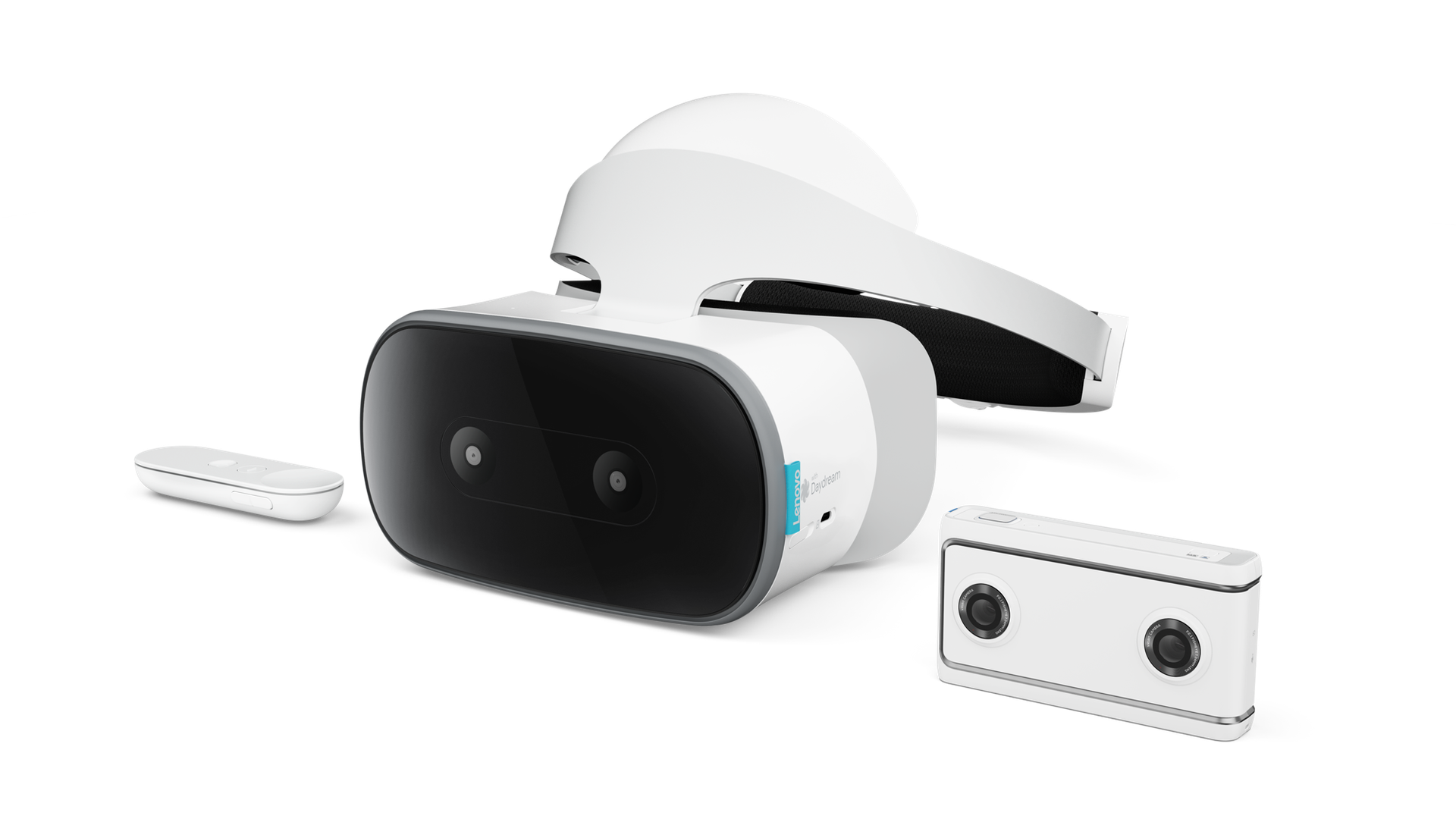
Google is expanding its Daydream VR effort, adding standalone headsets and 180-degree cameras to the mix, in partnership with Lenovo and other hardware makers.
Why it matters: Despite a lot of hype, virtual reality has yet to break through to the masses. Adding more ways to view content and create content could help break the chicken-and-egg logjam.
The Daily Beast's Taylor Lorenz got her hands on five months of confidential data from Snapchat, despite the company's secretive culture. Her analysis of daily active users revealed that Snapchat's Discover and Maps aren't doing as well as the company's other features, and have yet to gain widespread adoption among the app's user base.
Our thought bubble: Snapchat's format and offerings are still relatively new and evolving, so it will take some time before widespread adoption — if that ever happens. The platform will have to seriously innovate and invest (hence their plans for a large-scale redesign) if they want those numbers to go up, but they know that, which is why stories like these probably don't spook them.
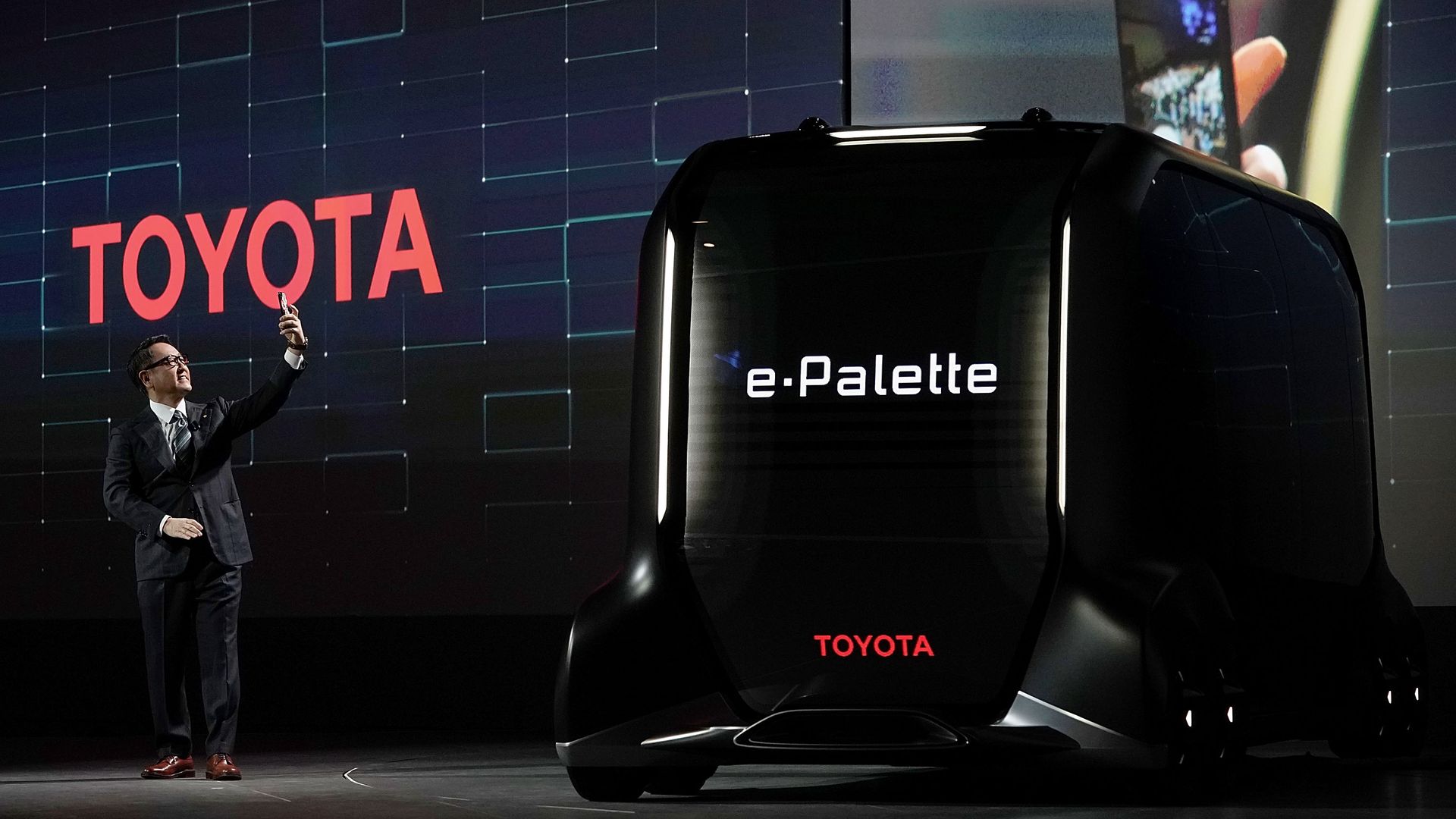
The smartphones and other gadgets that used to dominate the annual CES (formerly the Consumer Electronics Show) in Vegas are being overshadowed by bigger mobile devices: namely, automobiles, AP reports:
"Toyota, Kia, Hyundai and Ford have a noticeable presence at this week's tech showcase in Las Vegas ... Toyota says it's developing self-driving mini-buses that can serve as bite-sized stores. These vehicles will drive themselves to places where potential buyers can try on clothes or shoes or pick through flea market items. The project is still in the conceptual stage, with testing expected in the 2020s.
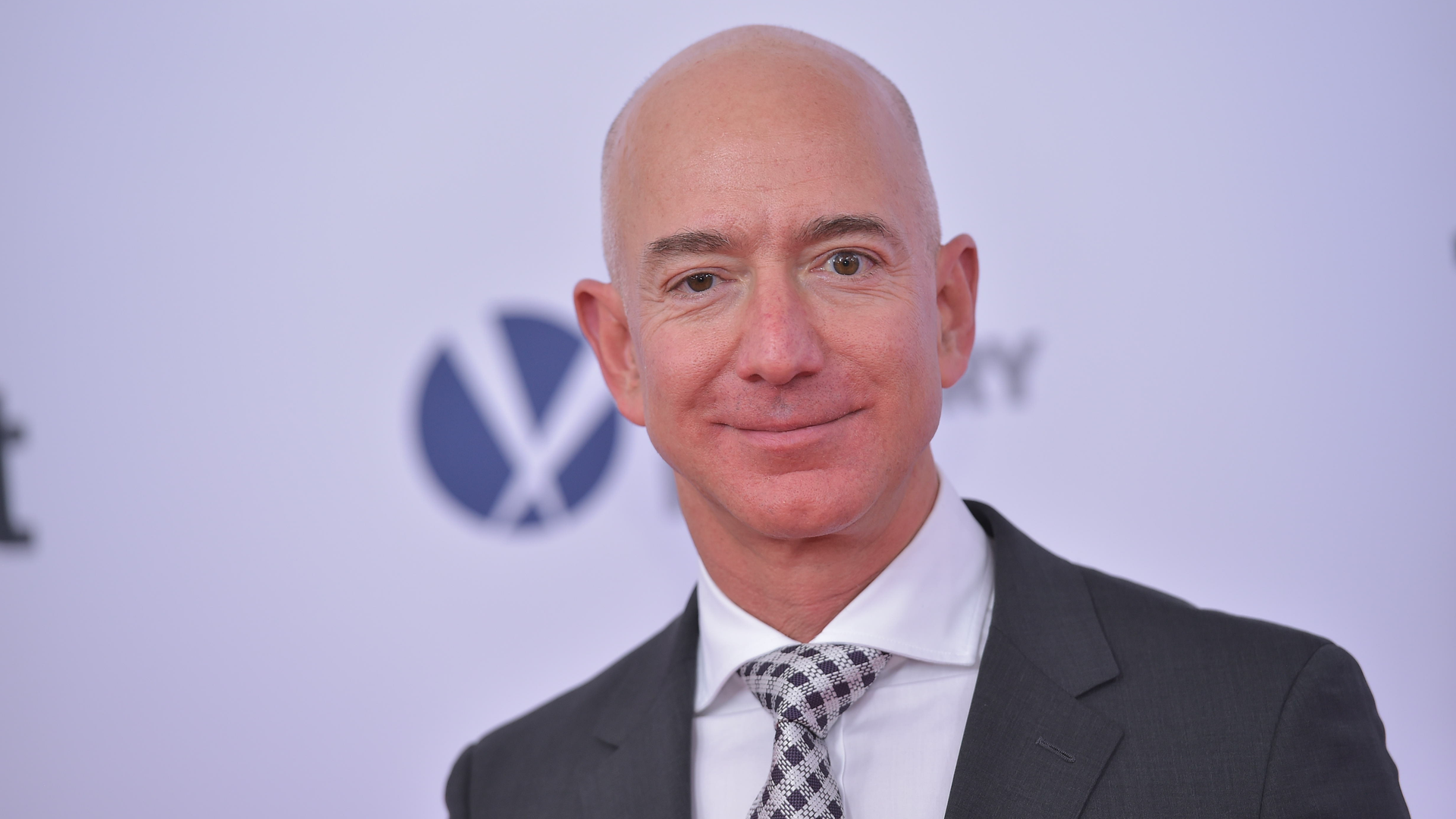
Amazon CEO Jeff Bezos' net worth reached $105.1 billion Monday on the Bloomberg Billionaires Index, making him worth more than Bill Gates ever was. The Index is a daily ranking of the world’s richest people.
The majority of his wealth comes from his ownership of Amazon stock, which climbed 1.4% Monday. Shares of Amazon are already up 6.6% this year, after rising a whopping 56% in 2017. Bezos' other holdings include private space exploration business Blue Origin, and The Washington Post.
A potential deal between Chinese tech giant Huawei and U.S. cell phone giant AT&T appears to have fallen apart at the 11th hour, according to the Wall Street Journal.
Why it matters: Huawei is already a major player in smartphones globally, but has struggled to crack the U.S. market
The addictive power of the technology that dominates every aspect of daily life is getting more and more attention from people who may have enough influence to do something about it.
Why it matters: Criticism of technology's impact on society is not new, but smartphones and social media are becoming even more pervasive, particularly for children and teenagers. Now a larger number of mainstream voices from former execs to investors are raising pointed questions about the impact of iPhones and Facebook on the mental health of the people who use them.
Facebook has struck a deal with music publisher Sony, allowing users to upload and share music and content from artists signed with the company, according to multiple reports.
Why it matters: It's the second major licensing deal the company has inked in just a few weeks — a growing sign of improving relations between the music industry and tech giants. Facebook rival YouTube has also been striking similar deals with major music labels.
James Damore, a former Google engineer who was fired for his infamous memo about diversity last year, has filed a lawsuit against the search giant for allegedly discriminating against conservative white men. He's joined by another former Google engineer, David Gudeman, who spent three years at the company.
Why it matters: Just a few months ago, three female former Google engineers (recently joined by another female former employee) filed a lawsuit against the company, alleging gender-based pay discrimination. Last summer, the Department of Labor probed the company after it found evidence, during an audit, of pay discrimination resulting in lower wages for women.
Facebook will be sunsetting "M," its text-based and human-assisted virtual assistant it debuted in 2015, according to The Verge. The contract workers who took care of users' requests will be offered other jobs at the company, and automated aspects of the service will live on with the Messenger app.
The big picture: In the last couple of years, Facebook has really pushed to take its Messenger app to the next level with chat bots and experiments like M, but adoption has been slow. M was only ever available to about 2,000 people in California, according to The Verge. Overall, it seems like Facebook concluded it wasn't as efficient or appealing as it had hoped.
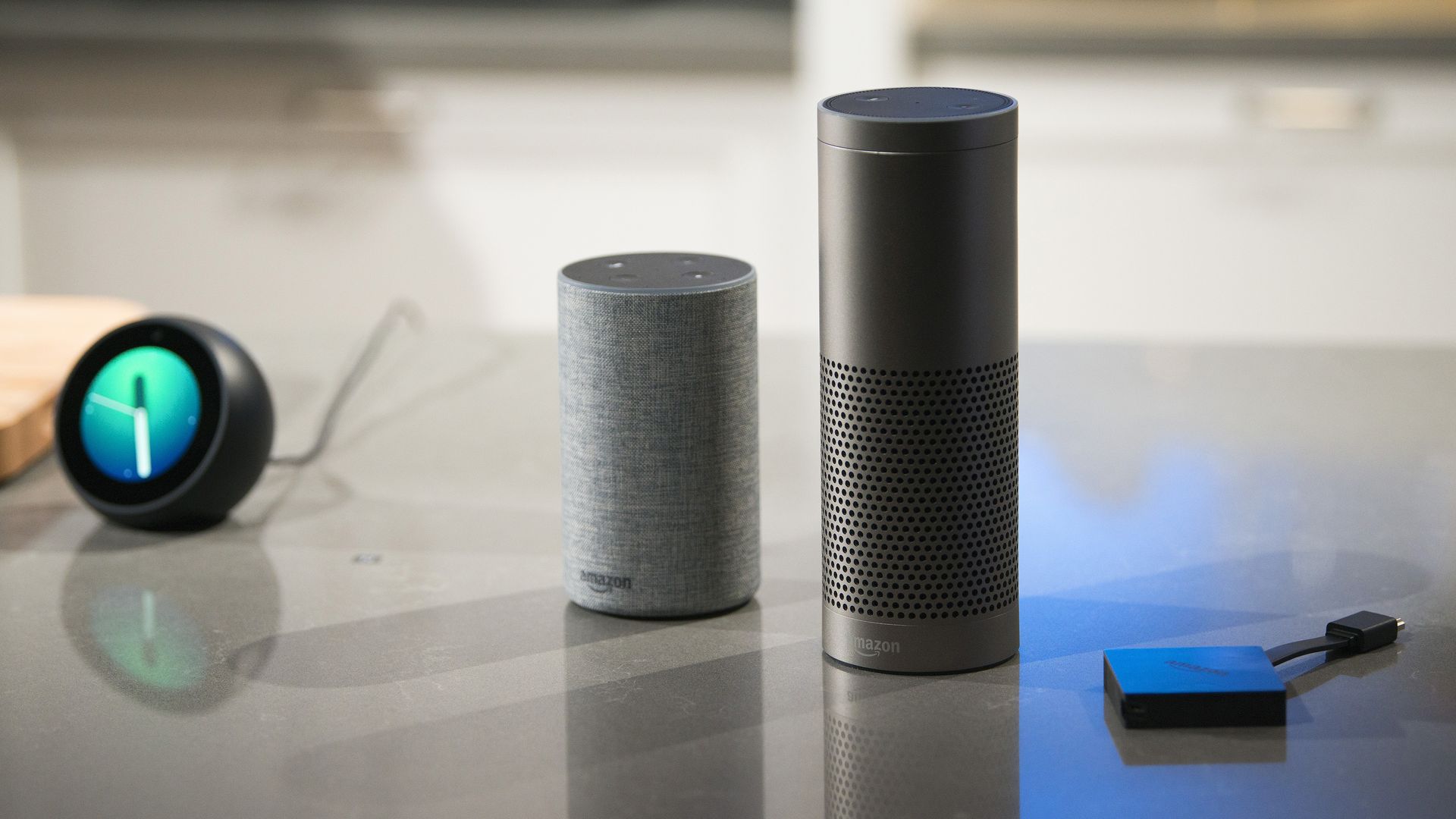
Amazon Alexa will soon be available on Windows PCs, creating a new challenge for Microsoft's built-in digital assistant, Cortana, reports GeekWire.
Why it matters: Digital assistants are being integrated into a wide range of devices, from your smartphones and TVs to your toasters and refrigerators. Amazon's move to take on Microsoft's power in the PC market would give it another edge in its quest to be the dominant digital assistant.
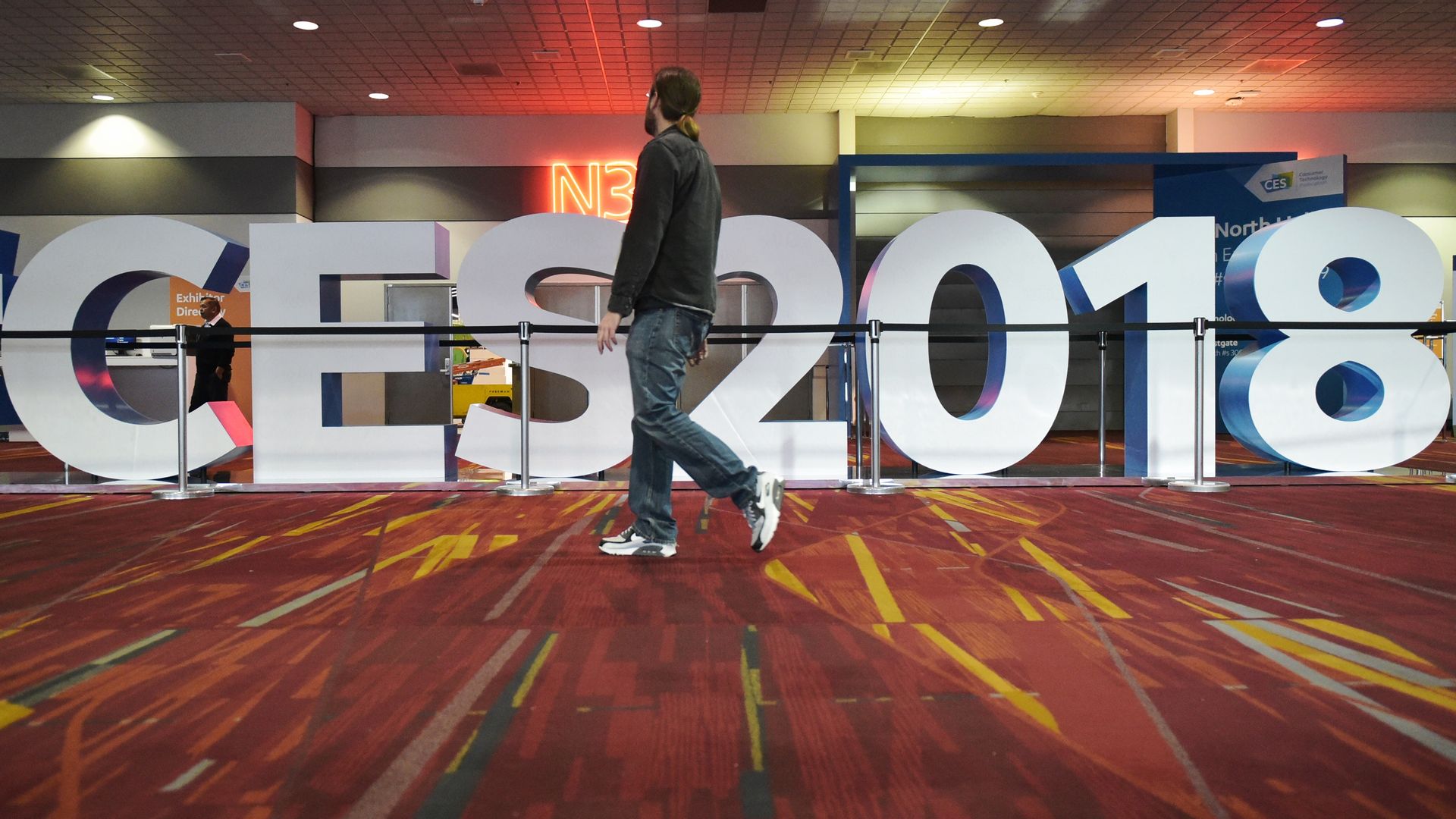
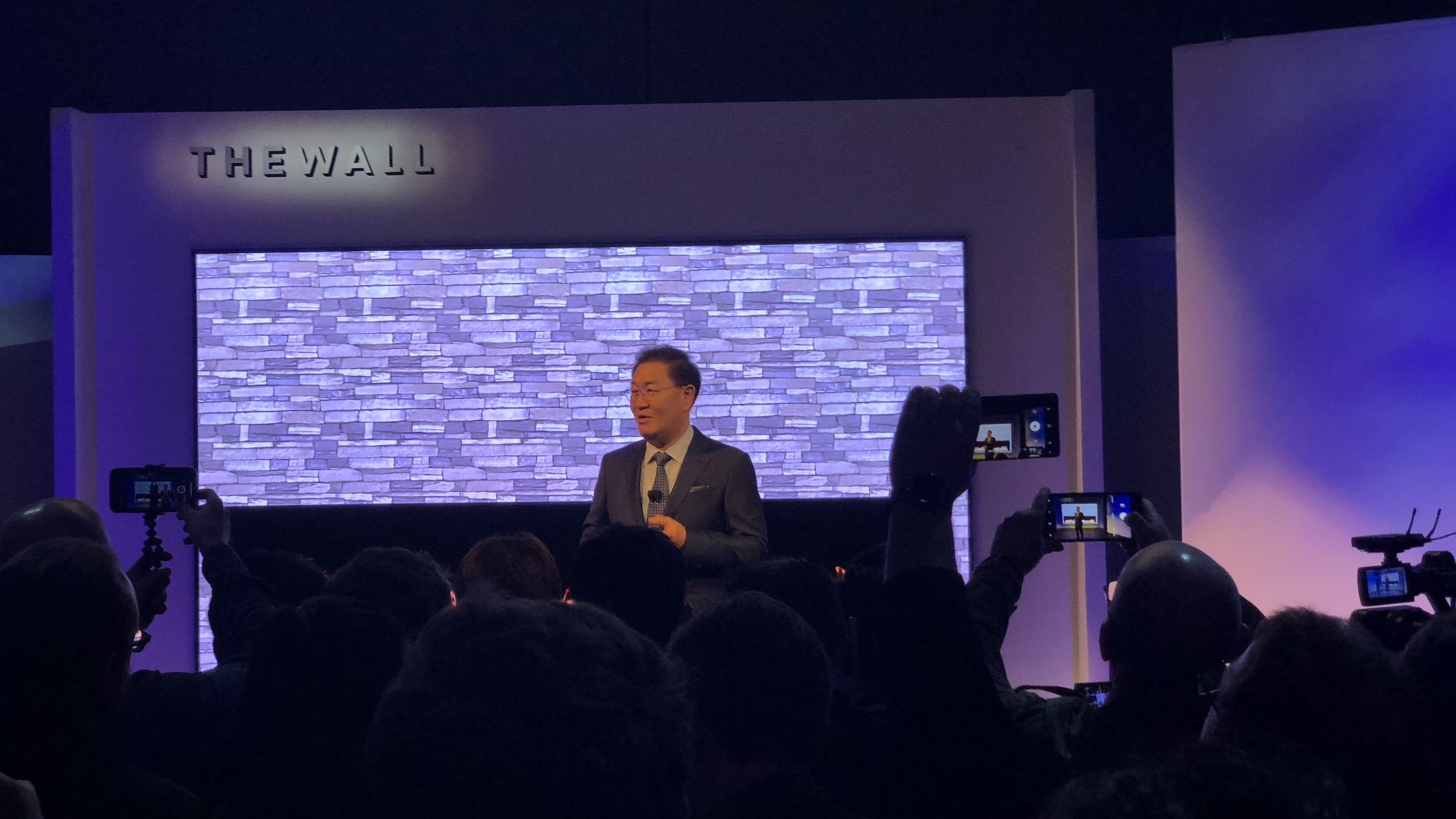
While the biggest tech breakthroughs probably won't show up at the Consumer Electronics Show kicking off today in Las Vegas, it’s a good place to see where the industry as a whole is placing its bets.
The big trend: The integration of voice assistants into all kinds of consumer electronics gear, from your TV to your fridge.