The high-profile fight against big tech companies is just beginning, and it's happening in response to crises over fake news, tech addiction and data security.
The House of Representatives is pushing forward with a plan re-authorize a major surveillance law on Thursday as its expiration date approaches.
Why it matters: The Section 702 surveillance law is used to justify the digital surveillance of foreign nationals located abroad, but privacy advocates say it also picks up communications produced by American citizens without a warrant. And they say the House bill may result in the expansion of surveillance programs.
Bloomberg looked at the looming infrastructure disaster beneath New York's Penn Station — which serves 430,000 people each weekday (more than the major New York airports combined — as the century-old trans-Hudson tunnels have faced continued neglect since they were half-flooded during Hurricane Sandy in 2012.
One potential problem: "If Amtrak and New Jersey Transit have to rely on a single Hudson tunnel, they could operate just six trains an hour, rather than the current 24."
Tony Fadell, a former designer for Apple who's been called the "father of the iPod," said smartphones and social media have gotten so good at getting users to pursue "another dopamine hit" that tech companies must help users track their use.
Why it matters: Fadell is joining a growing chorus of big names in Silicon Valley who are warning that smartphones and social media are taking over our lives, and leading to everything from depression to the spread of fake news. The country's biggest business group will warn today of a coming "techlash" as the chorus grows.
The Senate Commerce Committee is holding a hearing next Wednesday morning, examining how social media platforms are fighting the dissemination of terrorism propaganda.
Lawmakers will grill staffers from Twitter, YouTube, and Facebook.
The bigger picture, per Axios' David McCabe:The big web platforms aren’t out of the woods yet as Washington ramps up pressure over a host of issues, including the way extremist content thrives online.
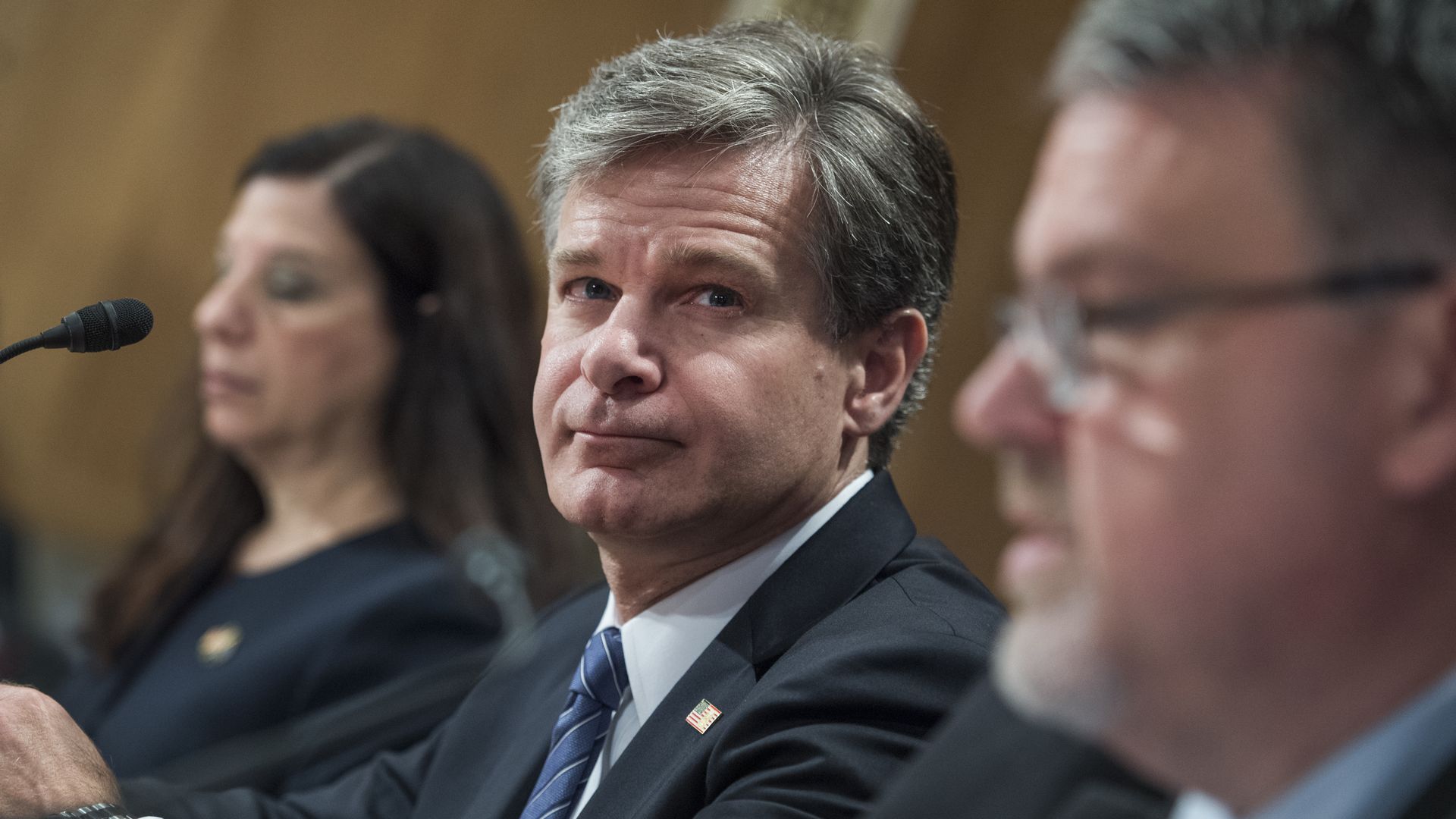
FBI Director Christopher Wray says law enforcement's difficulty in accessing data from a criminal suspect's devices is an “urgent public safety issue,” Reuters reports. In the fiscal year ending Sept. 30, law enforcement failed to access approximately 7,800 devices’ data despite having legal authority to do so.
Why it matters: This pits law enforcement against privacy and security advocates in a debate that has come up time and time again, including in the aftermath of violent attacks like the Texas church shooting. The Justice Department and Apple have battled over this issue before.
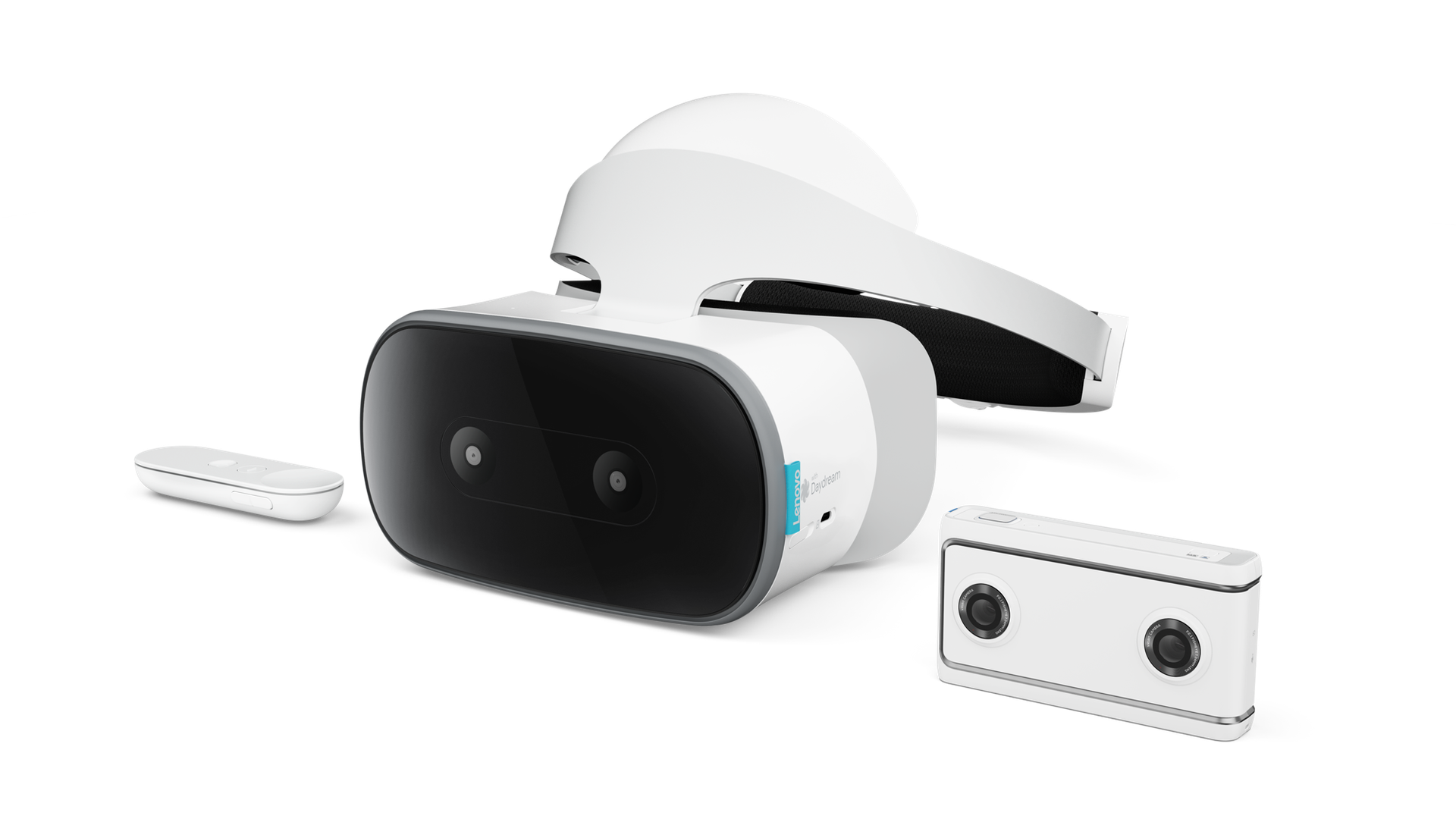
Google is expanding its Daydream VR effort, adding standalone headsets and 180-degree cameras to the mix, in partnership with Lenovo and other hardware makers.
Why it matters: Despite a lot of hype, virtual reality has yet to break through to the masses. Adding more ways to view content and create content could help break the chicken-and-egg logjam.
The Daily Beast's Taylor Lorenz got her hands on five months of confidential data from Snapchat, despite the company's secretive culture. Her analysis of daily active users revealed that Snapchat's Discover and Maps aren't doing as well as the company's other features, and have yet to gain widespread adoption among the app's user base.
Our thought bubble: Snapchat's format and offerings are still relatively new and evolving, so it will take some time before widespread adoption — if that ever happens. The platform will have to seriously innovate and invest (hence their plans for a large-scale redesign) if they want those numbers to go up, but they know that, which is why stories like these probably don't spook them.
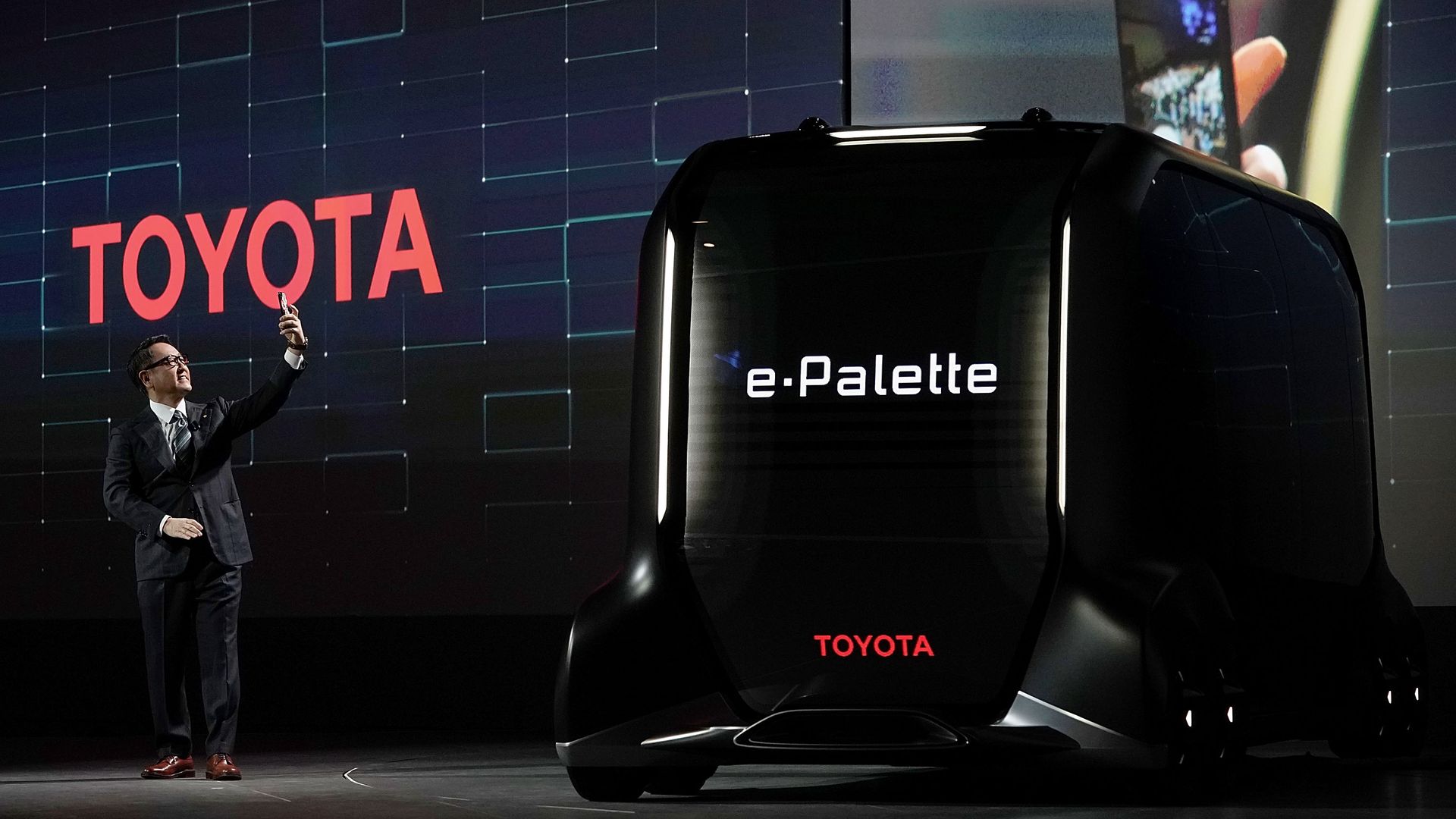
The smartphones and other gadgets that used to dominate the annual CES (formerly the Consumer Electronics Show) in Vegas are being overshadowed by bigger mobile devices: namely, automobiles, AP reports:
"Toyota, Kia, Hyundai and Ford have a noticeable presence at this week's tech showcase in Las Vegas ... Toyota says it's developing self-driving mini-buses that can serve as bite-sized stores. These vehicles will drive themselves to places where potential buyers can try on clothes or shoes or pick through flea market items. The project is still in the conceptual stage, with testing expected in the 2020s.