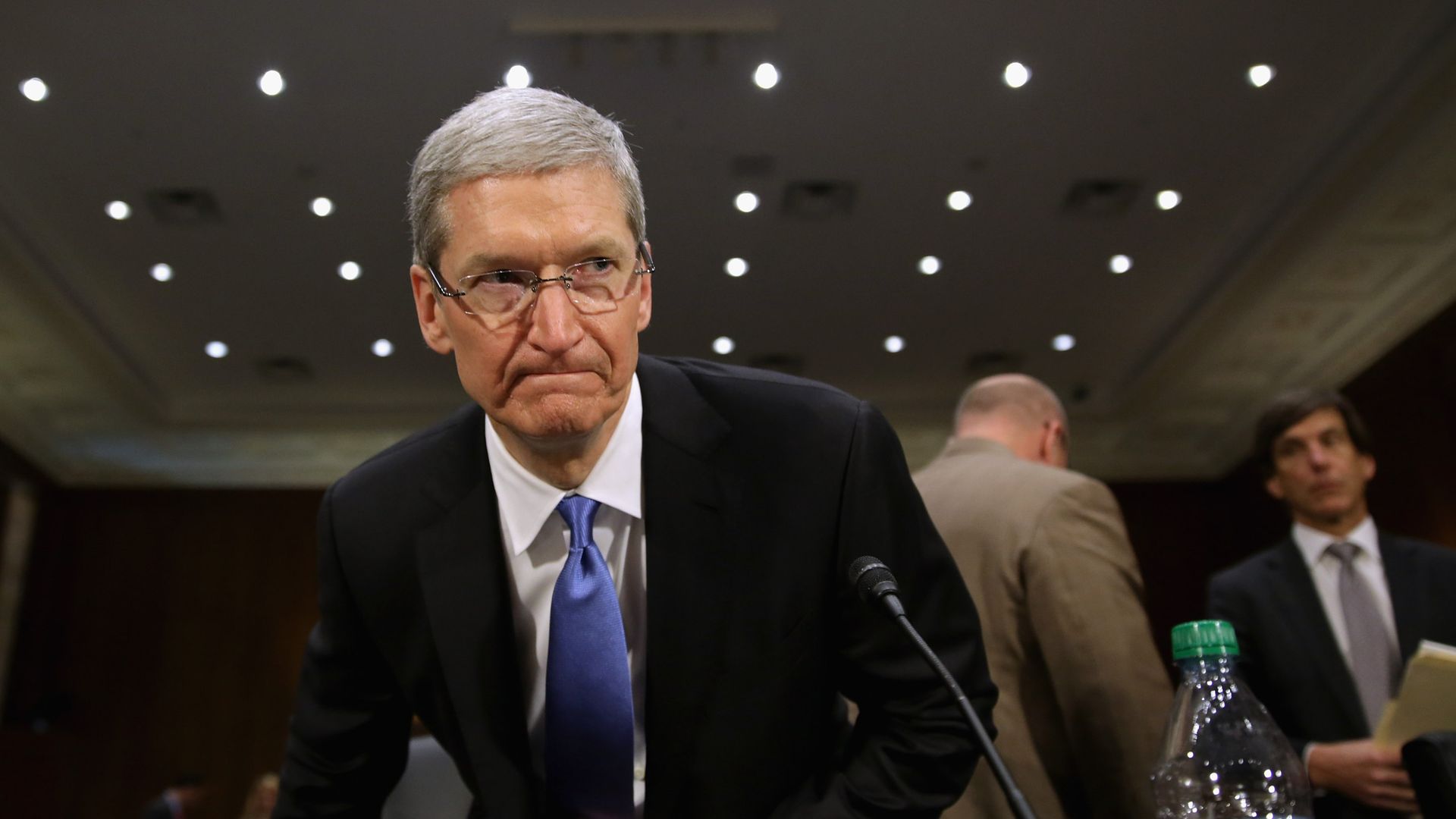
The House Committee on Energy and Commerce has sent a letter to Apple CEO Tim Cook expressing concern over reports that Apple slows the processing speeds of older iPhones to avoid battery shutdowns.
Why it matters: Though Apple has admitted to throttling processing speeds and is offering reduced prices on battery replacements, the company is still facing lawsuits from angry consumers. And now the tech giant must answer additional questions from congressional investigators about how exactly this all came to be.
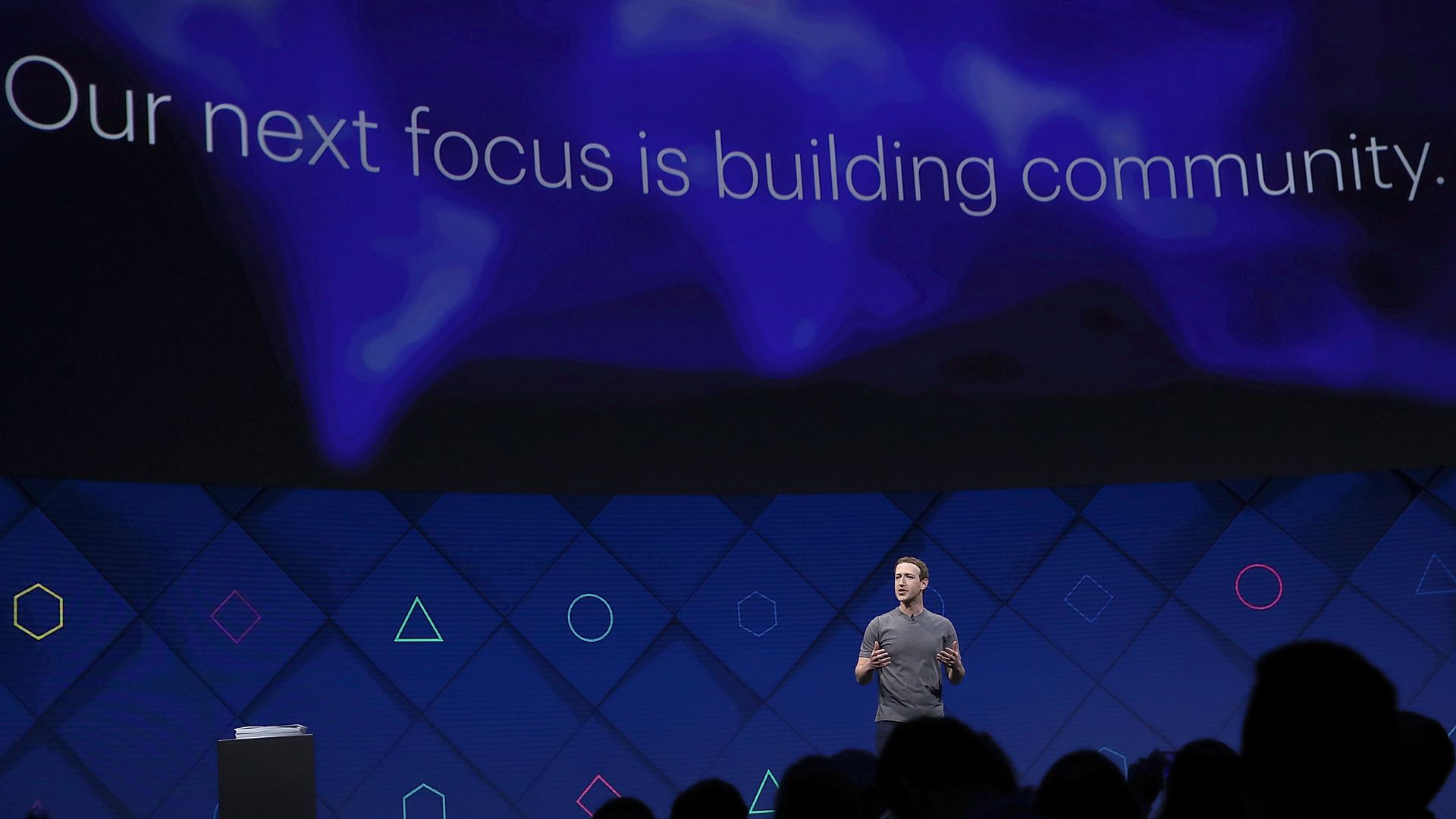
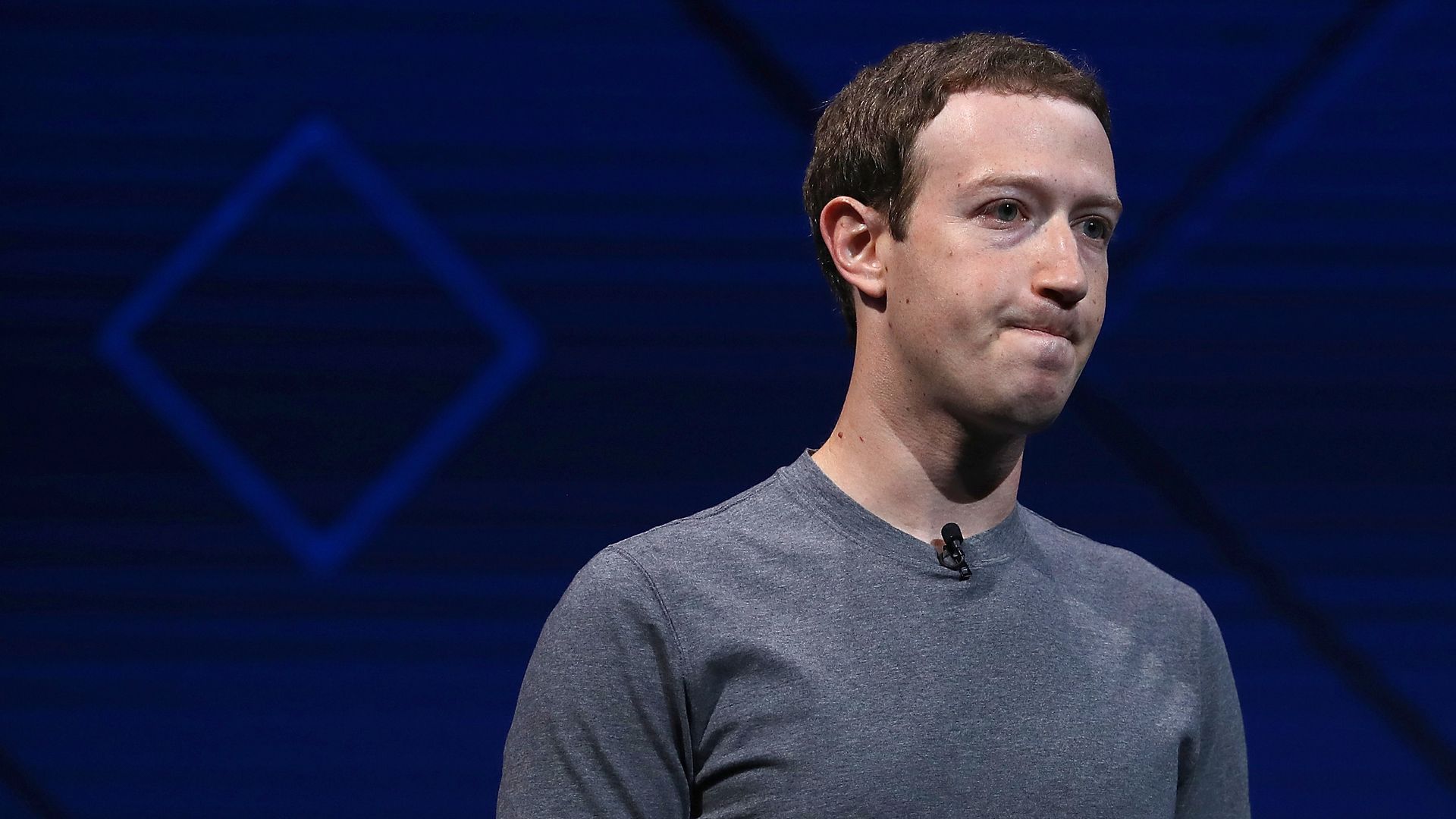
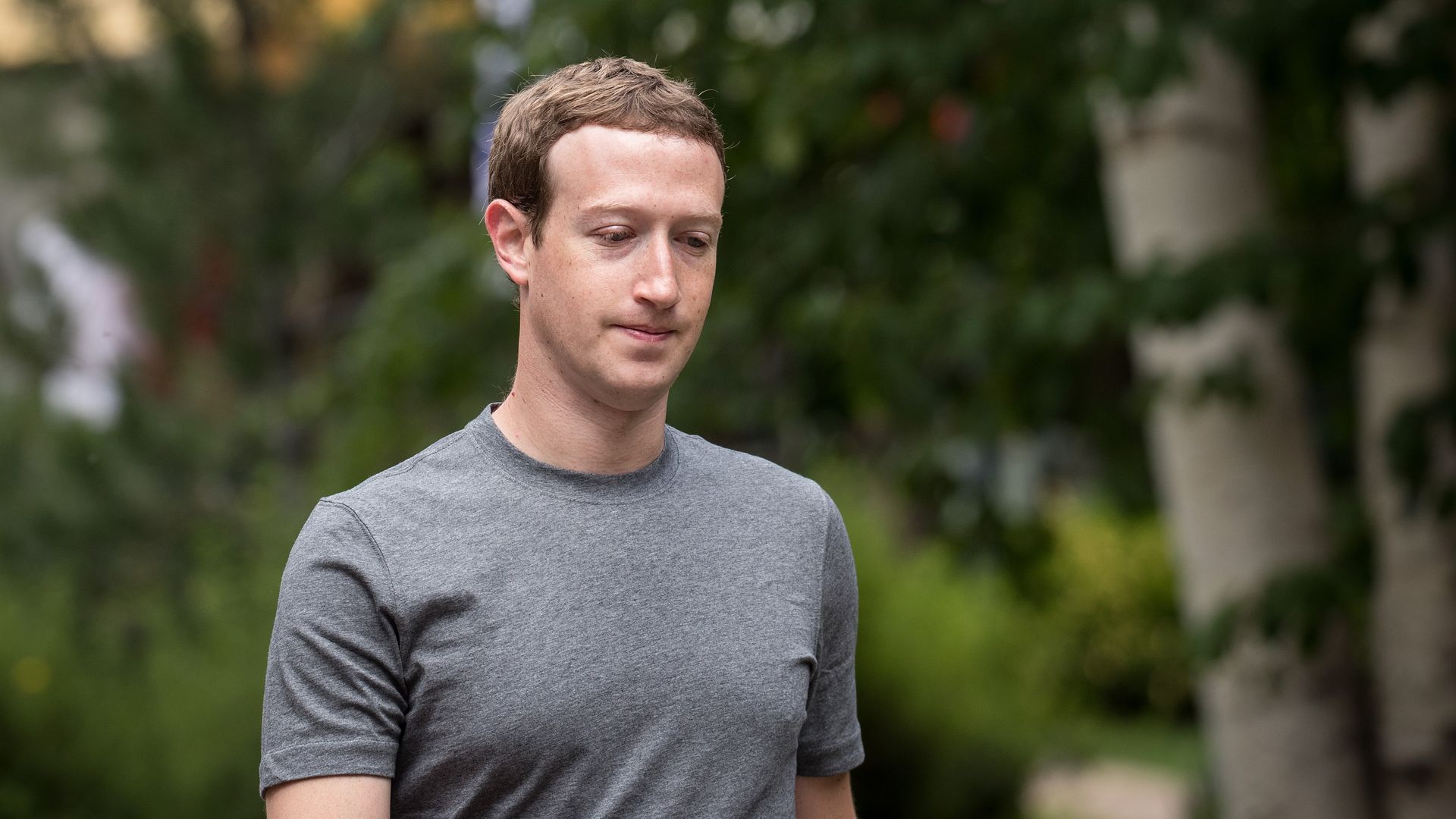
Facebook shares plunged 5% this morning after Mark Zuckerberg announced changes to his platform's newsfeed that will prioritize engagement over time spent.
Why this matters: Wall Street analysts have grown accustomed to measuring success of tech platforms by how much time users spend on them. Facebook's user base is becoming more and more saturated and now that it expects people to spend less time, it has made investors nervous.
But, but, but: If anyone can manage this challenge, it's Facebook, which defined the concept of a "monthly active user" as a metric for success early on — which has since been adopted by Wall Street and other platforms.
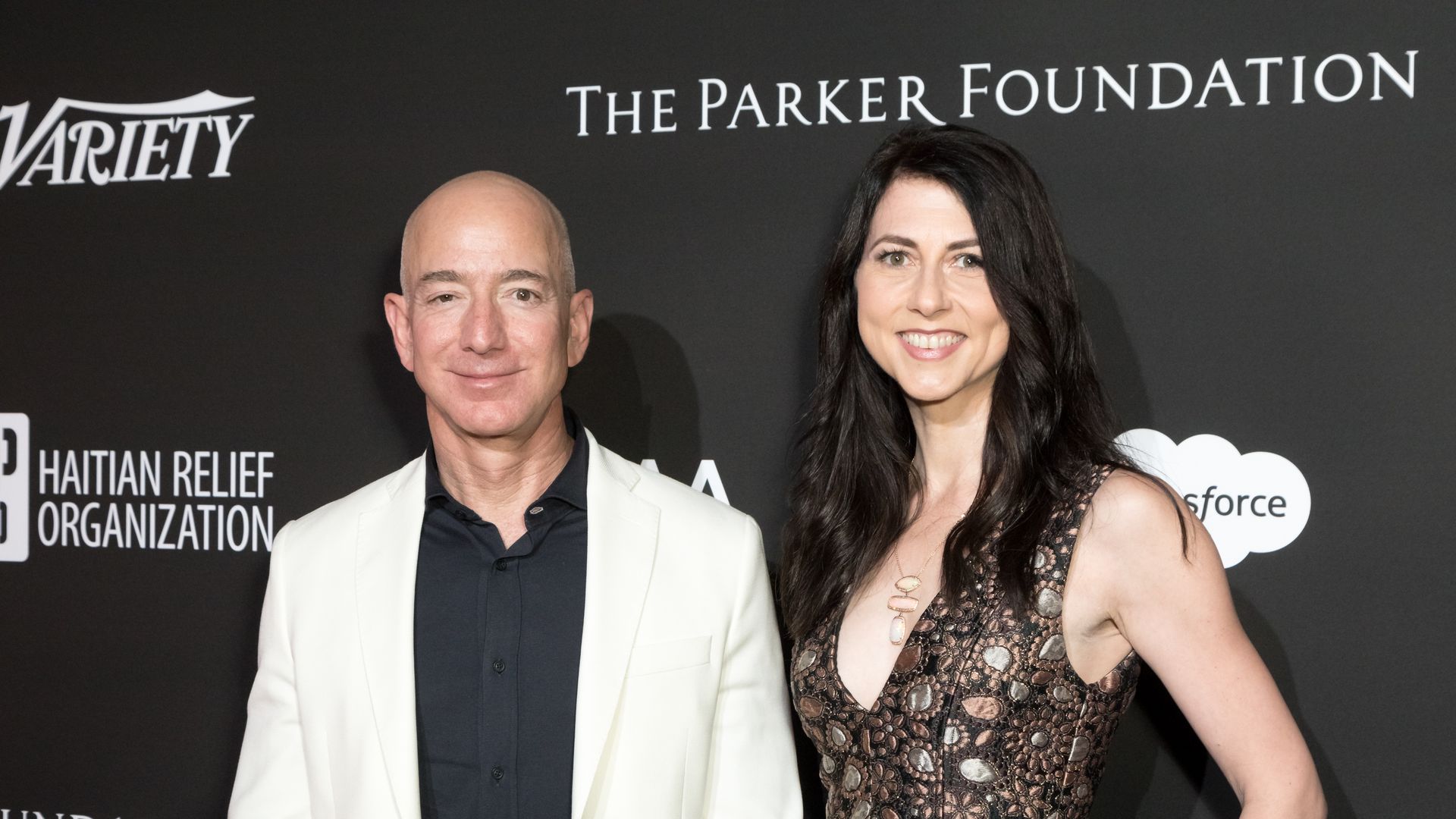
Amazon CEO Jeff Bezos has donated $33 million to TheDream.US, the nation’s largest scholarship program for Dreamers.
Why it matters: The donation is the single biggest in the history of the organization, and will fund 1,000 college scholarships for immigrants with DACA status.
Facebook announced Thursday that it will begin to prioritize posts in the News Feed from friends and family over public content and posts from publishers. It will also move away from using "time spent" on the platform as a metric of success and will instead focus on "engagement" with content, such as comments.
Why it matters: Facebook is the most widely-used news and information platform in the world; almost half of Americans rely on it for news. These changes will significantly impact the way people around the world receive and distribute information, possibly limiting the spread of fake news.
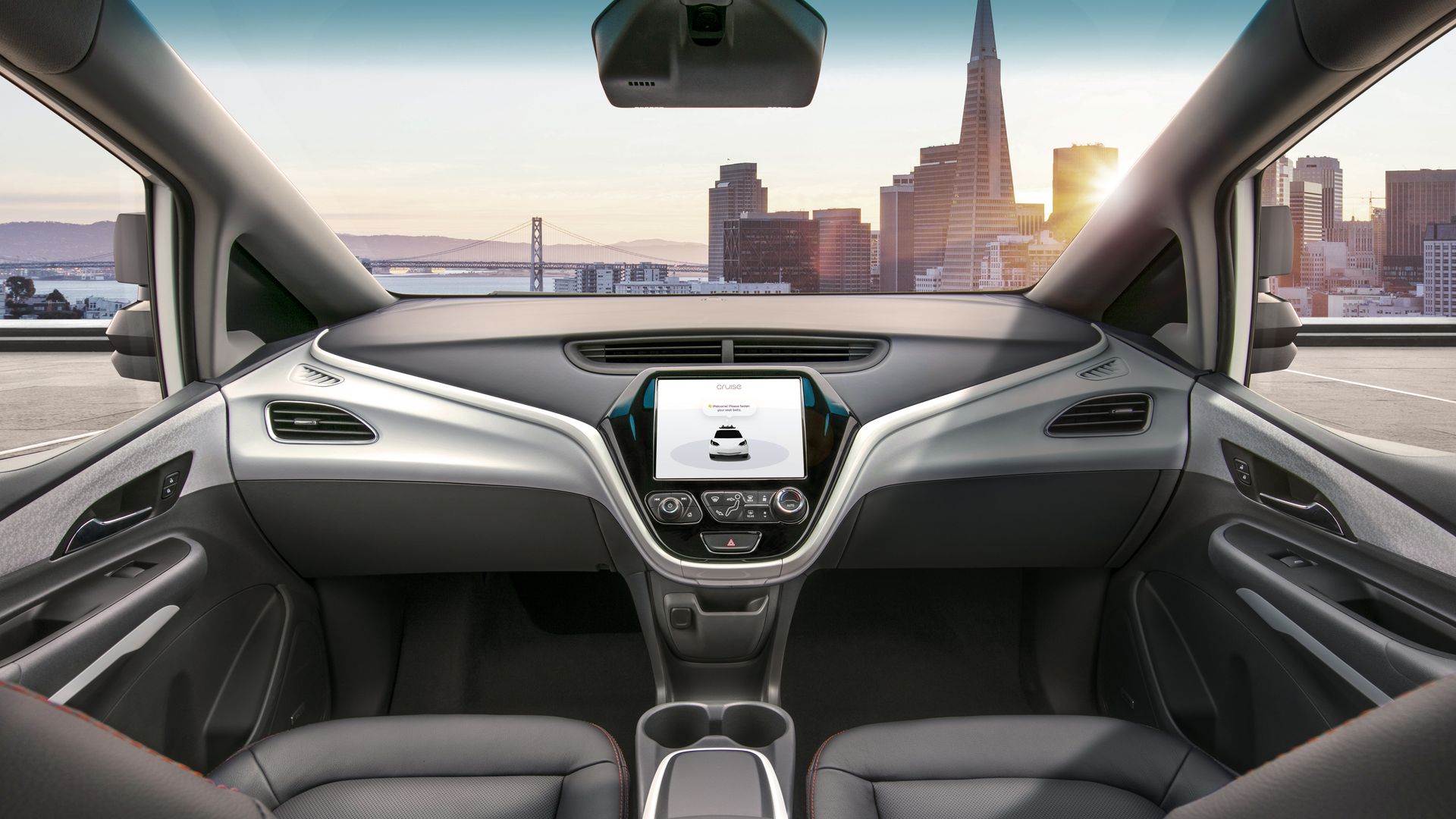
Cruise, General Motors' autonomous vehicle unit, plans to mass produce a self-driving car without a steering wheel or pedals by 2019, the company said on Thursday. It says it has submitted a safety report as well as an application to regulators to approve the design, its fourth-generation model.
Caveat: Though 2019 is a year away, only seven states currently allow for driverless cars, and Cruise's home state of California is in the process of passing a bill to allow for this. It has also applied for needed exemptions to federal regulations.
Facebook is "making a major change" on what users see on their news feeds, CEO Mark Zuckerberg announced Thursday night, by focusing more heavily on helping users "have more meaningful social interactions."
"As we roll this out, you'll see less public content like posts from businesses, brands, and media. And the public content you see more will be held to the same standard -- it should encourage meaningful interactions between people....By focusing on bringing people closer together -- whether it's with family and friends, or around important moments in the world -- we can help make sure that Facebook is time well spent."
— Facebook CEO Mark Zuckerberg
Why it matters: Facebook is such an important tool in today's society that these changes could impact the information Americans get, possibly limiting the spread of fake news while potentially crushing publishers that rely on Facebook traffic.
Facebook will begin to prioritize posts from friends and family over public content and content from publishers, the company announced Thursday.
Why it matters: Facebook is the most widely-used news and information platform in the world; almost half of Americans use it for news and information. These changes will significantly impact the way people around the world receive and distribute information, possibly limiting the spread of fake news. But the change will completely shift the publishing landscape away from publishers that rely on the news site for traffic.
Facebook is testing a new local news feed on mobile called “Today In," according to Recode.
Why it matters: The company has been criticized over the past year for not doing enough to support publishers and to police fake news on its site. This update demonstrates Facebook's commitment to addressing both issues via artificial intelligence.
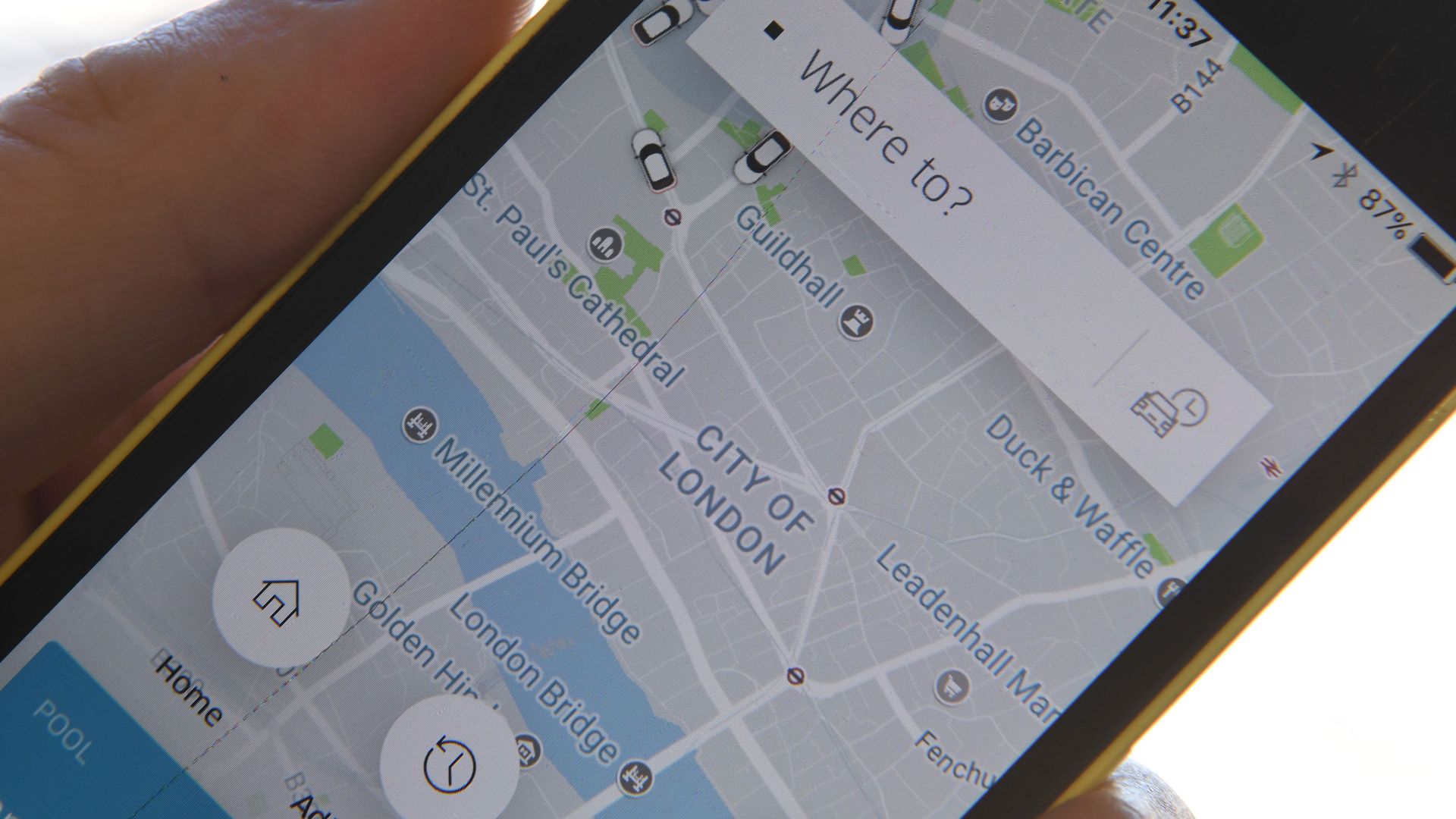
Uber's offices around the world are plugged into a system — known internally as "Ripley" — that allows the company to remotely lock down Uber-issued electronic devices to thwart police raids, per Bloomberg Businessweek. Ripley, which has reportedly been used at least two dozen times, allows Uber offices to slow police investigations that often involve local labor and taxi laws.
Why it matters: This isn't the first time Uber has been accused of using internal systems to impede law enforcement. Its "Greyball" tool allowed the app to avoid law enforcement in cities where its use had been curtailed or banned.
As much of the tech industry tries to assess how a massive chip vulnerability will affect them, Microsoft and Intel differ significantly on how the fixes for the issue impacts performance, especially on older PCs.
Why it matters: There are two big issues here. One is the fact that the flaw affects nearly all chips made in the last decade-plus, meaning there are a lot of machines that need updates. The other is how much the needed software changes will reduce performance.
The single biggest development at this year's big consumer electronics event in Las Vegas was an escalation of the battle between Google and Amazon to get their voice assistants built into all manner of tech gear. Google had its name splashed on booths, billboards and monorails, while Amazon had its own slew of banners and announcements.
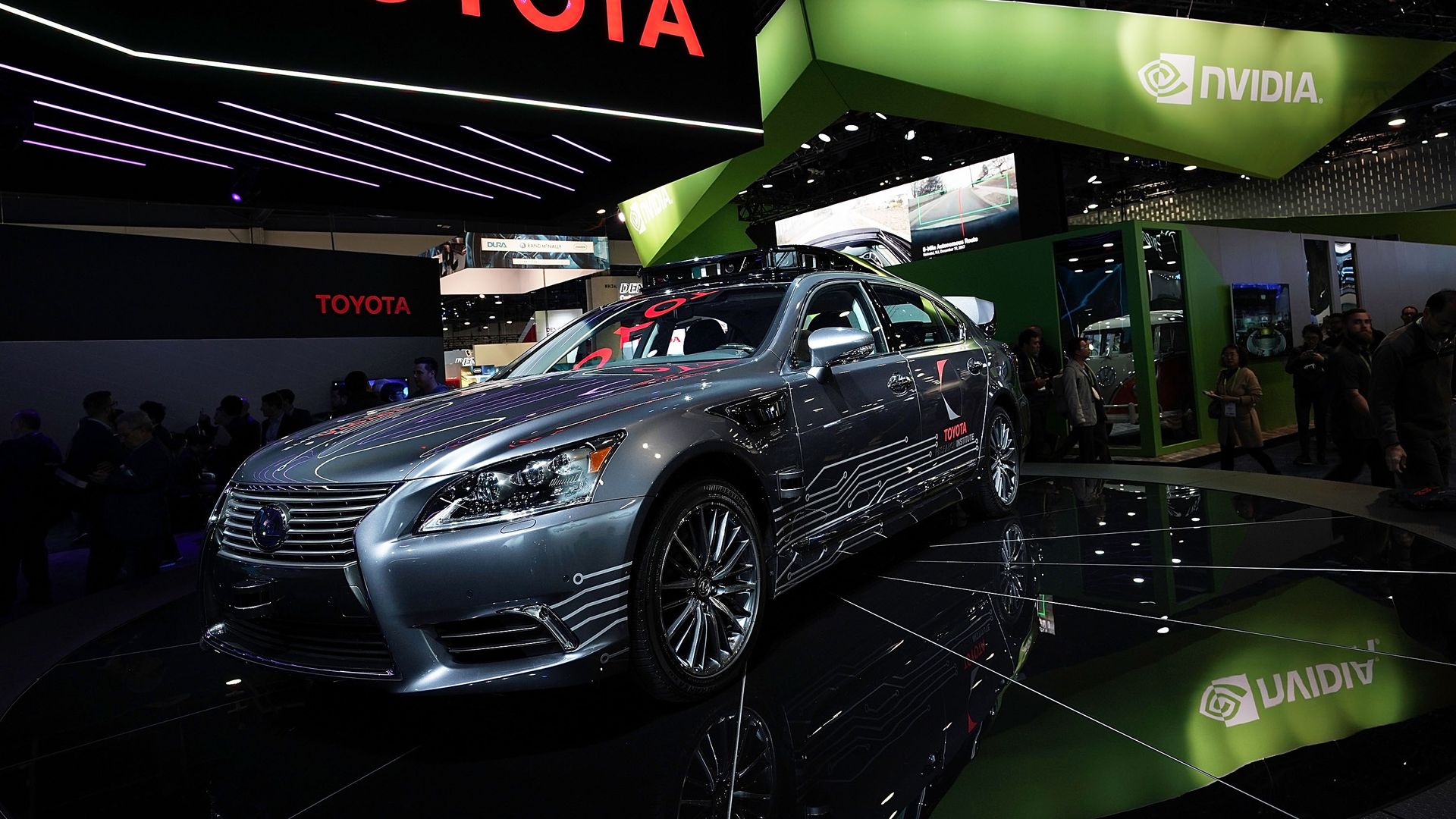
The other big trend: Cars. CES has become a big show for the auto industry over the years, but this year, car tech, especially that of the self-driving variety, was one of the biggest themes of the year, second only to the race between Amazon's Alexa and Google's Assistant.
Eleven days after YouTube star Logan Paul posted a video featuring the body of a person who committed suicide, YouTube says it will take his channel off its Google Preferred section for advertisers. It also won't feature him in the upcoming season of YouTube show "Foursome," and won't air his new movie "The Thinning: New World Order," according to The Hollywood Reporter.
Backstory: On New Year's Eve, Paul posted a video of himself and a group of friends venturing into Japan's Aokigahara Forest, frequently referred to as the "Suicide Forest," and making jokes. Paul took it down following intense criticism but not before it was watched over 6 million times. Earlier this week, YouTube said that Paul had received a strike and that it was looking into "further consequences."