Facebook is testing a new local news feed on mobile called “Today In," according to Recode.
Why it matters: The company has been criticized over the past year for not doing enough to support publishers and to police fake news on its site. This update demonstrates Facebook's commitment to addressing both issues via artificial intelligence.
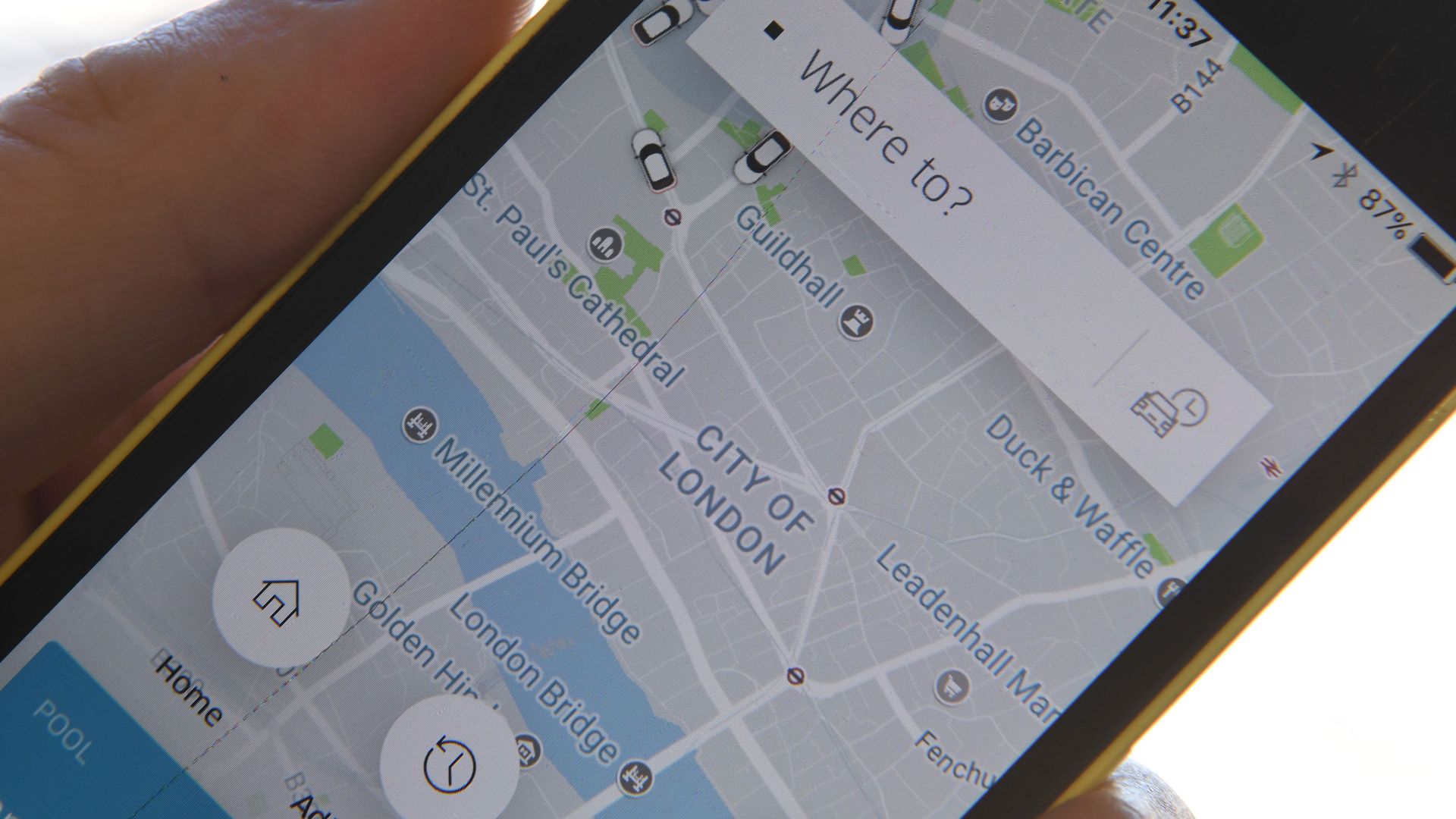
Uber's offices around the world are plugged into a system — known internally as "Ripley" — that allows the company to remotely lock down Uber-issued electronic devices to thwart police raids, per Bloomberg Businessweek. Ripley, which has reportedly been used at least two dozen times, allows Uber offices to slow police investigations that often involve local labor and taxi laws.
Why it matters: This isn't the first time Uber has been accused of using internal systems to impede law enforcement. Its "Greyball" tool allowed the app to avoid law enforcement in cities where its use had been curtailed or banned.
As much of the tech industry tries to assess how a massive chip vulnerability will affect them, Microsoft and Intel differ significantly on how the fixes for the issue impacts performance, especially on older PCs.
Why it matters: There are two big issues here. One is the fact that the flaw affects nearly all chips made in the last decade-plus, meaning there are a lot of machines that need updates. The other is how much the needed software changes will reduce performance.
The single biggest development at this year's big consumer electronics event in Las Vegas was an escalation of the battle between Google and Amazon to get their voice assistants built into all manner of tech gear. Google had its name splashed on booths, billboards and monorails, while Amazon had its own slew of banners and announcements.
The other big trend: Cars. CES has become a big show for the auto industry over the years, but this year, car tech, especially that of the self-driving variety, was one of the biggest themes of the year, second only to the race between Amazon's Alexa and Google's Assistant.
Eleven days after YouTube star Logan Paul posted a video featuring the body of a person who committed suicide, YouTube says it will take his channel off its Google Preferred section for advertisers. It also won't feature him in the upcoming season of YouTube show "Foursome," and won't air his new movie "The Thinning: New World Order," according to The Hollywood Reporter.
Backstory: On New Year's Eve, Paul posted a video of himself and a group of friends venturing into Japan's Aokigahara Forest, frequently referred to as the "Suicide Forest," and making jokes. Paul took it down following intense criticism but not before it was watched over 6 million times. Earlier this week, YouTube said that Paul had received a strike and that it was looking into "further consequences."
The high-profile fight against big tech companies is just beginning, and it's happening in response to crises over fake news, tech addiction and data security.
The House of Representatives is pushing forward with a plan re-authorize a major surveillance law on Thursday as its expiration date approaches.
Why it matters: The Section 702 surveillance law is used to justify the digital surveillance of foreign nationals located abroad, but privacy advocates say it also picks up communications produced by American citizens without a warrant. And they say the House bill may result in the expansion of surveillance programs.
Bloomberg looked at the looming infrastructure disaster beneath New York's Penn Station — which serves 430,000 people each weekday (more than the major New York airports combined — as the century-old trans-Hudson tunnels have faced continued neglect since they were half-flooded during Hurricane Sandy in 2012.
One potential problem: "If Amtrak and New Jersey Transit have to rely on a single Hudson tunnel, they could operate just six trains an hour, rather than the current 24."
Tony Fadell, a former designer for Apple who's been called the "father of the iPod," said smartphones and social media have gotten so good at getting users to pursue "another dopamine hit" that tech companies must help users track their use.
Why it matters: Fadell is joining a growing chorus of big names in Silicon Valley who are warning that smartphones and social media are taking over our lives, and leading to everything from depression to the spread of fake news. The country's biggest business group will warn today of a coming "techlash" as the chorus grows.