Thursday's technology stories

Apple CEO: Manufacturing of iPhone X going well
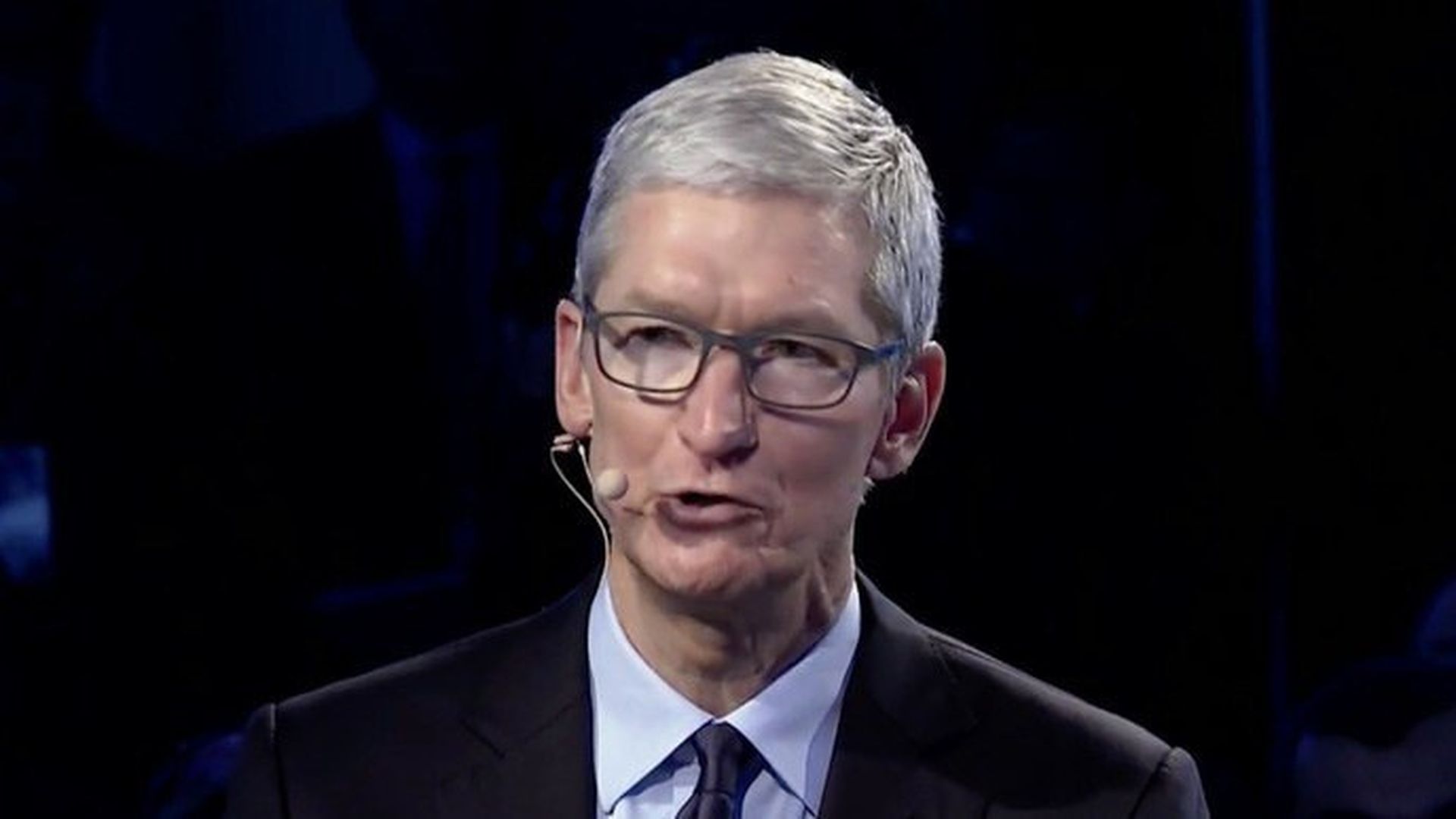
Apple CEO Tim Cook said Thursday that the ramp-up of iPhone 10 manufacturing is going well, but said he can't say when supply will match demand.
Why it matters: Cook's comments followed a strong earnings report and forecast of a record holiday quarter. The numbers, in particular, should go a long way to easing investor concerns and shares were up more than 3 percent in after-hours trading.
Apple crushes expectations, sees record holiday quarter
Apple on Thursday reported sales and earnings well ahead of projections and, importantly, also said holiday sales should be a record and ahead of many analysts' expectations. Its sales of 46.6 million iPhones last quarter came in about 500,000 units ahead of expectations.
Shares soared in after-hours trading to a new record, changing hands recently at $173.72, up $5.61, or more than 3%.
Why it matters: Going into the earnings report, there were concerns about both iPhone 8 demand and iPhone X supply. Thursday's report should go a long way toward answering those questions.

Broadcom plans to move to U.S., praising GOP tax reform proposal
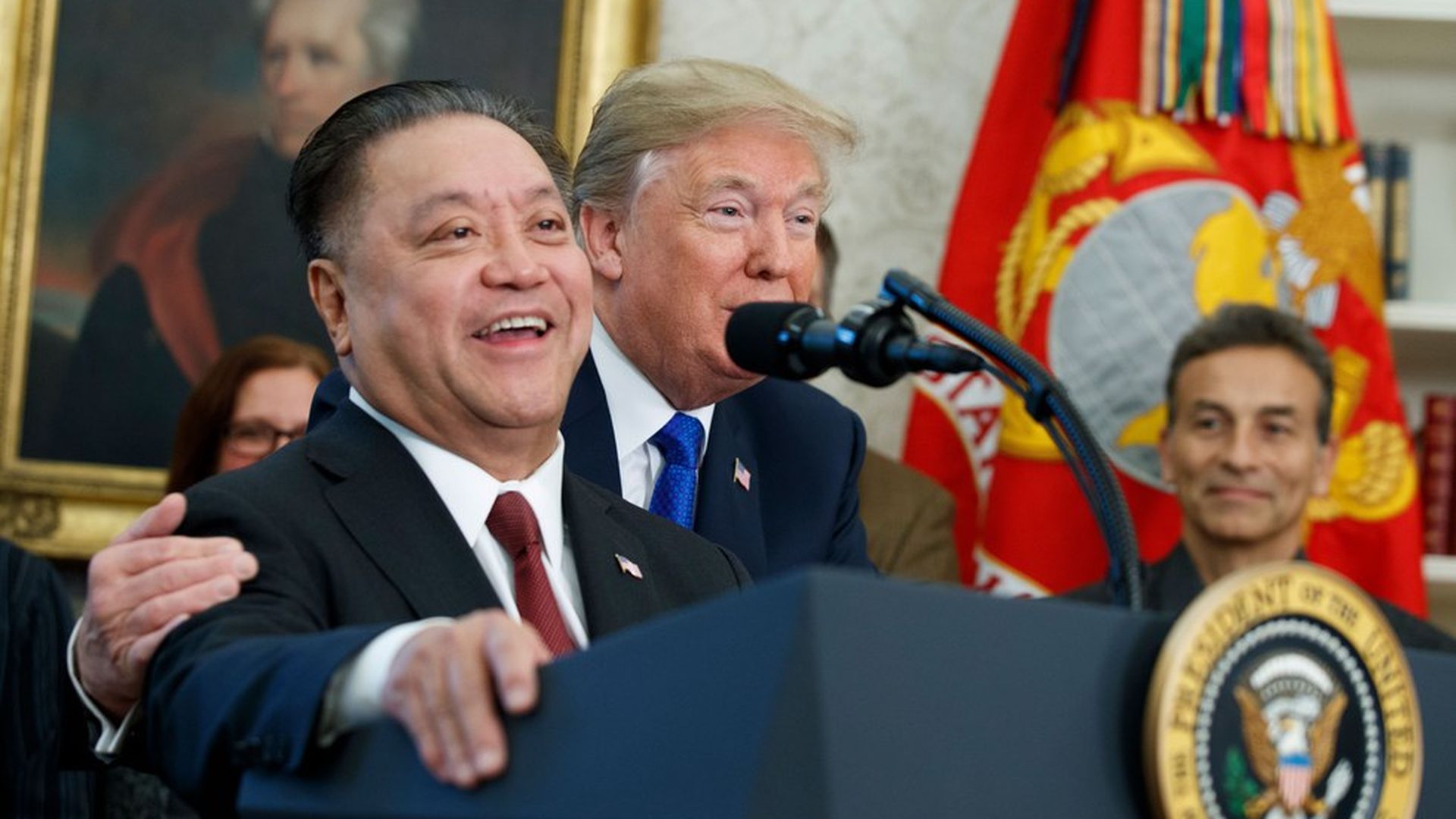
Singapore-based chip manufacturer Broadcom is moving operations back to the U.S., pending shareholder approval, President Trump announced Thursday. The company, whose corporate headquarters is in San Jose, said the newly released GOP tax reform proposal will make it easier to do business in the U.S., although it also said its move will happen even if the proposal doesn't pass.
Why it matters: Trump claimed credit for Broadcom's decision, saying in his Oval Office announcement that his administration is working to make the U.S. business climate attractive " so that more and more companies like Broadcom come back to our shores, grow their businesses and credit more and more American jobs."

Russian Facebook pages organized rival pro and anti-Islam rallies
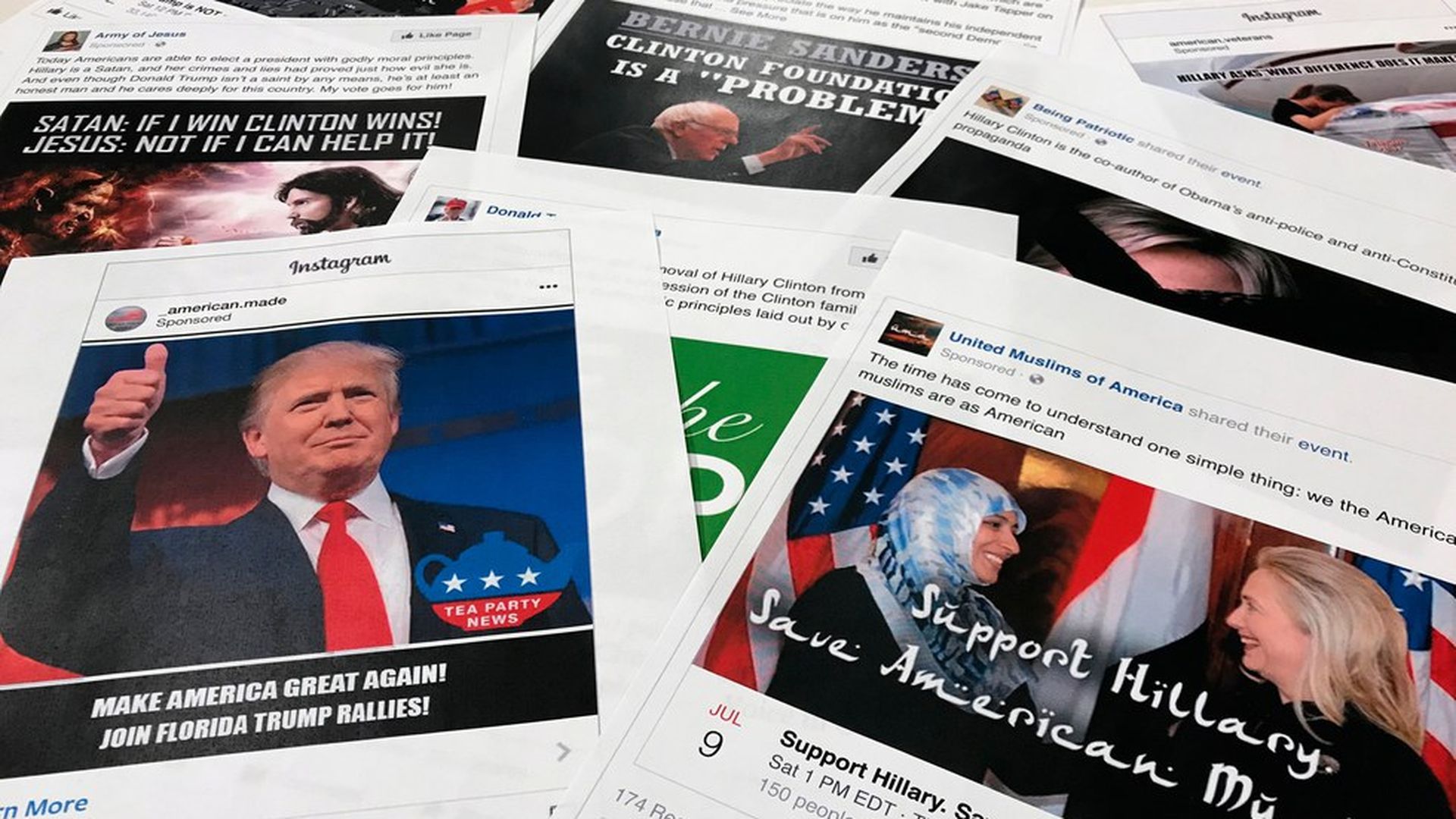
Two Russian-sponsored Facebook pages organized two rallies — one to "Stop Islamification of Texas" and the other to "Save Islamic Knowledge" — in front of the Islamic Da'wah Center of Houston at the same time last year, according to some of the 3,000 Russian-linked ads released by lawmakers Wednesday.
Why it matters: Russian actors used social media not just to meddle in the 2016 election, but to sow division. Facebook, Google and Twitter were all on Capitol Hill this week taking tough questions about how they let such activity occur, and how to prevent it in future.
Two big questions ahead of Apple earnings today
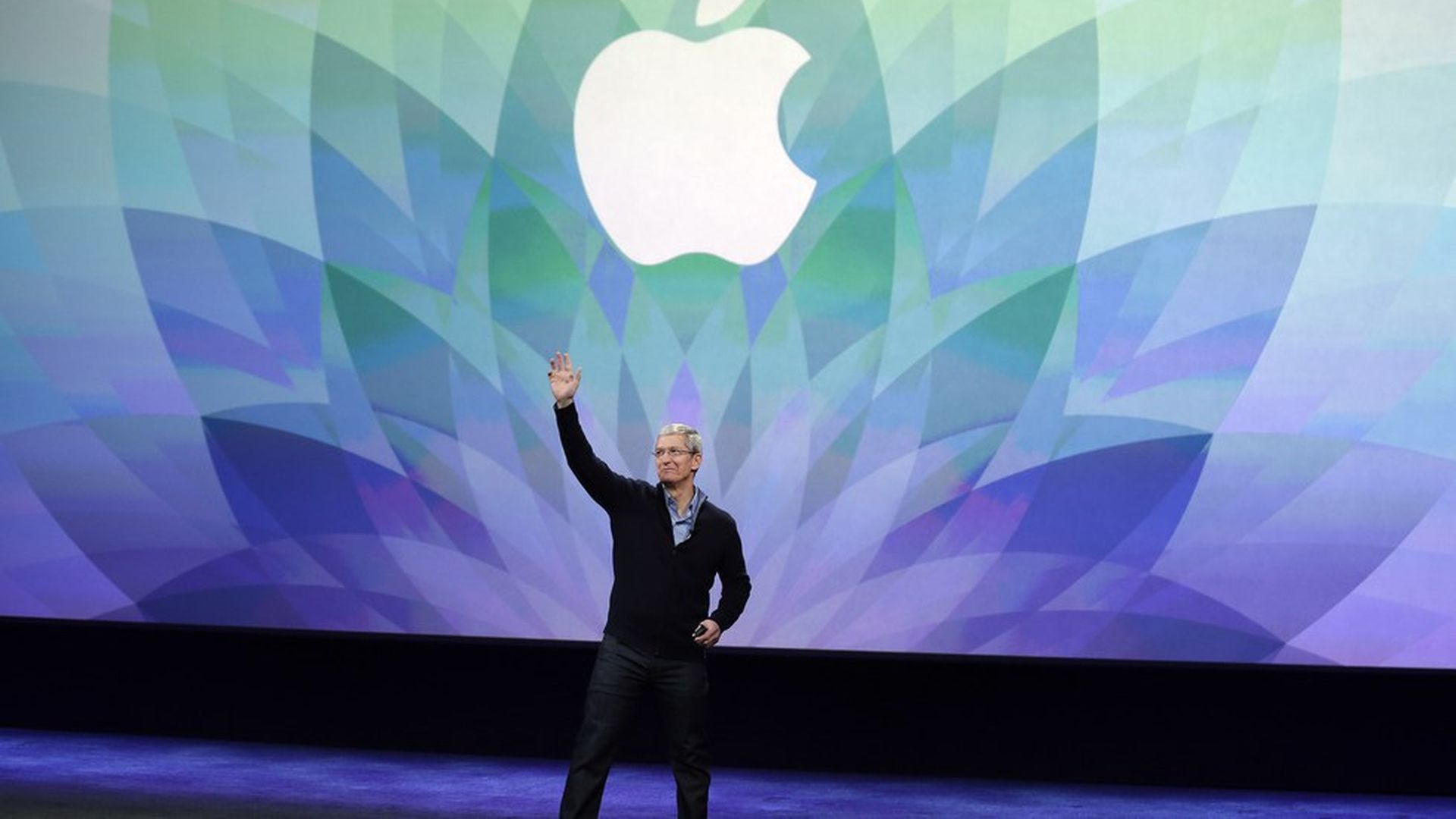
The two big questions investors and analysts have going into Apple's earnings report later today are also the two things we predicted would be challenges ahead of this year's iPhone release:
- How many iPhone Xs can Apple supply over the next few months?
- Just how much will the high-end iPhone dent demand for the iPhone 8, which Apple is able to make in significantly greater quantity?

Drug companies are on Team Amazon
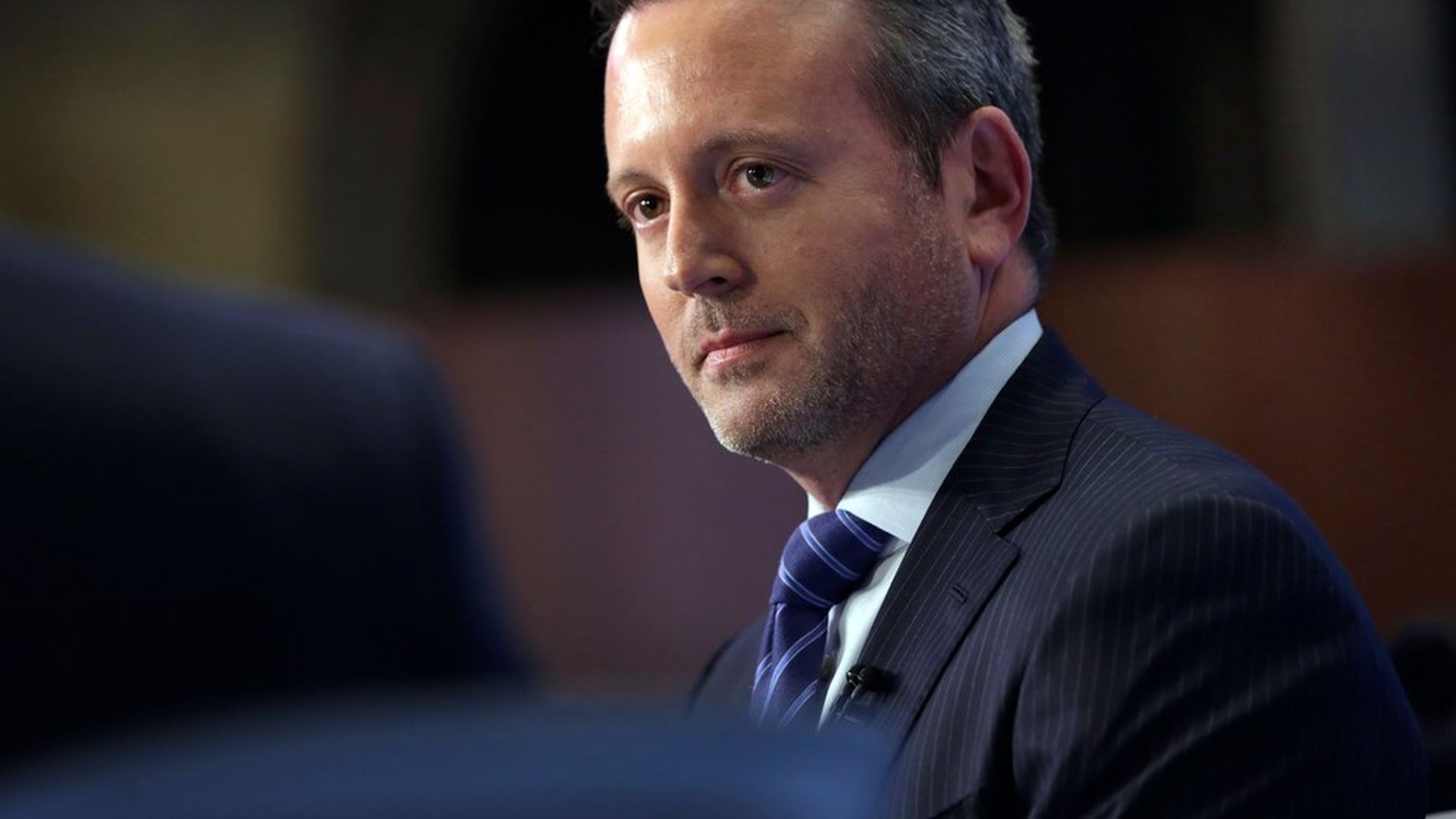
Pharmacies and pharmacy benefit managers are terrified about the prospect of Amazon getting into their business. But pharmaceutical companies are all for it, CNBC reports. "I think the drug distribution channel also should be disrupted with improvements based on technology or efficiency," Allergan CEO Brent Saunders told analysts yesterday, according to CNBC. "It's an area rife with inefficiency and a lot of turf," another pharma CEO said in the report. "It's overly complicated; that's the opportunity."
Between the lines: Drug companies are especially frustrated with pharmacy benefit managers, which function as intermediaries between manufacturers and pharmacies. Pharma companies complain that PBMs mark up their products without disclosing those costs, and cutting into PBMs' slice of the pie is pharma's preferred solution to the controversy over high drug prices.

Senators troll Facebook with fake ad campaign

Showing they plan to continue playing hardball with Big Tech, Democratic Senators Mark Warner (Va.) and Amy Klobuchar (Minn.) created a Facebook page for a fictional political group — Americans for Disclosure Solutions (ADS) — then paid to target the newsfeeds of thousands of journalists and Hill staffers.
Why it matters: A Warner aide tells me the senator was surprised that "there was literally no mechanism on [Facebook] for us to [prove] we were who we said we were," adding, "it was really easy for Russian operatives to use the same micro-targeting tools as they attempted to meddle in last fall's presidential election ... [Y]ou can see why this would be so appealing to the Russians."

What we learned from the big tech Russia hearings
Marathon congressional hearings on Russian election interference and social media left execs from Facebook, Google and Twitter badly bruised and with a new view of just how mad Washington is about their handling of content aiming to divide Americans.
The big takeaway: Lawmakers' rebukes went far beyond the companies' responses to Russia's interference. They also repeatedly revealed a discomfort with the size, power and limited accountability of the large web platforms.

The case for not worrying about robots

Only months ago, we were warned of the robot apocalypse — runaway automation that will vaporize swaths of today's jobs, too quickly and profoundly for the economy to create replacements. More recently, we hear an industrywide defense of the robots — the argument that, as has always happened since the early days of the industrial revolution, jobs we never imagined will overcome automation, employing everyone who wants to work. The trouble with both camps is one of forecasting everywhere:
We hear an abundance of assertion; and since professionals are paid to make these forecasts, we also hear a lot of certitude. What has been in short supply is fact. So we just don't know what the future holds.
The case for robots: We sat down this week with senior company executives from Deloitte, which sits in the "don't worry" camp. Eamonn Kelly, a Deloitte futurist, gave the best case we have yet heard for that scenario.
Kelly's argument
When technological disruption has happened, it has done the following three things:
- Displaced people
- Augmented what people can do; and
- Created a new art of the possible, including new work
For two centuries, catastrophe has been routinely forecast from new technology, but "it's never happened because No. 3 is massively bigger than No. 1," Kelly said.
When a robot met Valentino Rossi

When it comes to motorcycle racing, unlike in Chess and Go, humans are still king.
In September, Yamaha pitted a robotic motorcycle named Motobot (photo above) against Italy's Valentino Rossi, the nine-time Grand Prix world champion. The contest was a single lap on a two-mile track at Thunderhill Raceway, 145 miles north of San Francisco in Willows, CA.
The outcome: Rossi 85.7 seconds. Motobot — exceeding 125 miles an hour — 117.5 seconds, reports The Drive.
What Facebook, Google and Twitter told the Senate Intel committee
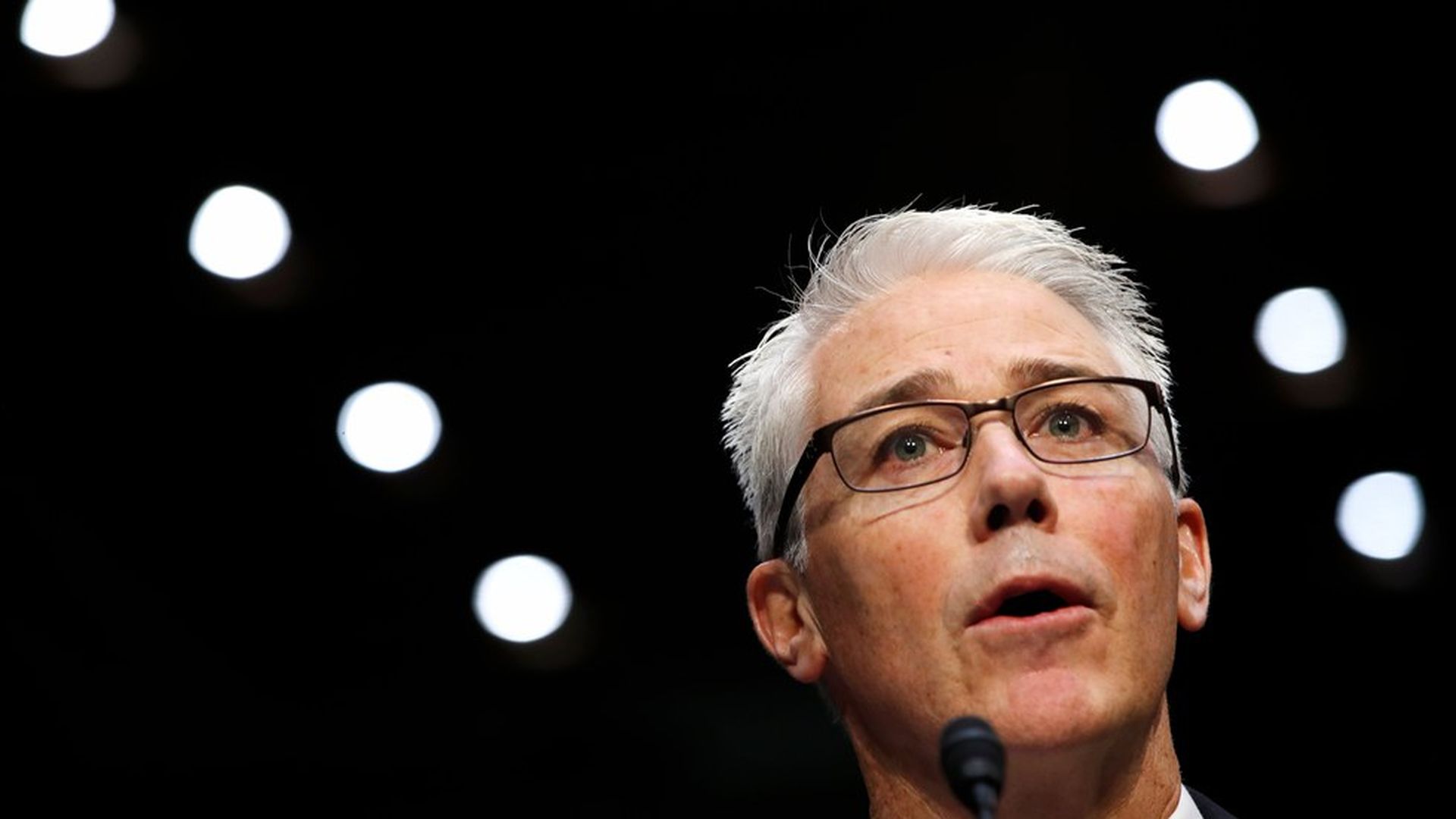
Facebook said Wednesday that as many as 146 million Americans may have seen content associated with Russian election meddling, more than they had disclosed earlier in the week, but that it had no evidence that voter registration data was used by the Russians to target individuals.
Those admissions came as lawmakers on the Senate Intelligence Committee slammed the top lawyers for Facebook, Google and Twitter for their response to Russian election meddling on their platforms. It's the second day of grilling for the tech giants, who appeared before a Senate Judiciary Committee panel on Tuesday. "I don't think you get it," Sen. Dianne Feinstein told the companies. "You have a huge problem on your hands." More highlight here:


Ukraine says it told Facebook about Russia's "information war" in 2015
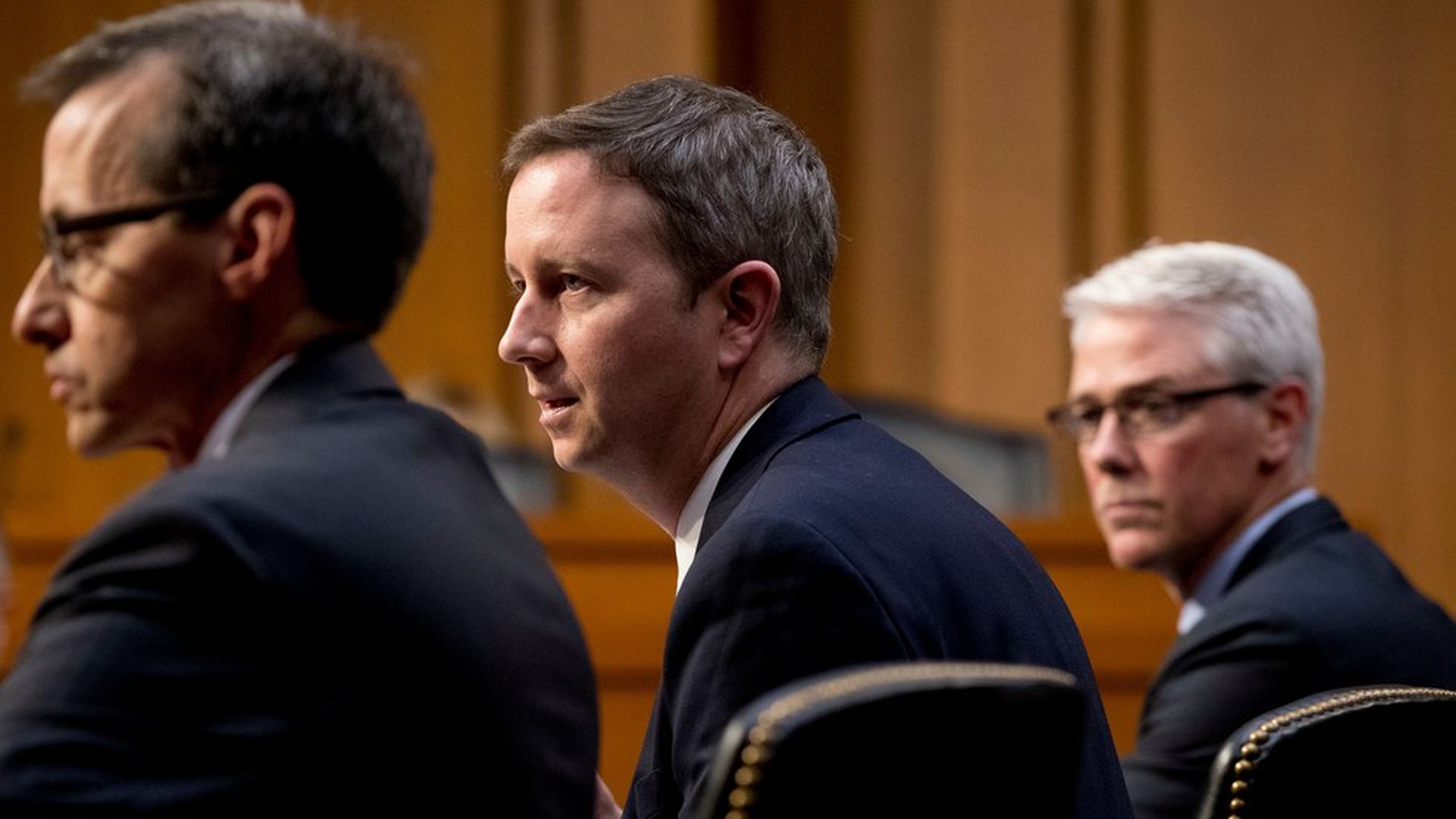
The head of Ukraine's presidential administration, Dmytro Shymkiv, told the Financial Times that his country's government warned Facebook and U.S. officials in 2015 that Russia was using "aggressive behavior" to spread disinformation on social media in an "information war." Shymkiv said Facebook's response was that they're an "open platform" that allows everyone to communicate.
Why it matters: The Ukrainian assertions suggest that Russian fake news was detected much earlier than the tech giants have so far let on. Axios reported yesterday that a former FBI agent had detected Russia's use of fake news and automated bots in 2014. The investigation into Russia's interference in the 2016 election and big tech's role has come to a head this week with interrogations of Google, Twitter and Facebook by both the House and Senate Intelligence Committees.
The questions left unanswered by Facebook, Google and Twitter
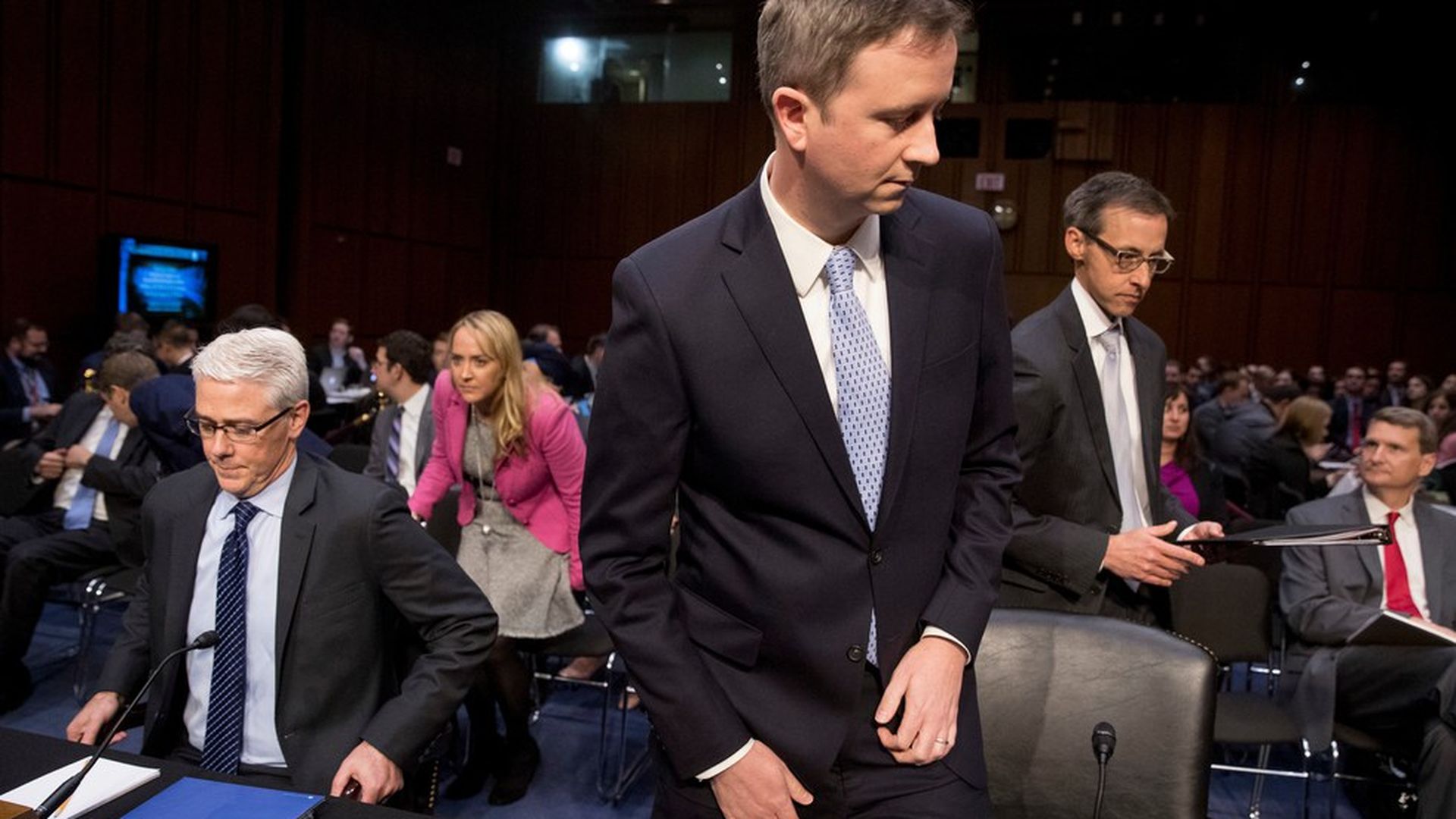
The top lawyers for Google, Twitter and Facebook spent more than two hours yesterday explaining how they are cracking down on malicious activity by foreign actors, but we walked away from the hearing with a few unanswered questions. The tech execs will have two more interrogations today by both the House and Senate Intelligence Committees.
What was the overall influence of this Russian campaign? This question is at the heart of the investigation into social media's impact on the election, and it was posed by Hawaii's Sen. Mazie Hirono. But Facebook's general counsel Colin Stretch said he wasn't able to make judgements on voters' motivations last November.

NYC attack suspect was an Uber driver

On Tuesday evening, Uber confirmed that Uzbekistan-born Sayfullo Habibullaevic Saipov, who allegedly mowed into bicyclists and pedestrians on a bike path in lower Manhattan, killing eight people, was indeed a driver for its ride-hailing service.
"We are horrified by this senseless act of violence," said an Uber spokesperson. "Our hearts are with the victims and their families. We have reached out to law enforcement to provide our full assistance."
Déjà vu: Similarly to a series of deadly shootings in Kalamazoo, Mich. last year by an Uber driver, the company is finding itself under the spotlight. In both cases, the drivers passed Uber's mandatory background check, which includes driving and criminal records over the past seven years, and had no prior safety reports from passengers that would have alerted Uber. The company has been criticized for years for not following in the footsteps of the taxi industry and mandating fingerprinting, though it argues that its own methods are more thorough.