Silicon Valley companies reached a compromise with lawmakers Friday over legislation that will make web platforms more liable in cases where they facilitate sex trafficking. "Important changes made to [Stop Enabling Sex Trafficking Act] will grant victims the ability to secure the justice they deserve, allow internet platforms to continue their work combating human trafficking, and protect good actors in the ecosystem," said Michael Beckerman, the president of the Internet Association, whose members include Google and Facebook.
The details: The lawmakers behind the bill said the changes clarify language that the companies worried would open them up to major liability. Those changes, however, won't change the law's scope, lawmakers said.
Broadcom is considering a bid for Qualcomm, Bloomberg reported Friday, in what would be the biggest ever takeover in the semiconductor industry.
The context: Broadcom announced yesterday it is moving its headquarters back to the U.S. Qualcomm, known for its cell phone chips, is engaged in a bitter legal dispute with Apple, one of its key customers. After a big gain this year, Broadcom's stock is now more valuable than Qualcomm's, which has dropped 15 percent.
Under pressure to be more transparent about its user rules, Twitter is updating its language to provide more detailed explanations of what users can and cannot do on the service.
Why it matters: The new language in Twitter's rules shows that the company is at least somewhat listening to feedback about making it easier for people to understand what is considered a violation. Updating its policies with more detail and nuance also gives Twitter stronger leverage to crack down on bad behavior on the social network.
For anyone not upgrading to the newest iPhone X which is available for purchase today, it's likely you'll start to notice or wonder why your older generation iPhone seems to have not been working as well lately.
The big picture: According to Google Trends data, every time Apple has released its newest iPhone or OS in the past, there have been significant spikes in searches for terms like “iPhone not working," “iPhone slow," and “iPhone problems."
Data: Google Trends; Chart: Andrew Witherspoon / Axios
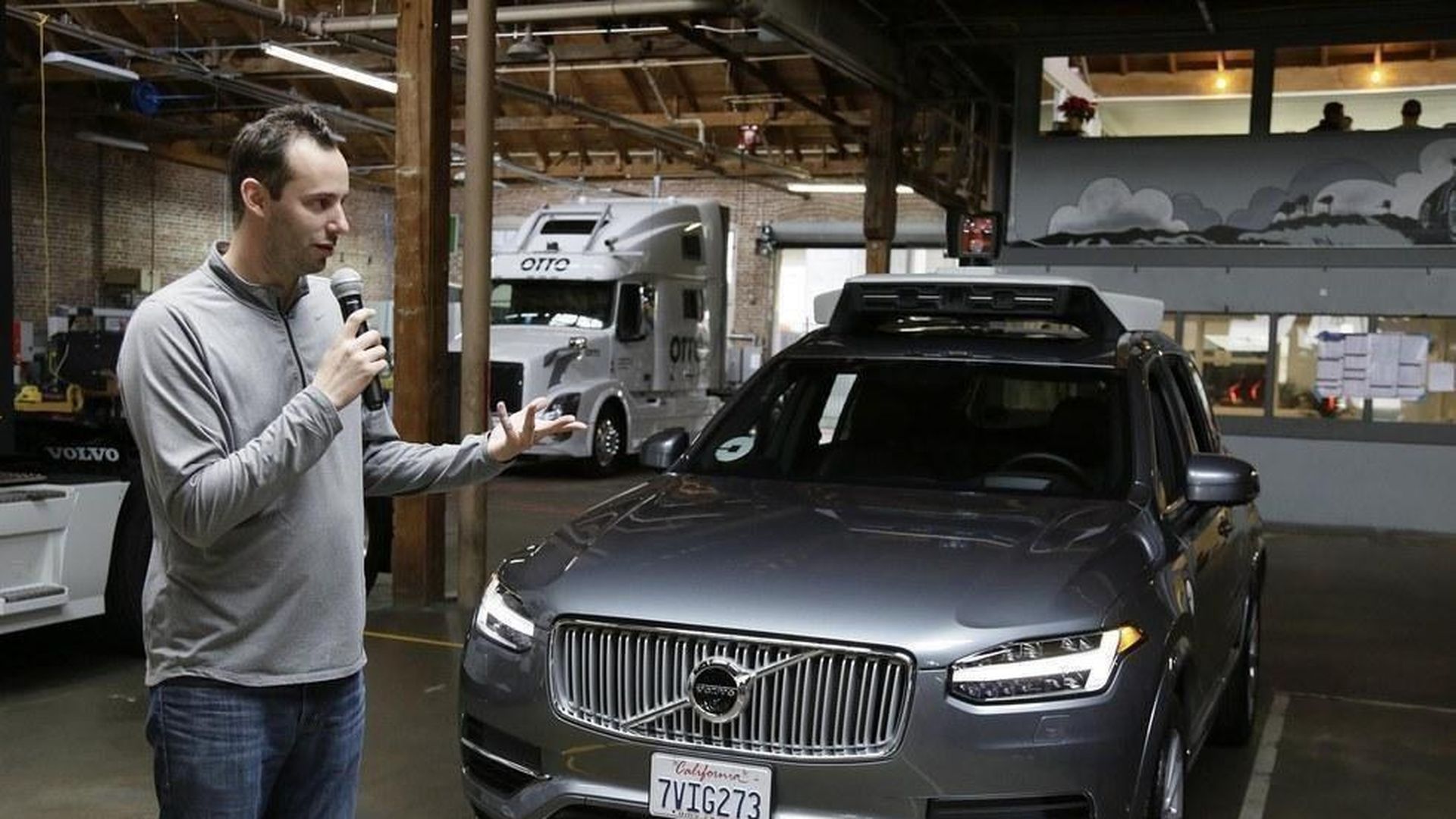
Just a month before the scheduled trial, the federal judge threw out on Thursday one of the trade secret claims in Waymo's lawsuit against Uber. He also dismissed Otto Trucking, the startup founded by the engineer at the center of the case, as a defendant, and threw out a technical analysis by one of Waymo's expert witnesses.
Between the lines: The dismissal of Otto Trucking is the latest instance of the judge's nudging Waymo to show it has a case against Uber, and not just against Otto Trucking co-founder Anthony Levandowski who is accused of downloading proprietary files. Waymo specifically didn't name Levandowski as a defendant as a way to keep the lawsuit out of arbitration, and the judge argued that it must now stick with this decision without trying to use Otto as a stand-in for him. His other decisions also show the judge's growing skepticism of Waymo's case.
Update: The judge has also ruled to exclude testimony from Waymo's financial damages expert, Michael Wagner.
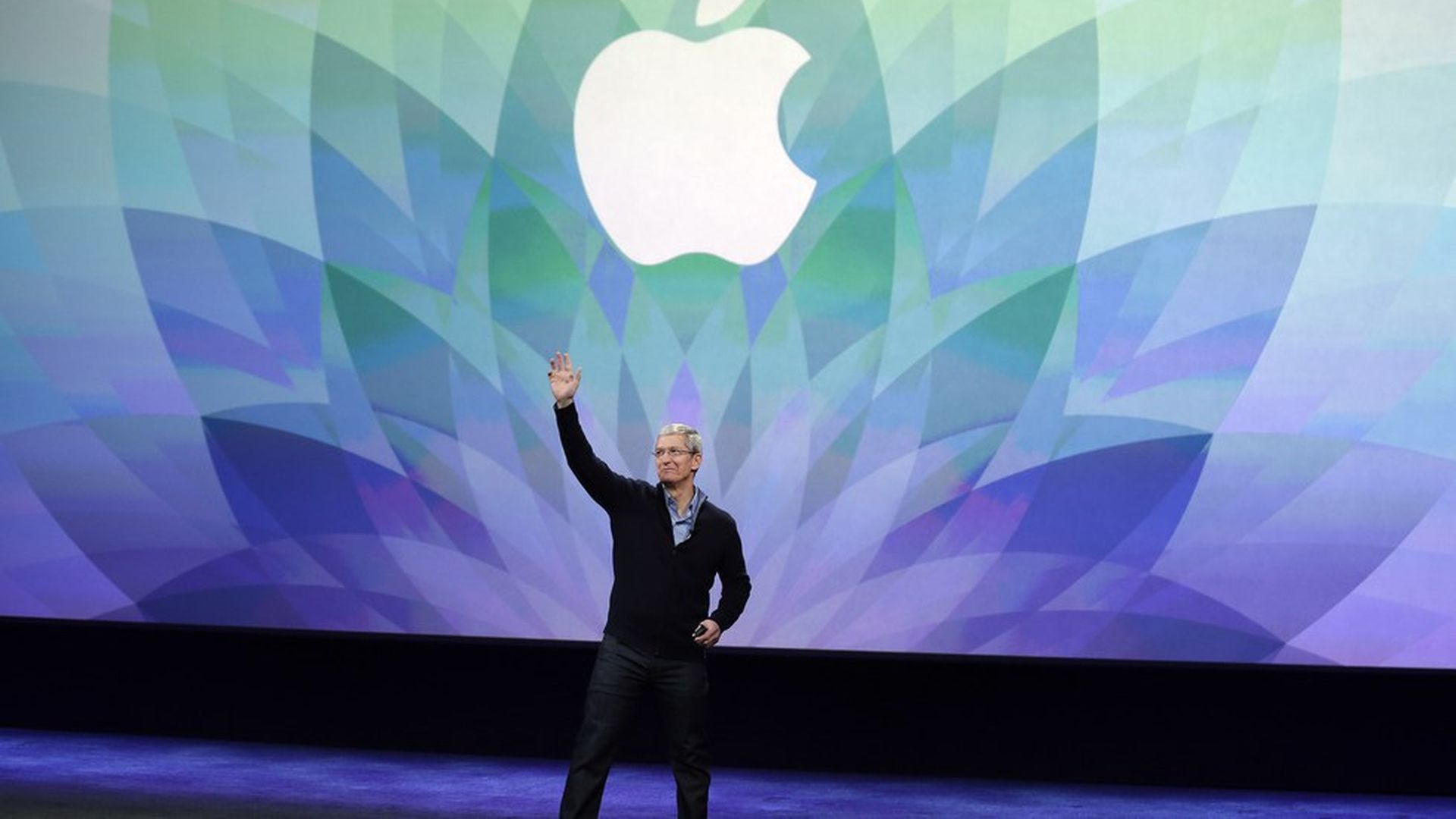
Apple CEO Tim Cook said Thursday that the ramp-up of iPhone 10 manufacturing is going well, but said he can't say when supply will match demand.
Why it matters: Cook's comments followed a strong earnings report and forecast of a record holiday quarter. The numbers, in particular, should go a long way to easing investor concerns and shares were up more than 3 percent in after-hours trading.
Apple on Thursday reported sales and earnings well ahead of projections and, importantly, also said holiday sales should be a record and ahead of many analysts' expectations. Its sales of 46.6 million iPhones last quarter came in about 500,000 units ahead of expectations.
Shares soared in after-hours trading to a new record, changing hands recently at $173.72, up $5.61, or more than 3%.
Why it matters: Going into the earnings report, there were concerns about both iPhone 8 demand and iPhone X supply. Thursday's report should go a long way toward answering those questions.
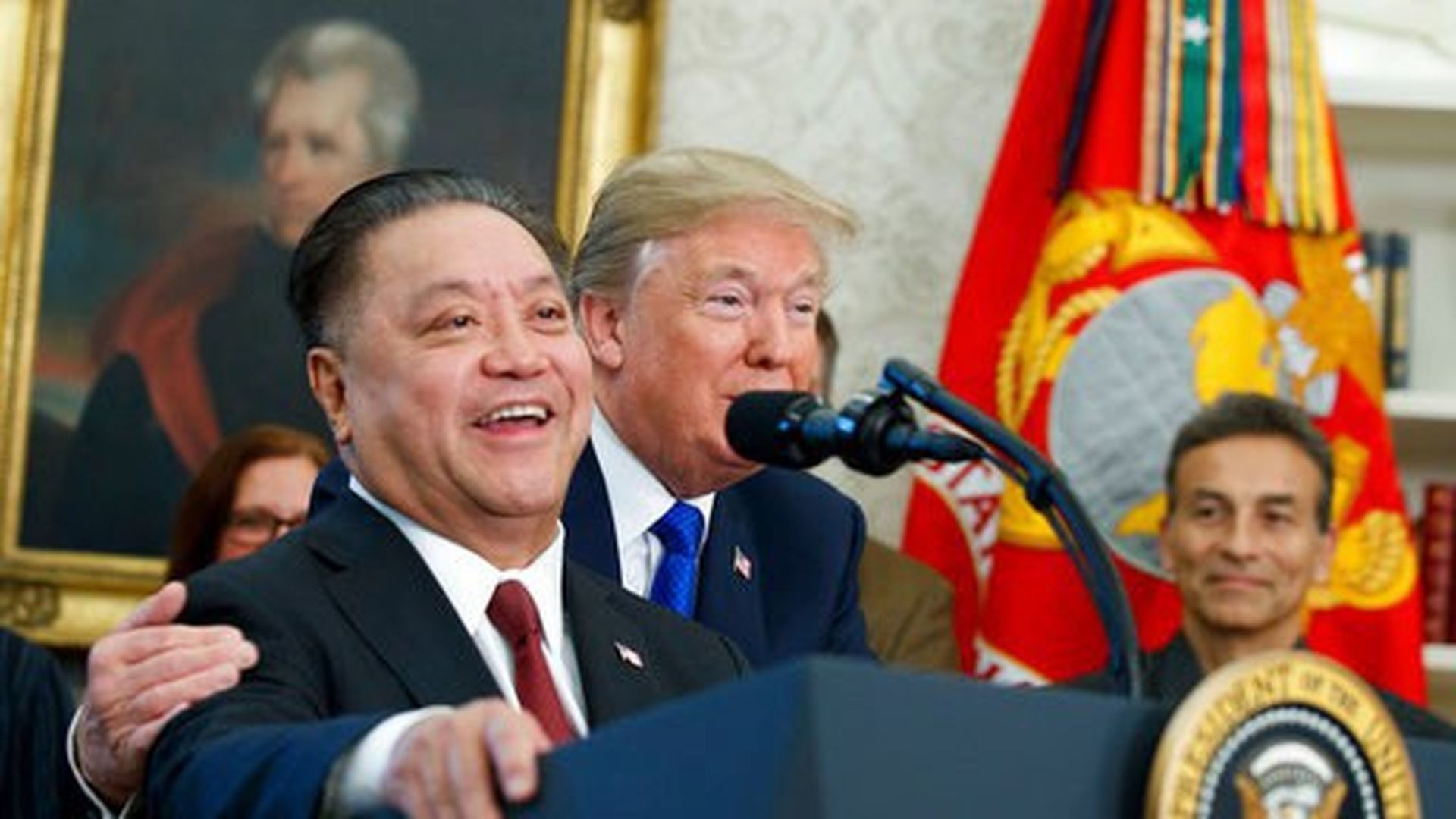
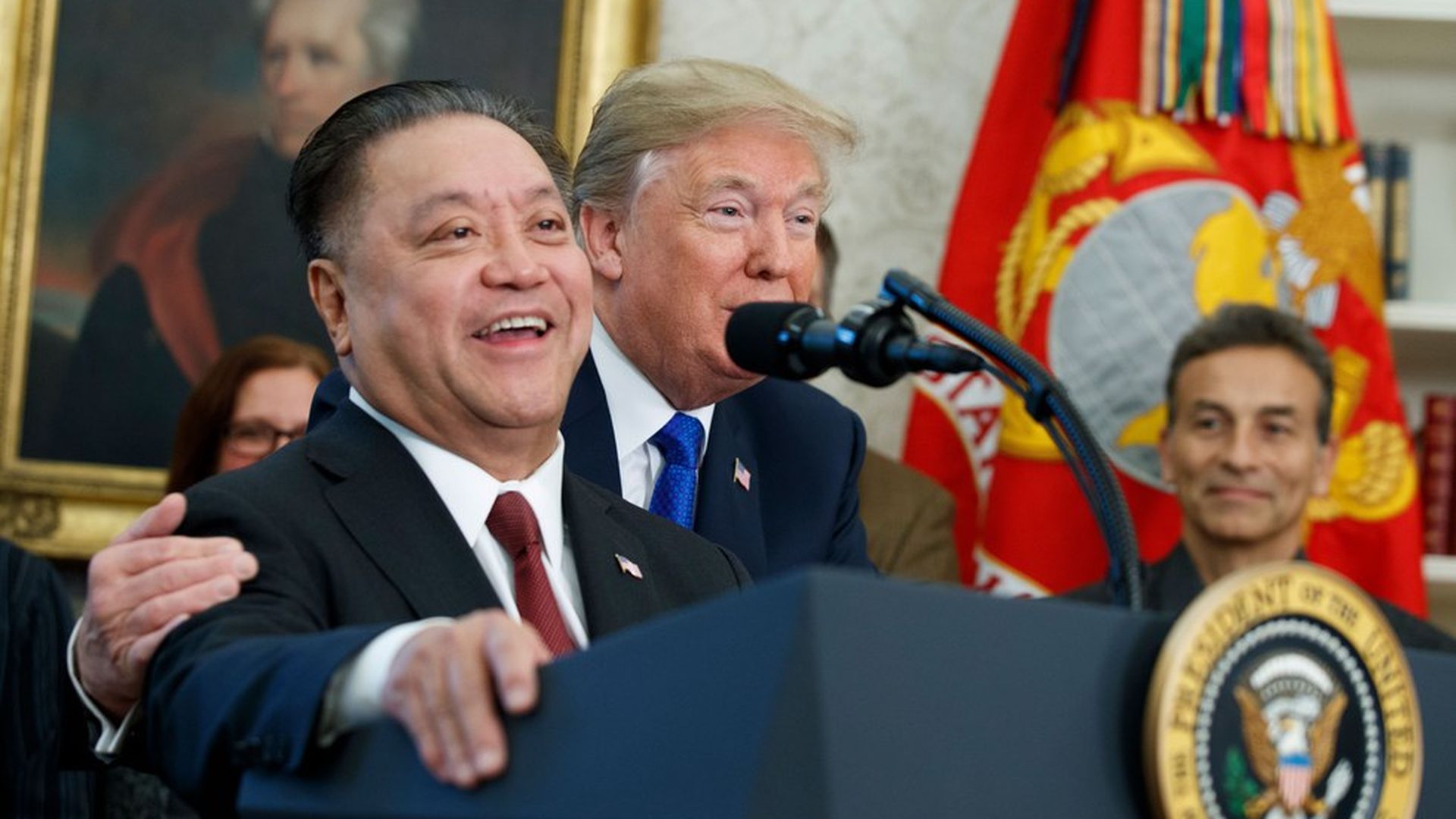
Singapore-based chip manufacturer Broadcom is moving operations back to the U.S., pending shareholder approval, President Trump announced Thursday. The company, whose corporate headquarters is in San Jose, said the newly released GOP tax reform proposal will make it easier to do business in the U.S., although it also said its move will happen even if the proposal doesn't pass.
Why it matters: Trump claimed credit for Broadcom's decision, saying in his Oval Office announcement that his administration is working to make the U.S. business climate attractive " so that more and more companies like Broadcom come back to our shores, grow their businesses and credit more and more American jobs."
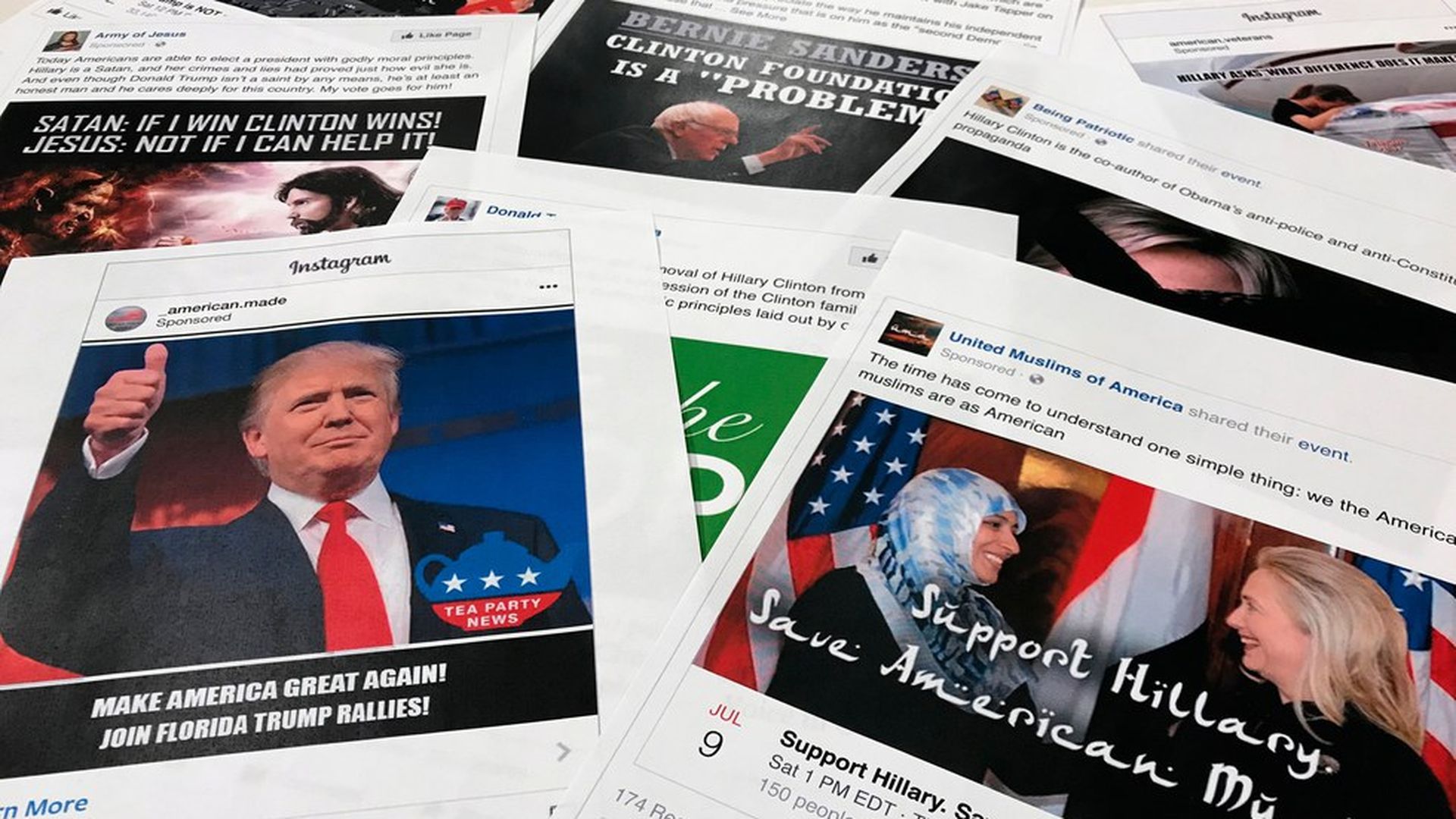
Two Russian-sponsored Facebook pages organized two rallies — one to "Stop Islamification of Texas" and the other to "Save Islamic Knowledge" — in front of the Islamic Da'wah Center of Houston at the same time last year, according to some of the 3,000 Russian-linked ads released by lawmakers Wednesday.
Why it matters: Russian actors used social media not just to meddle in the 2016 election, but to sow division. Facebook, Google and Twitter were all on Capitol Hill this week taking tough questions about how they let such activity occur, and how to prevent it in future.
The two big questions investors and analysts have going into Apple's earnings report later today are also the two things we predicted would be challenges ahead of this year's iPhone release:
How many iPhone Xs can Apple supply over the next few months?
Just how much will the high-end iPhone dent demand for the iPhone 8, which Apple is able to make in significantly greater quantity?
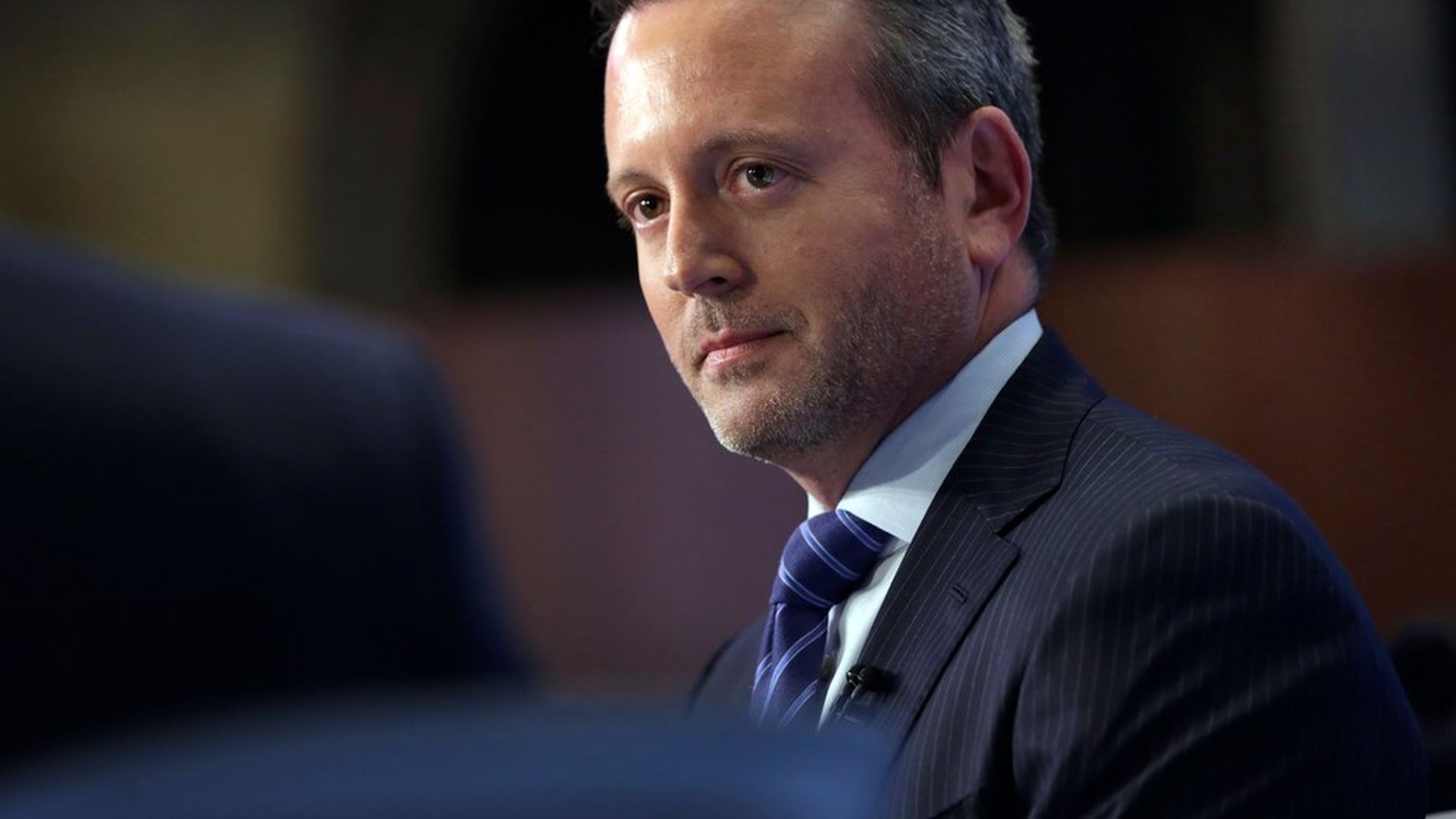
Pharmacies and pharmacy benefit managers are terrified about the prospect of Amazon getting into their business. But pharmaceutical companies are all for it, CNBC reports. "I think the drug distribution channel also should be disrupted with improvements based on technology or efficiency," Allergan CEO Brent Saunders told analysts yesterday, according to CNBC. "It's an area rife with inefficiency and a lot of turf," another pharma CEO said in the report. "It's overly complicated; that's the opportunity."
Between the lines: Drug companies are especially frustrated with pharmacy benefit managers, which function as intermediaries between manufacturers and pharmacies. Pharma companies complain that PBMs mark up their products without disclosing those costs, and cutting into PBMs' slice of the pie is pharma's preferred solution to the controversy over high drug prices.
Showing they plan to continue playing hardball with Big Tech, Democratic Senators Mark Warner (Va.) and Amy Klobuchar (Minn.) created a Facebook page for a fictional political group — Americans for Disclosure Solutions (ADS) — then paid to target the newsfeeds of thousands of journalists and Hill staffers.
Why it matters: A Warner aide tells me the senator was surprised that "there was literally no mechanism on [Facebook] for us to [prove] we were who we said we were," adding, "it was really easy for Russian operatives to use the same micro-targeting tools as they attempted to meddle in last fall's presidential election ... [Y]ou can see why this would be so appealing to the Russians."
Marathon congressional hearings on Russian election interference and social media left execs from Facebook, Google and Twitter badly bruised and with a new view of just how mad Washington is about their handling of content aiming to divide Americans.
The big takeaway: Lawmakers' rebukes went far beyond the companies' responses to Russia's interference. They also repeatedly revealed a discomfort with the size, power and limited accountability of the large web platforms.