Silicon Valley companies reached a compromise with lawmakers Friday over legislation that will make web platforms more liable in cases where they facilitate sex trafficking. "Important changes made to [Stop Enabling Sex Trafficking Act] will grant victims the ability to secure the justice they deserve, allow internet platforms to continue their work combating human trafficking, and protect good actors in the ecosystem," said Michael Beckerman, the president of the Internet Association, whose members include Google and Facebook.
The details: The lawmakers behind the bill said the changes clarify language that the companies worried would open them up to major liability. Those changes, however, won't change the law's scope, lawmakers said.
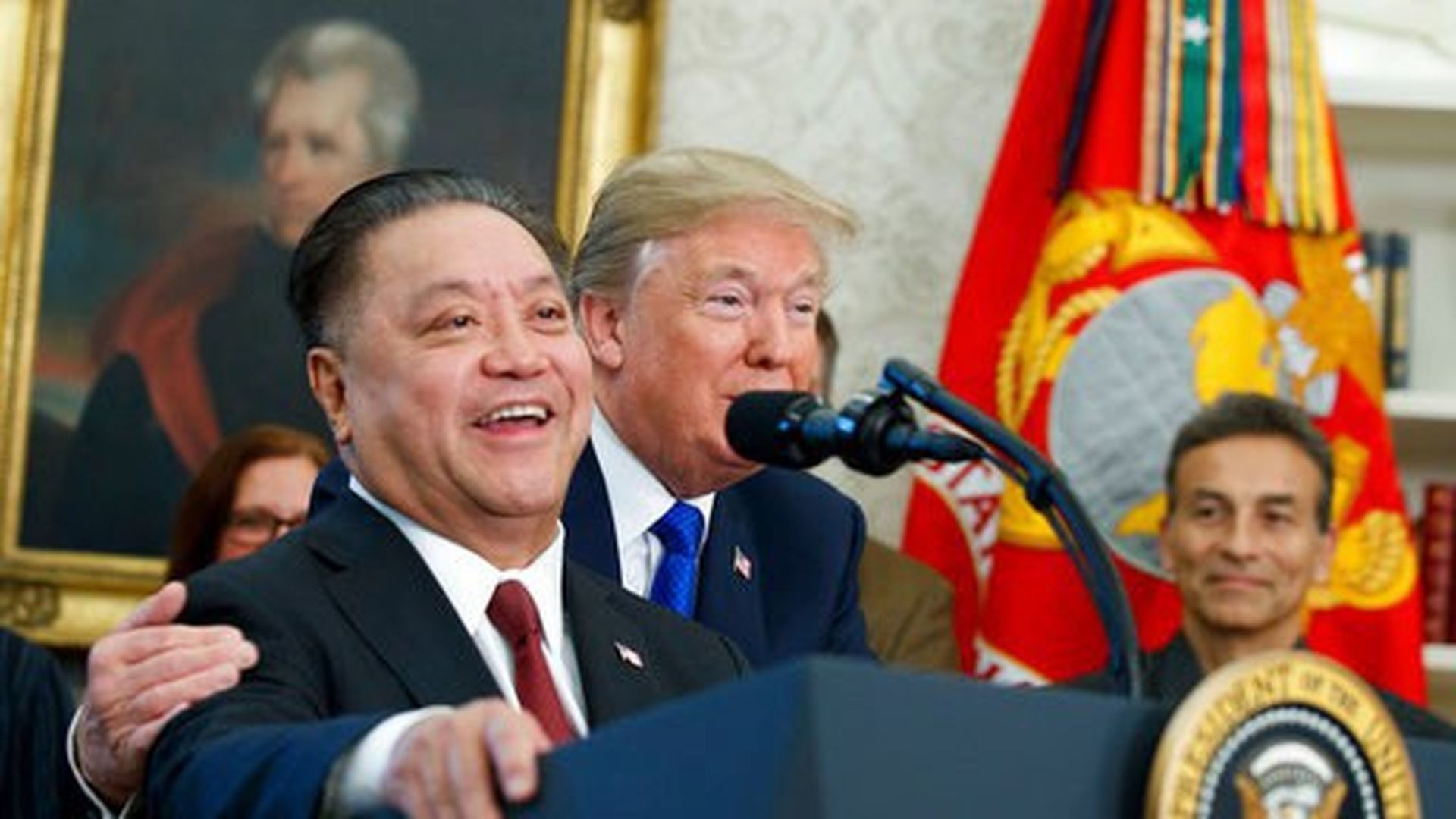
Broadcom is considering a bid for Qualcomm, Bloomberg reported Friday, in what would be the biggest ever takeover in the semiconductor industry.
The context: Broadcom announced yesterday it is moving its headquarters back to the U.S. Qualcomm, known for its cell phone chips, is engaged in a bitter legal dispute with Apple, one of its key customers. After a big gain this year, Broadcom's stock is now more valuable than Qualcomm's, which has dropped 15 percent.
Under pressure to be more transparent about its user rules, Twitter is updating its language to provide more detailed explanations of what users can and cannot do on the service.
Why it matters: The new language in Twitter's rules shows that the company is at least somewhat listening to feedback about making it easier for people to understand what is considered a violation. Updating its policies with more detail and nuance also gives Twitter stronger leverage to crack down on bad behavior on the social network.
For anyone not upgrading to the newest iPhone X which is available for purchase today, it's likely you'll start to notice or wonder why your older generation iPhone seems to have not been working as well lately.
The big picture: According to Google Trends data, every time Apple has released its newest iPhone or OS in the past, there have been significant spikes in searches for terms like “iPhone not working," “iPhone slow," and “iPhone problems."
Data: Google Trends; Chart: Andrew Witherspoon / Axios
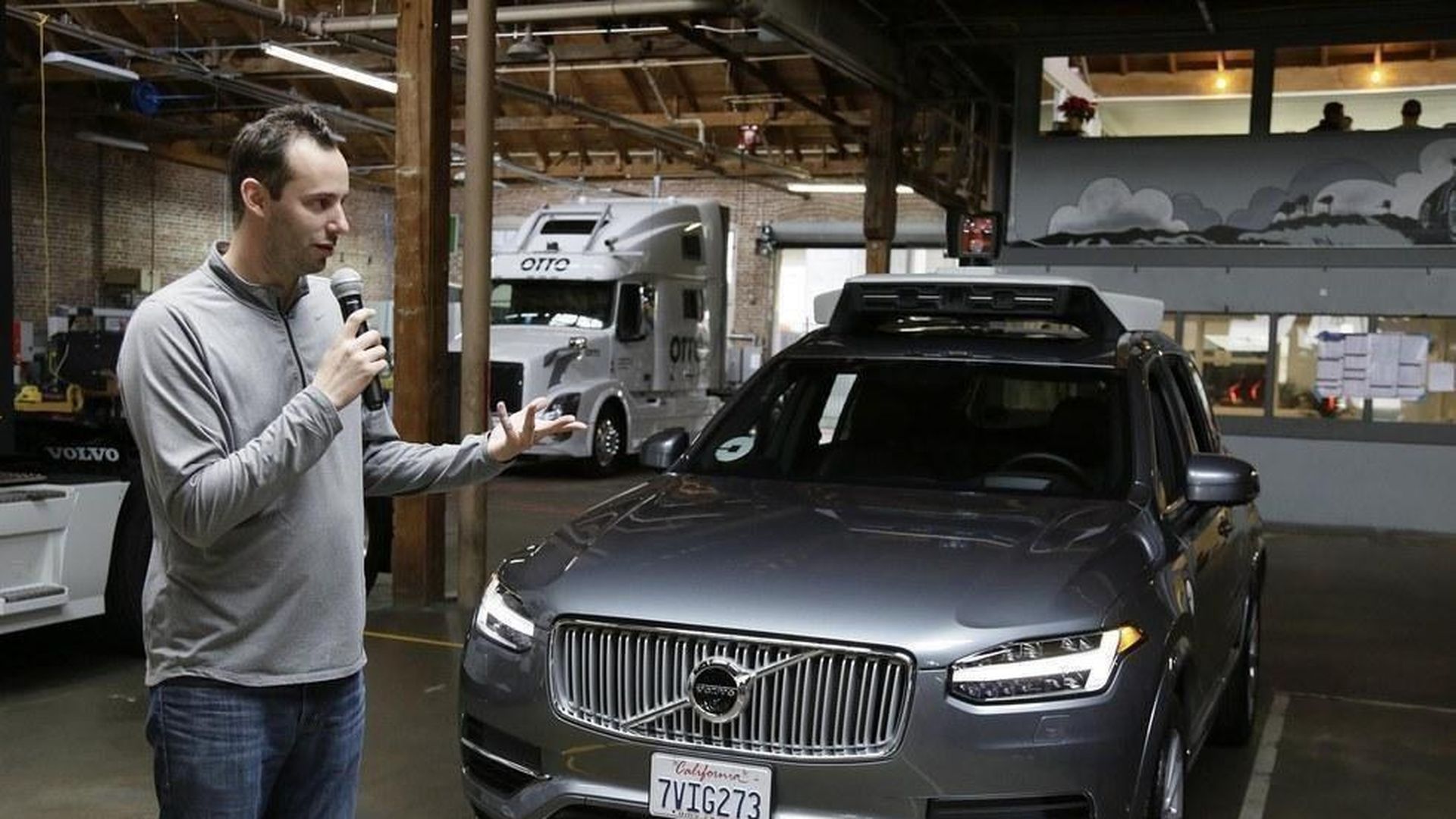
Just a month before the scheduled trial, the federal judge threw out on Thursday one of the trade secret claims in Waymo's lawsuit against Uber. He also dismissed Otto Trucking, the startup founded by the engineer at the center of the case, as a defendant, and threw out a technical analysis by one of Waymo's expert witnesses.
Between the lines: The dismissal of Otto Trucking is the latest instance of the judge's nudging Waymo to show it has a case against Uber, and not just against Otto Trucking co-founder Anthony Levandowski who is accused of downloading proprietary files. Waymo specifically didn't name Levandowski as a defendant as a way to keep the lawsuit out of arbitration, and the judge argued that it must now stick with this decision without trying to use Otto as a stand-in for him. His other decisions also show the judge's growing skepticism of Waymo's case.
Update: The judge has also ruled to exclude testimony from Waymo's financial damages expert, Michael Wagner.