Tuesday's technology stories

Ex-Yahoo CEO Marissa Mayer defends Uber's Travis Kalanick
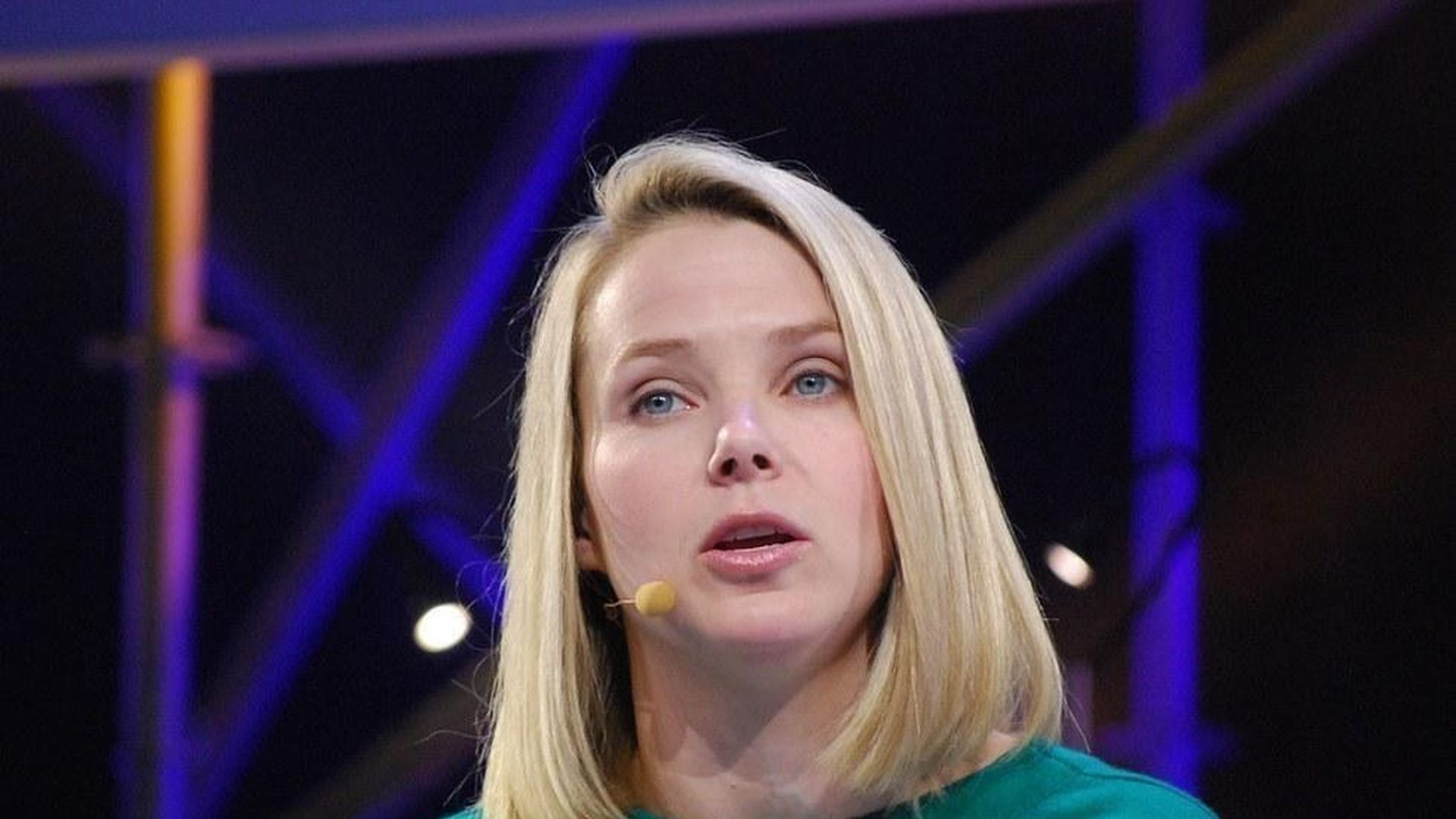
Former Yahoo CEO Marissa Mayer is giving Travis Kalanick, who recently resigned as CEO of Uber, a pass on his company's workplace issues.
"I just don't think he knew," she said on Tuesday, speaking at the Stanford Directors' College, according to the SF Chronicle. "When your company scales that quickly, it's hard," she added, also mentioning that she's friends with Kalanick. In March, Airbnb CEO Brian Chesky also offered words of support for Kalanick.
Our thought bubble: Kalanick may not have been completely ignorant of his company's culture:
- He sent a memo in 2013 ahead of a company retreat bemoaning his inability to have sexual relations with his employees.
- At similar company trip to Vegas in 2015 a manager groped female employees, resulting in his firing.
- On a trip to South Korea in 2014 a group of employees, including Kalanick, went to an escort bar, prompting a female employee to tell HR it made her uncomfortable.

Lawmakers want to move fast on self-driving car legislation
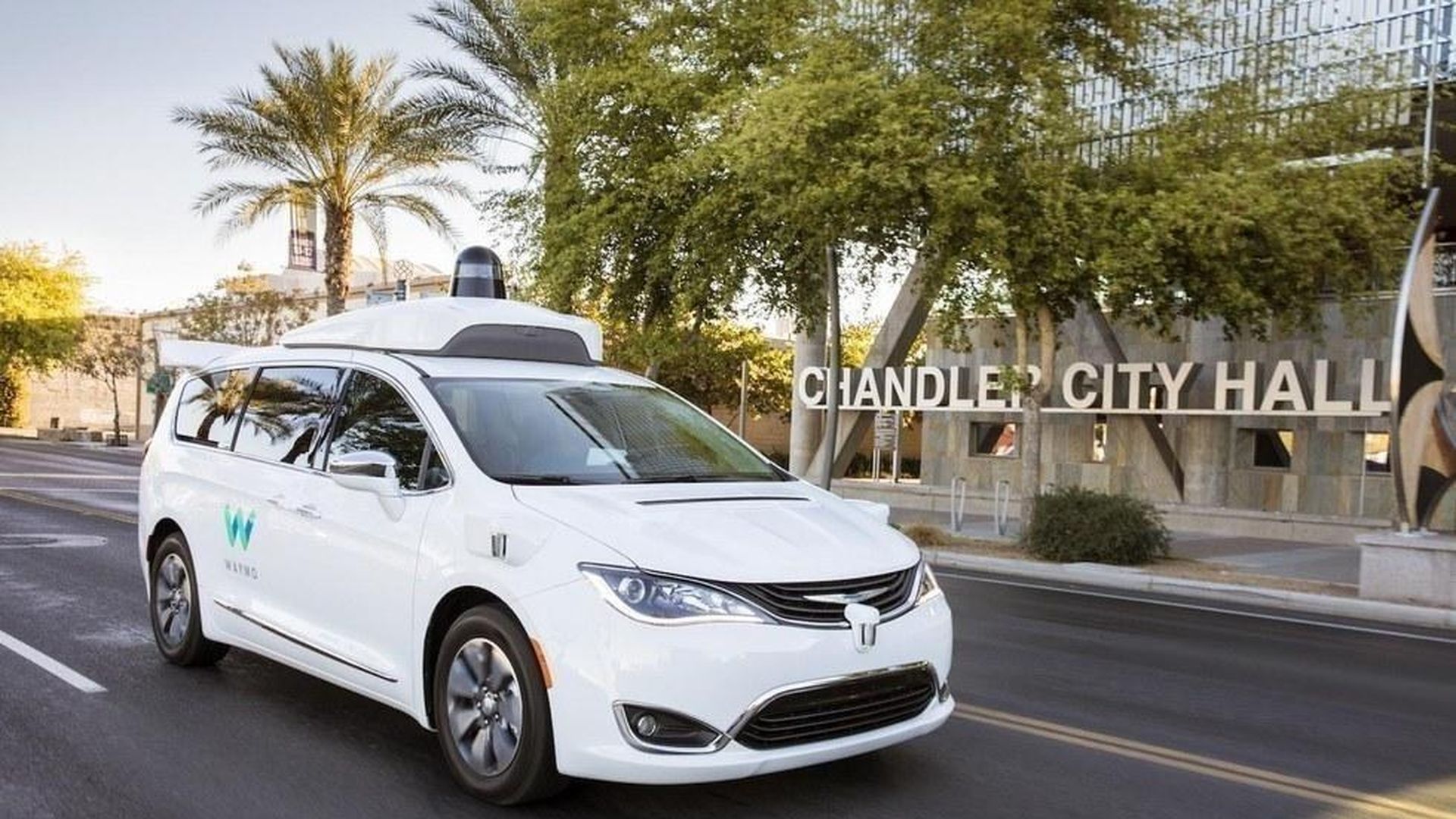
Members of Congress said Tuesday that they hope to move forward with a package of self-driving car legislation by the end of July. "We've got to keep moving, because again, this technology is moving away from us, you might say," said Republican Bob Latta, who is helping to lead the effort. That would move the bills out of the relevant committee — but not out of the House entirely.
But, but, but: At a hearing on Tuesday, Frank Pallone, the top Democrat on the committee, said he feels the role of the National Highway Traffic Safety Administration doesn't get enough attention in the legislation, which could open the door to more industry testing.
Sound smart: Self-driving car makers from the Valley to Detroit want the federal government to provide a national framework to avoid a patchwork of laws that differ from state to state. But whether enough members of Congress have the bandwidth or willingness to act remains an open question.
Facebook now has 2 billion users
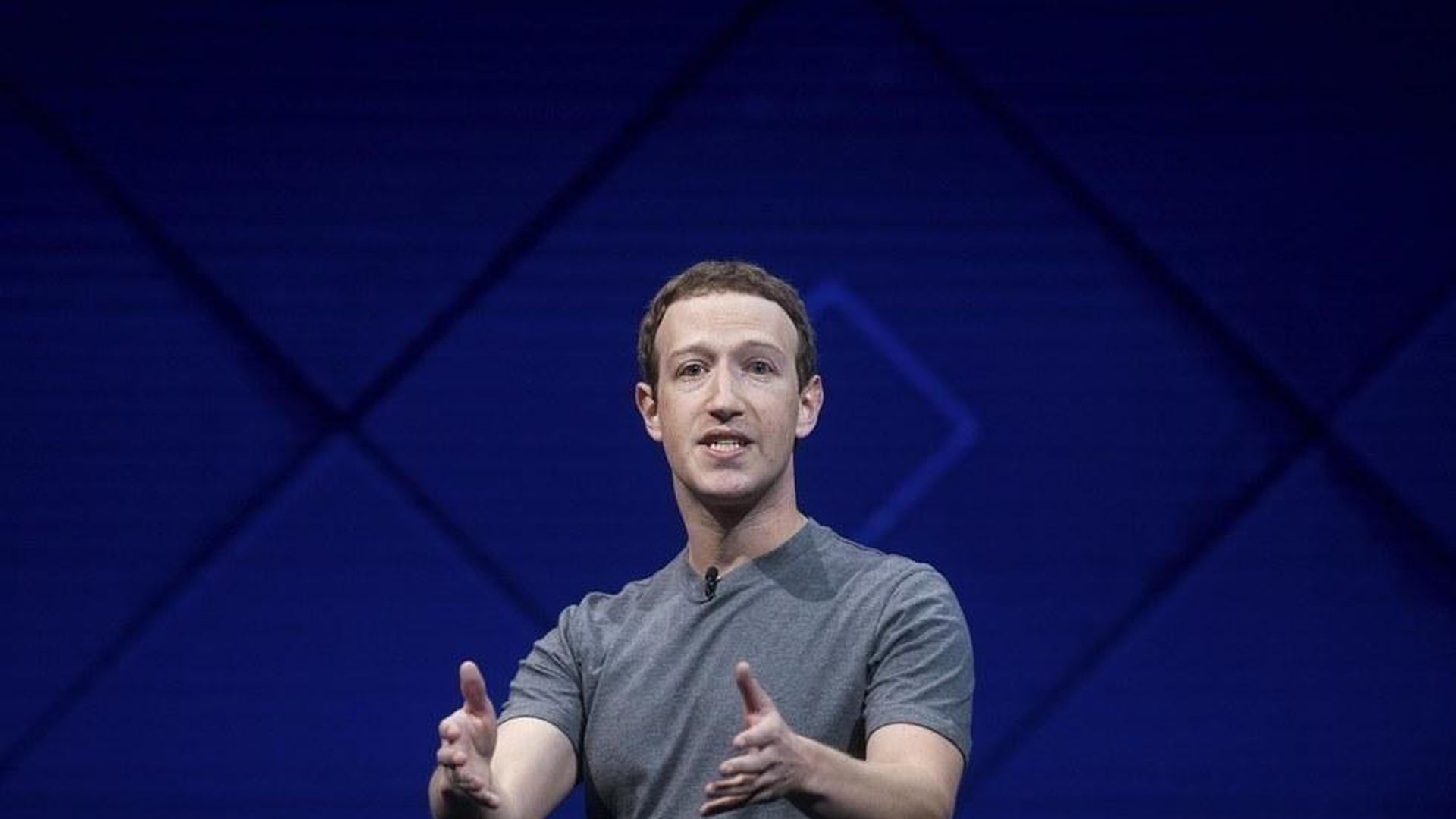
Social networking behemoth Facebook said it has reached a new milestone: 2 billion monthly active users.
Notable: Just last year, there were no Internet services or platforms with this many users, as VentureBeat's Emil Protalinski points out.
To put the number in context, 2 billion is:
- The same number of users as Android
- About two thirds of the world's internet-connected population
- More than a quarter of the world's population
- More than six times the U.S. population
Why it matters: Facebook users are very engaged, particularly on mobile, giving the platform major dominance (along with Google) in online advertising. But as companies grow in size and power, targets are often painted on their backs. In Europe, regulators are increasing scrutiny, and today hit Google with a record fine for what they see as anticompetitive behavior.

Twitter hires new VP of Diversity and Inclusion
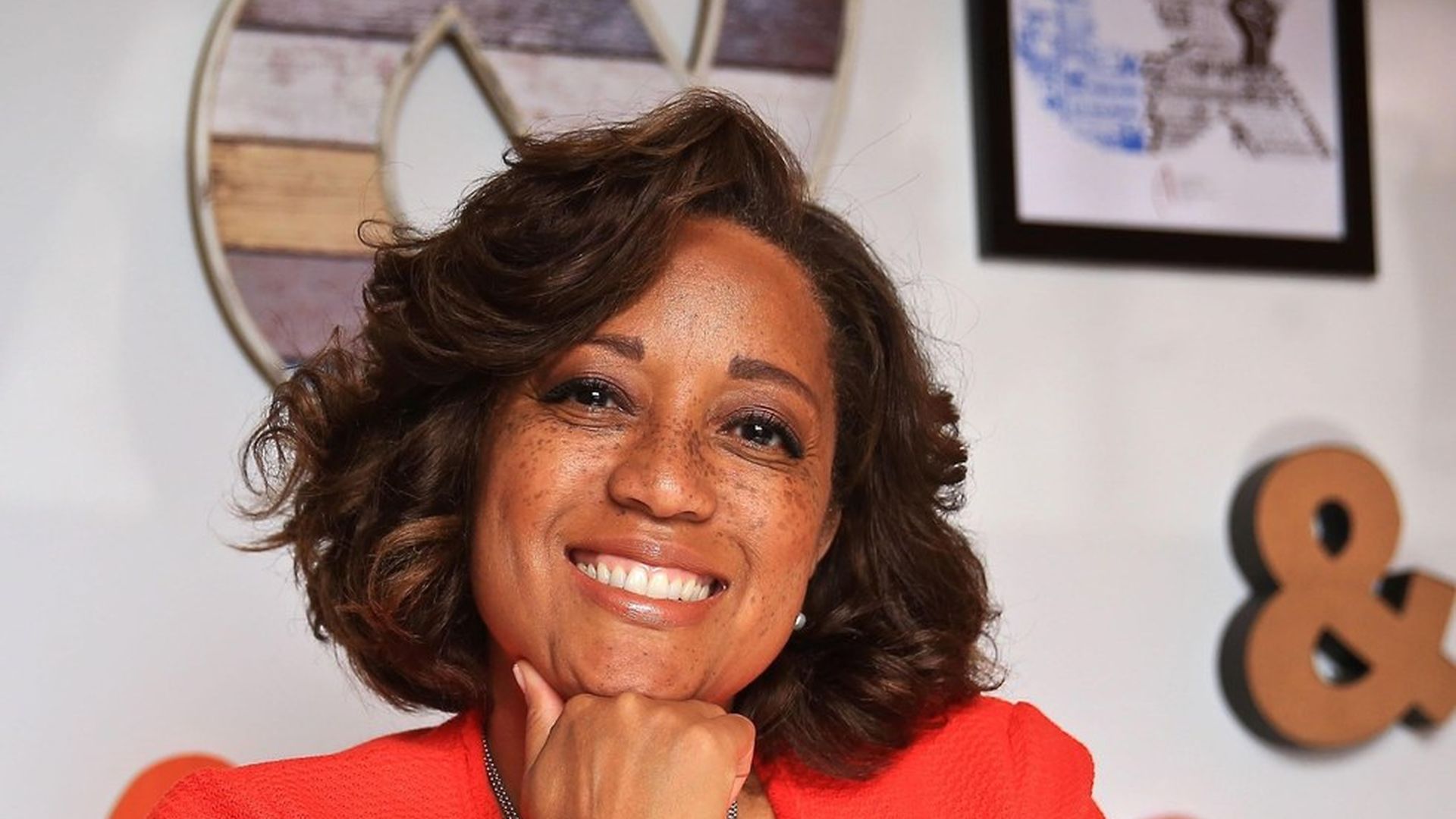
Twitter has hired Candi Castleberry Singleton as VP of diversity and inclusion, filling a spot that has been vacant since Jeffrey Siminoff left earlier this year.
In her past work, Castleberry Singleton has worked with a range of companies on inclusion efforts, including Walgreens, University Pittsburgh Medical Center, Motorola, and Sun Microsystems.
The backstory: Twitter had been criticized by some for having Siminoff, a white male, as head of its diversity efforts. Twitter, like most big tech companies, has struggled to hire and retain women and people of color.
Autonomous driving startup Drive.ai raises $50 million
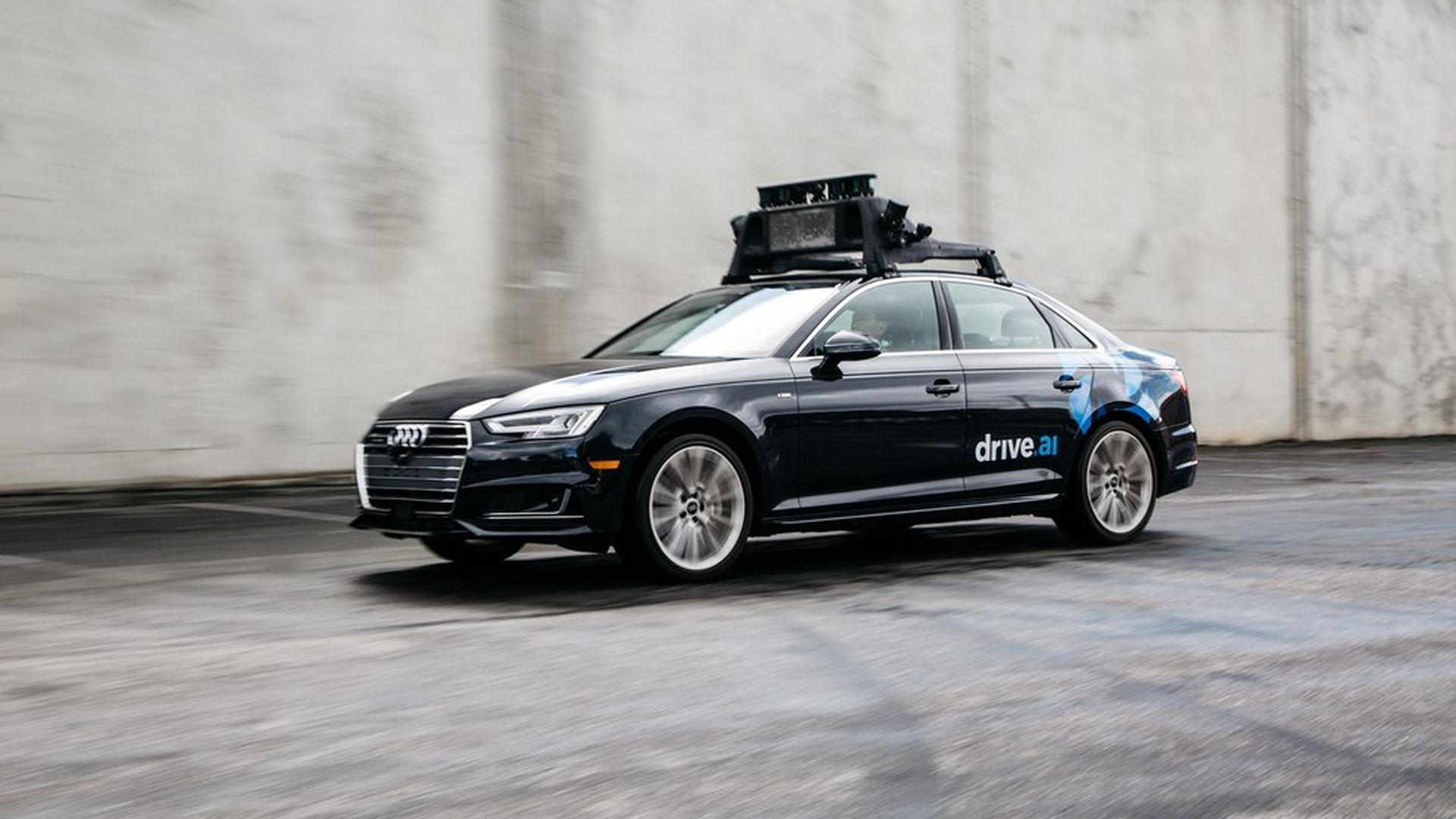
Drive.ai, a self-driving car startup founded by former Stanford artificial intelligence researchers, has raised $50 million in Series B funding.
A.I. celeb: The company is also adding Andrew Ng, one of the best known deep learning experts in the world, to its board of directors. Ng founded the Google Brain division, online education company Coursera, and most recently worked at Chinese Internet giant Baidu as its chief scientist. Ng is married to Drive.ai co-founder and president Carol Reiley.
Approach: Drive.ai is banking on the application of deep learning—a subset of artificial intelligence—to all parts of autonomous driving software. Instead of simply teaching the car's software sets of "if/then" rules, the company is using techniques to teach it how to recognize objects, what's right and what's wrong, what's safe, and so on.


EU slaps Google with massive $2.7 billion fine
European antitrust officials slapped Google with a massive $2.7 billion fine on Tuesday for abusing its search practices, more than double what was expected.
This has been a long time coming: smaller firms like Yelp and have spent several years lobbying the EU to act as U.S. regulators have been reluctant to take on Google.
In a statement, competition regulators say Google has abused its market dominance as a search engine to steer customers to its own Google Shopping platform. The company has 90 days to pay up or will face penalty payments of up to 5% of the average daily worldwide turnover of Alphabet (Google's parent company). Google says they think the EU undervalues Google's shopping and search experience for consumers, arguing that its success doesn't mean it favors itself — "it's the result of hard work and constant innovation."
Why it matters: In Europe, the tech titans are facing rising scrutiny: European regulators — whose countries have lost the game of tech, pipes and content — are getting aggressive in trying to constrain the behemoths. The latest penalty represents rising tensions between E.U. regulators and U.S. tech giants. The fine, while much larger than expected, won't make that much of a dent in Google's bank account. The bigger concern for Google is that the EU regulators' aggressive move will nudge U.S. counterparts to take a closer look at industry dynamics and whether the dominant tech firms use their growing troves of data and increasingly sophisticated algorithms to skew competition more broadly. A strong rebuke from Brussels will be noticed by influential Trump administration officials who are already interested in reigning in the power of tech giants like Google.
What's next: Google said it's reviewing the decision and considering an appeal.
Facebook, Microsoft and YouTube form counter-terror group
Facebook, Twitter, Microsoft and Google's YouTube will be involved in a new coalition aimed at making the companies' "hosted consumer services hostile to terrorists and violent extremists," in the words of YouTube's blog post on the matter. The group has been dubbed the Global Internet Forum to Counter Terrorism.
What it will do: The companies will share information with outside groups, work on technology to address extremism and "commission research to inform our counter-speech efforts and guide future technical and policy decisions around the removal of terrorist content."
Why it matters: Online platforms are under increasing pressure from governments — particularly in Europe — which think they should do more to crack down on terrorist content they host. Platform companies have long resisted being held legally liable for what users do.

China's 'big brother' reality
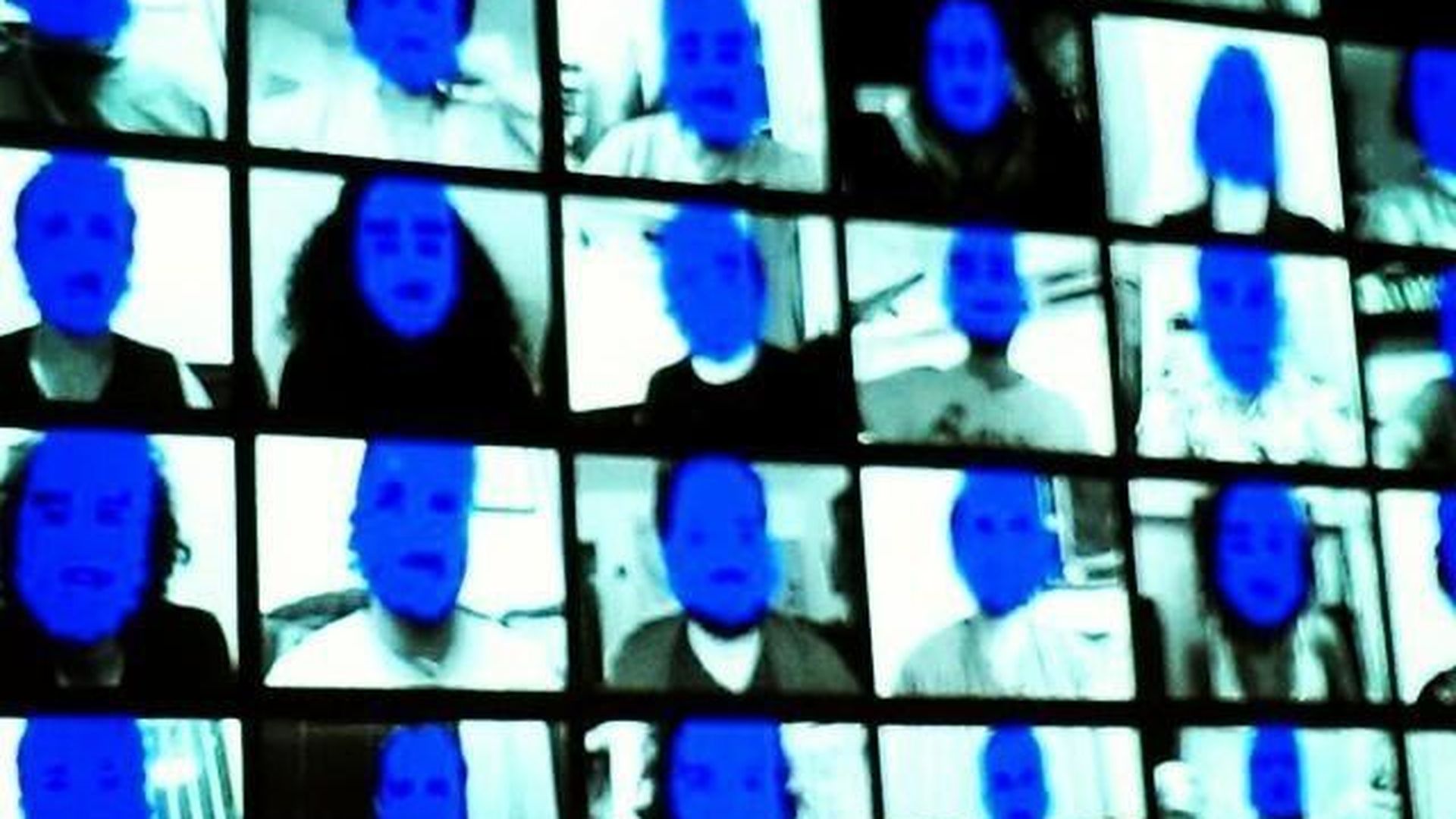
The Chinese government is using facial-recognition technology to help promote good behavior and catch lawbreakers — even jaywalkers, according to the Wall Street Journal. Facial recognition is used to enter buildings, withdraw cash from ATMs and prevent cheating during competitions.
Big picture, big brother: China is installing iris scanners at check points throughout the country. The government already monitors social media, and there are plans to institute a national "social credit" system by 2020, which would give citizens ratings based on how they act at work, in public settings and financially. There are 176 million surveillance cameras in China, compared to 50 million in the U.S..
The tech: Chinese tech firms are competing to create surveillance systems to sell to the government. As artificial intelligence technologies advance, so does facial-recognition.
In the U.S., the FBI uses facial recognition to help catch suspects and the DHS is starting to use it in airports to keep track of foreign visitors. Other U.S. companies are using facial recognition in pilot programs.
Apple confirms it has bought a small German computer vision company

Apple has quietly bought SensoMotoric Instruments, a German maker of eye-tracking glasses.
The deal was first reported by MacRumors, and Apple essentially confirmed the deal, offering the standard statement it gives when it buys companies. Founded in 1991, SMI does work in mobile eye tracking as well as for augmented and virtual reality, according to its website.
"Apple buys smaller technology companies from time to time, and we generally do not discuss our purpose or plans," an Apple representative said in a statement to Axios.
Why it matters: The deal could help Apple with its efforts in augmented and virtual reality. The company is building augmented reality tools for developers into iOS 11, the next version of the iPhone and iPad operating system.
Apple releases public test of iOS 11, with biggest changes for iPad
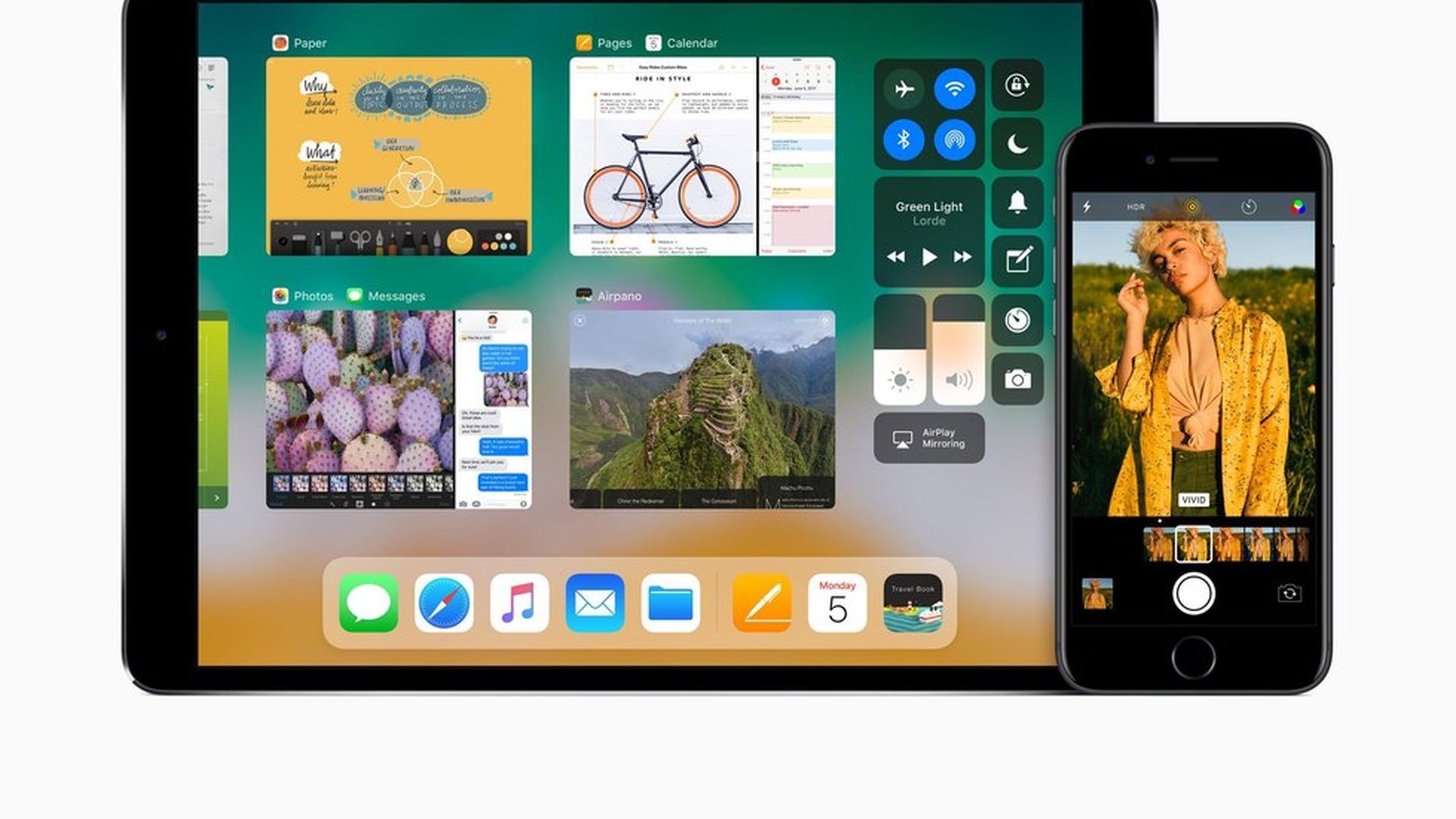
Apple on Monday is releasing a public beta of iOS 11, the update to the iPhone/iPad operating system it previewed earlier this month.
Our take: Admittedly, we've only been testing the software for a couple days on a couple of devices, but iOS 11 seems stable enough for everyday use (though as with any beta software, people are cautioned not to use it on their primary device.) We've been using it on an iPhone 7 and it has been crash-free and all our apps have worked fine.
Apple leased six cars from Hertz, but investors go bananas
Shares of Hertz soared after Bloomberg reported that it had leased cars to Apple for its self-driving car effort. The stock was recently trading at 10.96, up $1.42, or nearly 15 percent.
However, there isn't a big collaboration here and a source says Apple has only leased six cars from the Hertz fleet-management unit. The report followed an earlier — and more consequential — leasing deal between Alphabet's Waymo and Avis.
The context: Apple has said it is exploring self-driving cars and has filed paperwork for test vehicles in California. And those vehicles had to come from somewhere since Apple has said it isn't building its own.
Uber reassures D.C. partners after Kalanick's exit
Uber is quietly reassuring some its Washington partners that the departure of CEO Travis Kalanick doesn't change its policy work, particularly on criminal justice reform.
The details: Malcolm Glenn, who manages outreach to external groups for the company, according to his LinkedIn, wrote in a message received by outside groups that Uber is still committed to its work on criminal justice reform, which has included fighting background check regimes that the company sees as burdensome and advocates say enables discrimination.
Why it matters: Uber has been grappling with allegations that its workplace culture is rife with sexism and harassment, which ultimately resulted in Kalanick's resignation. Glenn's message shows how the scandals at the company have rippled out to Washington, where the company has built up significant relationships in recent years.
Waymo and Avis team up on self-driving cars
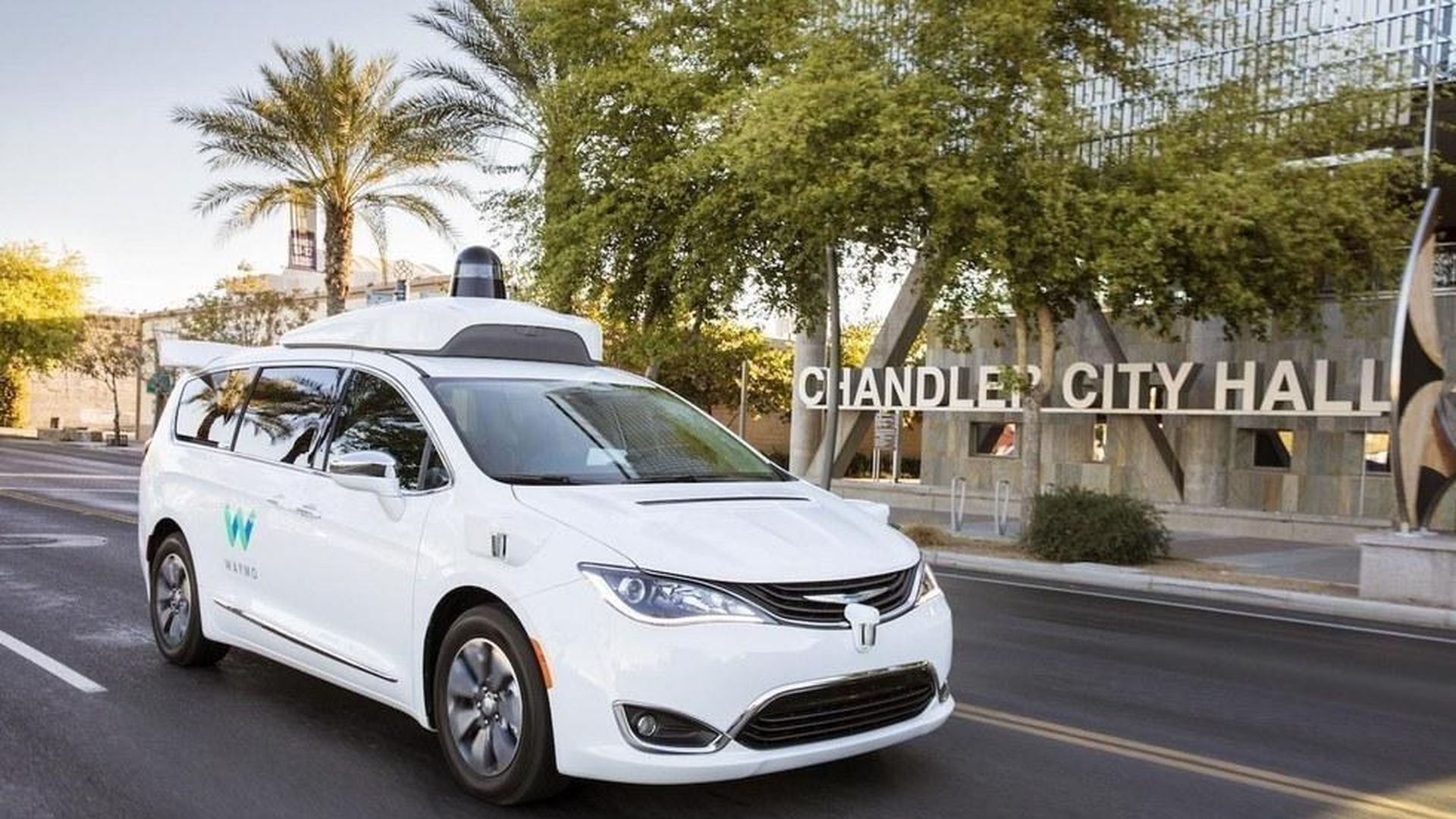
Waymo is expanding its self-driving car fleet with a partnership with Avis Budget Group, which will provide maintenance services for Waymo cars at Avis and Budget car rental locations.
Reaching more "drivers": By partnering with a rental car company with thousands of locations, Waymo can get more people to experiment with its self-driving car technology. For Avis Budget Group, the partnership allows technicians to get hands-on experience servicing driverless vehicles, and also helping to offset declining rental car business. Avis also owns on-demand rental car service Zipcar, a relationship that could later help Waymo expand its technologies to a broader network of customers.
Where: Waymo has a public trial of its self-driving cars in Phoenix, Arizona, and recently announced it is adding Chrysler Pacifica minivans to build a 600-vehicle fleet. Avis will retrofit select facilities in Phoenix to house the minivans, Bloomberg reported.

Google replaces Gchat with Hangouts today
The day dreaded by stubborn office workers around the country has finally arrived. At some point today, Google will replace its Google Talk feature in Gmail — known colloquially to most of the world as Gchat — with Google Hangouts.
- The reasoning: Google's announcement of the switch back in March touts Hangouts' better features and integration with other Google products over the barebones Gchat, which launched way back in 2005.
- Why it matters: Google's never really made much of a splash in social media — remember Wave? — so, as the company tries to position Hangouts as a business alternative to Slack or a social alternative to Facebook Messenger, it makes sense to force its core group of Gchat users to switch.
- Why it (really) matters: Look only to the elegiac think pieces on Gchat's death over the past few months to understand why a relatively featureless text chat matters to so many people.
Tensions rise between E.U. regulators and U.S. tech giants

European antitrust officials plan to slap a €1 billion fine on Google for abusing its search practices, the FT reports. Competition regulators say Google unfairly used its search dominance to steer customers to its own Google Shopping platform. The final decision is expected to be announced Wednesday, in what will undoubtedly strain tensions between Europe and Silicon Valley.
Why it matters: The Europeans don't share America's romantic view of Google, Facebook and other tech giants and are aggressively trying to highlight and restrain their market dominance, a move some White House officials such as Steve Bannon are watching closely as they debate future U.S. action.

Trump’s accusation: Obama "colluded or obstructed”
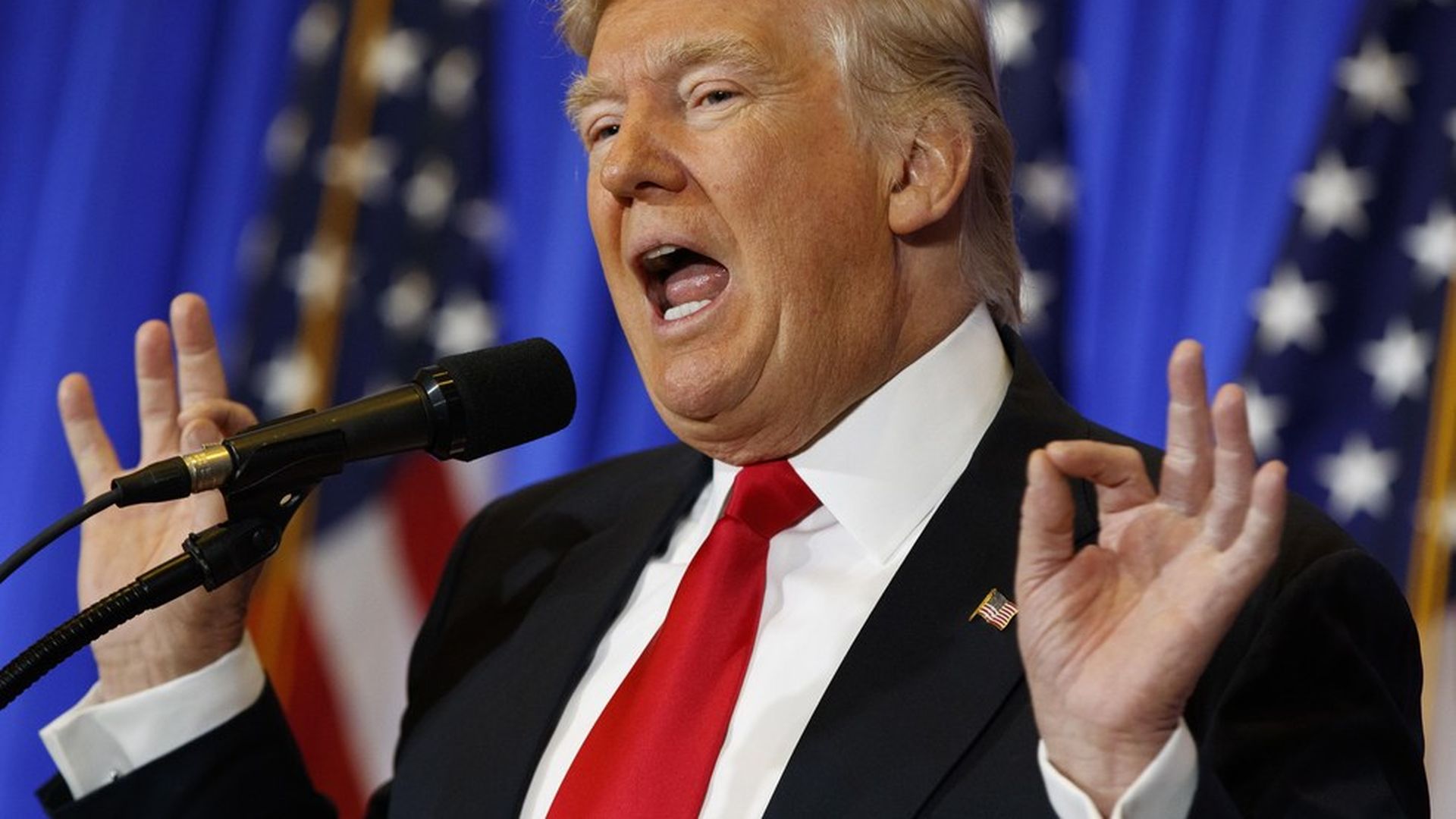
President Trump blasted Barack Obama on Twitter Monday morning for having "colluded or obstructed" justice, following a Washington Post timeline Friday on the Obama administration's handling of Russian interference in the November presidential election:
"The reason that President Obama did NOTHING about Russia after being notified by the CIA of meddling is that he expected Clinton would win... and did not want to "rock the boat." He didn't "choke," he colluded or obstructed, and it did the Dems and Crooked Hillary no good. The real story is that President Obama did NOTHING after being informed in August about Russian meddling. With 4 months looking at Russia... under a magnifying glass, they have zero "tapes" of T people colluding. There is no collusion & no obstruction. I should be given apology!"
John Deere quietly opens tech office in San Francisco

John Deere has quietly opened an office in San Francisco as the agriculture machinery giant looks to expand its efforts in computer vision and machine learning. Leading up John Deere Labs, as the office is known, is Alex Purdy, a former Boston Consulting Group principal who joined Deere about a year ago.
Purdy aims to hire 8-12 people, though he recognizes the company may need to be flexible given the fierce competition in the areas in which Deere is hiring.
"We're going to be a little bit opportunistic," Purdy said.
Pandora CEO Tim Westergren will reportedly step down

Pandora co-founder and CEO Tim Westergren plans to step down from the job, according to a report from Recode, which cited anonymous sources. Westergren will likely remain until the online radio streaming company finds a replacement, Recode said.
- Westergren took over as Pandora CEO last year from then-chief Brian McAndrews. Westergren was CEO of Pandora from 2002 to 2004 as well. A Pandora representative declined to comment to Axios on the report.
- Earlier this month, SiriusXM agreed to make a $480 million minority investment into Pandora and will get three seats on Pandora's board of directors, including chairman. The deal effectively killed a $150 million investment by KKR into Pandora, which the radio company decided to back out of (though it paid KKR $22.5 million as a break-up fee).
- Pandora has struggled to keep up with the rise of music streaming services like Spotify and Apple Music.

Exclusive: Auto startup Pearl shuts down

Pearl Automation, an automotive startup founded by former Apple engineers, has decided to shut down, Axios has learned from multiple sources. The move comes just a year after the company unveiled its first product, a wireless rear-view camera, which began to ship last September.
- What happened: Early product sales disappointed, which was exacerbated by a high burn rate.
- What next? The Pearl Automation team received several "acqui-hire" offers, but opted instead to shut down and part ways, according to a source close to the situation.
- Background: Pearl was founded in 2014 by three ex-Apple iPod engineers, and hired dozens of other ex-Apple employees. It eventually settled on the wireless rear-view camera as a first step in developing autonomous driving technology – and raised $50 million in VC funding from Accel, Shasta Ventures, Venrock, and Wellcome Trust.