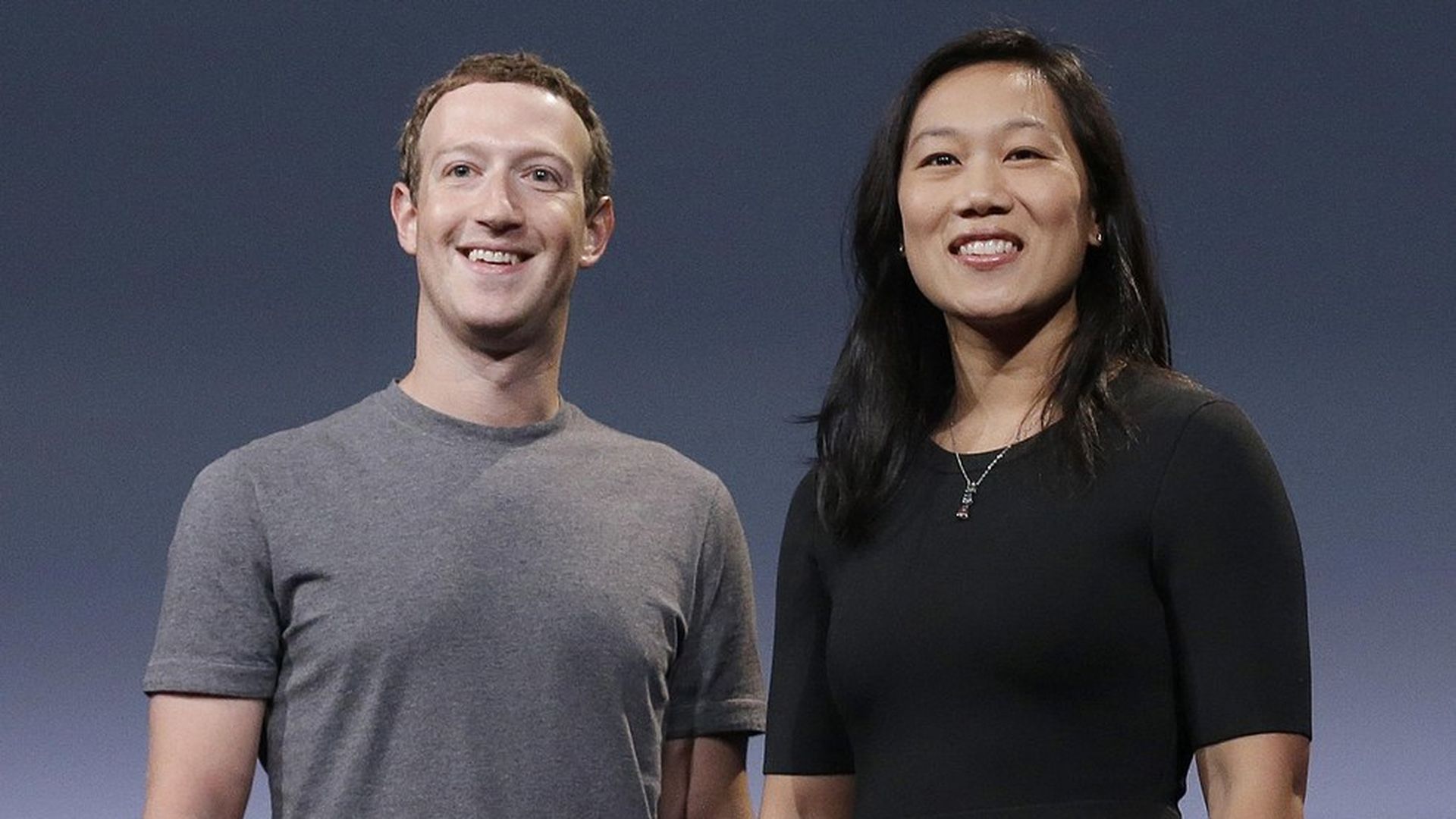
Mark Zuckerberg's philanthropic arm is backing more than a hundred four-year scholarships to undocumented students in the San Francisco Bay Area who came to America when they were young.
The details: An outside group, TheDream.US, will distribute the $3.4 million worth of scholarships to the students. Some of the money comes from the Chan Zuckerberg Initiative, which the Facebook founder created with his wife, physician Priscilla Chan.
It's complicated: These particular scholarships are new, but the money isn't. The funding was actually given to TheDream.US in 2015 by an organization called Startup:Education that was one of Zuckerberg's early stabs at philanthropy. It was closed last year — but CZI has inherited its programs.
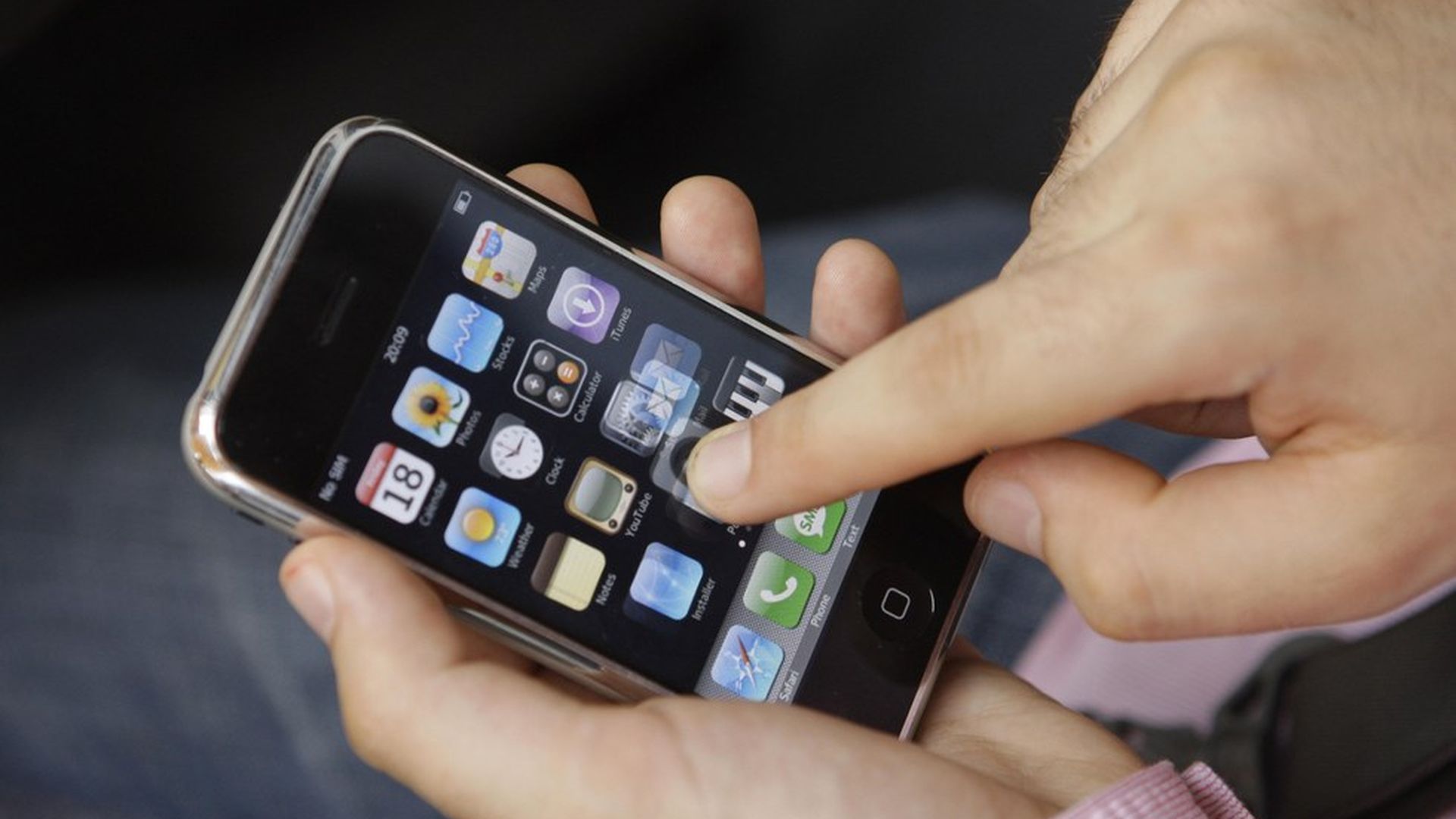
The Economist: "No product in recent history has changed people's lives more. Without the iPhone, ride-hailing, photo-sharing, instant messaging and other essentials of modern life would be less widespread. Shorn of cumulative sales of 1.2bn devices and revenues of $1trn, Apple would not hold the crown of the world's largest listed company. Thousands of software developers would be poorer, too: the apps they have written for the smartphone make them more than $20bn annually."
The next decade: "[T]he era of stand-alone electronic devices, however slick, is coming to an end. They will increasingly become a vehicle for — and be subsidized by — services based on machine learning and other artificial-intelligence techniques. The quality of these offerings will in turn largely depend on how much data developers have access to... Although Apple's Siri was one of the first digital assistants, Google's and Amazon's offerings are now much smarter."
Data created by machines talking to other machines and the conversion of analog devices to digital platforms — known as embedded data — is expected to grow sharply over the next decade, according to International Data Corporation Research Inc. That growth will mostly be caused by the conversion of analog devices, like DVR's, to digital devices, like streaming platforms.
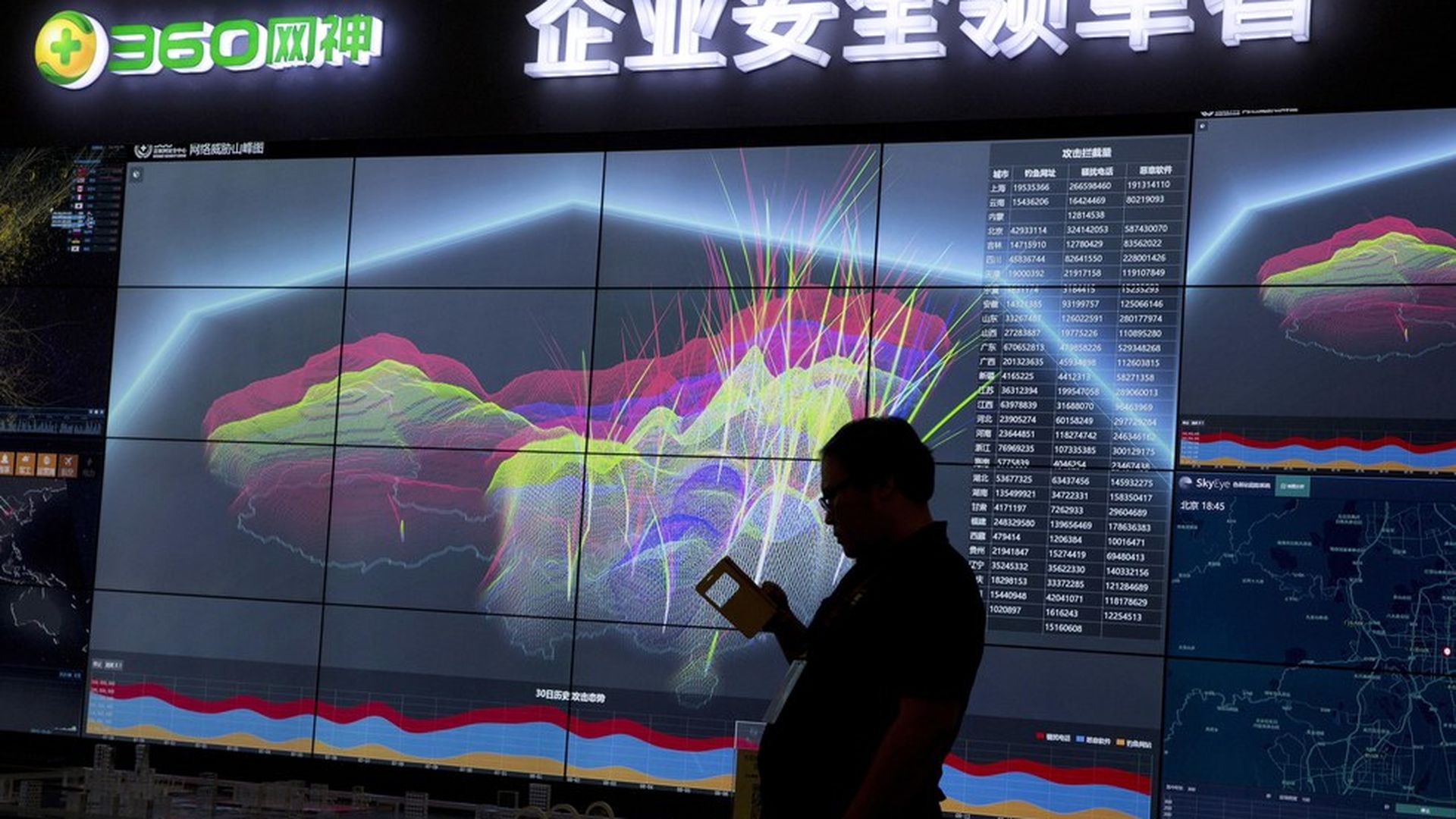
The "ransomware" attack that struck Ukraine and has since spread to about 65 countries might not be a regular ransomware attack after all. Instead, its code indicates it is more like a "wiper," according to Matt Suiche, founder of cybersecurity startup Comae Technologies.
What it means: "The goal of a wiper is to destroy and damage. The goal of a ransomware is to make money," Suiche writes. Instead of just encrypting files when it infects a device, this hack encrypts your entire hard drive and the Master Boot Record so that it is totally inoperative, according to Radware. This also causes the whole computer to restart.
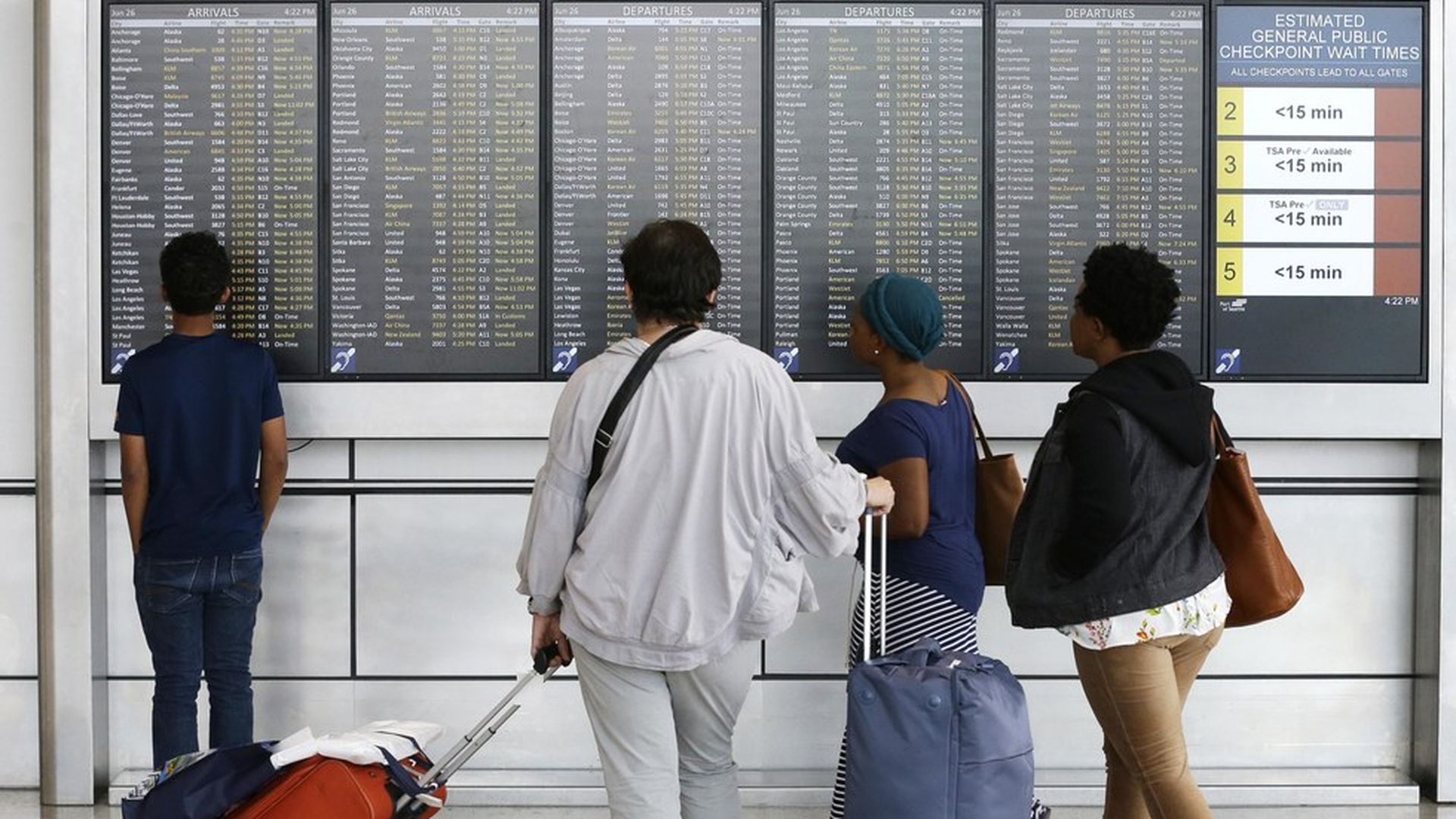
Additional screening will soon be required before personal electronic devices (PEDs) larger than cell phones can be carried on to U.S.-bound flights, senior Department of Homeland Security officials announced Wednesday. The TSA and the State Department will also be involved in implementation.
The need for more security comes from the fact that terrorists continue to look at attacking commercial airlines as the "crown jewel," and are exploring new ways to conceal devices, DHS Secretary John Kelly said at the CNAS conference.
Why it matters: This move could have major commercial implications, but Kelly is pressing ahead because he places aviation in general, and the ability of terrorists to turn laptops into explosive devices in particular, at the top of his list of security concerns.
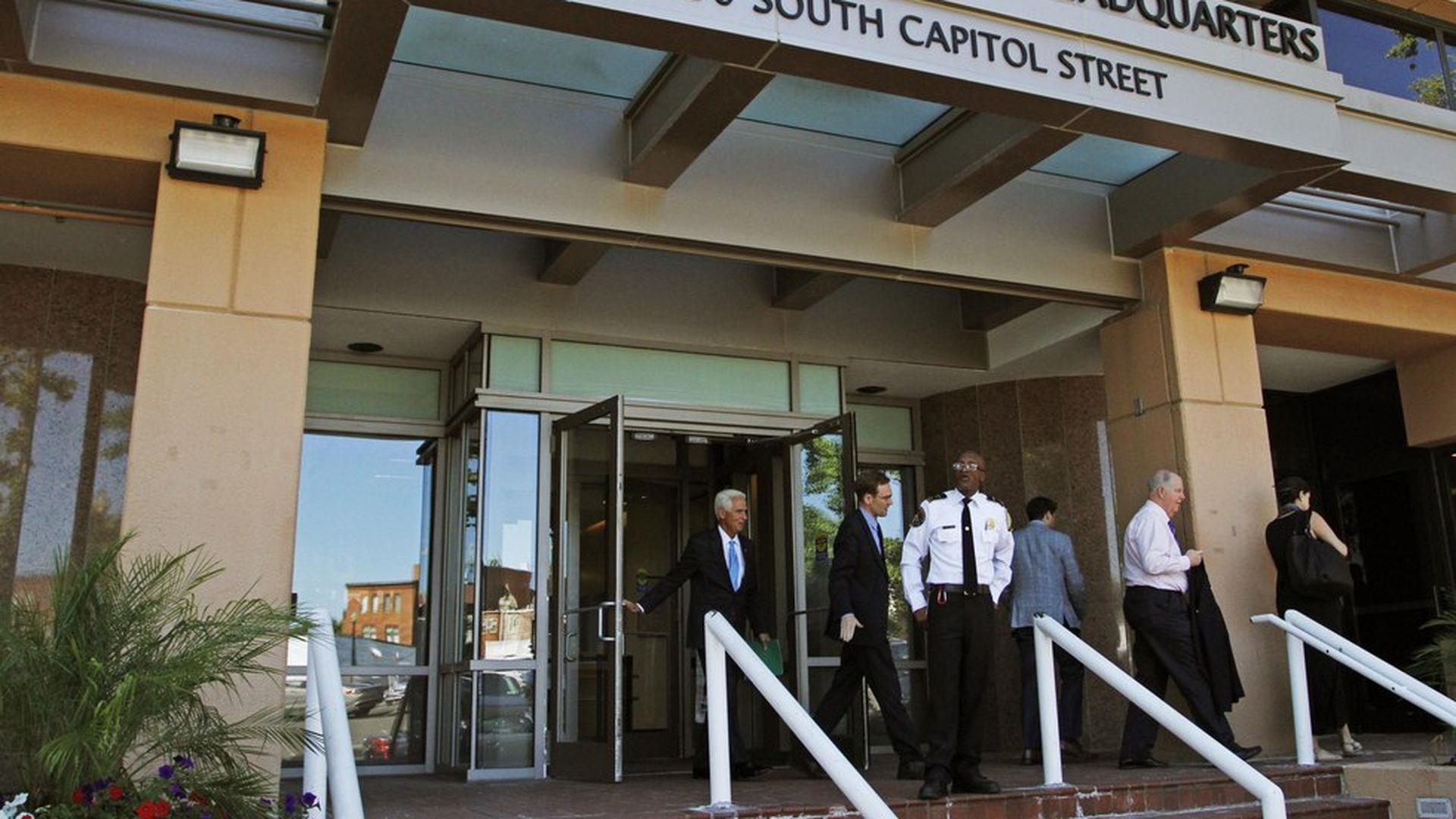
The Democratic National Committee has hired Raffi Krikorian, who previously worked on Uber's self-driving car efforts, as its new chief technology officer, as Recode first reported and Axios has confirmed through a source.
Krikorian's new job won't be easy — the organization was infamously hacked during the presidential election, with internal communications leaked to the public. He'll also have to help the DNC keep up with the latest tools for campaigning as technology has become increasingly important to winning.
Resume: Krikorian helped Uber launch its first fleet of autonomous cars in Pittsburgh, and worked most recently director of engineering for public interest technology at the New America Foundation. He previously led Twitter's Platform unit, which included both the main service's infrastructure as well as its tools for third-parties.
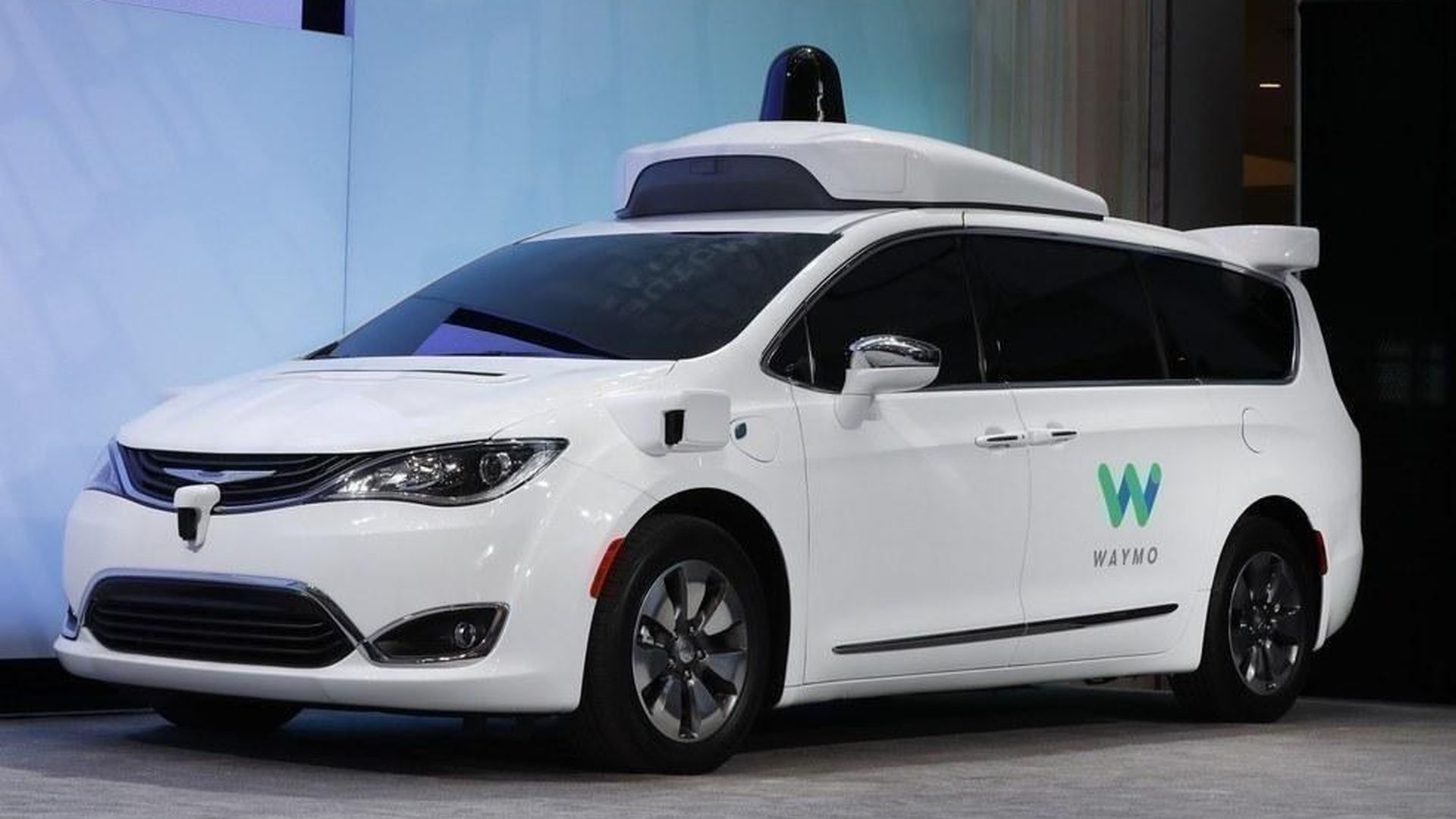
Federal Trade Commission Acting Chairman Maureen Ohlhausen said Wednesday that her agency should avoid "unnecessary" regulations when it comes to connected cars, including the self-driving models that Google and Uber have bet big on. She noted the thousands of fatalities occur every year on America's roads, adding:
"Connected cars promise to significantly reduce such fatalities, and we regulators must keep that benefit in mind to ensure that our approach to connected cars do not hinder such a positive outcome. And at the FTC, it means we must continue to work with our sister agencies like [the National Highway Traffic Safety Administration] to avoid unnecessary or duplicative regulation that could slow or stop innovation and ultimately leave American consumers worse off."
Why it matters: Consumer privacy and data security are huge outstanding questions for self-driving cars, even as companies in both Silicon Valley and Detroit forge ahead with their plans to get the vehicles on the roads.
Salesforce today released a suite of tools for its product developers with artificial intelligence features that, among other things, recognize sarcasm in an email and understand that it is a product complaint.
Richard Soucher, Salesforce's chief scientist, tells Axios that the new tools, part of the company's Einstein platform, will allow clients, without having to write their own AI code, to build out products with a greater ability to read the sentiment in an email, and route it to the right place. A company — such as an airline — could understand much more quickly that passengers are angry on Twitter, and generally why. Customers often use nuanced expressions to convey their unhappiness — such as sarcasm — and the tool is meant to understand such indirect speech.