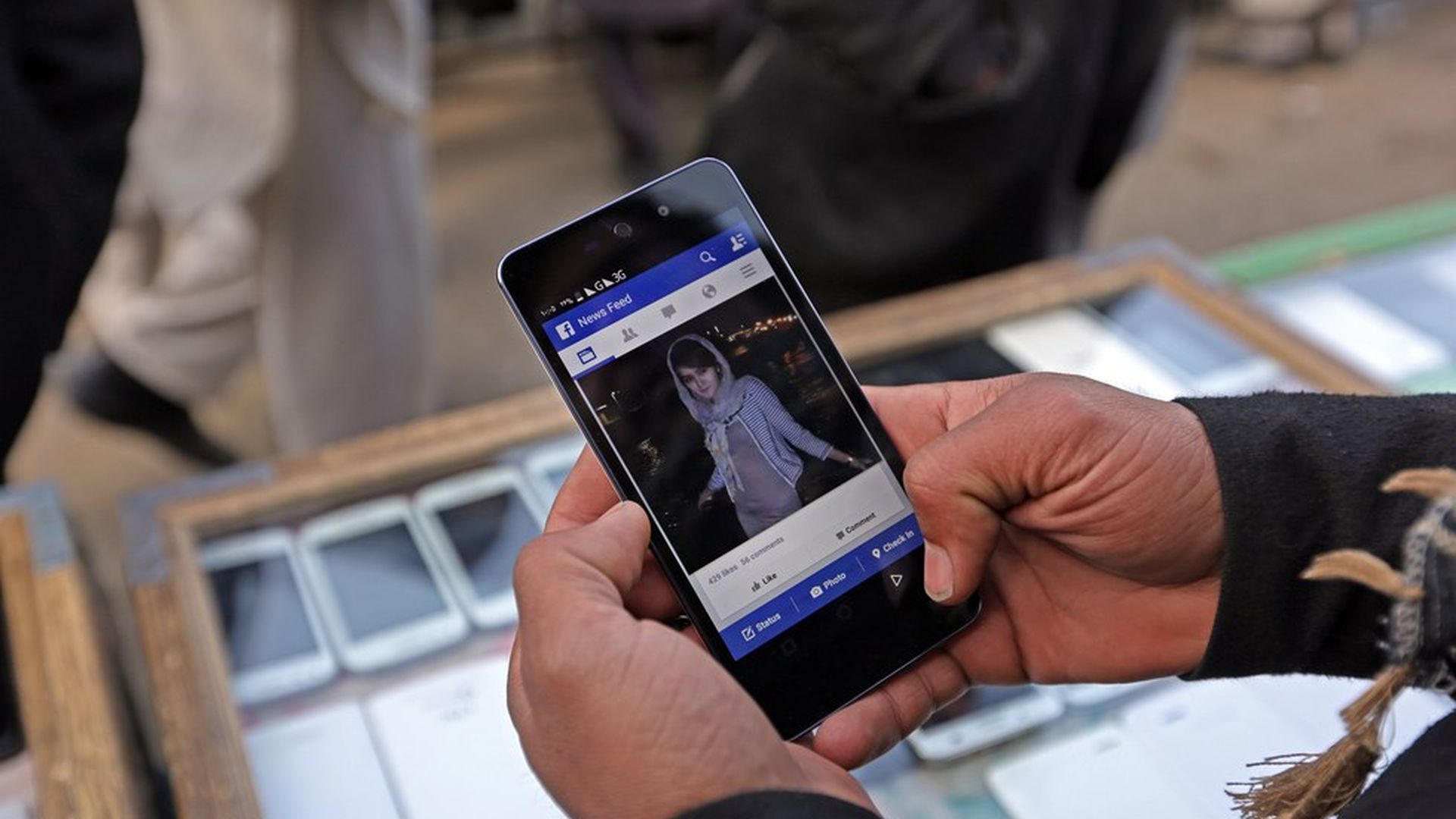
Why it matters: Helping its 2 billion users find free wireless broadband service in their vicinity obviously allows them to visit the app more frequently, even when they don't have reliable coverage. It's especially valuable for getting more users on the Facebook app in developing markets where consumers have limited or expensive data plans. Facebook is also investing in other similar projects to get more people connected wirelessly, such as its Internet.org initiative and a fiber backhaul network in Uganda. As TechCrunch points out, the tool also lets users to rely on Facebook instead of Google Maps to find nearby coffee shops, restaurants, or hotels with hotspots.
Morning Joe host Joe Scarborough bit back at Trump on Twitter Friday morning for repeatedly "lying", this time about an alleged call from Scarborough asking Trump to stop a National Enquirer article from running:
Trump tweet: "Watched low rated @Morning_Joe for first time in long time. FAKE NEWS. He called me to stop a National Enquirer article. I said no! Bad show."
Scarborough's reply: "Yet another lie. I have texts from your top aides and phone records. Also, those records show I haven't spoken with you in many months. ... Why do you keep lying about things that are so easily disproven? What is wrong with you?"
Timing: Their bitter exchange took place just minutes after Scarborough wrapped his Friday segment, in which he and co-host Mika Brzenzski addressed Trump's Thursday attacks against them. "We're okay – the country's not," said Scarborough.
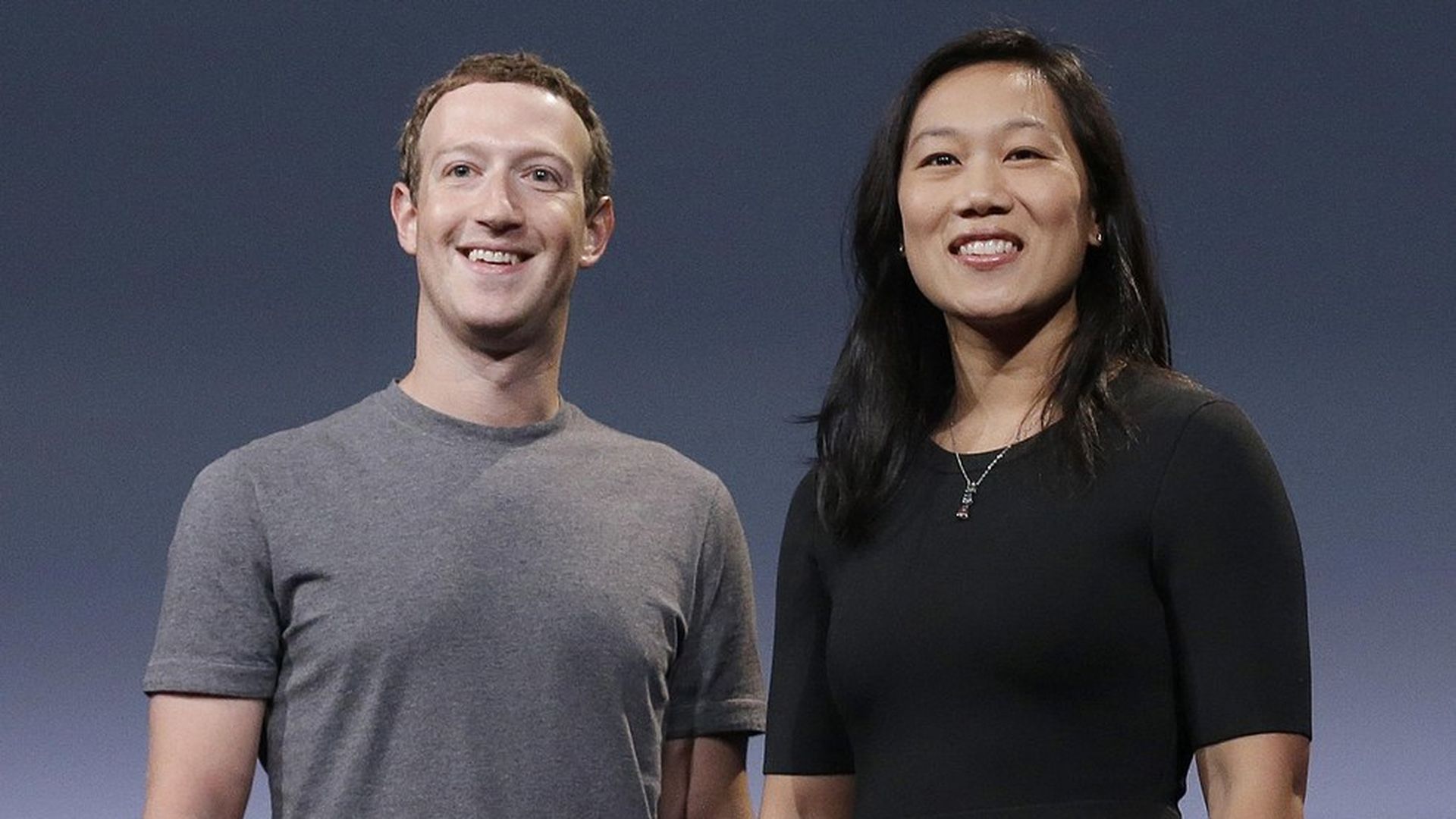
Mark Zuckerberg's philanthropic arm is backing more than a hundred four-year scholarships to undocumented students in the San Francisco Bay Area who came to America when they were young.
The details: An outside group, TheDream.US, will distribute the $3.4 million worth of scholarships to the students. Some of the money comes from the Chan Zuckerberg Initiative, which the Facebook founder created with his wife, physician Priscilla Chan.
It's complicated: These particular scholarships are new, but the money isn't. The funding was actually given to TheDream.US in 2015 by an organization called Startup:Education that was one of Zuckerberg's early stabs at philanthropy. It was closed last year — but CZI has inherited its programs.
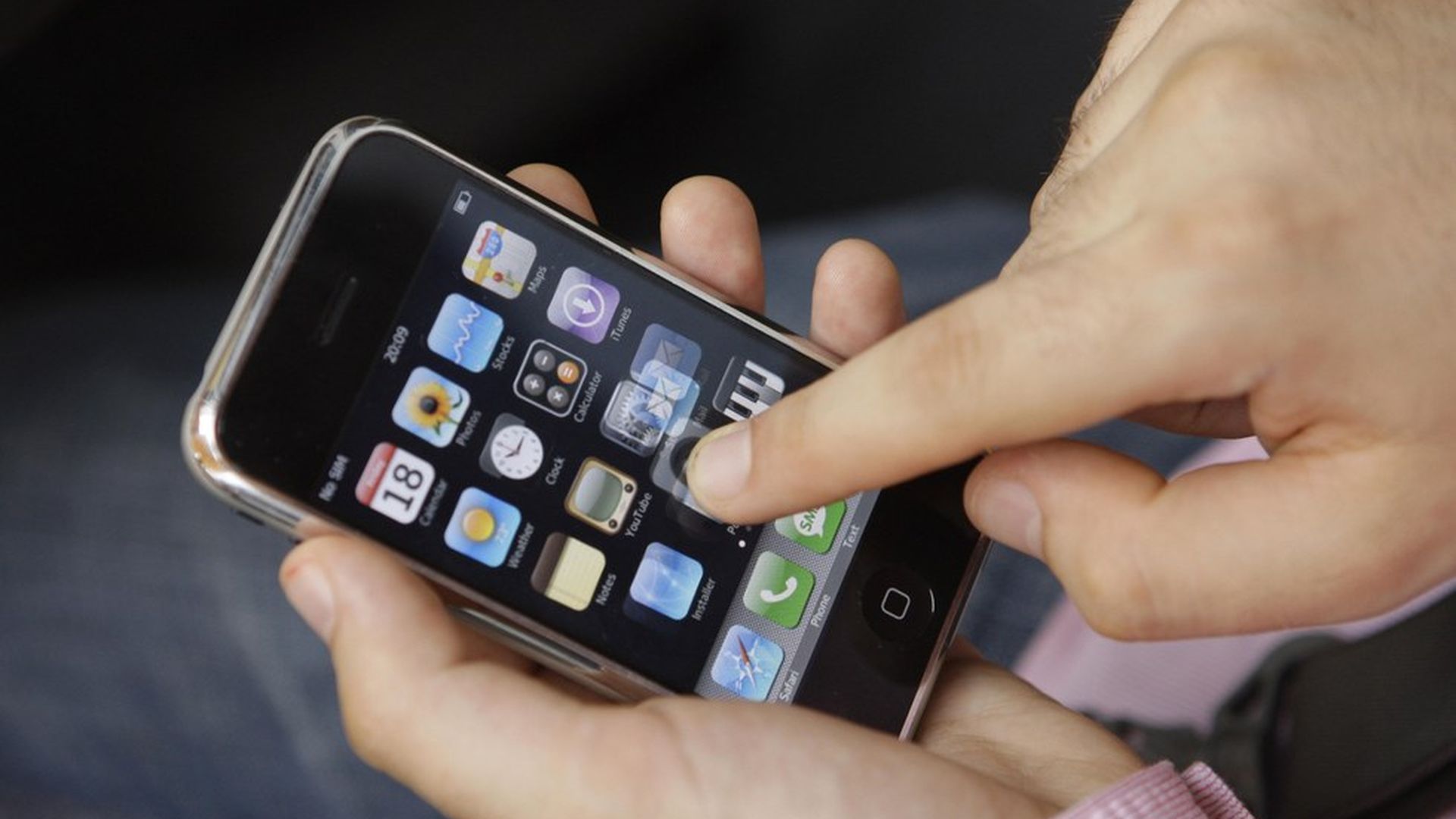
The Economist: "No product in recent history has changed people's lives more. Without the iPhone, ride-hailing, photo-sharing, instant messaging and other essentials of modern life would be less widespread. Shorn of cumulative sales of 1.2bn devices and revenues of $1trn, Apple would not hold the crown of the world's largest listed company. Thousands of software developers would be poorer, too: the apps they have written for the smartphone make them more than $20bn annually."
The next decade: "[T]he era of stand-alone electronic devices, however slick, is coming to an end. They will increasingly become a vehicle for — and be subsidized by — services based on machine learning and other artificial-intelligence techniques. The quality of these offerings will in turn largely depend on how much data developers have access to... Although Apple's Siri was one of the first digital assistants, Google's and Amazon's offerings are now much smarter."
Data created by machines talking to other machines and the conversion of analog devices to digital platforms — known as embedded data — is expected to grow sharply over the next decade, according to International Data Corporation Research Inc. That growth will mostly be caused by the conversion of analog devices, like DVR's, to digital devices, like streaming platforms.
The "ransomware" attack that struck Ukraine and has since spread to about 65 countries might not be a regular ransomware attack after all. Instead, its code indicates it is more like a "wiper," according to Matt Suiche, founder of cybersecurity startup Comae Technologies.
What it means: "The goal of a wiper is to destroy and damage. The goal of a ransomware is to make money," Suiche writes. Instead of just encrypting files when it infects a device, this hack encrypts your entire hard drive and the Master Boot Record so that it is totally inoperative, according to Radware. This also causes the whole computer to restart.