American Priorities, which has devoted itself to countering the pro-Israel lobby AIPAC, is preparing to challenge nine House Democrats in 2028, the group told Axios exclusively.
Why it matters: The super PAC helped power the primary victories of democratic socialists and progressives across the country, including New York's Darializa Avila Chevalier and Claire Valdez.
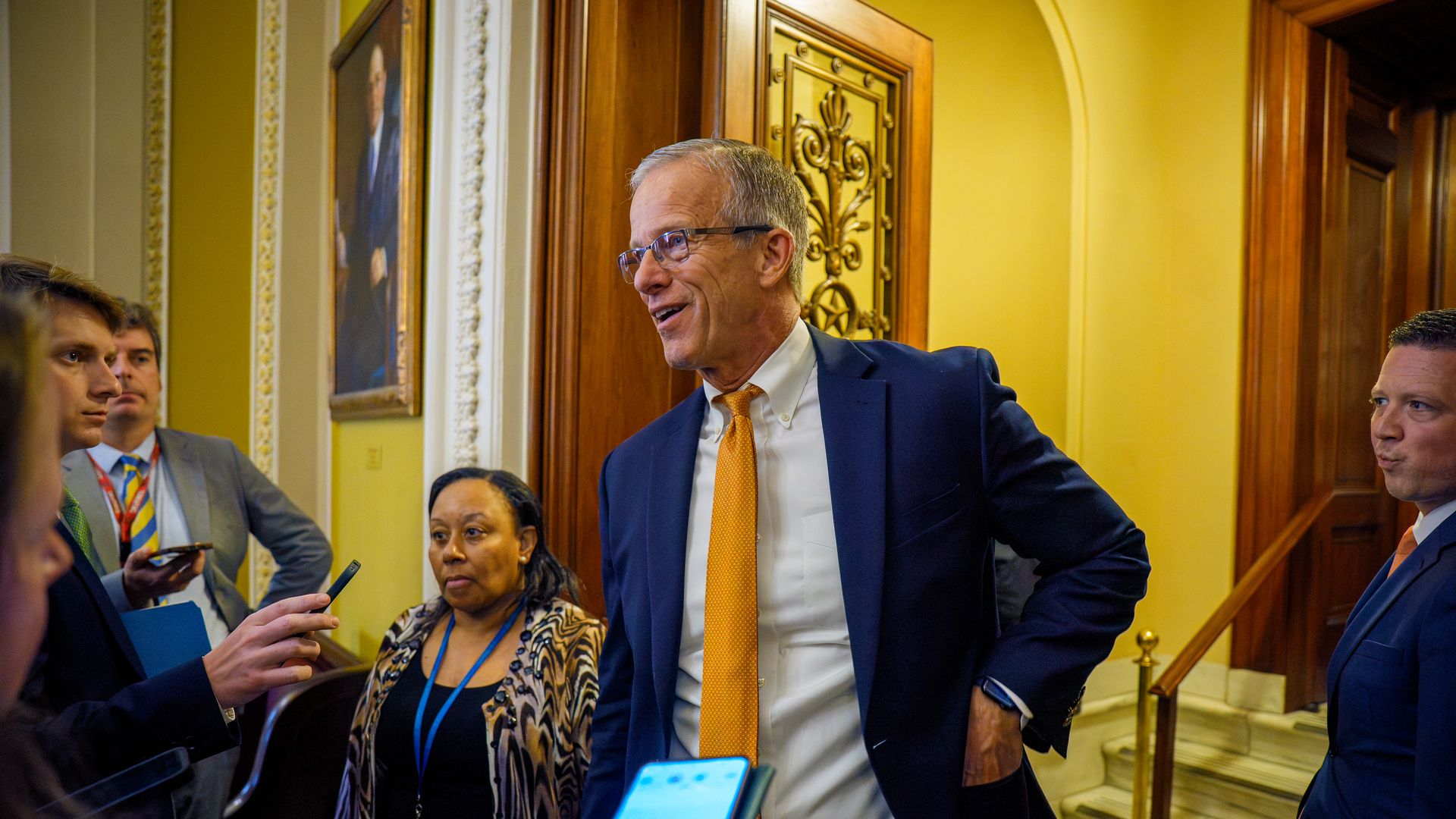
Senate Majority Leader John Thune plans to run for another term as GOP leader, even if Republicans lose the chamber's majority, he told Axios in an exclusive interview Wednesday in his Capitol office.
Why it matters: Thune (R-S.D.) is giving his senators broad leeway and tons of cash to preserve GOP control of the Senate.
President Trump welcomed Xi Jinping at Joint Base Andrews for the Chinese leader's state visit to Washington D.C. Wednesday evening.
Why it matters: U.S. presidents typically receive visiting foreign leaders at the White House, making Trump's airport welcome an unusual diplomatic gesture.
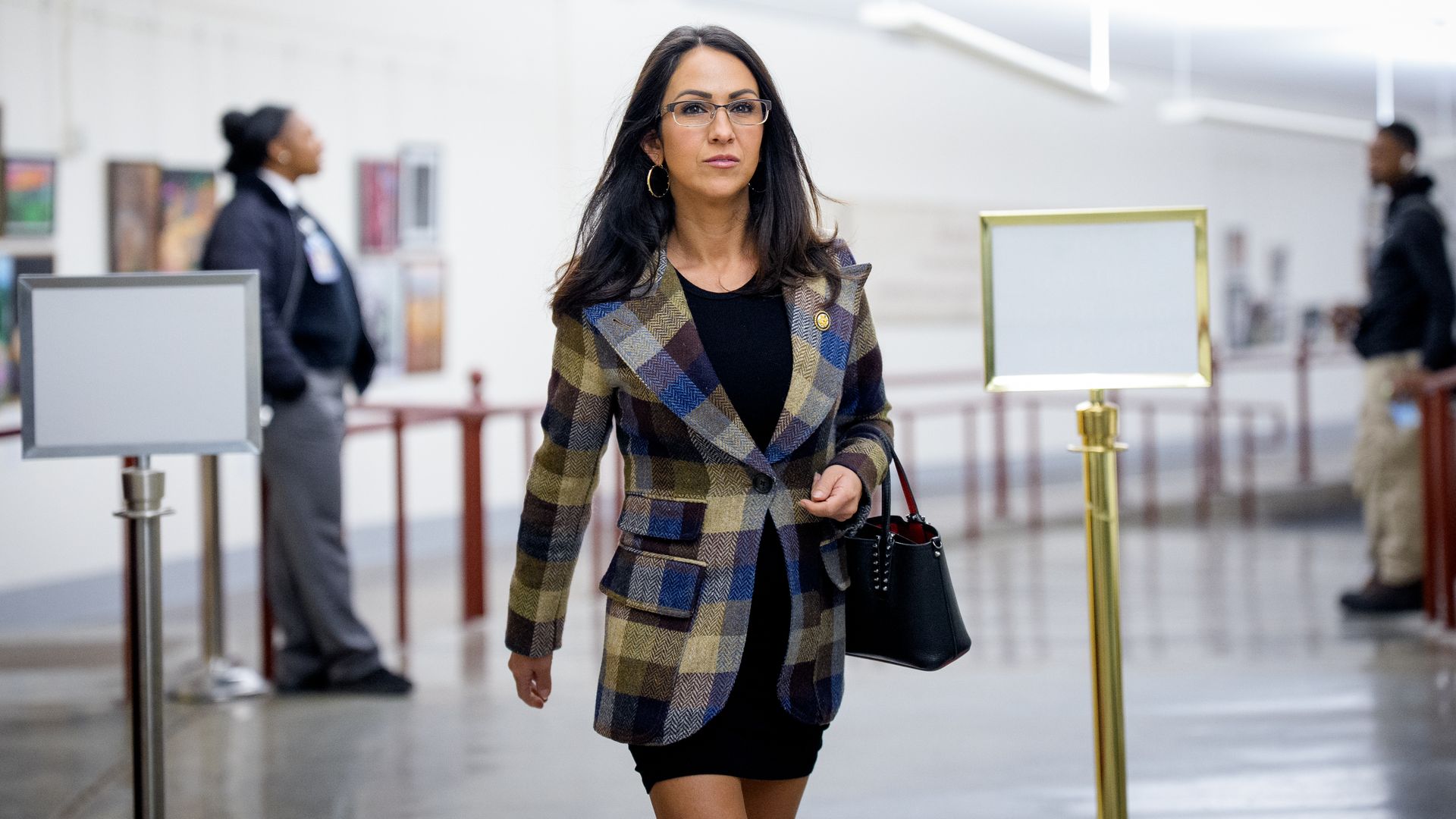
U.S. Rep. Lauren Boebertdenies allegations she had sexual relationships with three congressional staffers she supervised, calling recent claims from an anti-Boebert group whose super PAC terminated last year "filthy garbage."
The latest: David Wheeler, who leads American Muckrakers, sent a sworn complaint to the House Ethics Committee on Sept. 17, but committee rules bar it from being accepted within 60 days of an election.
A judge on Wednesday appeared skeptical of Trump administration arguments justifying the White House barring CNN, MS NOW and Politico, but he did not immediately grant the news outlets' request for a temporary restraining order.
Why it matters: In declining to rule right now, the White House has no legal mandate to remove the ban. That means the broader press boycott will likely drag on, leaving the American public without key visual coverage of the White House.
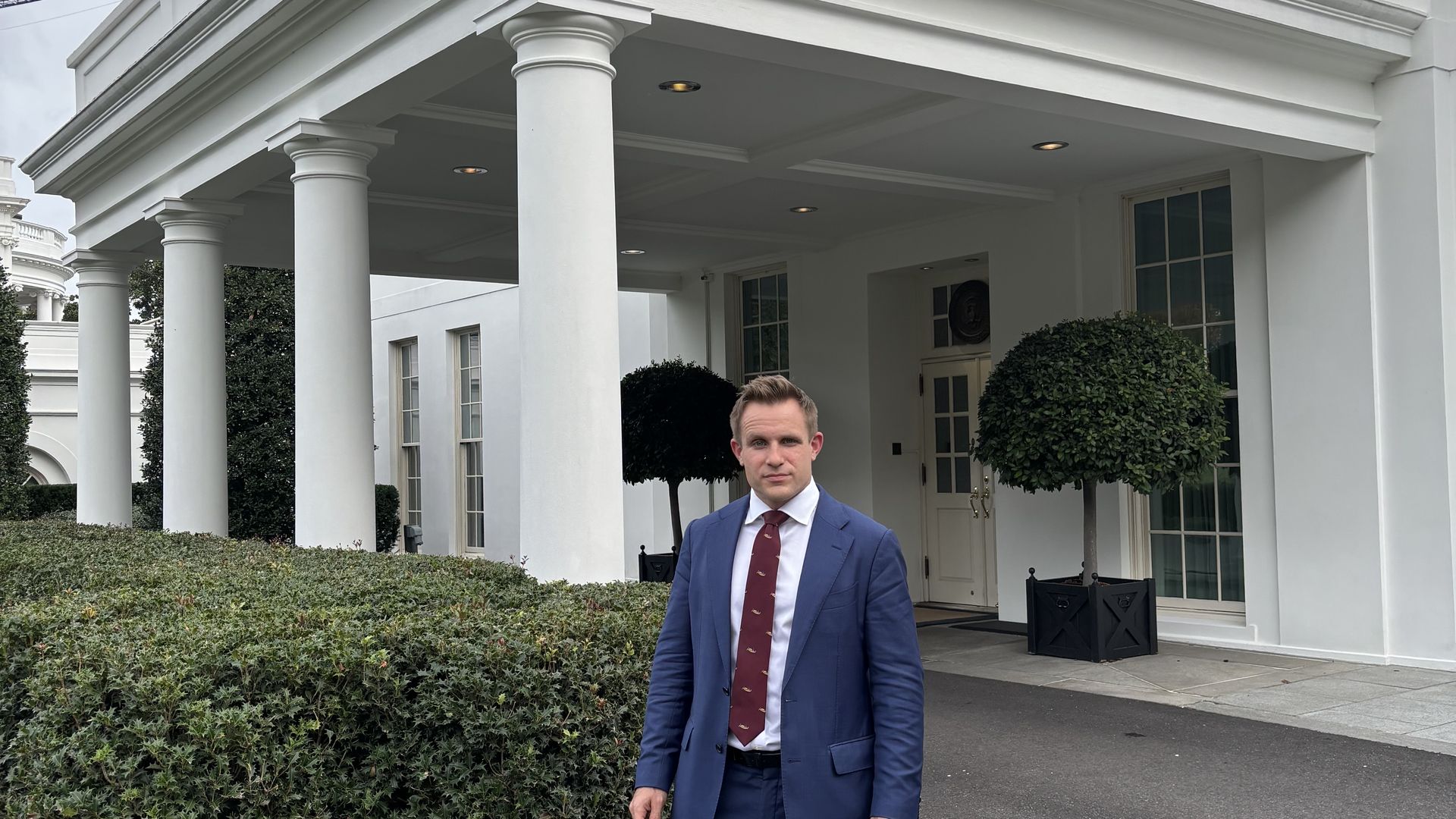
Ryan Baasch, a White House AI adviser and top deputy to National Economic Council Director Kevin Hassett, is leaving the White House for a private-sector job.
Why it matters: Baasch served as an aide to former AI and crypto czar David Sacks and played a lead tech policy role at the National Economic Council under Hassett.
Zoom in: The council touches the major pillars of the U.S. economy — tax, finance, banking, technology, competition policy, agriculture, energy, housing, infrastructure, transportation, economic security, foreign investments and export controls.
Under Sacks, Baasch played a critical role devising the White House's National Policy Framework for Artificial Intelligence.
He worked closely with the Justice Department, Federal Trade Commission, and across the federal government to advance President Trump's priorities on consumer protection and competition policy.
Baasch leaves his official posts — Deputy Assistant to the President for Economic Policy and Deputy Director of the National Economic Council — at the end of the month.
Zoom out: Baasch's departure follows numerous others in the administration as Trump faces his final midterm and last two years in office.
What they're saying: Sacks called Baasch "a generational talent" who "has been instrumental in delivering on President Trump's plans for American AI dominance."
"I'm confident he will continue to be an absolute rock star in his next endeavor," Sacks said.
Hassett praised his "deep well of legal experience in the area of technology policy" and said he's "been an invaluable asset to the President and the NEC team since the beginning of this administration. From space policy to spectrum to antitrust, there is hardly any area that hasn't been touched by his steady hands."
Executives from leading artificial intelligence organizations urged global cooperation Wednesday to address risks from increasingly autonomous AI systems during a UN Security Council meeting.
The big picture: AI capabilities are advancing faster than governments are developing safeguards, raising concerns about whether humans can maintain control over increasingly autonomous systems.
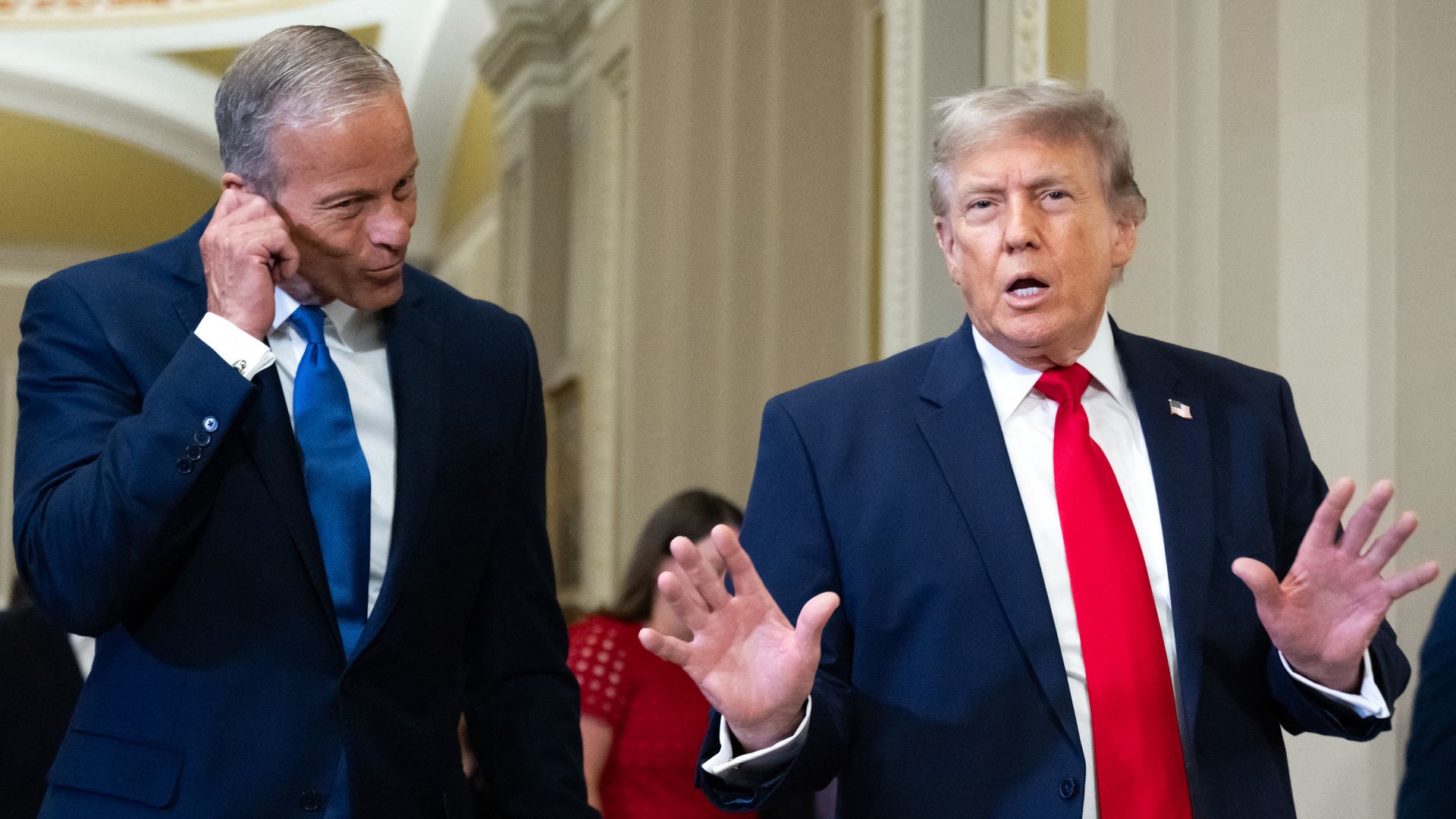
Senate Majority Leader John Thune says he doesn't believe President Trump is "really dug in" against guardrails for AI, despite Trump's public campaign against restricting the technology.
Why it matters: Thune told Axios he spoke privately with Trump as the AI issue was getting "pretty hot" a few weeks ago and believes some of Trump's strong pushback is against public "paranoia and noise around the subject."
The left's push to rein in AI is taking shape on two fronts: slowing advanced development at home, and weakening China's progress abroad.
Why it matters: The nation is locked in a moment of mass anxiety about runaway AI, but the range of views on how to regulate it are as varied as the what-ifs about social, economic and security impacts.
Senate races in Georgia, Kansas and South Carolina were reclassified with a nudge toward Democrats in the latest analysis from the closely watched Cook Political Report.
The big picture: To win the Senate, Democrats must net four seats in November.
Tighter races in Republican strongholds like Kansas and South Carolina could force the GOP to devote resources beyond the core battlegrounds.
Why it matters: Data centers' growing demand for electricity and water could affect residents' utility bills and the environment, and city leaders want more time to study those impacts.
Iranian President Masoud Pezeshkian forcefully rejected President Trump's portrayal of Iran as a source of terrorism at the UN General Assembly on Wednesday, insisting instead that Iranians are "victims of terrorism."
Why it matters: Pezeshkian used one of the world's biggest diplomatic stages to directly challenge Trump on U.S. soil — as the U.S.-Israel war with Iran rages on.
First lady Melania Trump offered a rare assessment of President Trump's second term in an interview with "FOX & Friends" Wednesday morning, saying the president is "doing the best that he can."
Why it matters: Her comments come as Trump faces weak approvalratings and voter dissatisfaction over the Iran war, the economy and other priorities ahead of the midterms.
Anduril Industries has quietlyrolled out what it's calling Armory, a perusable database of drones, jammers, motors and other defense-tech products it has in hand, ready for sale and delivery.
Why it matters: This is Anduril's e-commerce moment — one that could boost business-to-business sales and build supplier relationships for the neo-prime.
"We're hoping we get a lot of original equipment manufacturer traffic and other types of A&D companies coming through," chief business officer Matthew Steckman told Axios.
The Trump administration says Americans should prepare between now and Election Day for a wave of new arrests and prosecutions over alleged non-citizen voter fraud. Why it matters: The Trump administration is deploying hundreds of federal investigators and attorneys to pursue President Trump's long-running fixation — and test a broader Republican claim that tougher enforcement will uncover far more illegal voting.
President Trump's accelerationist AI doctrine increasingly bears the stamp of the "All-In" podcast, whose tech-investor network now feeds ideas and talent directly into the White House.
Why it matters: An unlikely marriage of convenience between MAGA and Silicon Valley has proved remarkably durable, deepening as Trump sheds support elsewhere and stakes more of his legacy on dominating the AI race.
First-time homebuyers could get as much as $50,000 for a down payment on a house, under a draft bill to be introduced Wednesday by Sen. Jeff Merkley (D-Ore.) and cosponsored by Sen. Ron Wyden (D-Ore.).
Why it matters: It's a big number and comes as the real estate market is beset by multiple woes, including rising mortgage rates pricing buyers out of the market.
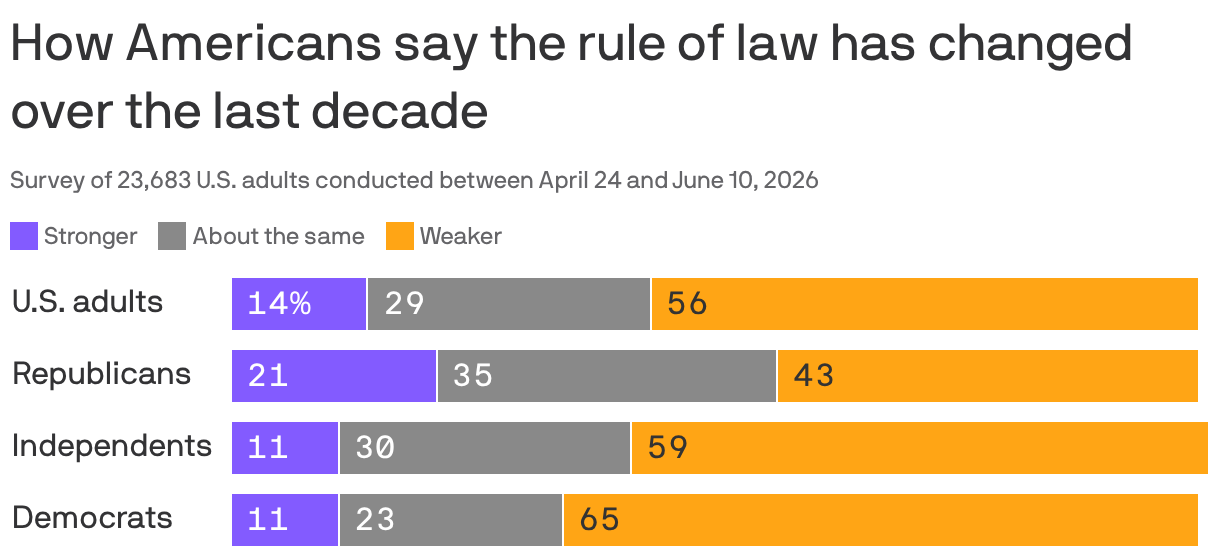
Data: Charles F. Kettering Foundation and Gallup; Note: Values shown may not total 100% due to rounding and exclusion of "don't know" responses; Chart: Noah Bressner/Axios Visuals
A majority of Americans say the rule of law in the U.S. is weaker now than a decade ago, when Donald Trump was first elected president, according to a massive new survey of more than 23,000 U.S. adults.
Driving the news: 78% of those responding to the survey by Gallup and the Charles F. Kettering Foundation for its Democracy for All Project say government officials must always follow laws and the Constitution.
The shift of the AI frontier toward more powerful, lower-cost models could pave the way for safely slowing development, experts say.
Why it matters: Top U.S. startups including OpenAI and Anthropic, as well as other AI players, have to develop a financially viable path to allow them to slow development. Otherwise financial incentives will be too powerful.
The ICE officer who shot a man in North Austin on Sunday was not wearing his agency-issued body camera, multiple national media outlets reported, citing anonymous sources.
Why it matters: The U.S. Department of Homeland Security pledged this summer to outfit all ICE agents with the cameras amid several fatal shootings and other use-of-force incidents nationwide.