Saturday's politics & policy stories

Consumers caught in triple stack of pain

Americans desperately want day-to-day life to be more affordable. Right now, they aren't getting it.
The big picture: The pinch of high prices for food, energy, housing and more has driven seismic shifts in public opinion over the last four years. Since the onset of the Iran war, the cost of living looks likely to get worse, not better, at least in the near term.

What Newsom said about Obama, Biden, Harris, Clinton on "The Axios Show"
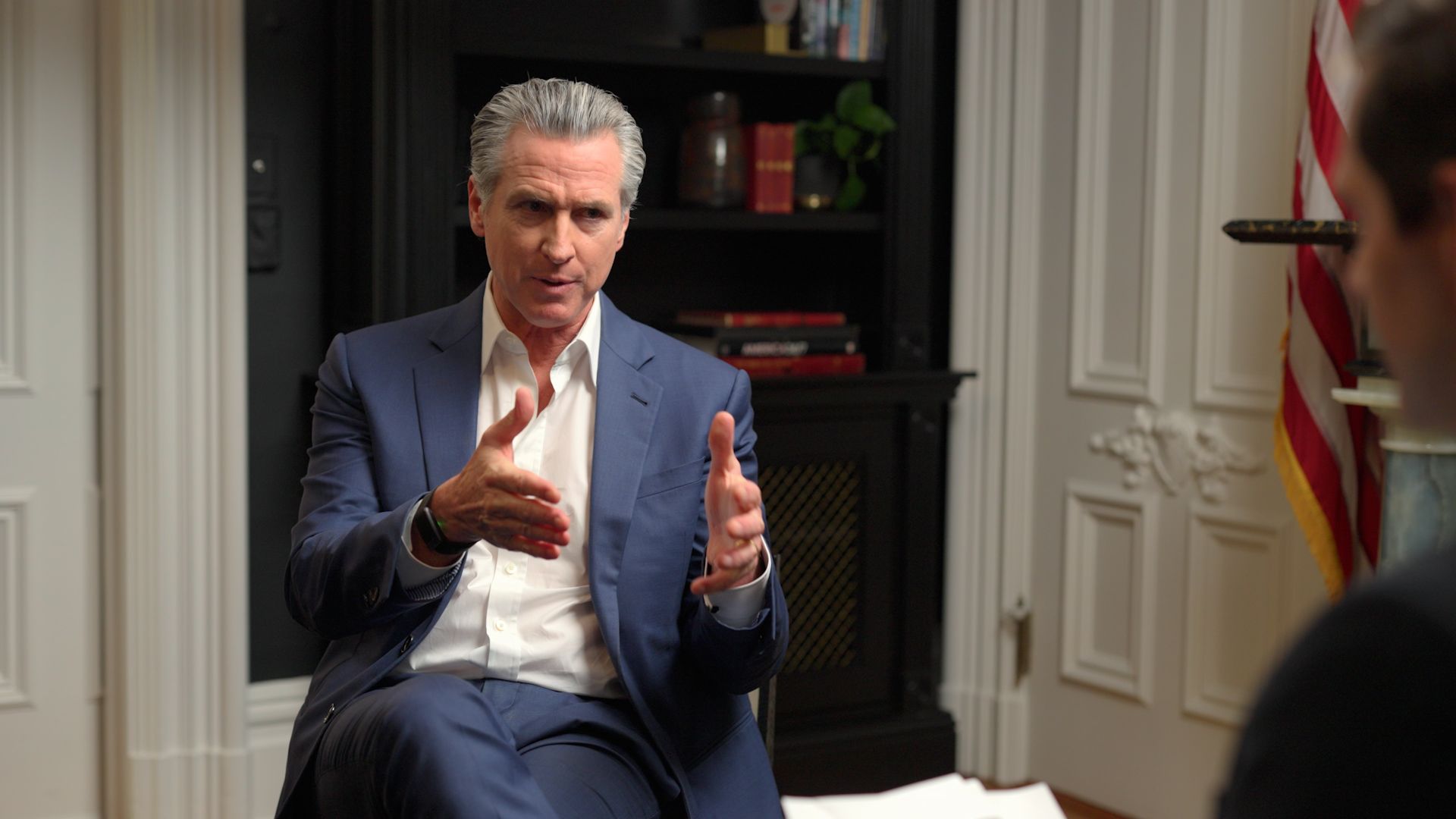
California Gov. Gavin Newsom (D-Calif.) shared insight into his relationships with some of the Democratic Party's biggest names in a new wide-ranging interview on "The Axios Show."
Why it matters: Newsom, a potential presidential candidate for 2028, bluntly shared conversations he's had with Democratic former presidents or presidential nominees of the last decade.

House passes short-term DHS funding bill
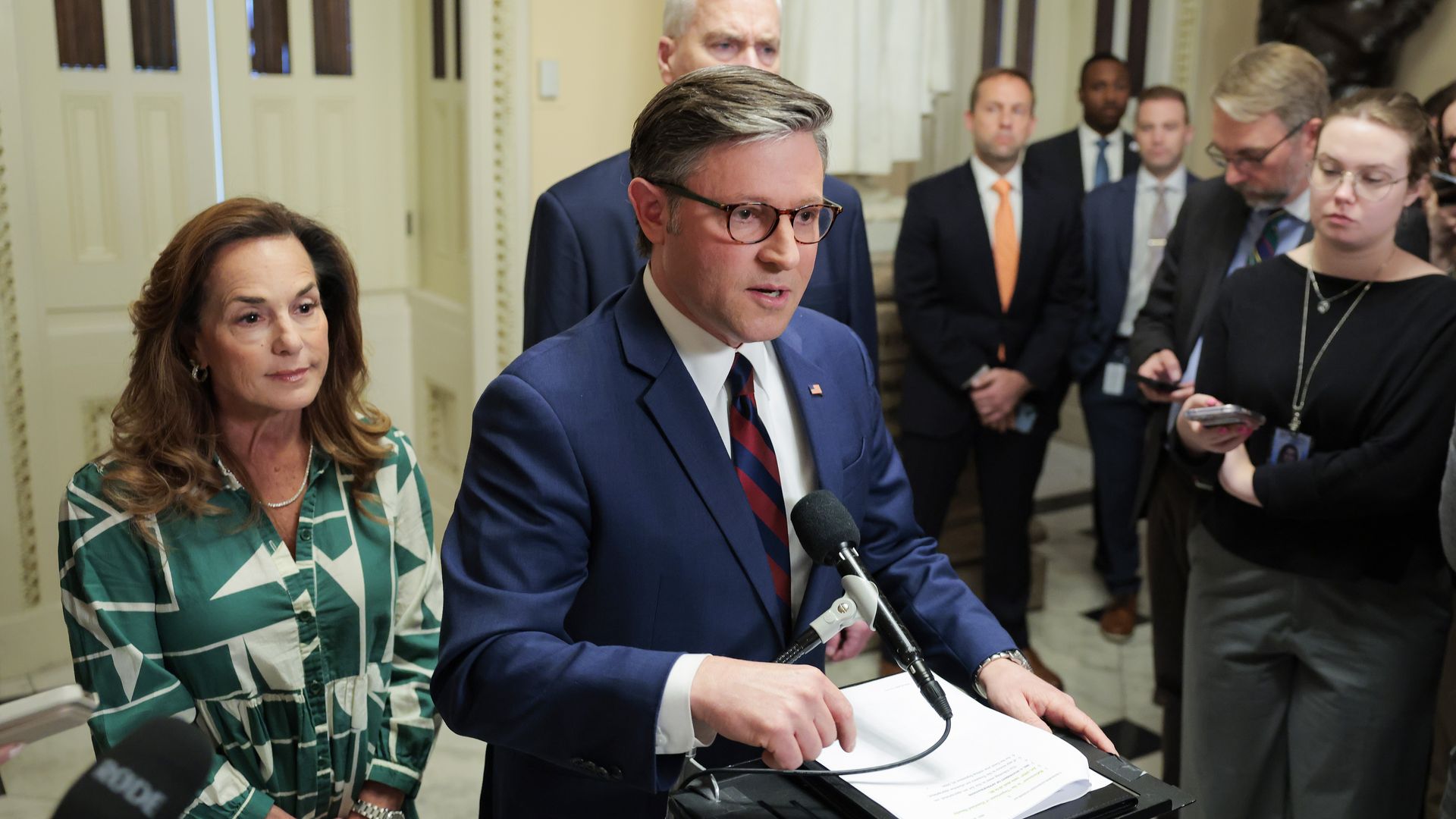
The House on Friday night passed a bill to fund the Department of Homeland Security until May 22.
Why it matters: House GOP leaders' decision not to act on a Senate-passed plan has stoked tensions between House and Senate Republicans and raised questions about the path forward for ending the DHS shutdown, now well into its second month.

Axios AI+DC Summit: Copyright protection in the AI era will be up to the courts, industry leaders say

Washington, D.C. — As policymakers grapple with how to regulate AI, the hardest questions around copyright and fair use are being punted to the courts, according to governance, creator, and technology experts at an Axios expert voices roundtable.
The big picture: With Congress moving slowly and disagreements over policy, judges are becoming the primary deciders of how AI and the creators work together — or don't.
- That's partly by necessity: "Fair use is incredibly complicated — case by case, fact specific," News/Media Alliance president and CEO Danielle Coffey said.
- "Each case that we get … we start to get these new guideposts," Jones Walker partner Graham Ryan said.
- Ryan said they expect at least three fair use decisions this year that will have implications for the broader AI-artist ecosystem.
Axios' Maria Curi and Ashley Gold moderated the March 25 discussion, which was sponsored by Adobe.
What they're saying: Legal uncertainty remains. For example, two courts within the same district, and during the same week, differed in the reasoning behind their rulings on similar matters of fair use and AI.
- "There is a current, live controversy over … the extant understanding of the fourth factor in fair use, which is: Does the copy replace the market for the work?" said Kevin Bankston, senior adviser for the Center for Democracy & Technology.
- Still, "we have been trying to support the process through the courts, because we think there is a really strong framework in copyright law for protecting artists right now," according to Public Knowledge president and CEO Chris Lewis.
The bottom line: "This is about creative labor and about human creativity as much as it is about technology," Americans for the Arts CEO Erin Harkey said.
- There is an "importance of policy in this conversation, and not to just leave it up to market forces."
Content from the sponsor's remarks:
"We've spent the last 40 years building these products and driving this creativity," Louise Pentland, chief legal officer and executive vice president of legal and government relations at Adobe, said in her introductory comments.
- "We don't strip the internet. We don't train on non-licensed IPs," Pentland added.
- "The future of AI depends on giving creators more clarity [and] more control."
Axios AI+DC Summit: Commercial tech's role in the defense sector is growing, leaders say

WASHINGTON, D.C. — Leaders in the national security space are increasingly relying on technology from private industries in a major shift, according to startup, security and policy experts at a March 25 Axios AI+DC Summit event.
Why it matters: Drone, manufacturing and software companies that straddle public and private sectors have the ability to build innovative products in a timely manner that cost less than many of those that solely rely on government contracts.
Axios' Colin Demarest and Dave Lawler moderated the expert voices roundtable discussion, which was sponsored by Accenture Federal Services.
What they're saying: Startups pairing private-sector revenue with defense work can keep up with investor timelines without the same burden of government contract red tape.
- "These contracts can take 18 to 24 months to go through legal review," Construct Capital co-founder and managing partner Rachel Holt said. New organizations typically only have 18 to 24 months between funding rounds to demonstrate progress to investors.
- "Dual-use companies will ultimately end up crossing the finish line before many other companies," added Skydio global head of national security strategy Mark Valentine. "Because what is really valuable is the speed of innovation, being able to iterate."
Case in point: The dual-use nature of Divergent's factories facilitates their operation at such a high capacity, "and model[s] a cyclical defense flow while still sustaining a low cost," Divergent CEO Lukas Czinger said.
- "The taxpayer defense industry benefit is they're getting that low cost because we also have the commercial offtake," he added.
Yes, but: Limited supply-chain visibility remains an obstacle.
- "There's no ability to accurately understand demand aggregation down to materials and minerals," Exiger president Carrie Wibben Kaupp said.
- "We don't have manufacturing capacity in the United States right now. That is a critical requirement for so many different technologies," said Paul Lekas, Software & Information Industry Association EVP of global public policy and government affairs.
The bottom line: The U.S. isn't only competing on better defense tech and national security strategy — but on whether it can scale, supply and sustain it.
Content from the sponsor's remarks:
"What our war fighters in defense or civilian agencies need is not just commercial technology now," said Garrett Berntsen, Accenture Federal Services CAIO and managing director of AI and data practice. "It is a full end-to-end transformation to sort of totally reinvent how they're doing their jobs."

Trump's signature is coming to U.S. currency — as cash use fades

President Trump's signature is set to appear on U.S. currency — a first for a sitting president — as Americans use physical cash less than ever.
Why it matters: Cash still carries outsized symbolic power — even as its role in everyday payments shrinks.

Johnson calls out GOP Senate over "joke" of a DHS plan
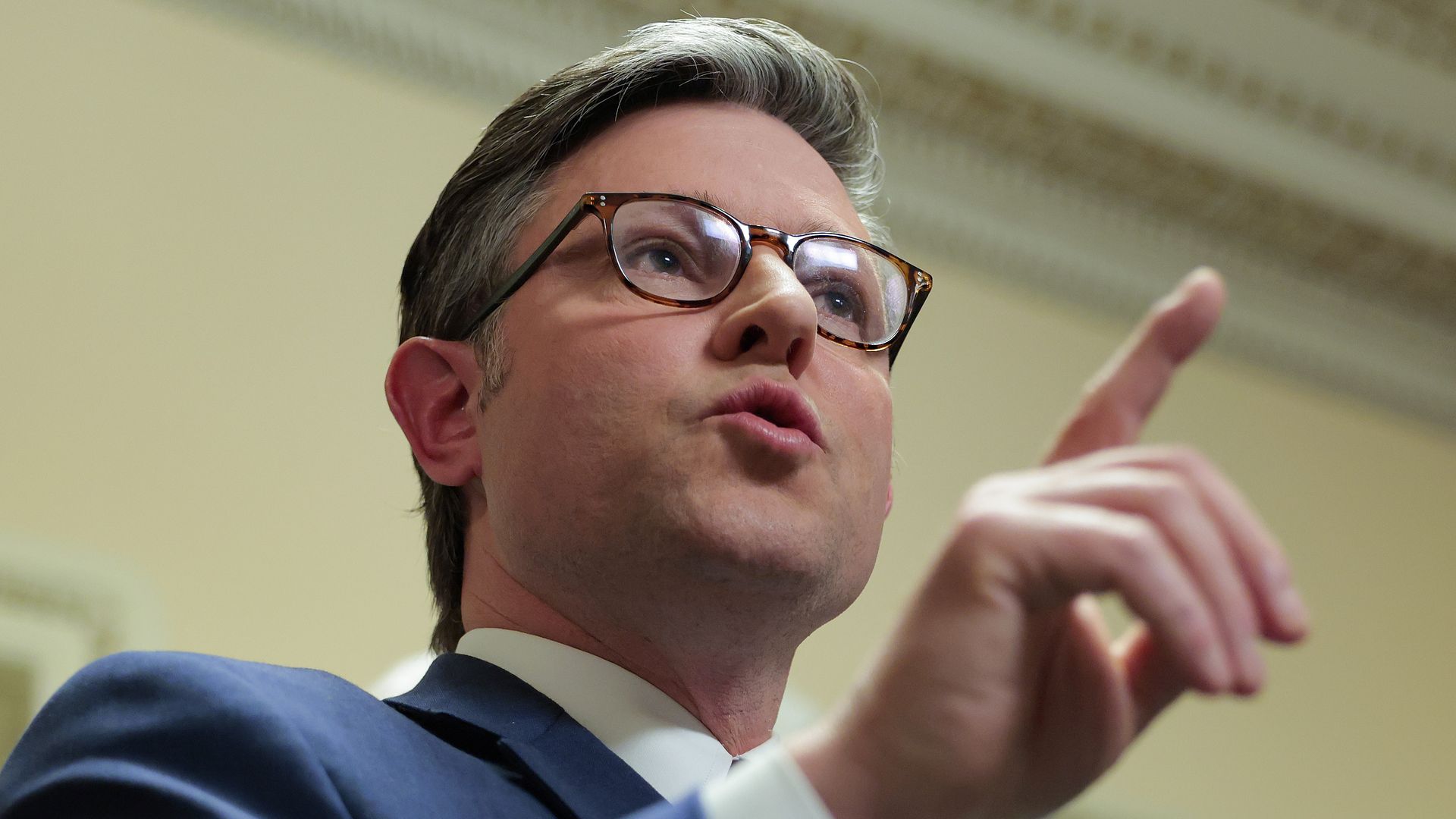
Sharp differences between House and Senate GOP leaders burst into the open this afternoon, with Senate Majority Leader John Thune's (R-S.D.) two-step plan to fund the Department of Homeland Security and then ICE the first casualty.
Why it matters: The collapse was public — and painful. Blame flew freely, with House Speaker Mike Johnson and President Trump weighing in.

Iran's Parliament speaker takes center role in peace talks
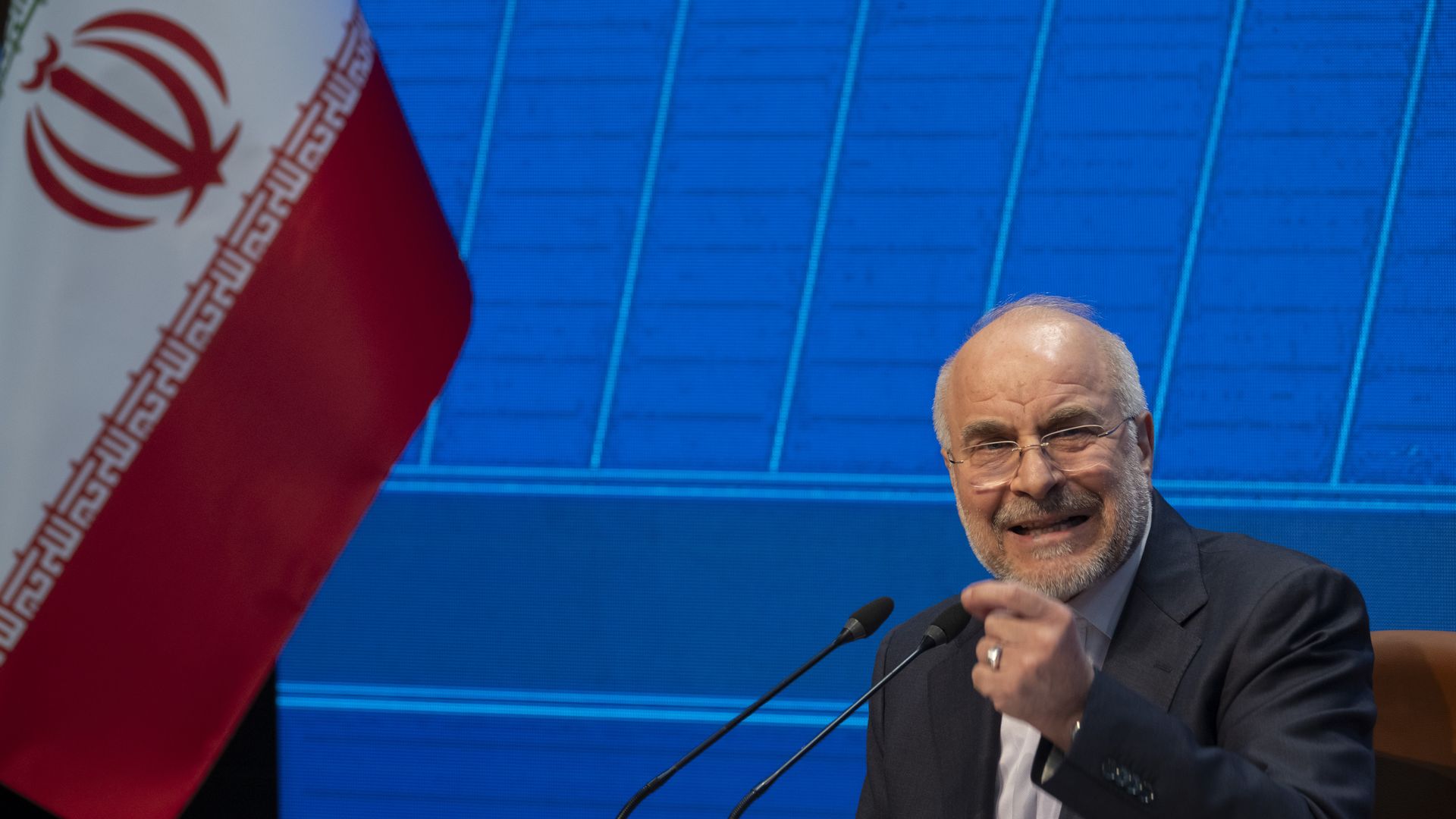
Iran's Parliament Speaker Mohammad Bagher Ghalibaf has emerged as a key figure in President Trump's push for peace talks with Tehran.
The big picture: Trump has pressed Iran to strike a peace deal as the war reaches its first month, but the regime has rebuffed and mocked the overtures. However, Ghalibaf has reportedly shown a willingness to engage.

Fellow Dems call for Cherfilus-McCormick to resign or be expelled
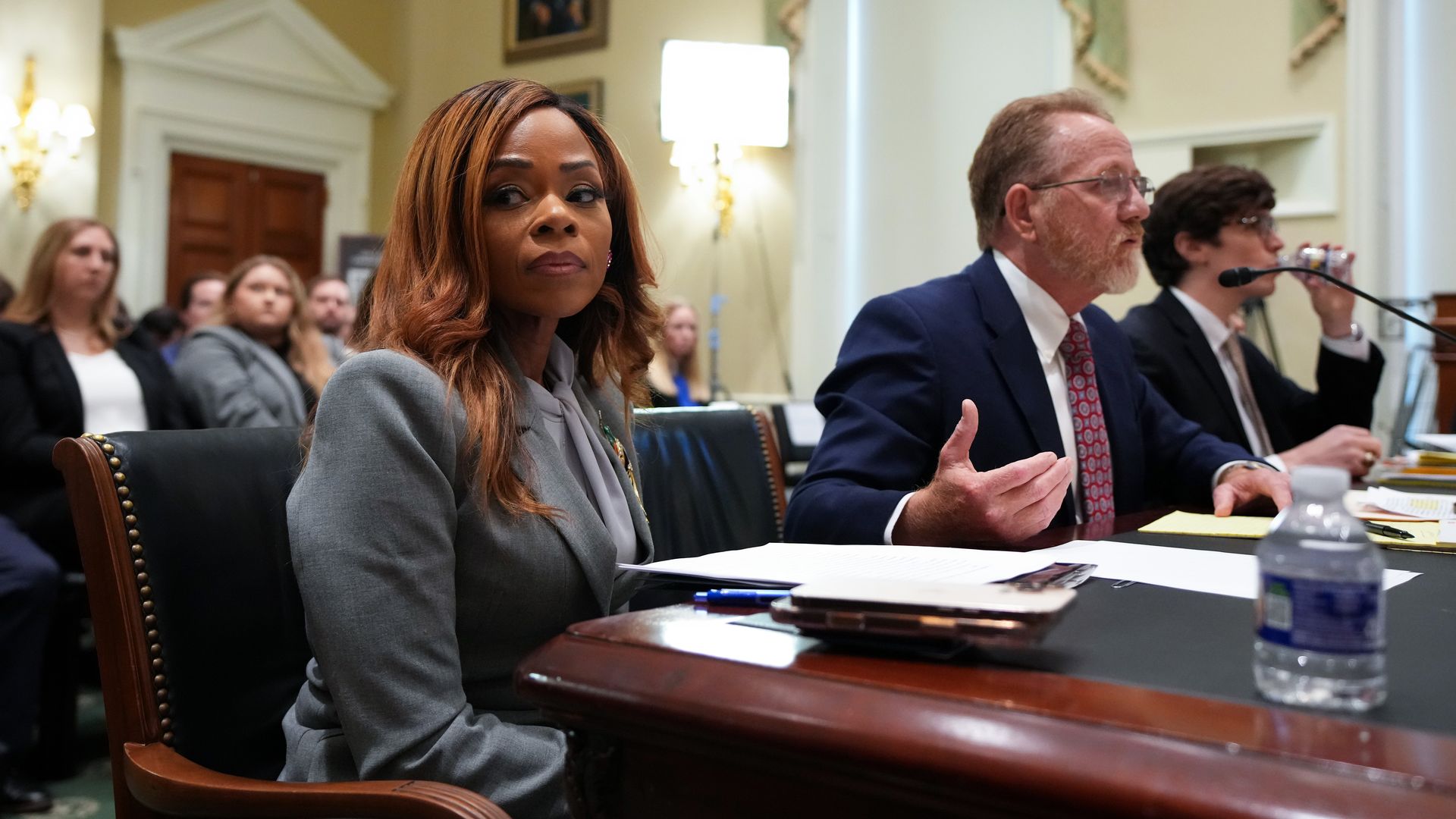
A growing number of House Democrats are calling on Rep. Sheila Cherfilus-McCormick (D-Fla.) to resign after the House Ethics Committee found her guilty of dozens of charges, including serious financial misconduct.
Why it matters: Some of those lawmakers said they are at least open to voting to expel the Florida Democrat, creating substantial new pressure for her to be ousted from Congress by one means or another.
Scoop: Johnson to put short-term DHS funding on floor instead of Senate bill
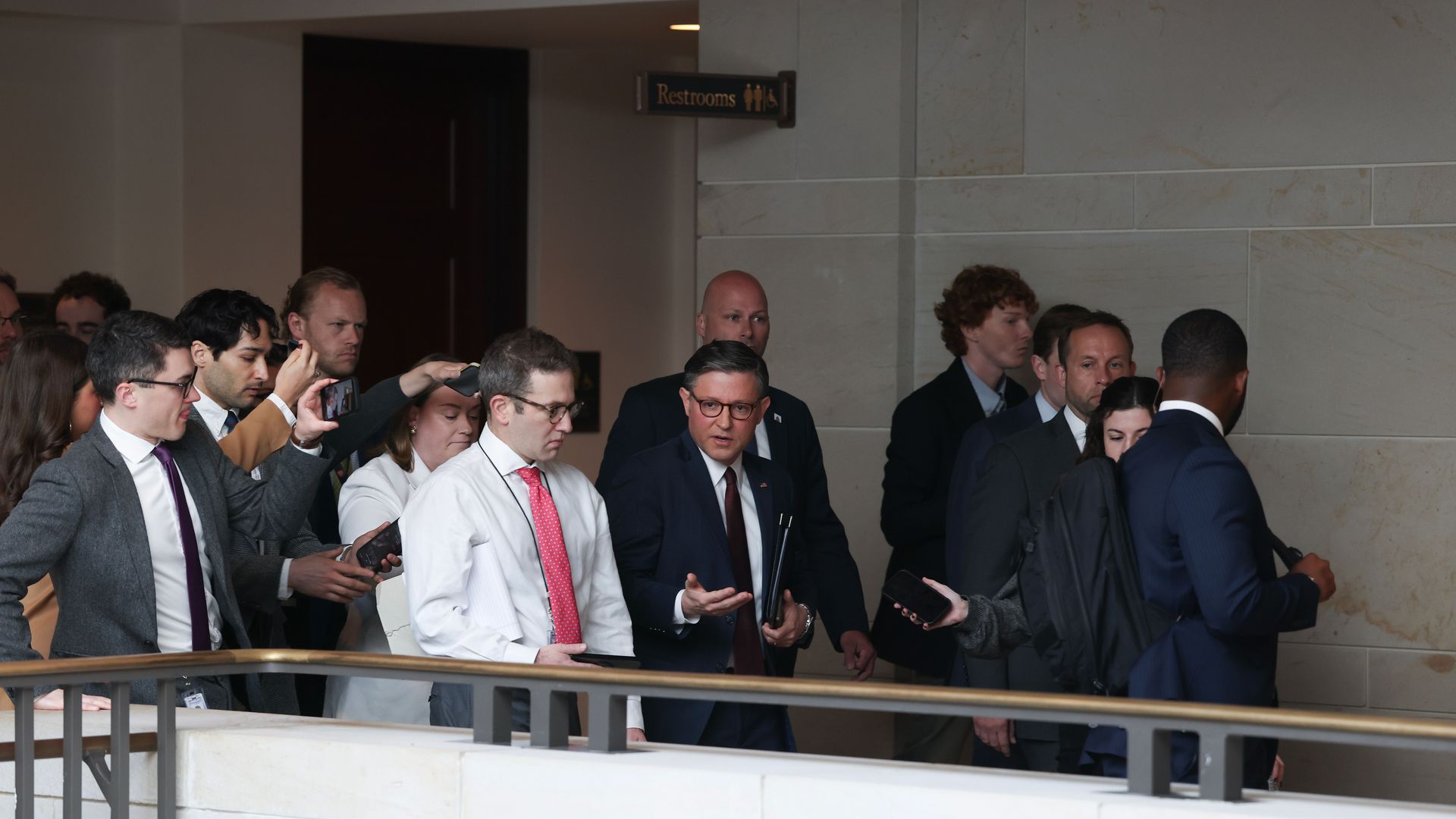
House Speaker Mike Johnson (R-La.) has agreed in a meeting with the Freedom Caucus to put a 60-day continuing resolution that funds all of DHS, including ICE and CBP, in lieu of the Senate-passed bill on the House floor.
Why it matters: The move will prolong the more than five-week long shutdown of the Department of Homeland Security, requiring the Senate to come back and approve the House bill.

Iran-linked group claims hack of FBI Director Kash Patel
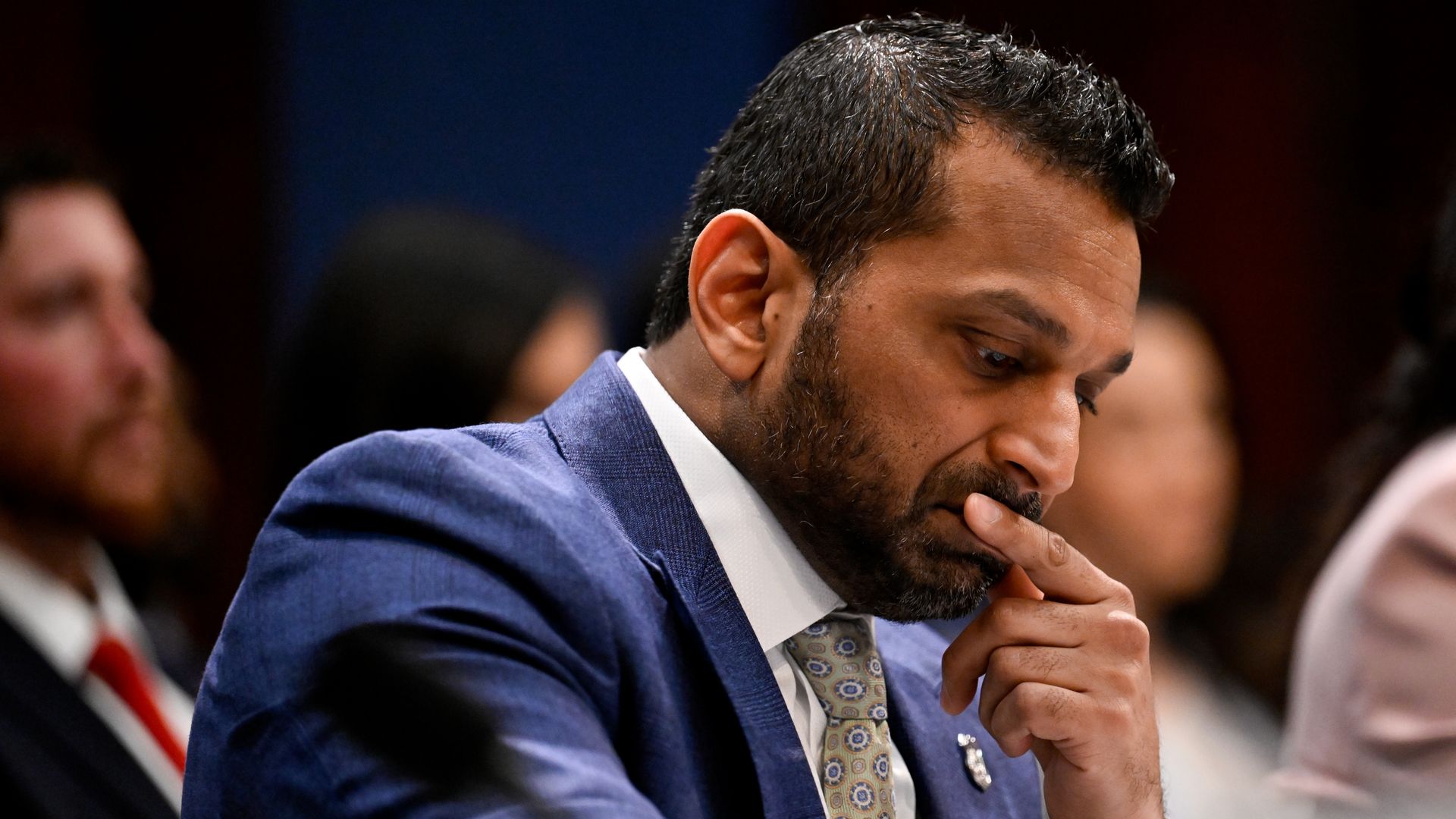
A hacktivist group that the U.S. has linked to back to Iranian intelligence services claims it has stolen "personal and confidential information" from FBI Director Kash Patel, including emails, documents and potentially confidential files.
Why it matters: The attack could be the most significant cyberattack of the ongoing war between the U.S., Israel and Iran, and could put an uncomfortable spotlight on Patel.
Mike Johnson faces a rocky path to funding DHS
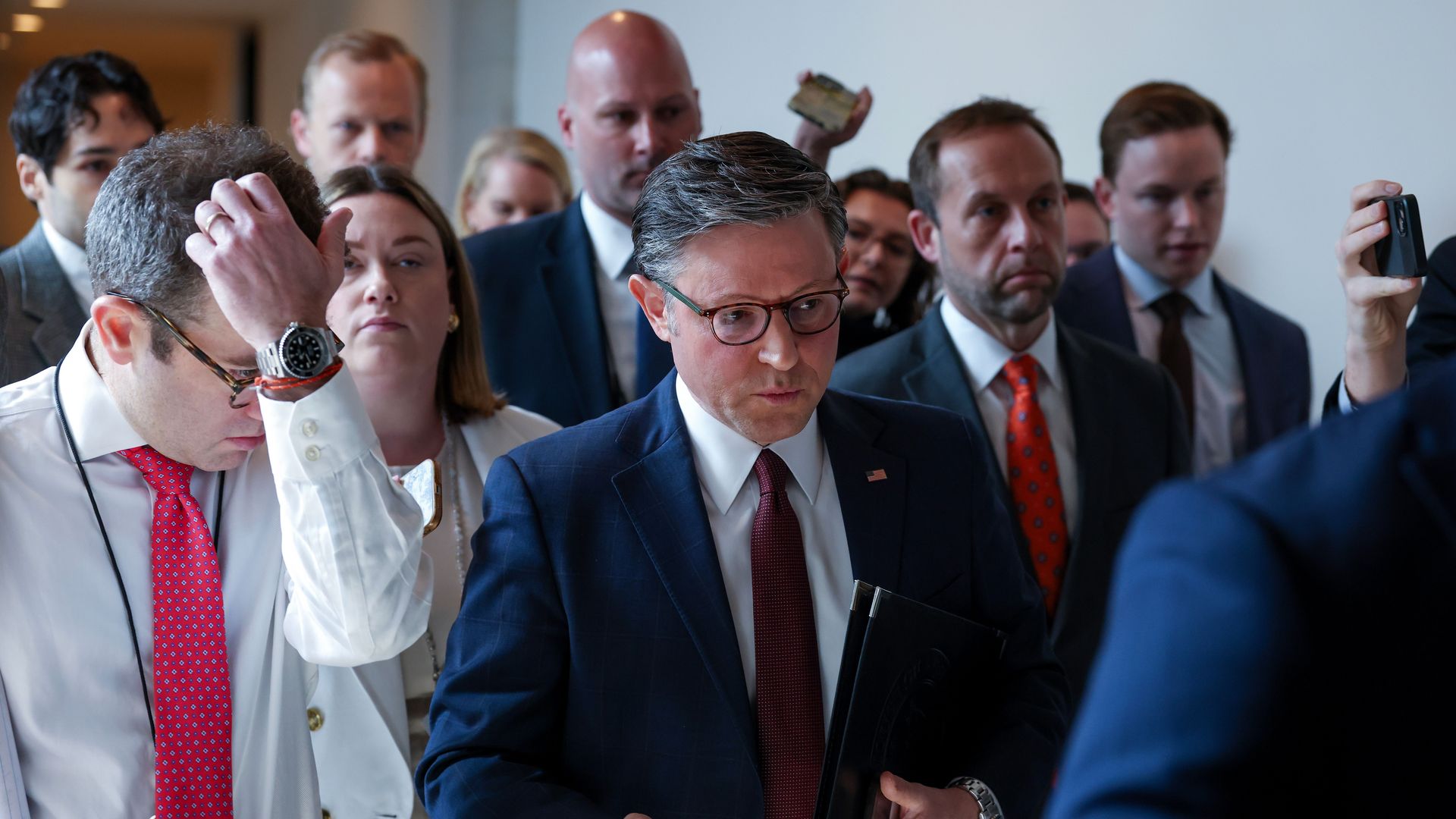
Hardline House conservatives are threatening to sink a Senate-passed DHS funding bill, escalating a standoff that's already kept the agency shut down for more than five weeks.
Why it matters: House Speaker Mike Johnson (R-La.) is staring down a messy path to funding the Department of Homeland Security with no easy off-ramp.
Trump's signature coming to U.S. cash. Who signs money and why
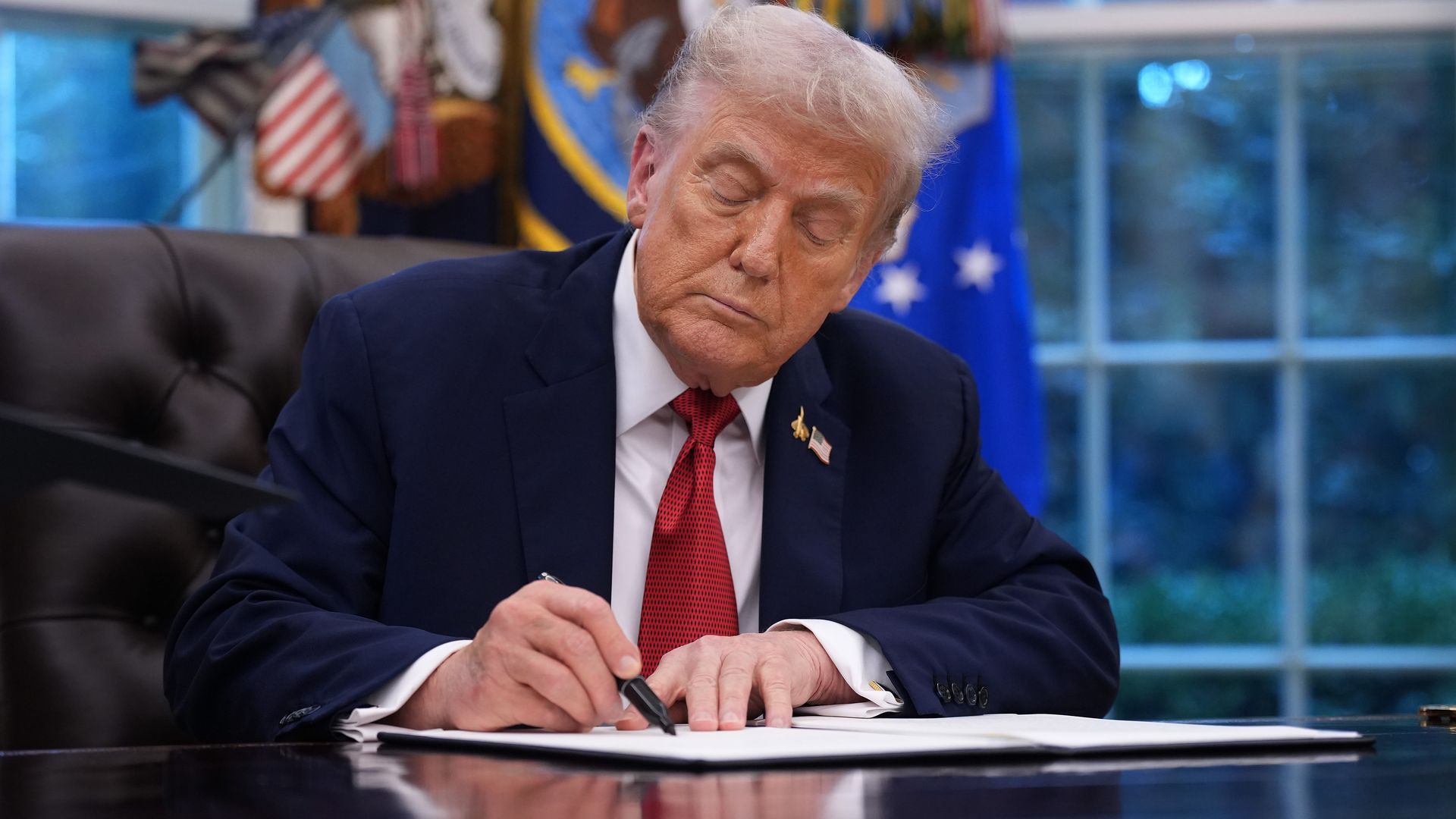
The Treasury Department announced Thursday that President Trump's signature will appear on future U.S. currency.
Why it matters: This is the first time a sitting president's signature will appear on future paper bills. Since 1914, U.S. currency has carried the signatures of the Treasury secretary and the U.S. treasurer.
Fiery House hearing ends in guilty ruling for Cherfilus-McCormick
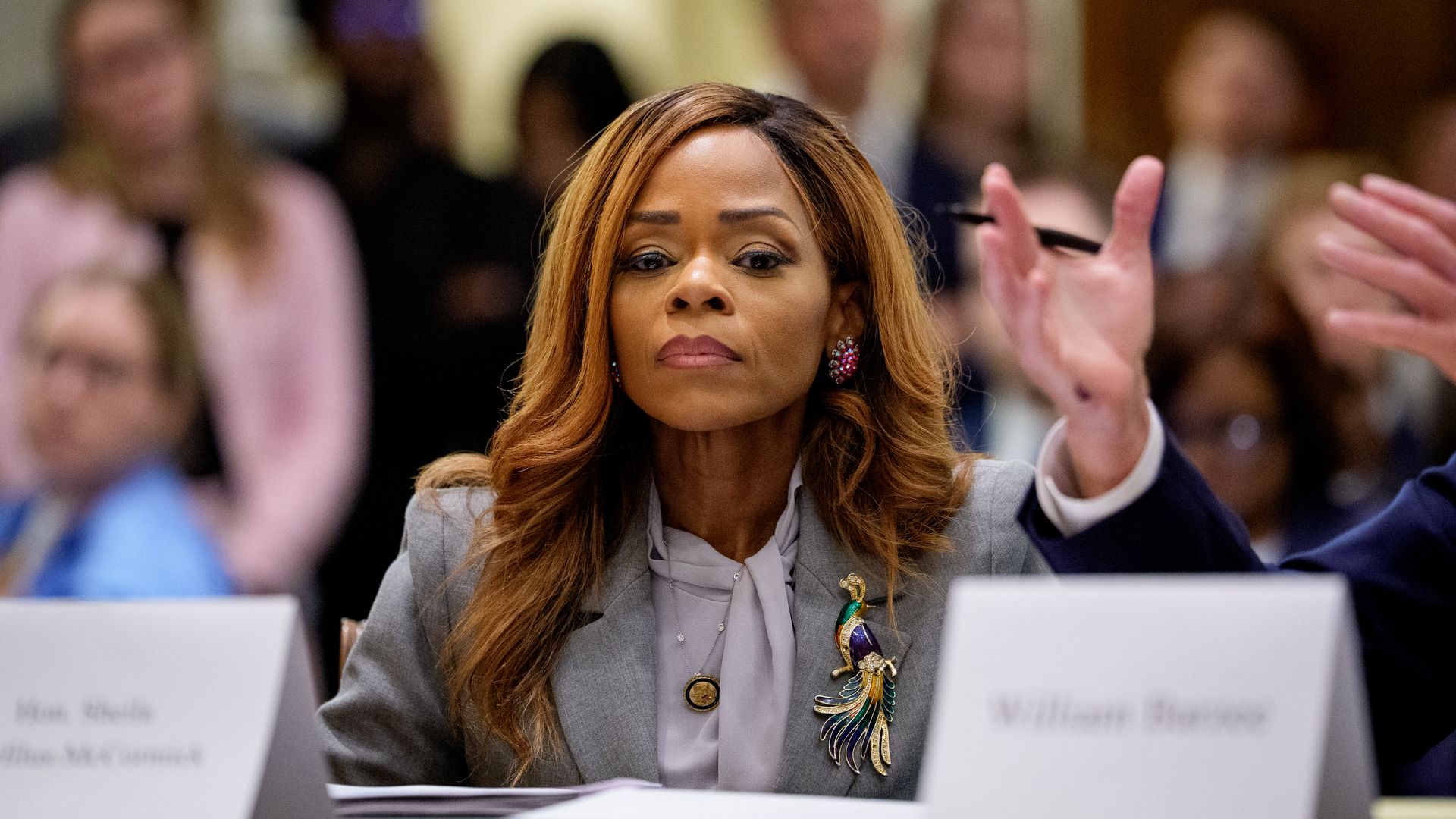
A bipartisan panel of House Ethics Committee members found Rep. Sheila Cherfilus-McCormick (D-Fla.) guilty of financial misconduct and other charges on summary judgment following a testy, hourslong hearing.
Why it matters: The Ethics Committee will meet in mid-April to decide on appropriate punitive action, which could include fines, censure or even expulsion.

This man has a strategy for using Bezos' climate billions

HOUSTON — Tom Taylor, president and CEO of the $10 billion Bezos Earth Fund, lacks a climate background.
- But he brings business and engineering experience — and, crucially, Jeff Bezos experience — to the role.

Exclusive: Obama urged Newsom on California's Prop 50 redistricting push
California Gov. Gavin Newsom called former President Barack Obama before launching his aggressive Proposition 50 redistricting push, expecting a warning to play it safe. Instead, he was told to push ahead.
State of play: Newsom said during an interview on "The Axios Show" that he went into the call "very nervous," not to secure Obama's endorsement but to get a gut check on a strategy he knew could divide Democrats.

Stock indexes step into correction territory


When the Iran war started, market analysts issued reassuring notes: Short-lived geopolitical shocks don't typically rattle the stock market, they said.
Why it matters: We're now into month two of conflict. Equities are wobbling, and investors are growing increasingly skeptical of President Trump's assurances.
Where it stands: The tech-heavy Nasdaq index is now down 11% from its record-high close on Oct. 29 — officially entering correction territory.
- The Russell 2000, an index tracking smaller companies, landed in correctionville last week.
- The S&P 500 has held up a bit better, but it's down 7.2% from its closing high.
Catch up quick: Minutes after the market closed Thursday, Trump posted that he was extending the deadline for Iran negotiations.
- "As per Iranian Government request, please let this statement serve to represent that I am pausing the period of Energy Plant destruction by 10 days." That would bring his latest deadline to Monday, April 6.
The latest: That statement didn't calm the markets for long. Oil prices spiked to around $110 a barrel when the market reopened.
- "While the delay might reduce some of the immediate escalation risk, it offers no new visibility on the path toward resolution," Deutsche Bank analysts wrote in a note this morning.
The big picture: If the market does take a another leg down, the effects on American households would be more pronounced than in previous oil price shock moments.
- Nearly 40% of household wealth in the U.S. is tied up in stocks — compared with about 10% during the 1990 oil price shock, UBS economist Arend Kapteyn said in a note yesterday.
- That means Americans would be hit with a double whammy from the geopolitical conflict: higher energy prices and lower brokerage account balances. That in turn would be a drag on overall economic growth, as households cut back on spending.
- It would also be another downer to the consumer mood.
Zoom out: The stock market doesn't typically take kindly to long periods of high oil prices stemming from Middle East Conflict.
- Over the past 50 years, there were nine oil price shocks, where prices rose 20% or more, according to an analysis from Joe Seydl, a senior markets economist at JPMorgan Private Bank.
Zoom in: Four of those shocks led to a selloff in stocks — an S&P decline greater than 10%:
- The 1973 oil embargo, the Iranian hostage crisis, the 1990 Gulf war and the Russian Invasion of Ukraine in 2022.
- In each case, oil prices rose more than 50%.
Stunning stat: The price of Brent crude is up nearly 40% from the beginning of the war.
Yes, but: It's not just the oil price that triggered the selloff, Seydl writes. Each of those selloffs coincided with either a recession in the six months after the shock or Federal Reserve interest rate increases.
- The past doesn't predict the future.
What to watch: Weekend postings by Trump. The president has had a tendency to escalate the conflict with Iran with social media posts on Saturdays and Sundays that in turn has driven a lot of market volatility.

Vance's greatest challenge: Making peace with Iran

Vice President JD Vance is preparing to take on the most important assignment of his career: steering U.S. efforts to end a war he'd been concerned about waging in the first place.
Why it matters: Vance has already had multiple calls with Israeli Prime Minister Benjamin Netanyahu, met Gulf allies about the war and been involved in indirect communications with the Iranians. He's expected to be the top U.S. negotiator in potential peace talks.
Late-night Senate vote puts DHS one step closer to mostly reopening
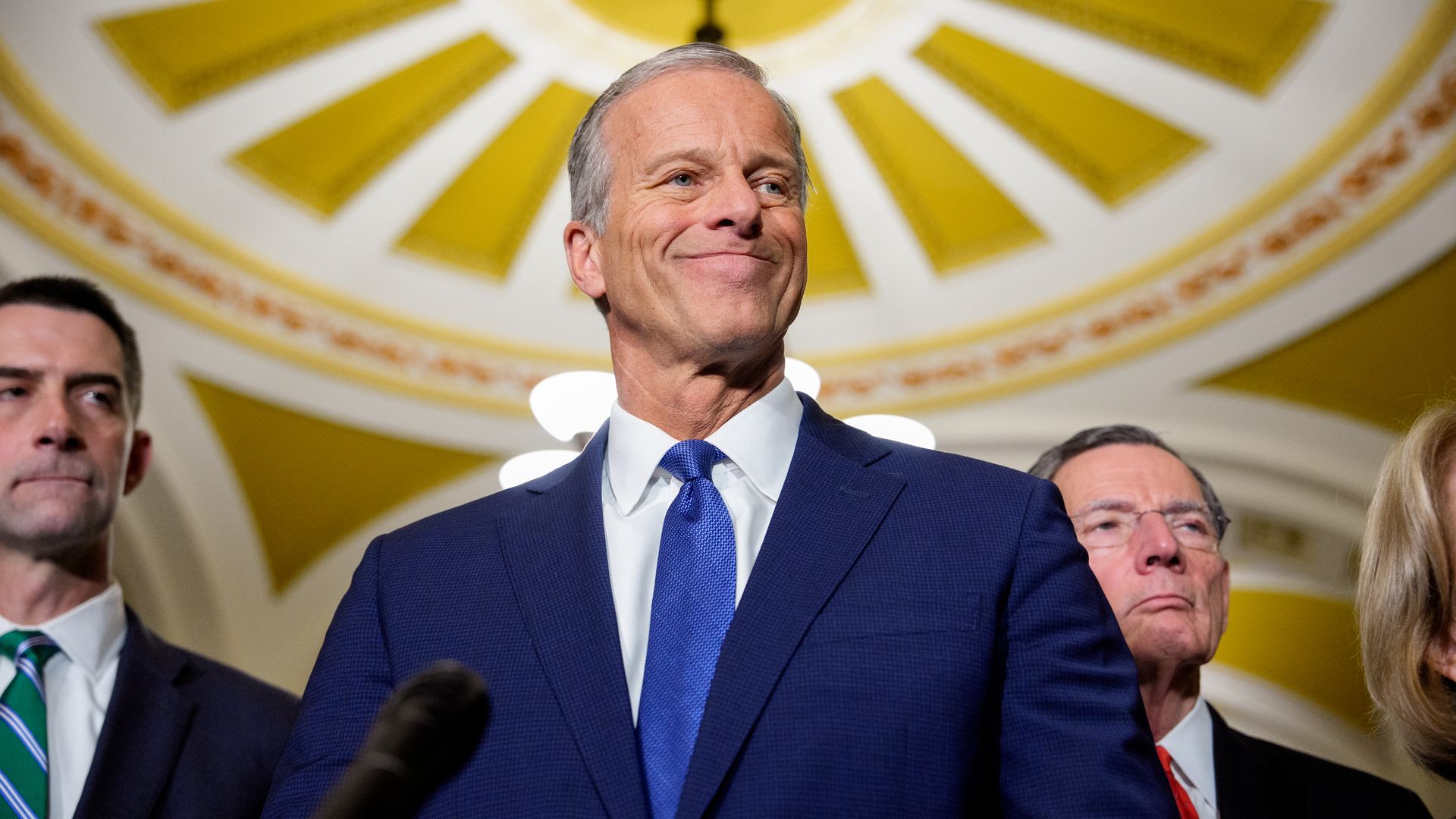
The U.S. Senate voted overnight to pass a bill that would reopen all of the Department of Homeland Security, except a few immigration enforcement agencies.
Why it matters: The vote puts Congress one step closer to ending a 42-day shutdown that has resulted in widespread airport security disruptions and missed paychecks for hundreds of thousands of workers at key national security agencies.

"The Axios Show": Newsom on AI "doomers," Trump and being called "slick"
California Gov. Gavin Newsom told Axios he doesn't believe artificial intelligence will lead to an apocalypse for humanity.
- "I'm not a 'doomer.' I can't live like that," he said during an interview for "The Axios Show."
Why it matters: Newsom, a potential contender for president in 2028, has a more optimistic view of AI than many in the Democratic Party's left wing, but wants to shape the future of tech through regulation rather than trying to halt the development of AI — or let it run amok.

May primaries to test Trump's grip on the GOP
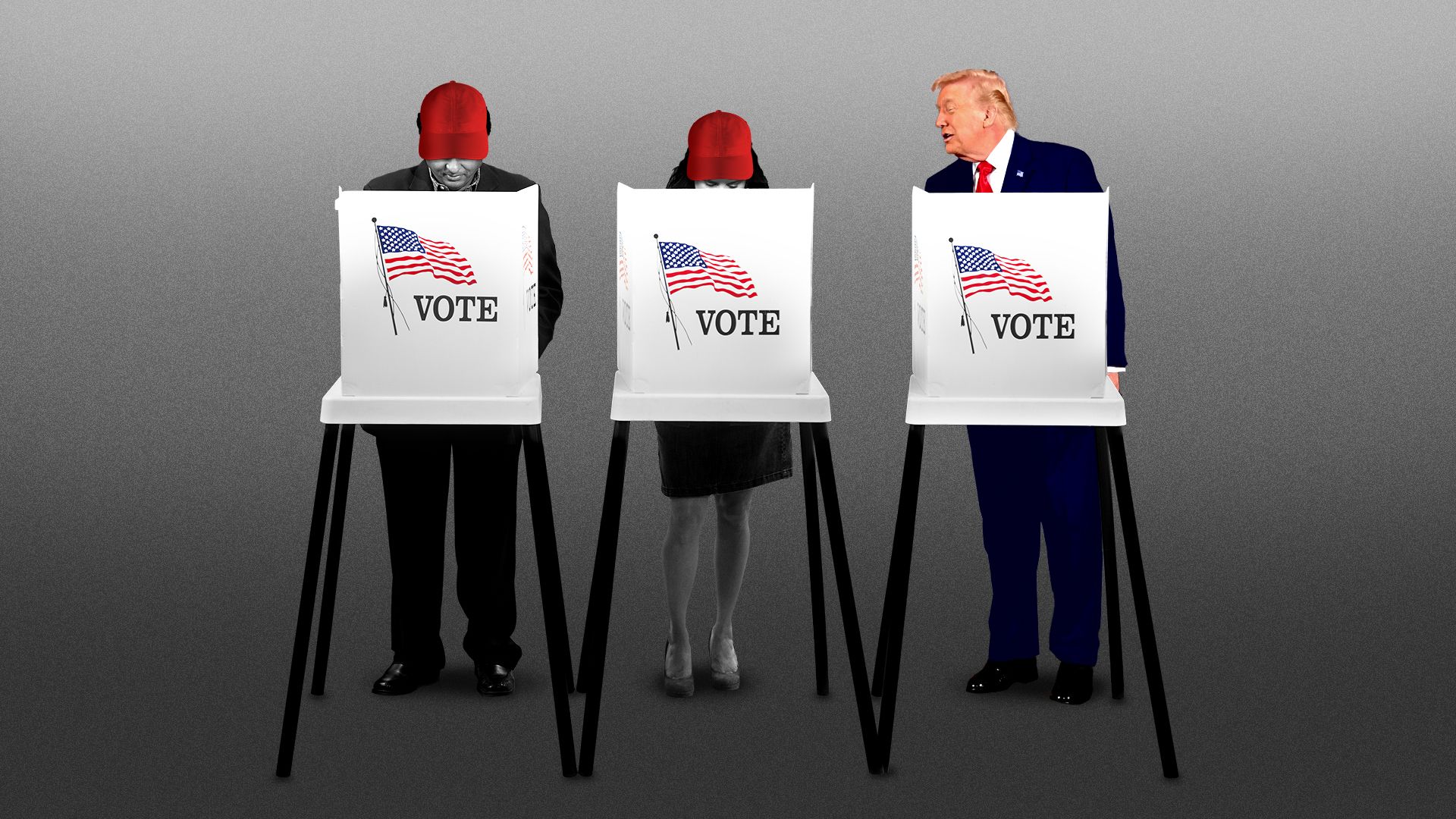
Three Republican primaries in May will provide the clearest indication yet of whether President Trump is maintaining his iron-like grip over the GOP — or whether cracks are forming.
Why it matters: Trump's popularity nationwide has never been lower, and his MAGA movement is splintering over the Iran war and the Epstein files. A big question now is whether his endorsements — and repudiations — of GOP candidates still pack a punch within the party.
Exclusive: Sen. Warren seeks to turn up the pressure on private equity landlords
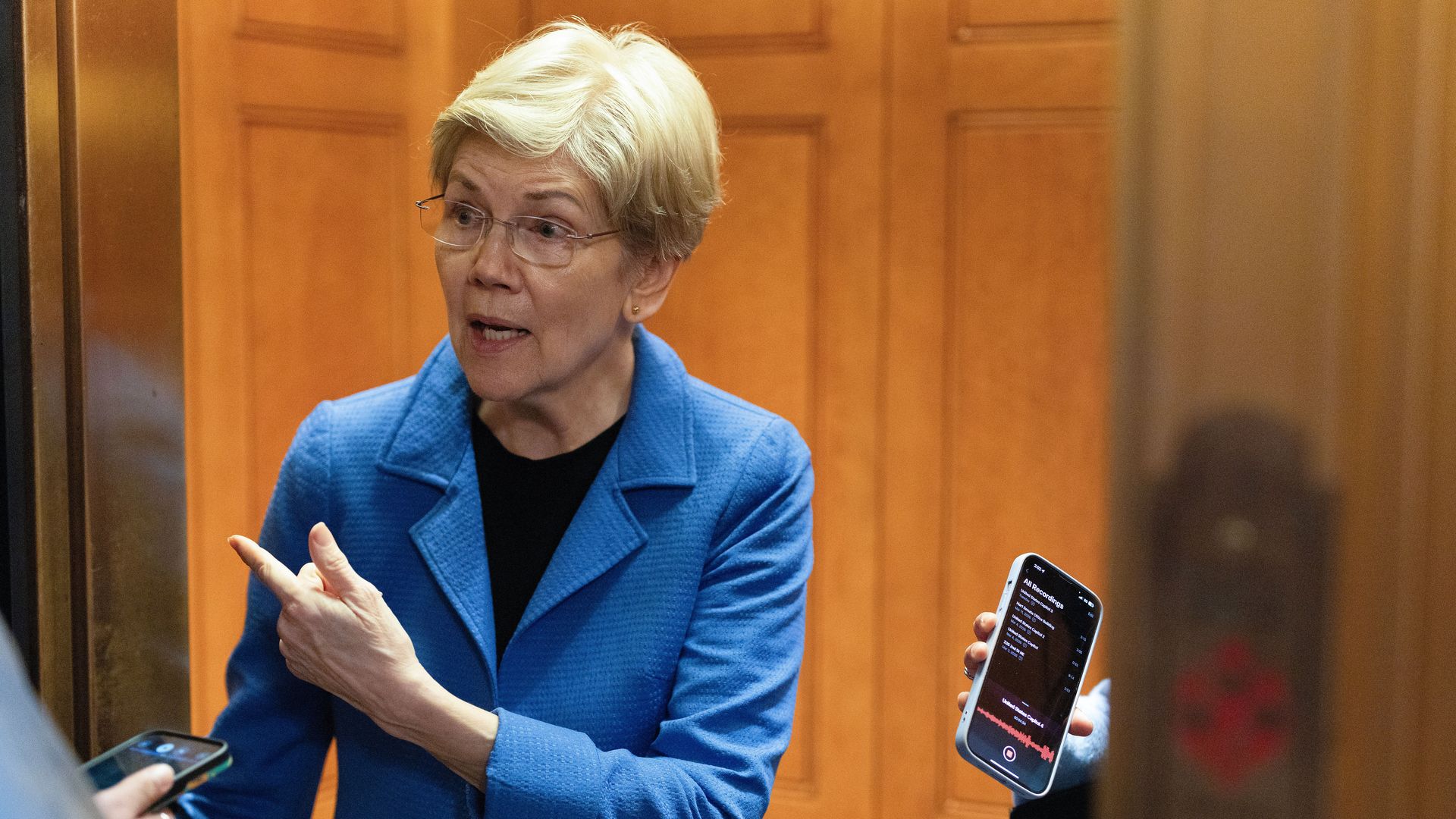
Following the Senate's push to ban institutional investors from owning single-family homes, Sen. Elizabeth Warren (D-Mass.) is now pressing the corporate landlords that hold multifamily apartments and manufactured homes.
Why it matters: These companies, including private equity and publicly traded real estate firms, are taking heat from lawmakers and the president over a housing affordability crisis that's gripped the country in recent years.
Where it stands: This week, Warren sent letters to 14 corporate landlords, including Blackstone, Starwood and Invitation Homes, seeking more information on:
- The number of properties they or their affiliates own or have sold, rents charged, evictions conducted and more. The letter asks for a detailed accounting of complaints by renters across their properties.
- The letter to Starwood, viewed by Axios, also requests information on any communications the company has had with the Trump administration.
Catch up quick: Earlier this month, the Senate passed the ROAD to Housing Act by a 89-10 vote. The product of negotiations between Warren and Sen. Tim Scott (R-S.C.), the bill would ban large institutional investors from buying single-family homes.
- The provision is getting big pushback from House conservatives who are calling it "socialism." The big housing companies also say they're being unfairly targeted.
- Institutional investors hold just 3% of single-family homes in the U.S., Warren notes.
Yes, but: Blackstone has said that the number is even smaller — with investors owning 0.5% of single-family homes and it holding just 0.06%. "Far too immaterial to impact rents or markets," it said in an earlier release.
- The firm argues that single-family rental homes enhance housing affordability.
Zoom in: These companies play a bigger role in manufactured housing and multifamily rentals.
- In her letter, Warren says they are responsible for higher rents and eviction rates.
What they're saying: "America is facing a housing crisis with skyrocketing costs and a severe shortage of affordable housing supply," she writes.
- "Wall Street and giant corporate landlords are making the crisis worse by gobbling up homes and apartment complexes, jacking up housing costs across the country, and using aggressive and discriminatory tactics to push up profits at the expense of families."
The other side: "Our members offer quality homes to hardworking families who prefer the flexibility of renting or who are not yet positioned to buy," said the National Rental Home Council, a trade association that represents Invitation Homes and other big institutional landlords.

White House AI rollout exposes widening rift

A week after the White House unveiled its long-awaited national AI legislative framework, Washington has renewed momentum to pass federal laws but no roadmap on how to get there.
Why it matters: The administration's loose AI playbook for Congress is exposing cracks beneath the GOP's apparent consensus.

Meta's bad week sparks Hill action

Meta's court losses this week are adding urgency to lawmakers' push to pass legislation that could reshape how social media platforms are designed.
Why it matters: Plaintiffs in New Mexico and Los Angeles successfully tested a new legal theory that treats social media more like products that can cause harm — rather than protected speech — and chips away at tech's long-standing liability shield.
Pentagon weighs sending 10,000 more combat troops to the Middle East
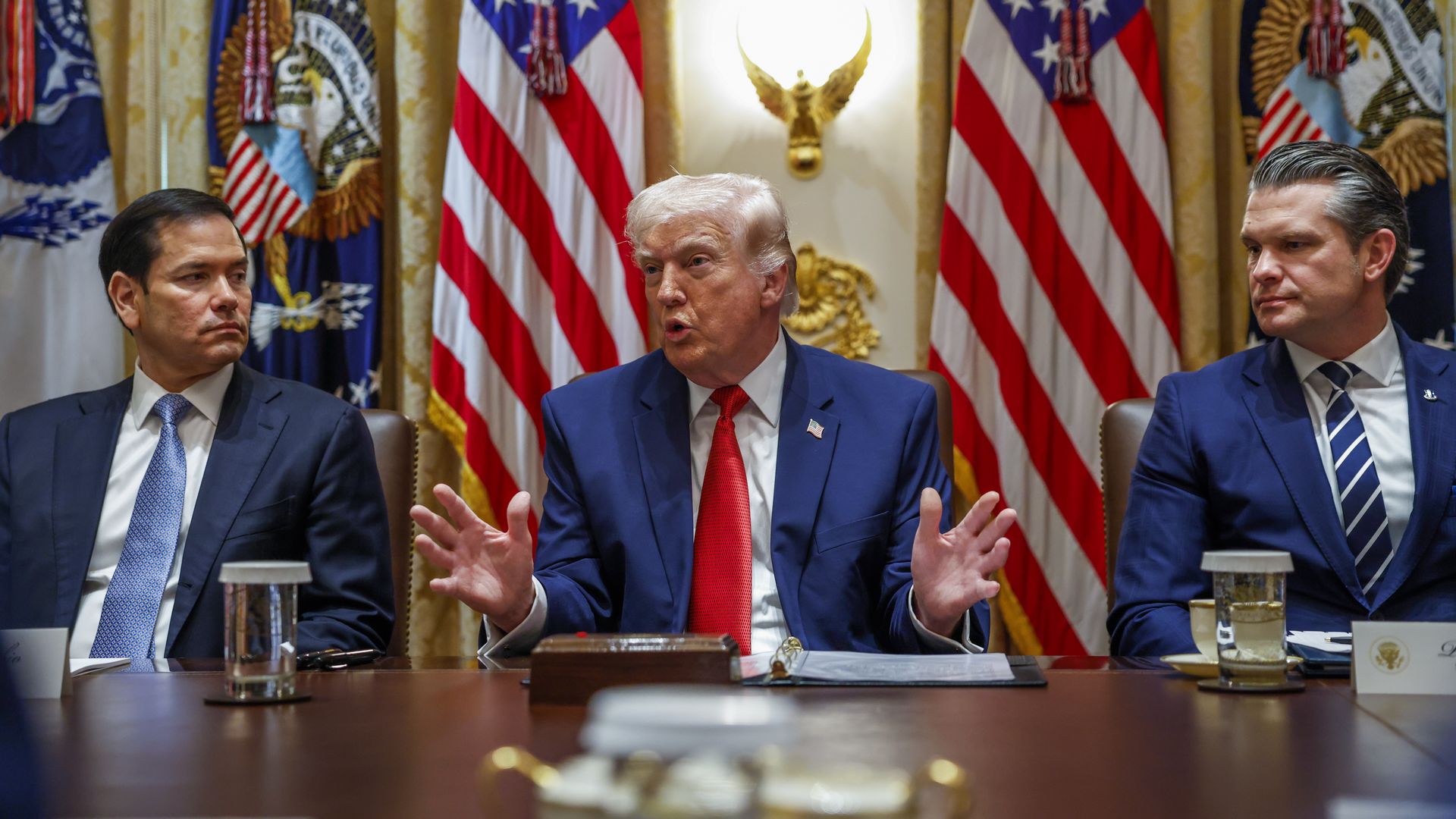
The White House and the Pentagon are considering sending at least 10,000 additional combat troops to the Middle East in the coming days, according to a senior U.S. defense official.
Why it matters: If the Trump administration decides to send extra troops, it will significantly increase the number of combat soldiers the U.S. has in the region. It is another signal that a U.S. ground operation in Iran is being seriously prepared.
Scoop: Mad Mike emerges as FISA fight boils over
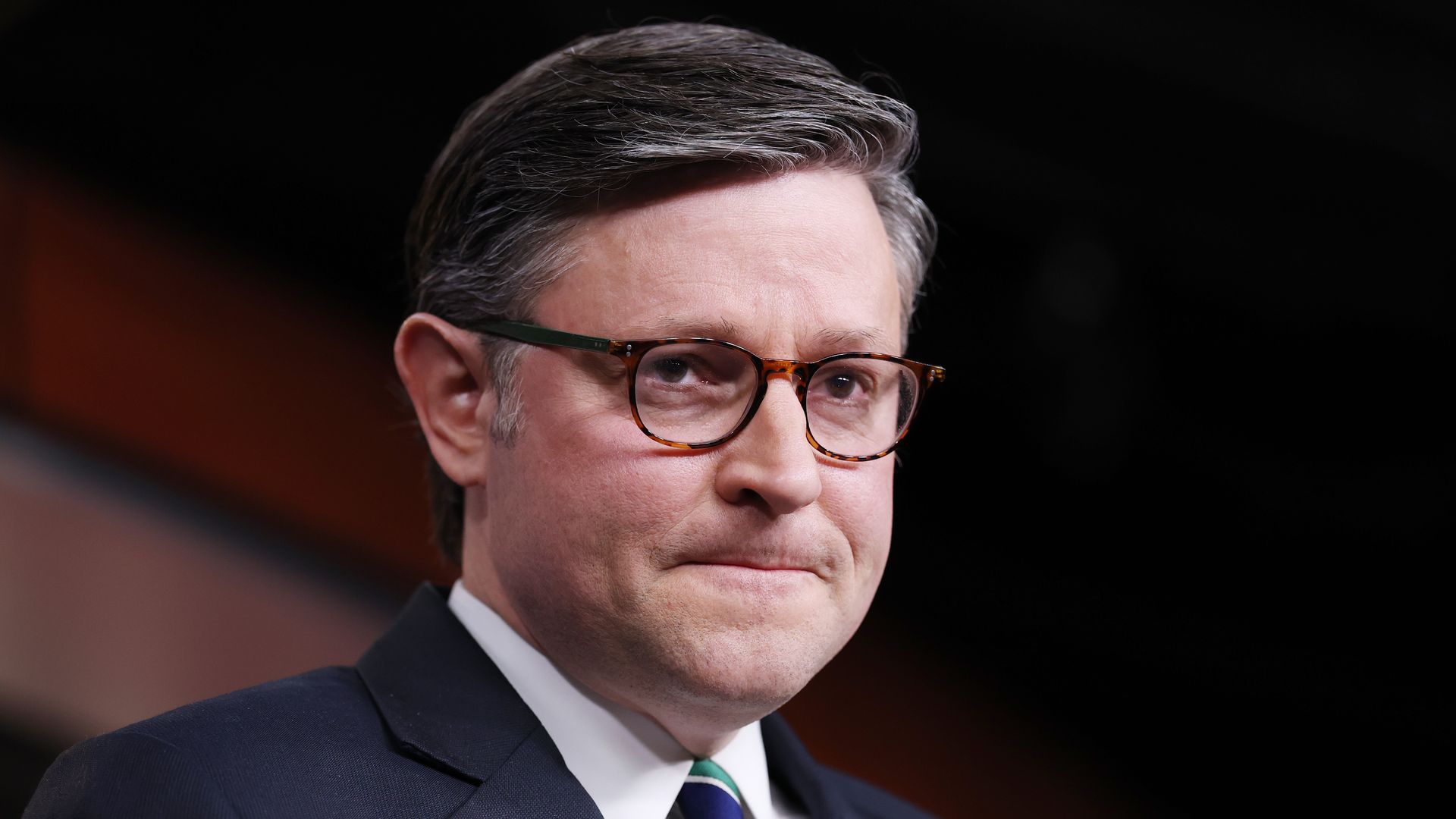
Speaker Mike Johnson (R-La.) lost his cool on the House floor, telling Rep. Anna Paulina Luna (R-Fla.) she would bear responsibility for "thousands of American deaths" if she votes against reauthorizing FISA, according to sources familiar with the exchange.
- "I was getting a spanking on the floor," Luna told Axios of the previously unreported Wednesday dustup.
Why it matters: Johnson brands himself as a "happy warrior" who never loses his temper, but the battle over extending the government's powers to conduct surveillance on foreign interests in the U.S. under the FISA law is showing the limits of that persona.
Thune lays out next steps after Trump's move to restore TSA pay
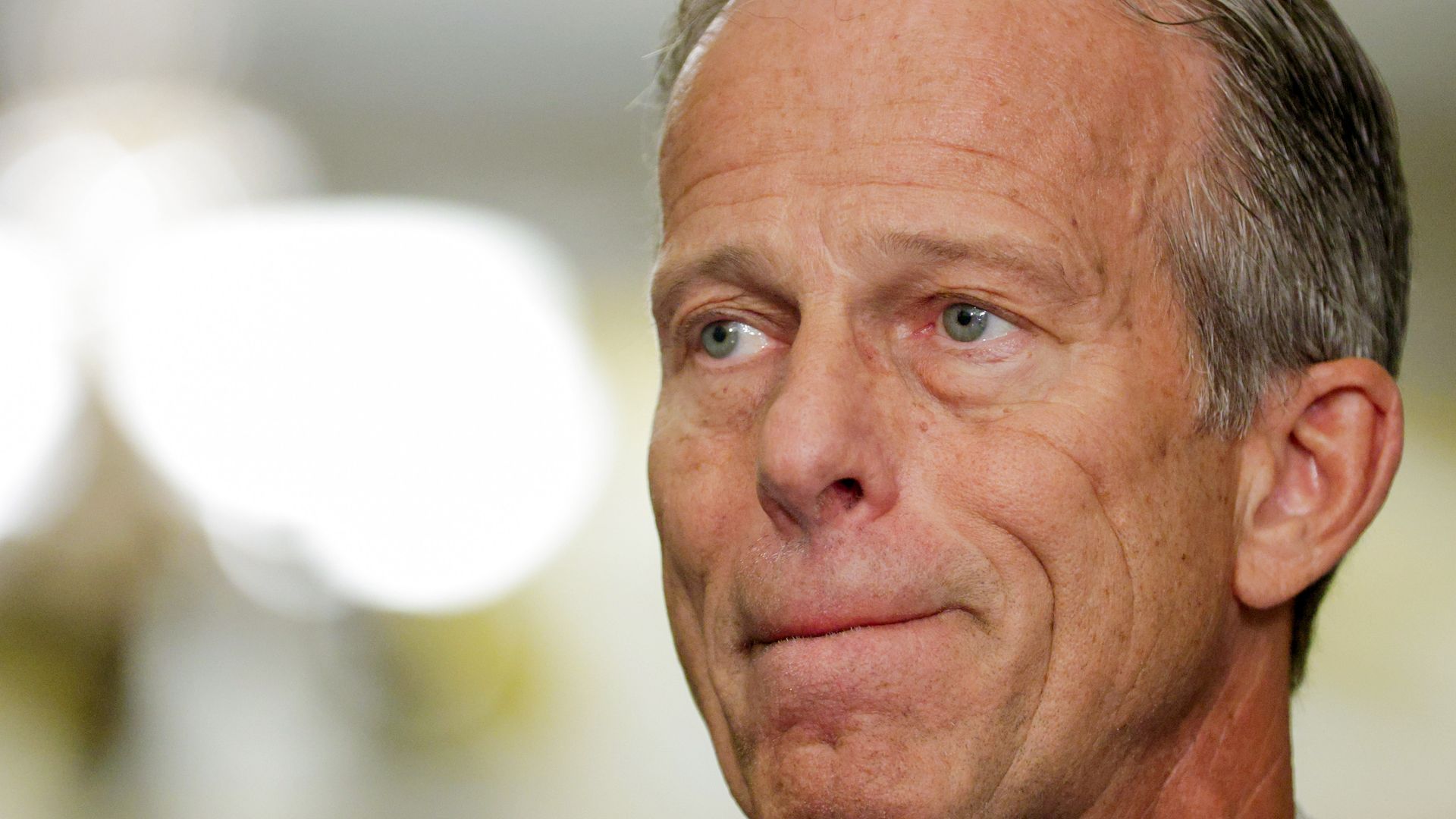
Senate Majority Leader John Thune told Republican senators Thursday night that they need to "work together to ensure that DHS, including ICE and Border Patrol, is funded in a sustainable manner for the rest of the year."
Why it matters: Thune (R-S.D.) appears to be holding out hope that he can fund the rest of DHS through the traditional appropriations process "so that we can then focus our reconciliation efforts on ICE and the Border Patrol," according to an email Thune sent to Senate offices.