Trump's signature coming to U.S. cash. Who signs money and why

Add Axios as your preferred source to
see more of our stories on Google.
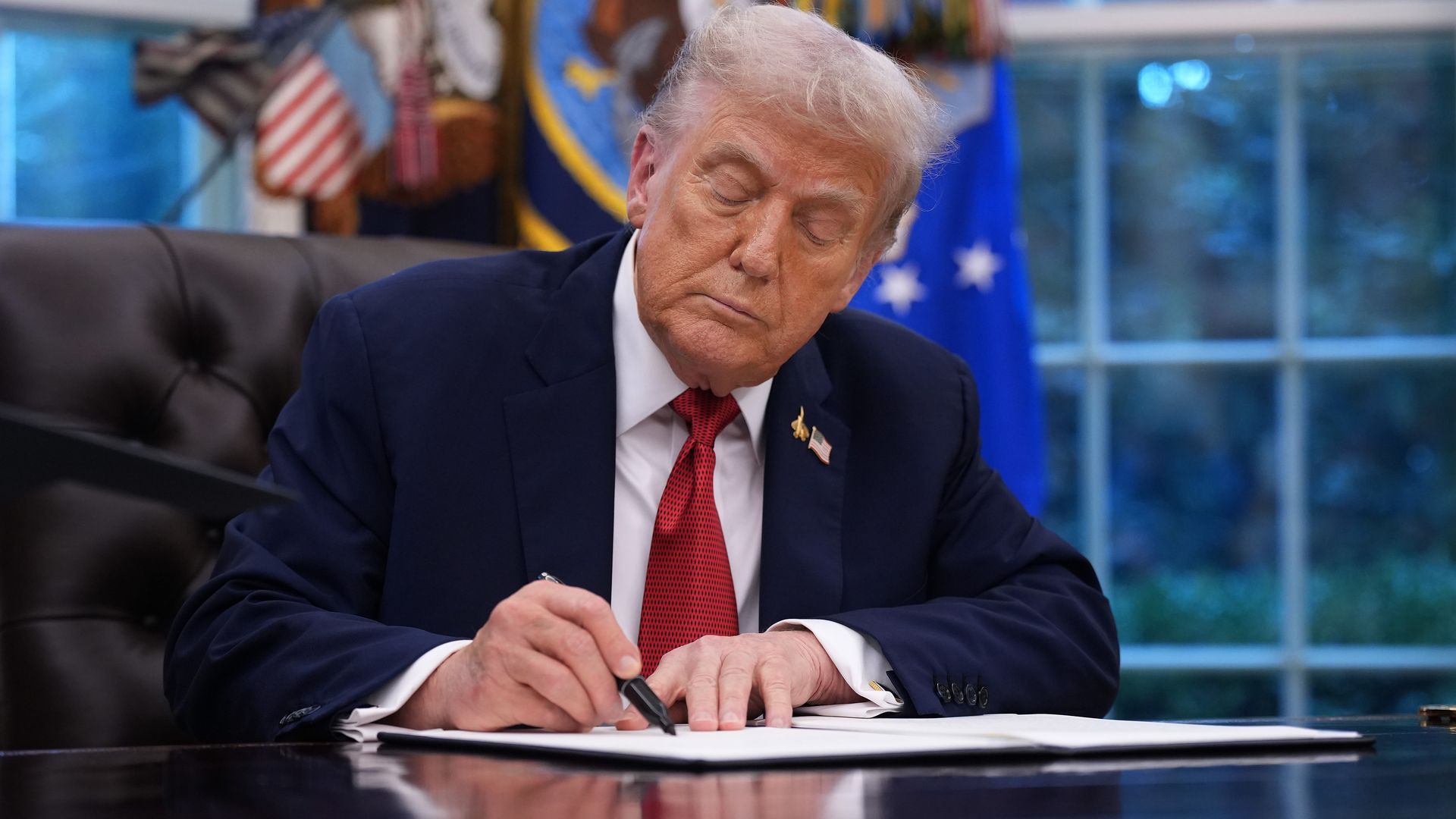
President Trump signs an executive order in the Oval Office on Sept. 25, 2025. Photo: Andrew Harnik/Getty Images
The Treasury Department announced Thursday that President Trump's signature will appear on future U.S. currency.
Why it matters: This is the first time a sitting president's signature will appear on future paper bills. Since 1914, U.S. currency has carried the signatures of the Treasury secretary and the U.S. treasurer.
- Trump's name will appear beside Treasury Secretary Scott Bessent's and it will replace U.S. Treasurer Brandon Beach's signature.
- Bessent and Beach said the move is to celebrate America's 250th anniversary, turning U.S. dollars with Trump's name into collector items.
Here's who typically signs U.S. currency and why.
Who signs U.S. currency
The Treasury secretary has sweeping control over how currency is produced, printed and engraved.
- For more than 100 years, two Treasury officials — currently the Treasury secretary and the U.S. treasurer — have signed U.S. paper money.
- Presidents don't sign currency as that authority sits with the Treasury Department and the Federal Reserve, not the White House.
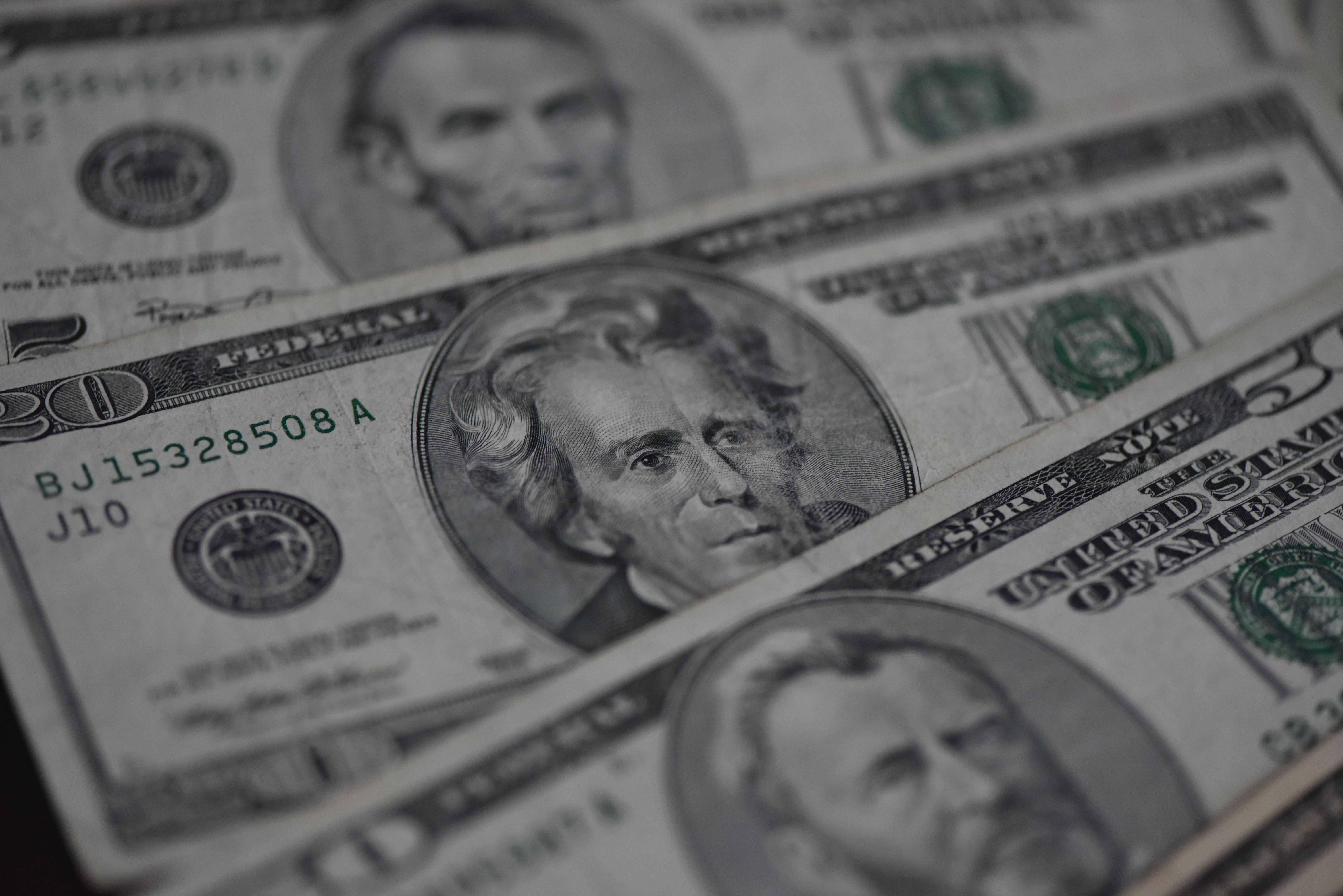
Flashback: Congress authorized the Treasury secretary to design and print paper currency — then known as "greenbacks" — in 1862 to help finance the Civil War.
- Register Lucius Chittenden and Treasurer Francis Spinner were the first two treasury officials to apply their signatures, which first appeared on the "Series of 1862" legal tender in March of that year.
- The register of the Treasury and the U.S. treasurer signed legal tender until 1914, when the register's signature was replaced with the Treasury secretary's name as positions and titles in the government shifted.
Why U.S. currency is signed
A new "series" of currency is issued when a new Treasury secretary or treasurer takes office, which is why the name on the tender can shift periodically.
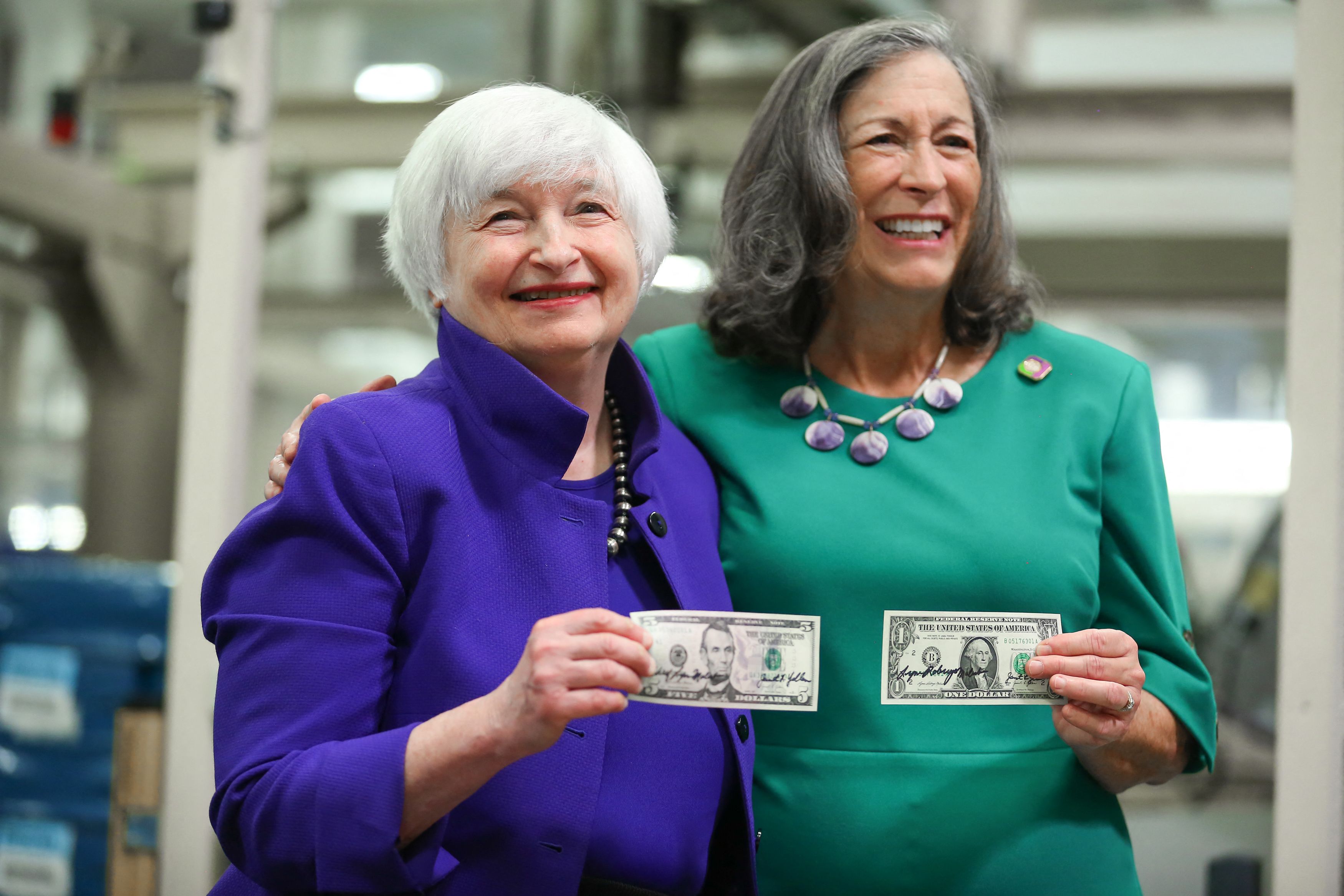
- In 2022, then-Treasury Secretary Janet Yellen and then-Treasurer Lynn Malerba marked the first time U.S. currency featured the signature of a woman.
Zoom in: Congress' decision to have the government add signatures to legal tender was mostly done to avoid counterfeit issues.
- Notes are expected to include "intricate geometric lathe work patterns," a U.S. Department of the Treasury seal, and engraved signatures as a measure of "counterfeit deterrence," according to the U.S. Currency Education Program.
The signatures signify that the currency has been certified as a note from the federal government, acting as a "sign off" from the government for the tender's use.
- That's why any note since 1861 remains valid and can be redeemed at face value.
Trump's money plays
Trump's signature won't cause legal issues because of the Treasury's exclusive power over design, experts told AP.
- However, Trump may expect political blowback, experts said.
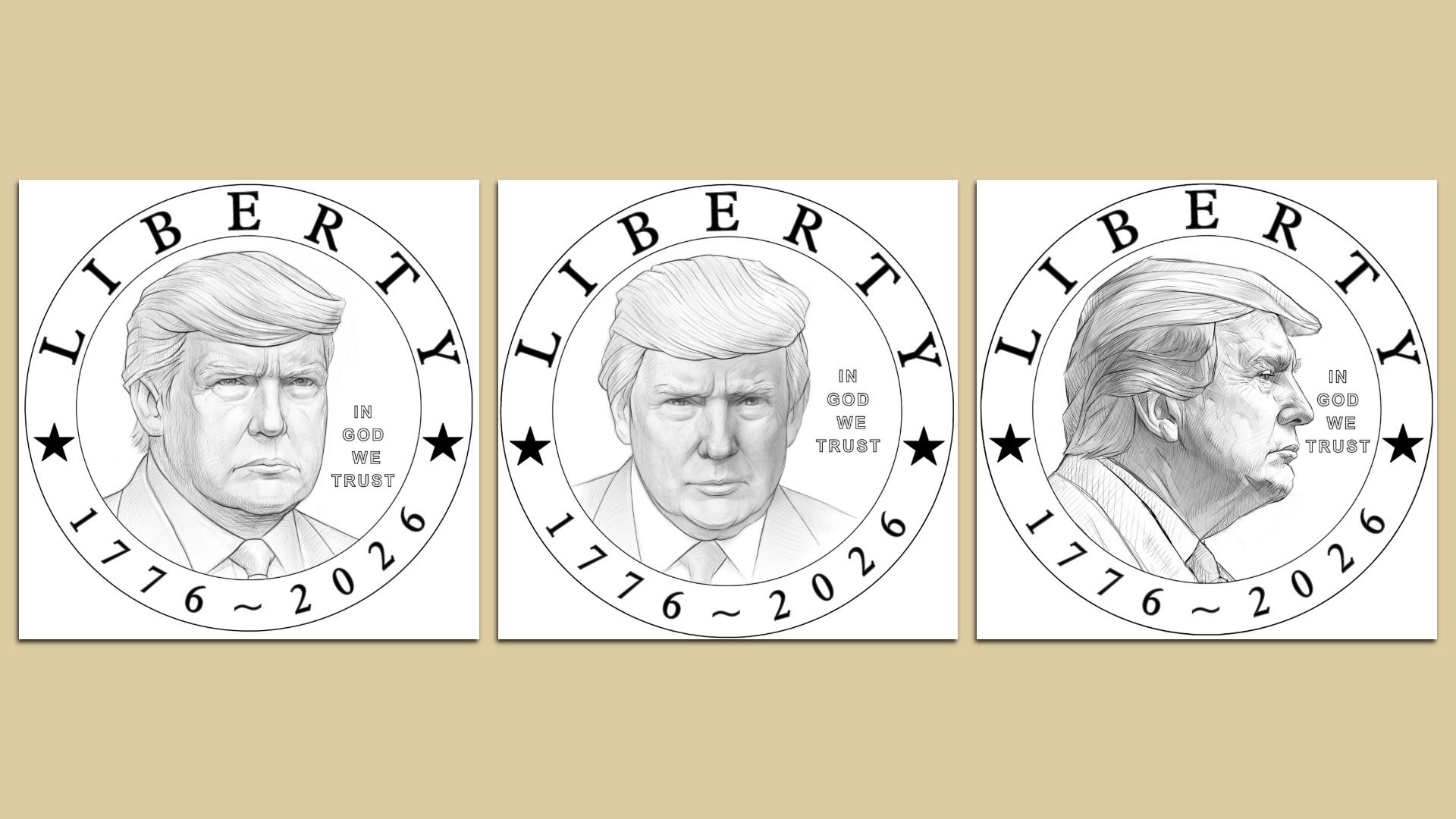
Trump already reshaped U.S. currency in many ways. Last week, the U.S. Commission of Fine Arts approved a 24-karat gold commemorative coin bearing his image.
- A new commemorative dime released by the U.S. Mint won't include the olive branch.
- The Trump administration pushed back on a set of quarters last year to honor the abolition of slavery and women's suffrage, among other subjects, the Wall Street Journal reports
Go deeper: 5 changes Trump could make to U.S. currency
