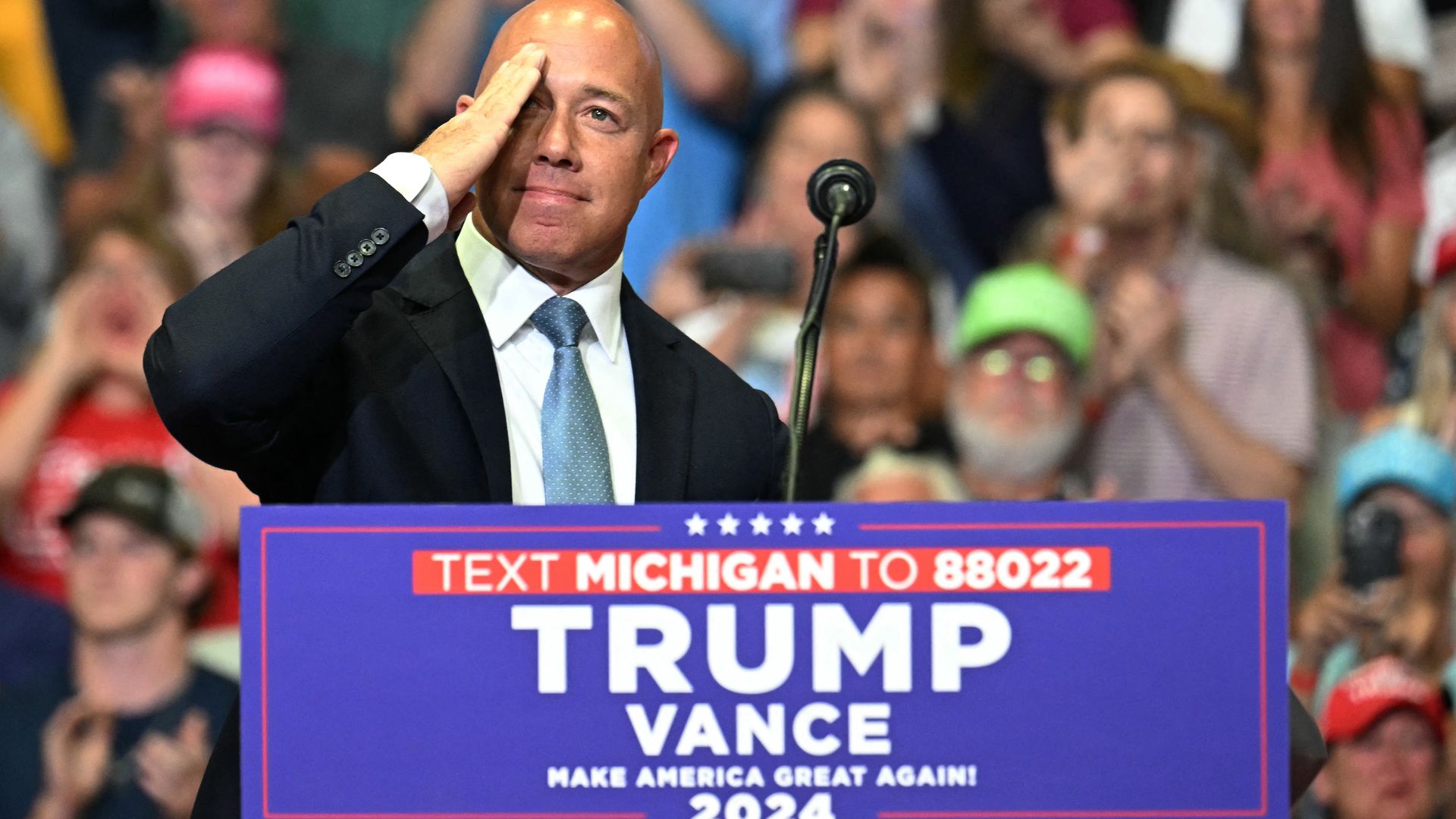
Top MAGA influencers, including Laura Loomer and David Sacks, are picking a public fight with a key GOP lawmaker over who should regulate the sale of AI chips to China.
Why it matters: Legislation from House Foreign Affairs Chair Brian Mast (R-Fla.) isn't even out of committee. But the accusations are flying fast.
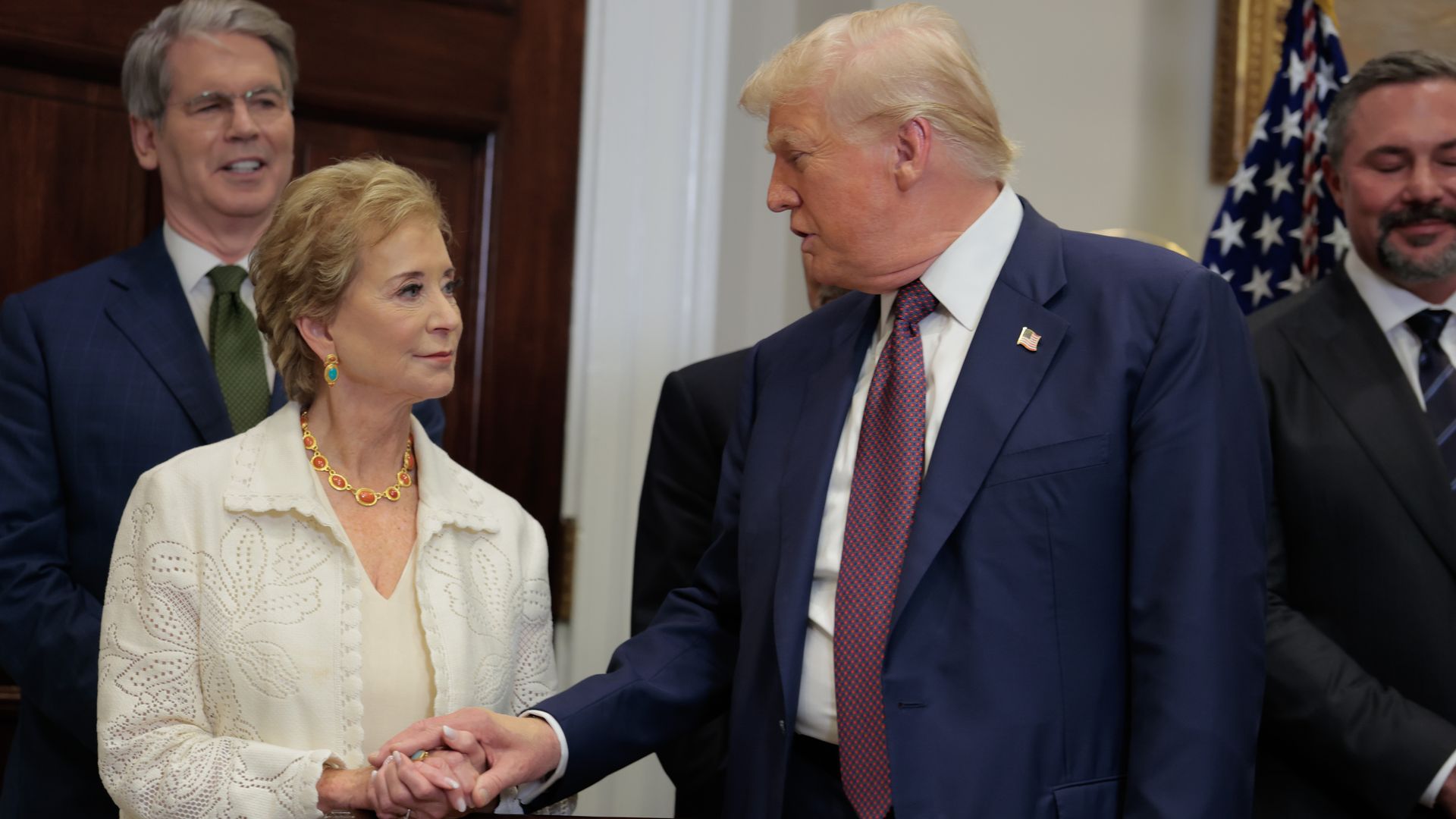
The Department of Education announced on Friday that it will delay involuntary collection efforts for defaulted student loan borrowers.
The big picture: The department had said earlier this month that it would start garnishing wages the week of Jan. 7. The quick reversal comes as the Trump administration grapples with America's affordability crisis ahead of midterms.
Student loan advisers have warned that once wage garnishment starts, tax refunds and other income are likely to be next on the chopping block.
President Trump is trying to solve a political dilemma with his push for tech companies to fund new power plants: The White House is all-in on AI, but Republicans face blowback as utility bills rise.
Why it matters: Rising consumer electricity costs — which have no single cause — and the need for more power generation are both threats to the AI boom.
The Trump administration's "energy dominance" council and a bipartisan group of governors unveiled a plan on Friday to address rising prices in the nation's largest power grid.
Why it matters: It's the latest sign that the administration is taking seriously the voter angst over skyrocketing electricity bills due in part to huge demand from AI-driven data centers.
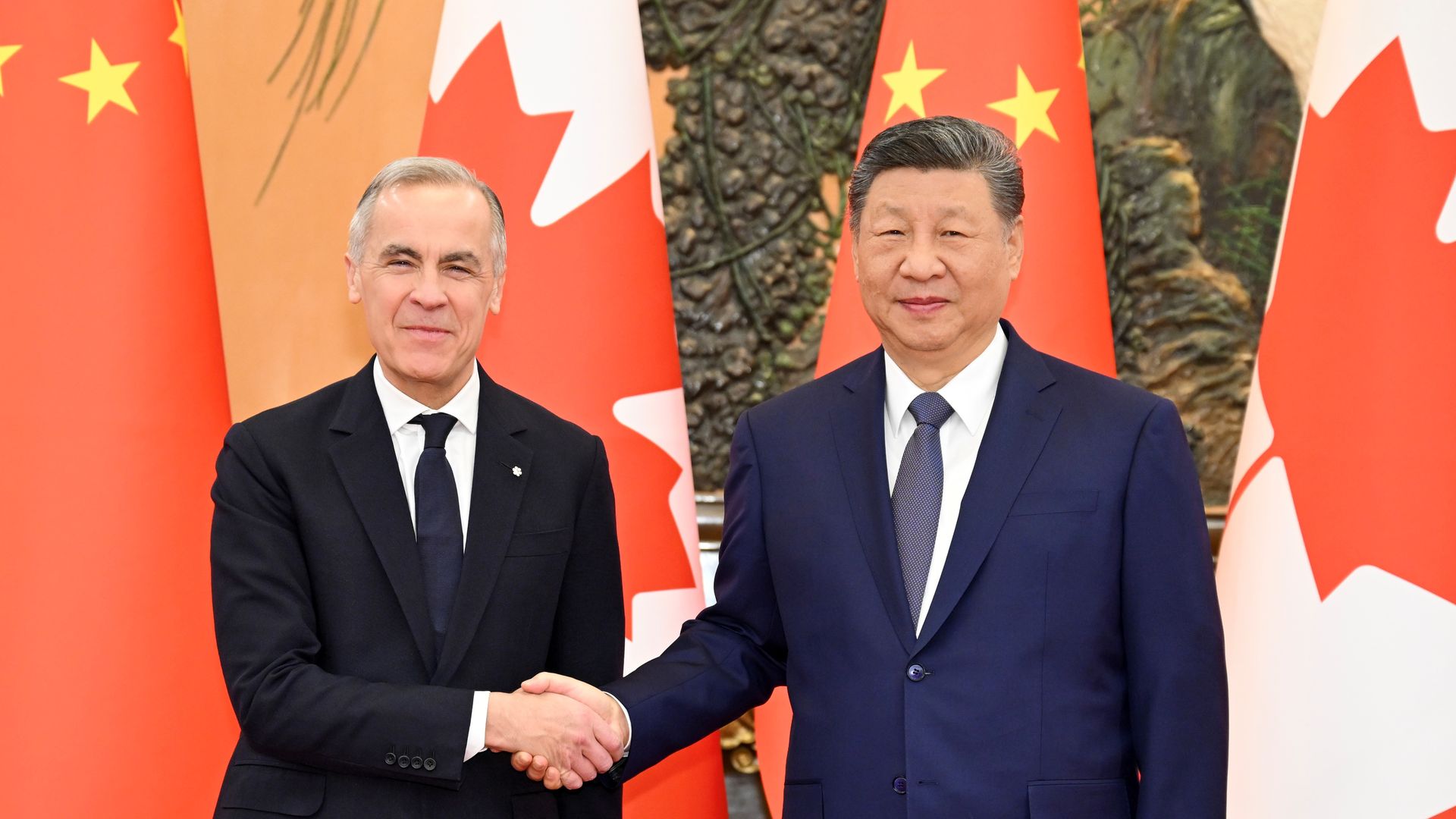
Canadian Prime Minister Mark Carney's decision to ease trade tensions with China is the latest sign that U.S. allies squeezed by Trump-era tariffs are recalibrating — and in some cases, drifting closer to Beijing.
Why it matters: President Trump's tariff-driven trade strategy is accelerating efforts by U.S. partners to hedge and diversify, creating openings for China as countries manage retaliatory trade fallout.
President Trump spoke with Israeli Prime Minister Benjamin Netanyahu by phone Thursday evening to discuss the situation in Iran, according to two sources with knowledge of the call.
Why it matters: It's their second call in two days as Trump reviews his options for a possible military strike or diplomatic negotiations with an Iranian regime rocked by widespread protest and upheaval.
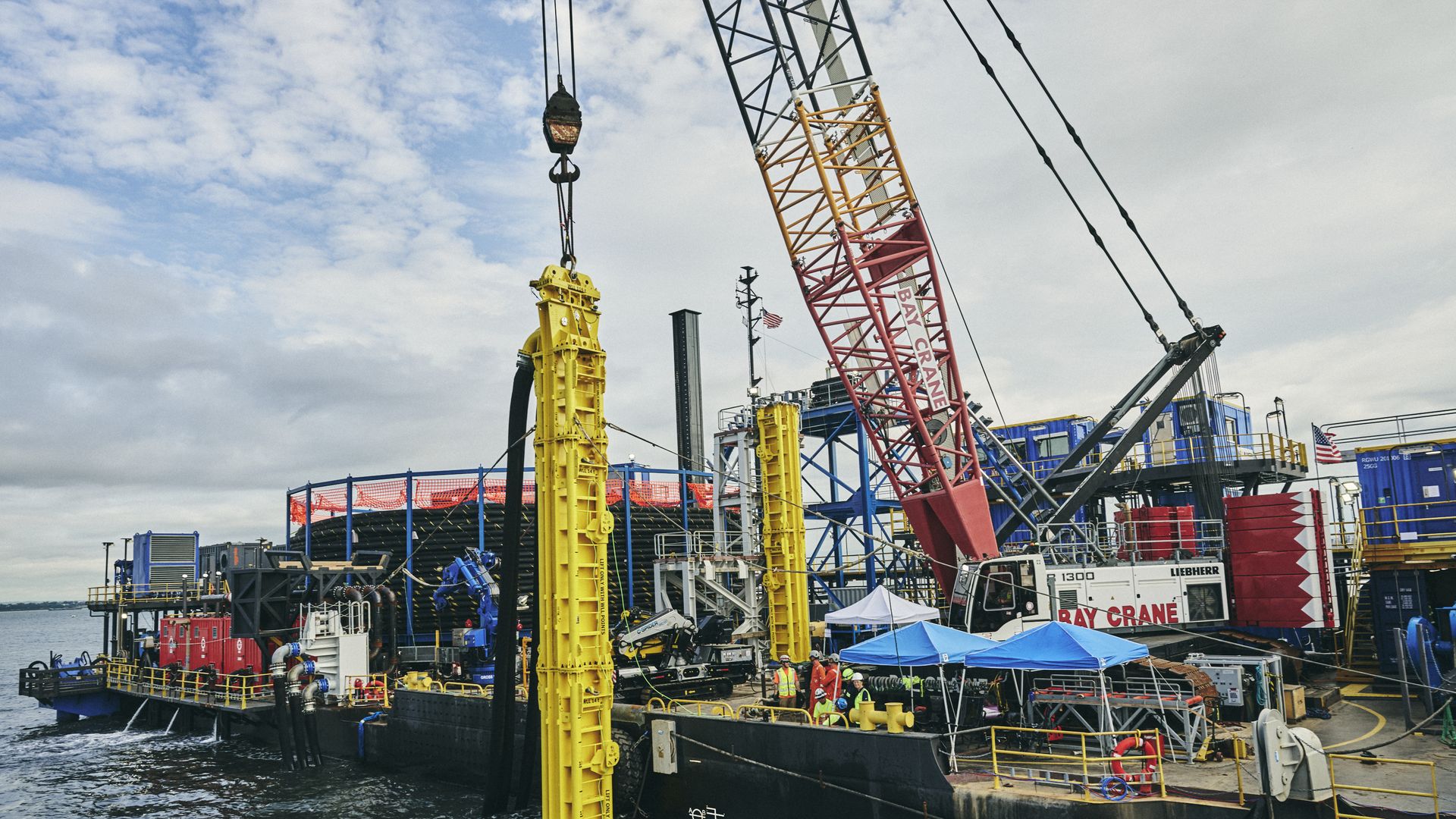
A judge on Thursday handed the Trump administration another setback in its quest to thwart offshore wind projects, granting the Empire Wind project a preliminary injunction allowing construction to resume off New York's coast.
Why it matters: The U.S. offshore wind industry has increasingly — and successfully — looked to the courts to keep its plans on track in the face of President Trump's opposition to the technology.
There's been a lot of debate over President Trump's penchant for having the U.S. government take equity stakes in private companies, which continued this week with two new deals.
But one thing is indisputable: These investments boost company value, at least in the short term.
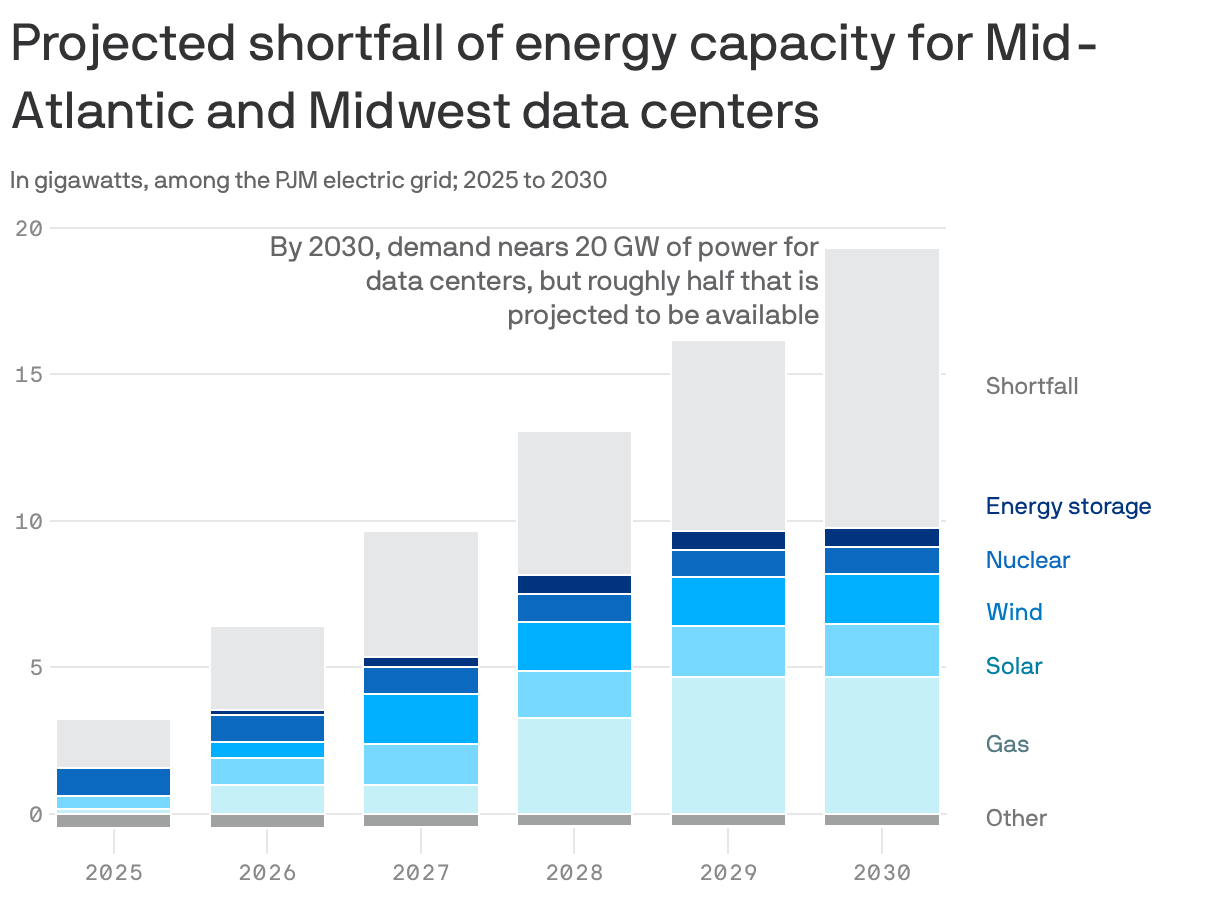
Data: Adapted from BloombergNEF; Chart: Axios Visuals
Natural gas is filling the biggest role fueling electricity for data centers in the Mid-Atlantic and Midwest — the country's AI hotbed — but the region is still staring down a huge shortfall in power.
Why it matters: Society faces the risk of spiking power prices or — worse — no power at all if this gap isn't resolved by either adding more power or fewer data centers.
President Trump's team recently reviewed private GOP polling that showed support for his immigration policies falling. The results, reflected in public surveys, bolstered internal concern about the administration's confrontational enforcement tactics.
Now, as the chaotic scenes from Minnesota play out around the clock on TV and social media, Axios has learned that some Trump advisers quietly are talking about "recalibrating" the White House's approach — though it's unclear what changes Trump would embrace, if any.
The world is on the cusp of a generation-defining construction boom, but the U.S. may not have enough workers to make it happen, BlackRock warns in a new paper first seen by Axios.
Why it matters: This is the new fault line of the global economy — soaring demand for some workers and shrinking appetite for others. It could result in widening financial gaps in the coming years.
This might be our first AI race, but it's not America's first power boom.
Why it matters: The latest boomin power is scrambling our communities, politics and power bills, with Big Tech companies making promises seeking to ease said scramble.
The share of small businesses missing payroll — failing to pay employees on time — is again rising, per new data from Gusto, a payroll platform, shared exclusively with Axios.
Why it matters: Small companies are struggling to manage through economic challenges like high inflation and federal policy changes with fewer resources than big companies to handle disruption.
Why it matters: The PR giant's massive annual survey suggests the global trust crisis has crossed a new threshold. Worldwide, people no longer accept the same sources, authorities or even the validity of the act of disagreement itself.
Jet fumes are hittingthe Senate, which will only have a week when senators get back from recess on Jan. 26 to avoid a (partial) government shutdown.
Why it matters: Congress is making real headway on spending bills. But Democrats are demanding ICE reforms in the Department of Homeland Security funding bill, and a bipartisan deal may not be possible by month's end.
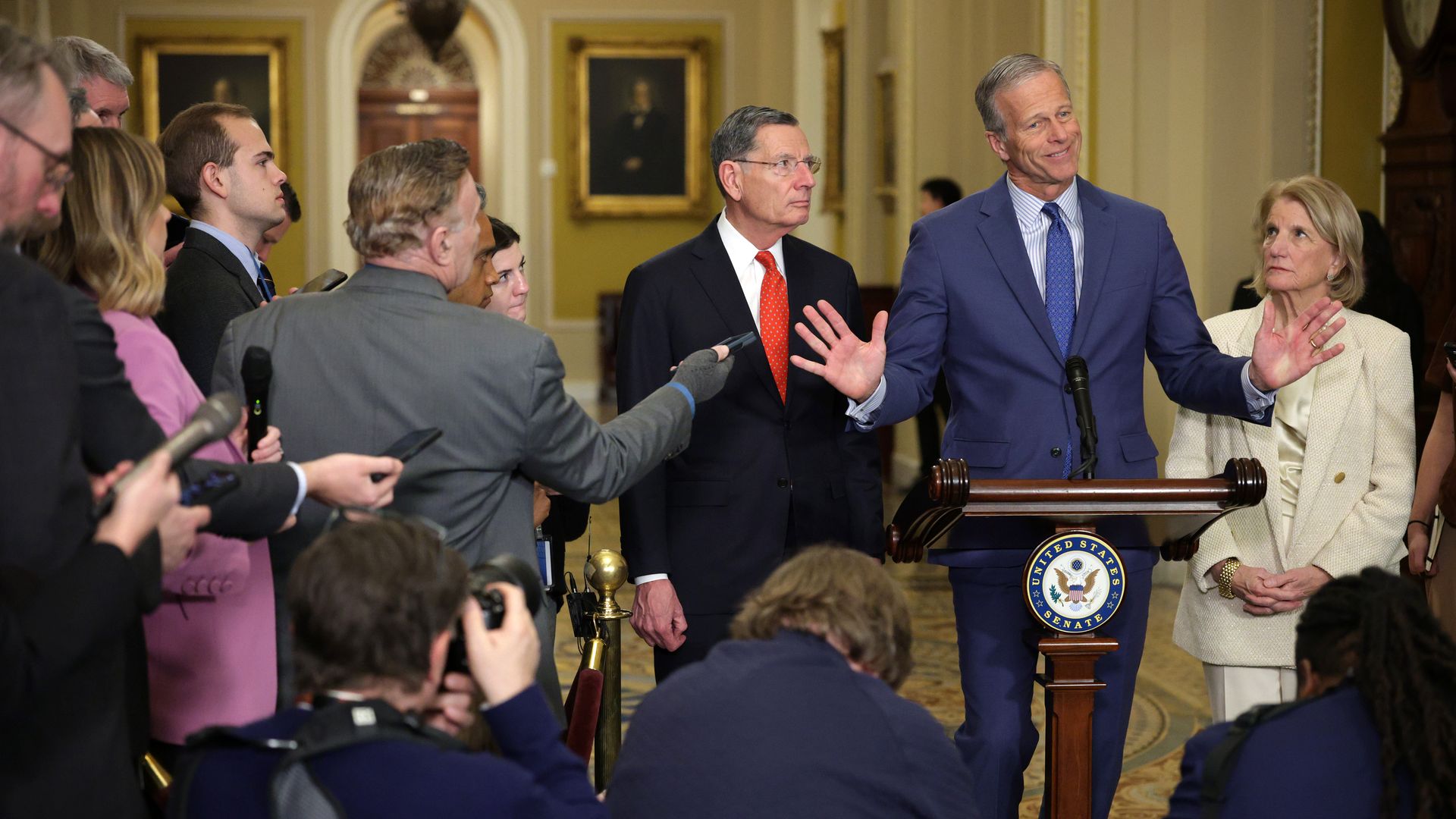
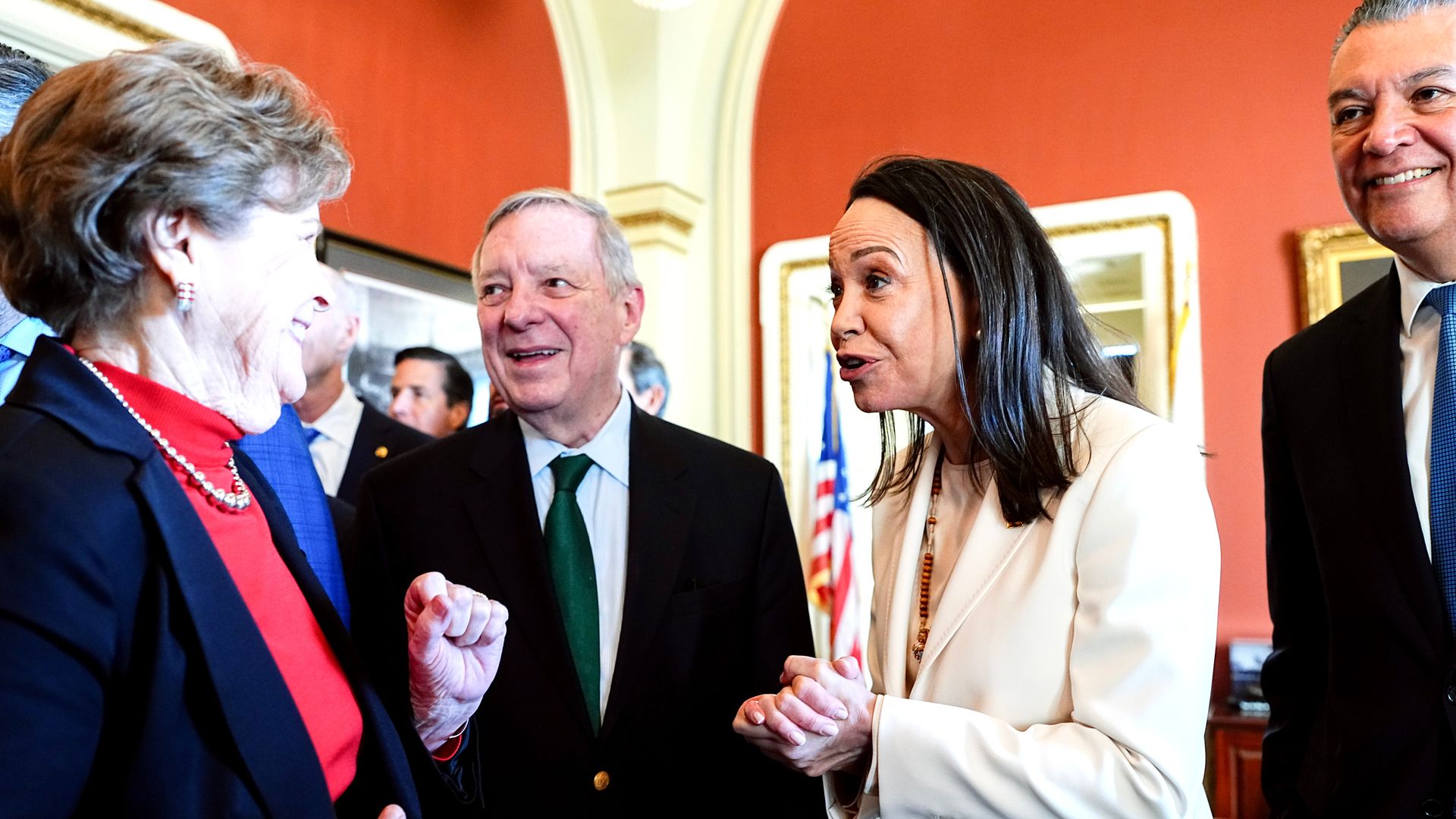
Senators left a meeting Thursday with Venezuelan opposition leader María Corina Machado with plans to visit her country — but differing views on when she should return herself.