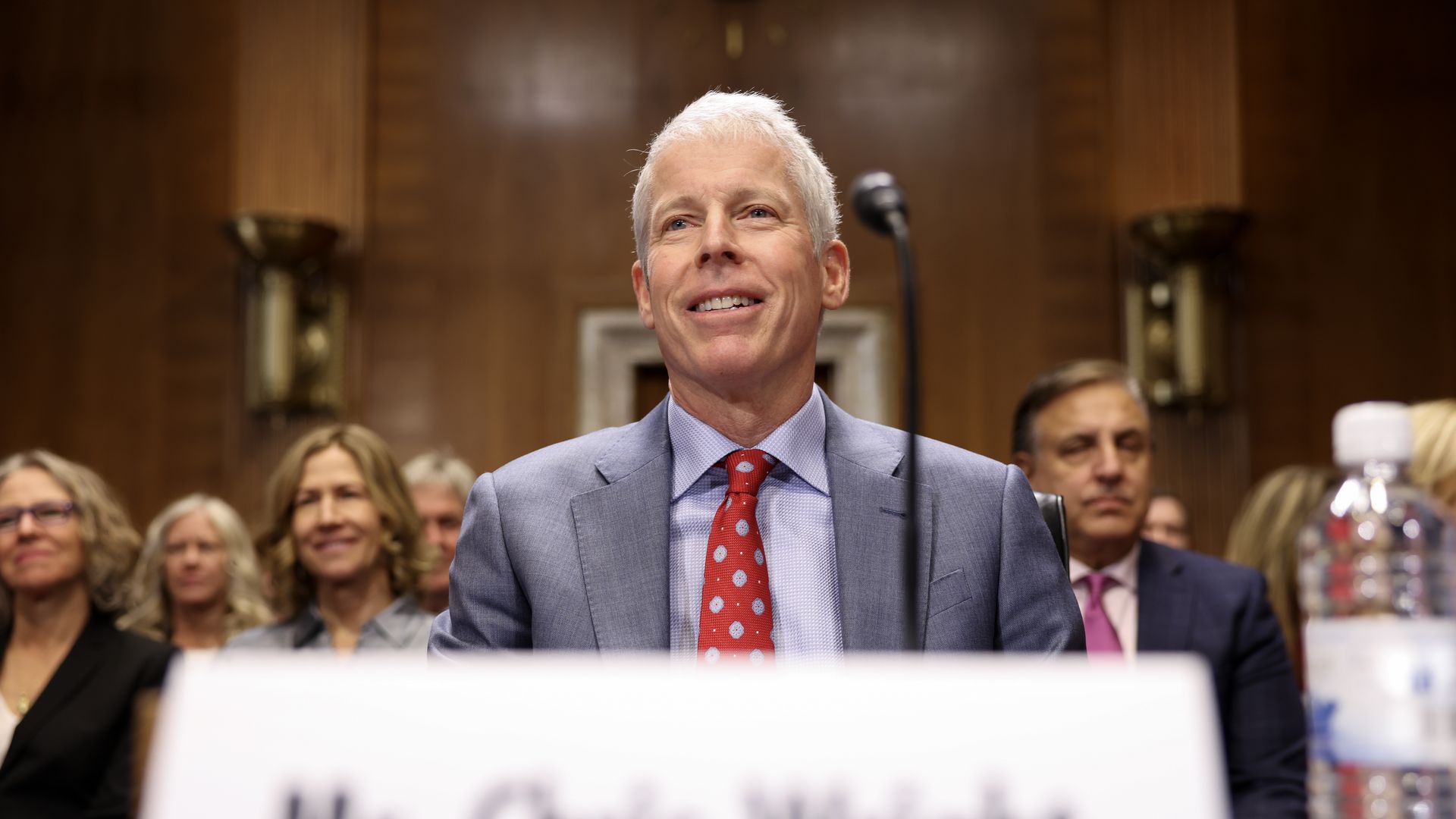
The Senate confirmed fracking CEO Chris Wright as Energy secretary in a bipartisan vote Monday evening.
Why it matters: Wright will immediately have to smooth out President Trump's efforts to slow down — or halt entirely — climate change-related spending.
A U.S. federal judge on Monday extended a temporary block on the Trump administration's spending freeze.
Why it matters: District Judge Loren AliKhan expressed concern in her order that the Trump administration was still enforcing the spending freeze despite the temporary restraining order.
The U.S. struck deals with Canada and Mexico on Monday to delay potentially devastating tariffs for a month.
Why it matters: The tariffs, had they gone into effect, could have had massive impacts on the economies of all three nations, potentially triggering inflation, recessions and a spiraling trade war.
Why it matters: It's likely the first physical standoff between congressional Democrats and the second Trump administration — though it may not be the last as Democrats ratchet up their resistance to the new president.
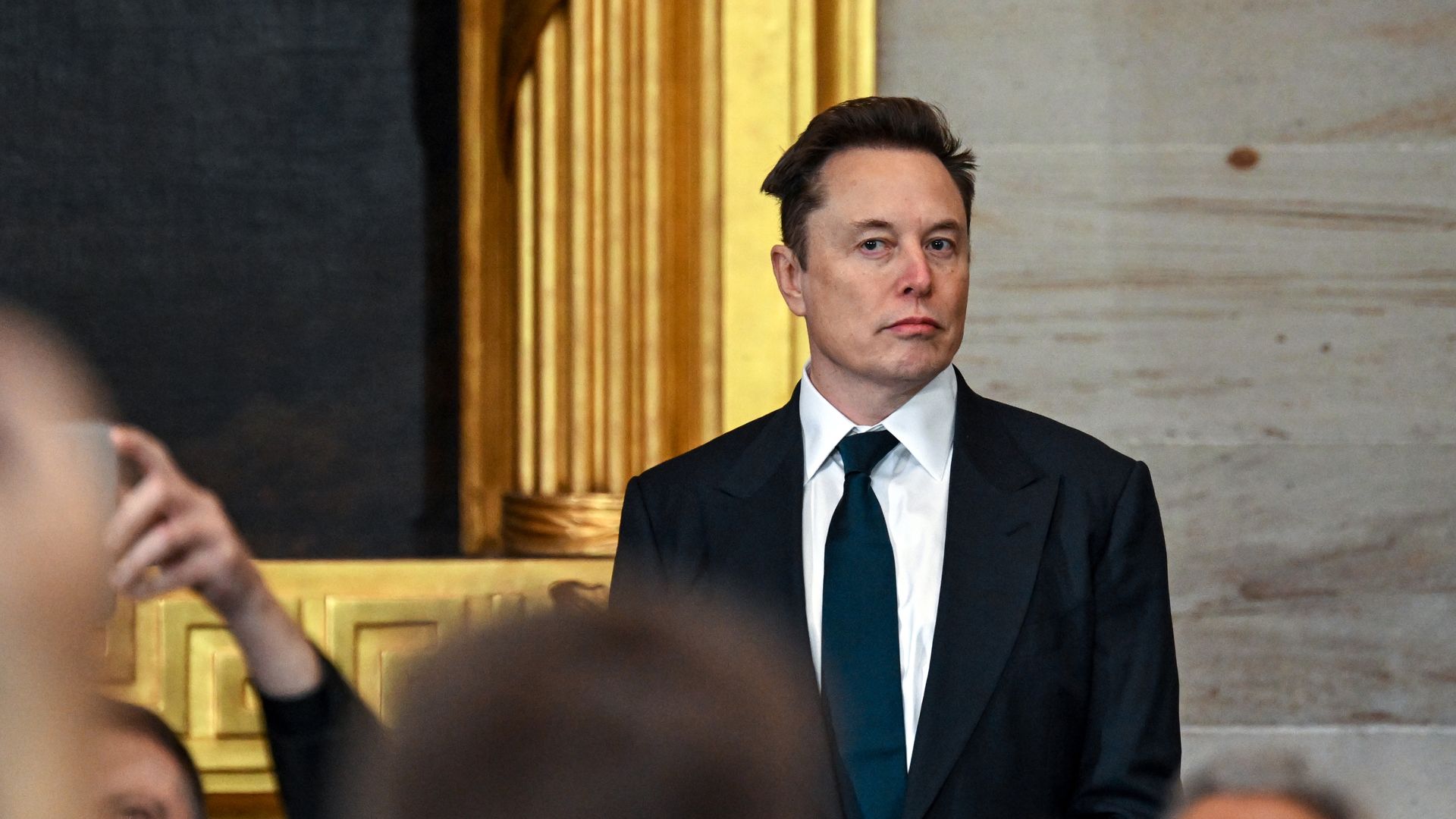
The big picture: Trump, who has yet to make an official statement on USAID's future, appeared to damper Musk's ambitious plans, telling reporters the billionaire can't take action without "our approval."
The Trump administration moved Monday to nix temporary deportation protections for an estimated 300,000-plus Venezuelans living in the United States.
Why it matters: Revoking Venezuelans' Temporary Protected Status (TPS) puts those people at risk of deportation amid Trump's nationwide immigration crackdown.
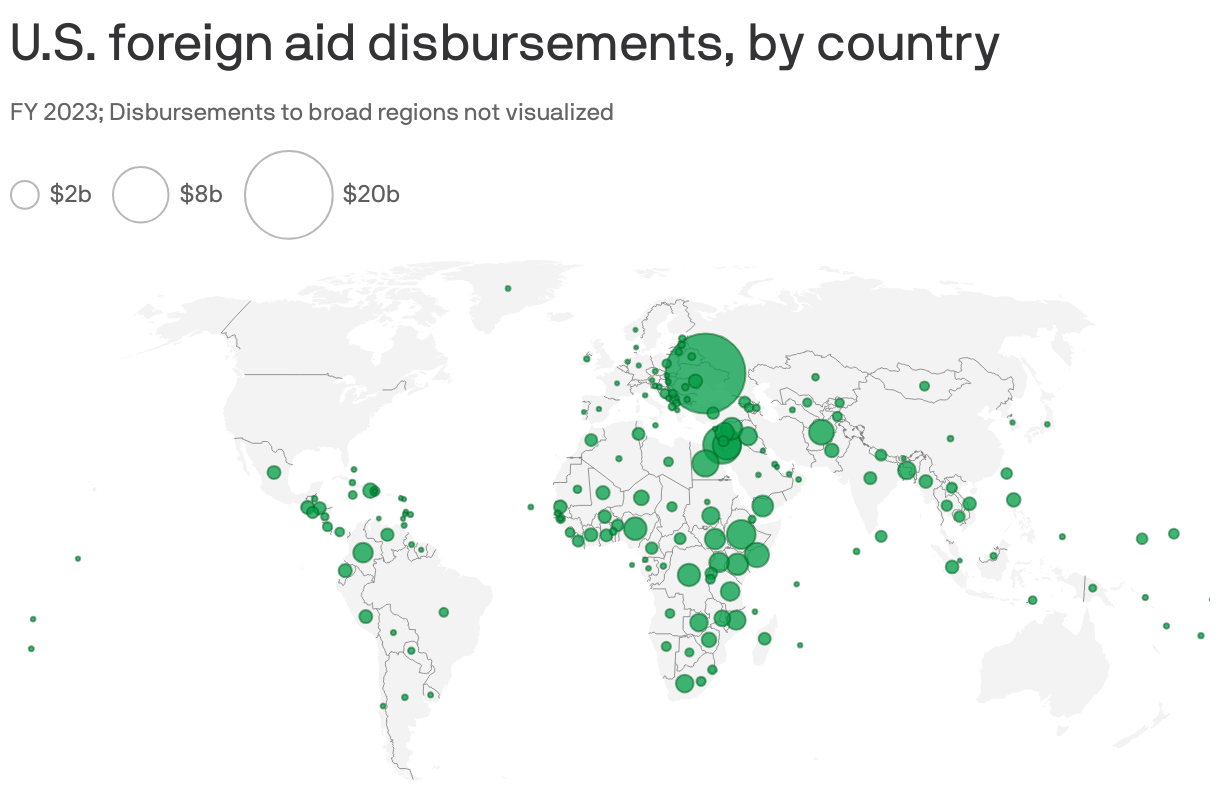
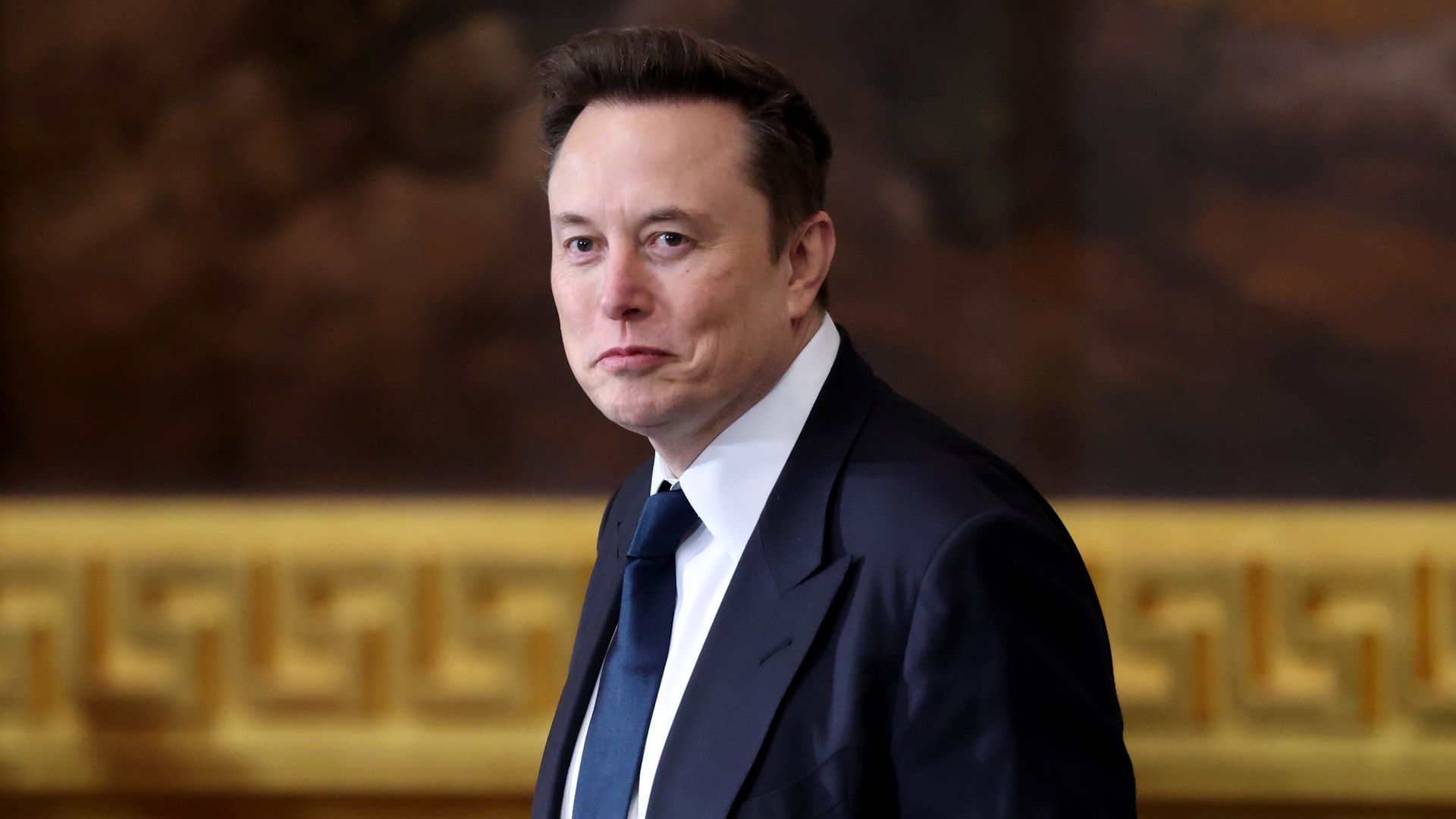
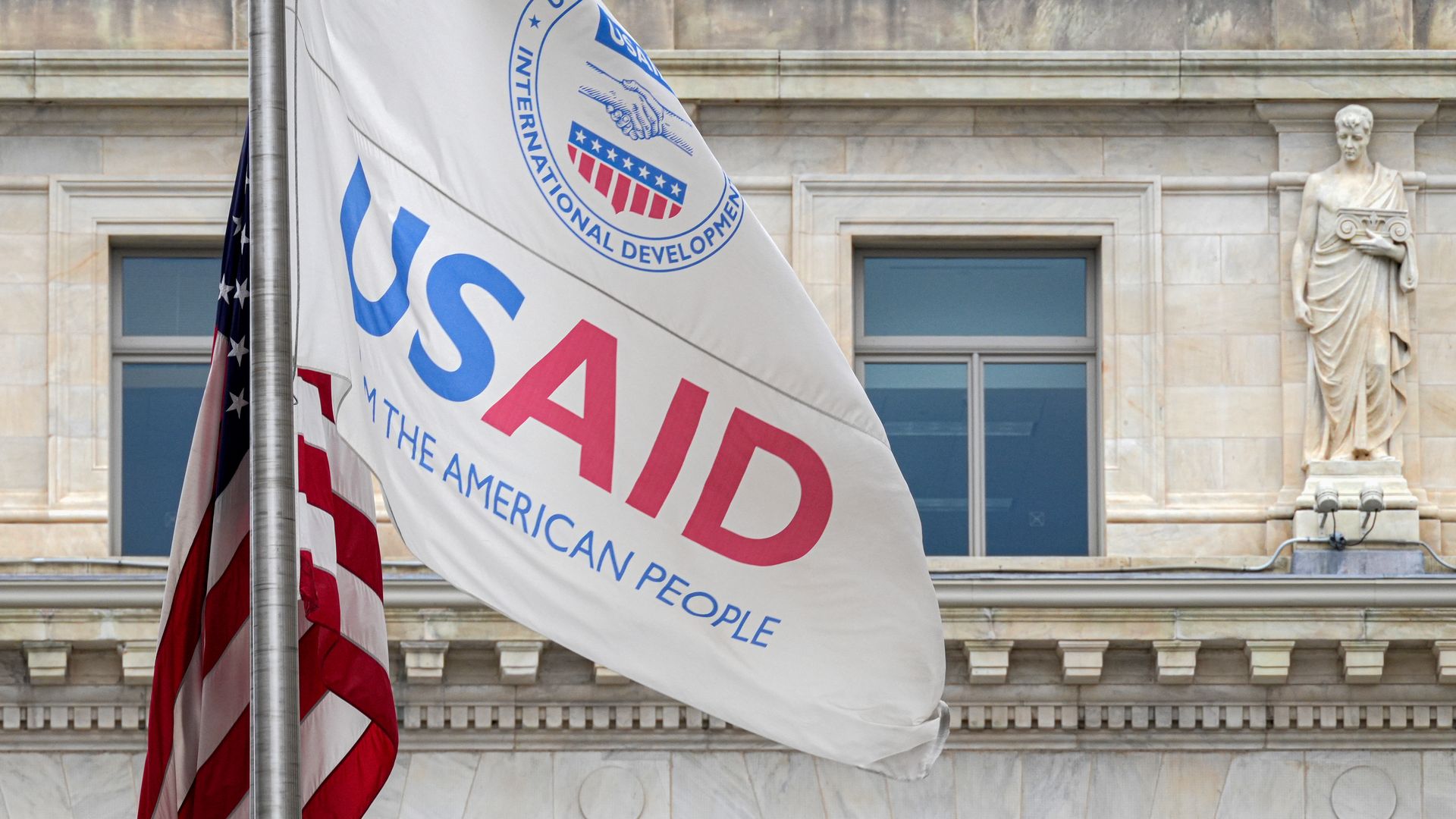
The axing of the US Agency for International Development (USAID), which Elon Musk has vowed to "kill" with President Trump's support, could destabilize regions where human-caused climate change is hitting particularly hard.
Why it matters: By ending humanitarian assistance and proactive climate resilience and adaptation programs, the U.S. military could get pulled into responding to more future crises.
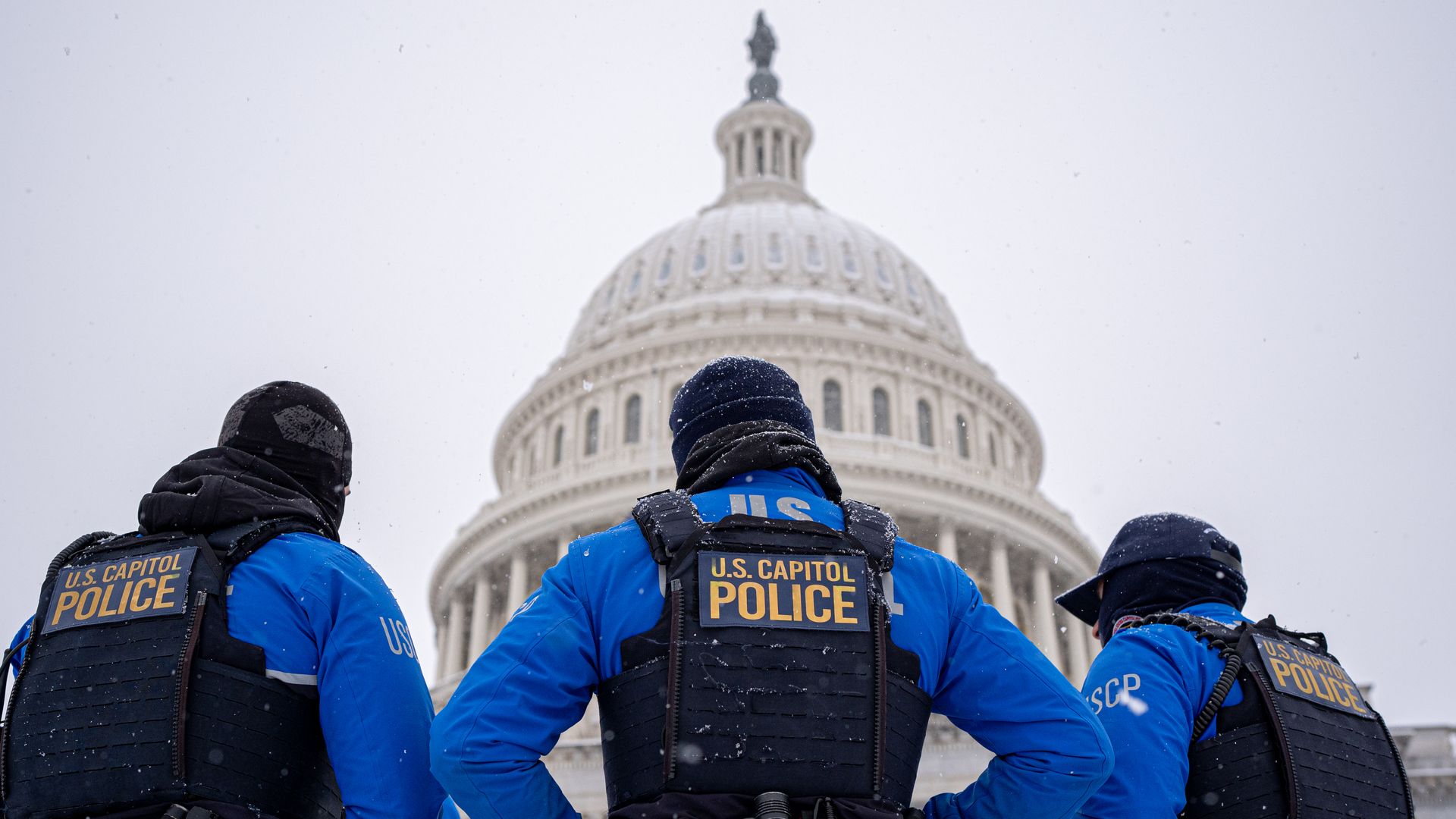
Threats against members of Congress skyrocketed in 2024, marking a return to levels not seen since the year after the Jan. 6 attack on the Capitol, according to new Capitol Police data.
President Trump signed an executive order Monday calling for the creation of a sovereign wealth fund, essentially a federally owned investment vehicle that takes stakes in different kinds of financial assets.
Why it matters: It's unclear where the money would come from to start a fund, and it would require Congressional approval — a tough prospect, given the fund would potentially be a way to cut lawmakers out of a key funding stream.
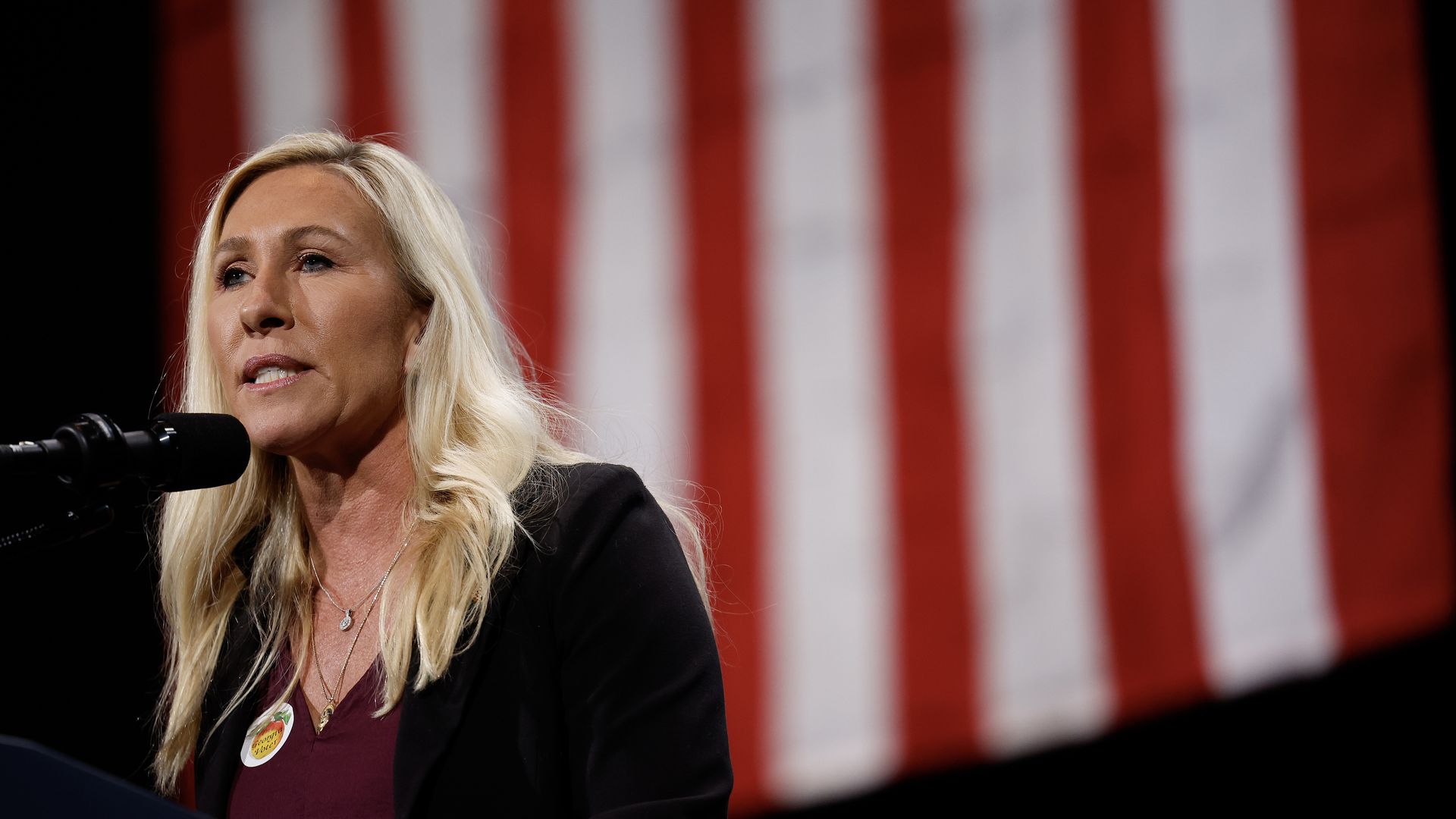
Rep. Marjorie Taylor Greene (R-Ga.) on Monday called on the CEOs of NPR and PBS to testify at a 'DOGE' subcommittee hearing on what she described as "systemically biased content" from federally funded radio and TV organizations.
Why it matters: Greene's hearing dovetails with a Federal Communications Commission investigation into the two broadcasters, which are longtime targets for Republican budget slashers.
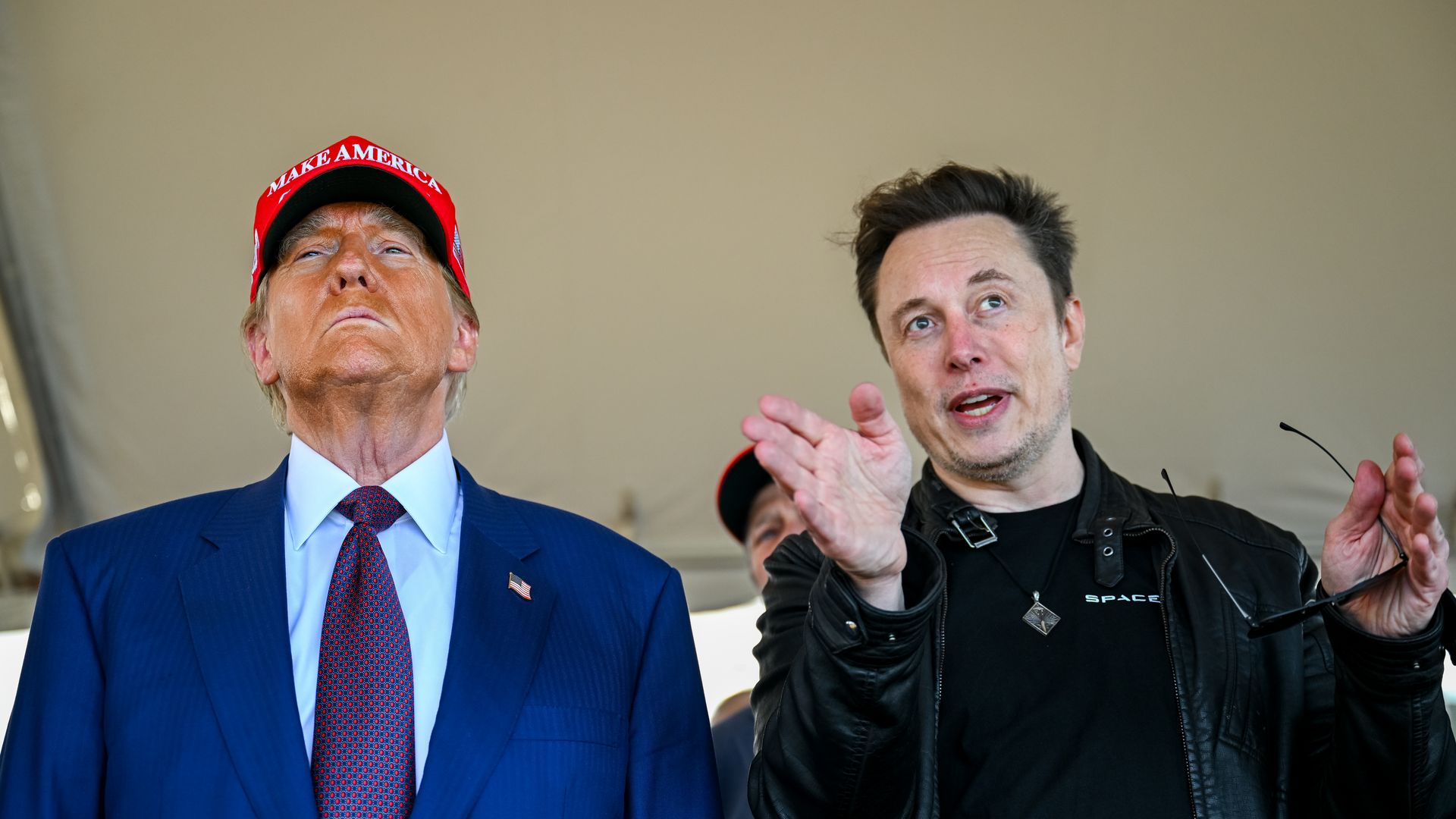
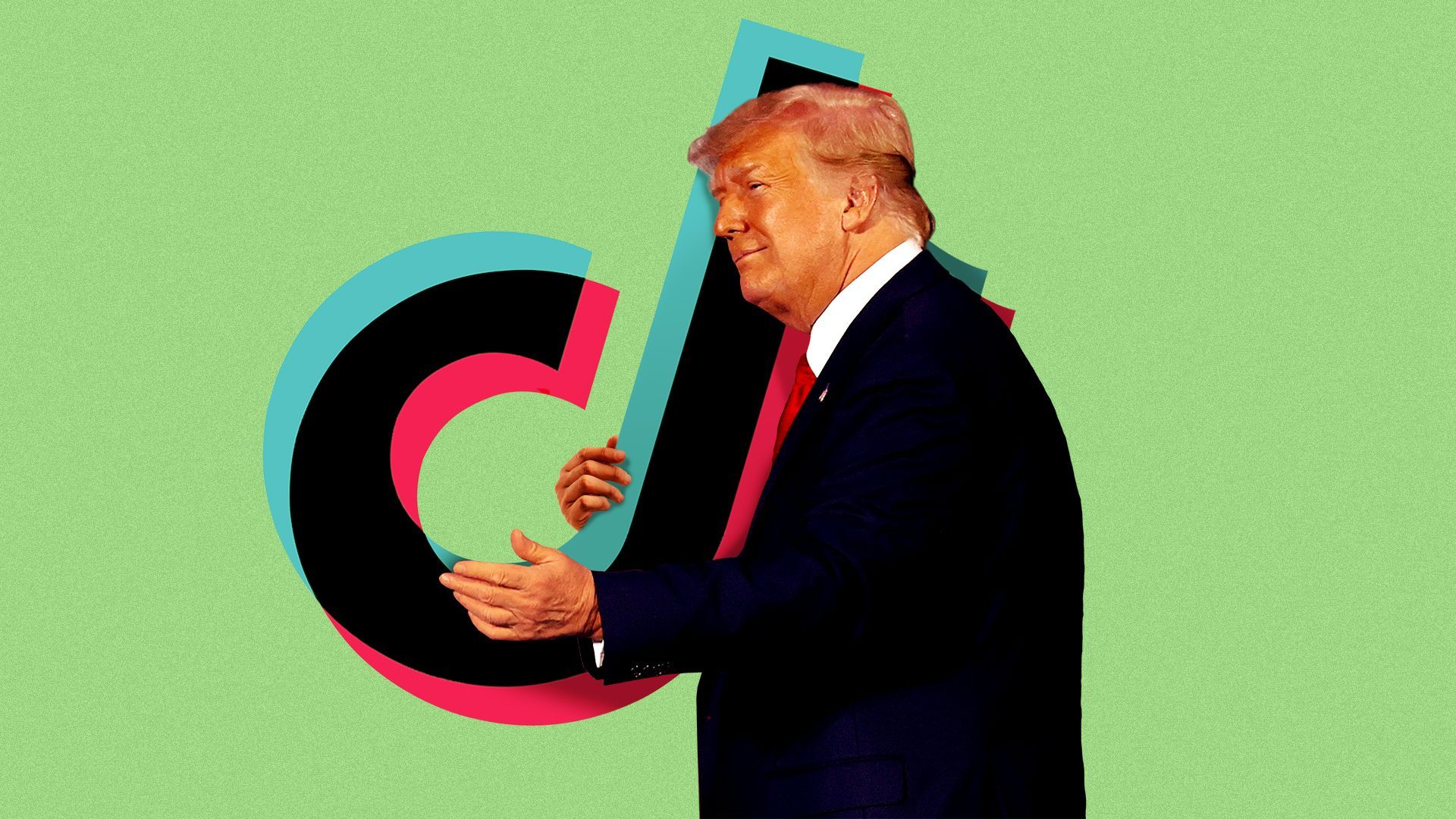
An obscure Treasury Department office that manages trillions of dollars in payments for the entire government is the latest flashpoint in President Trump and Elon Musk's war on federal spending.
Why it matters: Musk's Department of Government Efficiency, multipleoutletsreported, now has access to the Bureau of the Fiscal Service, which is essentially a checkbook for the entire federal government.
The Trump administration has targeted the U.S. Agency for International Development (USAID) for potential shut down, the latest in its broad and escalating push to radically reshape the federal government.
Why it matters: USAID is the U.S. government's lead humanitarian aid arm and administers a wide array of programs around the world focused on fighting disease, reducing poverty and providing relief to people impacted by conflicts and natural disasters.
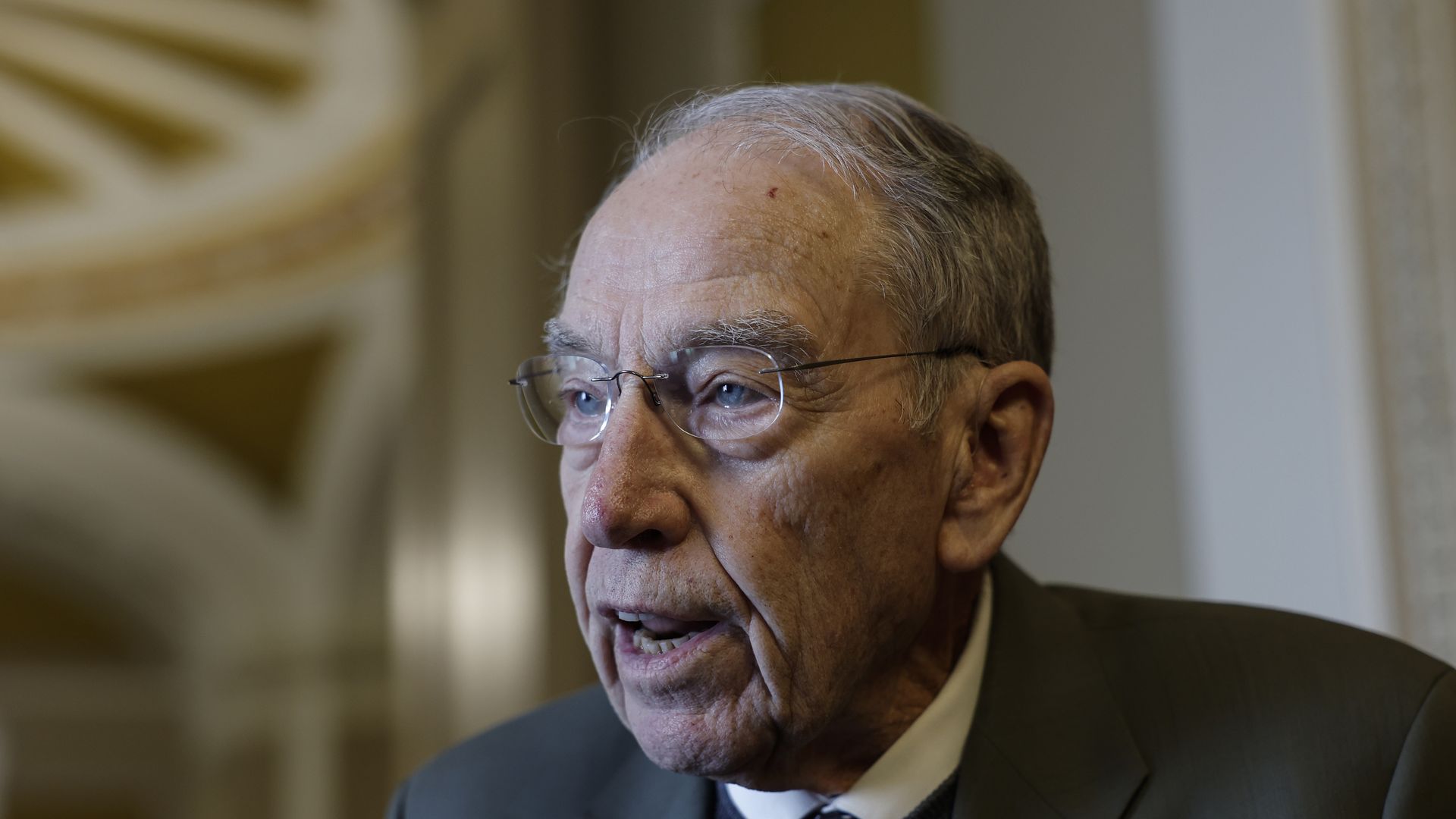
Sen. Chuck Grassley (R-Iowa) on Monday asked President Trump for an exemption for farmers on the sweeping tariffs he imposed over the weekend.
Why it matters: Republican lawmakers from agricultural states may find themselves in a tough spot as they try to avoid going against their party leader, while still protecting their constituents.
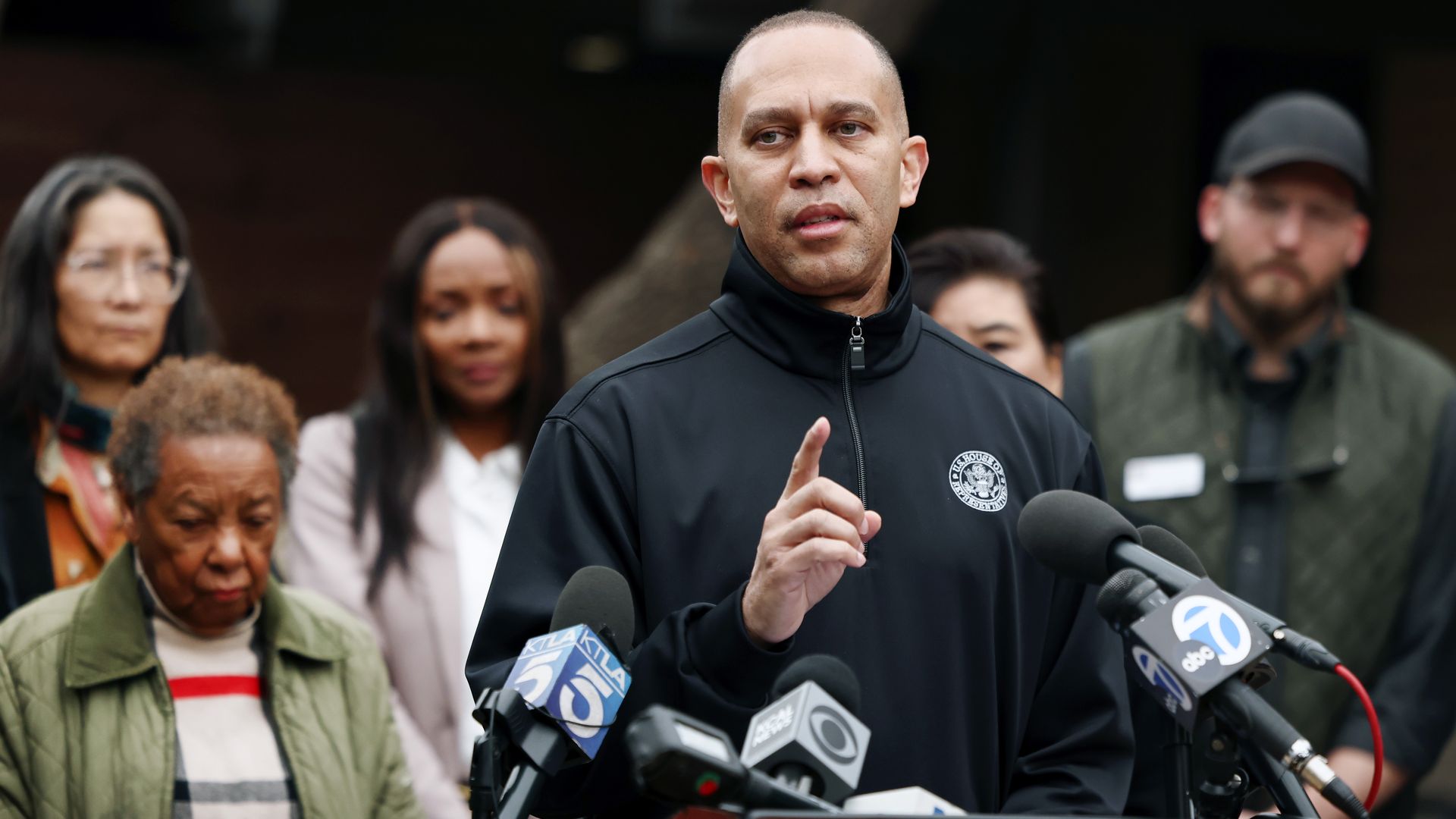
House Minority Leader Hakeem Jeffries (D-N.Y.) on Monday unveiled a 10-part plan for House Democrats' efforts to counter many of President Trump's moves to upend the federal bureaucracy.
Why it matters: There has been rising tension between Democratic lawmakers and the party's grassroots over how the minority party, which has very little real power, can combat the new administration's most inflammatory moves.
Oil and gas futures opened higheras theoretical tensions in President Trump's energy policy just got very real, very fast.
Why it matters: New tariffs on Canada and Mexico could raise gasoline and home heating costs in places — even though 10% Canadian energy tariffs are lower than the 25% applied to other goods.
Economists almost universally agree that the tariffs imposed by President Trump will cost the average American household hundreds, if not thousands, of dollars every year in higher goods costs.
Why it matters: It's not yet clear those households can, or will, pay it.
The decision by President Trump to impose sweeping tariffs on Mexico and Canada is a stark repudiation of his own approach between 2017 and 2020.
Why it matters: No one yet knows whether these tariffs are an attempt by a transactional president to extract concessions from U.S. trading partners, or whether they're intended to become a permanent feature of the post-Trump landscape, designed to create a self-sufficient country much less reliant on international supply chains.
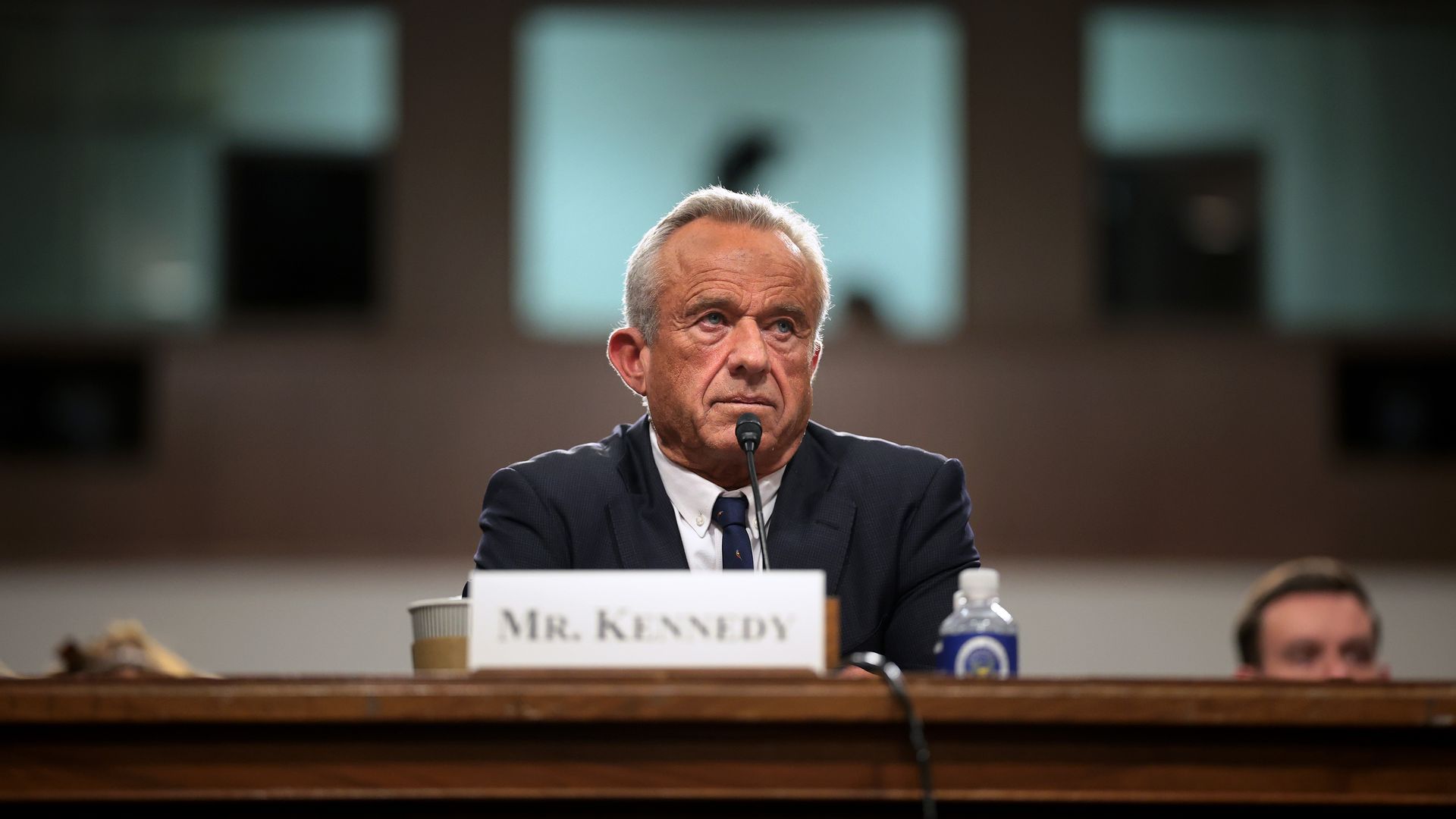
Robert F. Kennedy Jr. gave a series of vague or elusive answers to written questions from senators probing his vaccine views, refusing to walk back several previous controversialpositions.
Why it matters: Decision time is quickly approaching for senators who must vote on whether to confirm Kennedy as Health and Human Services secretary, and he's certainly not making the vote easy for the handful who are on the fence.
"I don't think there are a lot of Americans who wake up in the morning saying, 'Oh, damn Canada. Oh, we should really go after Canada,'" Prime Minister Justin Trudeau remarked Saturday, encapsulating the shell shock many north of the border are now feeling.
Why it matters: The U.S. is indeed going after Canada. The 25% tariffs President Trump announced on Canada and Mexico — which will likely plunge our northern neighbor into recession — have united Canadians of all political stripes in indignation.
Elon Musk and his cost-slashing allies are taking a hammer to the massive bureaucracy that staffs the U.S. government — and a scalpel to any senior officials who dare put up a fight.
Why it matters: Musk isn't the only force driving the Trump administration's escalating purge of civil servants. But his fingerprints are everywhere, and his methods are unlike anything the federal government has ever seen.
The big picture: Musk's comments early Monday followed reports that two senior USAID security officials were placed on administrative leave after denying representatives from the Department of Government Efficiency (DOGE), which the billionaire spearheads, access to internal systems during a visit to the agency's D.C. headquarters.
The Texas National Guard was "granted the power of immigration officials to make immigration arrests" under an agreement with the Trump administration that state Gov. Greg Abbott said Sunday was effective "immediately."
Why it matters: The national guard's increased powers are part of President Trump's immigration crackdown vow to expel millions of undocumented immigrants, which saw him sign executive orders declaring a national emergency at the U.S.-Mexico border soon after taking office.
Following reports that Department of Government Efficiency (DOGE) representatives accessed the U.S. Agency for International Development's (USAID) D.C. headquarters, American citizens' data and classified spaces, Senate Democrats wrote to Secretary of State Marco Rubio to demand answers.