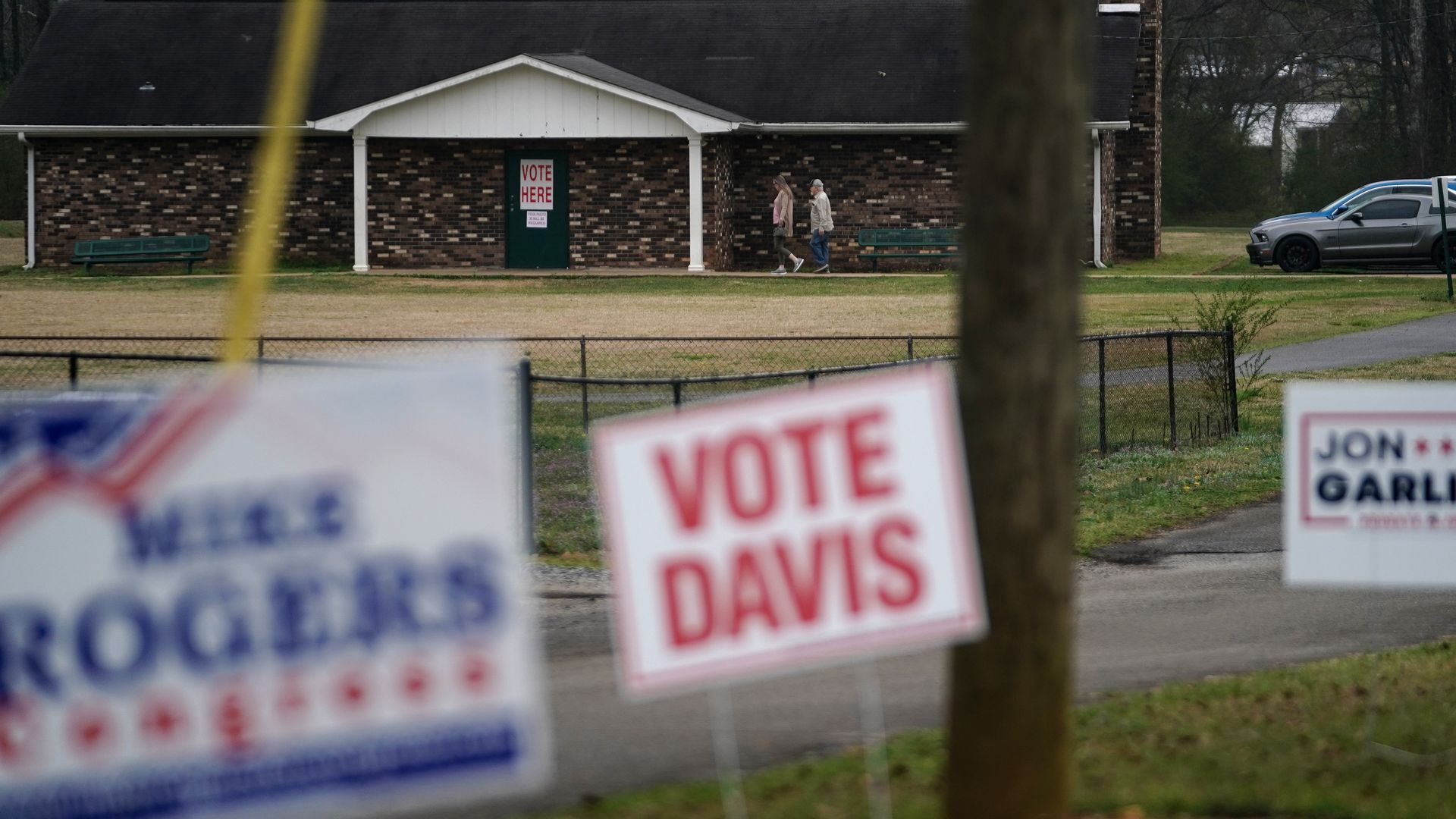
An Alabama program to systemically remove potentially ineligible voters from its rolls comes too close to the upcoming election, the Justice Department said Friday in a lawsuit.
Why it matters: The National Voter Registration Act prevents states from removing voters from the active rolls less than 90 days before an election in what's known as a Quiet Period to prevent last-minute mistakes.
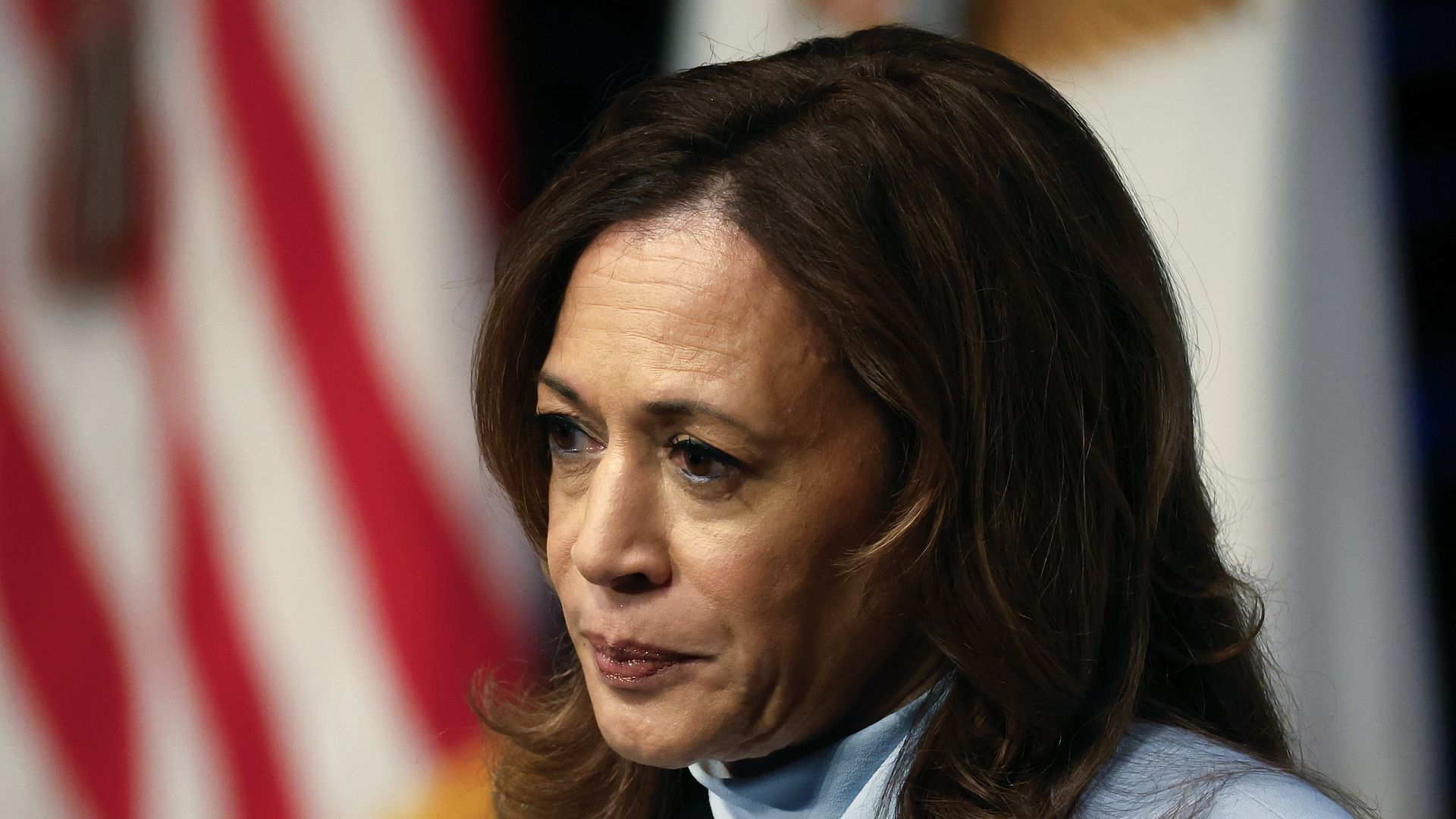
Vice President Harris plans to propose extending President Biden's restrictions on asylum Friday — and call for a new crackdown to discourage illegal border crossings, Axios has learned.
Why it matters: Harris' plan, which she'll propose during her visit to the Arizona border, are part of an effort to fend off Republicans' criticisms that she and the Biden administration have been too lenient on illegal immigration.
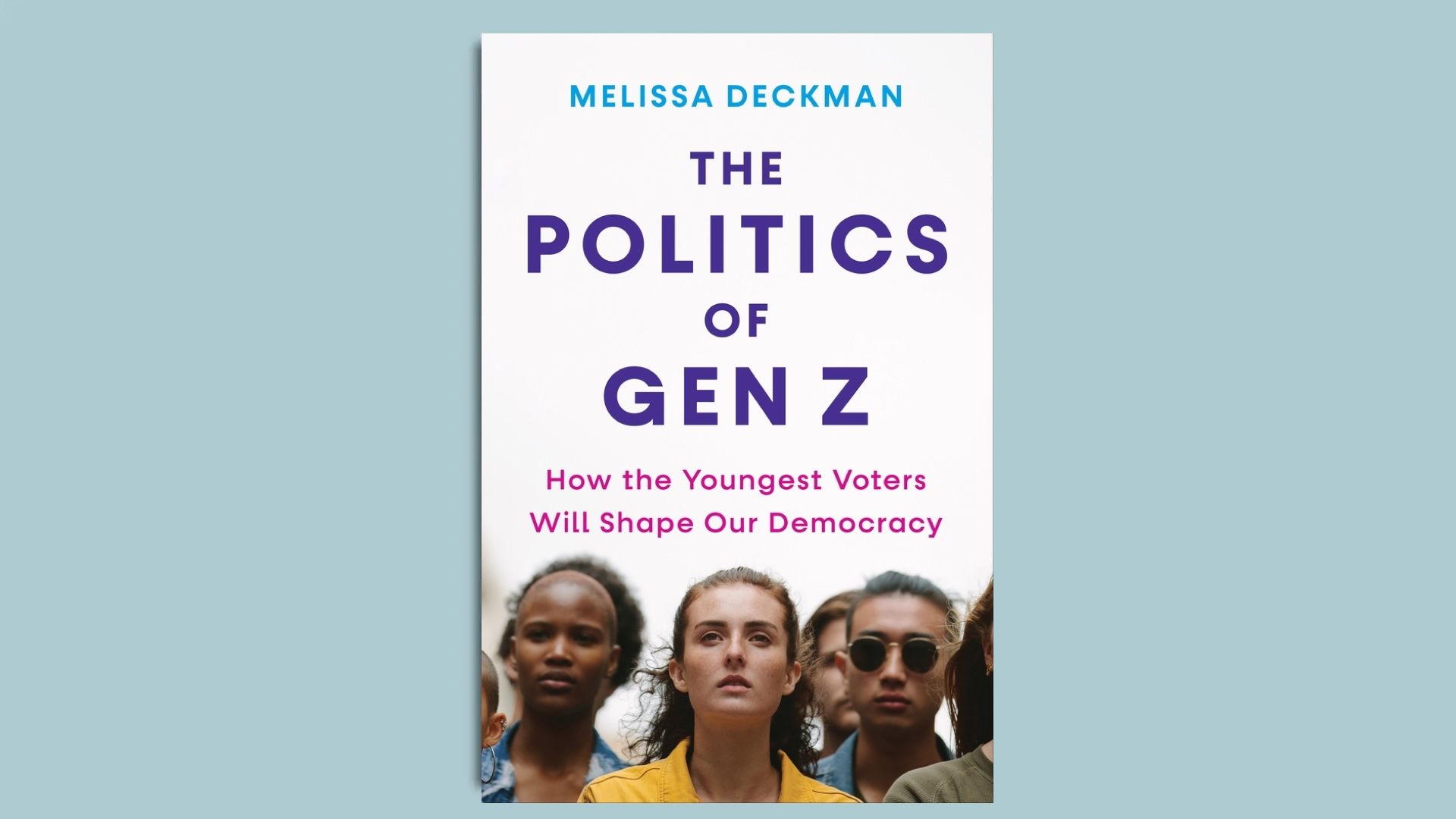
Women and LGBTQ+ members of Gen Z are more politically engaged than young voters of earlier generations. Their out-of-the-gate leftward tilt could have a transformative impact, a new book argues.
The big picture: Gen Z — which includes those born between 1997 and 2012 — is the most racially and ethnically diverse generation in U.S. history. Their views on religion, racial equity and reproductive rights could signal a dramatic realignment of American culture.
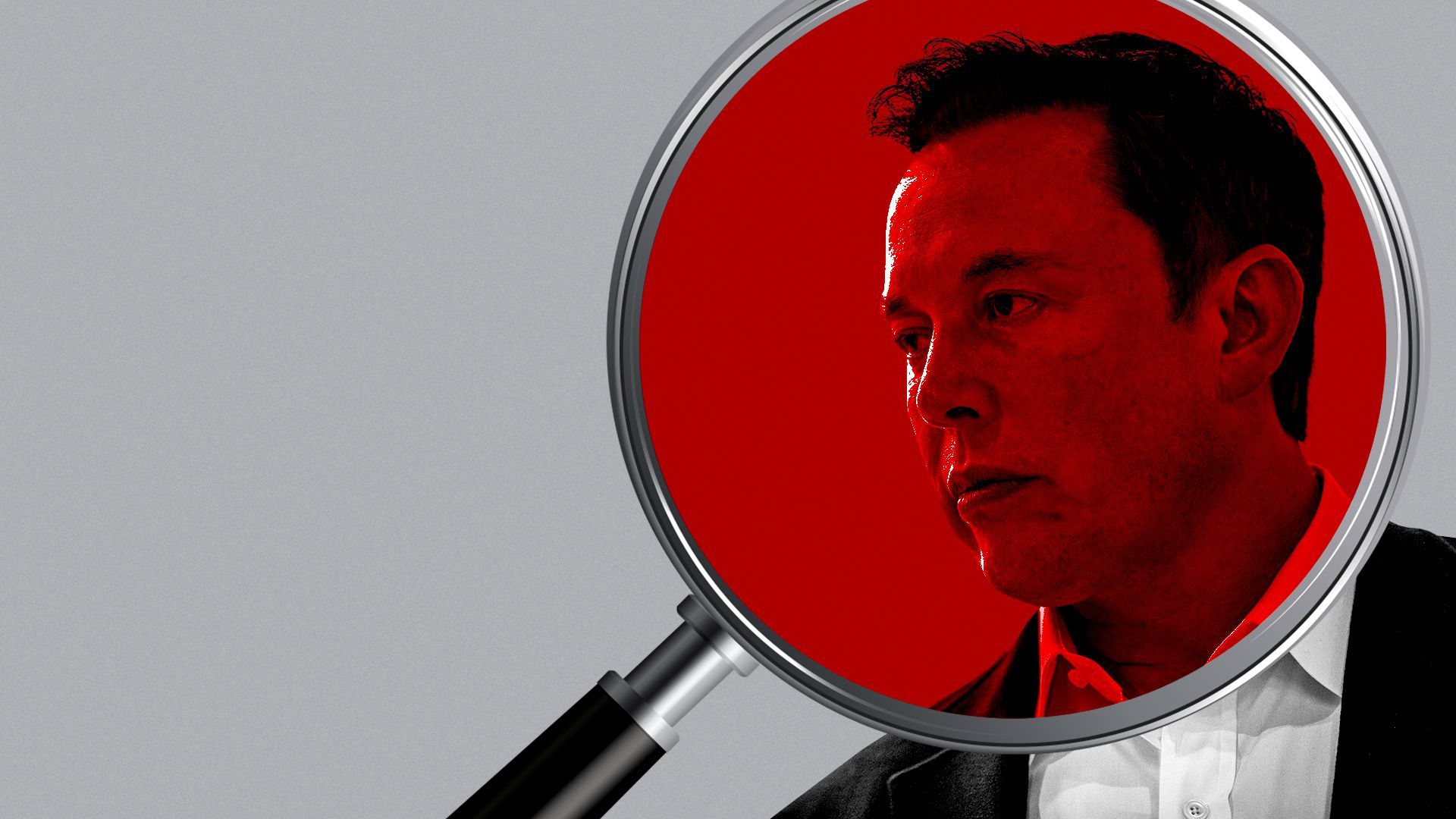
Elon Musk's relationship with the Biden administration got even more complicated this week, when the White House proposed a ban on Chinese software and hardware in advanced vehicles.
The big picture: This rule could benefit Tesla Motors in the short-term by keeping Chinese EVs out of the U.S. — but also could boomerang if China responds in kind.
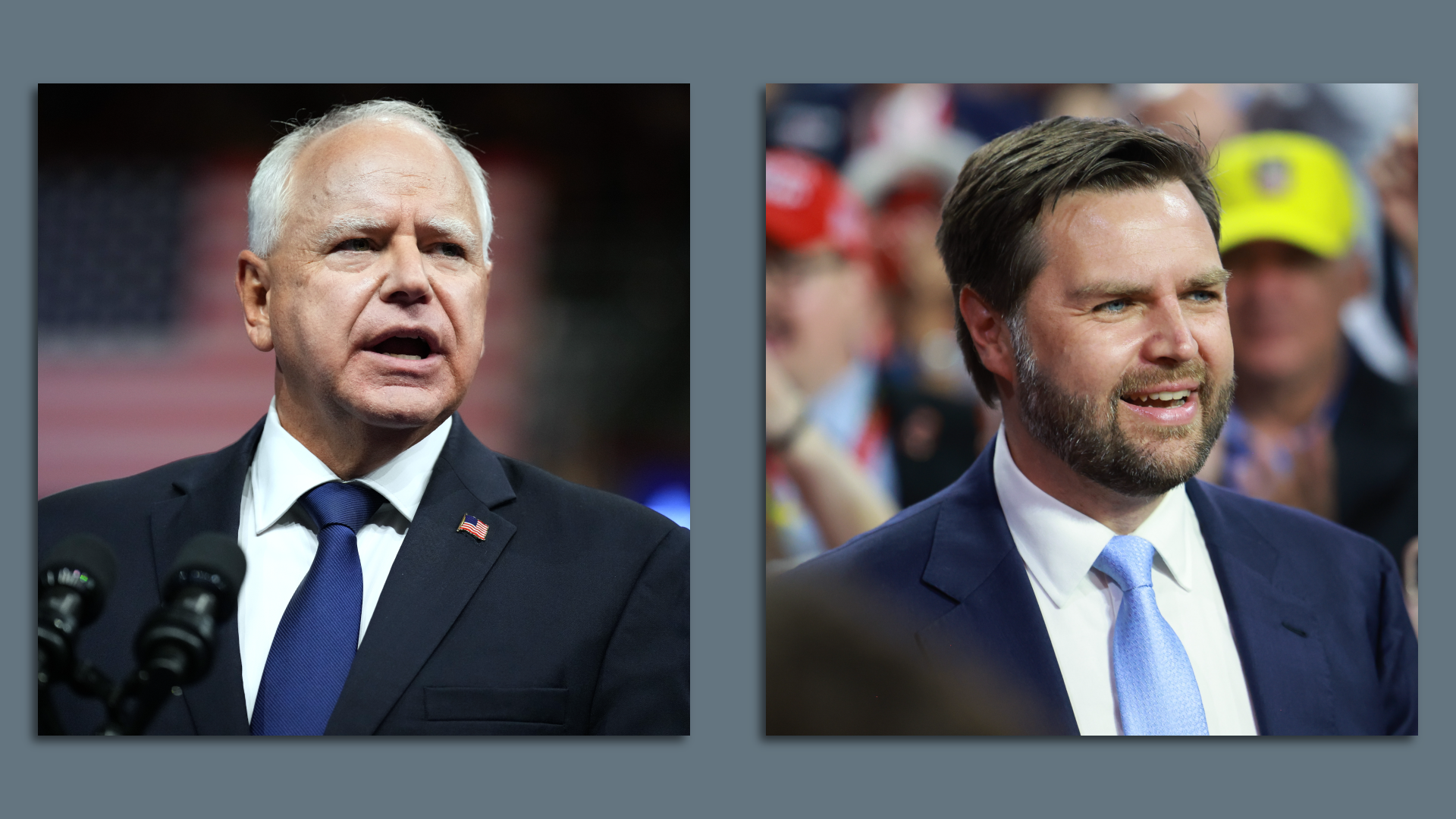
The 90-minute vice presidential debate on Tuesday will start at 9pm ET, without a studio audience, and the candidates' mics will not be muted, CBS News said on Friday.
Why it matters: Minnesota Gov. Tim Walz, the Democratic nominee, and Ohio Sen. JD Vance, the Republican nominee, will debate for the first and only time this campaign cycle.
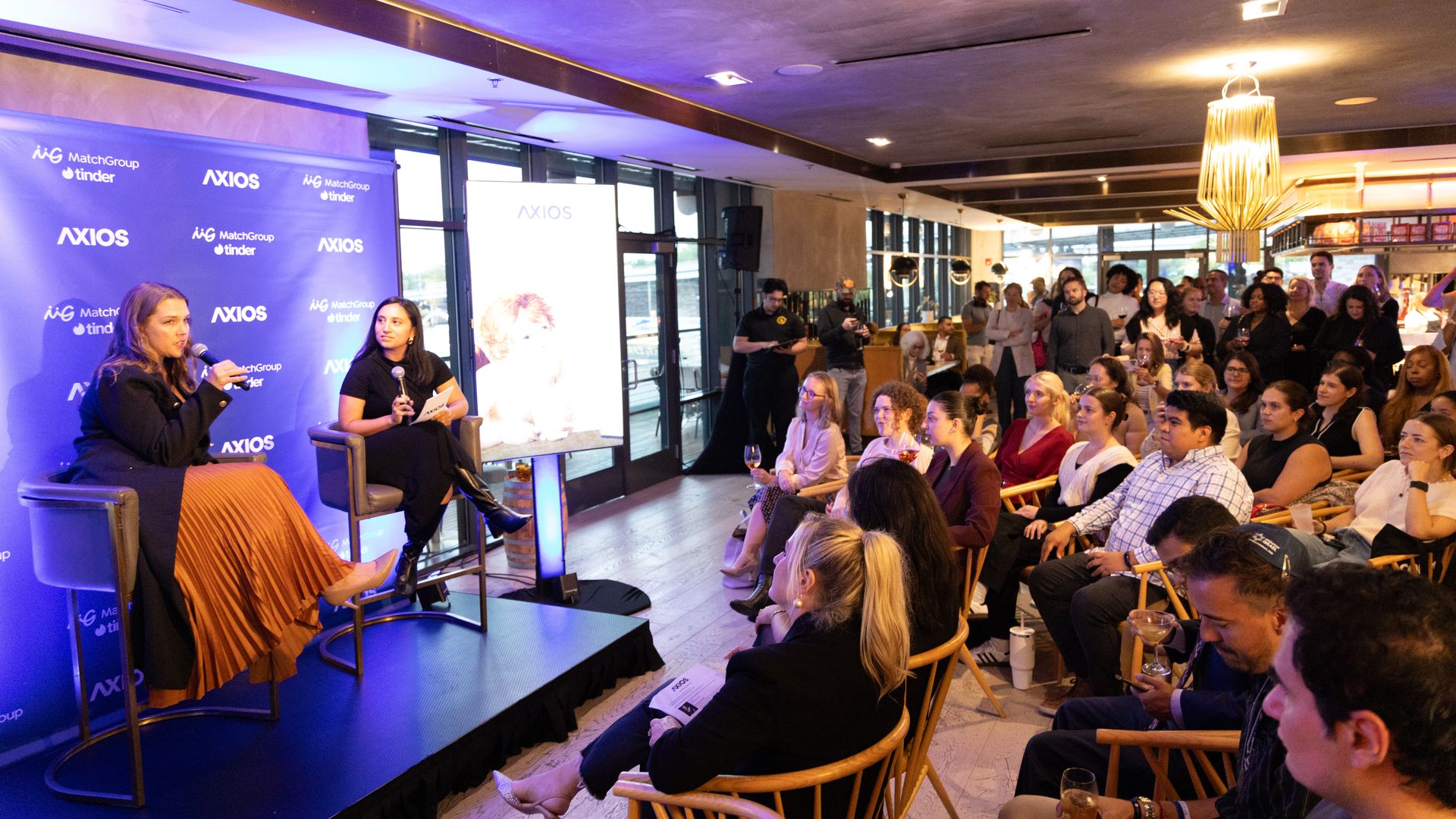
WASHINGTON – Some gen Z and millennials lie about their political beliefs on the first date, according to recent research conducted by The Harris Poll.
Why it matters: The intersection of politics and dating has become increasingly more prominent as 1 in 4 people will start with politics on the first date, said The Harris Poll chief strategy officer Libby Rodney.
The details: Axios hosted an evening reception focused on the politics of dating, which was sponsored by Match Group and Tinder.
The intrigue: Women in particular feel like they cannot ask men about politics because they will not give a straightforward answer, Rodney said.
"What [women are] doing instead is asking proximity questions like, 'how do you feel about Covid? What's your point of view on Travis Kelce?' And depending on how you respond to those, they can indicate where your real beliefs are on that spectrum," said Rodney.
Rodney noted that half of women would rather be single than settle for someone with opposing political beliefs. "The single lady movement is real and people are here for it."
Content creator and ClockoutDC founder Jade Womack discussed how single people are no longer wanting to go to events labeled as "single events" because of the unbalanced gender ratio that typically happens.
Instead, Womack says people are finding more "subtle" ways to meet others in real life, like run clubs.
"With these in-person experiences, you kind of have that vibe check from the other person who's there, it's a sense of community," said Womack.
"It's a different kind of pressure. It's low stakes…And so people want to go towards those."
Content from sponsored segment below:
In a View From the Top conversation, Tinder chief marketing officer Melissa Hobley highlighted recent poll findings which showed singles in the U.S. are an important voting bloc.
"We are seeing so many interesting things about voting right now. It's hot to vote."
"Women want to know what you believe in. They want to know what you're passionate about. People want to know if you're voting…A big turnoff is if they're not even voting, if they don't know what's happening in their local elections."
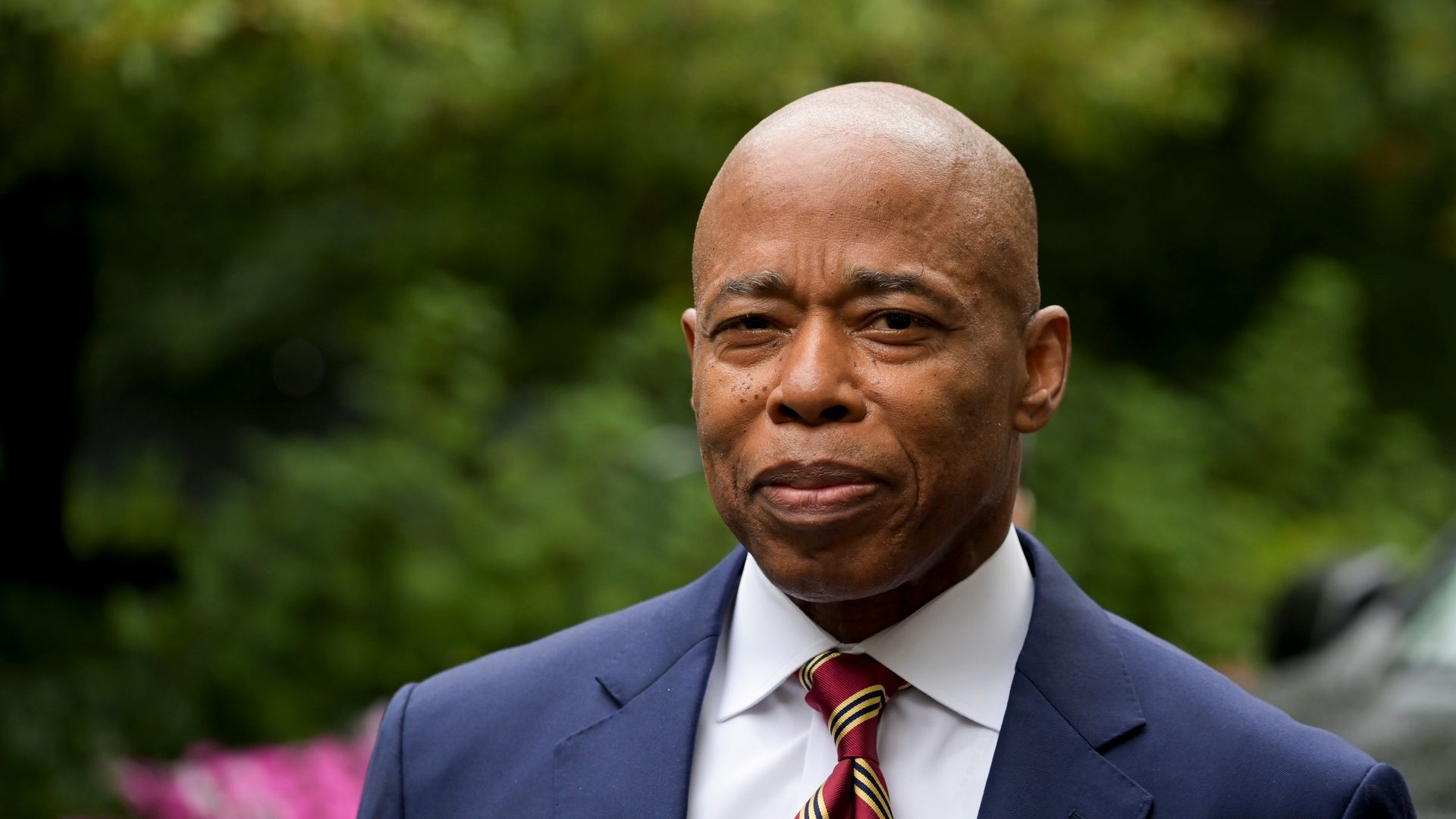
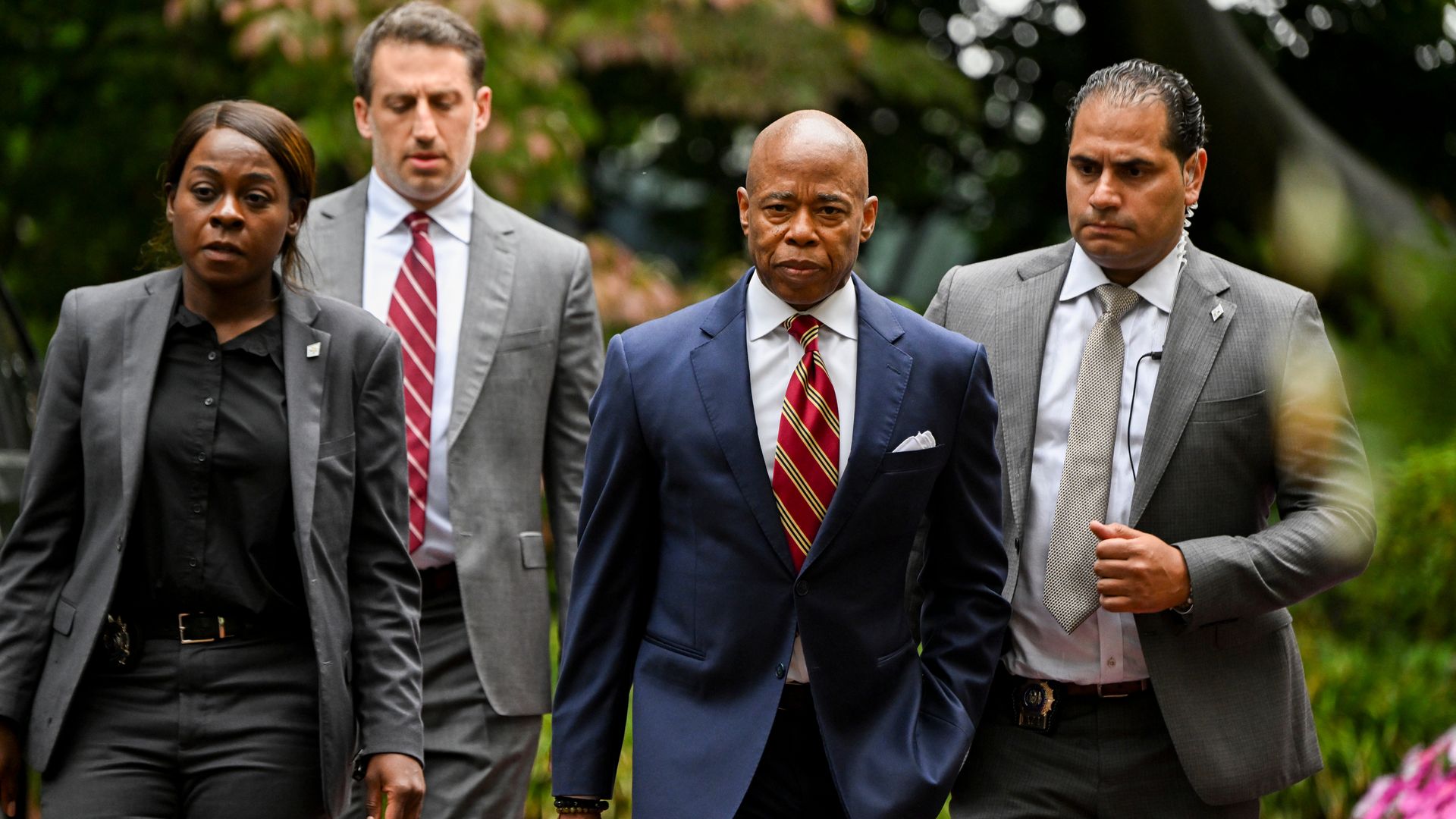
A growing number of Democratic New York officials called on New York City Mayor Eric Adams to resign Thursday after an indictment on bribery and fraud charges.
The big picture: Adams, the first NYC mayor to face criminal charges while serving in office, was indicted on five counts following a months-long federal investigation into whether his campaign illegally conspired with Turkish entities to collect foreign donations.
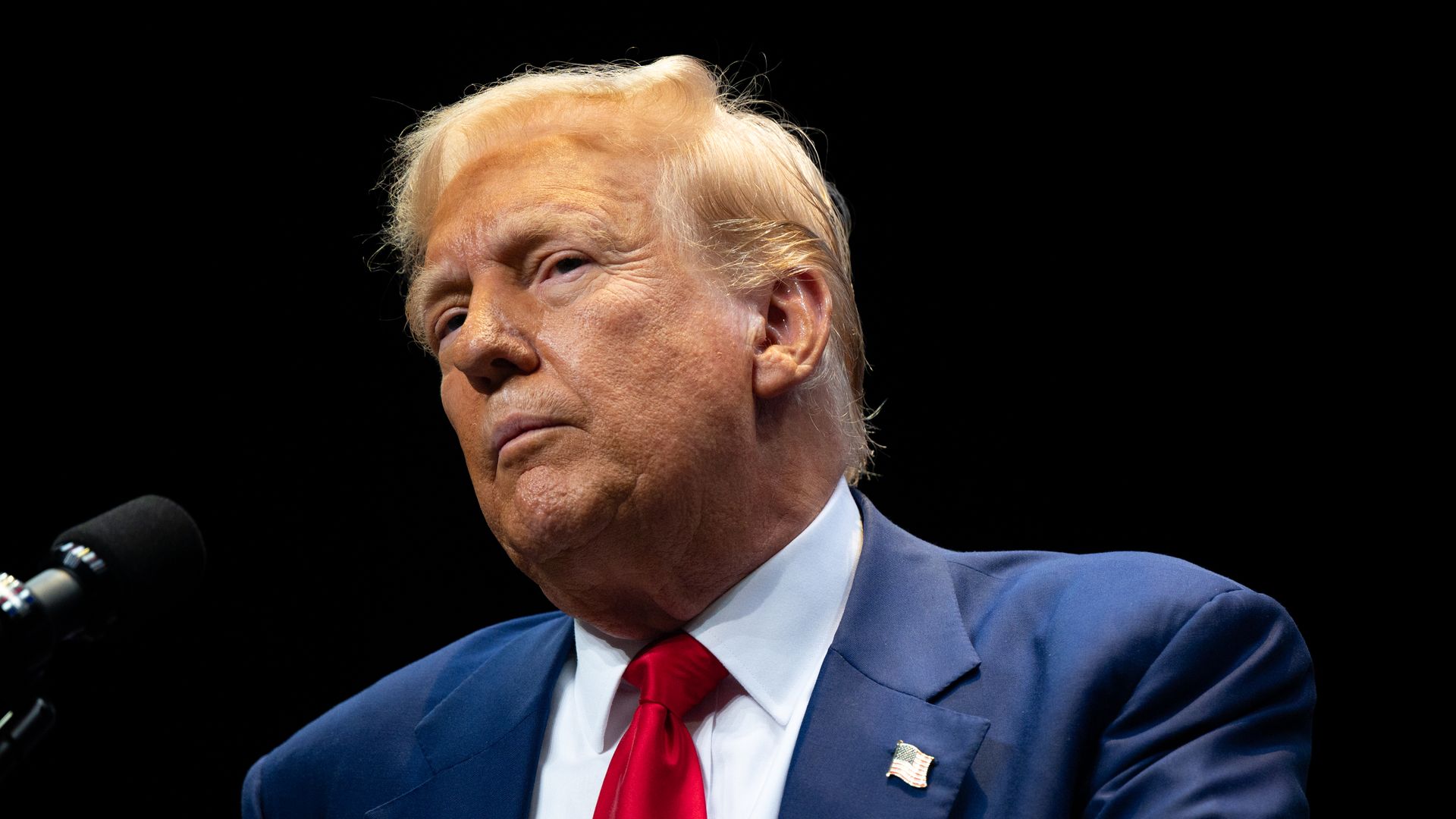
Three Iranianswere charged in connection with a hack targeting former President Trump's 2024 campaign allegedly meant to shape the outcome of the November election, according to an indictment unsealed Friday.
The big picture: Masoud Jalili, Yaser Balaghi and Seyyed Ali Aghamiri were charged with conspiracy to obtain information from a protected computer, fraud and several instances of aggravated identity theft, among other counts.
New York City Mayor Eric Adamson Fridaypleaded not guilty to federal bribery and fraud charges that were unsealed a day earlier in a sweeping indictment.
Why it matters: Adams is the first sitting NYC mayor to be criminally charged and is facing a flood of calls for his resignation.
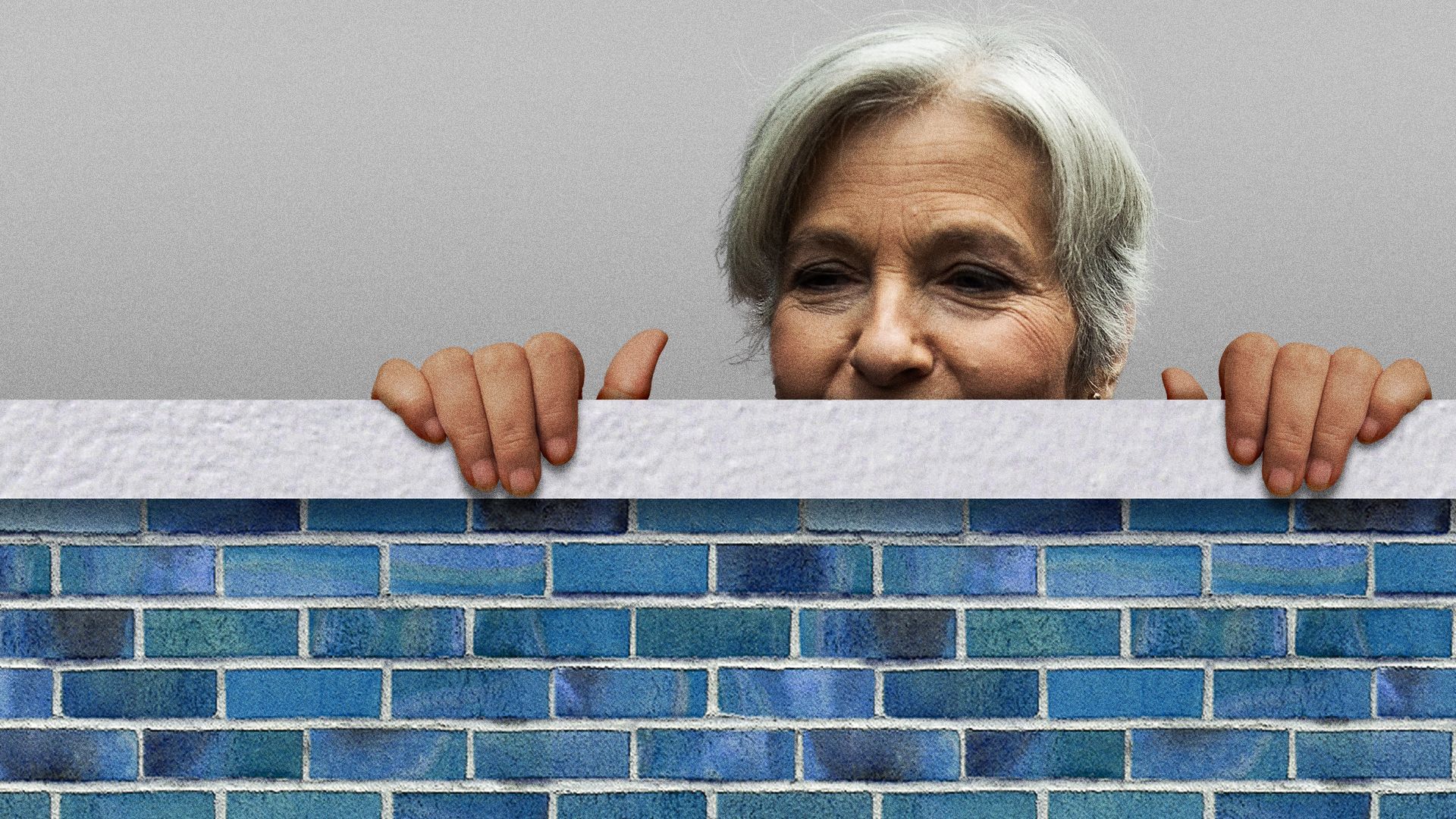
Haunted by Hillary Clinton's loss to Donald Trump in 2016, some Democrats still blame Green Party candidate Jill Stein for drawing votes from Clinton — and they fear Stein could cost Democrats again this year.
Why it matters: Stein's share of the 2024 vote is likely to be tiny, but if she again pulls tens of thousands of votes in swing states that Kamala Harris needs to win, it could make a difference in a razor-thin race.
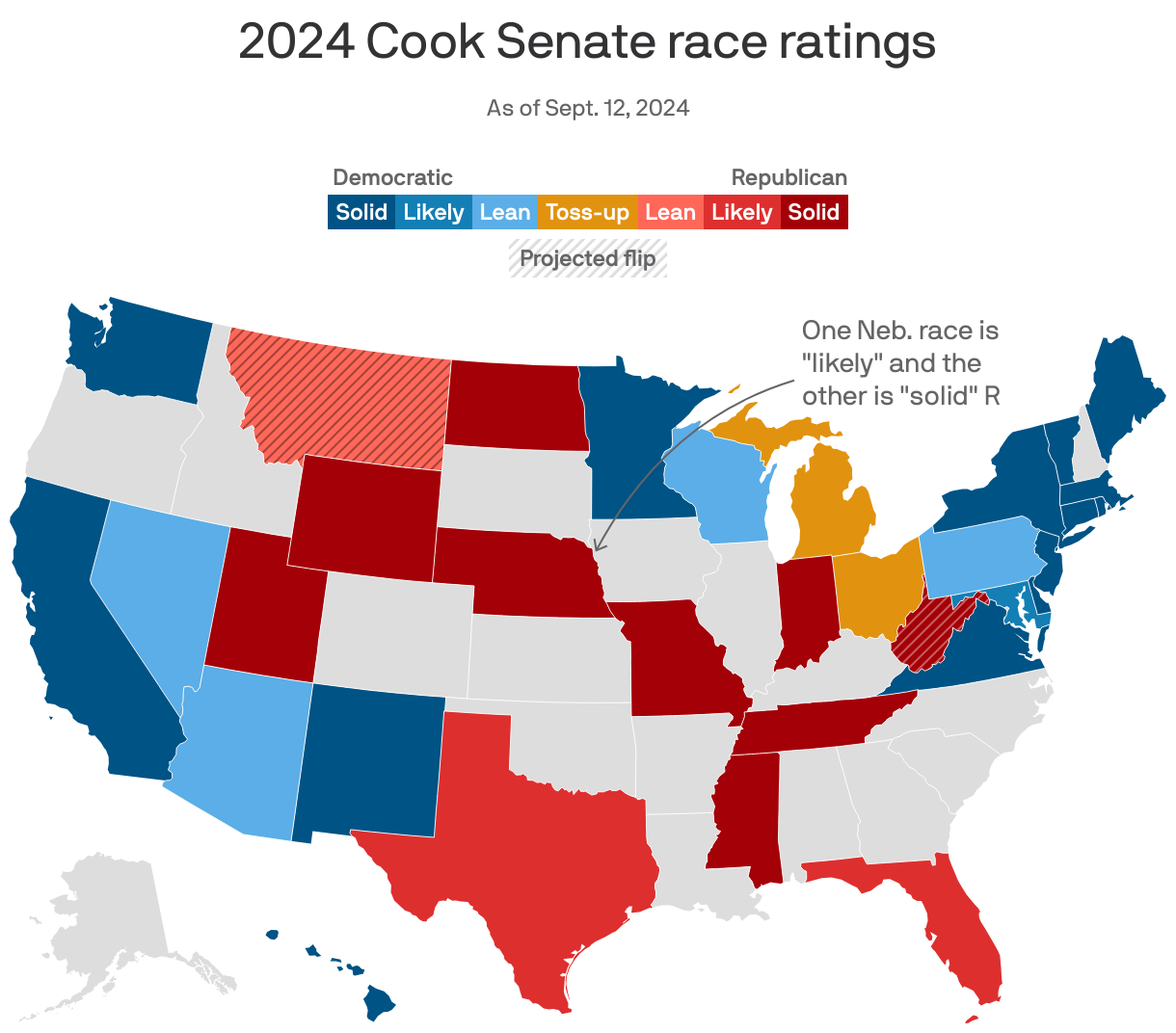
Data: Cook Political Reports; Note: The sitting senators from Maine and Vermont are independents who caucus with Democrats. Nebraska has two Senate elections, which Cook rates both as "Solid Republican." Map: Axios Visuals
Desperate Democrats, plagued by a brutal Senate map, are banking on upsets in one or more long-shot states — Texas, Florida or Nebraska — to save their narrow majority.
Why it matters: Dems are doomed if they don't win every single one of the closest races in the country (mapped above) — or make up for it with a shock win elsewhere.
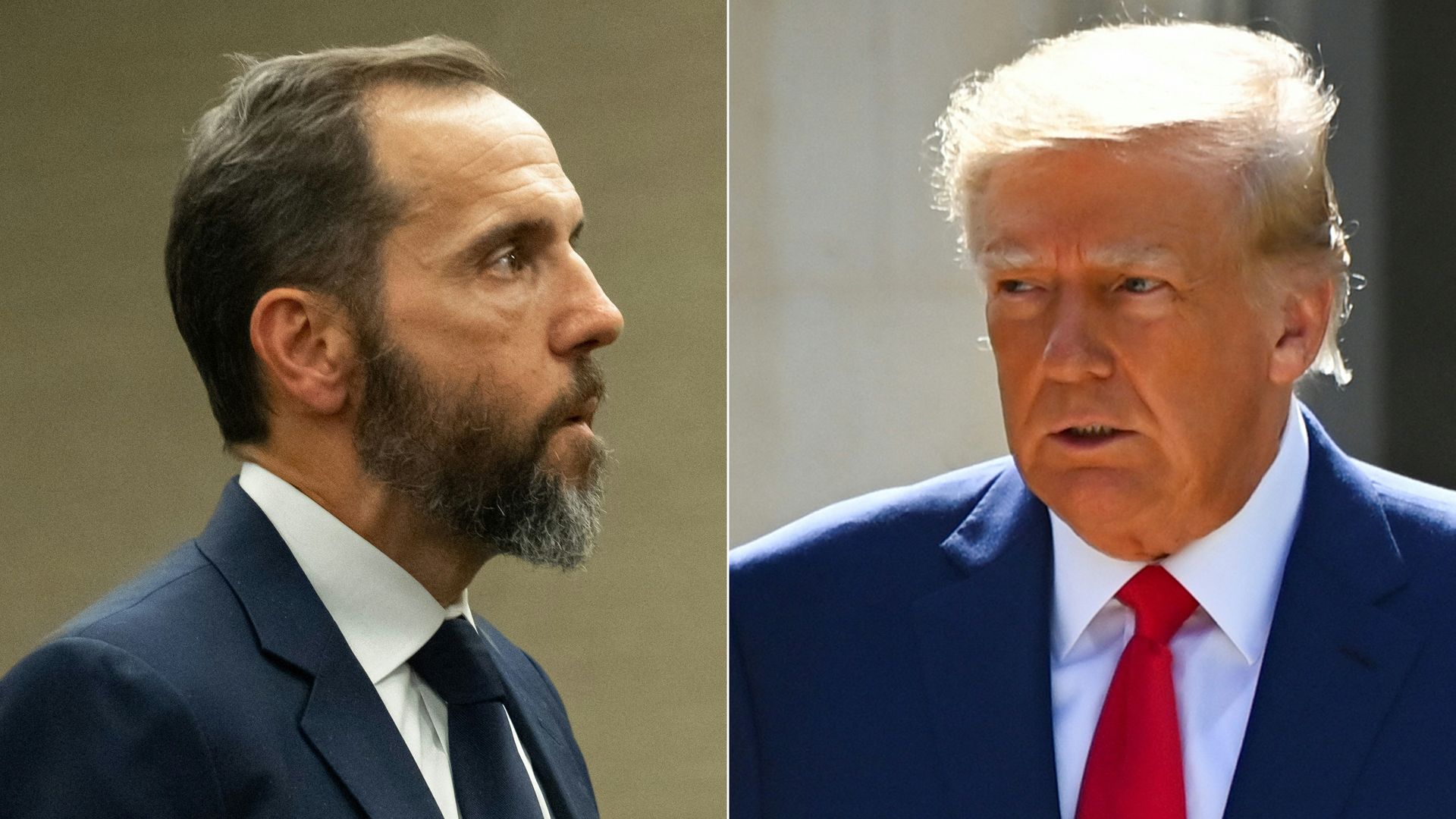
Special counsel Jack Smith filed a sealed legal brief in former President Trump's federal Jan. 6 case Thursday, outlining legal arguments for criminally prosecuting the Republican presidential nominee over efforts to overturn the 2020 election results.
Why it matters: U.S. District Court Judge Tanya Chutkan will decide whether or not to publicly release the brief containing previously unseen evidence, or a redacted version of it, and it's possible this could occur before November's presidential election.
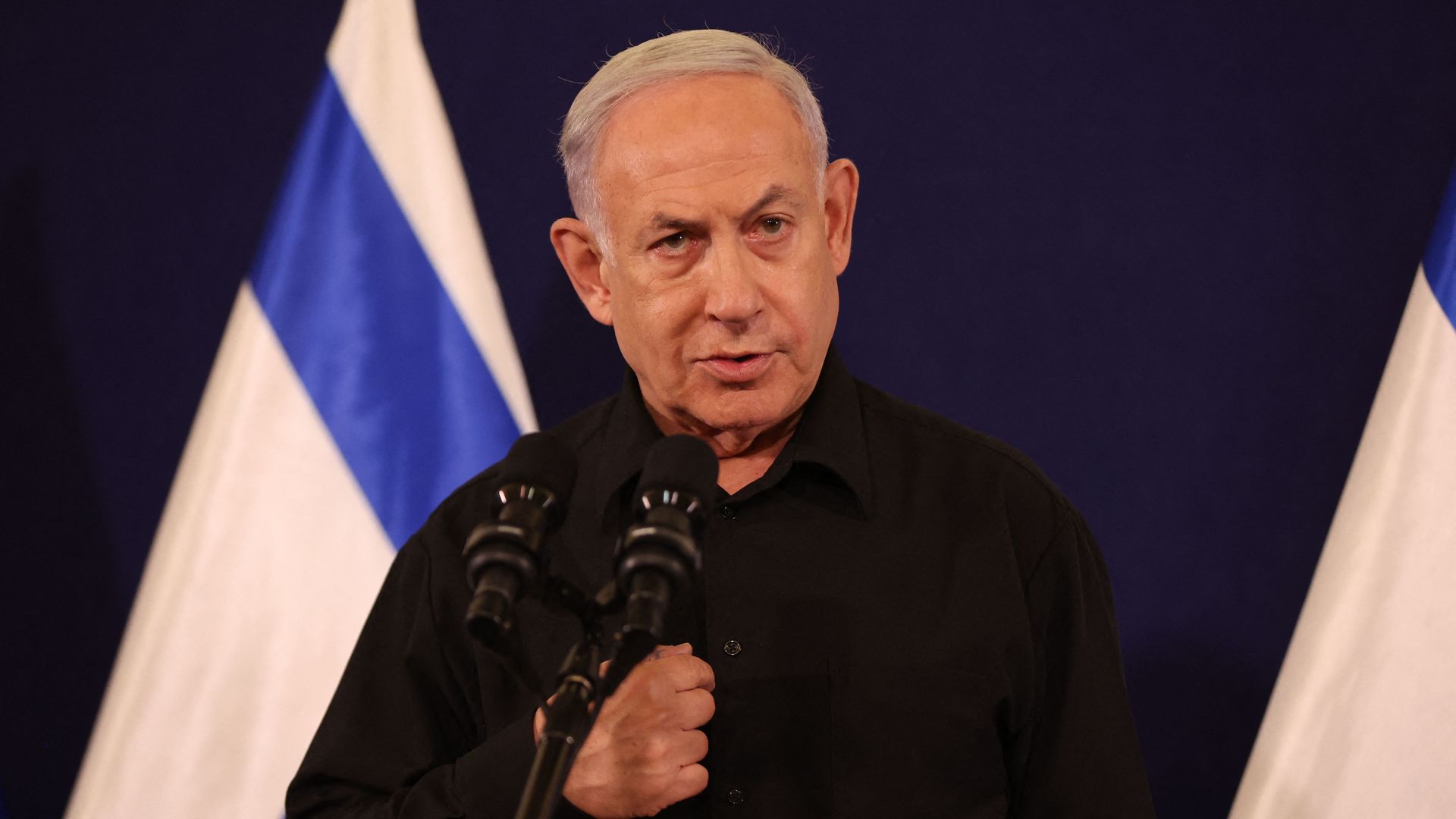
The Israeli Prime Minister's Office said in a statement on Thursday night that "Israel shares the aims" of the U.S.-led initiative for a 21-day ceasefire in Lebanon.
Why it matters: Israeli Prime Minister Benjamin Netanyahu's previous remarks denying he had a private understanding with the U.S. about the ceasefire proposal created tension with the White House.
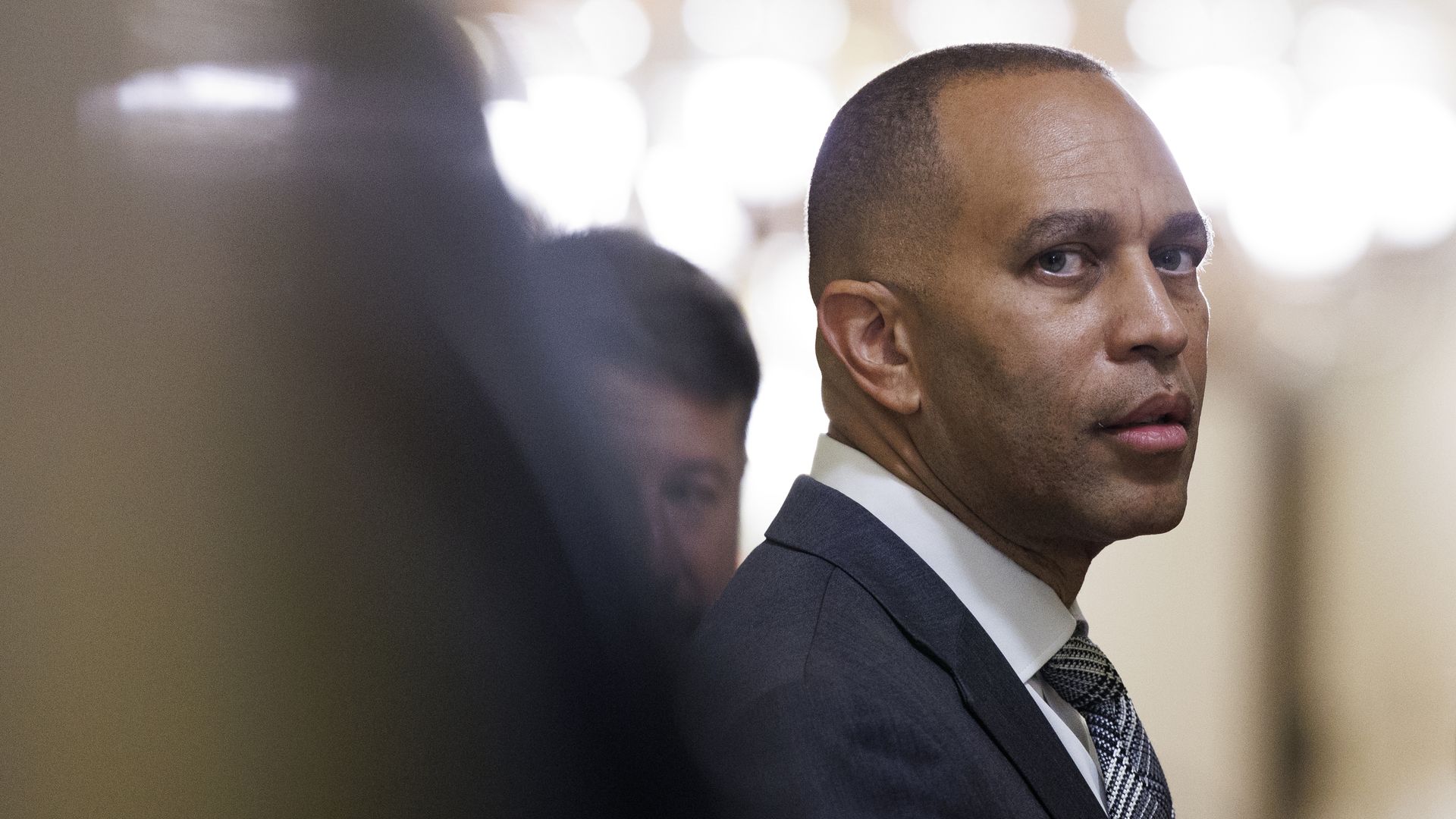
Democratic House leaders have selected a trio of candidates to flood with fresh cash in an effort to give Minority Leader Hakeem Jeffries (D-N.Y.) more pathways to the majority.
Why it matters: The contests aren't quite sleeper races, but their inclusion in the DCCC's Red to Blue program is an indication they might be getting tighter.
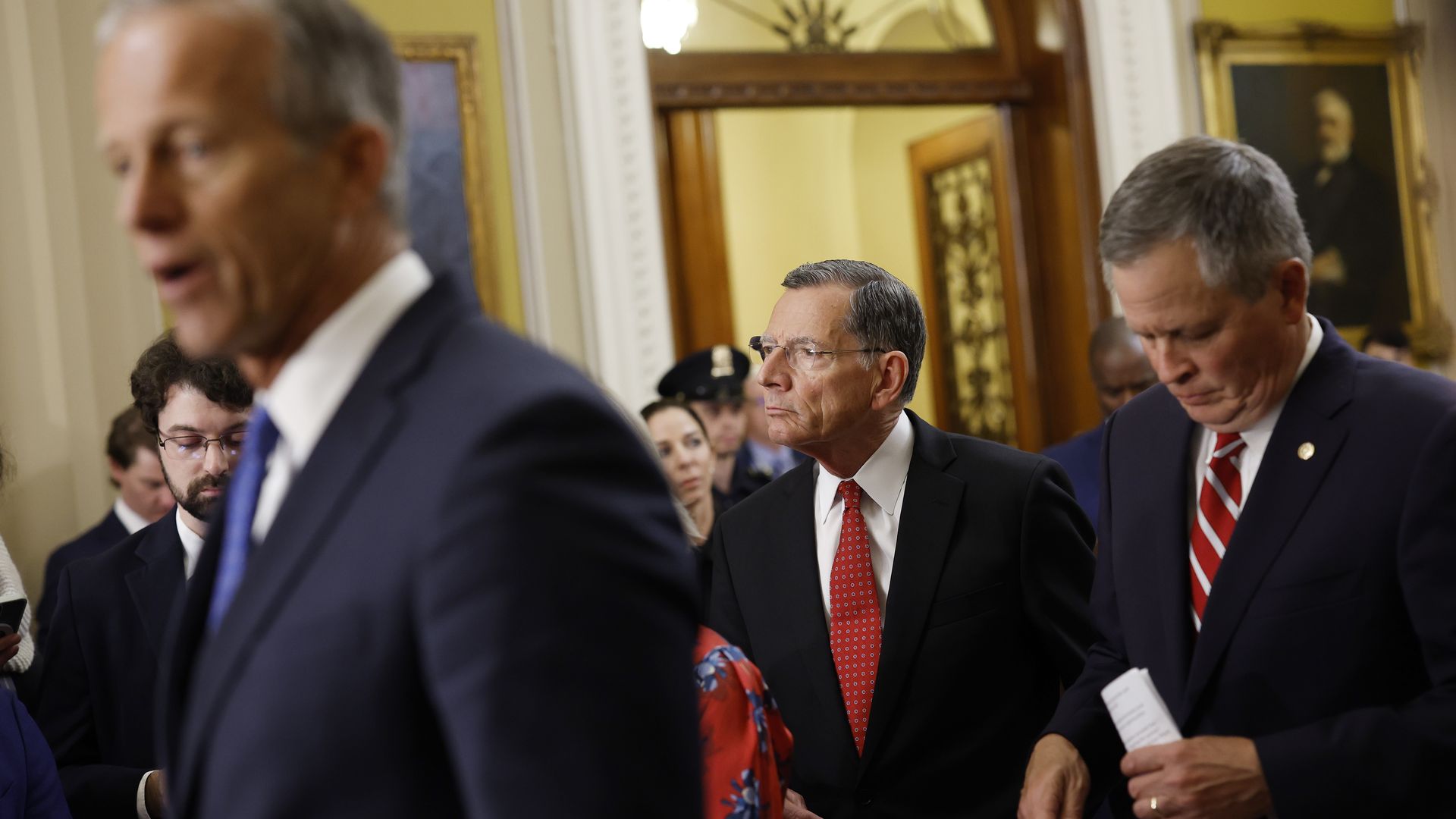
Three important nameswere missing from Thursday's Senate huddle with Ukrainian President Volodymyr Zelensky.
GOP leader hopefuls Sens. John Thune (R-S.D.) and Rick Scott (R-Fla.) weren't there. Neither was Sen. John Barrasso, the presumptive next Senate GOP No. 2.
Why it matters: This was likely the last time Sen. Mitch McConnell will be GOP leader for a Zelensky huddle on Capitol Hill.
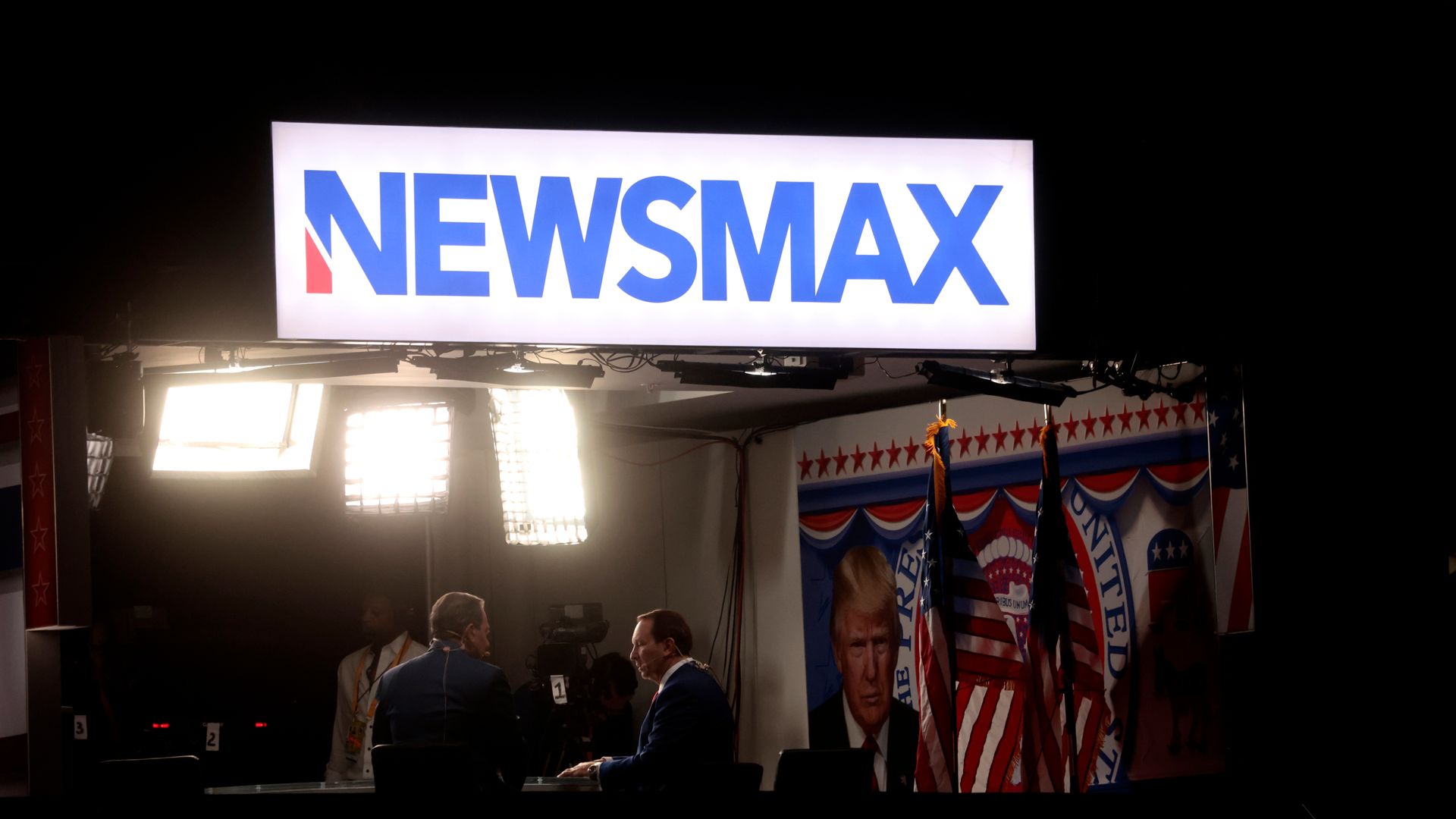
Conservative cable network Newsmax on Thursday settled a defamation lawsuit brought by voting-machine company Smartmatic, narrowly avoiding a high-profile trial over the airing of 2020 election falsehoods.
Why it matters: Ahead of the 2024 race and beyond, the settlement — the third involving 2020 election coverage in the past two years — shows the cost of airing election lies.