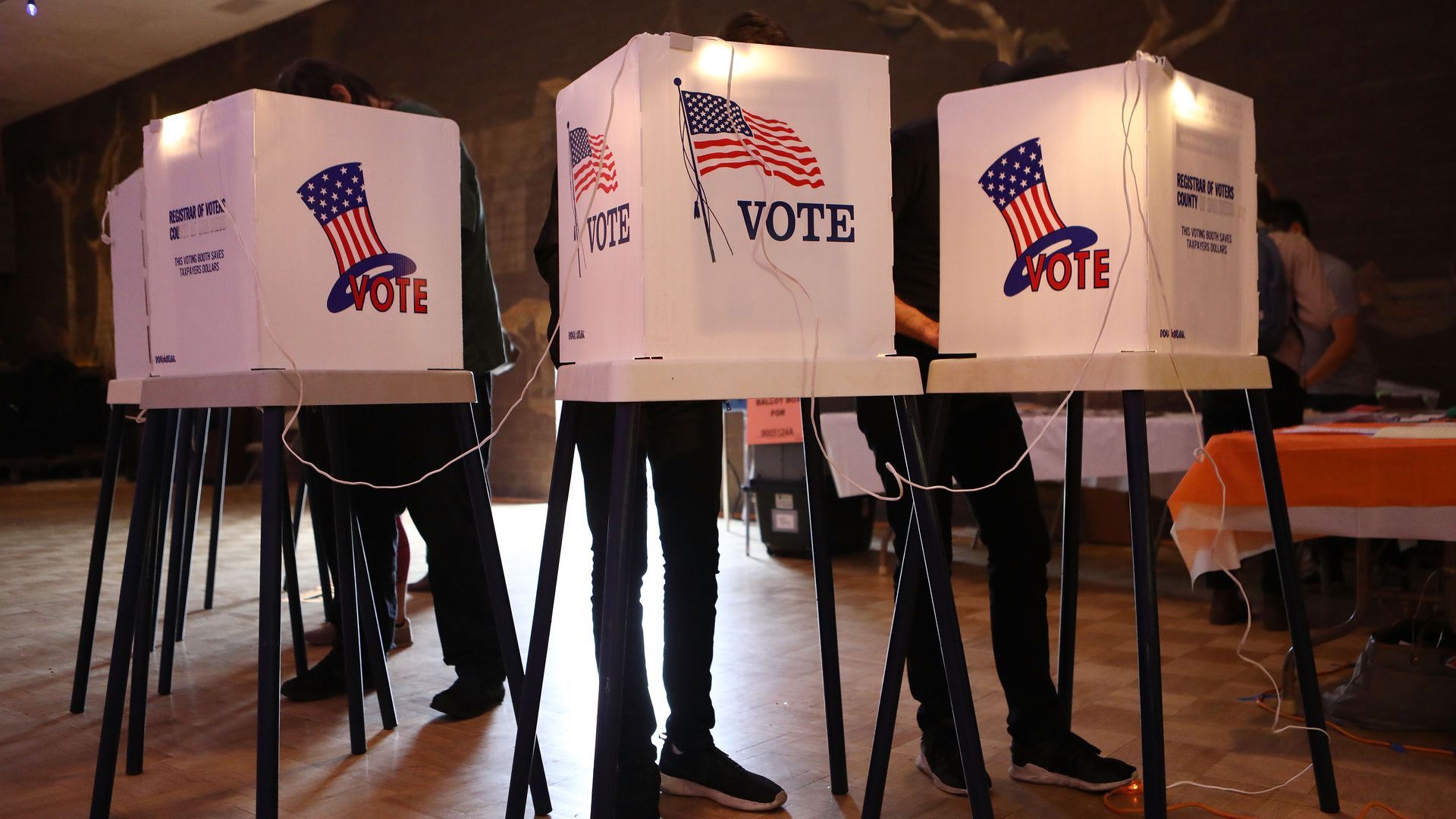
Thirty cybersecurity, election security, and computer science experts sent a letter Tuesday to the Department of Homeland Security and the Election Assistance Commission requesting they discourage states from using wireless modems in their voting systems, according to the letter, which Axios obtained.
Why it matters: Many voting machines around the country are capable of using wireless cellular modems to transfer unofficial post-election results. Election officials say these modems operate on networks separate from the internet, but, according to the experts' letter, this is not always true and can leave the systems vulnerable.
A bombshell New York Times investigation released Tuesday has reportedly prompted the New York State Department of Taxation and Finance to launch a review into allegations that Donald Trump participated in "dubious" tax schemes in the 1990s and raked in millions of dollars from his father's real estate empire.
The details: A spokesman from the state agency told CNBC they are "reviewing the allegations in the NYT article and is vigorously pursuing all appropriate avenues of investigation." Per the Times, the Trump family committed "instances of outright fraud," and that Donald Trump received at least $413 million in today’s dollars from his father’s empire — much of it through tax dodges in the 1990s. Trump's lawyer Charles Harder has denied any allegations of fraud and tax evasion, telling the publication "the facts upon which The Times bases its allegations are extremely inaccurate."
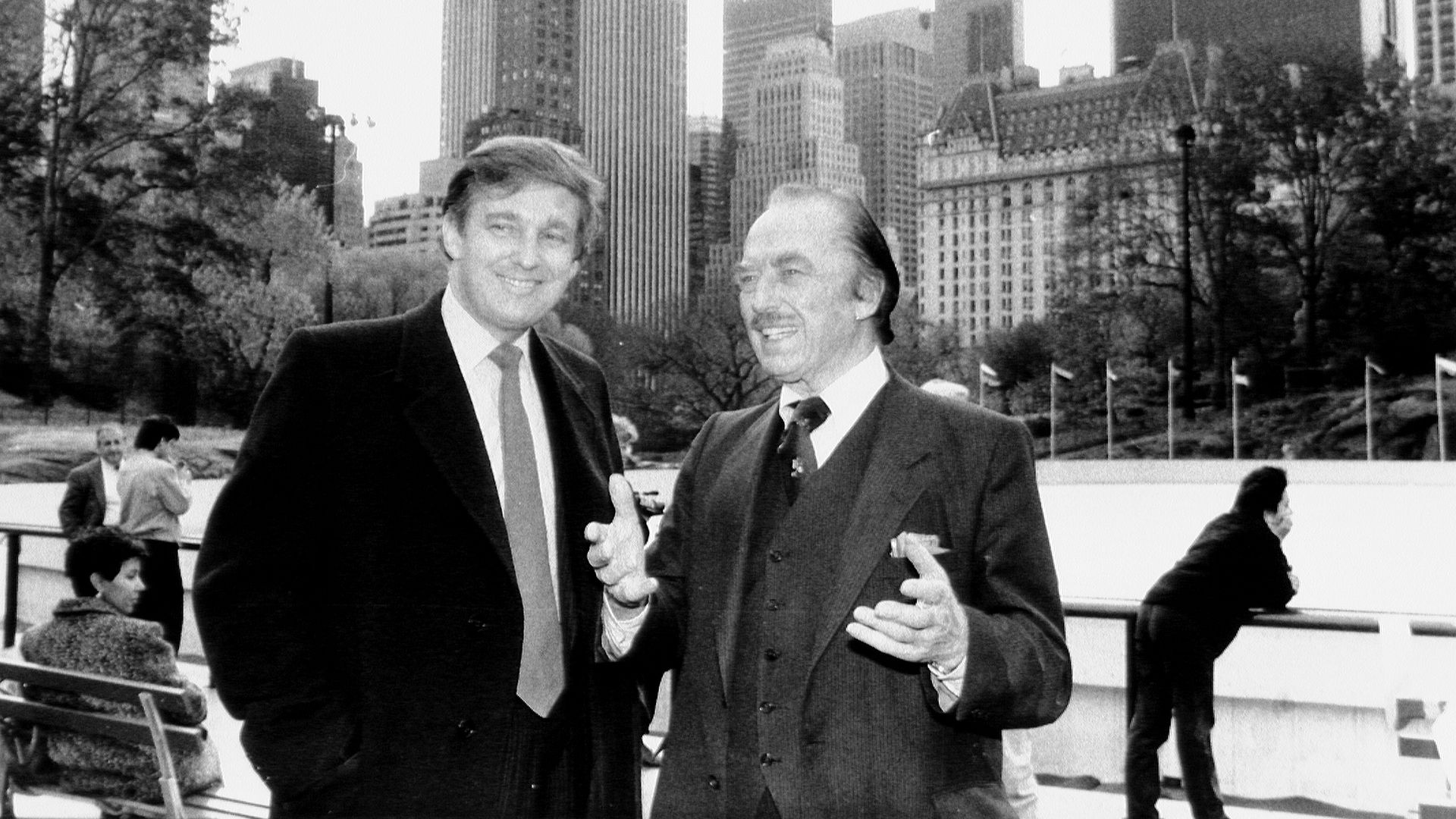
A mammoth New York Times investigation found that Donald Trump had engaged in "dubious tax schemes during the 1990s, including instances of outright fraud, that greatly increased the fortune he received from his parents."
Why it matters: The report, which relies on confidential Fred Trump (his father) documents and tax returns, shows how Donald Trump built his fortune. Documents suggest that Trump's father provided his son with as much as $60.7 million in loans ($140 million if adjusted for inflation), in contrast to Trump's suggestion he only received $1 million.
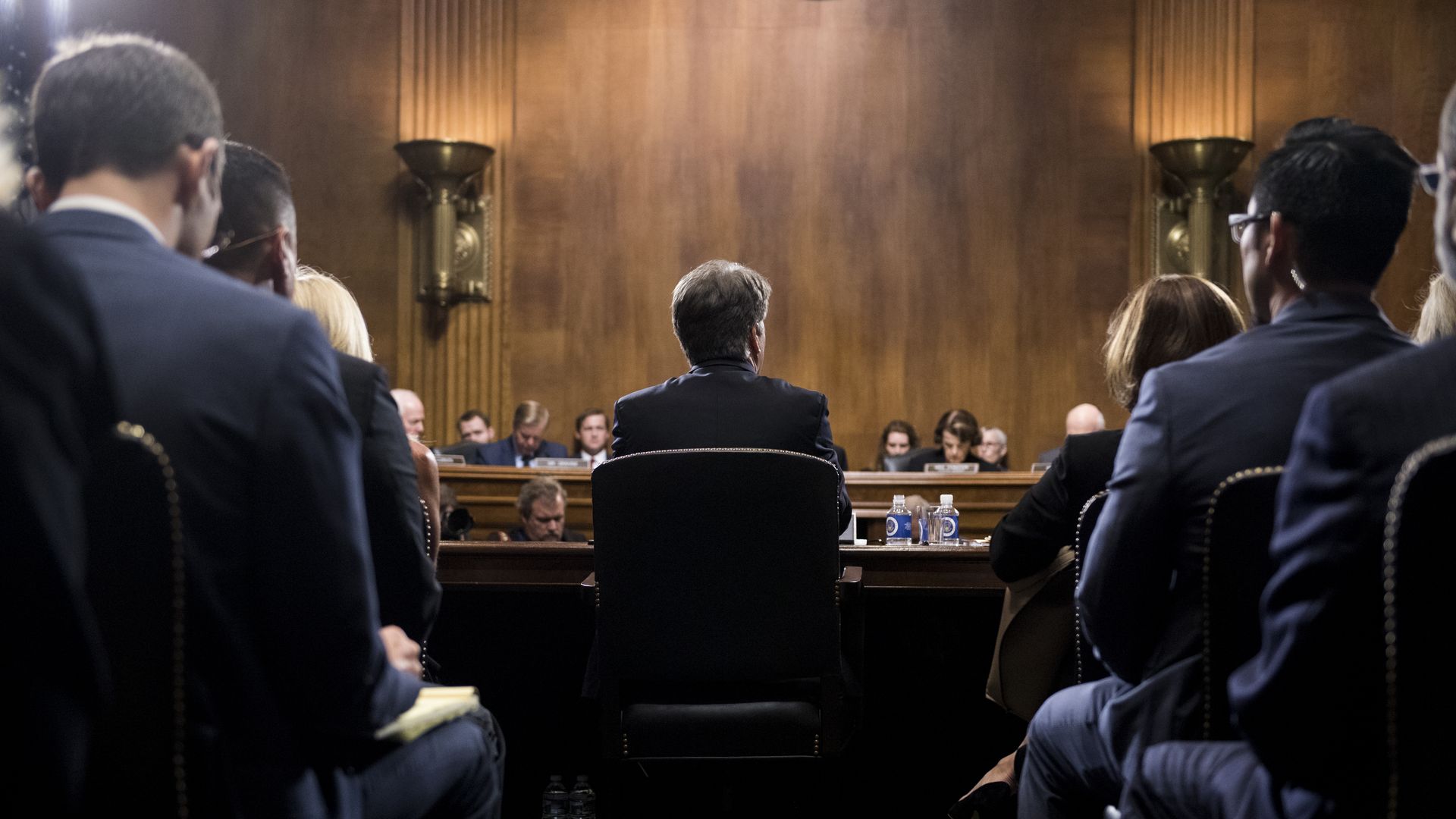
After a dramatic few weeks surrounding Supreme Court nominee Brett Kavanaugh's confirmation process, including several allegations of sexual assault and misconduct, a hearing and an 11th-hour FBI investigation, Sen. Mitch McConnell is promising a vote by the end of this week.
Between the lines: The allegations were unfolding behind the scenes, so it’s useful to see them paired up against public events.
While Attorney General Jeff Sessions and other top government officials encouraged immigrants to go to legal ports of entry to avoid family separation, border officials were regulating how many immigrants were allowed to reach those ports, according to a new report by the Department of Homeland Security Inspector General.
Why it matters: Preventing some immigrants to enter legally likely led to an increase in illegal border crossings, the IG report concluded. The report by the government watchdog confirms earlier, ongoing reporting on the chaos of family separation under Sessions' zero-tolerance policy.
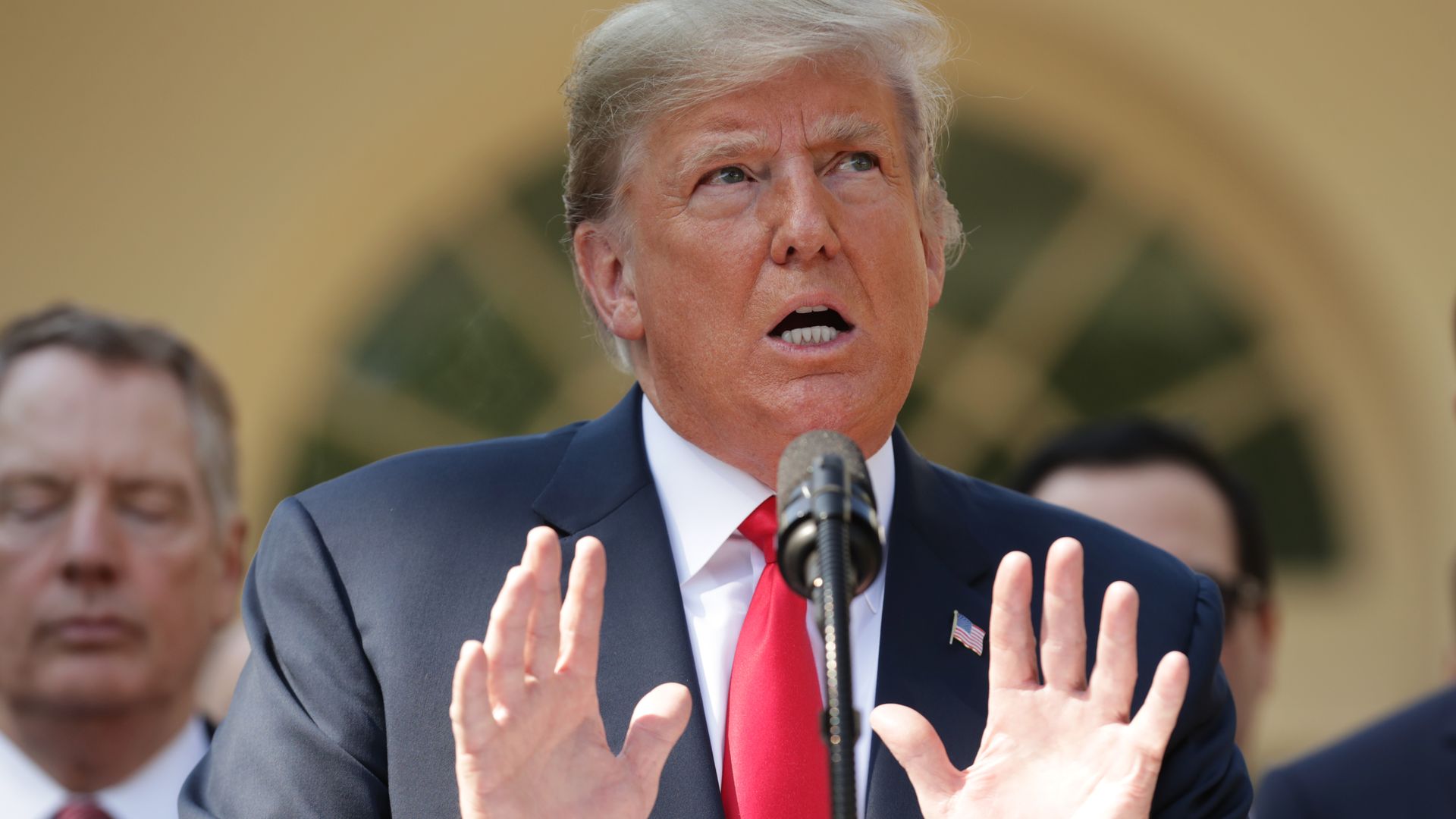
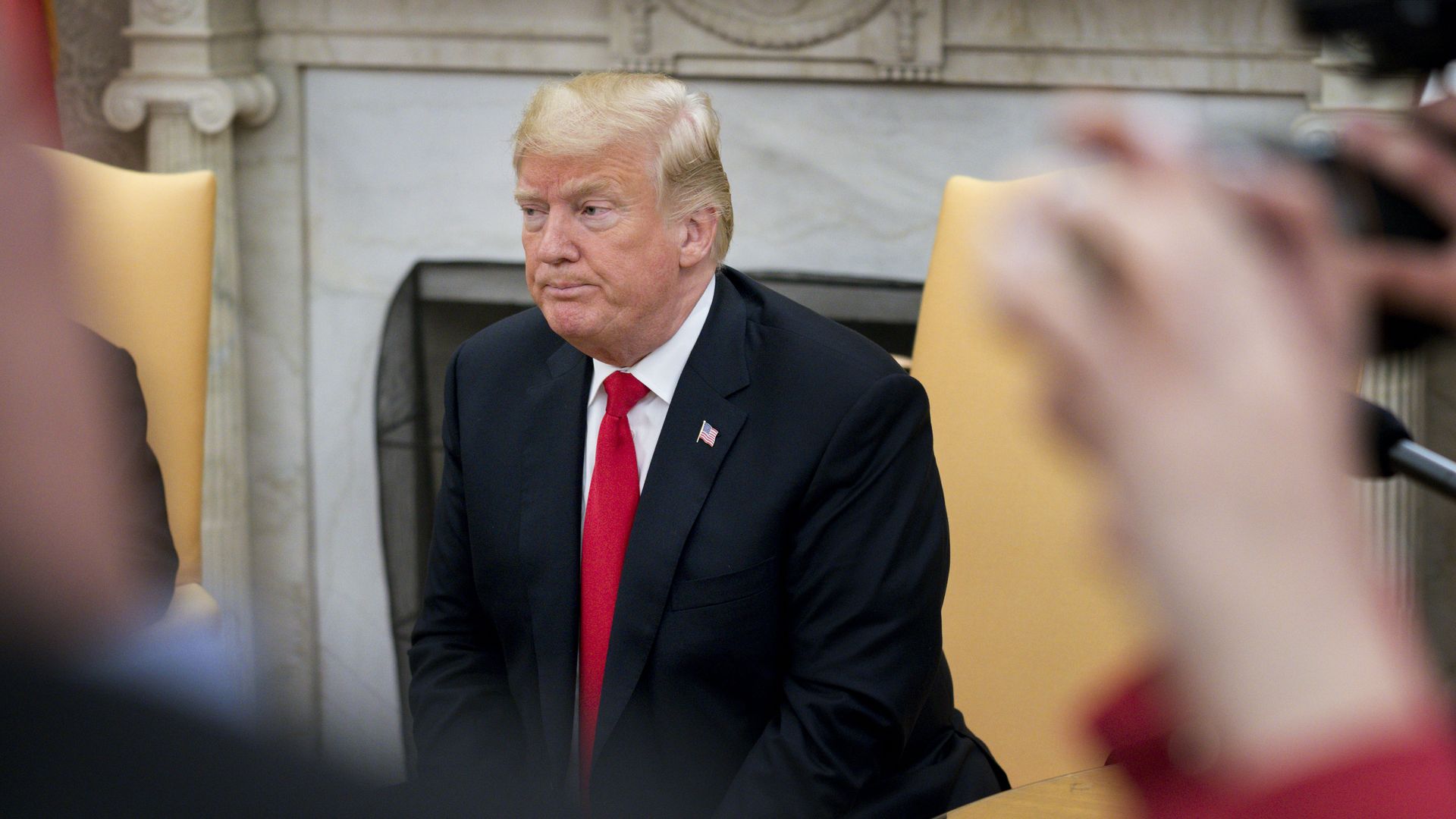
It drives the media, Democrats and more than half of America mad, but President Trump's unorthodox, jam-your-opponent style can be effective.
What he's done: He erased NAFTA, as a word, and replaced the trade pact with a different name (the United States-Mexico-Canada Agreement, or USMCA) and better terms for America. Sure, he infuriated Canada and Justin Trudeau, but he delivered the goods. (And helped some farm-state candidates just before midterms.)
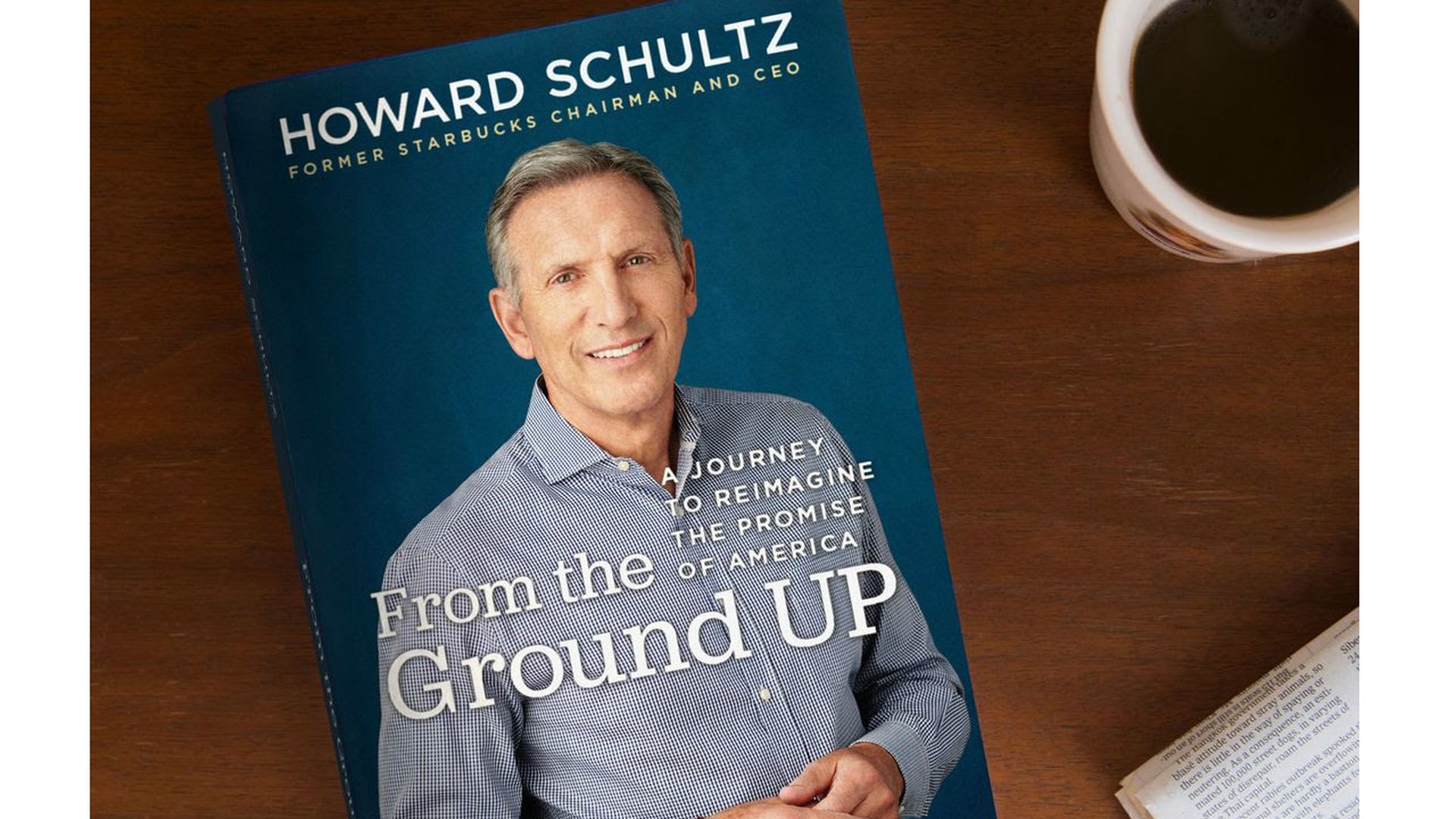
Former Starbucks chairman and CEO Howard Schultz plans to travel the country beginning early next year, including stops in states that could help in a possible Democratic presidential run.
Driving the news: Schultz, 65, will hit the road to promote his book that'll come out Feb. 12, with the campaign-y title: "From the Ground Up: A Journey to Reimagine the Promise of America."
The signs of a "blue wave" are adding up, and barring some dramatic shift in the next five weeks, it's likely to be more than enough to wipe out the Republican majority in the House — and the Senate may not be out of reach either.
Why it matters: Democrats only need 23 seatsto win the House.
The Trump administration's new trade deal with Canada and Mexico includes a big win for pharmaceutical companies and Republicans — a provision to protect biologic drugs from competition for 10 years.
Why it matters: Republicans say this will spread the cost of developing new drugs beyond the U.S. market, lowering American drug prices. By shielding the drugs from generic competition in Canada and Mexico, the measure will also help pharmaceutical companies reap more profits abroad.
A Pew poll of 25 countries found that just 27% of respondents, on average, have confidence in President Trump to "do the right thing regarding world affairs." The lowest scores come in Mexico (6%) and European countries like France (9%) and Germany (10%).
Adapted from Pew Research Center, Spring 2018 Global Attitudes Survey; Chart: Andrew Witherspoon/Axios
The bigger picture: While views of the U.S. around the world have slumped considerably since Trump took office, 50% across the 25 countries sampled still view the U.S. favorably, compared to 43% unfavorably. Large pluralities in nearly every country would rather the U.S. — over China — be the world's preeminent power. However, views of the U.S. in some closely allied countries like Canada are frostier than at any point in the annual survey's 18-year history.
Immigration attorneys expect thousands of recently graduated international students who've been hired by U.S. companies to be forced out of their jobs today due to delays in processing H-1B high-skilled worker visas and strict new policies imposed by the Trump administration.
Why it matters: Recent grads are allowed to remain in the U.S. if they've applied for H-1B employment visas. But they are no longer allowed to work while their applications are pending, likely making it difficult to afford to stay.
As public fury in the U.S. has peaked again and again in recent months, it's become clear that the nation is not experiencing a single crisis. Instead, an angry trio of storms — revolts against immigrants, globalization, and establishment leaders and institutions — are churning independently and of their own logic.
Why it matters: The three forces — the same that have been roiling Europe — could go on for decades, experts say. And when they are played out, the West is likely to be a very different world, although it's difficult to discern even the outlines of what may be coming.
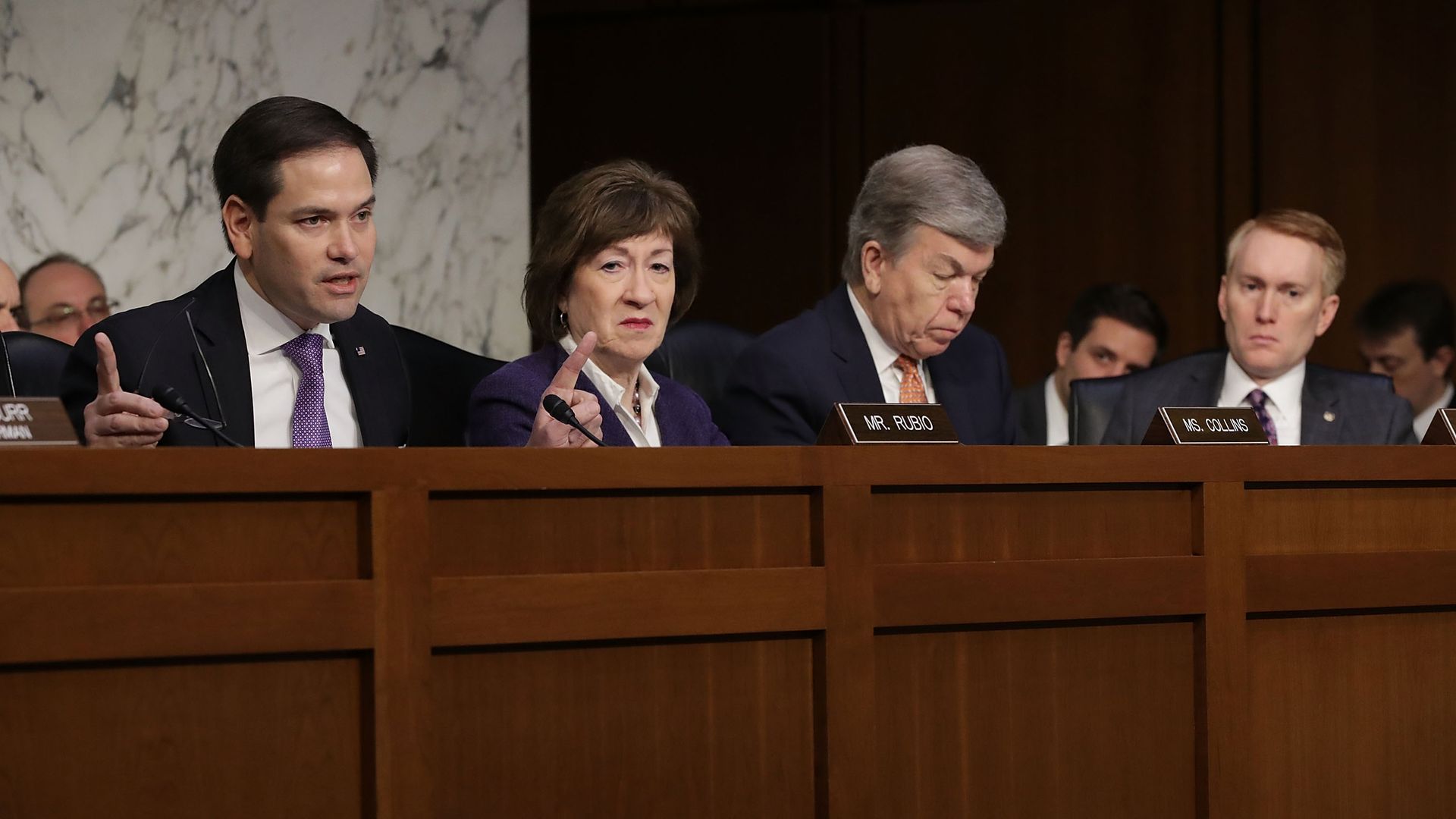
With the midterm elections less than six weeks away, policymakers are ramping up their focus on election meddling. Earlier this year, Sens. Marco Rubio (R-Fla.) and Chris Van Hollen (D-Md.) introduced the Defending Elections from Threats by Establishing Redlines (DETER) Act to deal with foreign interference. The bill is currently pending in the Senate Banking Committee and could get considered before the midterms.
Why it matters: The DETER Act requires the Director of National Intelligence (DNI) to determine within one month of a federal election whether any foreign government has interfered. If the DNI were to make such a finding about Russia, the Treasury Department would be required within 10 days to impose a set of severe sanctions on specific individuals and businesses that could not be removed for two presidential election cycles.
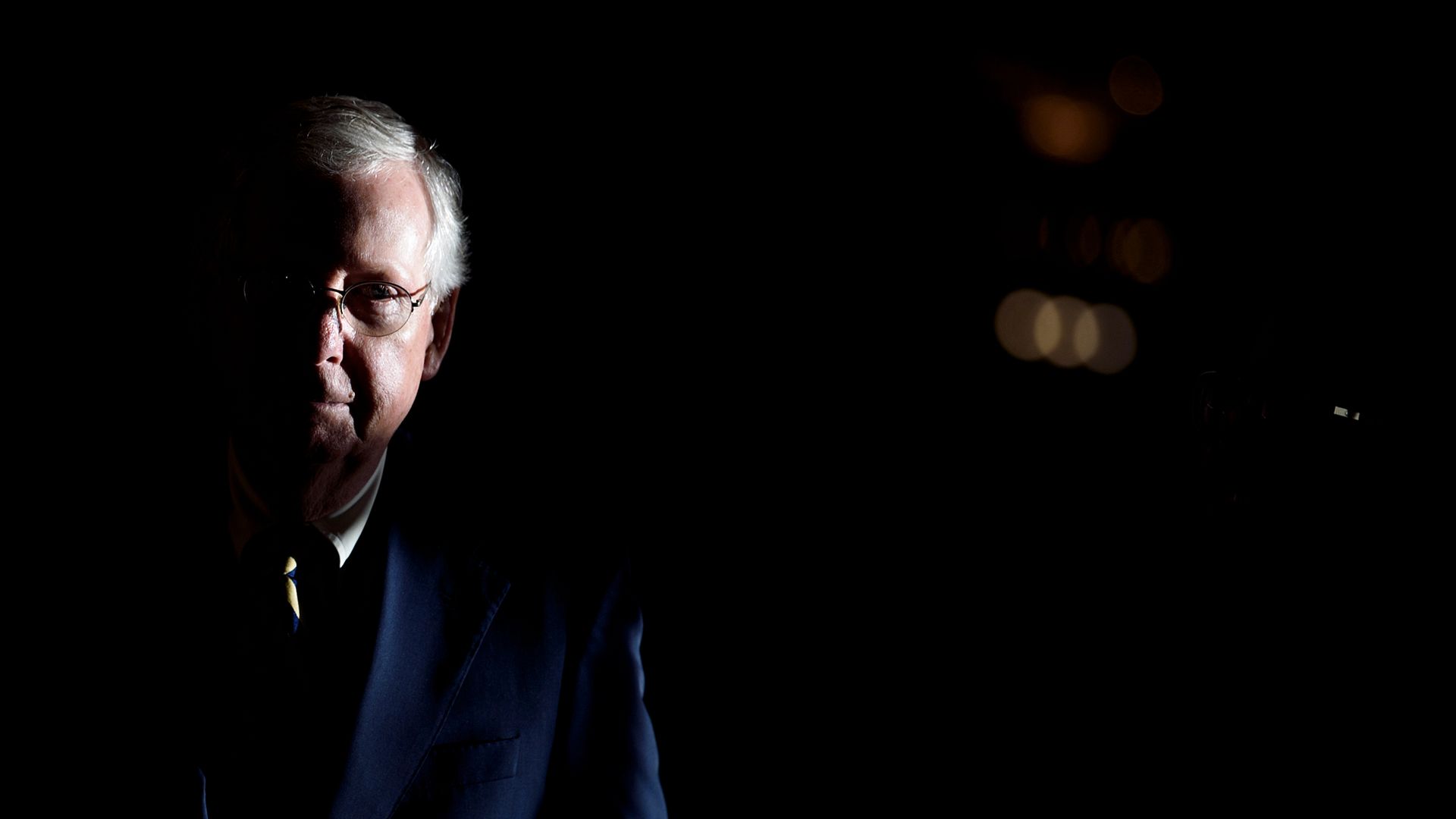
In a tough speech on the Senate floor Monday, Majority Leader Mitch McConnell made clear that he will be bringing Brett Kavanaugh's nomination to a vote this week after the FBI concludes its investigation into allegations of sexual assault.
“If you listen carefully Mr. President, you can practically hear the sounds of the Democrats moving the goalpost ... The time for delay and endless obstruction has come to a close. ... Mr. President, we'll be voting this week."
The bottom line: McConnell has stood by Kavanaugh throughout his dicey confirmation process. Today, he honed in on his belief that Democrats will continue to try and delay the vote even further, predicting that they'll say the FBI investigation was "insufficient" after its completion. But regardless of what Democrats do next, McConnell was adamant that the vote will take place this week.
President Trump suggested that Sen. Dianne Feinstein, the Senate Judiciary Committee's ranking member, leaked a letter from Christine Blasey Ford that accused Supreme Court nominee Brett Kavanaugh of sexual assault in the 1980s during a press conference on Monday.
Reality check: Ryan Grim, reporter at The Intercept who first broke the story about Ford's allegations, tweeted, "Feinstein's staff did not leak the letter to The Intercept." And Sen. Feinstein has denied these claims herself.
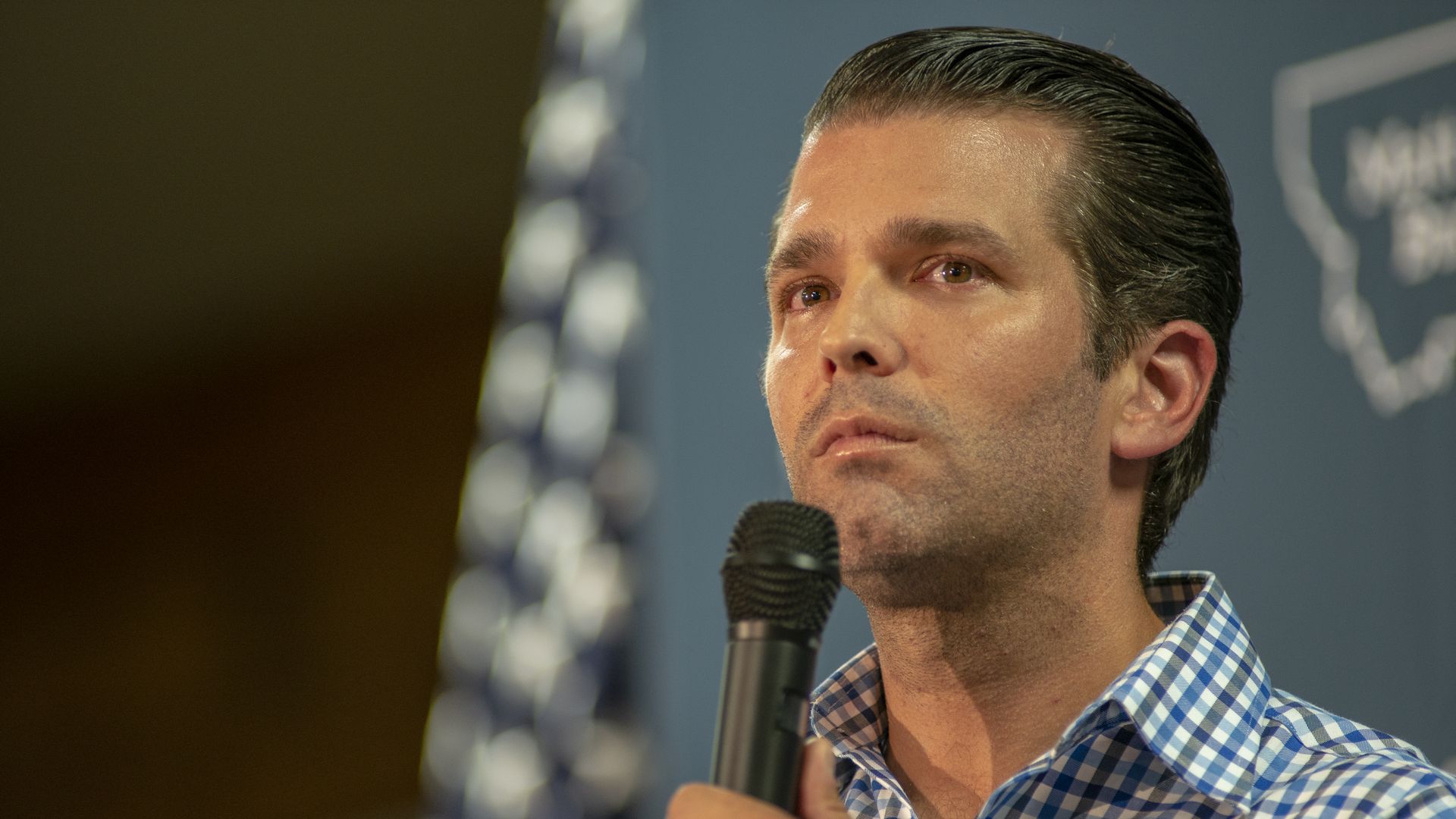
Donald Trump Jr. told DailyMailTV that the #MeToo movement makes him more scared for his sons than his daughters, worrying that politically motivated claims of sexual misconduct or assault have the potential to ruin lives.
"I've got boys, and I've got girls. And when I see what's going on right now, it's scary. ... The other problem is that for the people who are real victims of these things, when it is so obviously political in cases like [Kavanaugh's], it really diminishes the real claims."
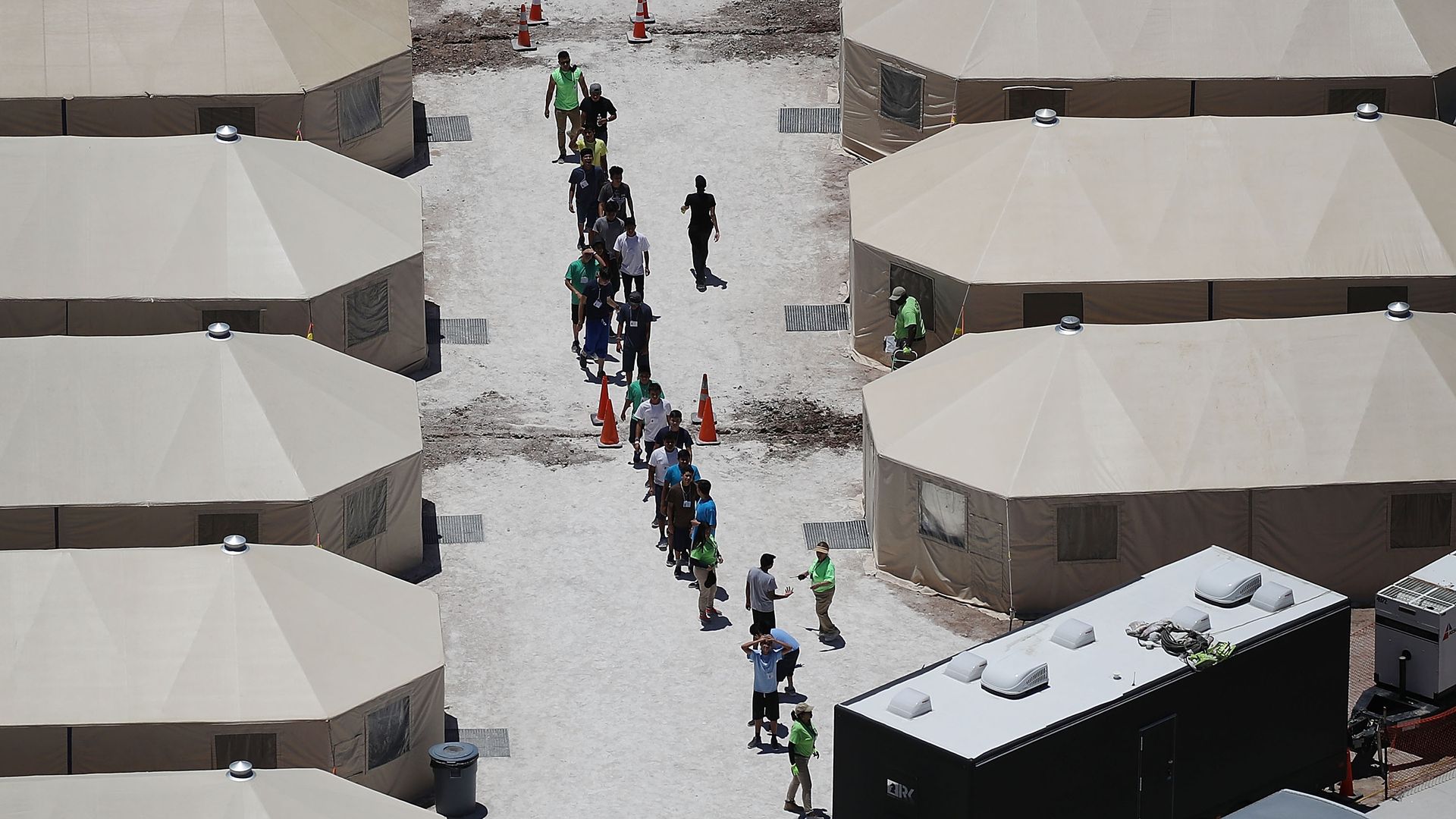
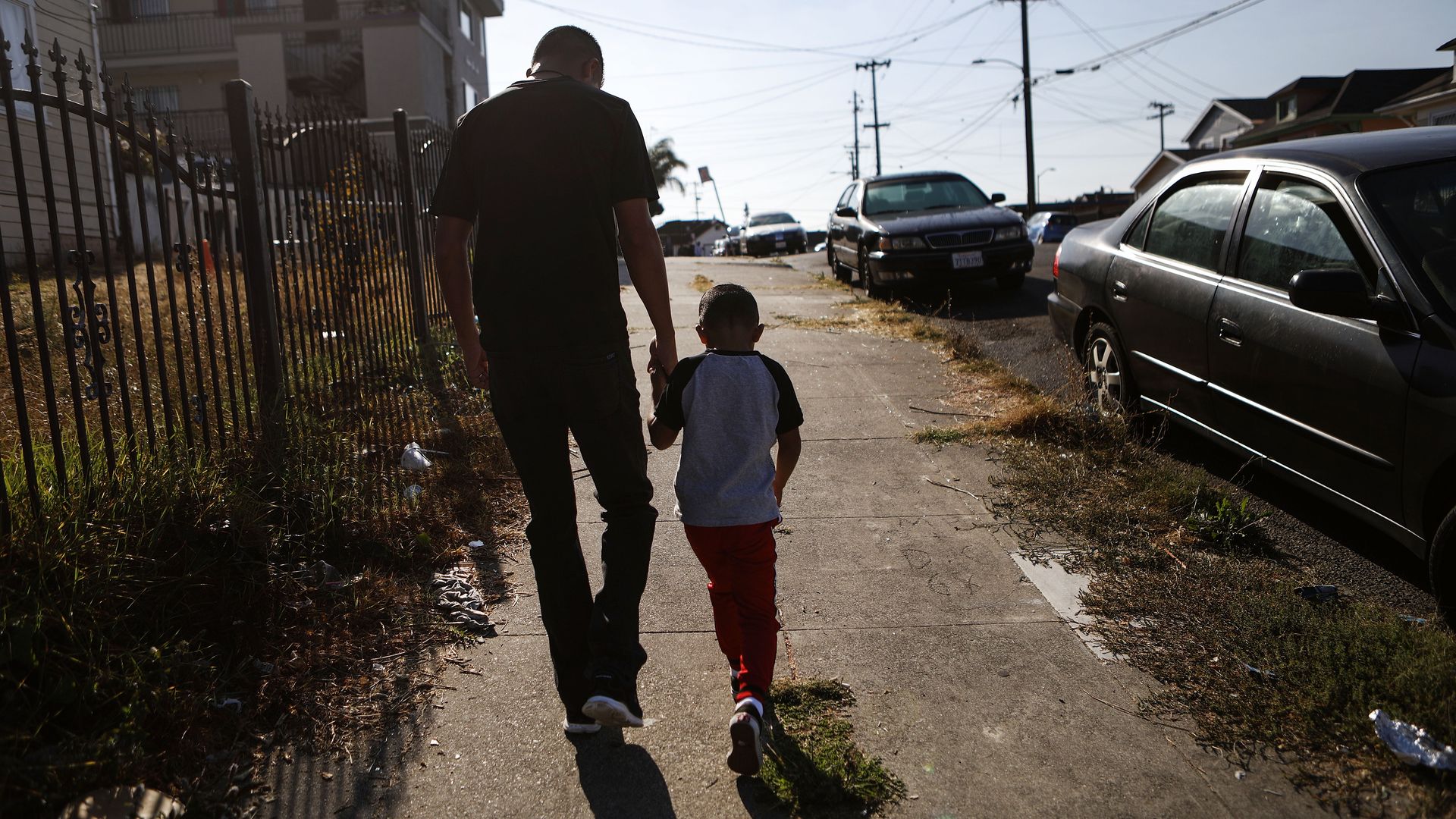
A majority of the separated migrant families who were in the news earlier this year have been reunited. But another kids crisis is growing: The Trump administration is struggling to provide shelter and find homes for a record-breaking 13,000+ migrant children in its custody.
The big picture: Even though the scandal is mostly out of the news, the numbers have ballooned, from 2,400 detained migrant children last year to 13,000 today, the N.Y. Times reports. The federal government is struggling to house them, resulting in traumatic forced moves from established shelters to spartan tent cities.







/2018/10/01/1538420961578.gif?w=3840)