A Pew poll of 25 countries found that just 27% of respondents, on average, have confidence in President Trump to "do the right thing regarding world affairs." The lowest scores come in Mexico (6%) and European countries like France (9%) and Germany (10%).
Adapted from Pew Research Center, Spring 2018 Global Attitudes Survey; Chart: Andrew Witherspoon/Axios
The bigger picture: While views of the U.S. around the world have slumped considerably since Trump took office, 50% across the 25 countries sampled still view the U.S. favorably, compared to 43% unfavorably. Large pluralities in nearly every country would rather the U.S. — over China — be the world's preeminent power. However, views of the U.S. in some closely allied countries like Canada are frostier than at any point in the annual survey's 18-year history.
Immigration attorneys expect thousands of recently graduated international students who've been hired by U.S. companies to be forced out of their jobs today due to delays in processing H-1B high-skilled worker visas and strict new policies imposed by the Trump administration.
Why it matters: Recent grads are allowed to remain in the U.S. if they've applied for H-1B employment visas. But they are no longer allowed to work while their applications are pending, likely making it difficult to afford to stay.
As public fury in the U.S. has peaked again and again in recent months, it's become clear that the nation is not experiencing a single crisis. Instead, an angry trio of storms — revolts against immigrants, globalization, and establishment leaders and institutions — are churning independently and of their own logic.
Why it matters: The three forces — the same that have been roiling Europe — could go on for decades, experts say. And when they are played out, the West is likely to be a very different world, although it's difficult to discern even the outlines of what may be coming.
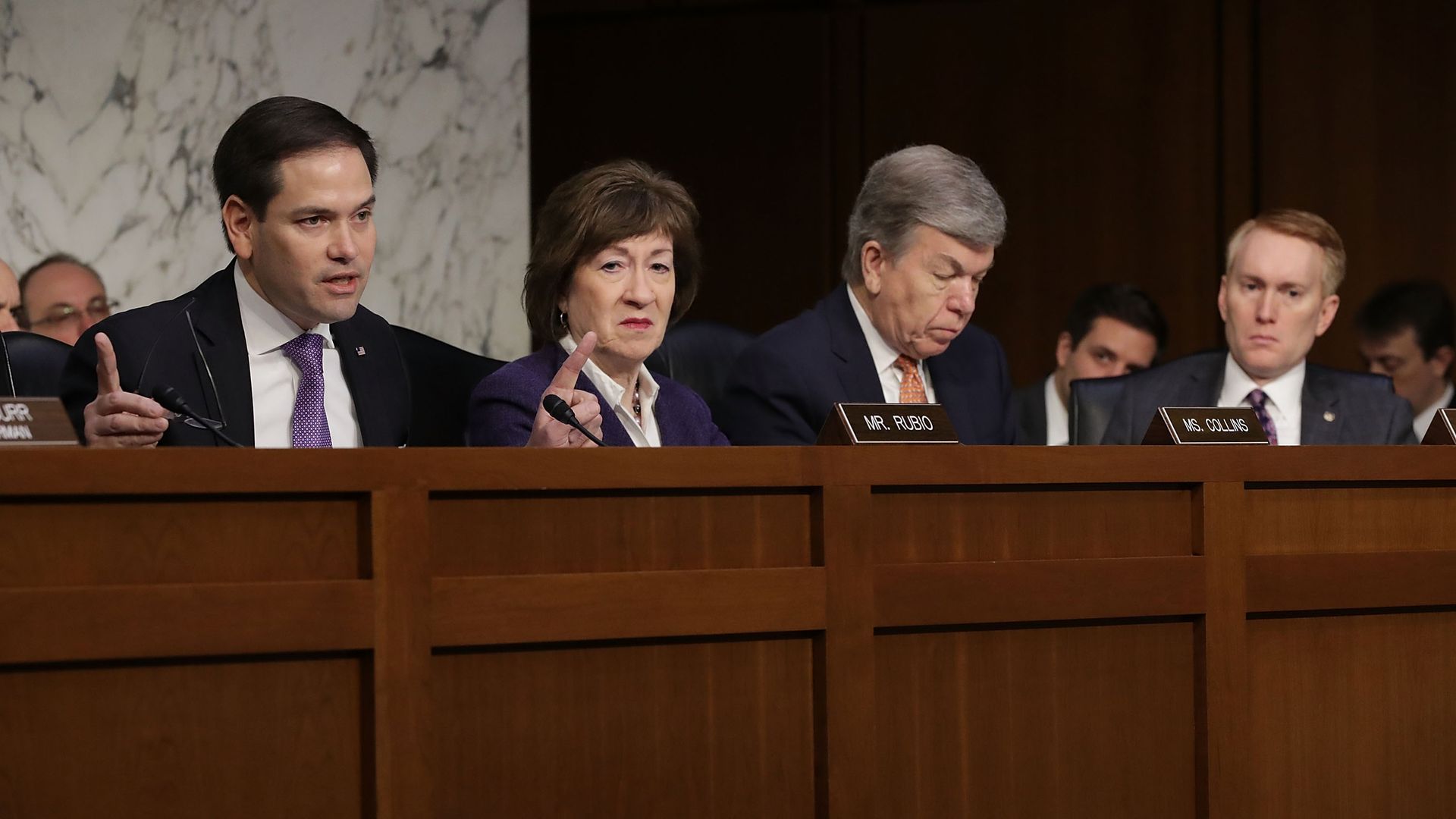
With the midterm elections less than six weeks away, policymakers are ramping up their focus on election meddling. Earlier this year, Sens. Marco Rubio (R-Fla.) and Chris Van Hollen (D-Md.) introduced the Defending Elections from Threats by Establishing Redlines (DETER) Act to deal with foreign interference. The bill is currently pending in the Senate Banking Committee and could get considered before the midterms.
Why it matters: The DETER Act requires the Director of National Intelligence (DNI) to determine within one month of a federal election whether any foreign government has interfered. If the DNI were to make such a finding about Russia, the Treasury Department would be required within 10 days to impose a set of severe sanctions on specific individuals and businesses that could not be removed for two presidential election cycles.
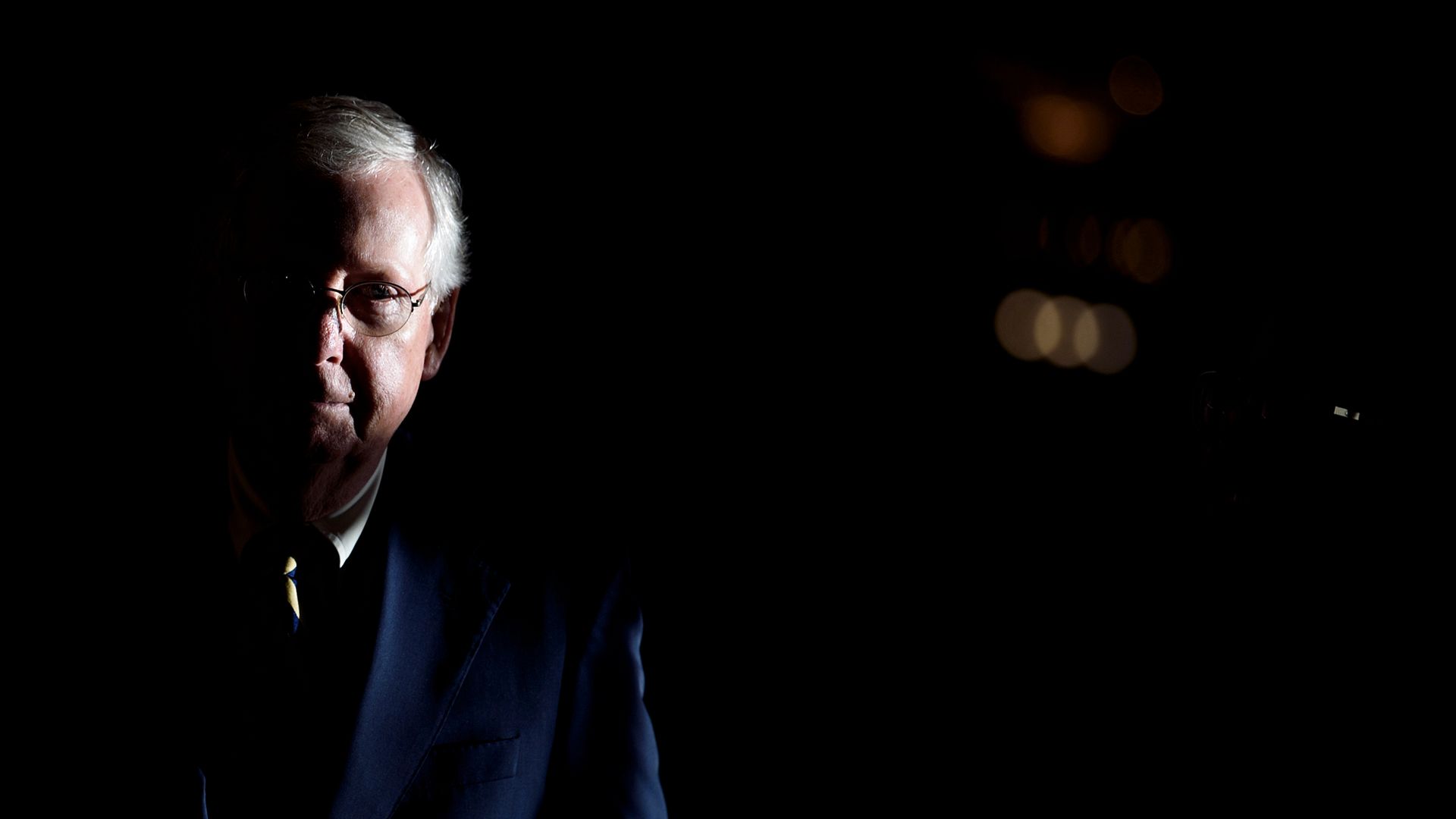
In a tough speech on the Senate floor Monday, Majority Leader Mitch McConnell made clear that he will be bringing Brett Kavanaugh's nomination to a vote this week after the FBI concludes its investigation into allegations of sexual assault.
“If you listen carefully Mr. President, you can practically hear the sounds of the Democrats moving the goalpost ... The time for delay and endless obstruction has come to a close. ... Mr. President, we'll be voting this week."
The bottom line: McConnell has stood by Kavanaugh throughout his dicey confirmation process. Today, he honed in on his belief that Democrats will continue to try and delay the vote even further, predicting that they'll say the FBI investigation was "insufficient" after its completion. But regardless of what Democrats do next, McConnell was adamant that the vote will take place this week.
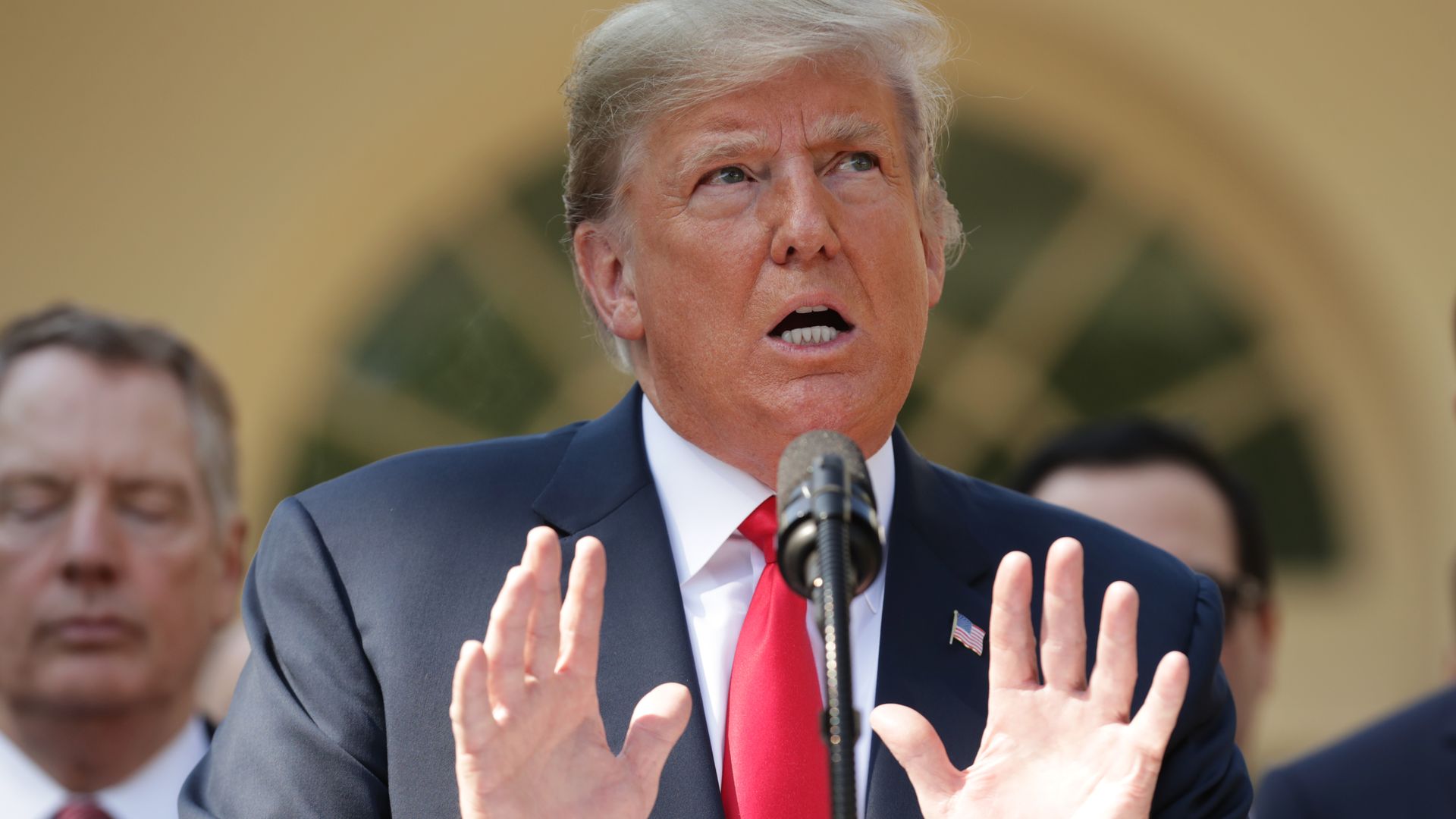
President Trump suggested that Sen. Dianne Feinstein, the Senate Judiciary Committee's ranking member, leaked a letter from Christine Blasey Ford that accused Supreme Court nominee Brett Kavanaugh of sexual assault in the 1980s during a press conference on Monday.
Reality check: Ryan Grim, reporter at The Intercept who first broke the story about Ford's allegations, tweeted, "Feinstein's staff did not leak the letter to The Intercept." And Sen. Feinstein has denied these claims herself.
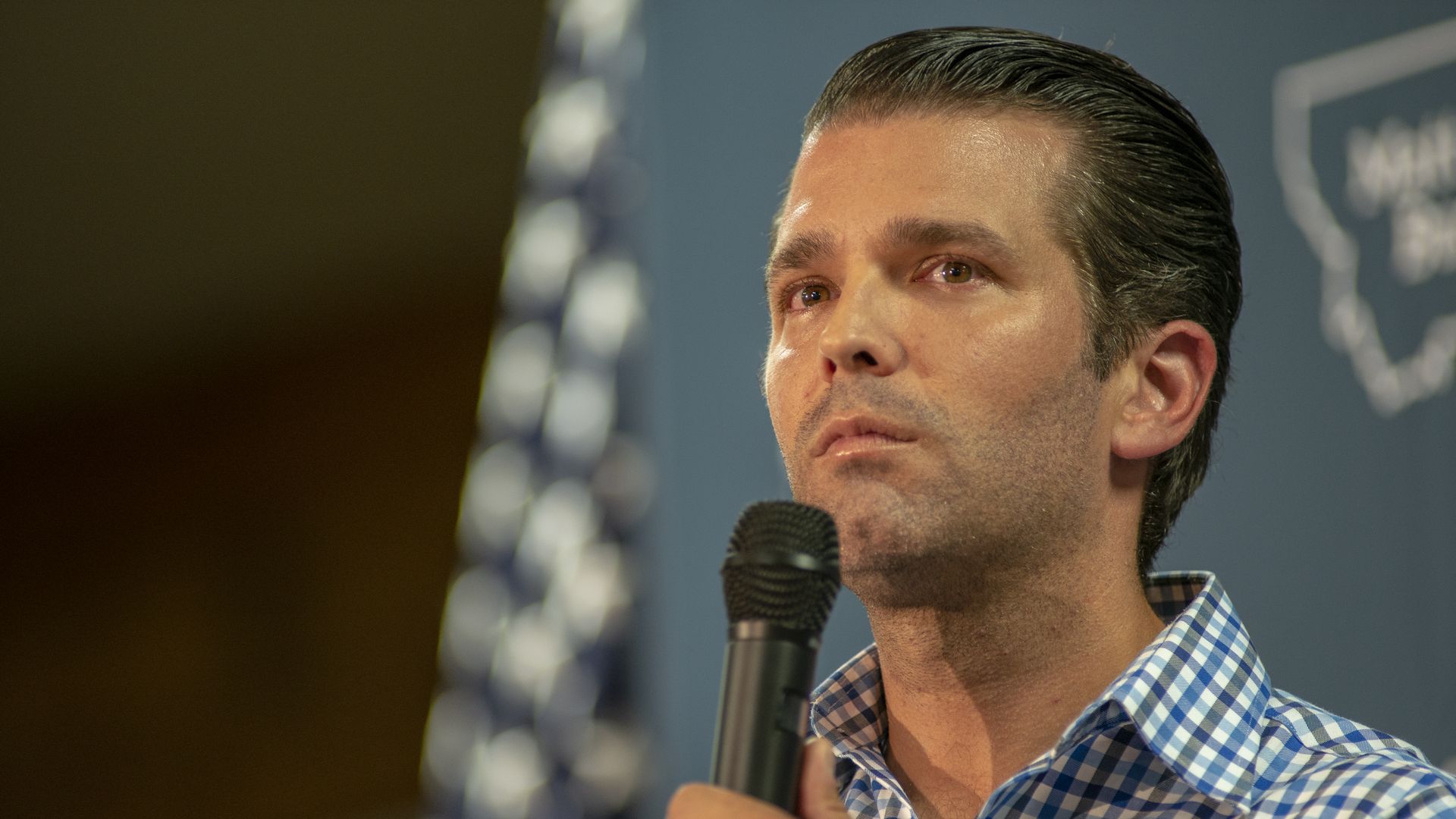
Donald Trump Jr. told DailyMailTV that the #MeToo movement makes him more scared for his sons than his daughters, worrying that politically motivated claims of sexual misconduct or assault have the potential to ruin lives.
"I've got boys, and I've got girls. And when I see what's going on right now, it's scary. ... The other problem is that for the people who are real victims of these things, when it is so obviously political in cases like [Kavanaugh's], it really diminishes the real claims."
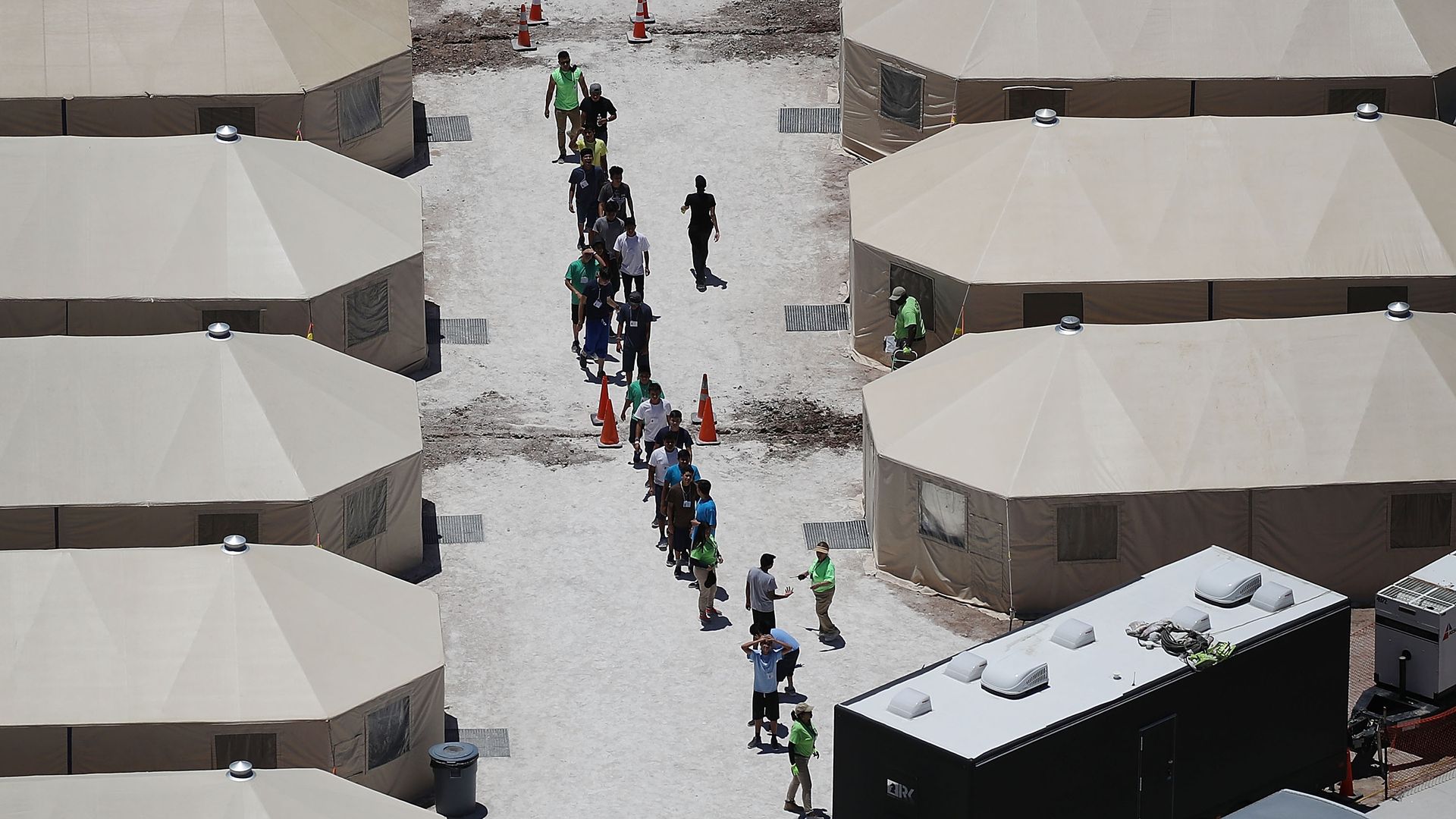
A majority of the separated migrant families who were in the news earlier this year have been reunited. But another kids crisis is growing: The Trump administration is struggling to provide shelter and find homes for a record-breaking 13,000+ migrant children in its custody.
The big picture: Even though the scandal is mostly out of the news, the numbers have ballooned, from 2,400 detained migrant children last year to 13,000 today, the N.Y. Times reports. The federal government is struggling to house them, resulting in traumatic forced moves from established shelters to spartan tent cities.
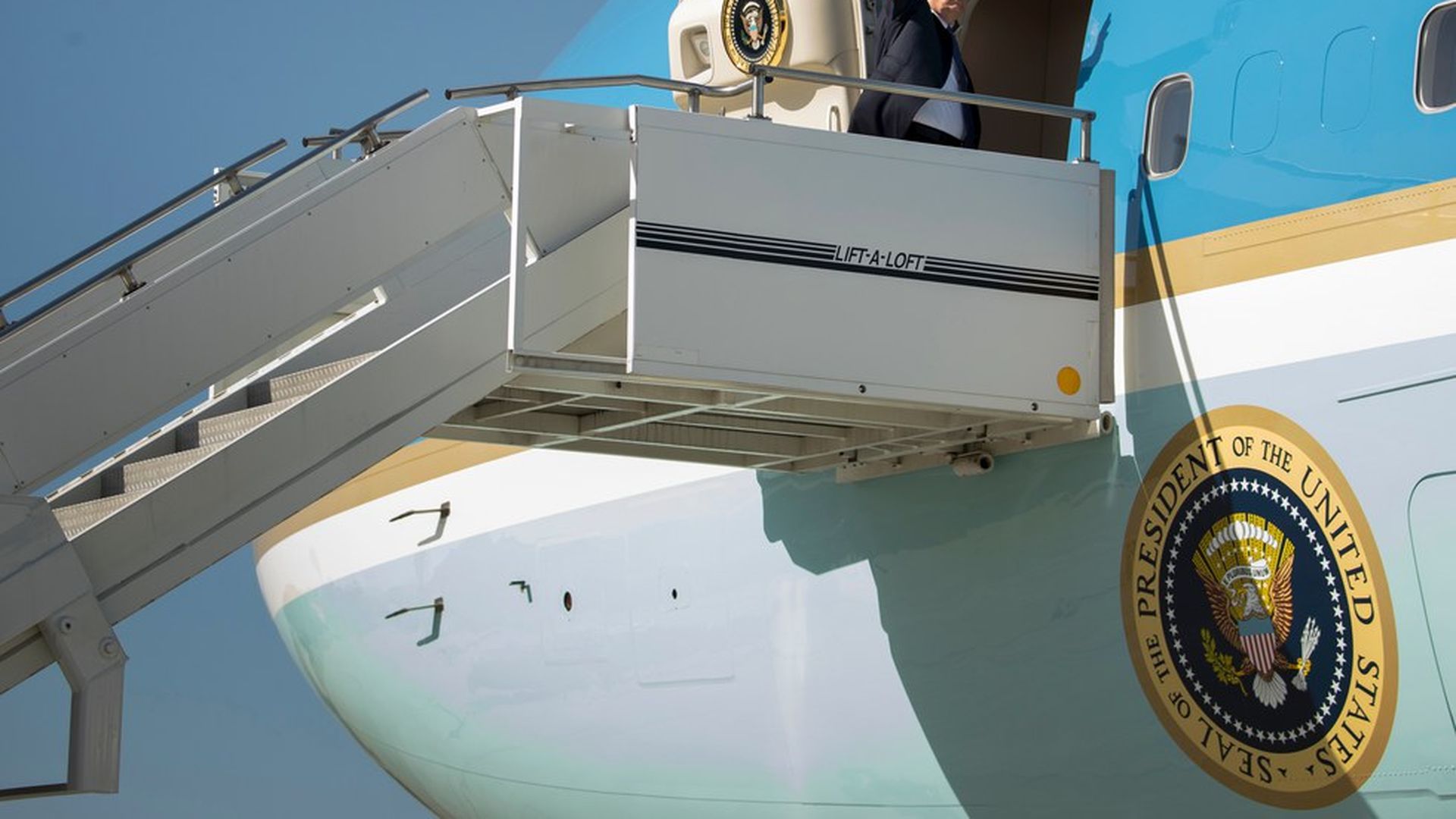
President Trump's schedule for the week of October 1, per a White House official:
Monday: Trump has lunch with Mike Pence, presents the Medal of Honor, hosts a roundtable with supporters followed by a campaign rally in Johnson City, Tennessee.
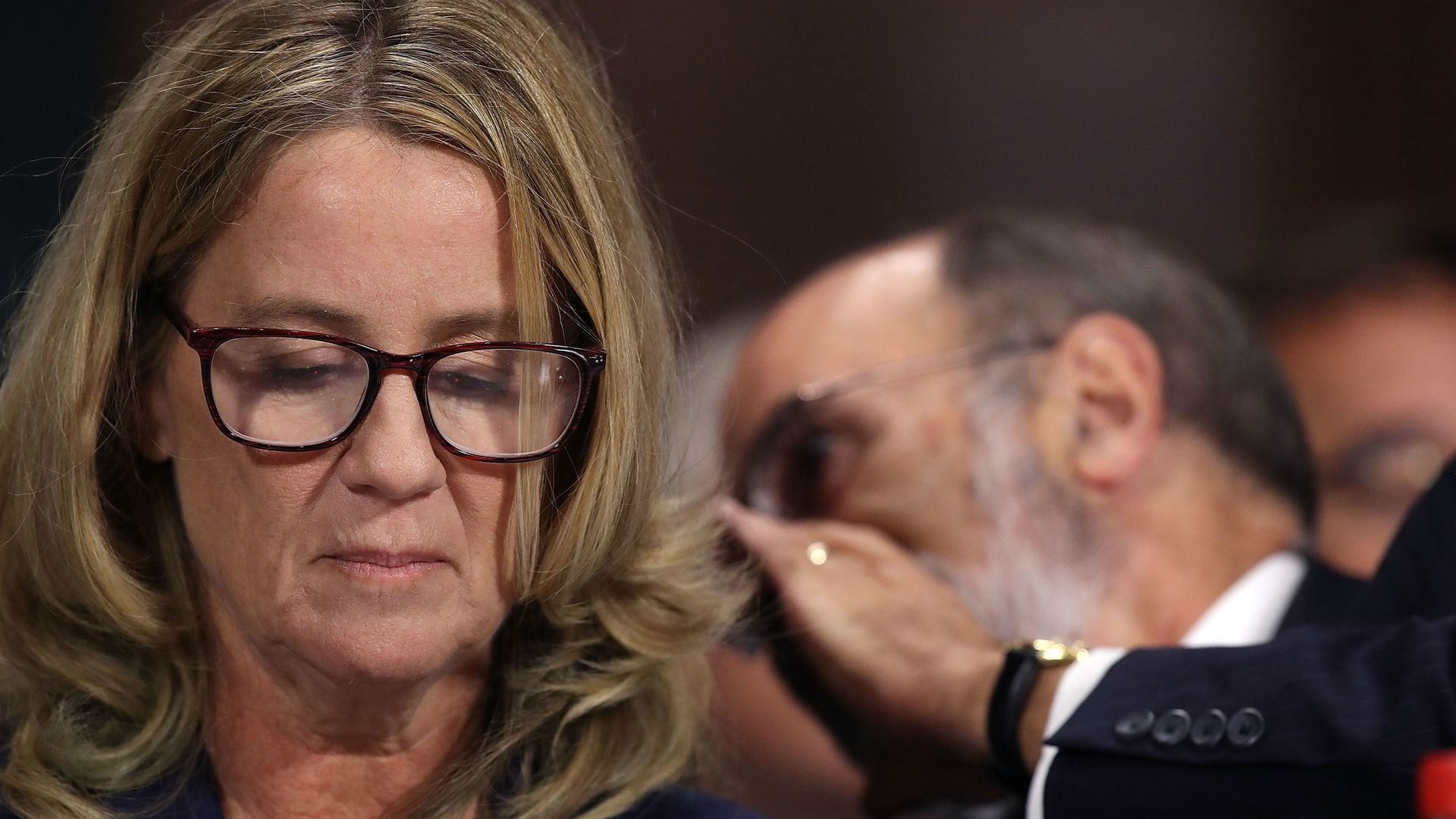
Christine Blasey Ford and her lawyers have yet to hear from the FBI about a supplemental investigation into her sexual assault allegations against Supreme Court nominee Brett Kavanaugh, according to NBC News.
The big picture: President Trump called out NBC in a tweet on Saturday night, saying he has not been "limiting the FBI investigation" as they reported. The FBI was given a one-week deadline for the investigation, which Trump tweeted Sunday would "never be enough" for Democrats.
A divided nation that usually shrugs at politics — and always shrugs at midterm elections — is suddenly united, passionately and addictively, in binge-watching the Greatest Show in American Politics.
The big picture: Because of The Trump Show, we're more attuned to current events and know more about the news than ever. Happy hour conversations include the 25th Amendment and the Emoluments Clause. News plays in sports bars. Pundits talk casually about FBI 302 forms. And more women and minorities are getting involved in politics, setting up midterm elections that likely will change the complexion of Washington.