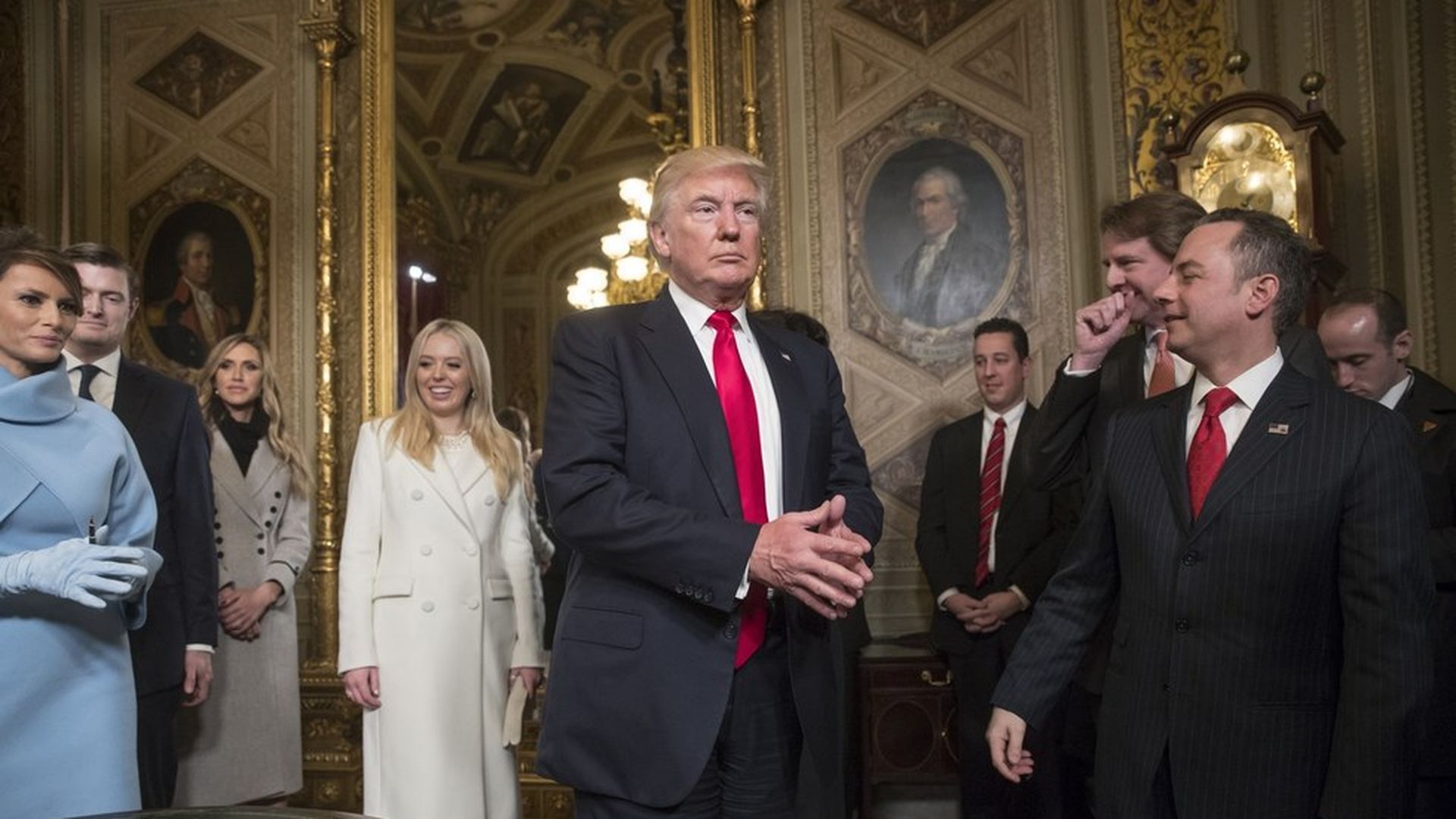
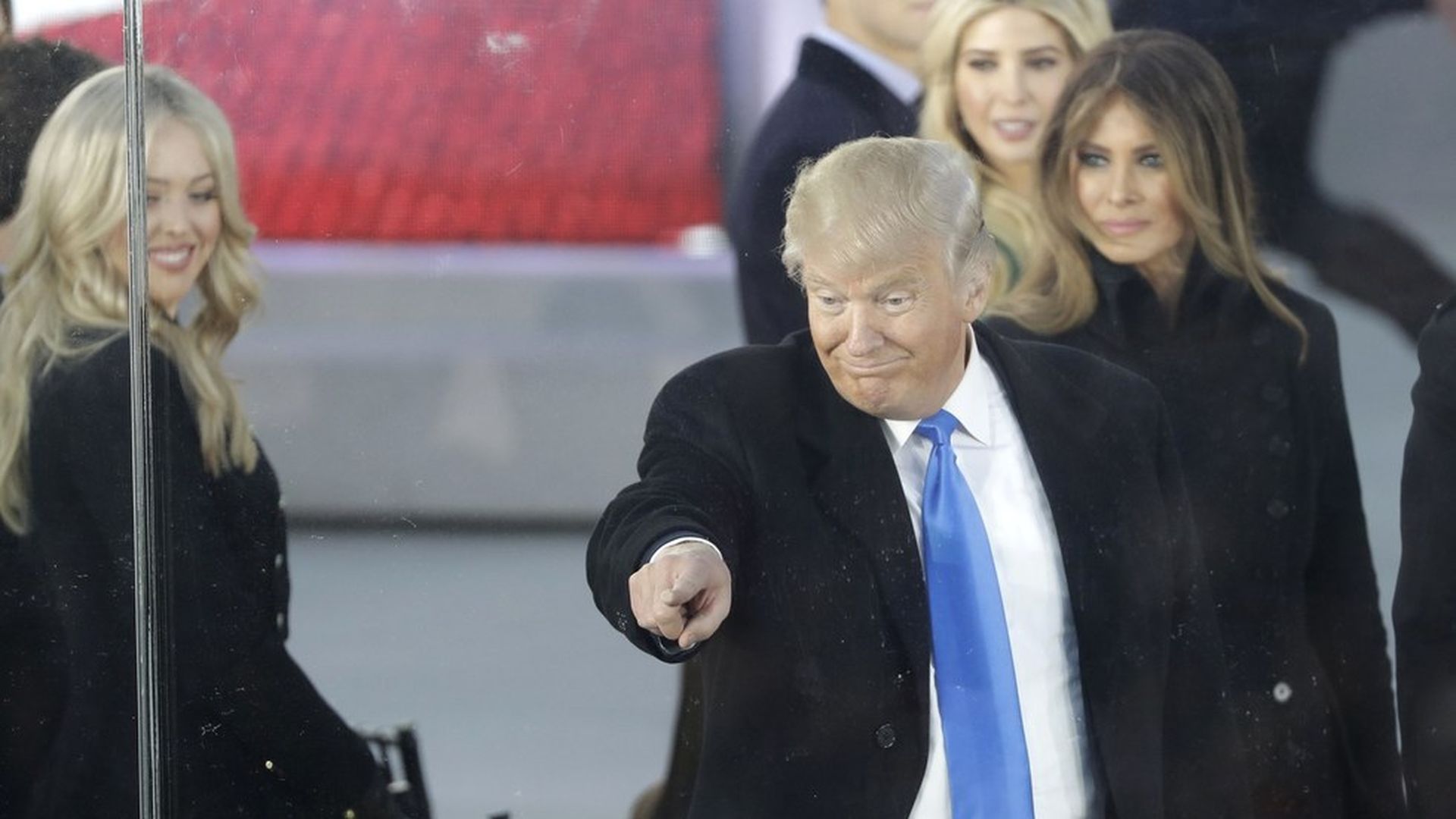
A wild day of conflicting signals about whether President Trump would issue executive orders about Obamacare — an issue he once called a "day one" priority — showed how rocky his relationship already is with Congress, and even with his own team.
On Friday morning, before Trump was sworn into office, multiple GOP sources — from the Trump team and Capitol Hill — said a health care executive order was coming. It seemed as if Trump's promise of repealing Obamacare on his first day of office was still an exaggeration, but he would probably take some action to begin dismantling the law.
But the Hill sources, who should have been in the loop about what was to come, didn't know what was going to be in the executive order. In the late afternoon, one of the aides listed two different health care executive orders — one on Obamacare, one on abortion — that were expected to come later in the day. Around the same time, a White House official said that actually, the president wouldn't be signing any more executive orders for the day.
Shortly after that, White House press secretary Sean Spicer told reporters Trump might still sign more executive orders later today — but that the president hadn't made up his mind yet. Trump finally signed the Obamacare executive order on Friday night.
What it means: If there was any question about whether Congress, the White House or even individuals of Trump's inside circle are all on the same page, day one's chaotic communication answers it.
Why this matters: The complexity of repealing and replacing Obamacare (and other important policy work) cannot be understated. Hill Republicans and the administration will have to be in constant coordination to pull it off without throwing insurance markets into chaos or creating other political disasters. While today's miscommunication could easily be dismissed as day one errors, if it continues, Republicans have some major headaches ahead.
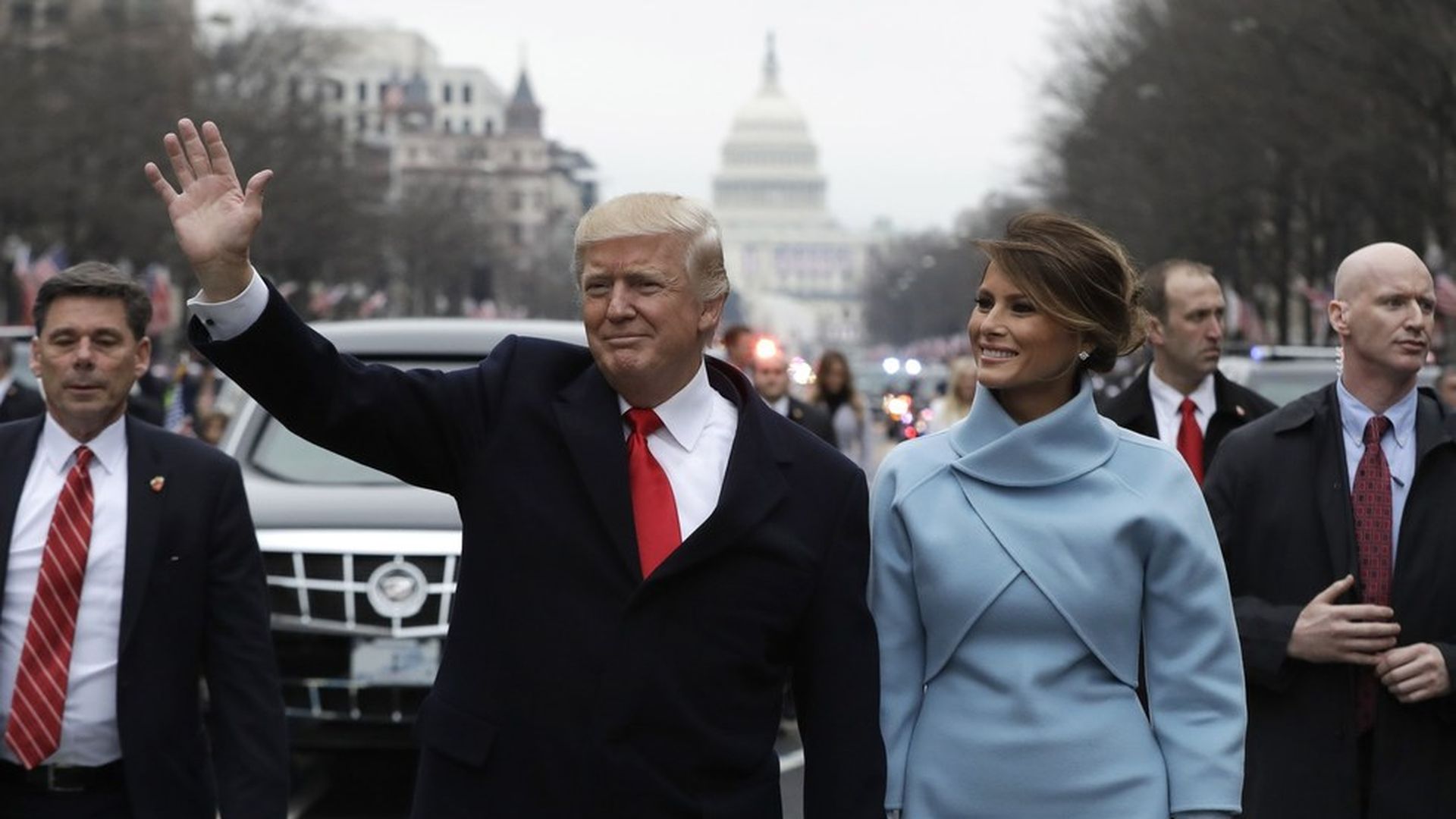
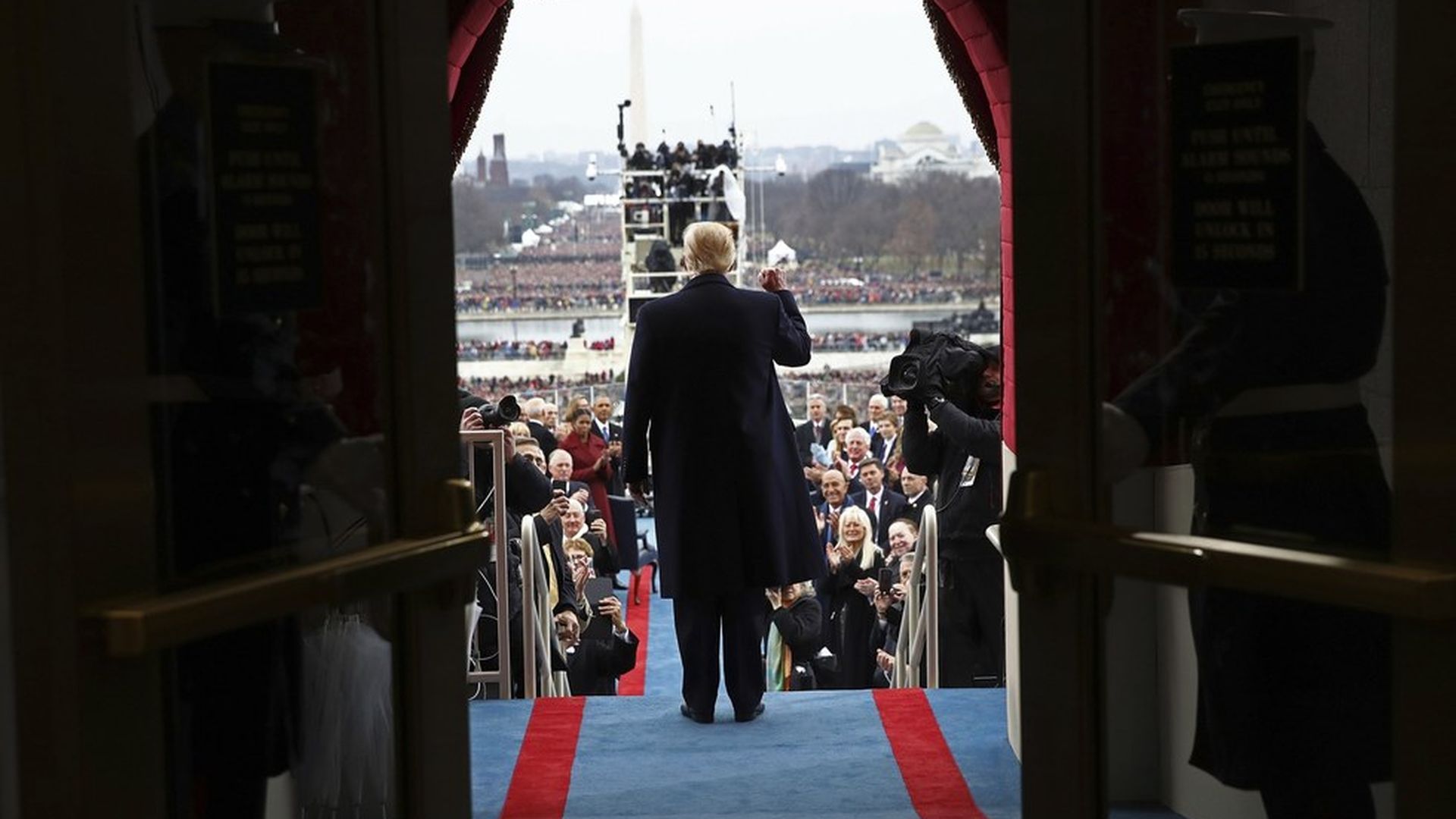
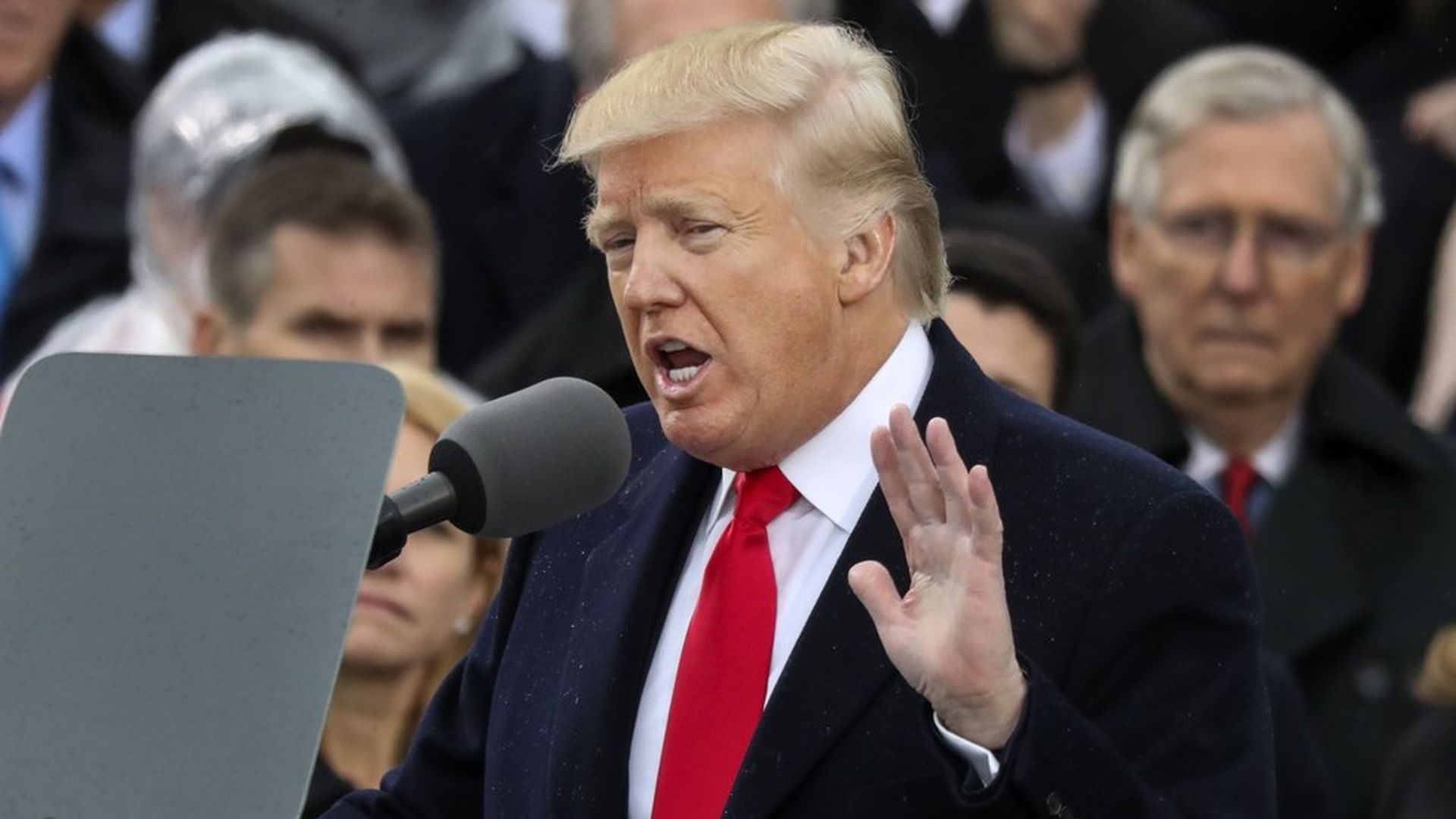
One of the more interesting encounters in Washington happened shortly after Donald Trump's inaugural address.
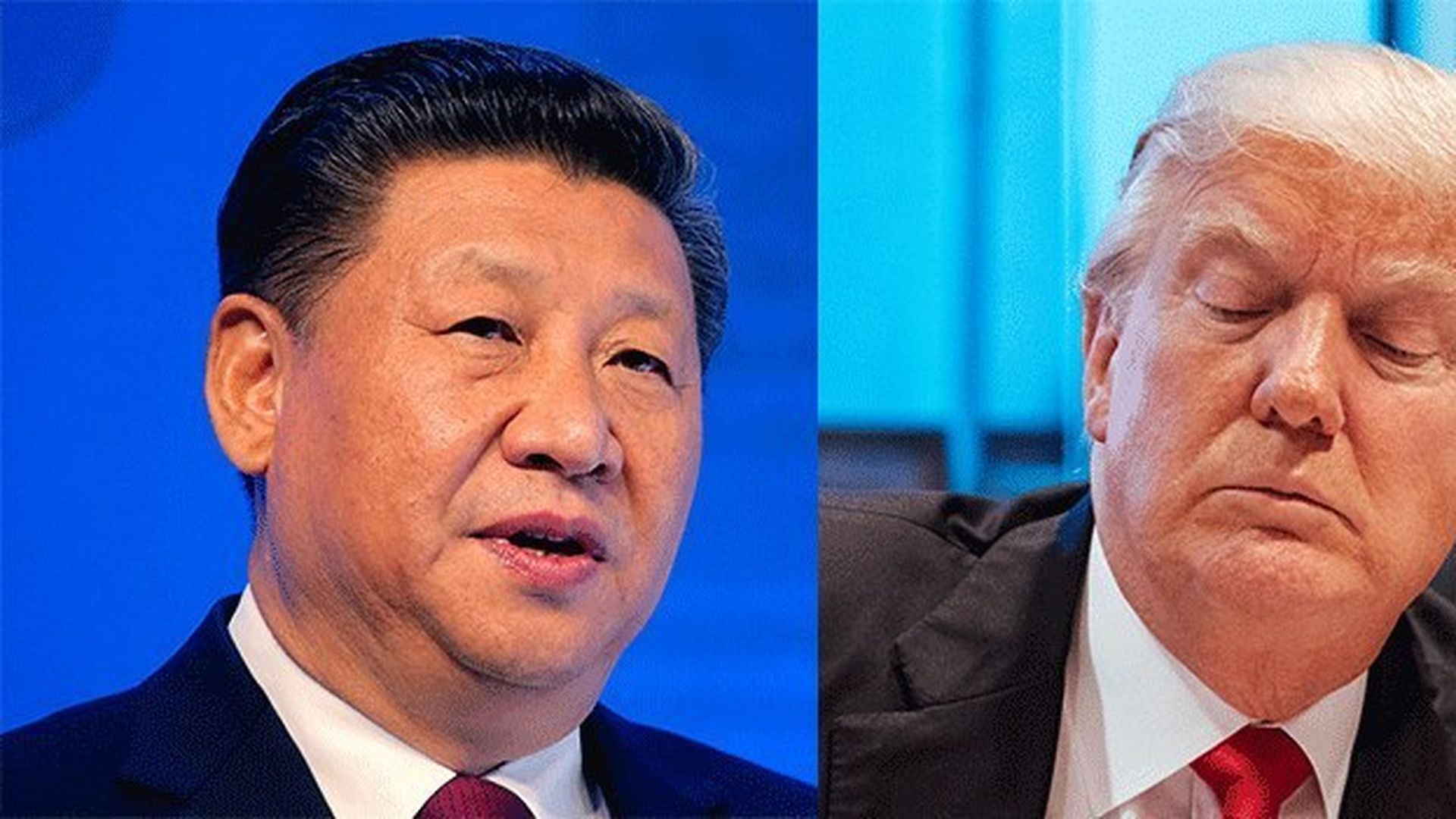
Trump's chief strategist Steve Bannon — who, along with Stephen Miller and Jeff Sessions, is the voice of nationalist populism inside Trump's inner circle — suggested to WaPo reporter Bob Costa that journalists should compare what Trump said today to the speech given at Davos by China's President Xi Jinping.
Retired General James Mattis became the first member of Trump's cabinet to be confirmed. Earlier this afternoon Trump signed a waiver that allowed Mattis (who left the military less than the allowed 7 years ago) to take his post.
Update: John Kelly was confirmed as Secretary of Homeland Security with a vote of 88-11. Only one senator voted against Mattis.
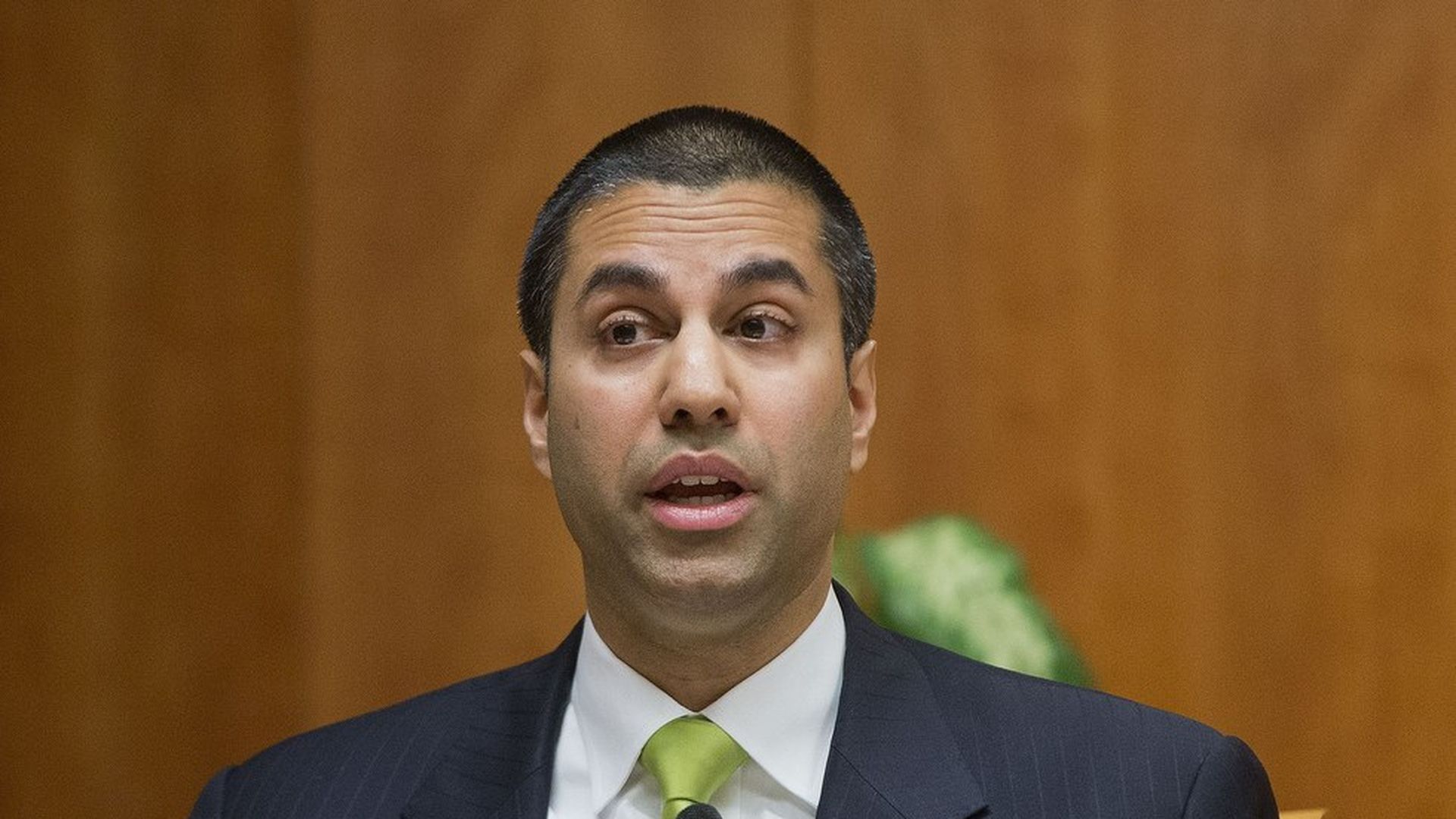
Republican Federal Communications Commission member Ajit Pai has been Democratic Chairman Tom Wheeler's foil for the past three years. Now, Pai's fortunes have changed: multiple industry sources say Donald Trump will soon elevate Pai to lead the FCC. The news was first reported by Politico.
Pai has significant ties to the Washington conservative establishment. Ed Corrigan, a Heritage Foundation executive who is working at a senior level with the transition team, has been a strong advocate for Pai. The two men both worked for Attorney General nominee Sen. Jeff Sessions.
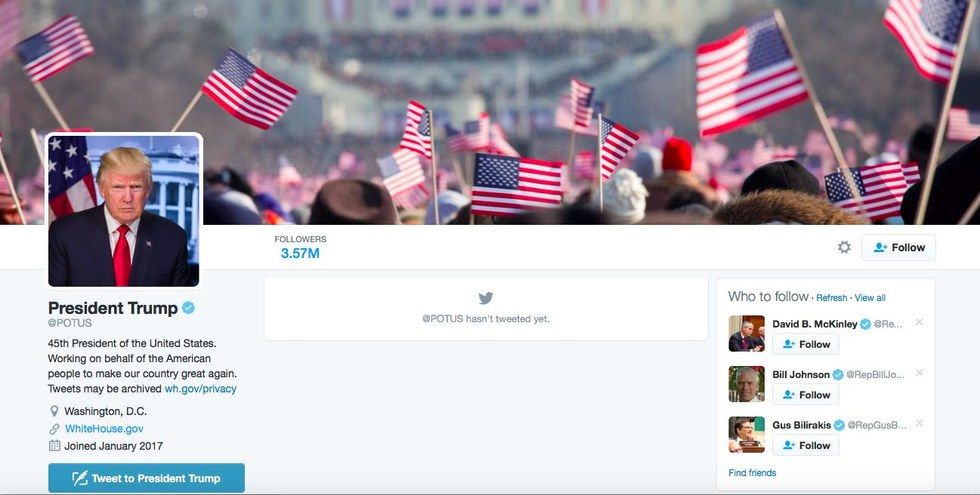
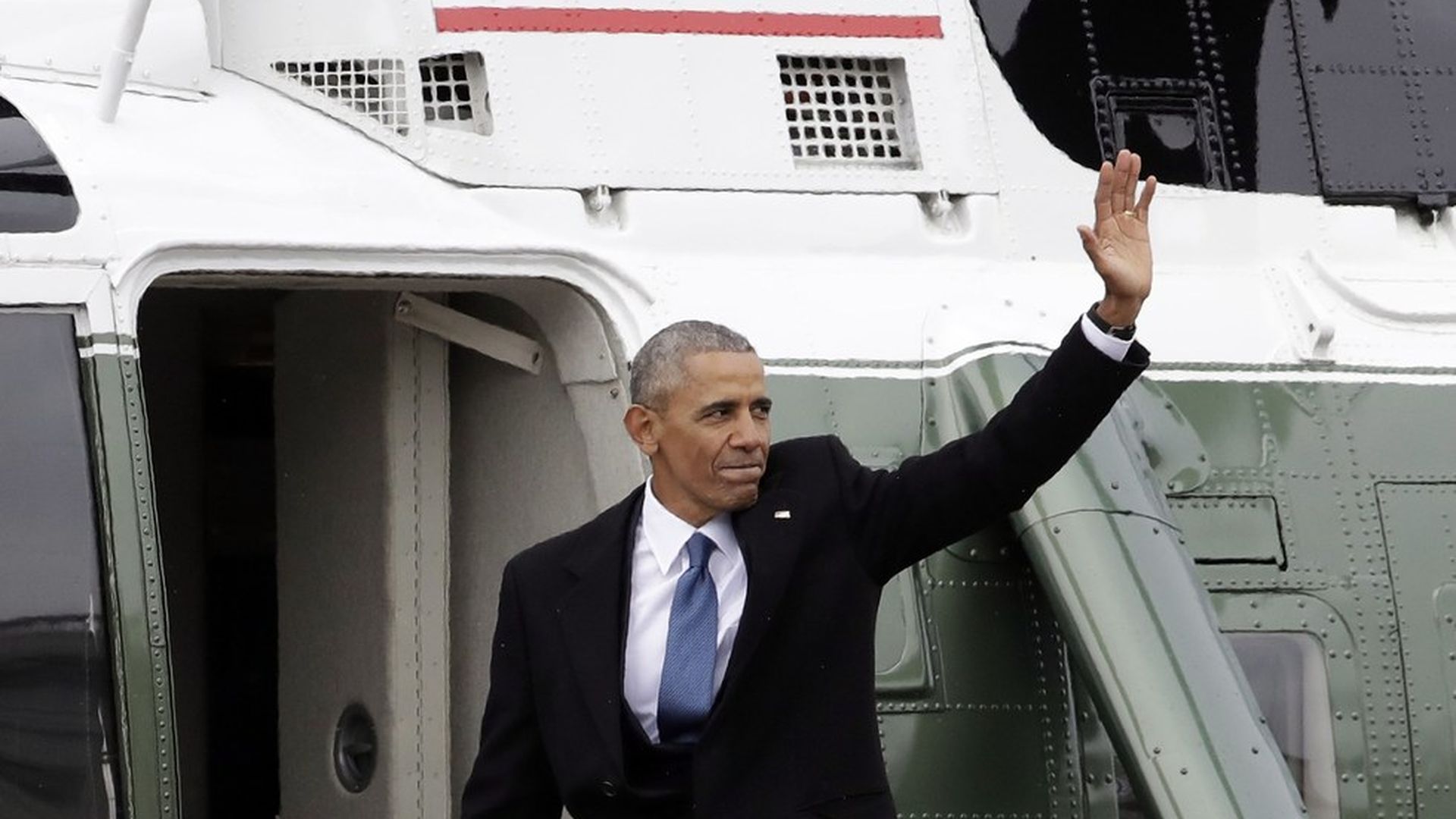
This morning was the last day President Obama was accessible through official websites and digital platforms, like @POTUS on Twitter, before they are transitioned to Donald Trump's team.
This was President Trump's single mention of health care in his inaugural address:
We stand at the birth of a new millennium, ready to unlock the mysteries of space, to free the Earth from the miseries of disease, and to harness the energies, industries and technologies of tomorrow.
Does this mean Trump will encourage medical innovation? He's barely said a word about it, but his choice of a Food and Drug Commissioner will say a lot about his plans.
What he didn't mention: Obamacare, drug prices or any other hot-button issues. But stay tuned for those executive orders.
As president, Trump can ask for briefings on some of the nation's biggest mysteries and top secrets. Although we don't know all the top secret details, here's some of the information he has access to, rounded up by Politico.
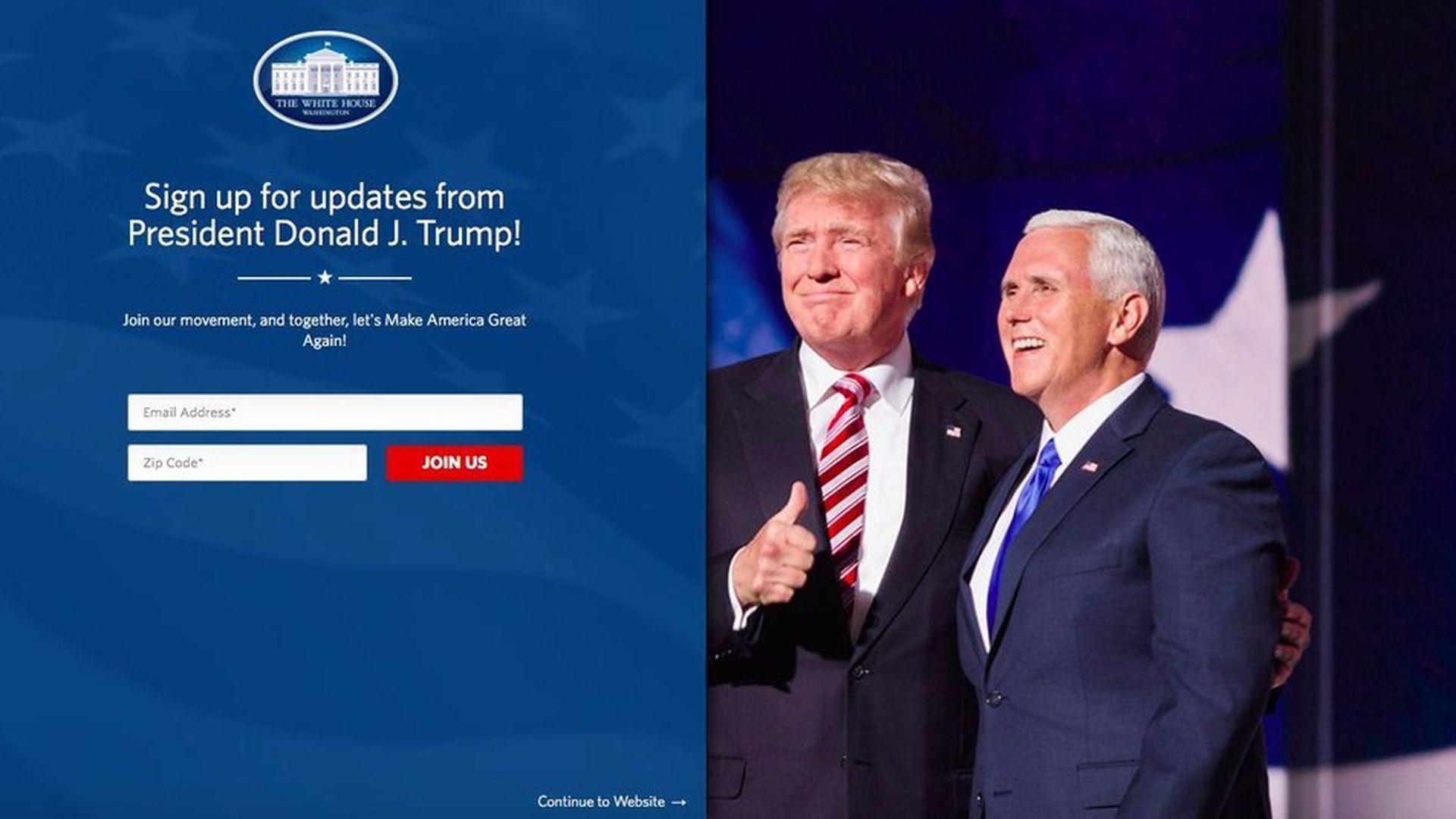
A new website and social media presence for President Trump launched Friday, with different content but a similar feel—and a look at the incoming president's top priorities.
Per a Trump transition staffer, the new site, which went live at noon, featured a new image of the incoming President, a welcome message from President Trump, new bios and a few new pages about issues, but keep the aesthetic feel of the site under Obama.
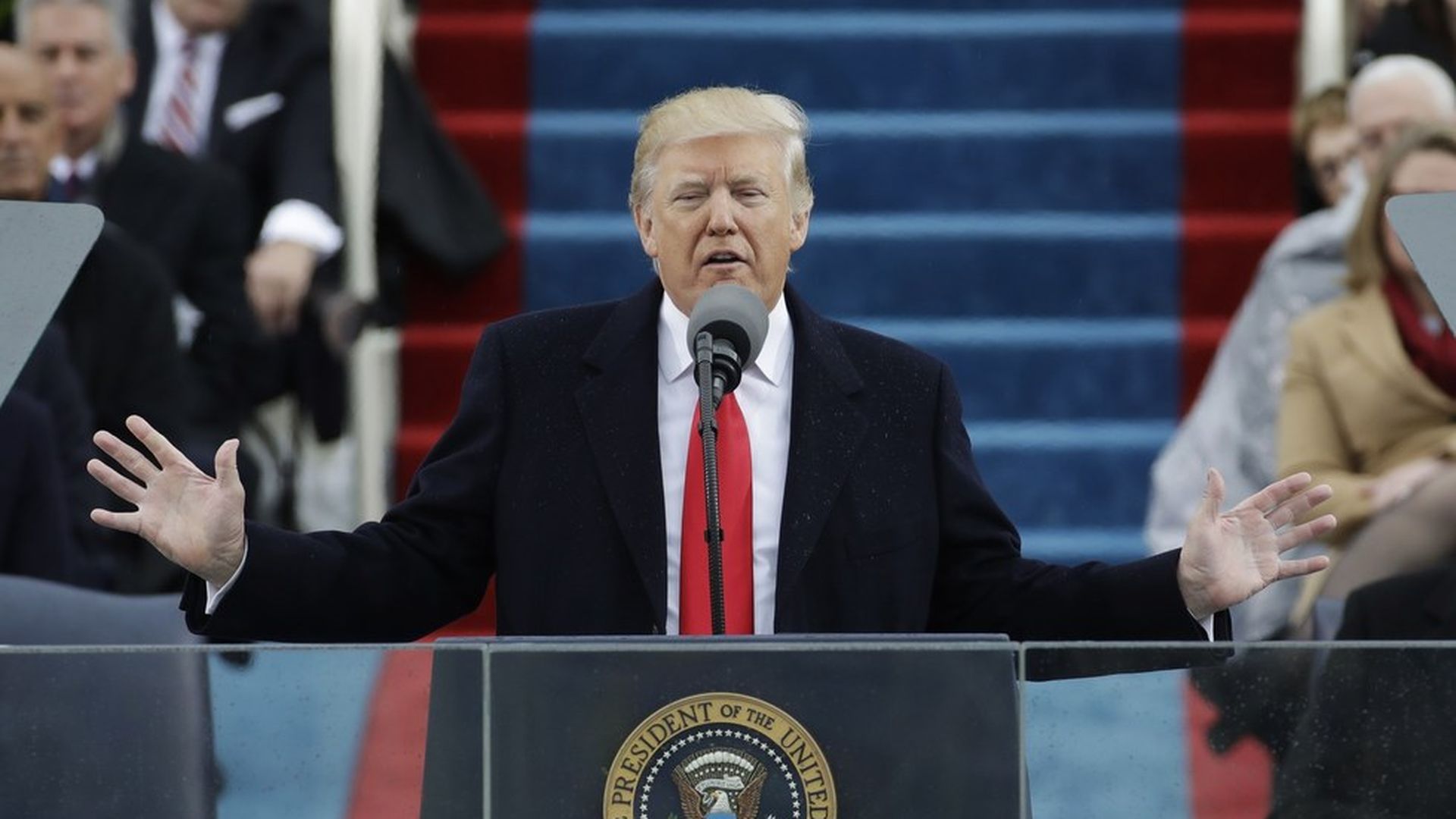
The new president took the dais on Friday afternoon for a short speech that painted a grim picture of our nation's present and offered a series of promises for its future.
The key quote: "This American carnage stops right here, and stops, right now."
Trump won 209 counties that voted twice for Obama. New research shows that in about 75% of those counties, more businesses closed from 2010 to 2014 than opened. The key takeaway from the Economic Innovation Group:
It's important to note that these counties ran the gamut from affluent to distressed; highly educated to below average; overwhelmingly white to majority-minority. In spite of their many differences, a decline in business dynamism is where the vast majority found common ground.
EIG, which has researched places missing out on economic growth, also tracked Trump's success in rural counties.
Our thought bubble: This data supports the narrative that Trump was elected by voters left behind by globalization and the economic recovery, and who backed him to upend the status quo.
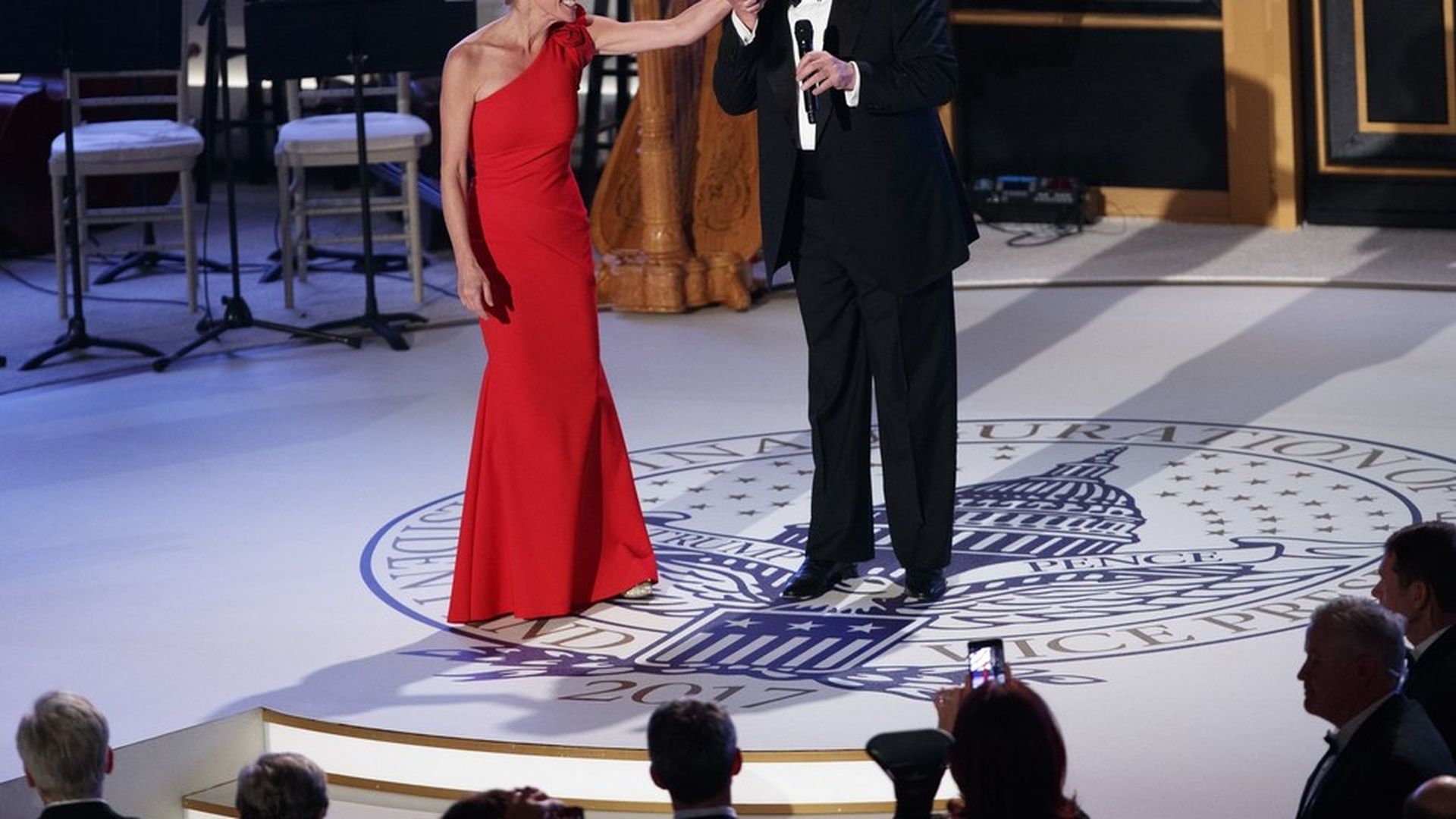
There is no den she will not go into. When my men are petrified to go on a certain network I say, 'Kellyanne will you go?' Then she gets on and she just destroys them. So anyway, thank you, baby. Thank you. Thank you.
In a puzzling aside, he vowed to win reelection in 2020 "the old-fashioned way," which I guess is a reference to the popular vote: "We're going to win because we did so well because it was so overwhelming the thing that we did, because it was so beautiful how great our cabinet – all of whom are here tonight – how great our cabinet has performed … There's not a pick that I don't love."
A hot D.C. parlor game is speculating whether President Trump goes off-script. In his inaugural address, we'll see the tension between Trump's impulsive, improvisational style and the intellectual architecture his top aides are trying to build around it.
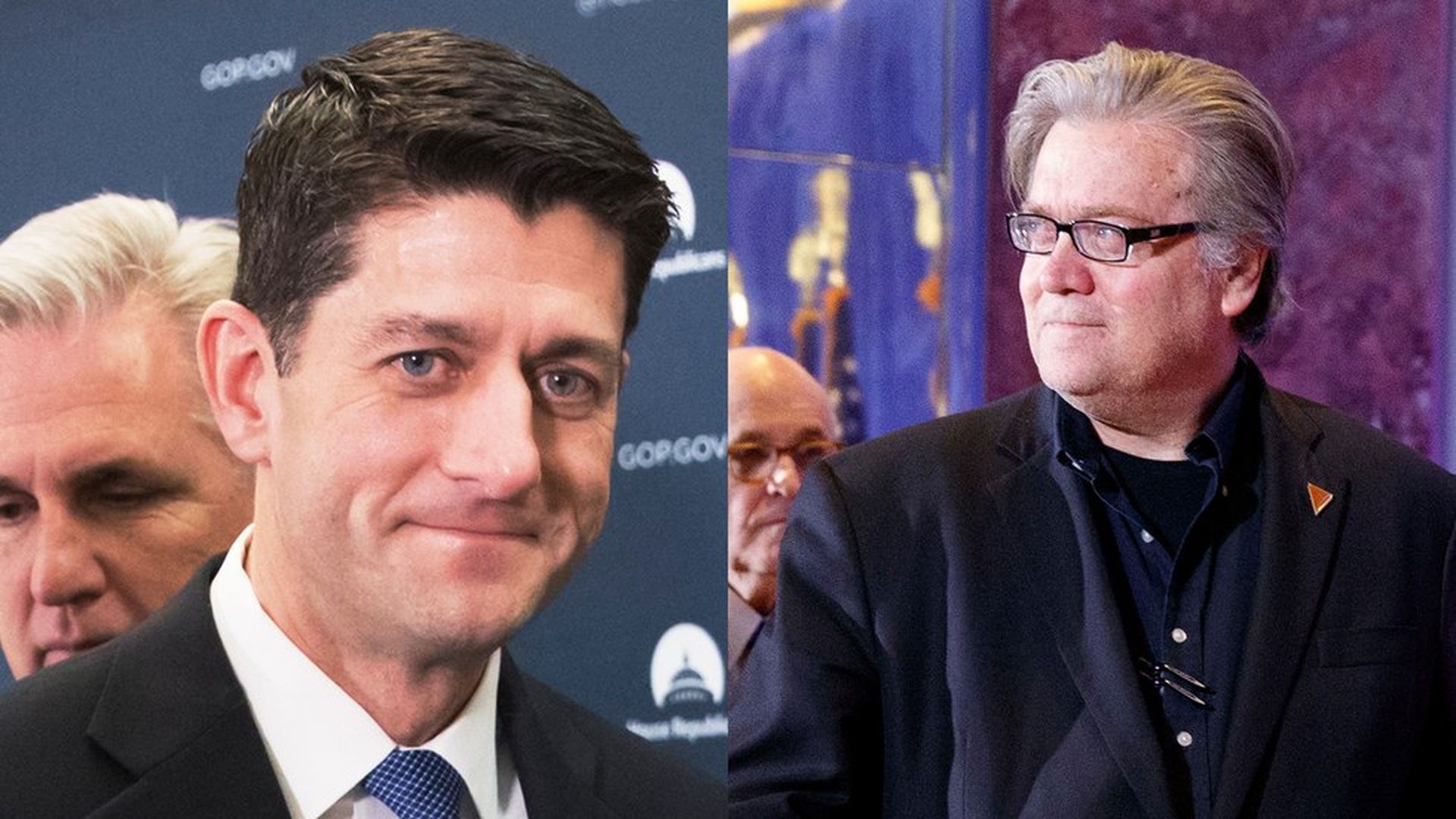
Steve Bannon and Paul Ryan will never be drinking buddies. And they'll probably never agree on immigration policy. But they're seeing eye-to-eye on a crucial area of policy and happy to let the world know. (Just see these stories in The Hill and Breitbart, with headlines touting their newfound accord.)
The Bannon-Ryan Common Ground: A tax reform plan. Specifically, the border adjustment plan that would raise tax imports.