Friday's health stories


Trump admin payment tests aim to lower Medicare drug prices

The Trump administration on Friday proposed two new programs aimed at saving Medicare billions of dollars on seniors' drugs by pegging what the government pays to prices in other developed countries.
Why it matters: While President Trump's deals with drugmakers have focused primarily on getting Medicaid and direct-to-consumer drug prices in line with peer countries, the new efforts focus on Medicare.
- But the programs still could wind up increasing seniors' prescription drug costs.
The big picture: One program aimed at prescription drugs could save $14.1 billion while a second for outpatient drugs could save Medicare $11.9 billion.
- Medicare enrollees should save $6.2 billion in out-of-pocket spending for outpatient drugs from 2026 to 2031, Medicare administrators predicted.
- But seniors still could see an estimated $3.6 billion increase in prescription drug costs between 2028 and 2033.
- That's because officials anticipate the new effort will incentivize pharmaceutical companies with drugs chosen for the separate Medicare price negotiations to broker higher prices, presumably to offset losses from the pilots.
How it works: Drugmakers in both of the new programs would pay rebates to the federal government if they charge more than an international benchmark based on what other comparable countries pay.
- Enrollee out-of-pocket costs for outpatient drugs in the program would also be tied to the international benchmark.
- The benchmarks would be calculated based on either international pricing information submitted by drugmakers or available information on drug prices in other developed countries.
The Global Benchmark for Efficient Drug Pricing Model would apply to drugs paid for by Medicare Part B and delivered primarily in a doctor's office or outpatient department.
- It would include antigout drugs, medications for metabolic bone disease and for central nervous system conditions, immunological drugs, ophthalmic drugs and blood products.
- The model would start Oct. 1, 2026, and run through 2031.
The Guarding U.S. Medicare Against Rising Drug Costs Model will apply to prescription drugs paid for by Medicare Part D, including analgesics, antidepressants, blood glucose regulators, migraine medications and drugs for gastrointestinal issues.
- GUARD excludes generic drugs and biosimilars.
- It would run Jan. 1, 2027, through Dec. 31, 2031.
Both programs would exclude drugs that already have been selected for Medicare price negotiations.
What they're saying: The pharmaceutical industry bashed the proposed programs.
- "Government policies that mandate broad-based foreign price controls are bad for American patients and undermine U.S. leadership," Robby Zirkelbach, PhRMA's chief public affairs officer, said in a statement.
- "By CMS' own admission, the proposed policies are projected to increase costs for America's seniors, and they will siphon billions from U.S. medicine R&D at a time when China is on the verge of surpassing us," he added.
The proposals are open for public comment until Feb. 23.
Editor's note: This story has been corrected to reflect that the estimated savings of $14.1 billion pertain to prescription (not outpatient) drugs, the $11.9 million savings pertain to outpatient (not inpatient) drugs, and the $6.2 million savings in out-of-pockets expenses pertain to outpatient (not inpatient) drugs.

Bitter fight over health care hits Democratic Senate primaries
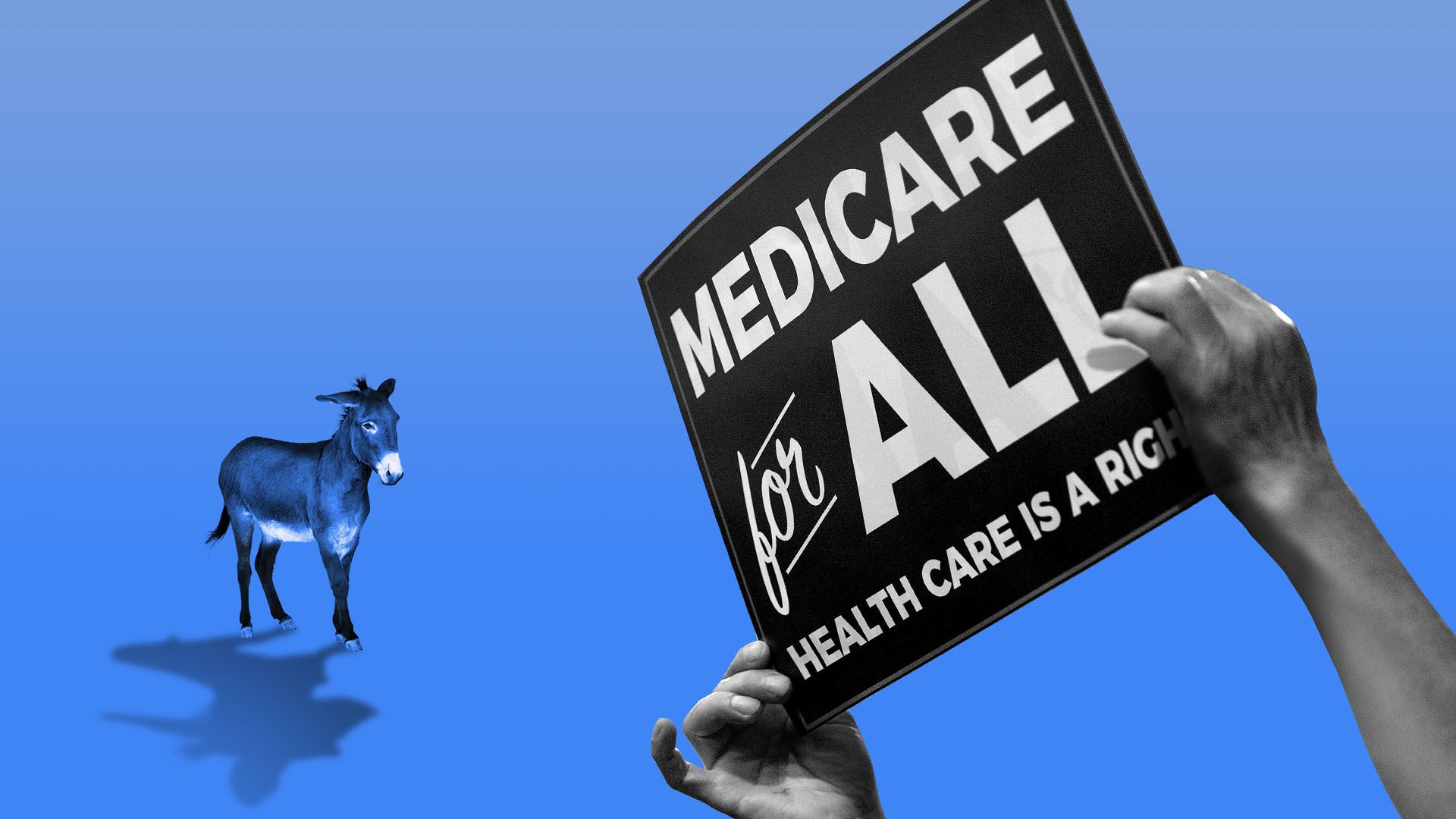
Democratic candidates across the country are reigniting an old, bitter debate over "Medicare for All."
Why it matters: Medicare for All fractured Democrats in the 2016 and 2020 presidential primaries. Now it's starting to do the same in Senate races.
Nine more drugmakers meet Trump on pricing plans
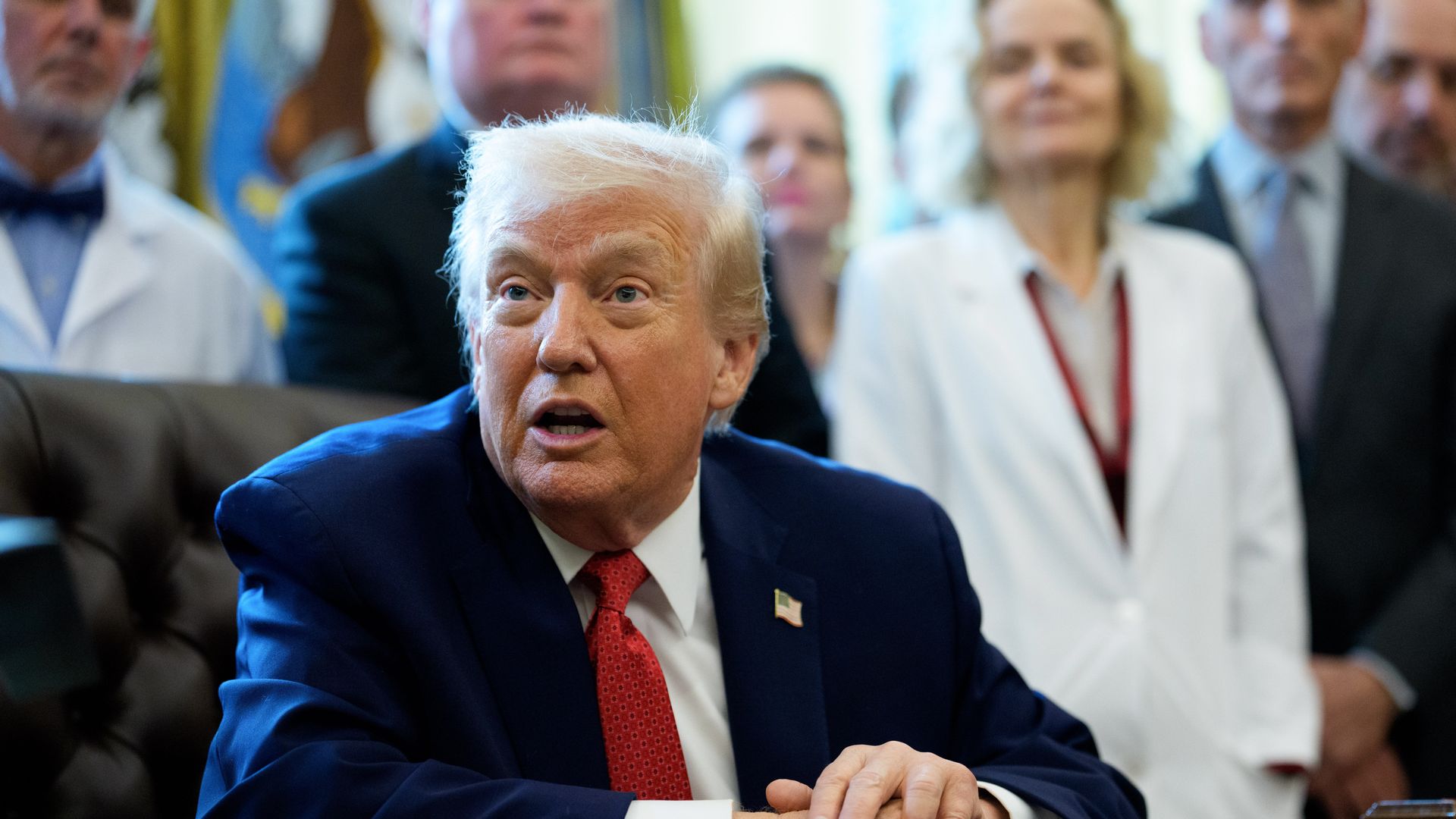
Nine more pharmaceutical companies on Friday committed to President Trump's "most favored nation" drug pricing policy and agreed to lower U.S. prices for some of their products.
Why it matters: The deals with Merck, GlaxoSmithKline, Sanofi, Genentech, Bristol Myers Squibb, Amgen, Novartis, Gilead and Boehringer Ingelheim continue the administration's push to put U.S. drug prices in line with the lowest price paid in selected other developed countries.
- Trump also said Friday he plans to call a meeting soon with health insurance companies to "see if they get their prices down."
The big picture: The drugmakers that committed on Friday were among the the 17 Trump sent letters to last summer, demanding they commit to his pricing regime and lower their prices in the U.S.
- Trump has also demanded that other countries pay more for pharmaceuticals or face steep tariffs.
- "If we didn't have the use of tariffs, we would never be able to do this," Trump said Friday.
State of play: The companies have agreed to offer all drugs to Medicaid at most favored nation pricing. They'll also list their most popular drugs at a discount on the government's soon-to-be-launched TrumpRx for direct-to-consumer purchasing, Trump said.
- The companies will collectively invest more than $150 billion in domestic drug manufacturing. They've also committed to donating some pharmaceutical ingredients to the U.S.'s national stockpile of medications.
- Bristol Myers Squibb said that it will offer its blood thinner Eliquis to Medicaid for free.
Reality check: Patents have already expired for some of the drugs that will be offered at a lower price on TrumpRx, including Sanofi's blood thinner Plavix and GSK's inhaler Advair — meaning lower-cost generic versions are already available to patients.
Flash back: The administration this fall announced separate pricing deals with Pfizer, AstraZeneca, EMD Serono, Eli Lilly and Novo Nordisk.
- Those deals included Medicaid price concessions and agreements to launch future drugs in the U.S. at prices pegged to what's paid abroad.
- The companies have also committed to participating in TrumpRx, which is due to launch in January. Few details on actual terms have been released.
Trump said three additional pharmaceutical companies, including Johnson & Johnson, have also struck deals with the administration that will be announced next week, rounding out the list of companies that received letters from the president earlier this year.
What they're saying: Pharmaceutical company executives praised Trump and the administration during remarks at the White House.
- "For too long, global pricing imbalances have shifted the financial burden of groundbreaking research and development onto the U.S. health care system and ultimately, American patients," Merck CEO Robert Davis said in a statement.
Democrats in Congress this week questioned companies on details of the deals and whether they would lower prices for consumers.
- Among the details they sought were how prices for newly launched drugs be set, the length of the agreements and the specific drugs covered.
This story has been updated with additional reporting.
Go deeper: The pharmaceutical industry isn't yet in the clear

Exploring the evolution of metastatic breast cancer care

Every minute, about four people around the world will be diagnosed with breast cancer, and it's estimated that 1 in 4 of them will develop metastatic disease, which remains incurable.

JFK's family erupts over "Trump-Kennedy Center" renaming plan
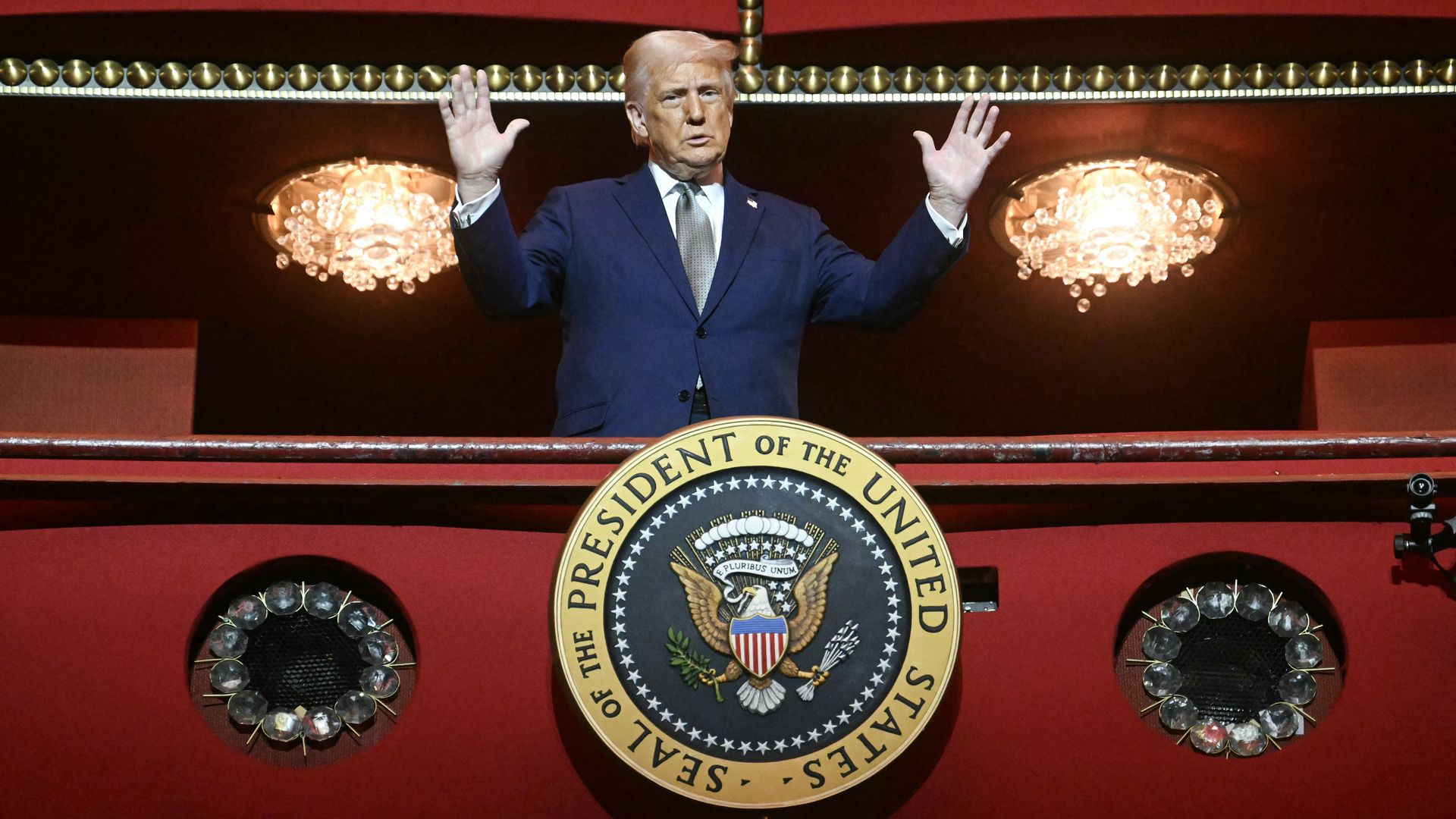
Kennedy family members on Thursday denounced a plan to rename the Kennedy Center so it includes President Trump's surname.
The big picture: White House press secretary Karoline Leavitt announced the "Trump-Kennedy Center" name change earlier Thursday after a board that the president handpicked earlier this year voted unanimously to rename the performing arts venue.

Chipotle leans into the GLP-1 era with new High Protein Menu
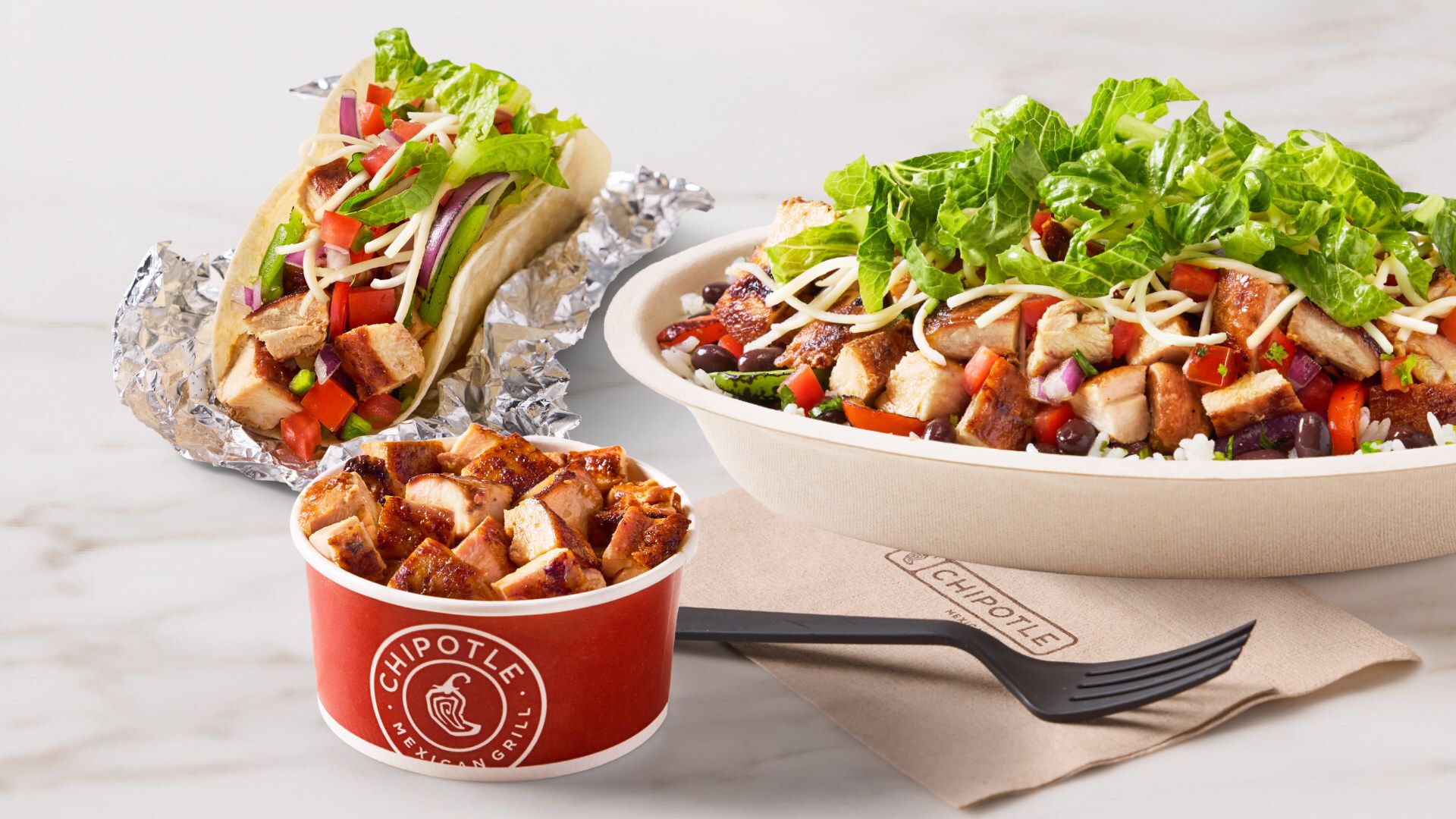
Chipotle is rolling out its first-ever High Protein Menu — and it's tying the launch to the rise of GLP-1 weight-loss drugs and a broader focus on macronutrients.
Why it matters: The fast-casual chain is stepping into territory most major restaurant brands have avoided — directly acknowledging how GLP-1 drugs like Ozempic and Zepbound are reshaping how Americans eat, signaling the messaging is going mainstream.
All the ways Trump has infused his personal brand across the government
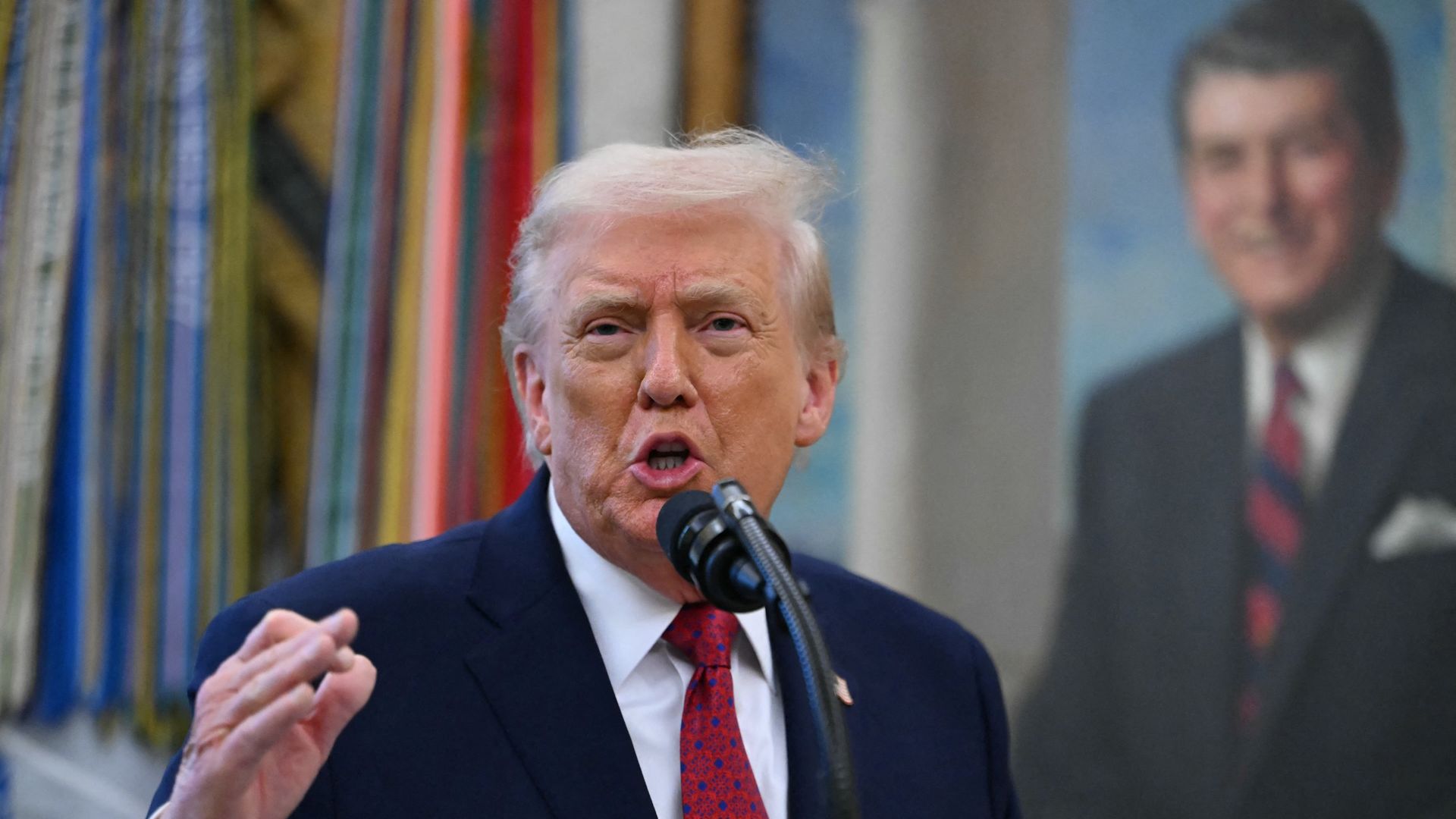
The Kennedy Center's decision to add President Trump's name to the performing arts center is only the latest instance of the president stamping his name and likeness across government initiatives.
The big picture: Trump, more than any prior president, has made himself the focus of his administration, branding government buildings and programs the same way he did his business empire and campaign merch.

Trump unveils his marijuana plan. Here are the next steps to make it a reality
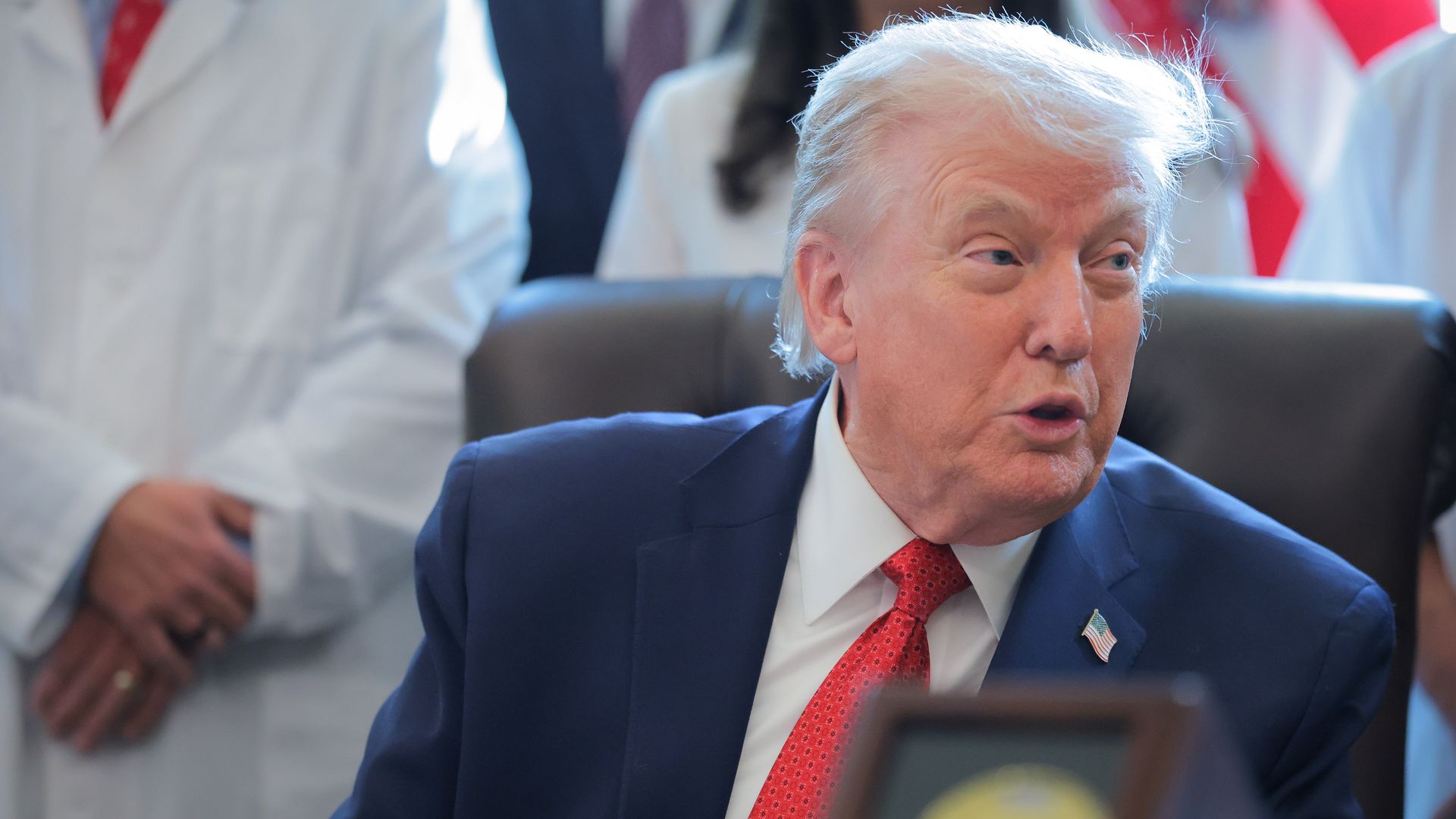
President Trump's executive order to reclassify marijuana into a Schedule III drug is only the beginning.
The big picture: Reclassification is a lengthy process that would change how marijuana can be obtained for medical uses and open the door for more cannabis research. It wouldn't legalize the drug directly.
Trump green-lights these "no charge" marijuana products for Medicare enrollees
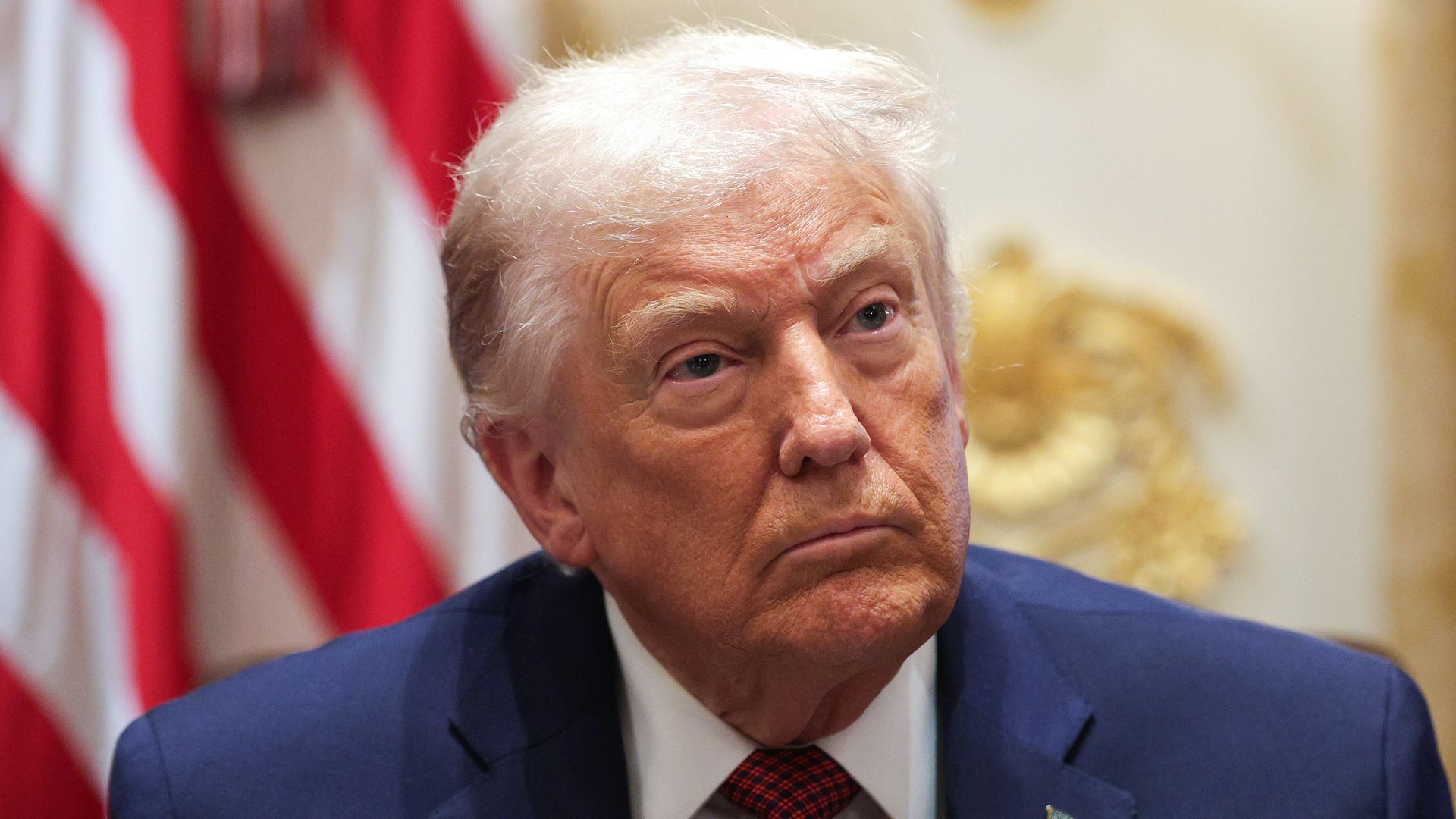
President Trump signed an executive order on Thursday that launches a pilot program authorizing Medicare to cover cannabis products for seniors.
Why it matters: Trump's embrace of marijuana could be a game-changer for older people who are seeking alternative treatments for common ailments.

Trump will sign order to ease marijuana restrictions
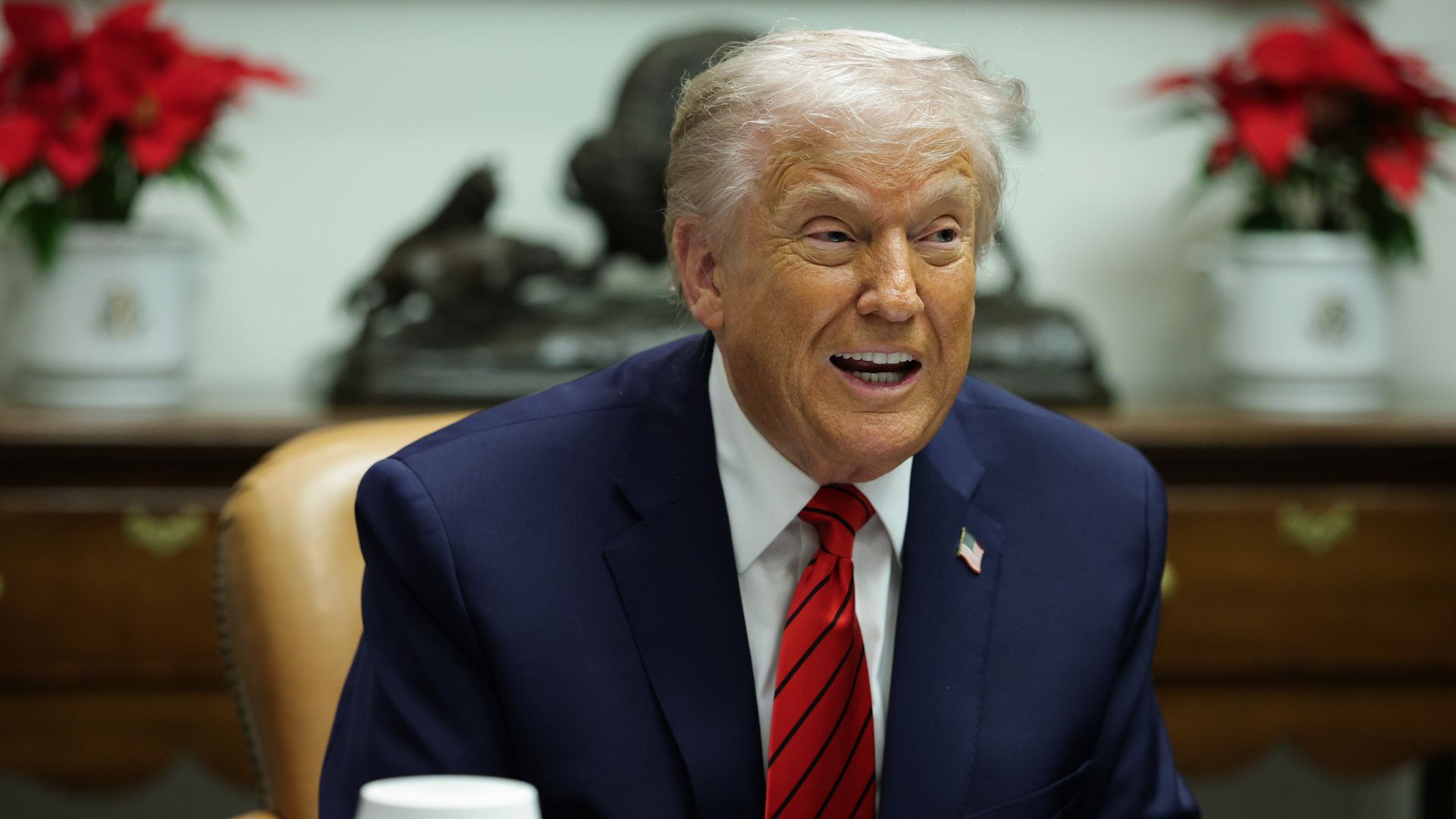
President Trump said Thursday he'll sign an executive order to relax federal restrictions on cannabis, instructing agencies to reclassify it as a less dangerous drug.
The big picture: Democrats and advocates have long pushed for the change. But the Wall Street Journal reported in August that Trump, courted by marijuana lobbyists and check-writing executives, was considering finishing what his opponents started.

Medline IPO provides a badly needed win for private equity

Medline yesterday jolted the sleepy IPO market, raising the largest offering in years and then watching shares pop more than 40%.
- It also might have restored faith in leveraged buyouts, at a time when many limited partners in private equity funds are questioning the model's viability.
Catch up quick: Axios wrote a lot about Medline when it was acquired in 2021, namely because it felt like a nostalgic throwback.
- For starters, the deal was huge. More than $30 billion, in what was one of the largest health-care buyouts ever. And over half the headline number was debt.
- Second, it was a club deal. Three private equity firms — Blackstone, Carlyle, and Hellman & Friedman — that each had identical stakes that, when combined, gave them control. There also was a few billion of sovereign wealth co-invest, while the founding Mills family remained Medline's largest single shareholder.
- Finally, this was never going to be flipped via a trade sale, as Medline was the market leader in hospital supplies by a country mile. Its new debt made a sponsor sale unlikely. Going public was always the goal.
The intrigue: There also was timing risk related to the COVID-19 pandemic.
- Medline's financials still were stuffed with revenue from products like masks, gloves, and testing kits. The buyers had to suss out how much of that excess demand would wane.
- Meanwhile, some rivals abandoned the space. McKesson announced plans to spin off its relevant business, while Owens & Minor last month agreed to sell its unit to Platinum Equity for $375 million.
Zoom in: Medline spent four years growing via over $1 billion in acquisitions and international expansion.
- It filed confidentially for an IPO at the end of 2024 and began serious conversations in March.
- But those plans got waylaid by President Trump's tariff rollout in early April, both because of their impact on Wall Street and also on Medline's actual business.
By the numbers: Blackstone, Carlyle, and H&F invested roughly $3.5 billion into the buyout, Axios Pro's Lucinda Shen reports.
- At yesterday's close, each of those stakes would have been valued at $9.3 billion. Minus any shares sold via a synthetic secondary tied to the IPO.
- It's the sort of return that can calm a lot of LP concerns (much like what SpaceX might do next year for VC fund LPs).
The bottom line: It feels weird to say that private equity needed a win. But it did.
Trump admin moves to cut hospital payments over trans care

The Trump administration on Thursday moved to cut off federal health payments to hospitals that offer transition-related care to youths, setting the stage for another legal battle over transgender rights.
Why it matters: Stopping Medicare and Medicaid payments would strike at a key component of hospitals' finances and escalate a series of administration moves to curtail medical services for transgender kids.
- Virtually every hospital in the country participates in Medicare and Medicaid, and the programs pay for at least half of inpatient stays at 96% of facilities, per the American Hospital Association.
- The policy does not take effect immediately and hospitals providing gender-affirming care can continue participating in Medicare and Medicaid for the time being.
If the policy is finalized, it is certain to be challenged in court.
- New York Attorney General Letitia James (D) called the administration move "reprehensible," adding, "I will use every tool at my disposal to fight this proposal and protect transgender Americans and their families."
Trump administration efforts to restrict transition-related care for youths have already led more than 20 facilities to stop prescribing puberty blockers and hormone therapy to transgender patients or announce plans to end services, including Children's Hospital Los Angeles and Children's Hospital of Philadelphia.
What they're saying: "So-called gender-affirming care has inflicted lasting physical and psychological damage on vulnerable young people," Health Secretary Robert F. Kennedy Jr. said at an event announcing the policy. "This is not medicine. It is malpractice."
- "We're done with junk science driven by ideological pursuits."
Transition-related care for kids is considered safe and appropriate by major medical organizations, including the American Medical Association.
- Puberty blockers are also used for non-trans youth who experience early-onset puberty. Surgeries for transgender children are rare. Transgender teens who get gender-affirming care report high levels of satisfaction.
The other side: "These rules aim to completely cut off medically necessary care from children no matter where in this country they live," said Kelley Robinson, president of the Human Rights Campaign.
- "It's the Trump administration dictating who gets their prescription filled and who has their next appointment canceled altogether."
The American Hospital Association said in a statement that it's reviewing the proposal and will provide comments to the agency.
Where it stands: The administration is proposing to stipulate that hospitals cannot receive payments from Medicare or Medicaid for any medical services or procedures if they perform gender-affirming care for youth.
- The care in question would include prescribing puberty blockers, hormone therapies and surgical procedures, which the administration calls "sex-rejecting procedures."
- Exceptions under the new policy would include treatment for kids with "medically verifiable" sexual development disorder, or for unrelated medical purposes.
Between the lines: The Centers for Medicare and Medicaid Services notes that it is legally prohibited from controlling the practice of medicine. But it contends that gender-affirming care "is not health care and hence are not subsumed under the term of 'the practice of medicine.'"
- The policy change is open for public comment for the next 60 days.
Zoom out: A separate proposal released Thursday would prevent state Medicaid plans from covering gender-affirming care for minors. Medicaid covers more than half of kids in the U.S.
Flashback: The rules follow a January executive order from President Trump directing the Department of Health and Human Services to stop youth gender-affirming care in the country.
- The order explicitly suggests using conditions of participation in Medicare and Medicaid to enforce the policy.
- Advocacy groups and states have filed lawsuits challenging the executive order and other Trump administration efforts to stop gender-affirming care for kids. A federal judge has temporarily stayed the executive order.
This story has been updated with further reporting.
Major drug pricing regulation moves forward
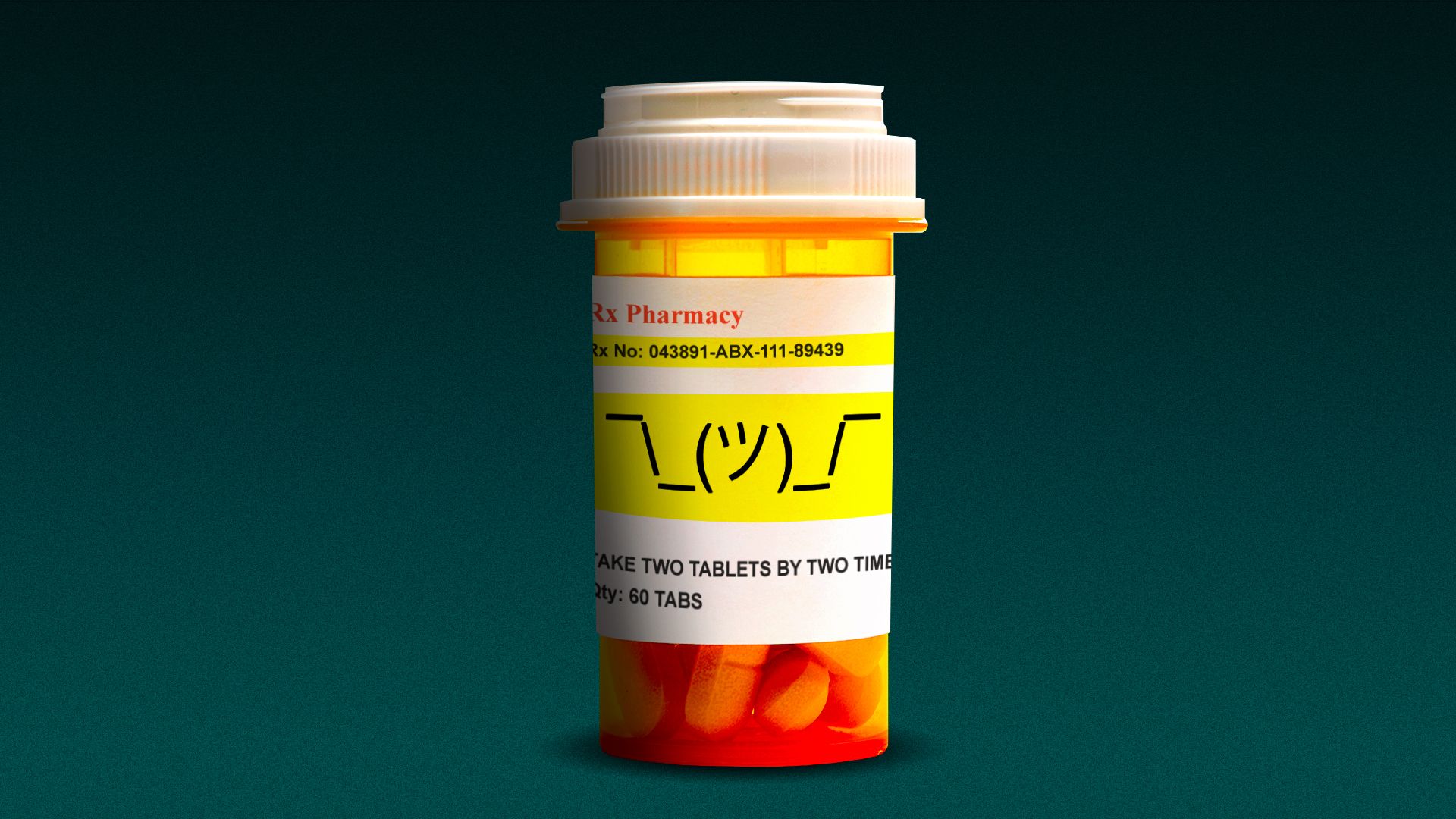
A regulation with potentially major implications for the pharmaceutical industry has cleared its review, teeing it up for imminent proposal should the Trump administration decide to move forward.
Why it matters: The regulation, which appears to tie what the U.S. pays for some drugs to the prices in other countries, would be the administration's most aggressive step yet to lower U.S. drug prices.

Inflation cooled in November, delayed report shows


The Consumer Price Index cooled in November, signaling easing inflation, the Bureau of Labor Statistics said on Thursday.
Why it matters: The first inflation report since the government reopening shows easing price hikes as the White House faces growing pressure to address affordability concerns.

D.C., we need to talk about your sleep

Washingtonians, it's time to consider a new sleep routine.
The big picture: Compared to the rest of the country, Oura users in D.C. had the lowest average sleep score, per data the smart ring company shared with Axios.
5 financial trends you can bank on in 2026

As the holidays and new year approach, many Americans may feel overwhelmed with holiday spending, thinking ahead to financial goals for 2026.
ACA markets prepare for chaos as subsidy talks drag on
Affordable Care Act exchanges could face a new round of administrative upheaval if Congress finds common ground on extending enhanced ACA subsidies next month.
The big picture: Retroactively reinstating the enhanced subsidies after their expiration at year's end would require reprocessing millions of consumers' personal information and setting up special enrollment periods.
- The hardest part, though, could be reaching consumers who drop coverage in response to spiking premiums to let them know the numbers have changed.


Senate moderates see new momentum for ACA deal
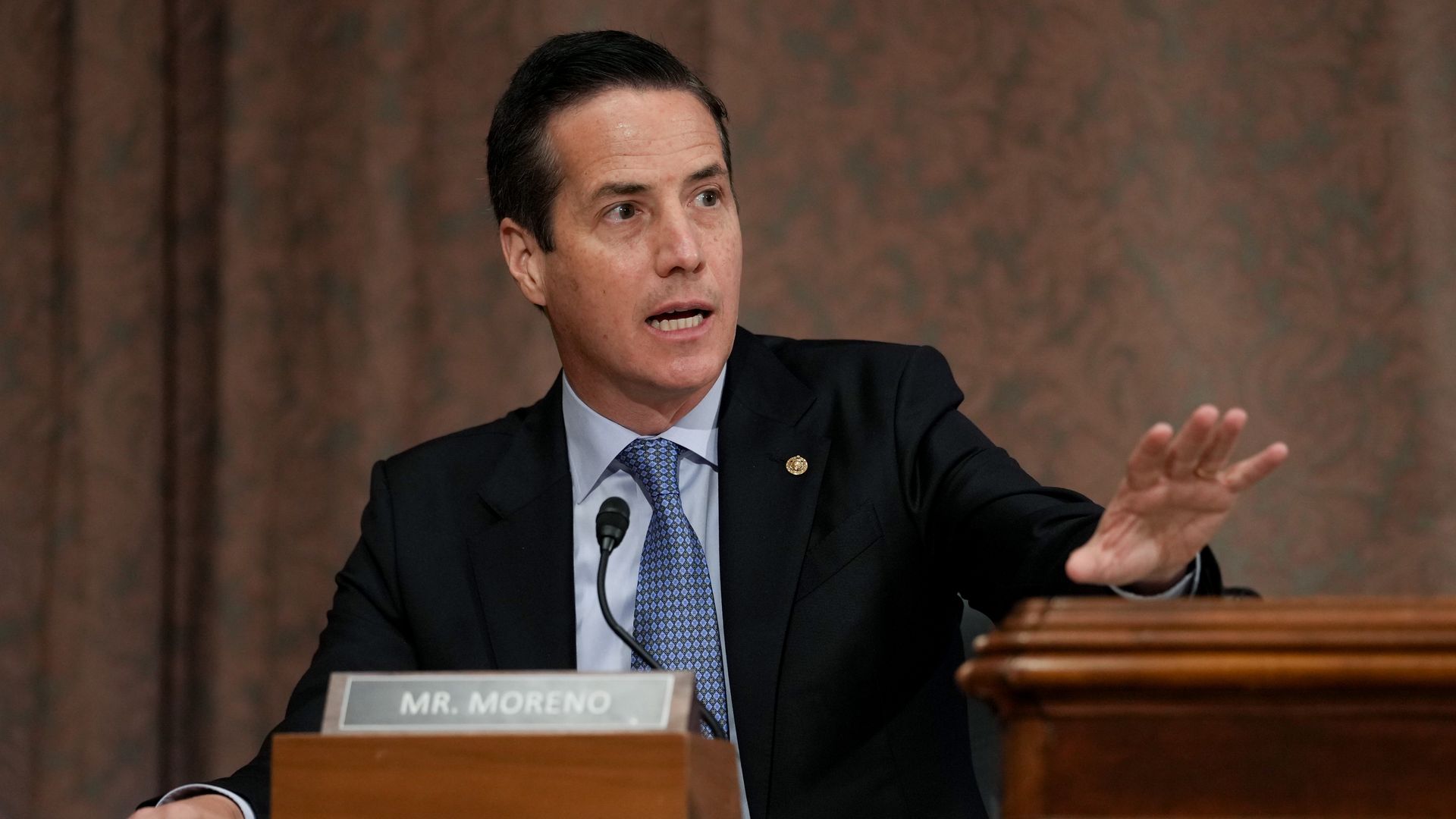
A rebellion by House Republican centrists Wednesday on extending Affordable Care Act subsidies is boosting prospects for bipartisan health care talks in the Senate going into the new year.
Why it matters: The tax credits will expire at the end of the month, raising premium costs for millions of Americans. But some key senators are holding out hope for reviving the subsidies in some form early next year.


Republicans vow bitter recriminations after Johnson outflanked on ACA
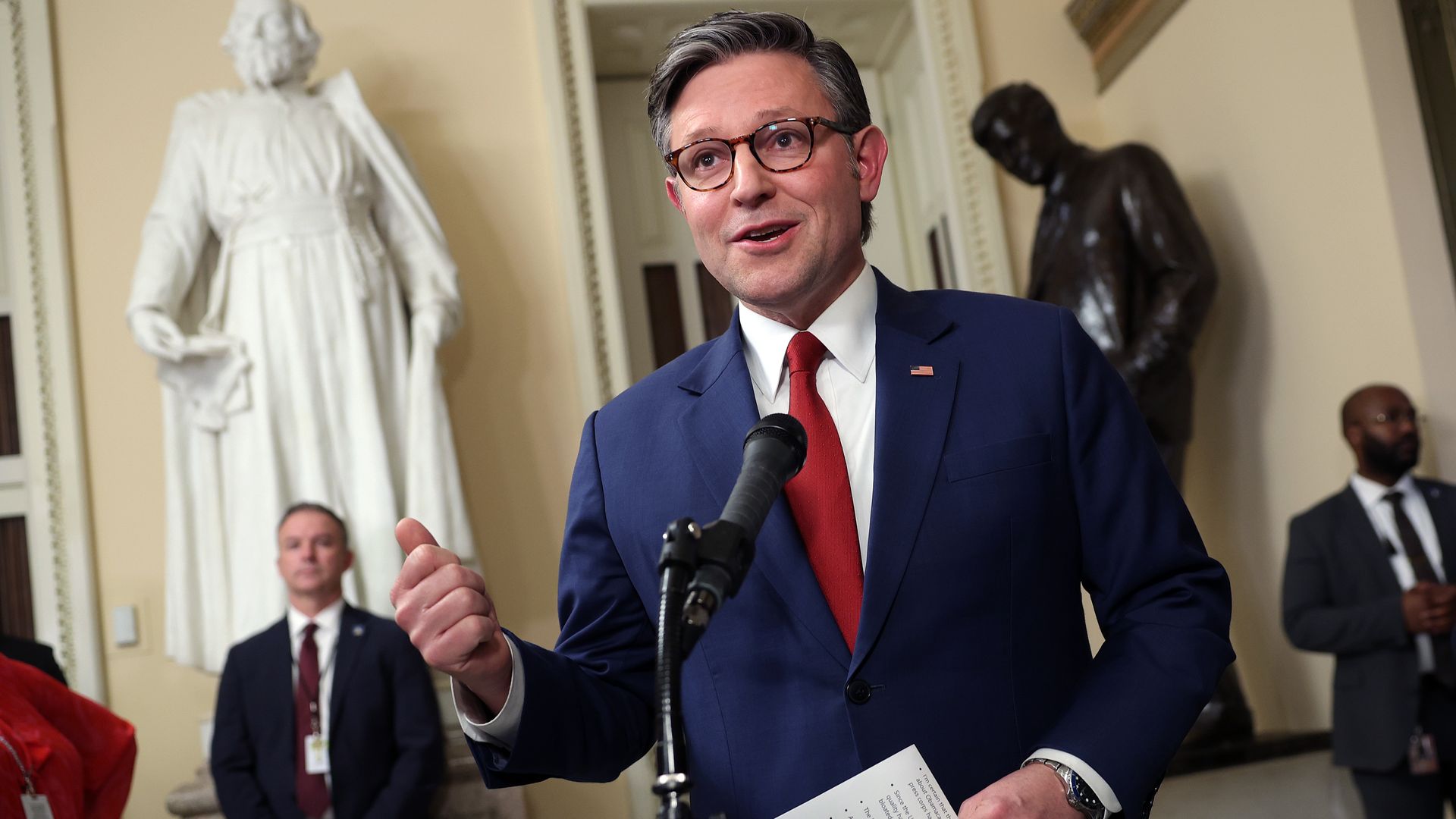
The House GOP's long-simmering internal tensions burst open Wednesday as Speaker Mike Johnson faced the prospect of temporarily ceding control of the floor at the start of next year.
Why it matters: GOP frustration with Johnson (R-La.) isn't new. But infuriated House Republicans are also taking out their anger on each other.
Ex-Harvard morgue manager who sold body parts sentenced to 8 years in prison
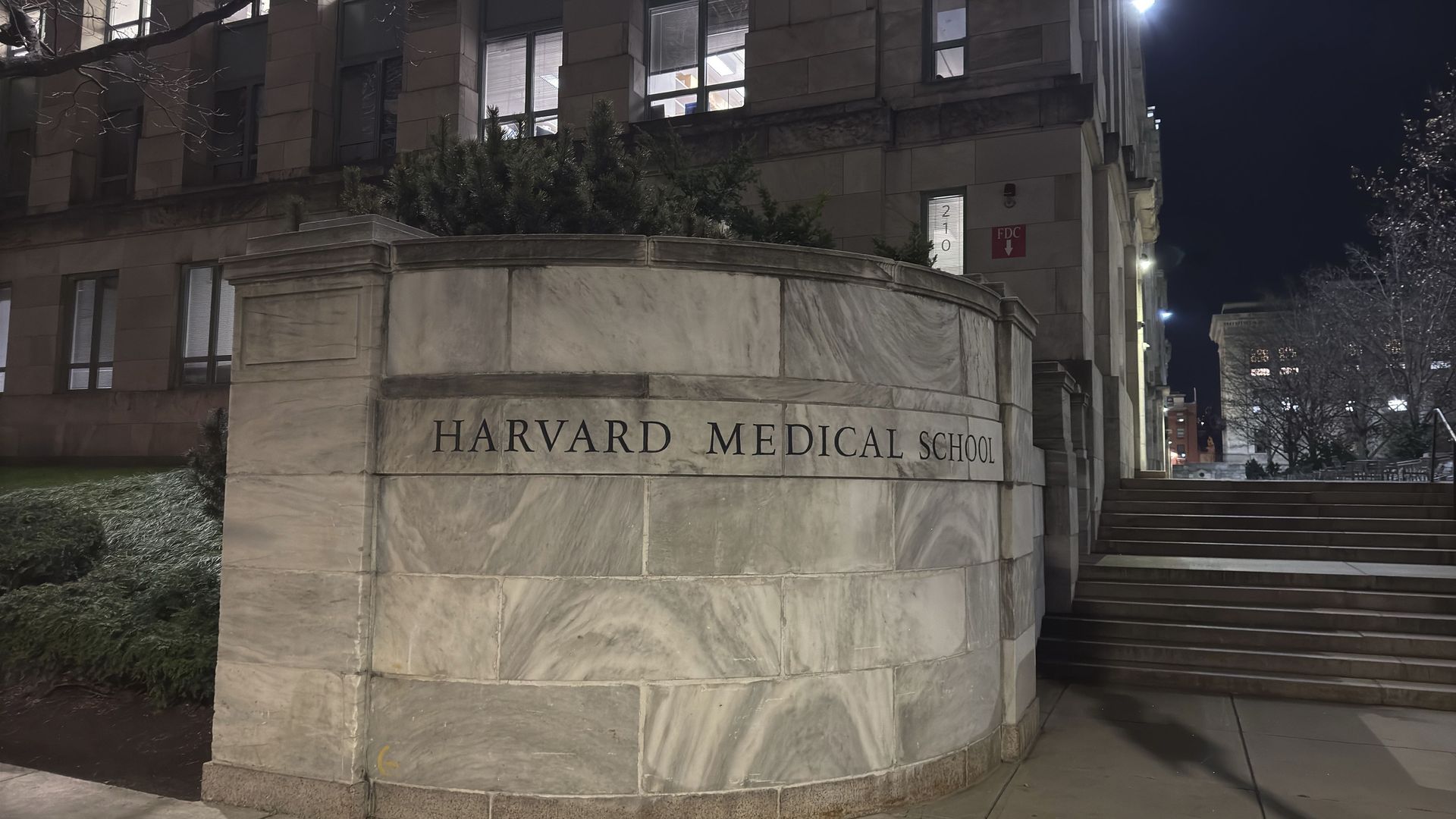
A former Harvard Medical School morgue manager was sentenced to eight years in prison for stealing and selling human body parts as part of a nationwide scheme.
The big picture: Cedric Lodge, 58, pleaded guilty in May to conspiracy and interstate transportation of stolen human remains, which prosecutors said involved the theft and sale of organs, skin, brains and dissected heads from cadavers donated to Harvard from 2018 "through at least March 2020," a Department of Justice statement announcing their sentencing on Tuesday.
Trump teases marijuana shift. Here's how it almost happened before
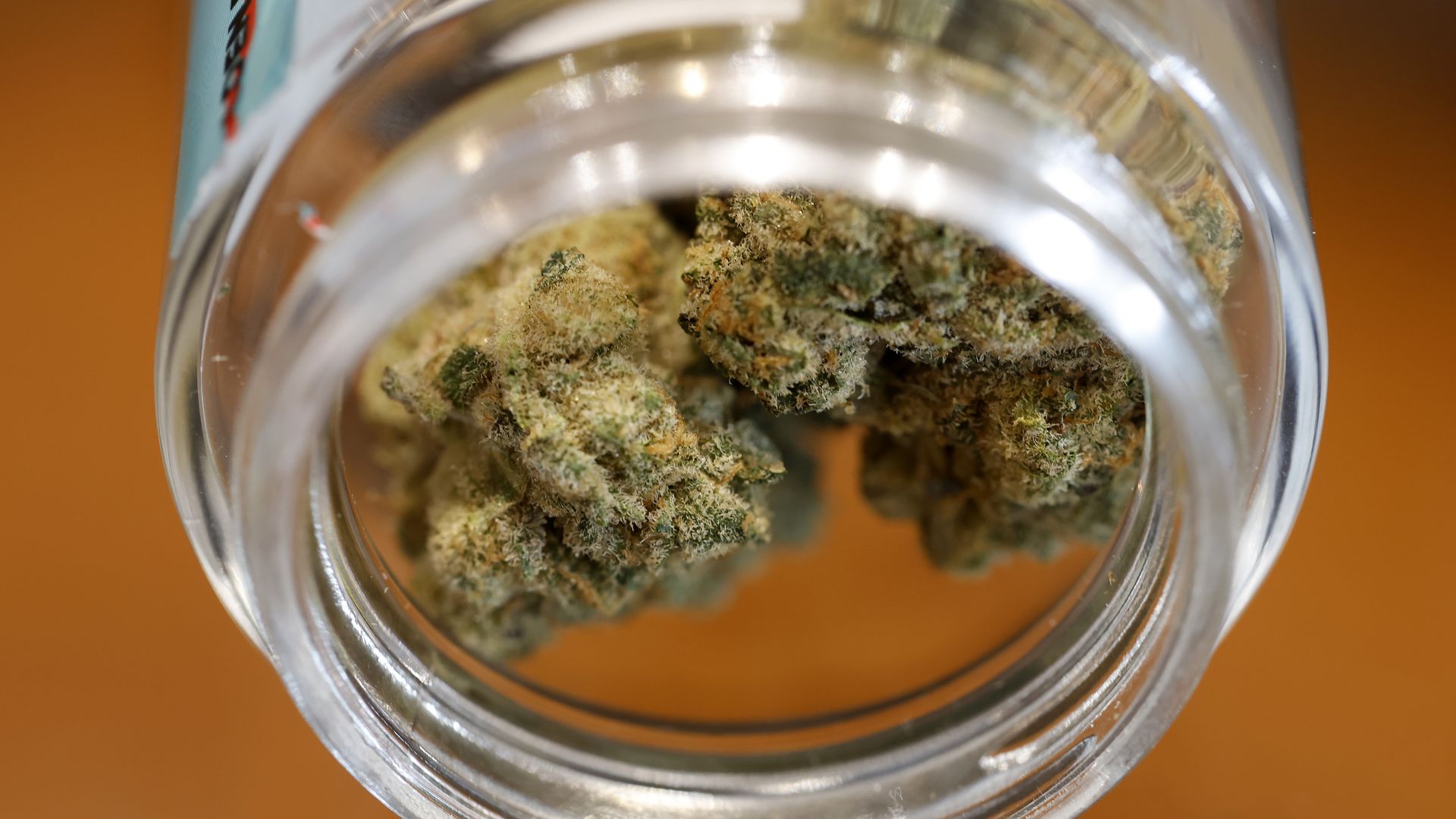
President Trump has signaled a potential reclassification of marijuana, but that doesn't mean it'll happen quickly.
Why it matters: Reclassification isn't a magic switch and entails a lengthy process that takes weeks, if not months, to have happen.