The Department of Veteran Affairs is beginning the process of offering gender affirmation surgeries through its health care system, Veteran Affairs Secretary Denis McDonough announced during a Pride event in Florida on Saturday.
Why it matters: The change would greatly expand the care available to transgender veterans, since the surgeries have never been widely covered by the department's health care plan.
The United States is shipping 2.5 million vaccine doses to Taiwan as the island faces its first major coronavirus outbreak, State Department spokesman Ned Price announced Saturday.
The big picture: The United States initially pledged to donate 750,000 doses, but the number increased after President Biden said the United States would send 80 million shots made in the U.S. around the world, per Reuters, which first reported on the shipment.
State and federal health agencies are investigating a tuberculosis outbreak among more than 100 people who had spinal surgeries this spring that involved the use of a bone repair product potentially contaminated by Mycobacterium tuberculosis,the species of bacteria that causes the disease, according to the Washington Post.
Why it matters: Eight people who were given the malleable bone putty developed by Aziyo, a regenerative medicine company, died after their surgeries, though the Centers for Disease Control and Prevention are still determining the patients' deaths.
Tokyo Governor Yuriko Koike on Saturday said that all public viewing during this summer's Olympics will be canceled due to the COVID-19 pandemic, the Japan Times reports.
The state of play: After meeting with Japanese Prime Minister Yoshihide Suga, Koike told reporters that the locations where viewings were scheduled will instead be used as vaccination sites.
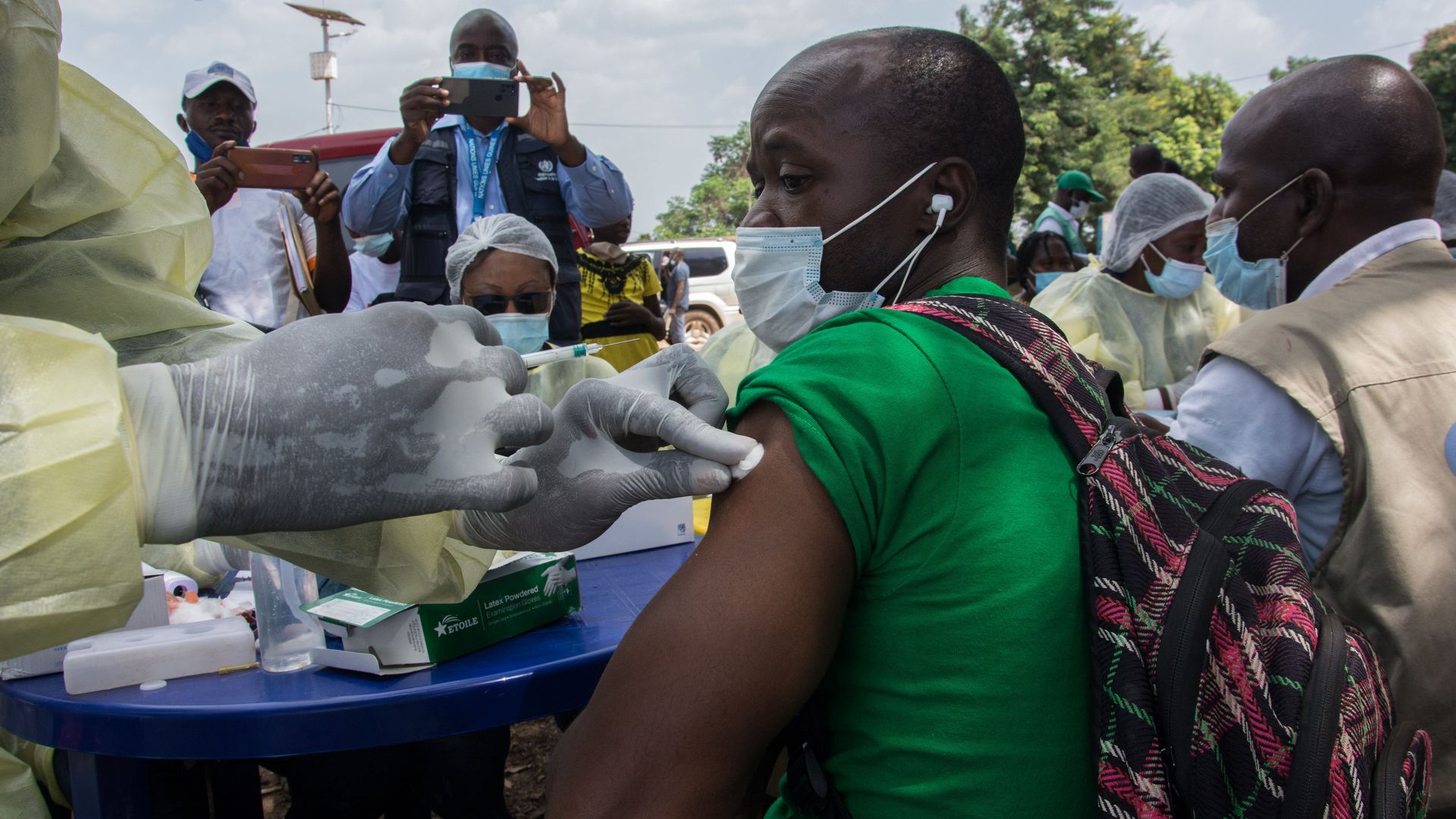
The World Health Organization on Saturday declared that the Ebola outbreak that had emerged in Guinea is over.
The state of play: WHO said Guinean health officials were able to move swiftly to contain the disease. A total of 16 people were confirmed to have been infected, with seven additional probable cases, and 12 people died.
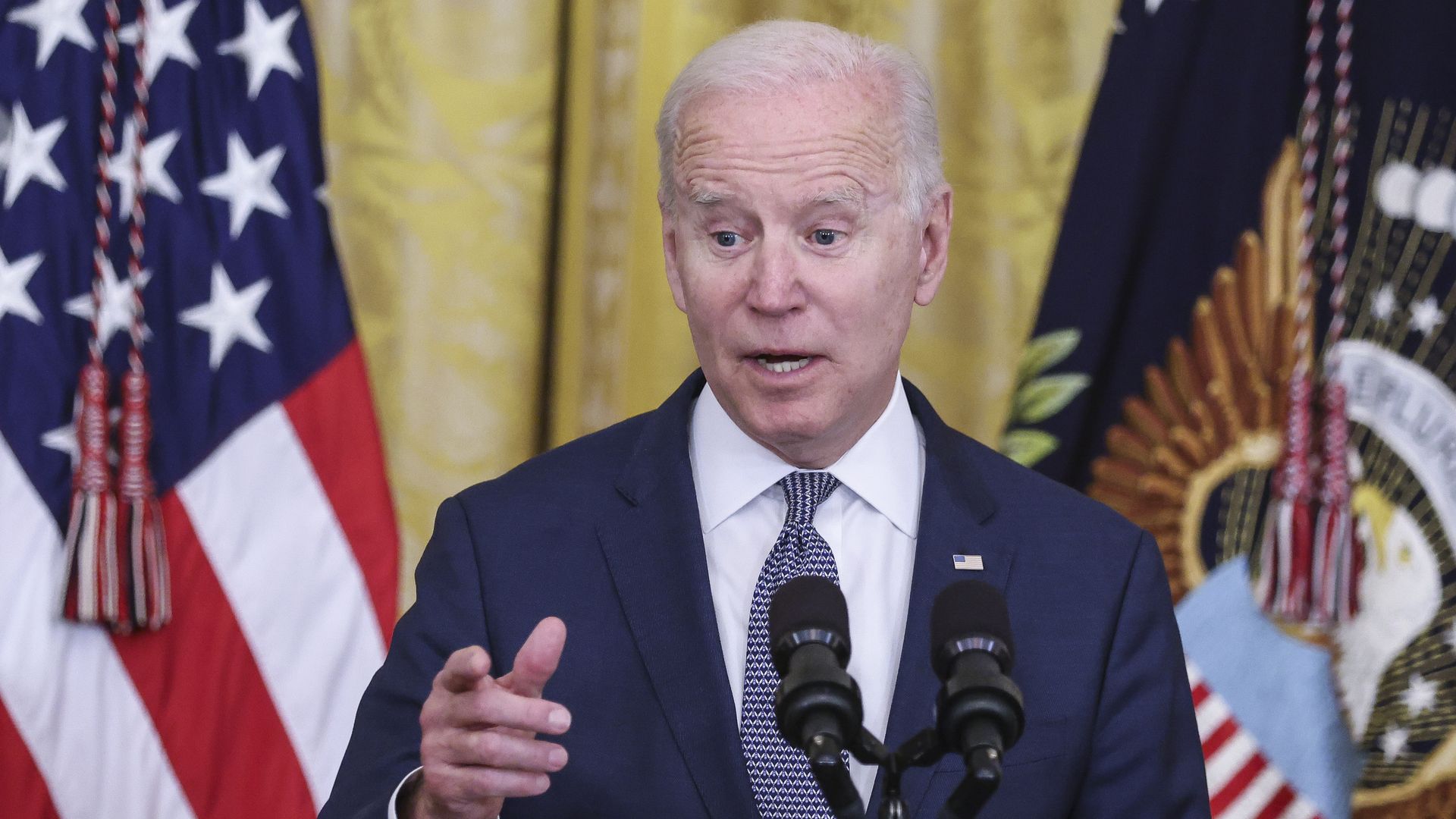
President Biden announced Friday that 300 million coronavirus shots have been administered in the United States in the last 150 days.
The big picture: More than 175 million Americans have gotten at least one COVID-19 vaccine shot and infection rates, as well as deaths, have decreased by more than 90%, according to the White House.
The president's announcement comes less than one month before July 4, which Biden had previously set as the goal to get 160 million Americans fully vaccinated and 70% to have received at least one shot.
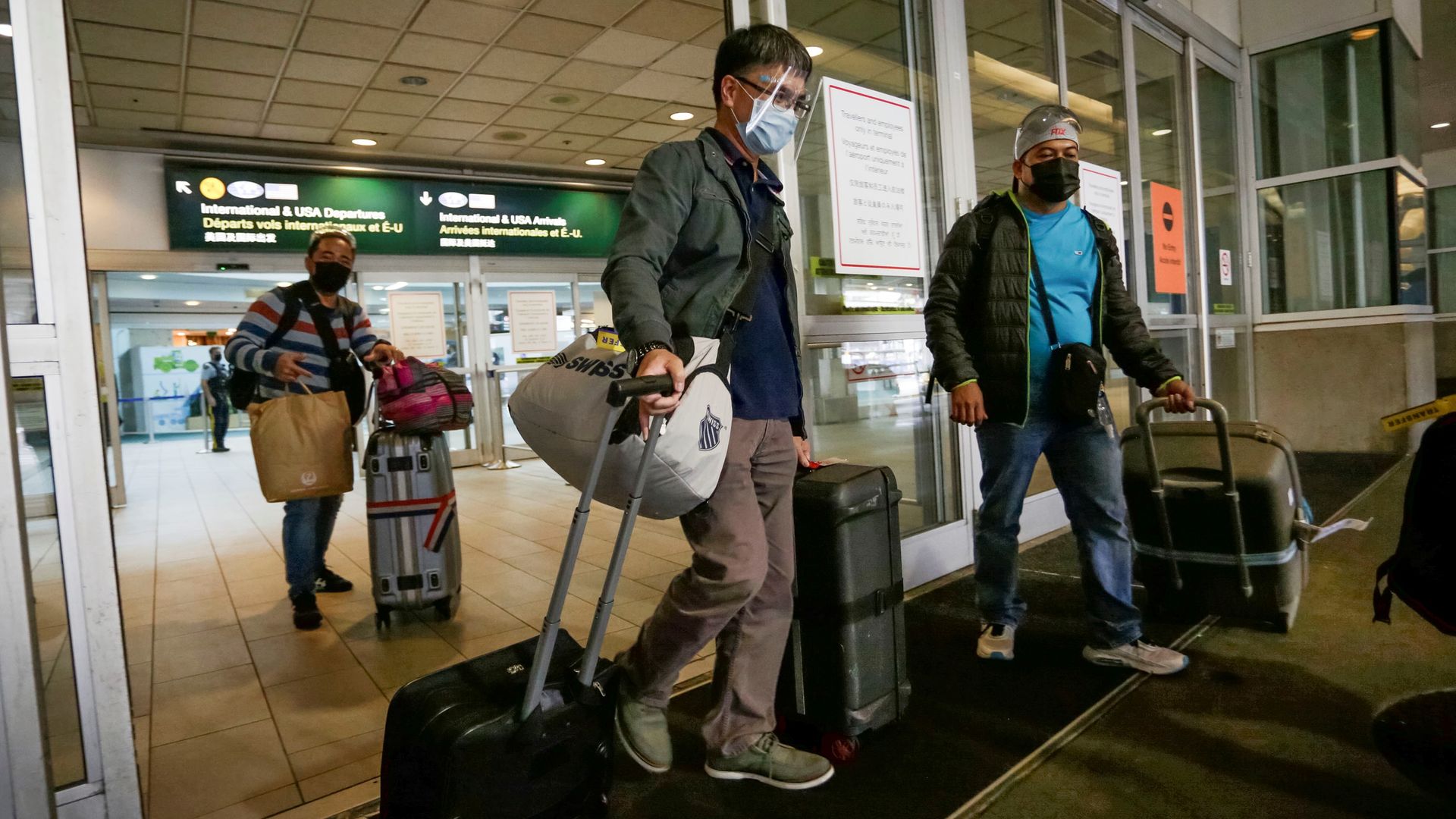
Canada extended restrictions Friday that bar nonessential U.S. travel until July 21, per Reuters.
The big picture: Travel restrictions between the two countries were first imposed in March 2020 and have been updated in 30-day increments, per Reuters.
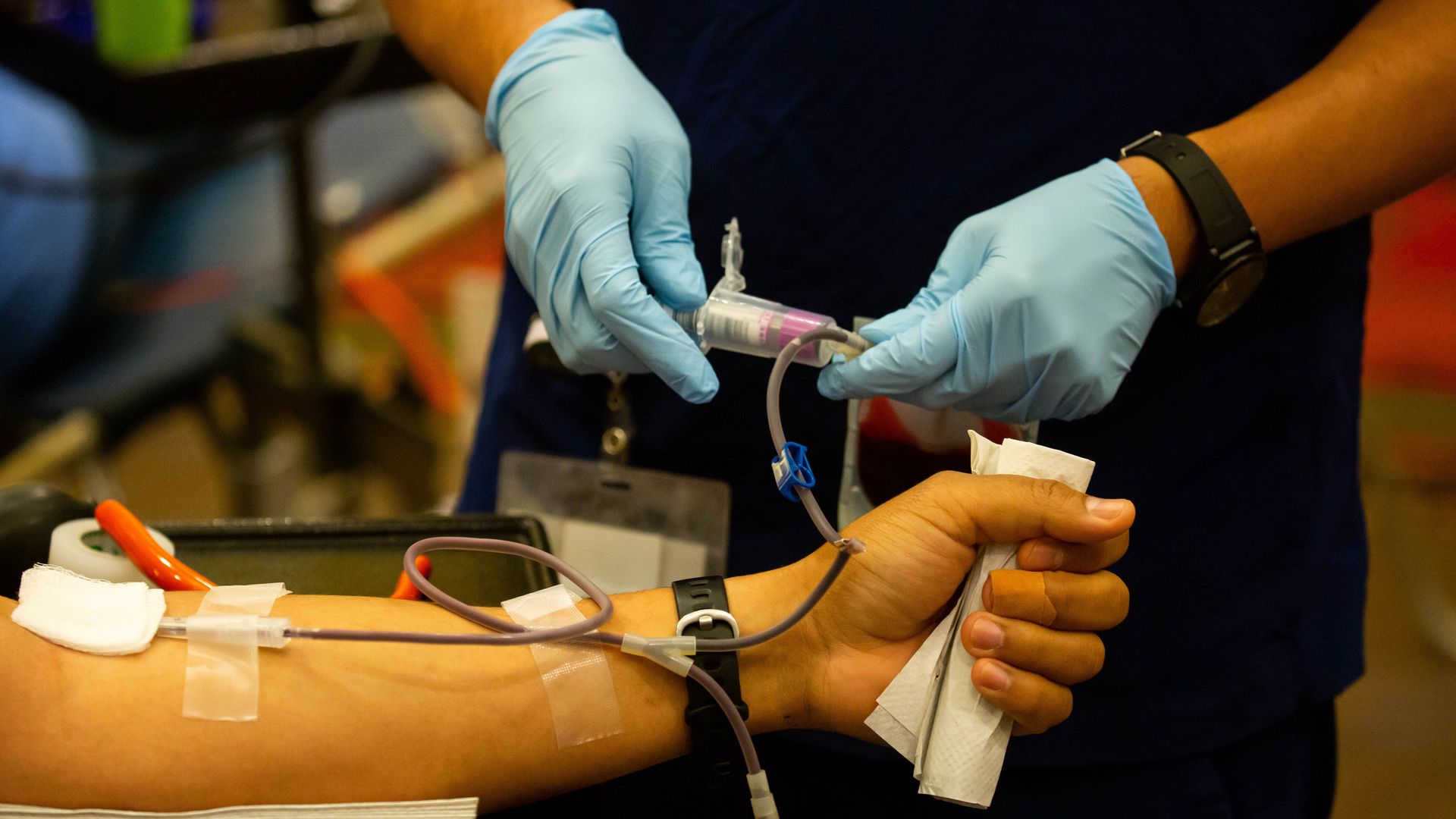
The American Red Cross asked the public this week to help replenish the United States' depleted blood inventory amid a "severe" national shortage.
Why it matters: The non-profit said the shortage is likely driven by a recent surge in trauma cases and emergency room visits, as well as advanced disease progression from patients deferring care throughout the coronavirus pandemic.
Americans are relaxing COVID-19 precautions and resuming activities they did before the virus shut down parts of the country in early 2020, according to a new AP-NORC Center for Public Affairs Research survey of 1,125 adults.
Why it matters: Almost all states have lifted most of their restrictions as vaccination rates have steadily increased throughout the country, and as new coronavirus cases have dropped to the lowest level since the start of the pandemic.
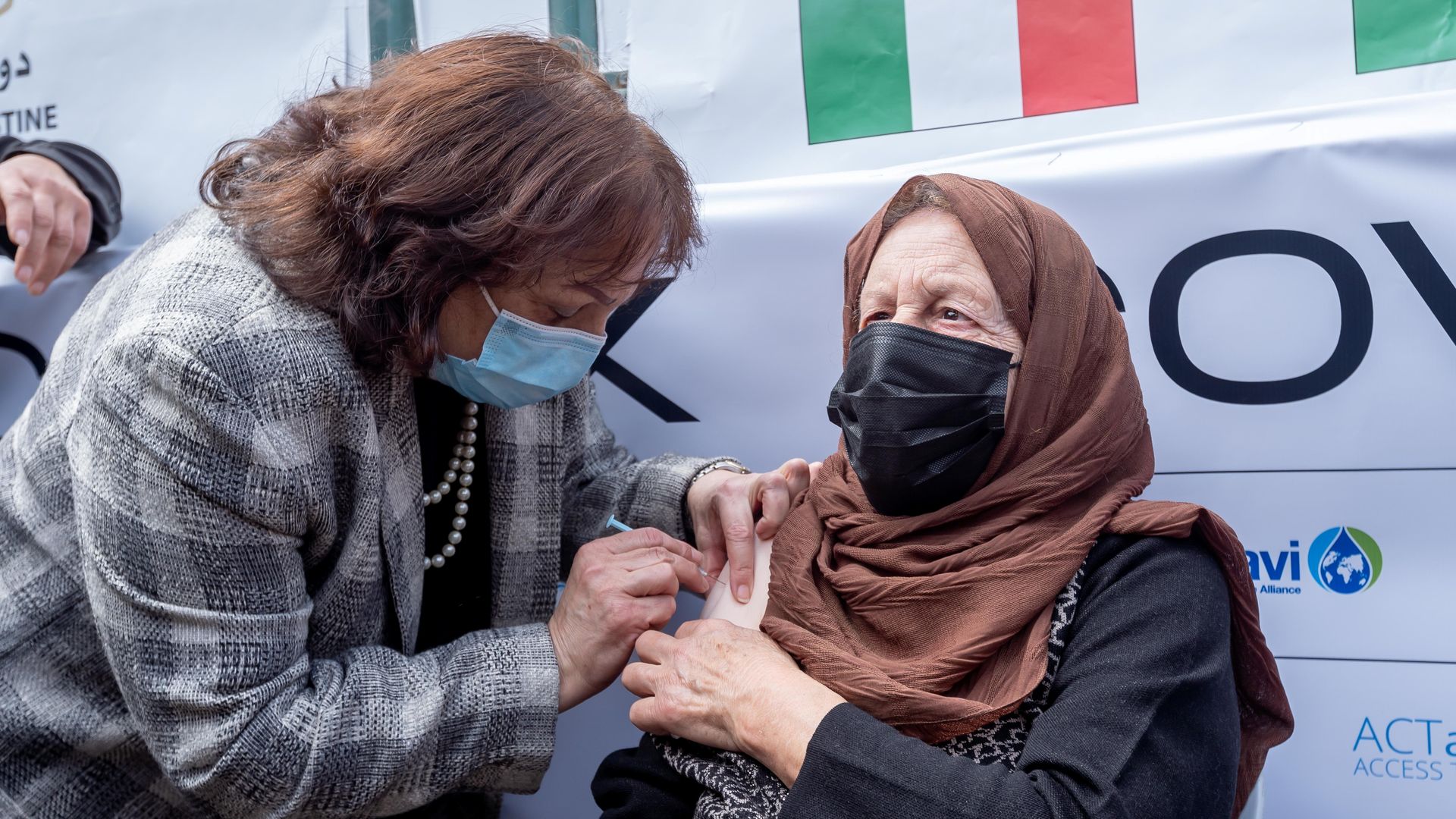
The Palestinian Authority called off the COVID vaccine deal with the new Israeli government after determining the doses were too close to their expiration date, Reuters reports.
The latest: Israel had agreed to transfer 1.2 million doses of Pfizer to the Palestinian Authority in exchange for the fresh Pfizer shipment Palestinians were expected to receive in October. But on Friday Palestinian officials said the doses from Israel were set to expire soon and did not meet the necessary standards.
The curbing of the pandemic in the U.S. means the return of dinner parties, movie dates and brunch. But it also means the return of things you don't really want to do.
What's happening: Many of us spent over a year stuck in our homes by default — not having to decline social engagements we weren't keen on. Now it's time to re-learn the fine art of saying "no."
Handshakes were one of the first habits to go when the COVID-19 pandemic began last year, but with vaccination rates rising, you may find yourself confronting an outstretched hand again soon.
Why it matters: Whether firm or floppy, handshakes were a near-universal greeting in the West for strangers, business contacts and casual acquaintances. As people emerge from theirpandemic shell, it's worth considering the act again — or picking up a new habit.
Washington's latest health care brawl is over wonky questions about how last year's law banning surprise medical bills will now actually be implemented by the Biden administration.
Why it matters: Billions of dollars are at stake — either for providers or for patients and employers.
Democrats are considering including major health care reforms in a massive legislative package that could be passed without Republican votes, teeing up a grueling fight with the health care industry — and, potentially, each other.
Why it matters: Expanding coverage and lowering drug prices have long been top priorities for Democrats, and this may be their best opportunity to accomplish these goals.
Existential threats to the Affordable Care Act just aren’t what they used to be.
The big picture: The anti-Obamacare fire on the right may not be fully extinguished — it still throws off some smoke and a few sparks every once in a while — but it has petered out into irrelevance, dismissed as a distraction even by some of the same conservatives who helped to stoke it in the first place.
The Supreme Court saved the health care system from imploding Thursday by dismissing a Republican challenge to the Affordable Care Act. But it also saved the GOP itself from another round of intraparty chaos.
Why it matters: Most GOP lawmakers privately admit (and some will even say publicly) they don't want to deal with health care again. The issue generally isn't a good one for them with voters — as they learned the hard way after they failed to repeal the ACA in 2017.