The Federal Trade Commission and Pennsylvania's attorney general want to block the proposed merger between Jefferson Health and Einstein Health Network, arguing the combined system would control too much of the hospital services market in the Philadelphia area and consequently would have unfair pricing power.
Why it matters: This is the first time in more than three years that the FTC has challenged a large hospital merger, and this action could force Jefferson and Einstein to abandon their plans.
Stocks fell more than 4% on Thursday, extending the market’s worst week since the financial crisis in 2008 following a spike in coronavirus cases around the world.
The big picture: All three indices are in correction, down over 10% from recent record-highs, amid a global market rout. It's the S&P 500's quickest decline into correction territory in the index's history, per Deutsche Bank.
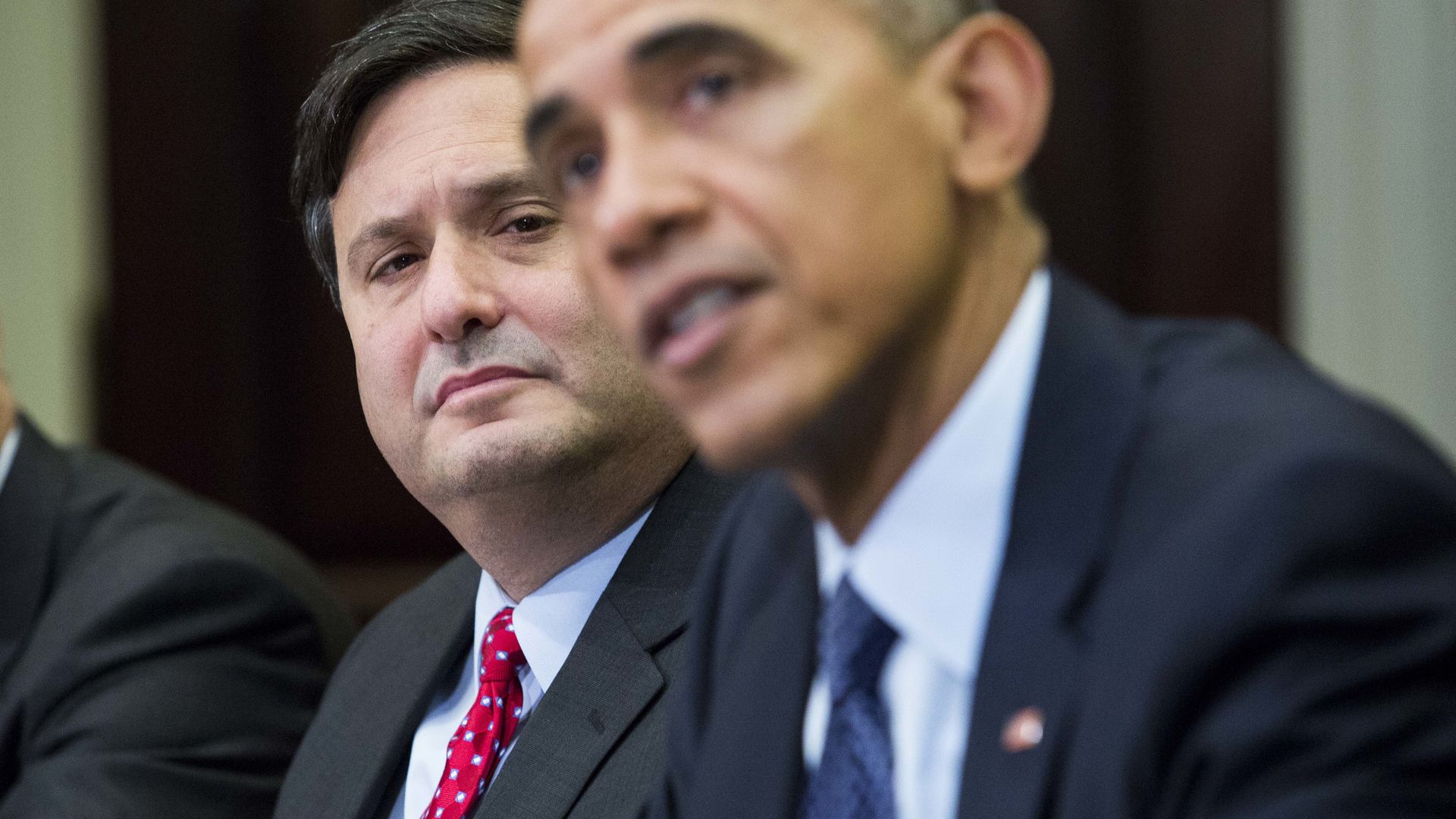
The Obama administration's Ebola response coordinator Ronald Klain tore into the White House Thursday over a report in the New York Times that all public statements and appearances by health officials must be coordinated with the office of Vice President Mike Pence.
What they're saying: "I was the WH Ebola Response Coordinator in 2014-15," Klain tweeted. "We never told the Centers for Disease Control and Prevention or National Institutes of Health what they could say, or ever censored their medical statements. If the WH is doing that now, it is a danger to public health."
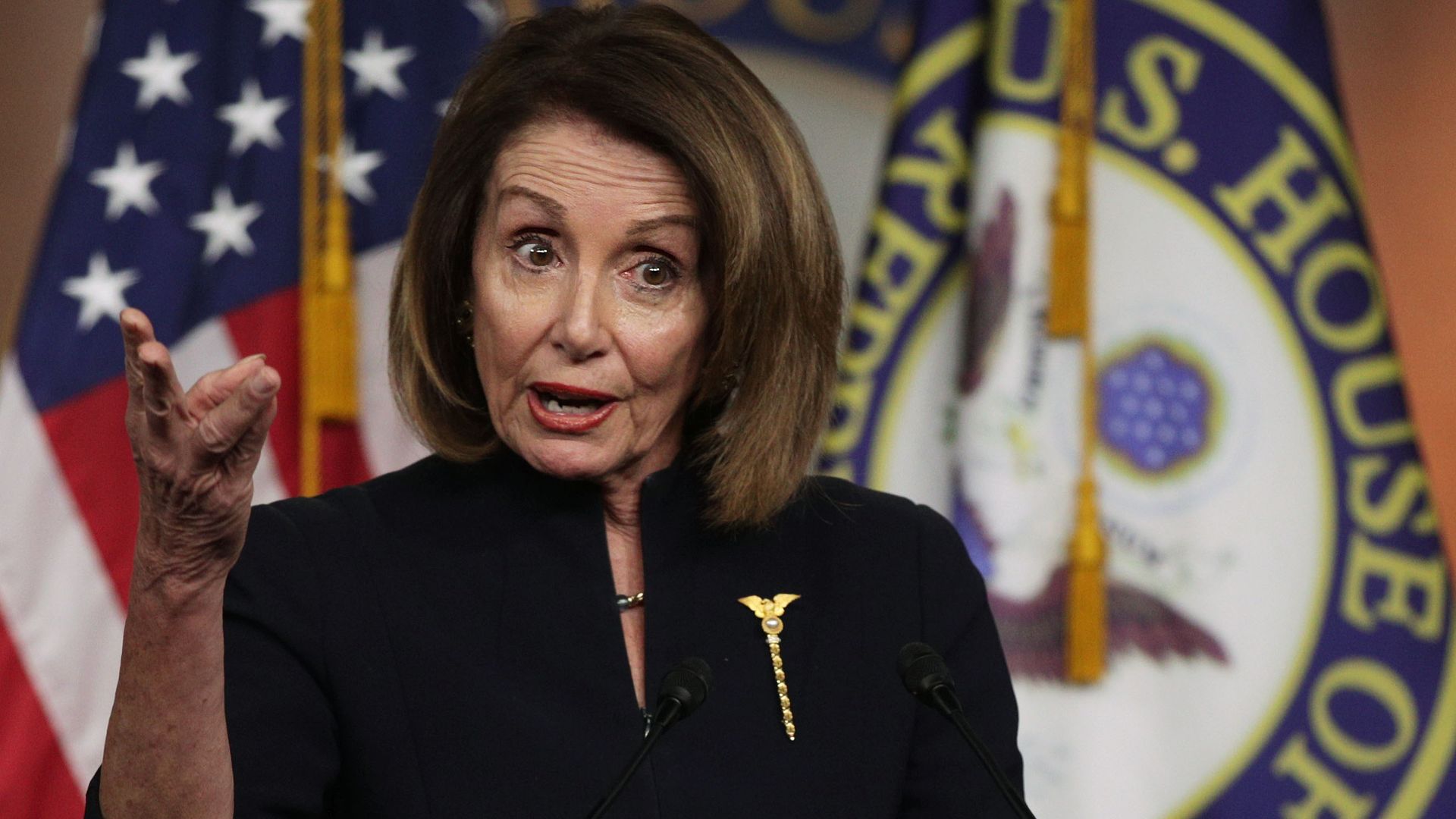
House Speaker Nancy Pelosi and Senate Minority Leader Chuck Schumer released a joint statement Thursday outlining their demands for coronavirus funding, including a guarantee that the eventual vaccine is affordable.
The big picture: Pelosi criticized the Trump administration's response to the coronavirus outbreak, calling it "chaotic" and chiding President Trump for "name-calling" and "playing politics." She added at a press conference that bipartisan congressional leaders are nearing an agreement on emergency funding.
More companies are saying publicly that disruptions caused by the coronavirus are hitting their bottom lines. Microsoft warned Wednesday that its personal computing unit, which includes Windows and Surface, will likely miss revenue expectations due to a slower-than-expected return to production after the Lunar New Year.
The big picture: Although Apple was the first big tech company to warn of a financial impact from the outbreak, most industry watchers said they expected the impact to be felt broadly across the industry, which depends heavily on China for manufacturing.
Saudi Arabia announced Thursday that it is banning foreign pilgrims from entering the country to visit Islam's holiest sites in Mecca and Medina due to the novel coronavirus, AP reports.
Why it matters: The unprecedented decision comes months ahead of the annual Hajj pilgrimage when millions of Muslims travel to the kingdom — and appears sparked in part by Iran's outbreak in the holy city of Qom. Saudi Arabia also said that it would suspend entry to tourists holding visas from 22 countries most affected by the virus.
With the Summer Olympics scheduled to open in Tokyo in less than five months, organizers are grappling with the coronavirus outbreak — and facing questions about whether the games could be moved, postponed, or even canceled.
The backdrop: Japan has closed schools nationwide until late March, and the country's professional baseball league is currently playing preseason games in empty stadiums.
The nation's first supervised drug-use site is set to open in Philadelphia next week, after a federal judge ruled Tuesday in favor of the nonprofit that plans to open it, the Wall Street Journal reports.
The big picture: Advocates of such sites say that they help prevent deadly overdoses while potentially helping connect users with treatment, but federal law enforcement officials have said that they think such sites are illegal. The Justice Department — which brought the lawsuit against the nonprofit — said it's appealing the decision.
Colorado lawmakers are preparing to vote on the state's public option proposal, providing an example of what happens when politicians take on the health care industry, Bloomberg reports.
Why it matters: Democrats by and large want to do the same thing on a national scale, but promising more affordable coverage for everyone is a lot easier than actually passing legislation to make it happen.
Japanese Prime Minister Shinzo Abe announced Thursday that the government will ask elementary, middle and high schools around the country to close until late March as an attempt to contain its novel coronavirus outbreak, AP reports.
Why it matters: The government's decision — impacting 12.8 million students across 34,847 schools — comes as concerns mount about the spread of the virus in Japan, which has 189 confirmed cases and hundreds more abroad the quarantined Diamond Princess cruise ship.
A poor response to the coronavirus could be politically devastating for President Trump, and so far his administration has given the strong impression that it’s still scrambling as the risk of a pandemic mounts.
Why it matters: There’s only so much any president can do to stop a virus from spreading, and for now the coronavirus is still very much under control within the U.S. But if the disease get worse in the months ahead, and if the administration seems to be caught off guard, that spells trouble for public confidence in Trump.
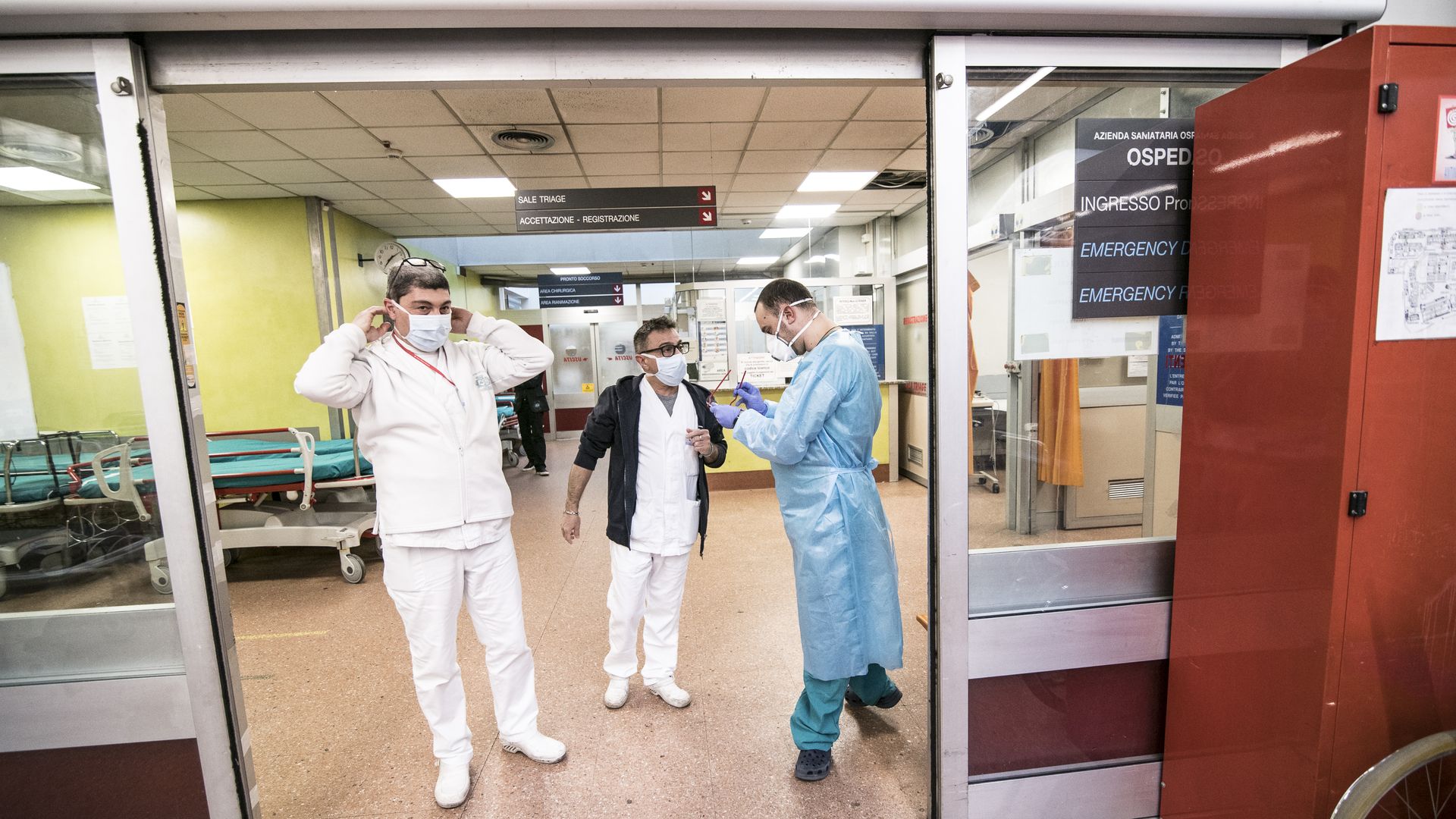
Many U.S. hospitals have been stocking extra supplies and refreshing disaster preparation plans over the past month in the event the coronavirus becomes more prominent domestically.
The big picture: The Centers for Disease Control and Prevention warned this week that this infectious disease could spread more in the U.S., and hospitals have anticipated such scenarios.
The number of new cases of the novel coronavirus reported outside China has exceeded those inside the country for the first time, the World Health Organization director-general Tedros Adhanom Ghebreyesus told a briefing on Wednesday.
Details: Tedros called the sudden increase in cases in South Korea (1,595), Italy (453) and Iran (141) "deeply concerning."
Ezekiel Emanuel, special adviser to the director general of the World Health Organization, told MSNBC Wednesday he found "most" of what President Trump said at his briefing on the novel coronavirus "incoherent."
The big picture: As the number of confirmed cases reaches 60 in the U.S., the top health professional — who was a health policy adviser in the Obama administration — is among several leading figures, in particular, Democrats, to criticize the president for his response to the outbreak.
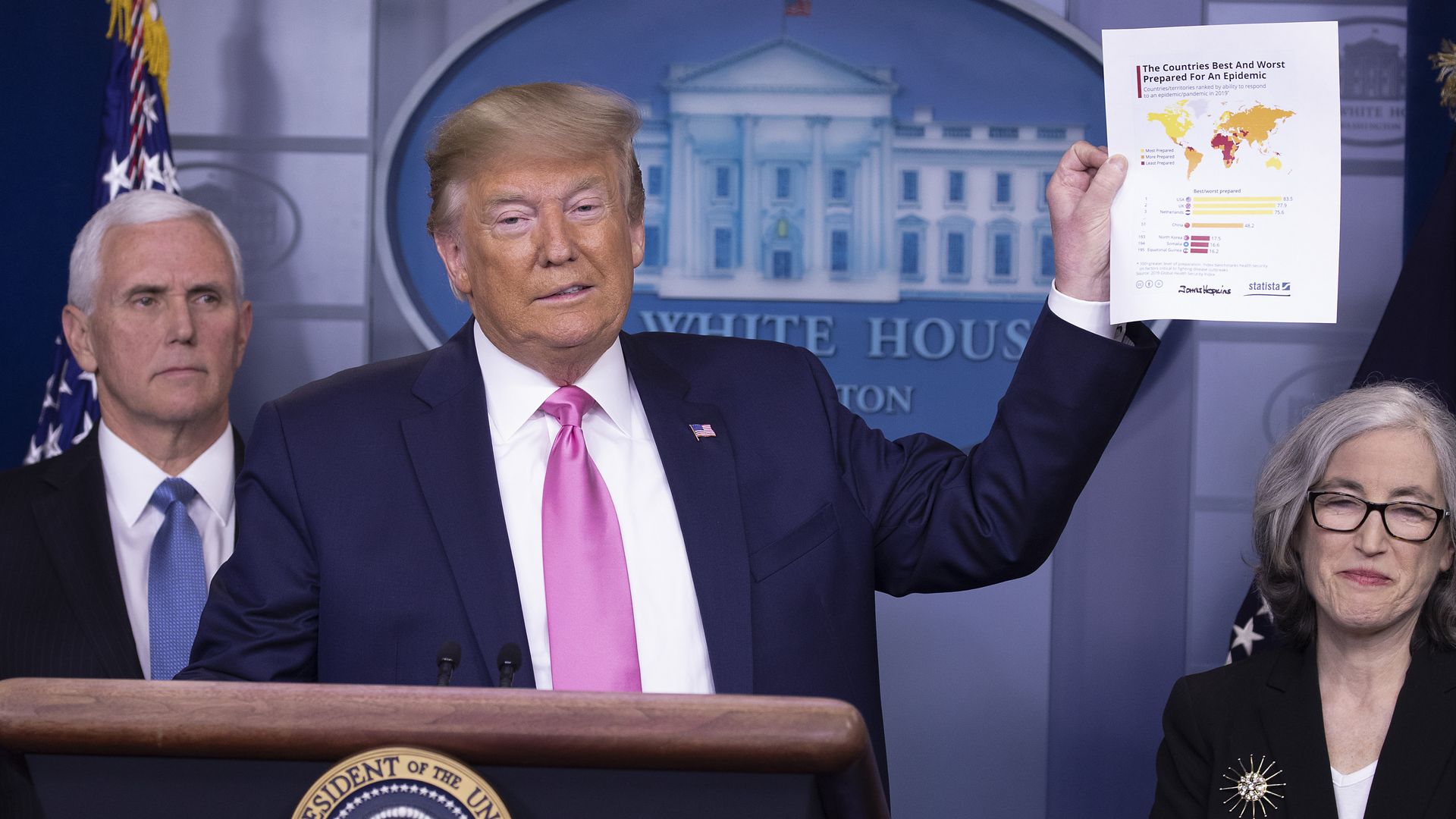
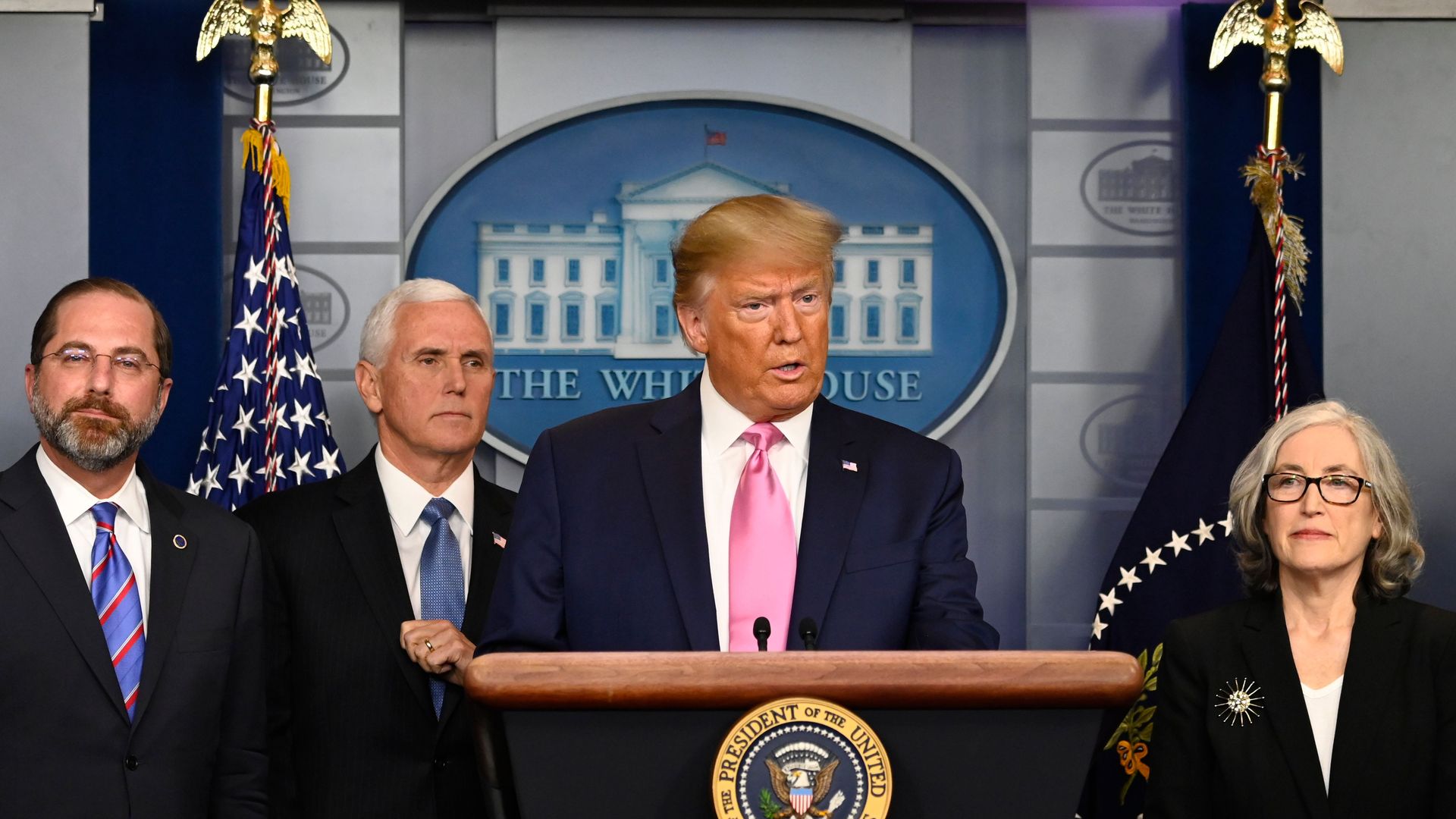
President Trump announced at a press briefing Wednesday evening that he'll be putting Vice President Mike Pence in charge of leading the administration's response to the coronavirus.
The big picture: In the wake of a market sell-off and warnings from health officials that there's a real threat of the coronavirus spreading in the U.S., Trump sought to reassure the nation and Wall Street that the U.S. is "ready" for whatever comes next.
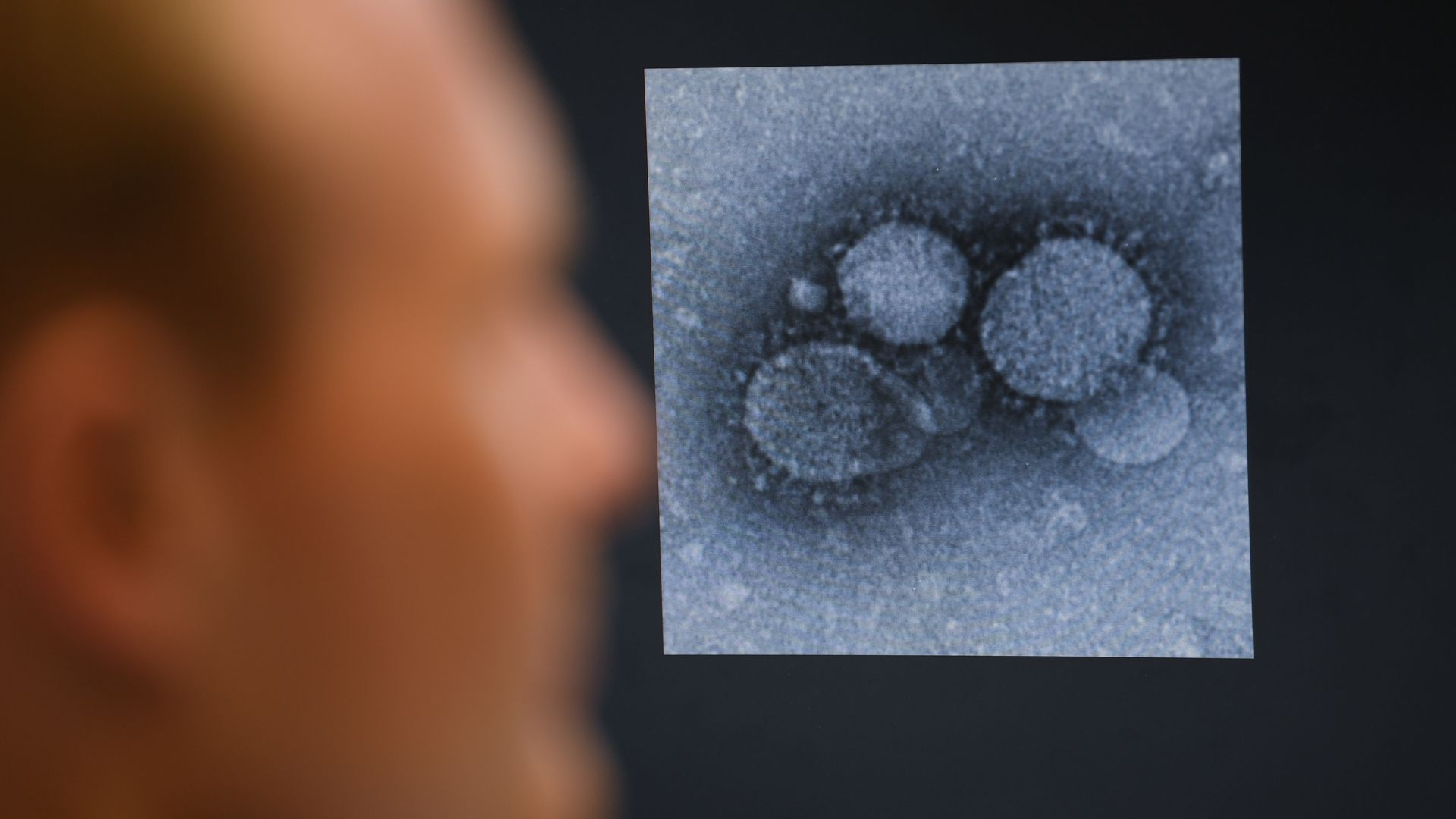
A person in California who hadn't traveled to a country impacted by the novel coronavirus nor had any known contact with anyone infected by the virus has tested positive to COVID-19, the CDC said in a statement.
Why it matters: Per the CDC, "It's possible this could be an instance of community spread of COVID-19, which would be the first time this has happened in the United States. Community spread means spread of an illness for which the source of infection is unknown." However, the patient may have "been exposed to a returned traveler who was infected," the CDC noted. "At this time, the patient's exposure is unknown," it said.