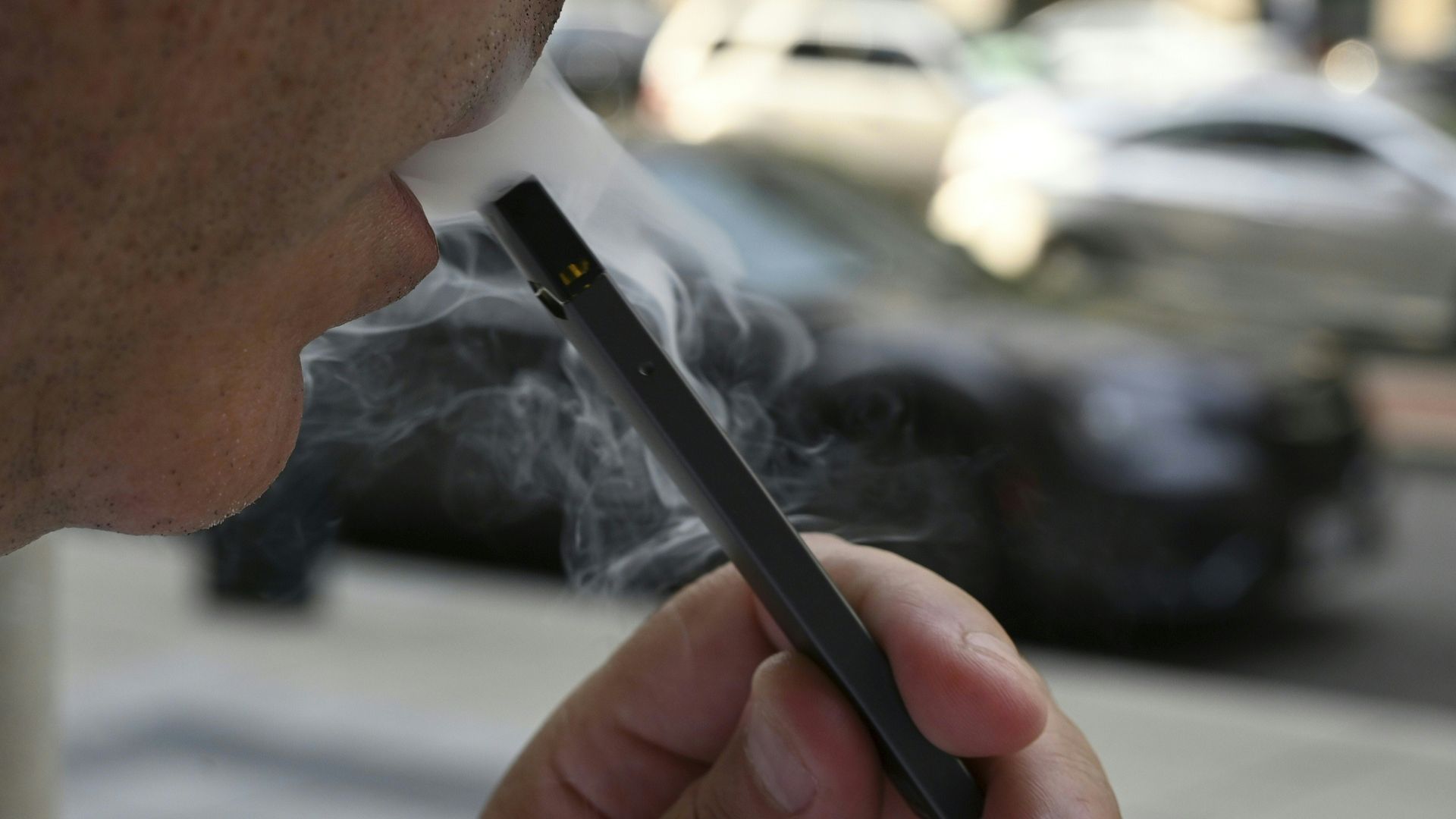
There are 2,807 confirmed hospital cases of lung injury associated with vaping in all 50 states, Washington, D.C. and two U.S. territories, the Centers for Disease Control and Prevention reports as of Feb 18.
What's new: Because of the consistent declines in new EVALI cases since Sept. 2019, as well as the identification of vitamin E acetate as a primary cause of EVALI, Tuesday's report will be the final CDC update on the number of hospitalized EVALI cases and deaths nationally.
68 people have died from a lung injury associated with e-cigarette use in 29 states and the District of Columbia, the Centers for Disease Control and Prevention reports as of Feb. 18.
What's new: Because of the consistent declines in new EVALI cases since Sept. 2019, as well as the identification of vitamin E acetate as a primary cause of EVALI, Tuesday's report will be the final CDC update on the number of hospitalized EVALI cases and deaths nationally.
The fate of the Tokyo Olympics is expected to be decided within the next three months amid fears surrounding the spread of the novel coronavirus, International Olympic Committee member Dick Pound told the Associated Press in an interview on Tuesday.
The state of play: The games are on as of now, but the committee's final decision will depend on discussions with the World Health Organization, Pound said. The Olympics are set to bring roughly 11,000 athletes to Tokyo, with the event scheduled to begin on July 24. Another 4,400 athletes will arrive in Japan for the Paralympics set to start on Aug. 25.
Mallinckrodt is floating a $1.6 billion proposal to settle allegations that it fueled the opioid crisis by pushing its painkillers. The drug company would make payments in the eight years after its generics business, which sells oxycodone and hydrocodone pills, emerges from bankruptcy.
Why it matters: The attorneys general from 47 states and territories, as well as the plaintiffs in the global opioid lawsuit, are supporting the deal, Mallinckrodt said. Mallinckrodt's brand-name drug business will not be affected, but its generics bankruptcy marks the third opioids bankruptcy, after Purdue Pharma and Insys Therapeutics.
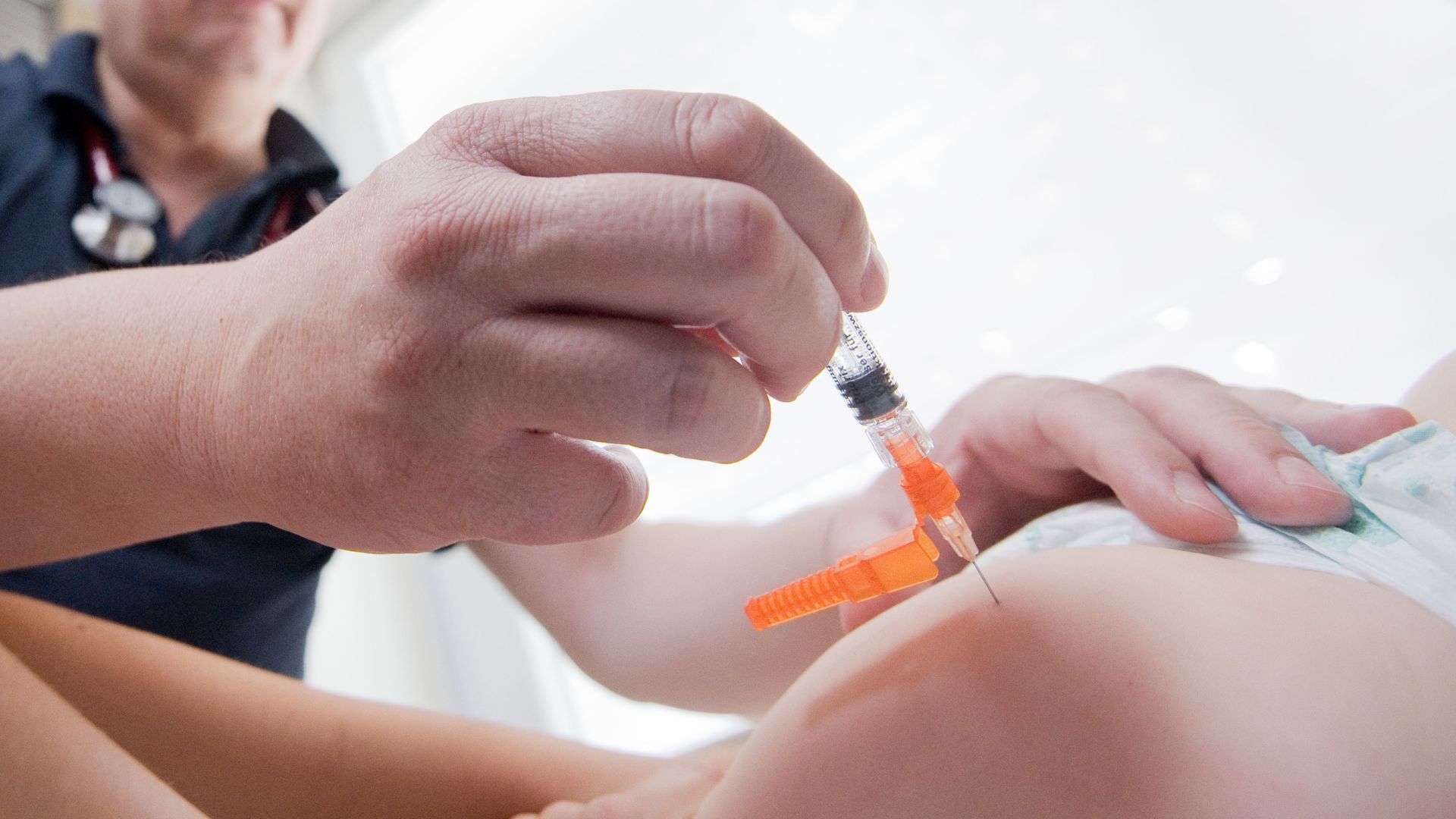
The U.S. is still grappling with old diseases like measles — as well as enduring problems like addiction and heart disease — even as it tries to combat new threats like the coronavirus, the Washington Post reports with Kaiser Health News.
Why it matters: While we race for new treatments in the wake of new threats, we're also beset by plenty of problems we know how to solve. Declining vaccination rates, for example, are allowing once-vanquished diseases to come roaring back, and holes in addiction treatment keep people at risk.
Legal and financial troubles continue to mount for two prominent opioid manufacturers.
The big picture: The prospect of multibillion-dollar settlements — which are still a long way from being hashed out — is bringing painkiller companies that were once immensely wealthy to their knees.
A man in Miami went to the hospital to receive a test for the coronavirus after developing flu-like symptoms, only to receive the news that he didn't have it — and a $3,270 medical bill, the Miami Herald reports.
Why it matters: The man had just returned from a work trip to China, so took his symptoms more seriously than normal, which is exactly what public health experts want people to do.
The spread of the novel coronavirus outbreak is being matched, or even outrun, by the spread on social media of both unintentional misinformation about it and vociferous campaigns of malicious disinformation, experts tell Axios.
Why it matters: The tide of bad information is undermining trust in governments, global health organizations, nonprofits and scientists — the very institutions that many believe are needed to organize a global response to what may be turning into a pandemic.
Addiction treatment in the U.S. is critically necessary yet deeply flawed.
The big picture: Drug overdoses kill tens of thousands of Americans a year, but treatment is often inaccessible. The industry is also riddled with subpar care and, in some cases, fraud.
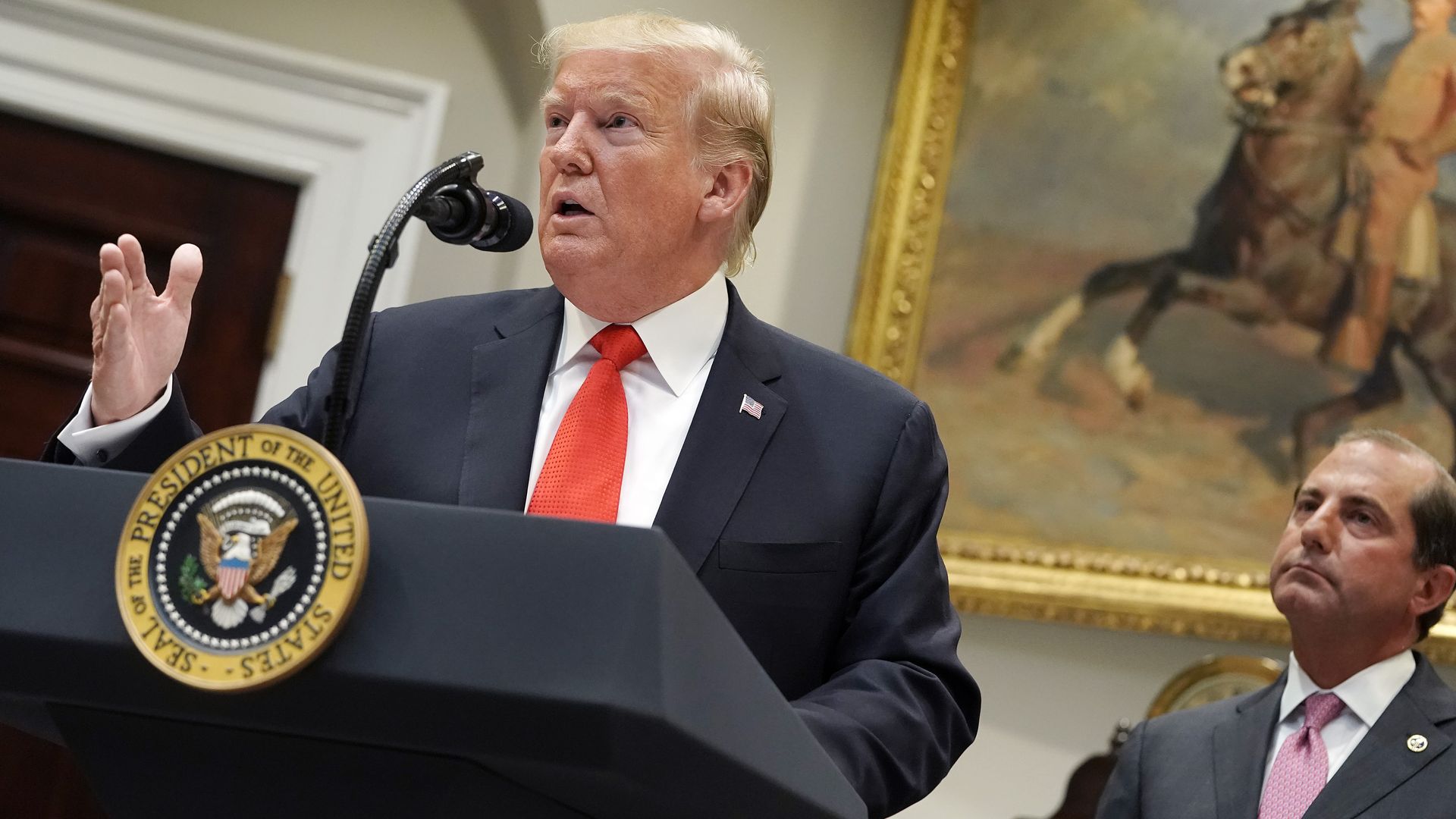
The Trump administration sent a letter to Congress Monday requesting a funding commitment of at least $2.5 billion to help combat the spread of the novel coronavirus.
Details: The request for the Department of Health and Human Services includes $1.25 billion in new funds to fight COVID-19 and the transfer of $535 million from untouched funds for the Ebola virus.