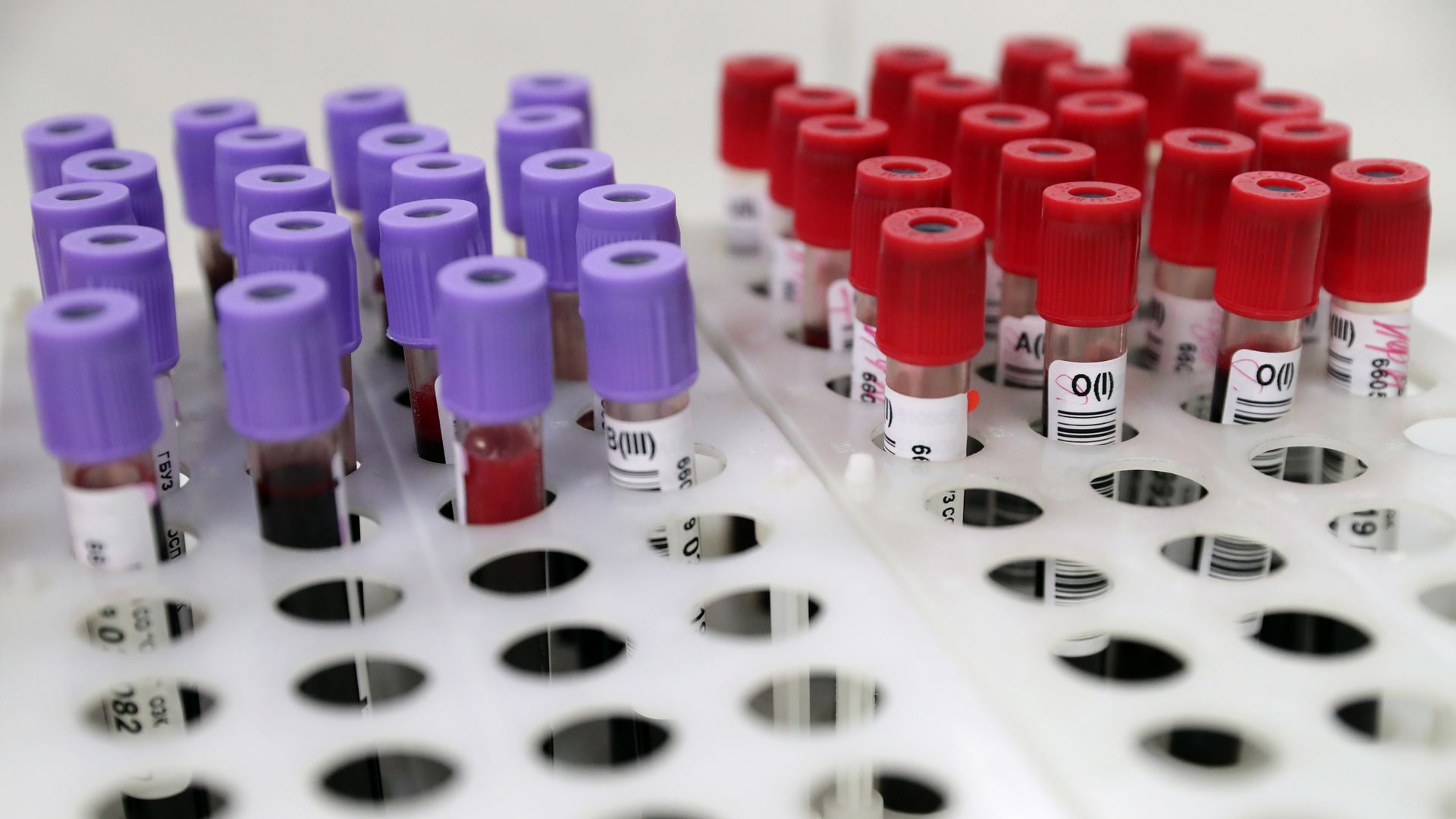
The vaccine that the National Institute of Allergy and Infectious Diseases (NIAID) and drugmaker Moderna have been developing to combat the coronavirus is ready to be tested on humans, NIAID director Anthony Fauci told the Wall Street Journal.
The state of play: The rapidly developed vaccine will be tested on 20–25 healthy volunteers in April to determine whether two doses will be safe and generate an immune response to protect against infection. Results will be available in July or August, Fauci told WSJ.
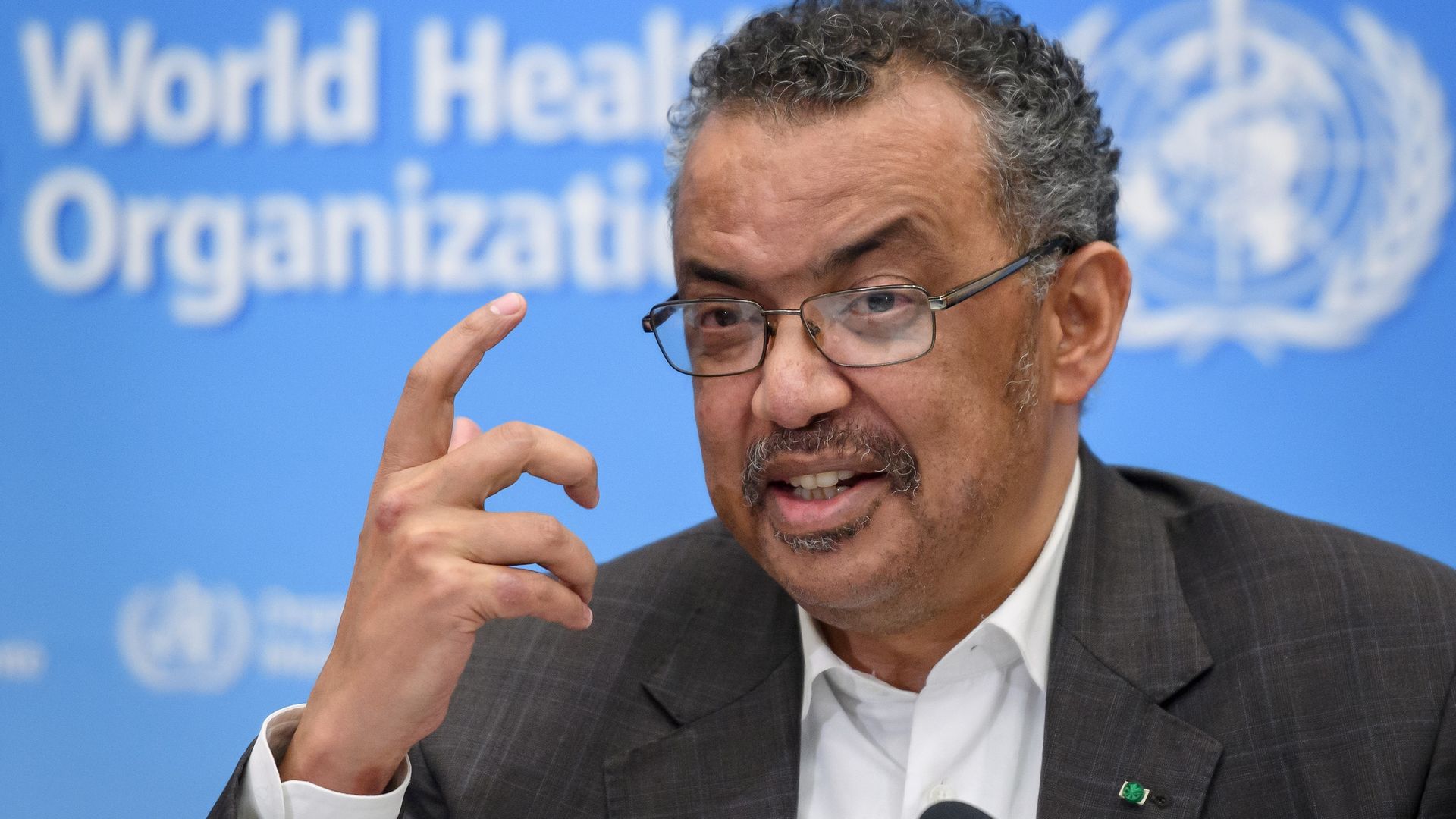
The World Health Organization will not yet call the coronavirus a pandemic, claiming that needs across affected countries are too varied and the classification would increase fear, director-general Tedros Adhanom Ghebreyesus said during a briefing Monday.
Context: WHO considers the classification of a global pandemic when epidemics occur in several countries at once. However, there's no clear threshold for the number of cases that meet the definition of an epidemic, with the CDC defining it as "an increase, often sudden, in the number of cases of a disease above what is normally expected in that population in that area."
Insurer-owned clinics are increasingly competing with hospitals and physicians for patients, the Wall Street Journal reports.
The big picture: Doctor groups and hospitals have invested heavily in purchasing physician practices, and are worried about insurers steering patients toward their own clinics.
It's unclear whether the rapid spread of the novel coronavirus will actually result in prescription drug shortages, but it has undoubtedly highlighted the potential vulnerabilities of having the supply chain for American drugs so dependent on China.
Driving the news: About 150 prescription drugs — including antibiotics, generics and some branded drugs without alternatives — are at risk of shortage if the coronavirus outbreak in China worsens, per two sources familiar with a list of at-risk drugs compiled by the Food and Drug Administration.
Karius, a startup that tests for and identifies infectious diseases, has raised $165 million in a new funding round led by SoftBank's Vision Fund 2.
The big picture: Diagnosing infections is difficult and time-consuming, but Karius says its sequencing test makes the process easier and quicker because everything can be done from standard blood draws.
Republican voters have moved on from the Affordable Care Act, shifting their focus and opposition instead toward Medicare for All.
By the numbers: In our latest Kaiser Family Foundation tracking poll, 19% of registered Republicans said opposition to Medicare for All is their top health care issue, compared to just 3% who said the same for opposition to the ACA.
About 150 prescription drugs — including antibiotics, generics and some branded drugs without alternatives — are at risk of shortage if the coronavirus outbreak in China worsens, according to two sources familiar with a list of at-risk drugs compiled by the Food and Drug Administration.
Why it matters: China is a huge supplier of the ingredients used to make drugs that are sold in the U.S. If the virus decreases China's production capability, Americans who rely on the drugs made from these ingredients could be in trouble.
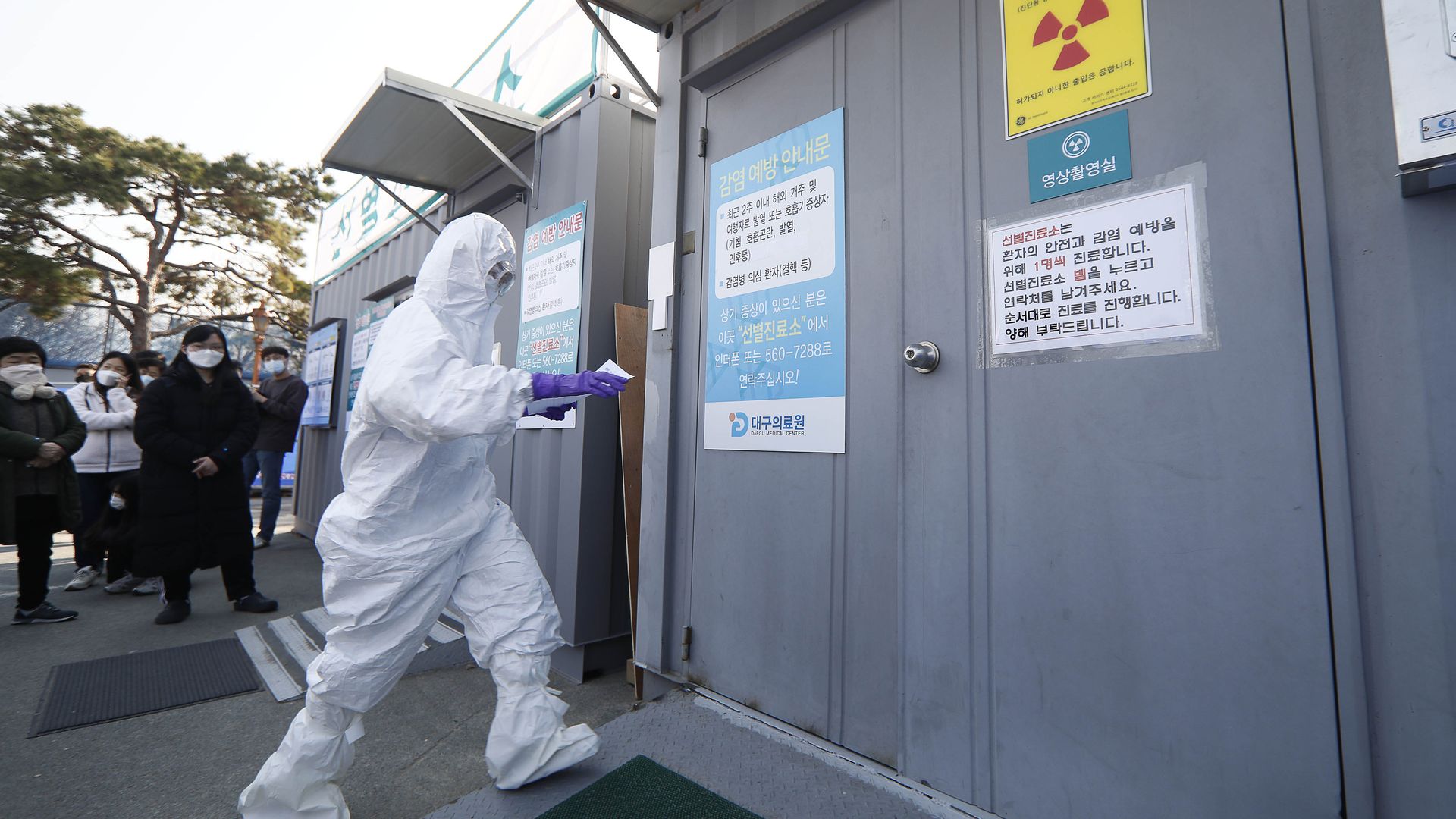
South Korean President Moon Jae-in raised the country's infectious disease alert level on Sunday to red, the highest possible, the New York Times reports, as the number of cases in the country jumped to 602 and the death toll to six.
Why it matters: South Korea now has more cases of COVID-19 than any country outside mainland China and only 32 fewer than the Diamond Princess cruise ship, the latest figures show.