A patient in Washington state has died after contracting the novel coronavirus, state health officials told reporters in call with the CDC on Saturday.
The latest: Dr. Jeffrey Duchin, public health officer for Seattle and King County, said the deceased patient was "a man in his 50s who had underlying health conditions." State officials reported two new patients who are presumed to have contracted the coronavirus: a 70-year-old woman who is a resident of a long-term care facility and a 40-year-old female health care worker from the same facility with no known travel outside of the U.S.
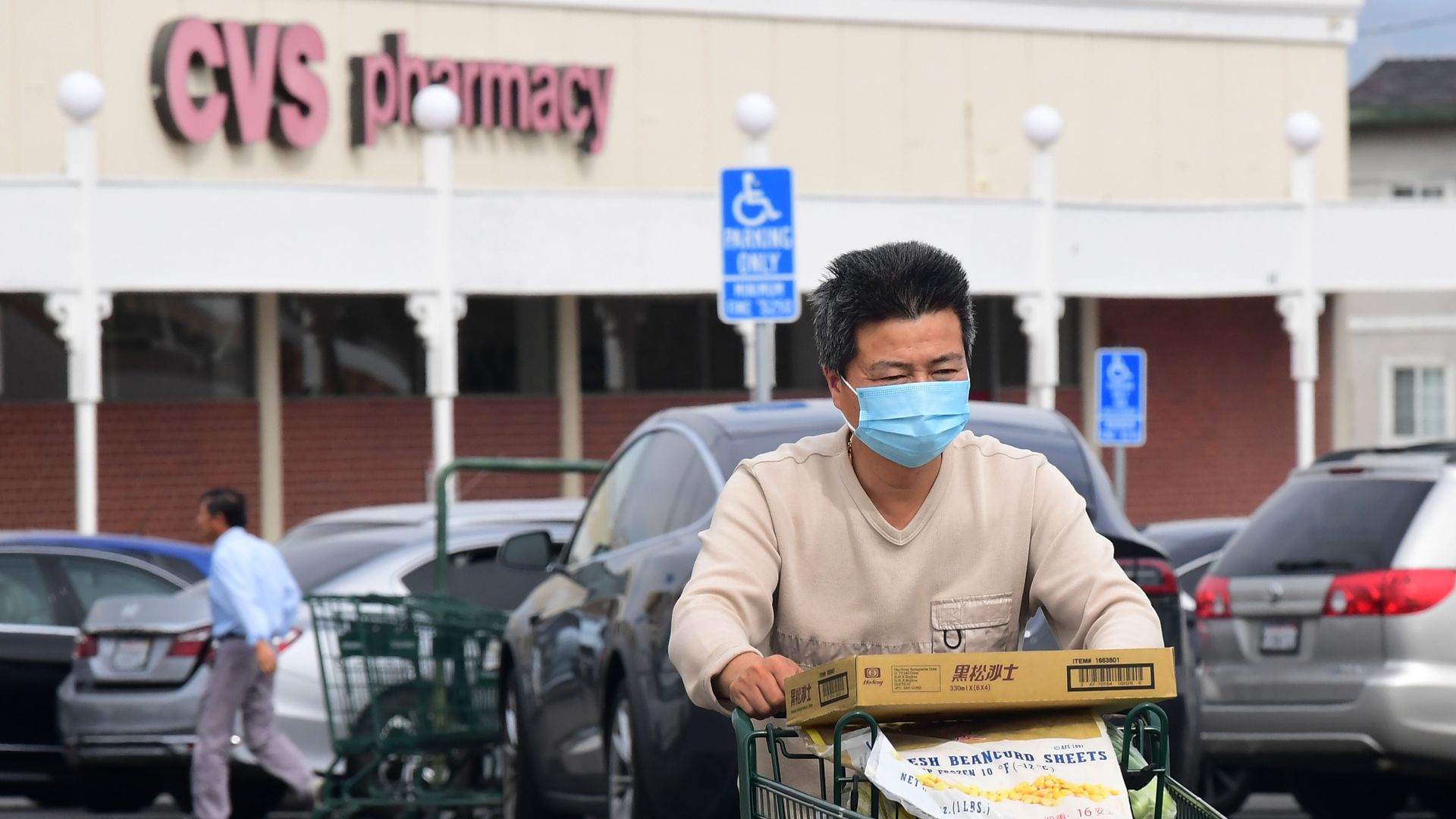
As more people are buying out Clorox wipes, sprays and bleach, CVS is handling temporary shortages of hand sanitizer and fitted N95 face masks that began earlier this month, CVS spokesperson Joe Goode told Axios.
Driving the news: Health officials in California, Oregon and Washington announced Friday that four patients are presumed to have the novel coronavirus. Three of them were infected by unknown means, per the CDC, while the fourth case is likely travel related.
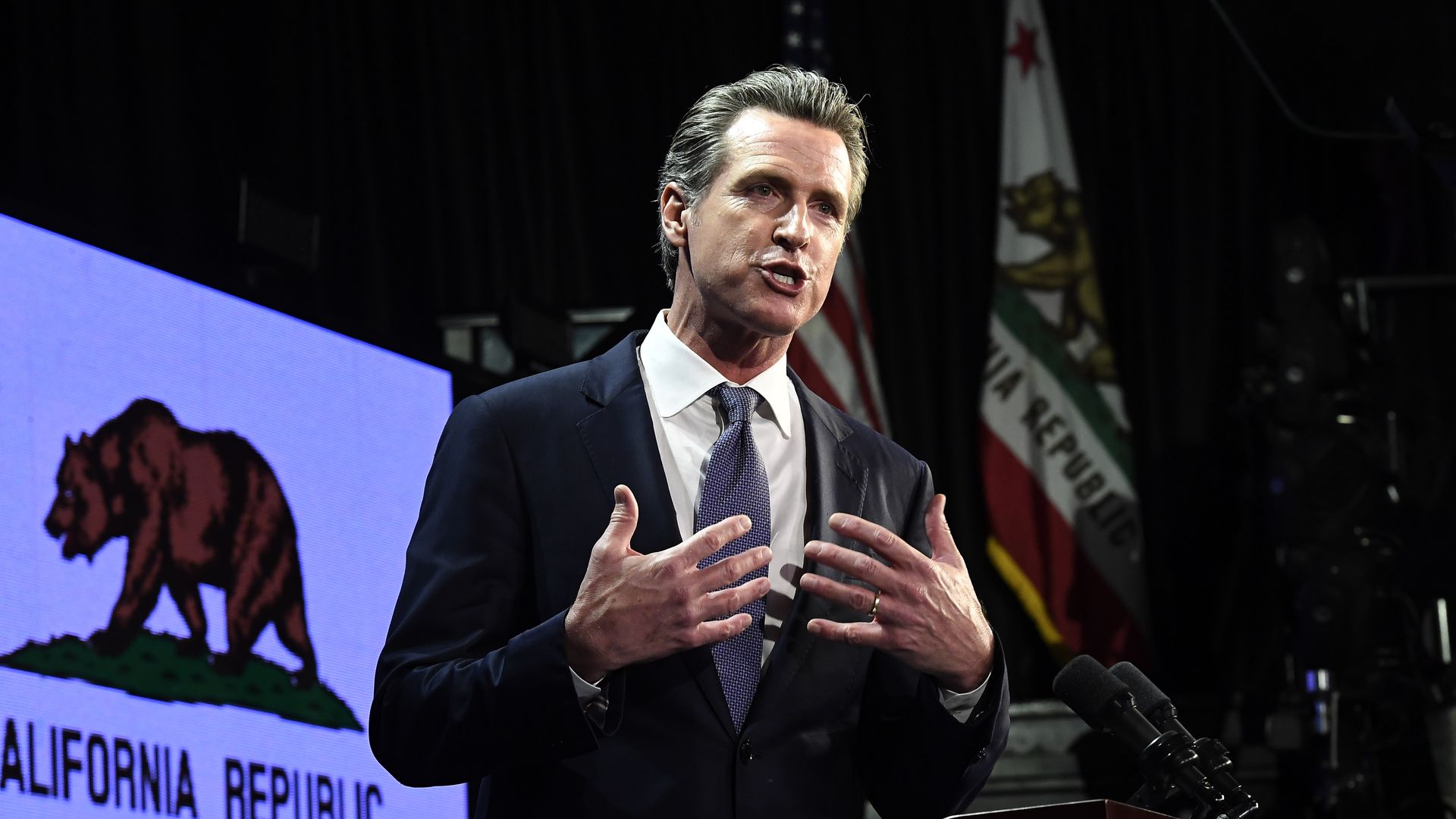
A new case of the novel coronavirus in California was announced on Friday after Gov. Gavin Newsom said Thursday that 33 people had tested positive for the virus, noting the risk to the public remains low.
What's new: An adult woman with chronic health conditions in Santa Clara County who "did not recently travel overseas" or come into contact with anyone known to be ill was confirmed to have contracted the coronavirus on Friday by CDC and California Department of Public Health officials.
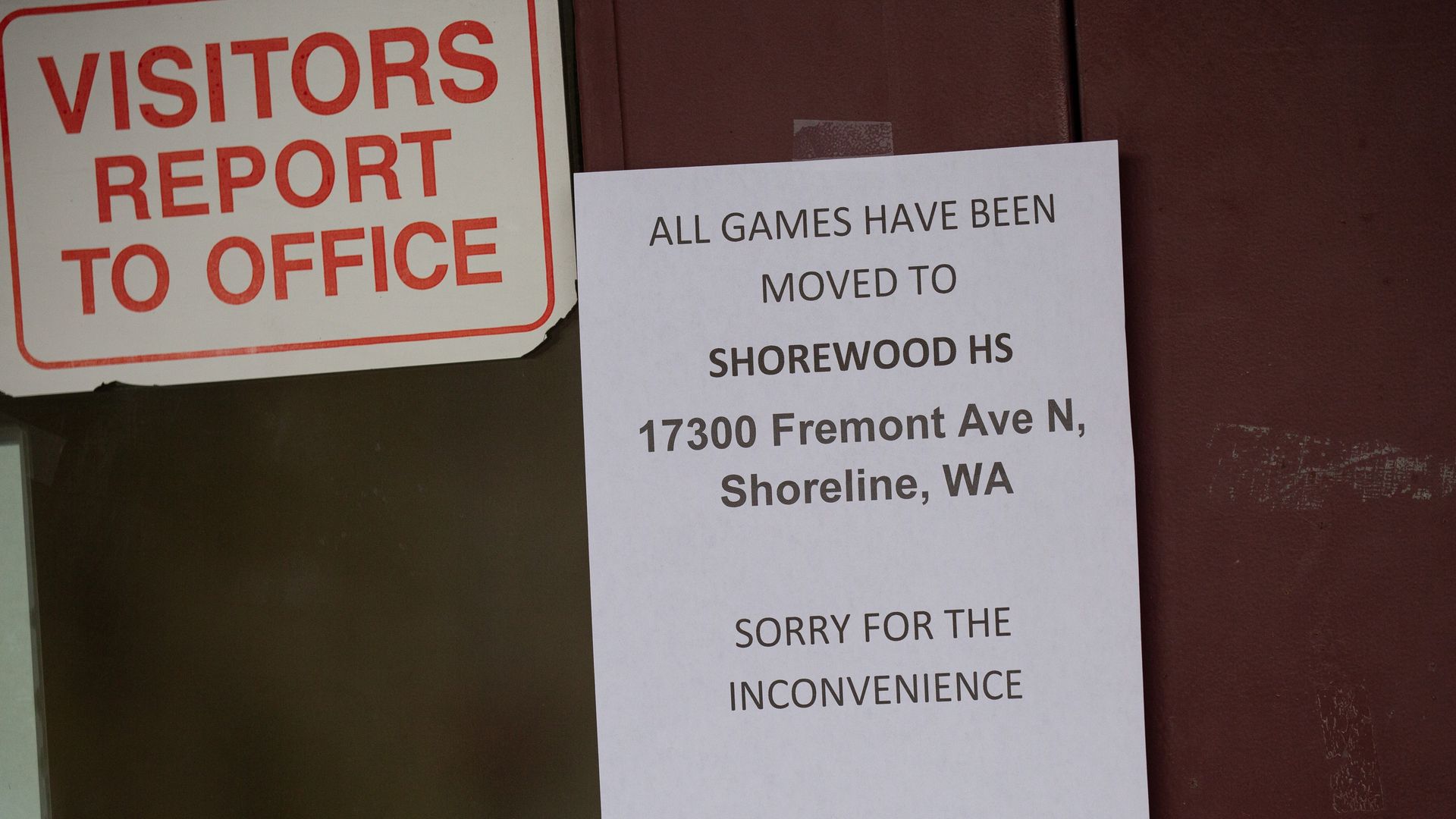
Next month's Game Developers Conference in San Francisco became the latest tech event to be cancelled or postponed amid growing concerns over the spread of the novel coronavirus.
The big picture: A growing number of events are being scrapped, including Mobile World Congress and Facebook's F8 developer conference. Some, like the giant SXSW event in Austin, insist they are moving forward.
Many travelers are delaying or canceling previously scheduled cruise trips, AP reports, as some ships are turned away from ports amid fear of the global coronavirus outbreak.
Context: Two elderly passengers among hundreds quarantined on the Diamond Princess cruise ship died after testing positive for the novel coronavirus, Japan's health ministry reported last week. All guests disembarked the ship on Thursday after being quarantined for weeks, the cruise line said, but roughly 500 employees remained on board as of Thursday.
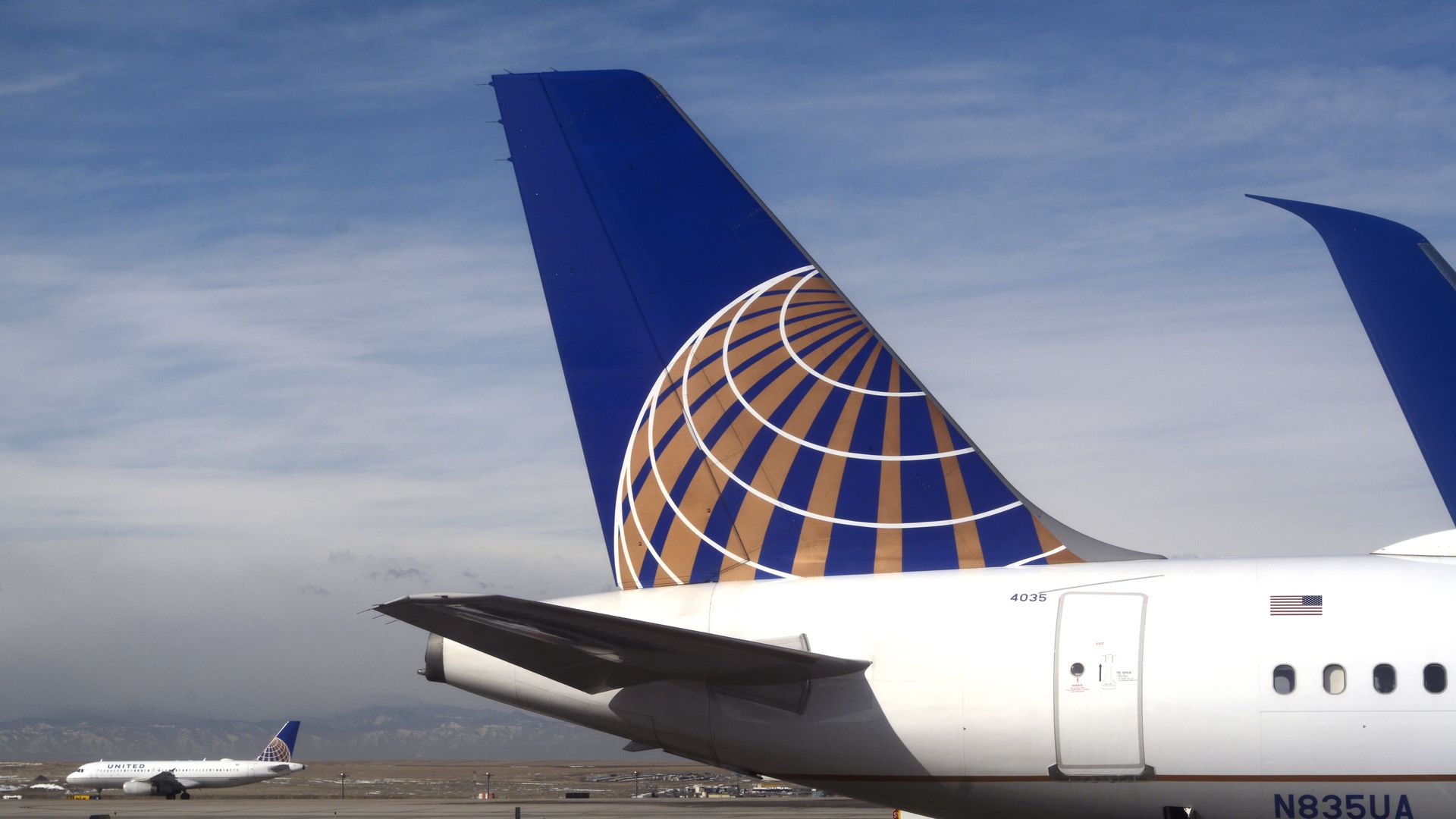
United Airlines announced Friday it has cancelled its flights to Japan until the end of April, as more countries experience community-wide spread of the coronavirus.
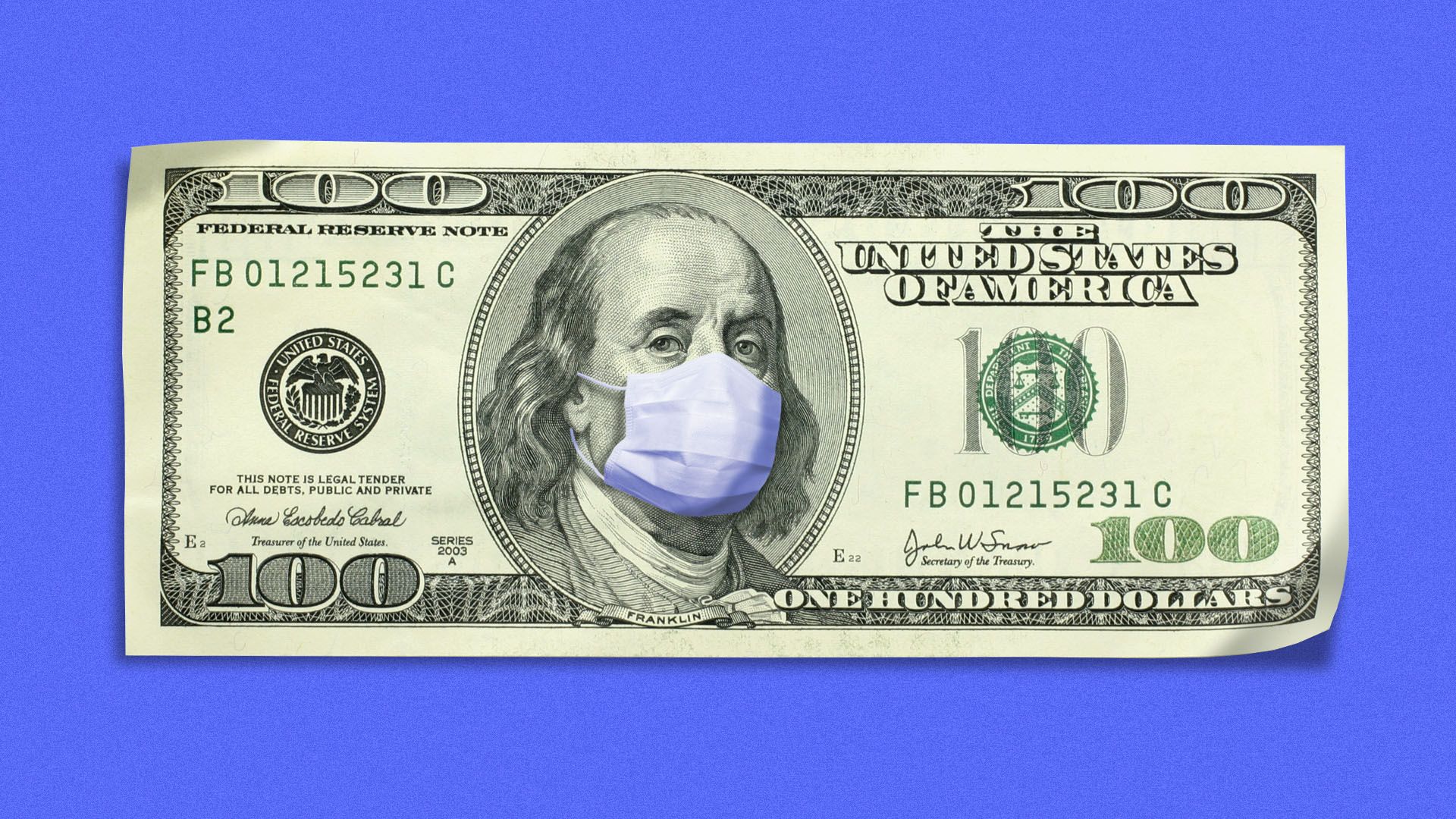
The big picture: Estimates show the virus could cost the travel industry $46.6 billion per month, according to a survey released this week by Global Business Travel Association, the Washington Post reports.
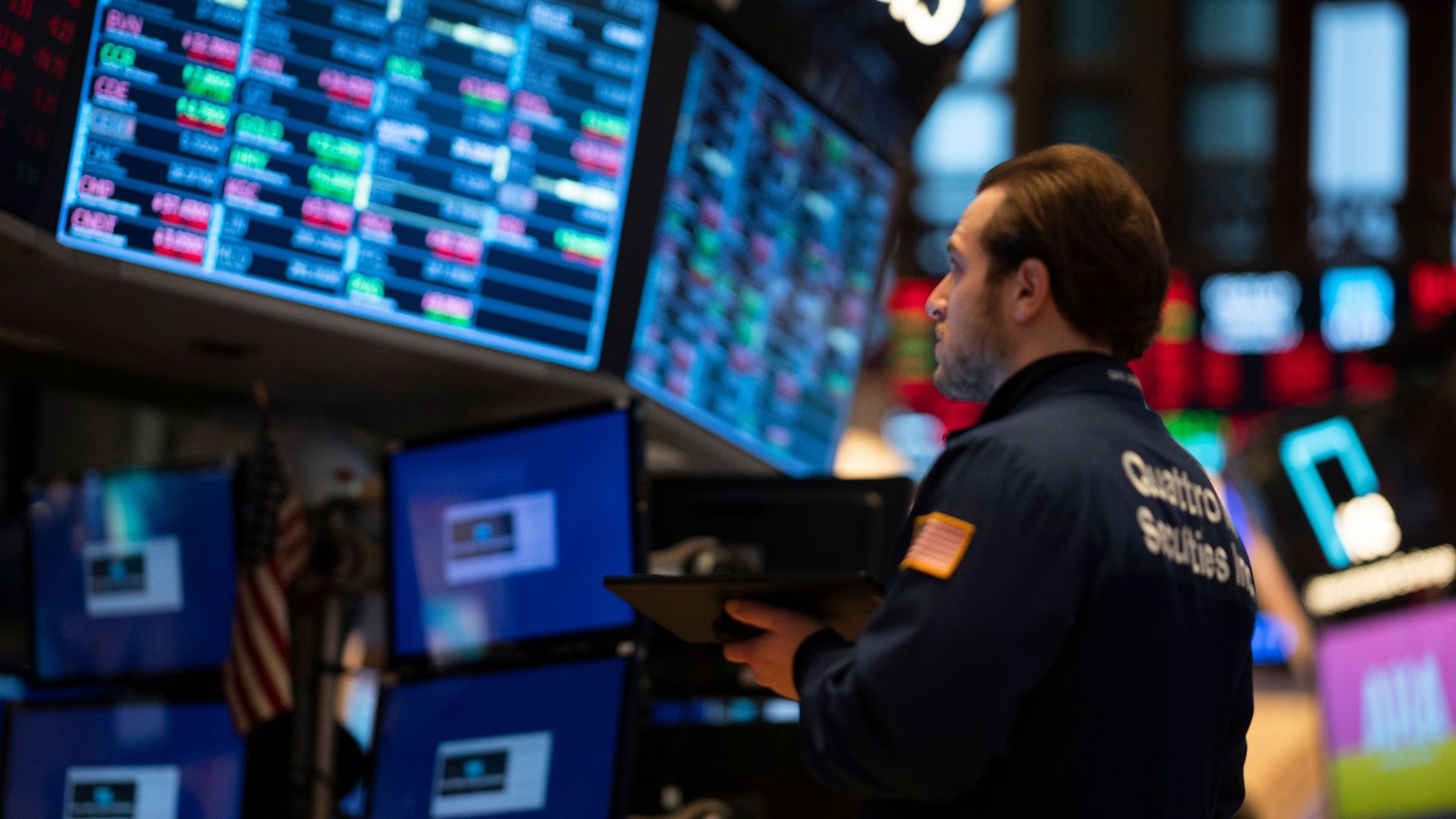
The stock markets are in bad shape, but for the millions of Americans who aren’t invested in stocks, coronavirus is presenting a far more imminent concern.
Why it matters: Quarantines usually work with at least 90% participation, but many Americans lack the flexibility to work remotely, take a sick day or absorb having schools close.
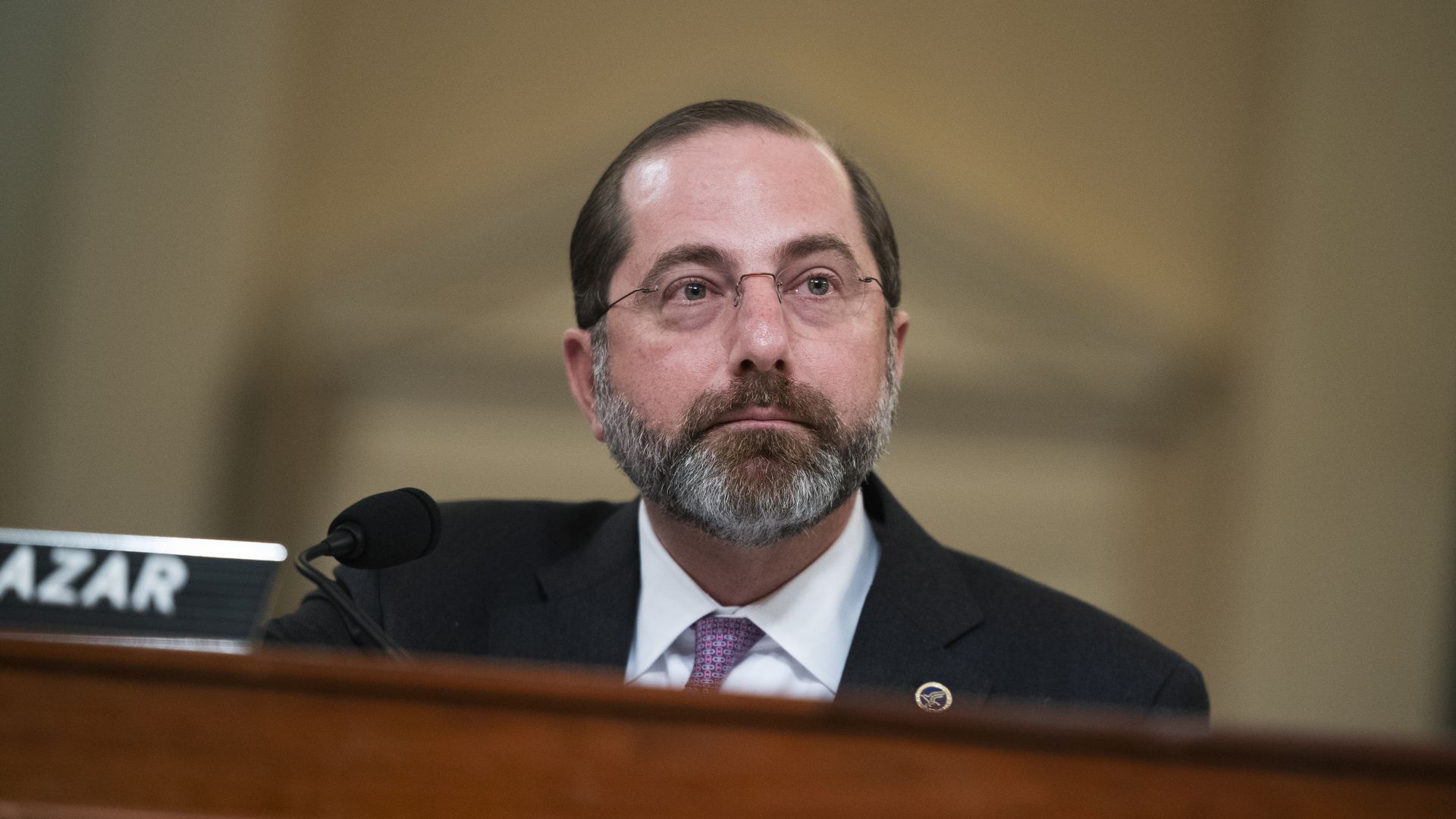
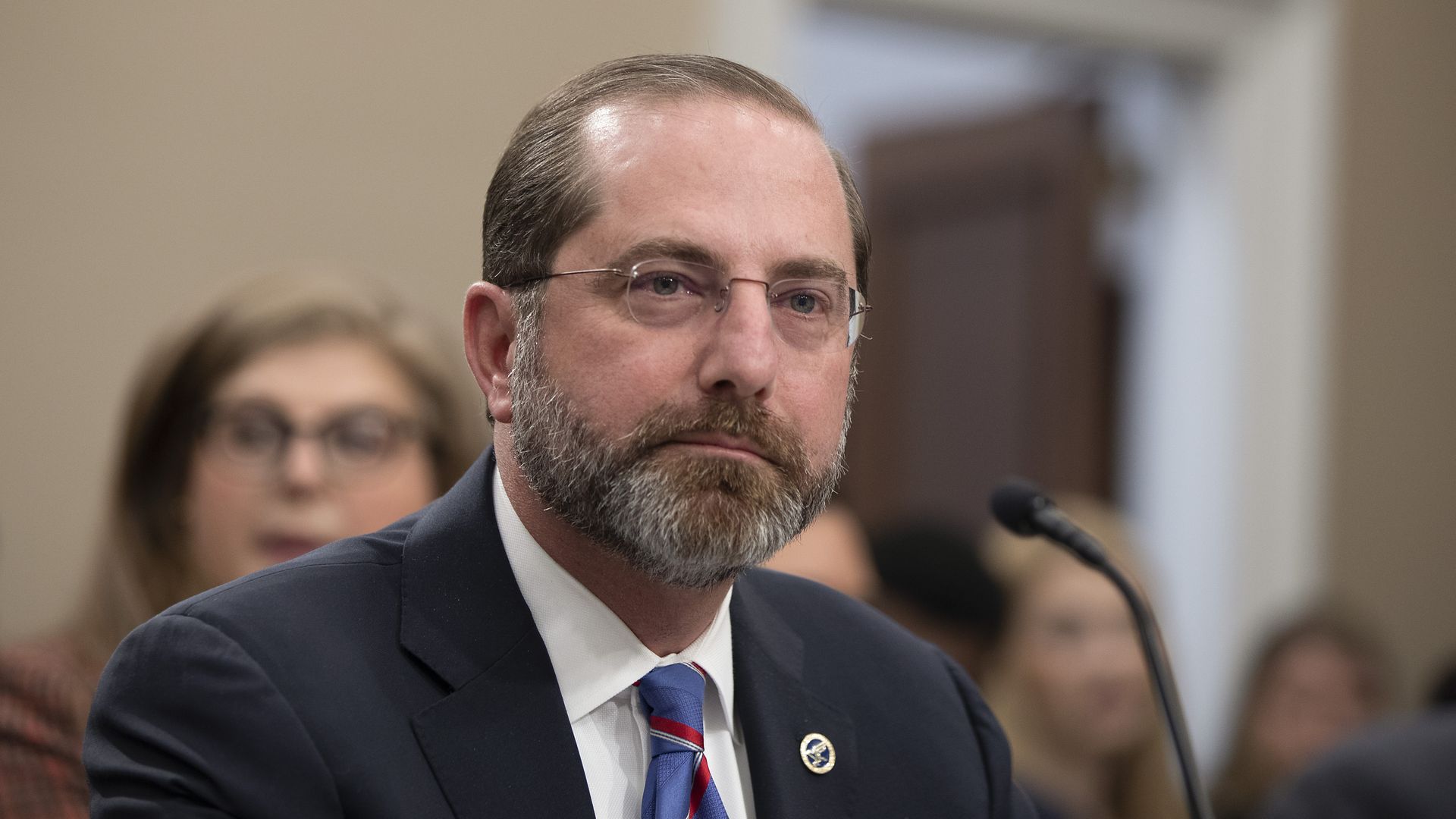
Sen. Ron Wyden, the ranking member on the Senate Finance Committee, told Health and Human Services Secretary Alex Azar on Friday that he was alarmed by a whistleblower's recent allegations that federal personnel received U.S. evacuees from the coronavirus outbreak in China without adequate protective gear or training.
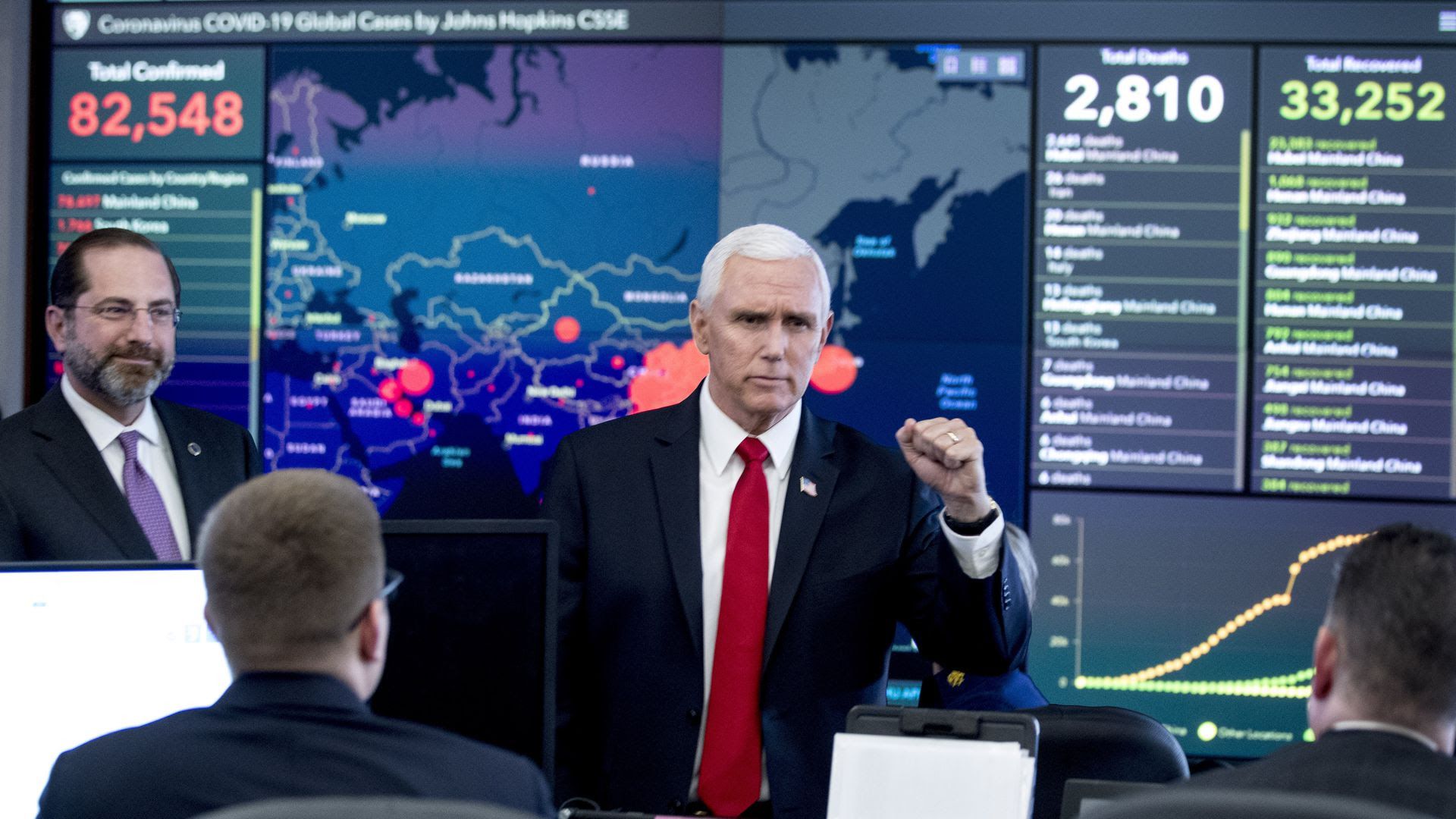
Driving the news: Vice President Mike Pence replaced Azar as the administration's point person for handling the coronavirus this week.
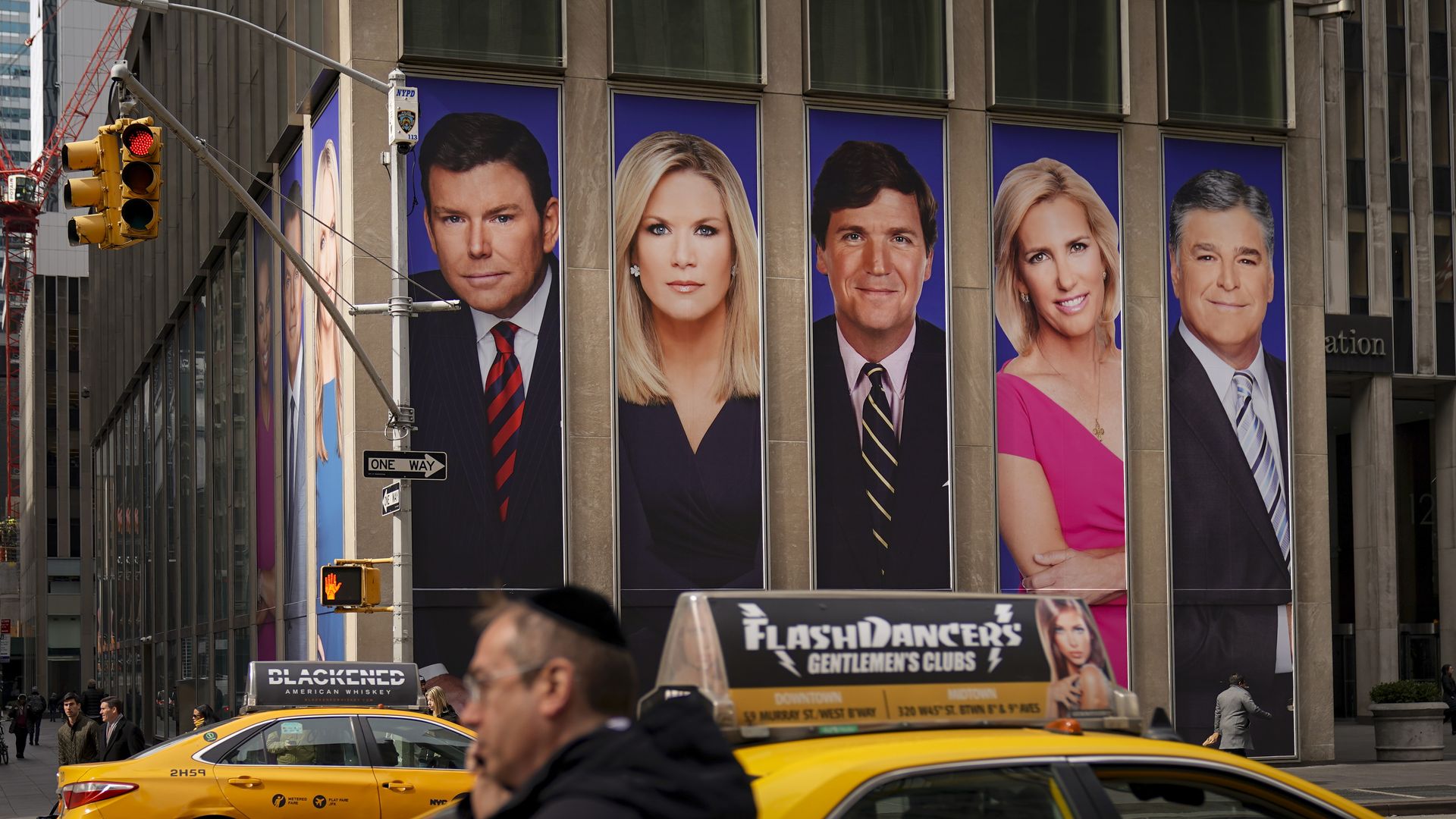
Several conservative pundits and commentators have focused their coronavirus narratives on "evidence of bias designed to harm President Trump," the Washington Post reports.
Why it matters: Attacks from conservative media commentators could "undermine sources of reliable information at a time when such information is vital." Trump is known to listen to such pundits, and has already tweeted that the news media and Democrats are "doing everything possible to make the Caronavirus look as bad as possible."
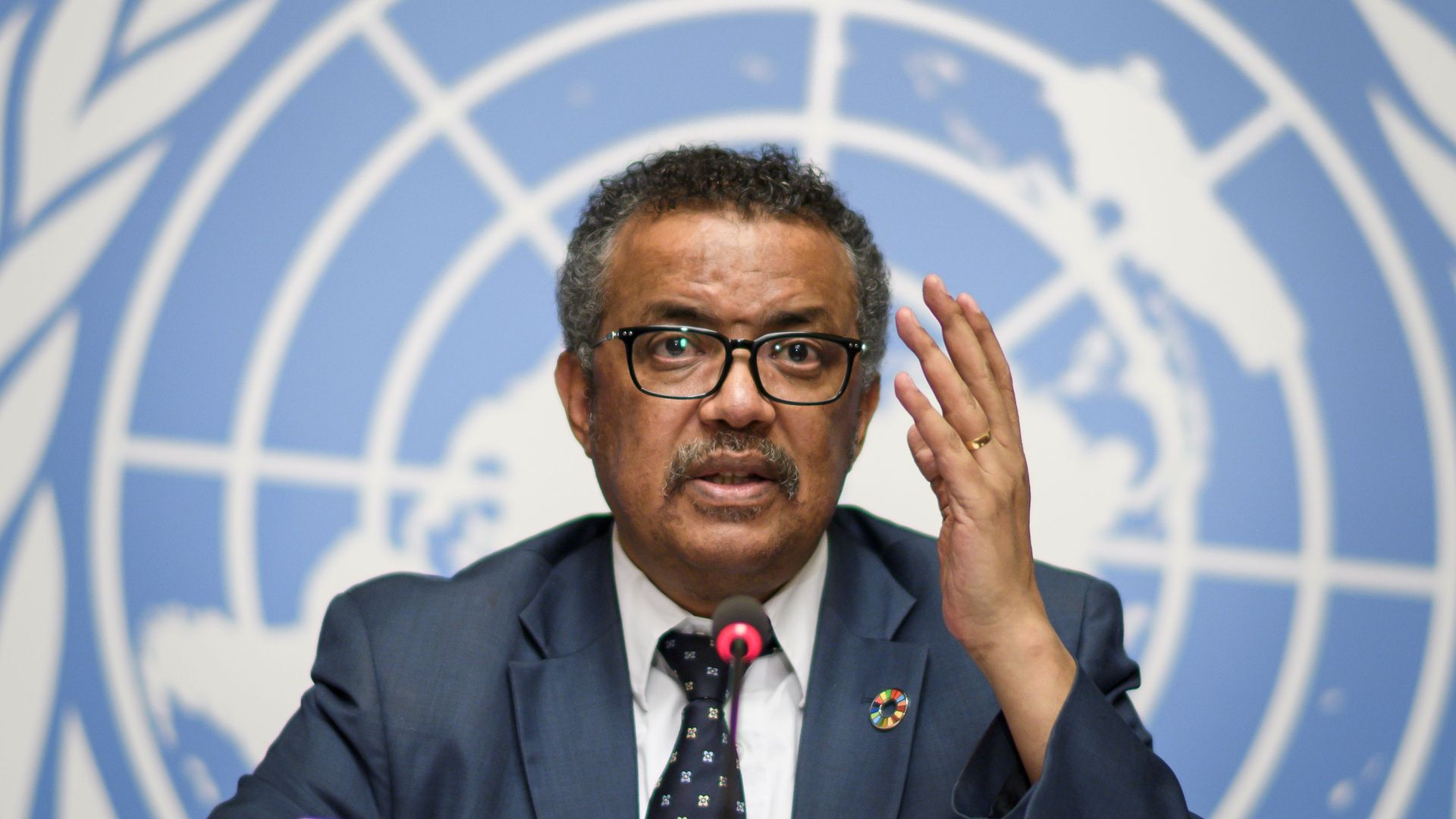
The World Health Organization raised its global risk assessment for the novel coronavirus to "very high" Friday, its highest risk level as countries struggle with containing spread of the virus.
The big picture: This week, director-general Tedros Adhanom Ghebreyesus emphasized how countries' responses can make or break the chances of preventing more cases. Today, he said the alert "is a reality check for every government. ... The window of opportunity is closing. Wake up."
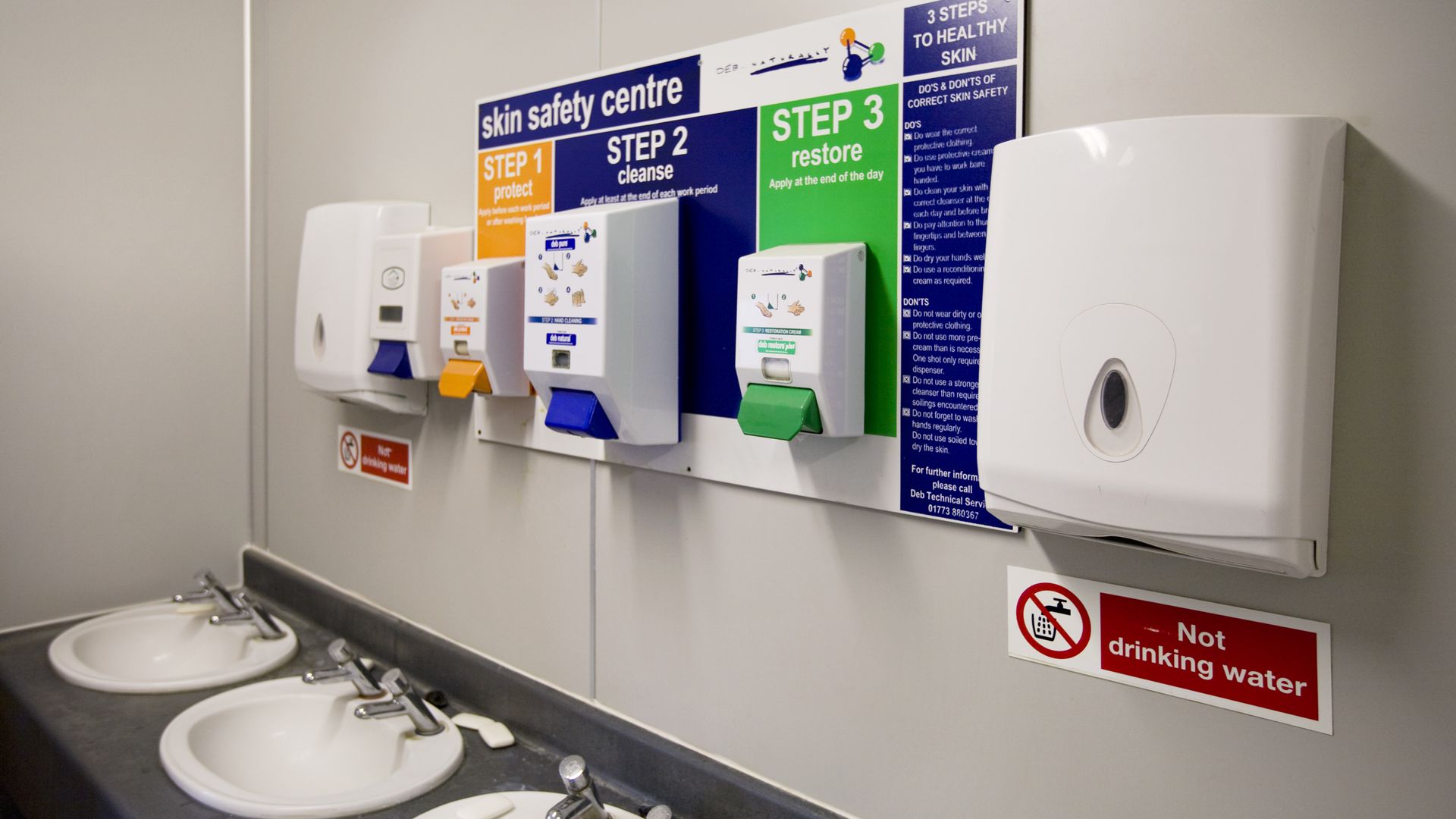
Washing your hands is the best way to protect against the novel coronavirus, according to doctors and health officials, as the virus continues to spread around the globe.
Why it matters: Frequent hand washing can stop germs from spreading in a community, a known preventative for COVID-19 and influenza.
Guggenheim Partners global CIO Scott Minerd tells Axios the fallout from the coronavirus outbreak could be "worse than the financial crisis."
Why it matters: Minerd called out the "cognitive dissonance" in markets as stock prices hit new all-time highs in mid-February, saying in an open letter that he had never "seen anything as crazy as what’s going on right now."
Schools across the U.S. are canceling trips abroad, preparing online lessons and even rethinking "perfect attendance" awards as they brace for the possibility that the coronavirus spreads to their communities, AP's Collin Binkley reports.
Why it matters: If schools are forced to close for long stretches, it could have a heavy impact on students who rely on school meals and for parents who use their schools' child care programs.
We're failing to address seniors' social isolation, a serious public health threat, according to a new report by the National Academies of Sciences, Engineering and Medicine.
Details: The report concluded that almost a quarter of Americans 65 and older who live in community settings have few relationships or infrequent social contact, the Wall Street Journal reports.
State health agencies already had enough problems, and now they face the prospect of the coronavirus — which would further stretch their limited resources, Politico reports.
Between the lines: State and local health departments are underfunded and already trying to address a bad flu season, vaping-related illnesses and the opioid epidemic.
Fears about the coronavirus haven't shattered every stock. Look at the telehealth firm Teladoc.
Driving the news: Teladoc's stock price has soared 19% this week and is now valued at almost $10 billion, because apparently Wall Street believes we will only see doctors on our iPads or on the phone as we avoid the outside world.
A government whistleblower says the Department of Health and Human Services sent more than a dozen federal health workers to receive the first American evacuees from China amid the coronavirus outbreak without proper medical training or ample protective gear, the Washington Post first reported.
What they're saying: The whistleblower's complaint filed Wednesday alleges that employees were "not properly trained or equipped to operate in a public health emergency situation," potentially exposing them to the novel coronavirus.