Sandoz, the generic drug unit of pharmaceutical giant Novartis, has admitted that it colluded with other companies to inflate the prices of various generic drugs and is paying $195 million to resolve charges, the Department of Justice said Monday.
Why it matters: This is the largest criminal penalty in a U.S. antitrust case, and Sandoz is now the third company to admit guilt within the wide-ranging scheme to fix prices of generic drugs. Sandoz's admission implicates more generic drugmakers.
The New York Times said in a government filing Monday that it expects global advertising revenue to be down this quarter due to corporate uncertainty related to the coronavirus. The news caused shares of other media publishers to dip.
Why it matters: It's the latest example of ways that the coronavirus is impacting business and the economy more broadly. Uncertainty in marketing around retail and consumer packaged goods, which are often linked to Chinese supply chains, as well as travel and entertainment, is hitting the advertising sector particularly hard.
British Airways announced Monday it was canceling 12 flights from London's Heathrow to New York’s JFK airport to match low demand caused by the coronavirus outbreak.
Why it matters: It's the only route in the world that rakes in more than $1 billion in revenue per year, topping the rankings of highest-earning flights by nearly $300 million more than its closest rival, according to travel firm OAG.
Cole Haan and Warner Music Group are postponing their initial public offerings, which had been scheduled to launch this week, per Reuters.
Why it matters: This reflects how coronavirus is causing deal market chaos, because of both pricing volatility and a growing aversion to in-person meetings. It also should serve as a reminder to companies like Airbnb that "open windows" aren't eternal.
More than 15,000 people have signed a Change.org petition calling for the cancellation of the upcoming SXSW festival in Austin, Texas — though organizers insist the event will go on as scheduled this month.
Why it matters: The show is a huge gathering that brings in tons of tourism revenue to the city, but also brings together people from all over the world into lots of tightly packed spaces.
OPEC and Russia are slated to meet in Vienna this week to decide whether to extend and deepen their production-cutting agreement as the novel coronavirus eats into global oil demand.
Why it matters: The economic slowdown from the spread of the virus has pushed oil prices down to their lowest levels in over a year — creating new tests for the 3-year-old OPEC+ alliance between the cartel, Russia and allied producers.
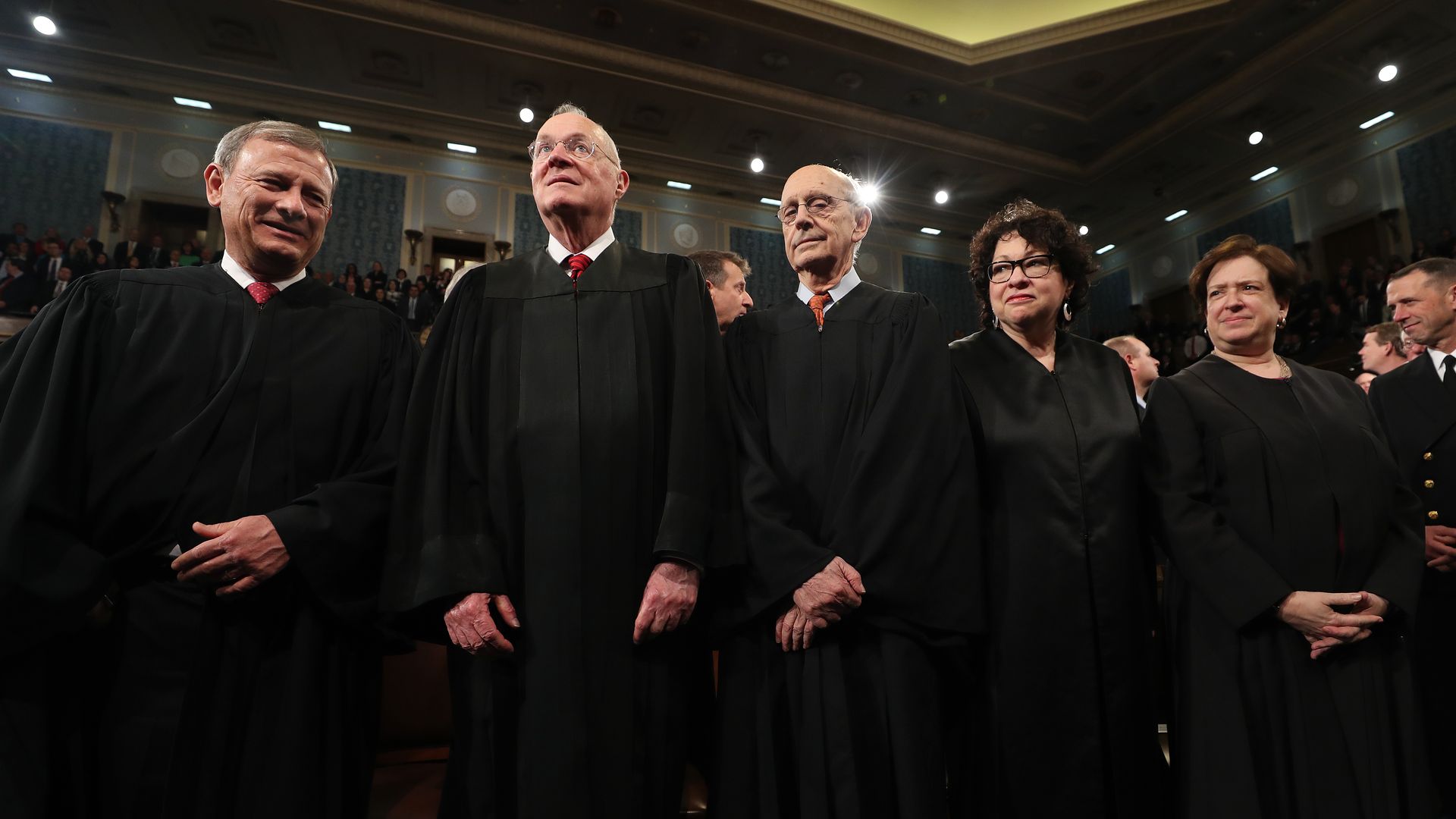
The Supreme Court announced this morning that it will hear a major case against the Affordable Care Act, meaning the health care law's fate will be on the line in the middle of the 2020 presidential election.
Why it matters: The lawsuit — which is supported by the Trump administration — argues that the entire ACA should be struck down, including its most popular provisions, like its pre-existing conditions protections.
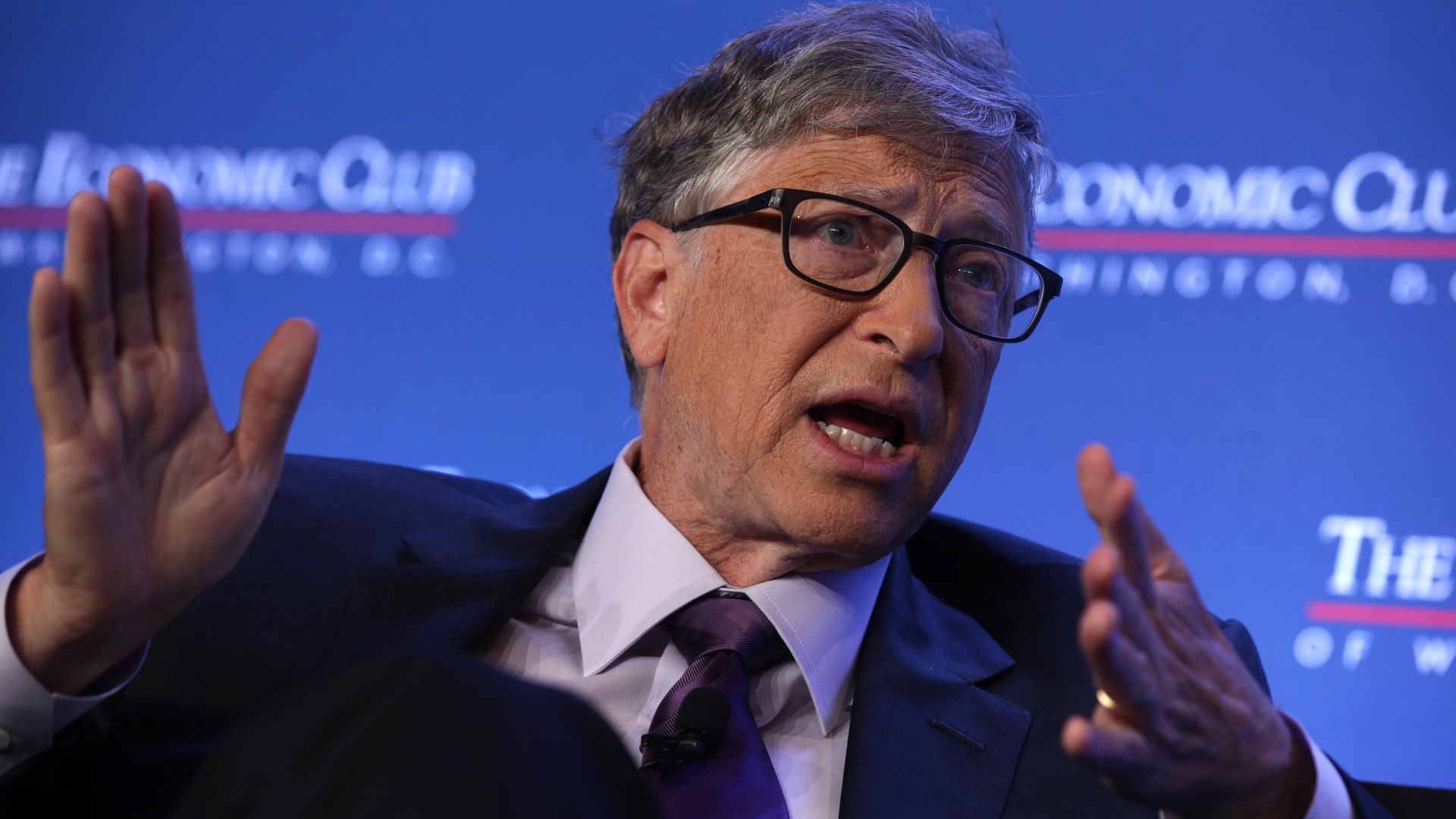
Bill Gates, who has devoted much of his life and fortune to global health, warns in The New England Journal of Medicine that the coronavirus "has started behaving a lot like the once-in-a-century pathogen we’ve been worried about."
The big picture: Gates, always an optimist, writes that in addition to responding to this crisis, "we also need to make larger systemic changes so we can respond more efficiently and effectively when the next epidemic arrives."
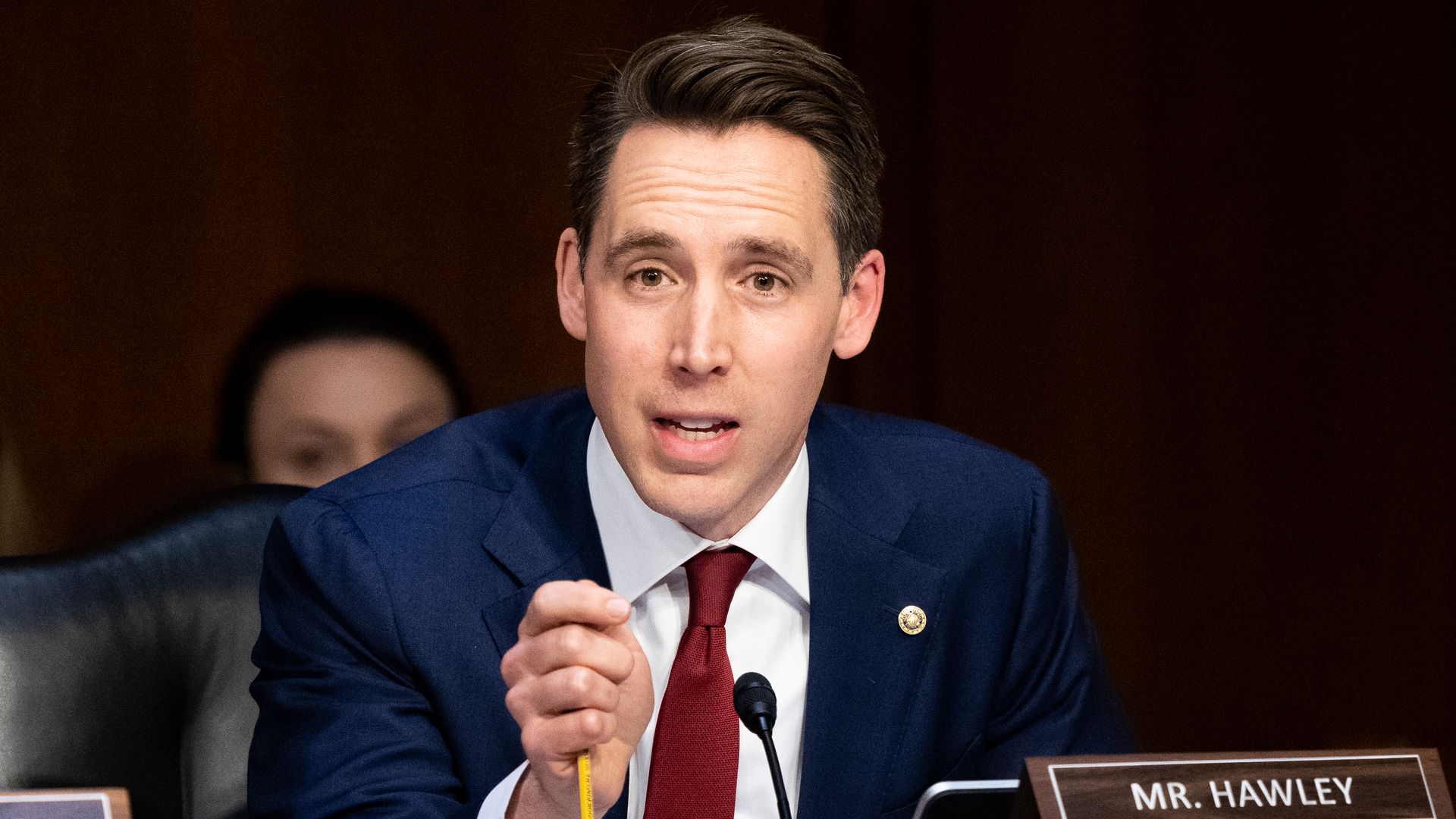
Sen. Josh Hawley (R-Mo.) is introducing legislation on Monday directing public housing officials to better track landlords who do not maintain basic living standards for tenants.
Why it matters: Renters' rights are getting more attention as the nation's affordable housing crisis worsens in nearly all communities.
Some of the largest drugmakers — including AstraZeneca, Merck and Pfizer — have said that the coronavirus outbreak could affect their supplies or sales, the Wall Street Journal reports.
Between the lines: Drug shortages can end up being incredibly serious for patients, but they're not good for business either.
The threat of the coronavirus is already exposing the holes in the U.S. health care system, particularly for low-income people and those without health insurance.
Why it matters: If affordability concerns keep people from receiving the care they need, or from staying home in order to prevent the transmission of the coronavirus, we've got an even bigger problem.
Even many supporters of Medicare for All don’t necessarily know how it would work.
The big picture: That doesn’t necessarily mean more information will turn supporters into opponents, but it shows that we’re still at an early stage in this debate, in which opinions about Medicare for All are often reflections of broader political alliances, not the details of a plan.
A second person has died in the U.S. from the novel coronavirus — and just like the first one, it's in Washington state, King County Public Health confirmed in a statement Sunday night.
The big picture: Washington Gov. Jay Inslee (D) declared a state of emergency Sunday in response to new infections in the state. Washington now has 13 cases. Several of those infected are from the Life Care Center of Kirkland nursing home. Unlike the first coronavirus death in the U.S., the man in his 70s with underlying health conditions who died on Saturday was a resident of the home. Both patients died in EvergreenHealth Medical Center in Kirkland.
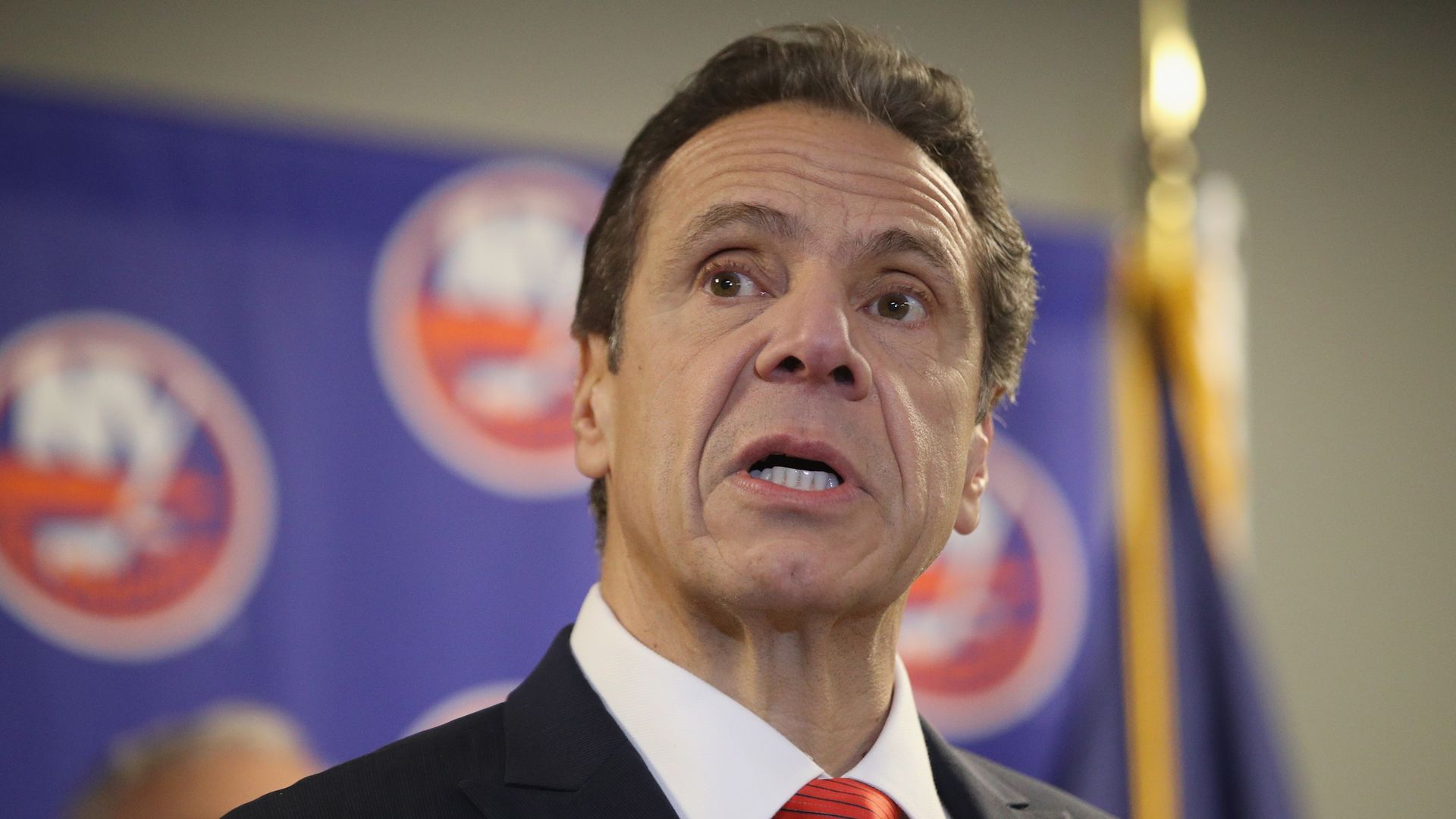
New York Gov. Andrew Cuomo said Sunday there's "no reason for undue anxiety" after a woman in her late 30s became the first in the state to test positive for the novel coronavirus.
Details: Per Cuomo, the woman contracted the virus in Iran, which has now reported nearly 1,000 COVID-19 cases. She has since been put into isolation after the Wadsworth Lab in Albany confirmed the results. "[T]he general risk remains low in New York," Cuomo said. "We are diligently managing this situation," he said.