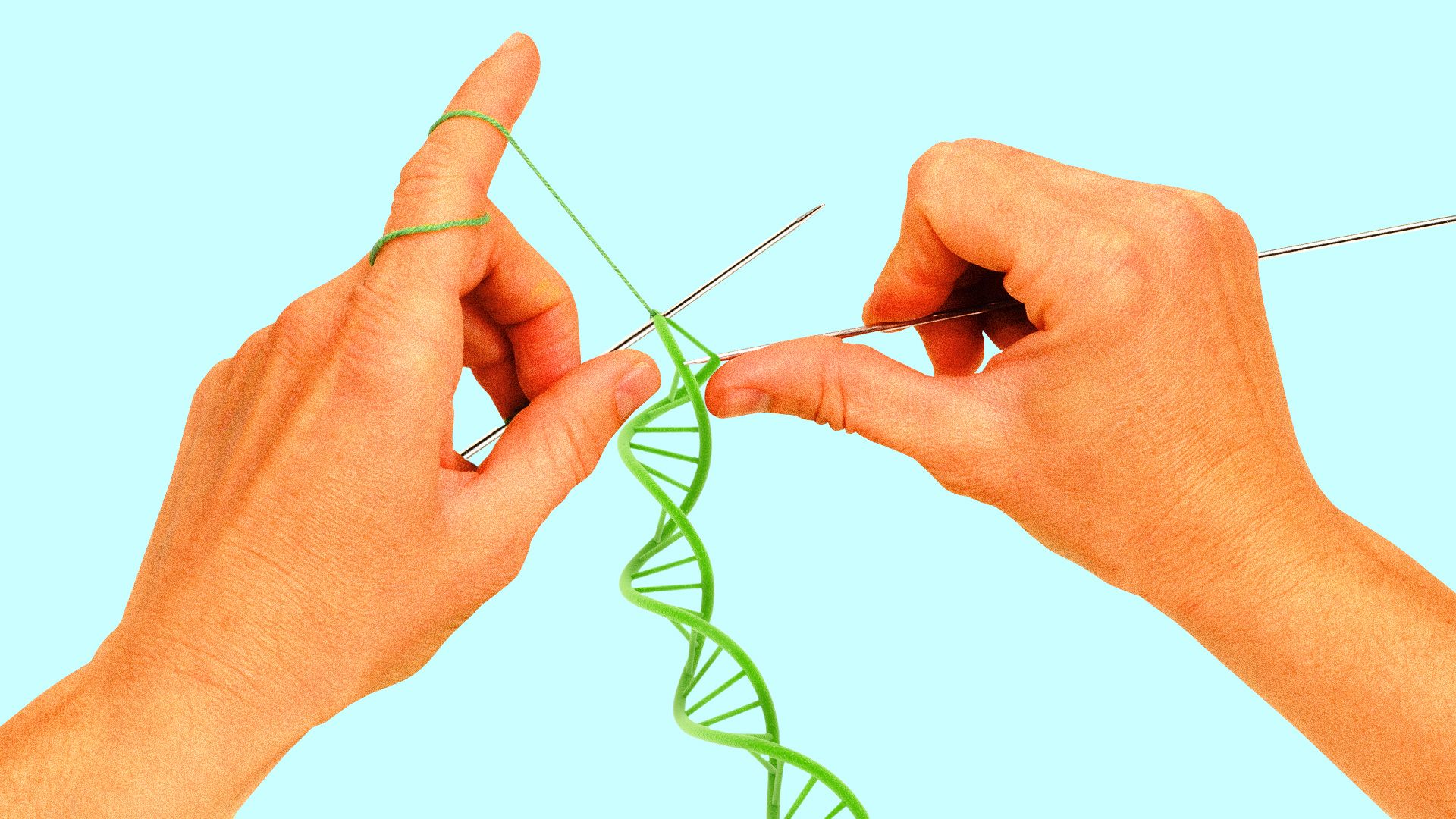
For the first time, scientists have used the gene-editing technique CRISPR inside the body of an adult patient, in an effort to cure congenital blindness.
Why it matters: CRISPR has already been used to edit cells outside a human body, which are then reinfused into the patient. But the new study could open the door to using gene editing to treat incurable conditions that involve cells that can't be removed from the body, like Huntington's disease and dementia.
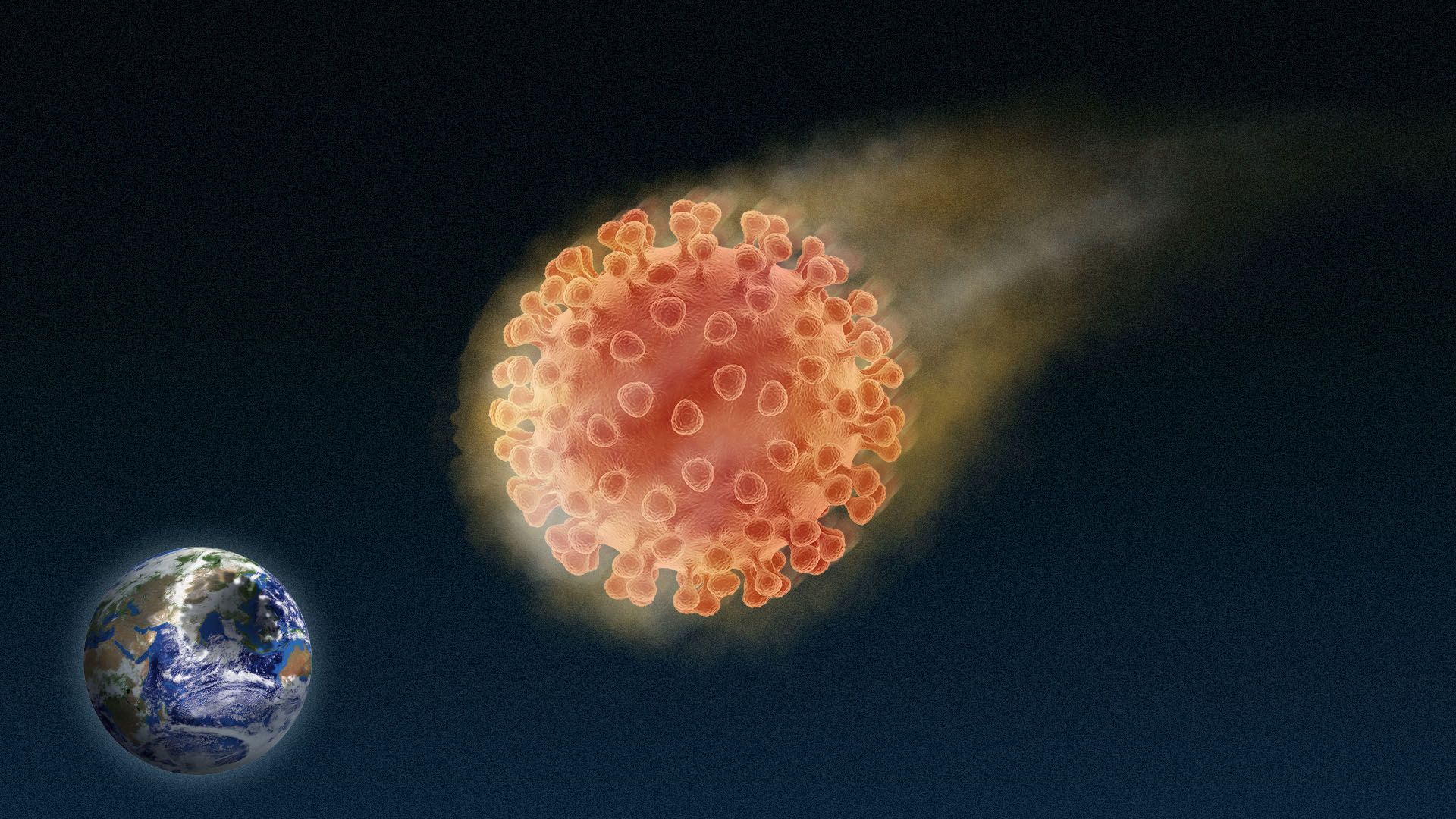
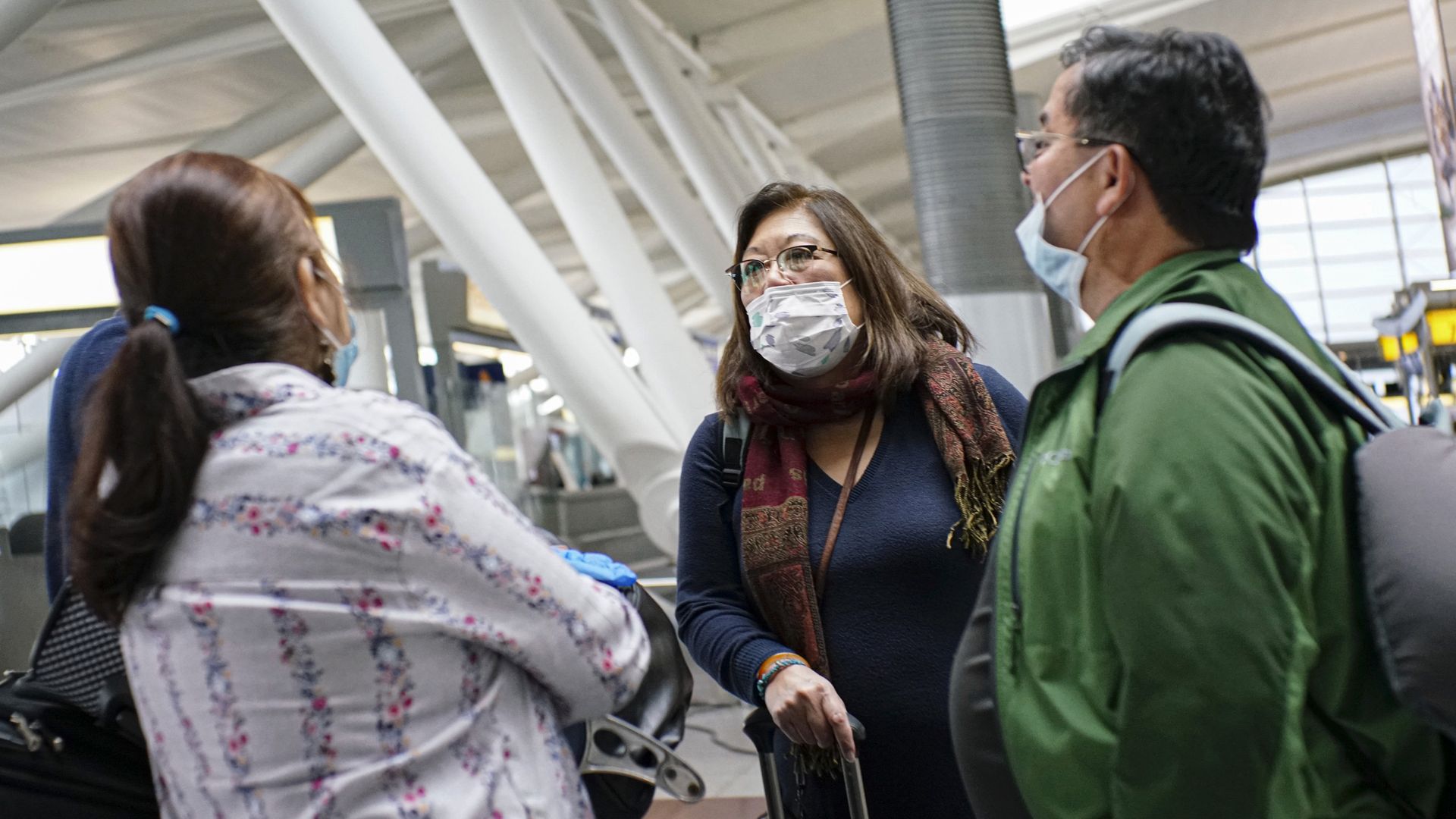
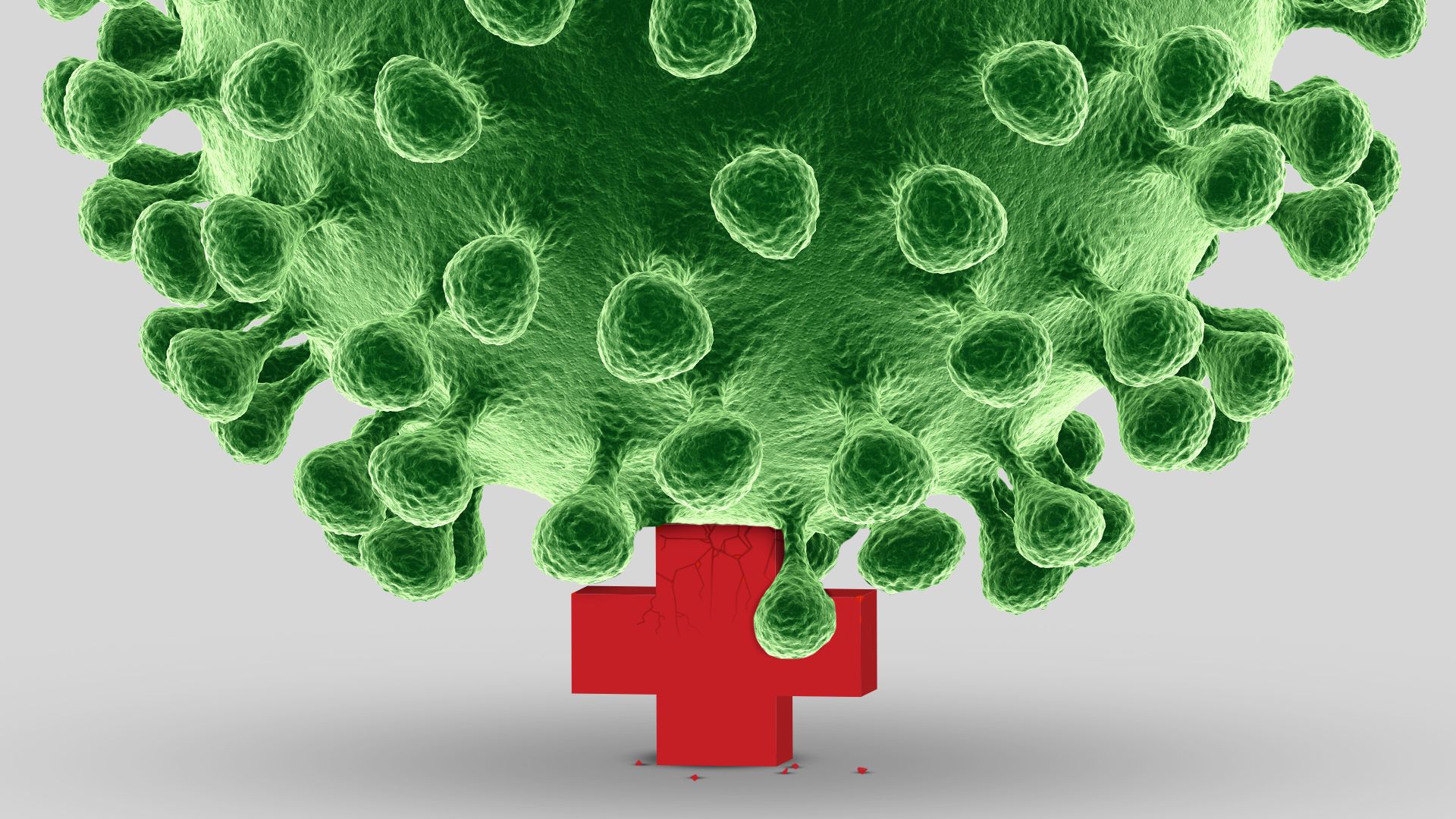
The novel coronavirus outbreak has caught the U.S. and the world off guard, and now threatens to break through all containment efforts. But far from being a surprise, the potential pandemic was utterly predictable, as scientists have long warned.
The big picture: The world had its chance to prepare. We failed — and now we'll pay the price.
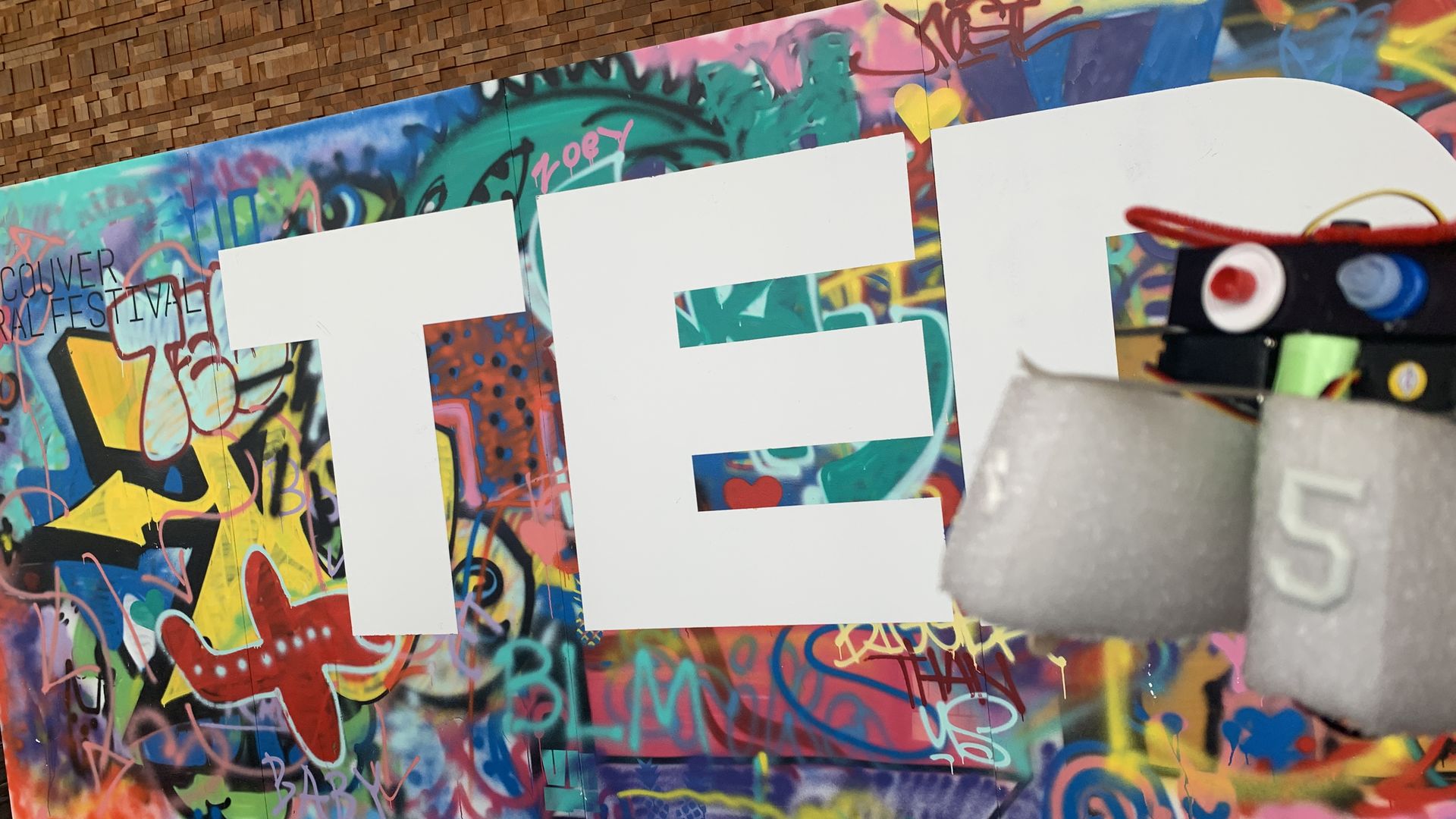
The TED conference in Vancouver is the latest major gathering to be affected by the coronavirus, with organizers telling Axios they plan to either postpone the event or hold a digital-only gathering.
Why it matters: The high-profile weeklong conference brings together some of the biggest names in tech, entertainment and business.
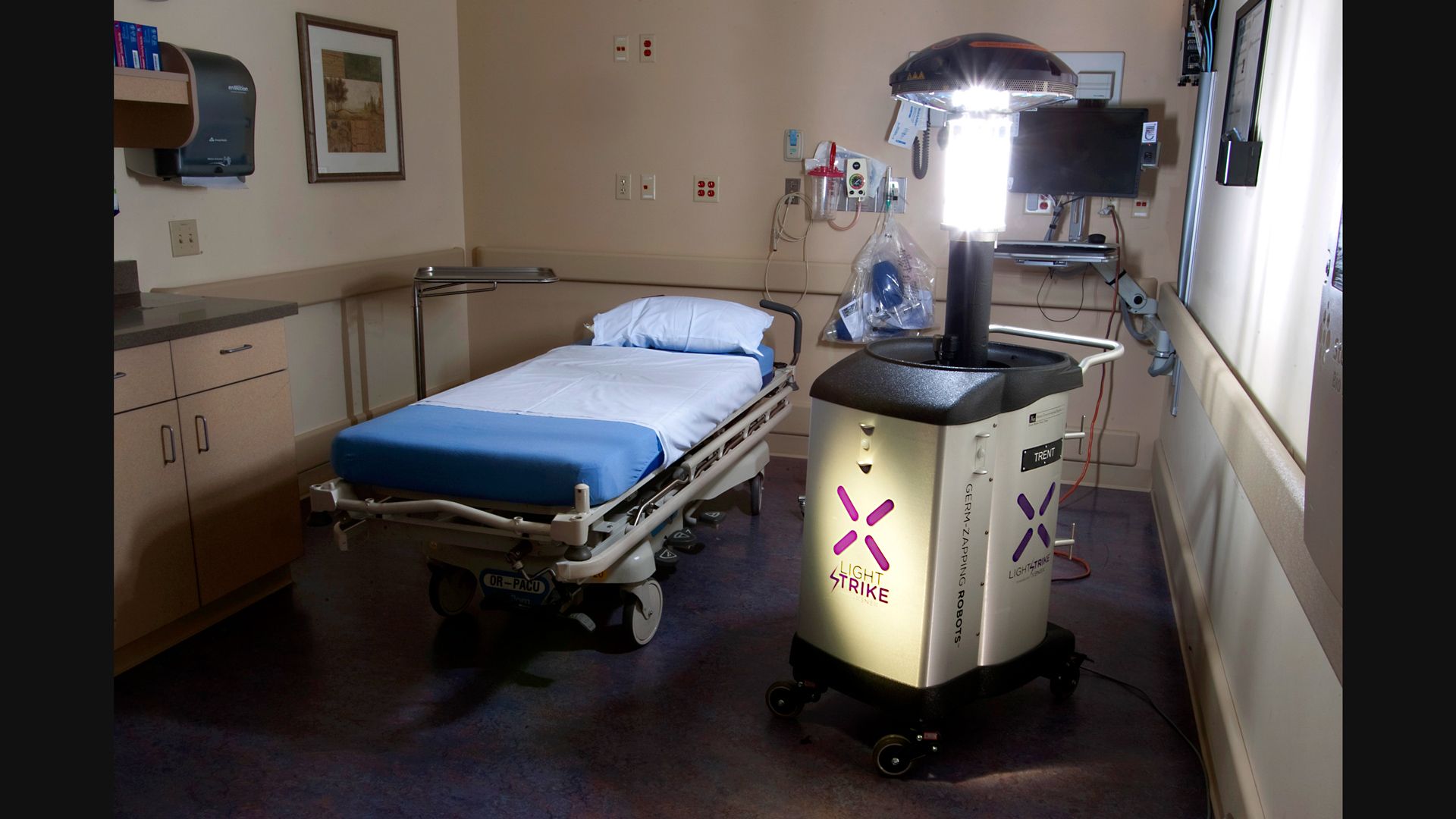
As coronavirus spreads across the globe, health care professionals are tapping germ-zapping robots and roving tele-doctors to help minimize human exposure to the virus.
Why it matters: Drones and other new technologies could potentially slow the spread of the illness and perhaps speed the delivery of medicines and other support where help is needed. But deploying them comes with a host of ethical questions.
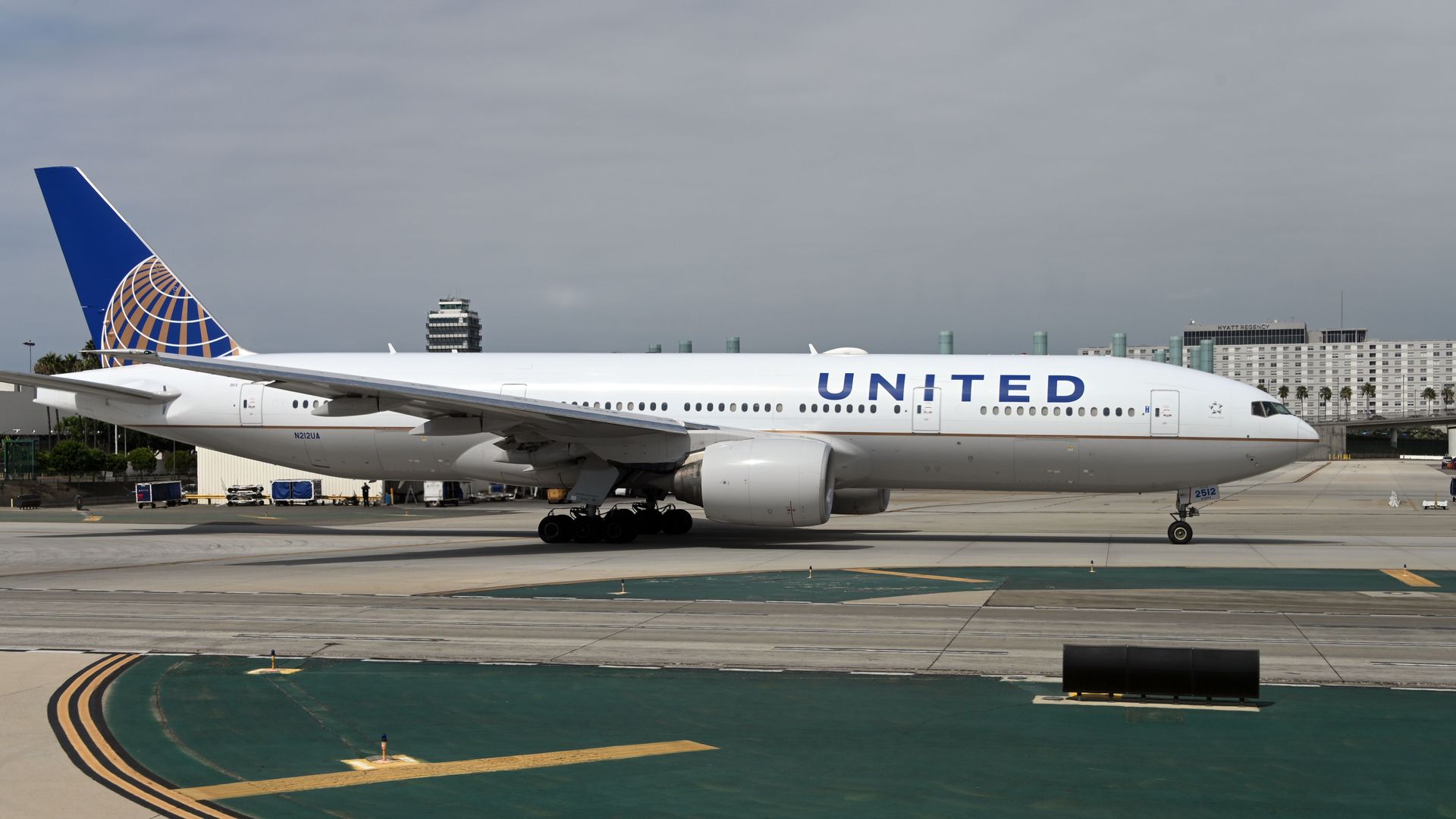
United Airlines will be cutting flights in April due to slowed demand amid growing fears over the novel coronavirus, per CNBC.
Where it stands: International flights will be cut by 20% and domestic flights by 10%. The rollback comes as coronavirus has spread worldwide since January — largely due to international travel stemming from Wuhan, China, and other sites of major outbreaks, including Italy and Iran.
An overwhelming majority of schools in the U.S. lack nurses and counselors to help students in need, per a 2019 ACLU report from Education Department data on every school district.
Why it matters: Children are reporting just as much stress as adults, with one in three reporting that they are feeling depressed.
The opening of the latest James Bond movie "No Time To Die" has been delayed, scrapping its original April release date until November in response to the coronavirus outbreak, according to a statement issued by producers Michael G. Wilson and Barbara Broccoli on Wednesday.
Why it matters: It's the first major Hollywood movie to push back its global rollout amid virus concerns.
As the coronavirus continues to spread around the world, a Chinese government-owned think tank is soliciting opinions to gauge how the international community might receive a Chinese alternative to the World Health Organization.
Why it matters: Beijing is seeking to turn the coronavirus, initially a disaster for China's public image, into an opportunity to advance its global leadership and bolster its soft power abroad.
It's looking like most big tech events will be postponed or canceled for the coming couple months, creating new work patterns for an industry that thrives on gatherings.
Between the lines: In-person events carry long-term value as attendees share ideas and build deeper relationships. In the short term, though, workers may find that less travel for events helps them focus and be more productive.
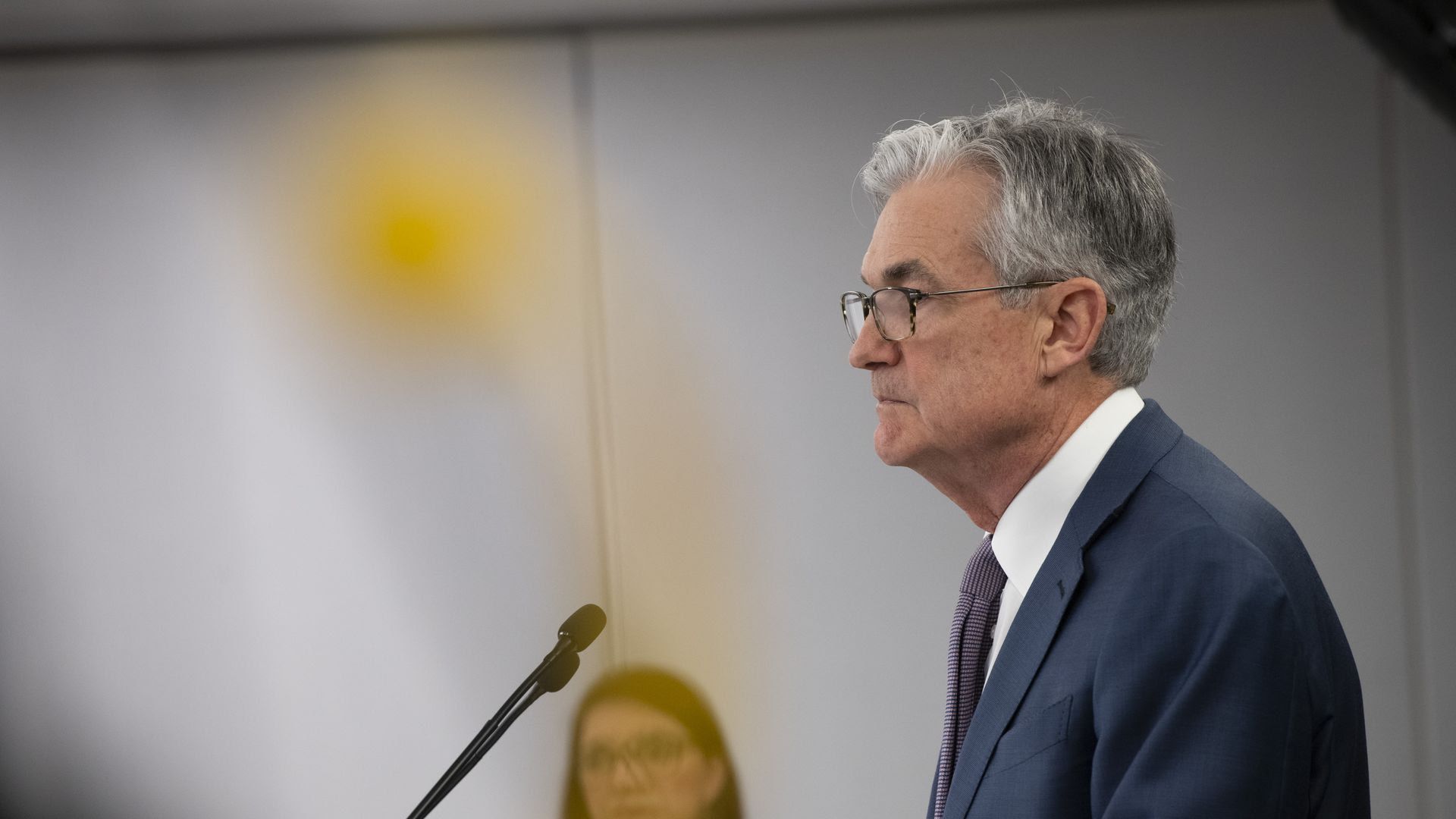
Investors and President Trump want the same thing after Tuesday's surprise 50 basis point cut by the Fed: more cuts.
The state of play: The announcement, two weeks to the day before the beginning of the central bank's scheduled March 17–18 policy meeting, has investors scratching their heads. "The Fed pulled the fire alarm without telling anybody why," Bernard Baumohl, chief global economist at the Economic Outlook Group, tells Axios.
Foreign travel to the U.S. is slated to tumble over the next six months, according to the latest data from the U.S. Travel Association.
What's happening: The USTA's three-month Leading Travel Index (LTI) projects international inbound travel will fall by 6% year-over-year, "as the coronavirus outbreak continues to roil the global economy," the agency said in a release Tuesday.
The price of brand-name prescription drugs went up by 60% between 2007 and 2018, after accounting for rebates and discounts, according to a new study in JAMA.
Why it matters: Drugmakers often argue that the uproar over drug prices is overblown, saying it focuses too much on list prices instead of the discounted prices insurance plans end up paying. But this study shows that those prices, too, are rising.
An advocacy groupfor college athletes urged the NCAA to consider holding March Madness with no fans as a way to protect against the coronavirus, and the NCAA didn't dismiss the idea out of hand, AP reports.
The state of play: The games, which begin on March 17, still would be televised.
Health care has become the framework thatdefines the broader ideological and stylistic divisions within the Democratic primary — a contest between political revolution and Medicare for All vs. bipartisan compromise and a public option.
Yes, but: It's kind of a false choice. Passing either of those health care plans would require a knock-down, drag-out party-line brawl just as intense as the fight over the Affordable Care Act.
Facebook users are seeing more targeted ads from pharmaceutical companies — an ethical gray area for patient data and privacy, the Washington Post reports.
Why it matters: Drug companies don't need to know your medical history to target you for a a drug, and seeing a surprisingly relevant medical ad can feel invasive.
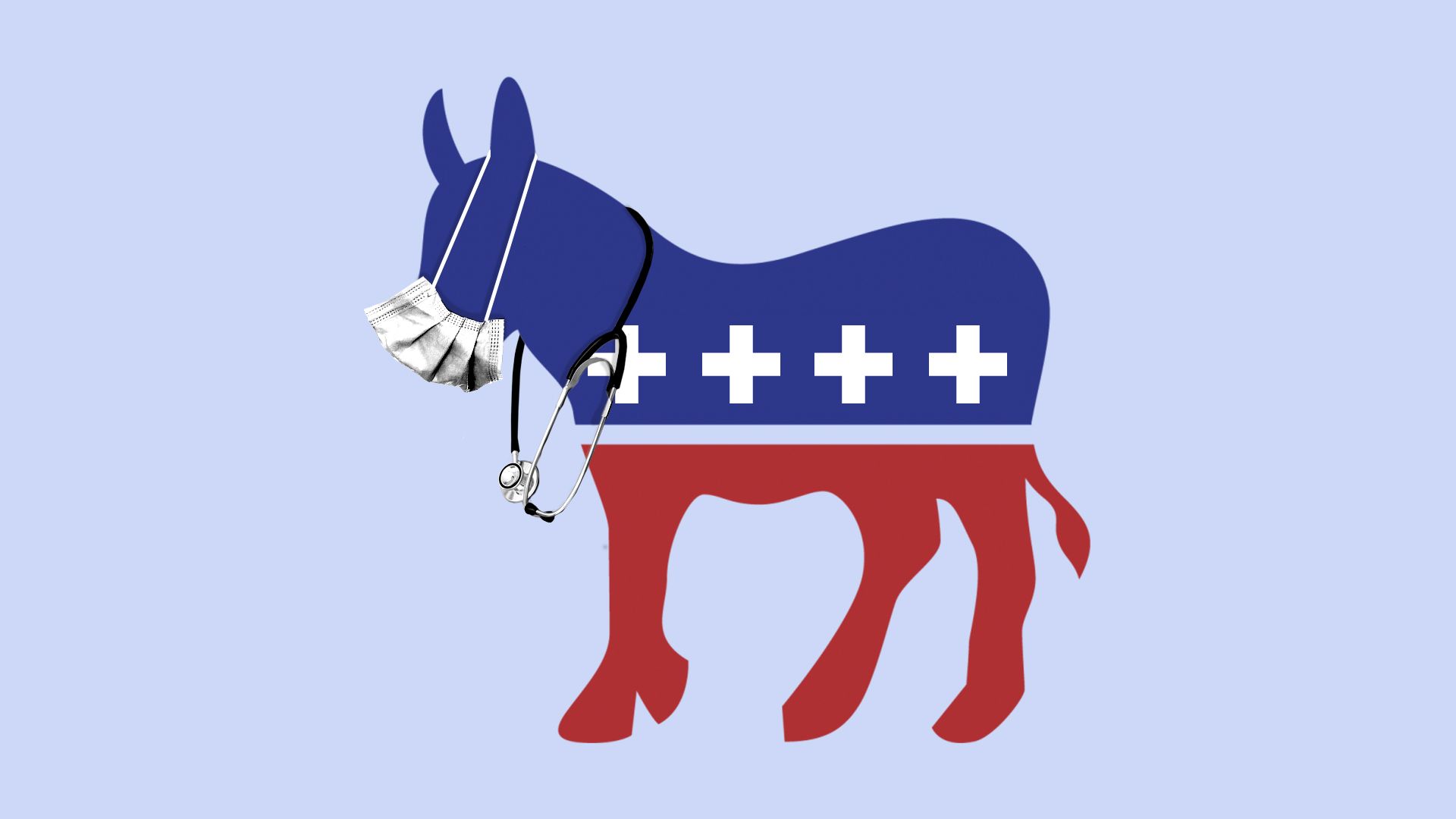
The coronavirus may soon become a high-stakes reminder of the flaws in the U.S. health care system.
Why it matters: Our expensive, inaccessible health care system could easily make it harder to control the virus' spread, failing individual patients and putting more people at risk in the process.
Maine Gov. Janet Mills (D) praised Super Tuesday voters in the state for also casting their ballots to keep a law eliminating religious and philosophical exemptions that would allow parents to prevent their children from being vaccinated.
Driving the news: Maine's choice to reject vaccine exemptions comes as the National Institute of Allergy and Infectious Diseases (NIAID) and drugmaker Moderna rush to develop a vaccine to combat the novel coronavirus, and as House Democrats demand guarantees that an eventual vaccine is affordable.
An employee of Dartmouth-Hitchcock Medical Center (DHMC) who became the first coronavirus patient in New Hampshire defied directions to stay away from other people, state health officials confirmed in a statement Tuesday.
Details: Despite having been "directed to self-isolate," the patient attended a private event on Friday, the New Hampshire Department of Health and Human Services said. The health authority said it issued "an official order of isolation" following the patient's action.
An Amazon employee who works in the tech giant's "Amazon Brazil" office in downtown Seattle has tested positive to the coronavirus.
Details: An Amazon spokesperson said Tuesday night the company is "supporting the affected employee, who is in quarantine." Washington has emerged as the center of the U.S. outbreak, with all nine U.S. deaths occurring in the state. A state of emergency was declared Saturday.