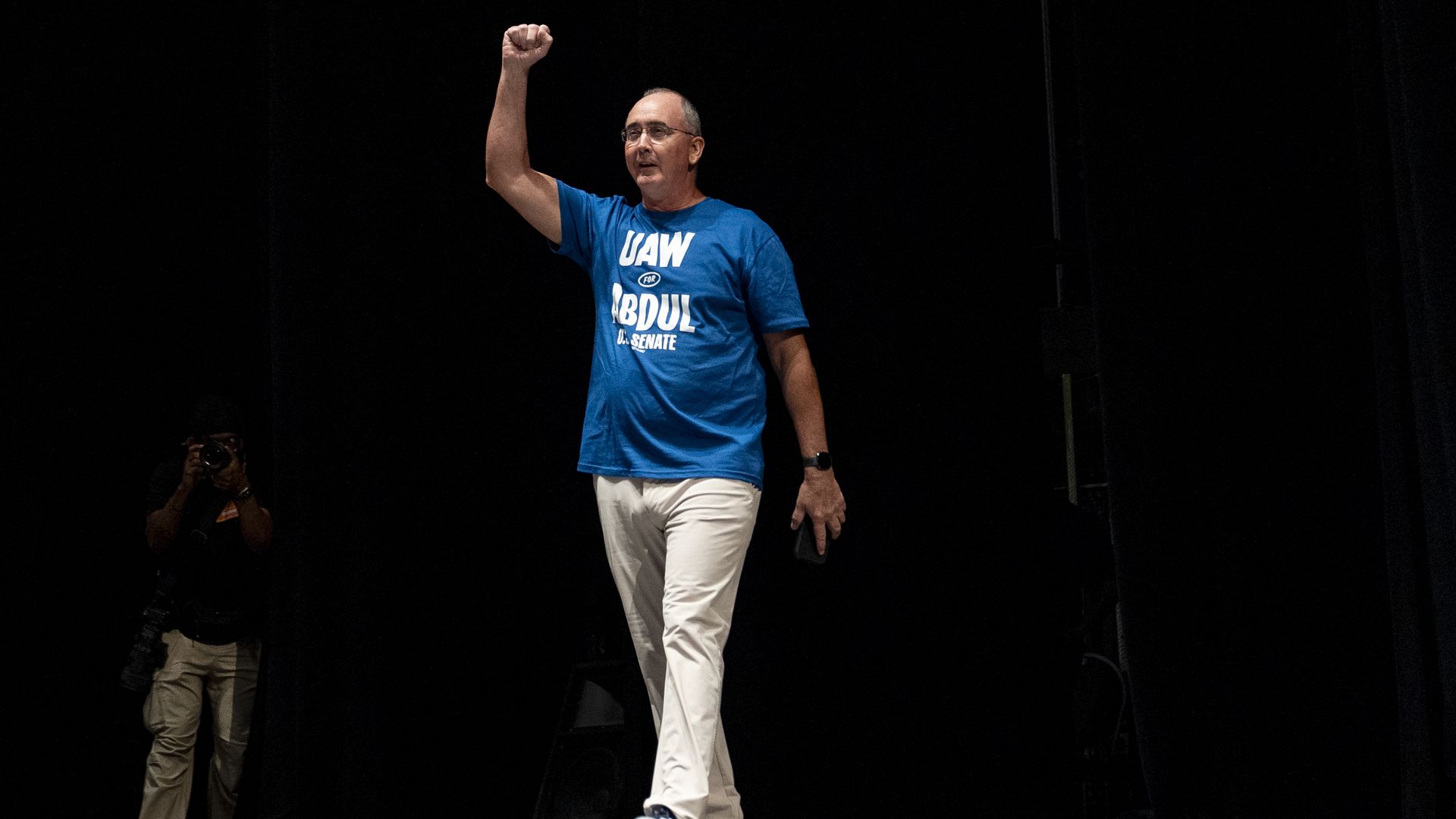
Shawn Fain, the charismatic and controversial president of the United Auto Workers, was reelected by a large margin.
Why it matters: Fain set an intentionally militant tone as president of the UAW in 2023 as he led a simultaneous strike against General Motors, Ford and Stellantis, ultimately winning record wage increases.
American consumers remain resilient despite higher interest rates and energy costs, according to earnings reports from three of the nation's biggest banks Tuesday.
Why it matters: The AI boom is getting a lot of credit for propping up the economy, but don't forget about the role of consumers.
Police and protesters clashed near popular Paris tourist attractions Tuesday as tens of thousands of students and trade unionists marched across France to protest school funding and classroom conditions.
The big picture: The demonstrations, which began in France last month, are part of a broader wave of largely unconnected education protests across Europe over crowded classrooms, teacher shortages, university funding cuts and rising education costs.
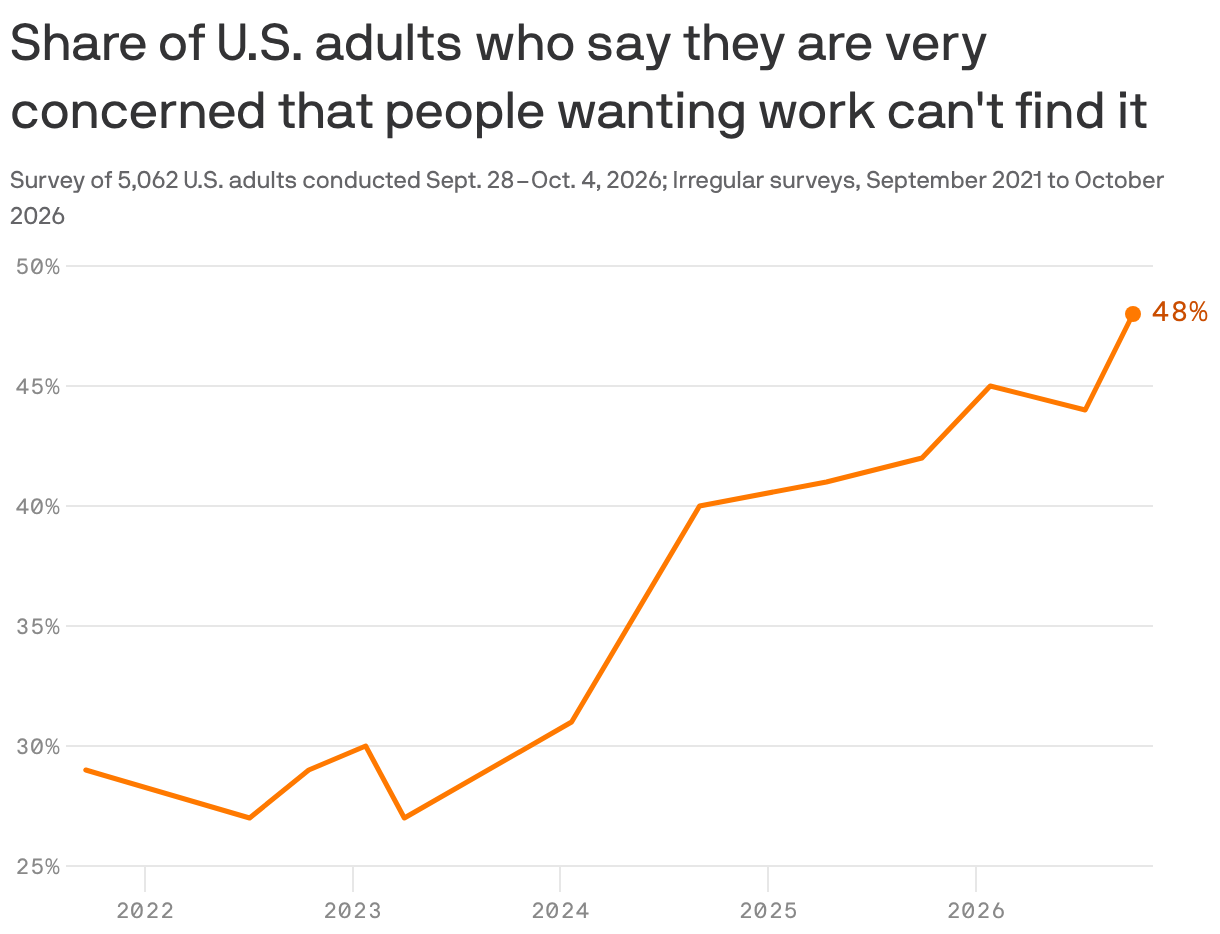
48% of U.S. adults are very concerned about people who want to work being unable to find jobs, according to a recent Pew survey, the highest reading since it started asking the question five years ago.
Why it matters: AI may not be taking Americans' jobs yet, but the fear that it could may already be rattling their confidence in the labor market.
President Trump's deal to lift sanctions on Russia to increase diesel supplies "is a betrayal of the people of Ukraine" and "a gift to our adversary," a bipartisan coalition of senators wrote in a letter admonishing the agreement.
Why it matters: The decision to turn to Vladimir Putin in an attempt to ease the diesel crunch is piling onto Republican headaches ahead of the midterms and fueling fresh friction between the U.S. and Ukraine.
Six Flags is temporarily closing nine roller coasters throughout its network of amusement parks after someone was killed Monday on a ride in Georgia.
The big picture: The incident heightens public scrutiny over ride safety at a time when regional amusement parks are already under mounting competitive pressure.
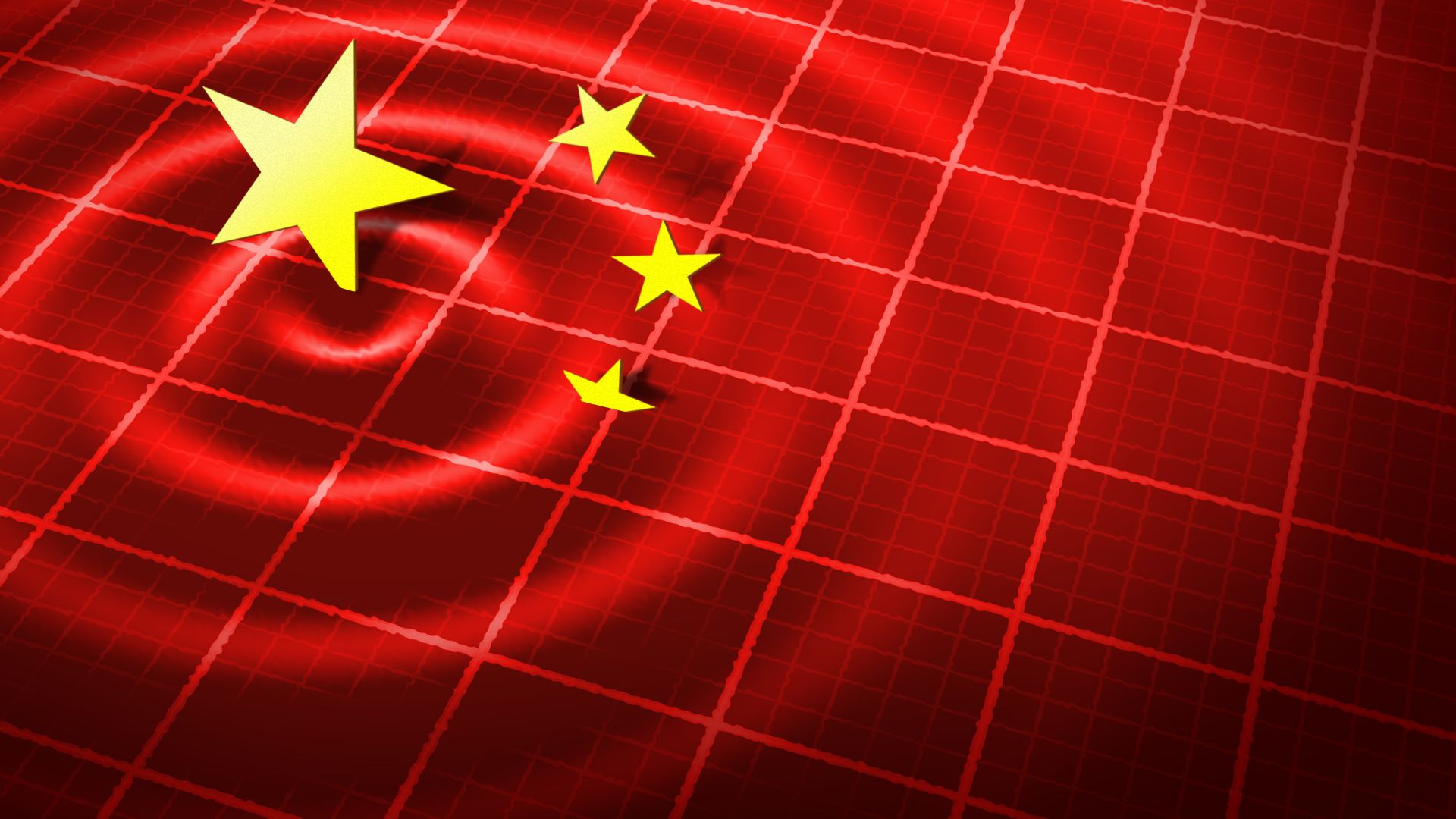
Europe is testing a new response to China Shock 2.0, betting that it can confront Beijing's export juggernaut without resorting to President Trump's tariff-heavy approach.
Why it matters: More of the world is beginning to confront the threat that China's industrial overcapacity poses to their industries. But protecting individual sectors will not solve the bigger problem: China's factories are cranking out far more than its own economy can absorb.
Driving the news: The European Union and China struck a preliminary deal on Friday to sharply limit Chinese hybrid vehicle exports to Europe.
The EU plans to initially cap Chinese hybrid and plug-in hybrid imports at 350,000 annually, potentially starting as early as December.
The cap would more than halve projected Chinese hybrid shipments, which were on track to reach roughly 800,000 this year, an EU official told reporters.
Imports totaled 302,000 in 2025. (Chinese officials Monday noted that the deal still allows its automakers to increase shipments from last year's levels.)
Vehicles exceeding the quota would be blocked rather than face additional tariffs.
The backdrop: France and Germany last week proposed giving Brussels sweeping new powers to restrict market access over unfair trade practices, a striking shift for Germany, which opposed EU tariffs on Chinese EVs in 2024.
European Commission president Ursula von der Leyen warned in her annual address last month that the bloc's trade deficit with China had reached a "tipping point."
"Some say the second China shock is looming. But it's already here," von der Leyen said.
What they're saying: EU leaders are considering tougher powers to confront Chinese trade practices, including one resembling the authority Washington has used to impose sweeping tariffs on Chinese goods.
The agreement could dampen momentum for harsher measures, making member states "hesitant this week to rock the boat," Daniel Mullaney, an Atlantic Council senior fellow and former U.S. trade official, tells Axios.
Washington is pushing trading partners to join forces against China's industrial overcapacity.
"It's really hard for any one country to make progress on that if you don't have allies on your side," Mullaney says.
By the numbers: Chinese automakers ramped up hybrid shipments to Europe after the EU imposed steep tariffs on fully electric vehicles in 2024.
New data released yesterday shows that China's global passenger vehicle exports surged 64% in September, to 919,000, even as domestic sales fell 27%.
What to watch: Europe's deal could shift pressure to other industries — or perhaps even other nations — without addressing the underlying imbalances driving China's export boom.
Economist Michael Pettis argued over the weekend that the agreement would do little for European manufacturing overall.
"EU producers of hybrids will be better off, but at the expense of other EU manufacturers," he wrote on X.
The bottom line: Europe's deal may provide breathing room for its automakers. But China's industrial might — and the pressure it is inflicting on manufacturers around the world — is not going away.
Wall Street is scratching its head over Iambic Therapeutics, an AI biotech that plans to go public this week.
The big picture: Either it's the bargain of a lifetime or the private markets are wildly overvaluing one of its top comps, Alphabet-backed Isomorphic Labs.
Investors are treating news about OpenAI and Anthropic's finances as if they were earnings reports from public companies. They are not.
Why it matters: The stock market, and a significant part of the real economy, depends on whether these massive startups can earn enough to justify the billions of dollars being plowed into AI.
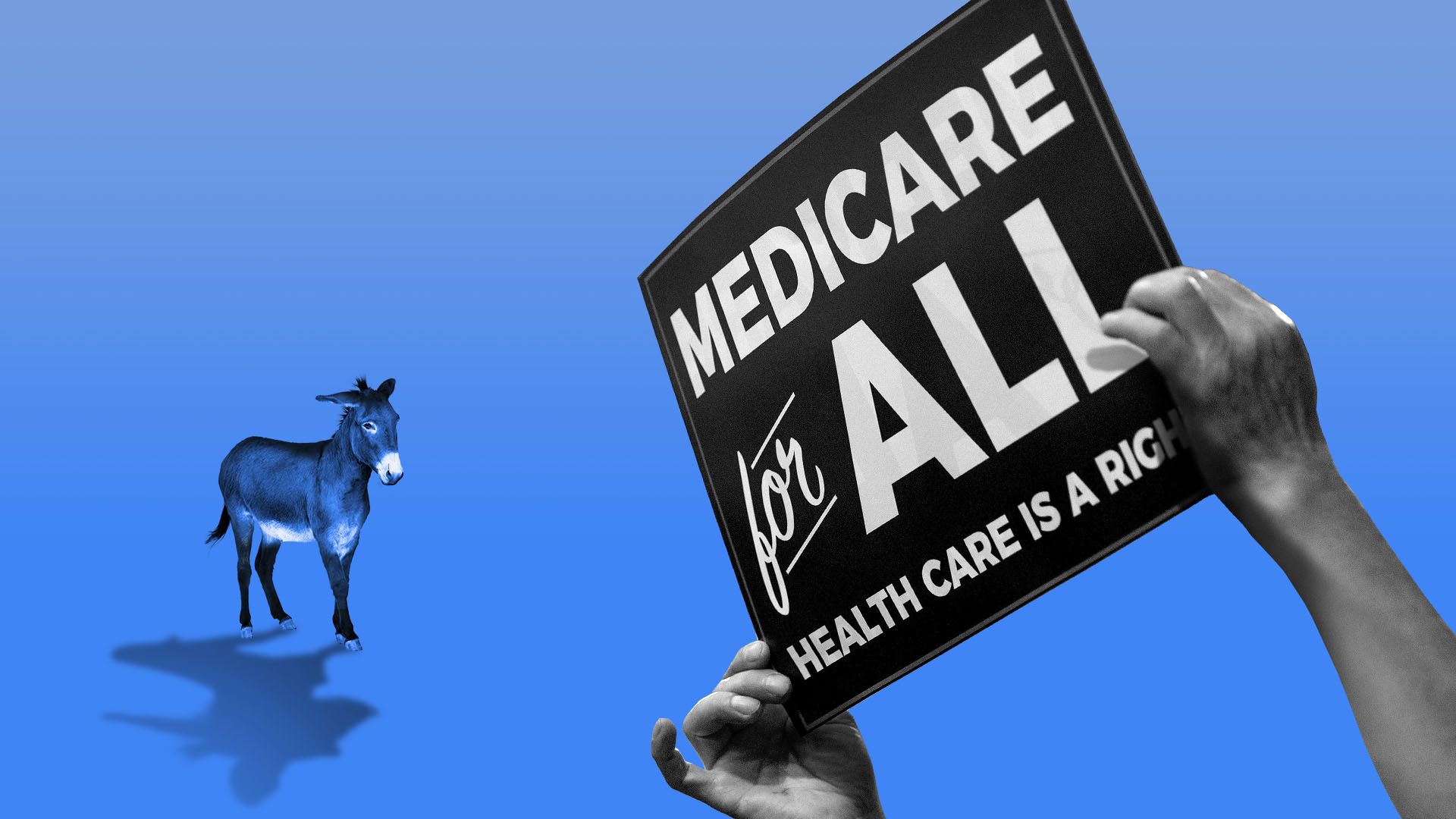
Supporters of "Medicare for All" now outnumber opponents by nearly 2-to-1, according to a new survey of U.S. adults from the Axios-Ipsos American Health Index.
The big picture: Two-thirds of all survey respondents — and half of Republicans — said the federal government should be willing to spend more tax dollars to lower health care costs for Americans.
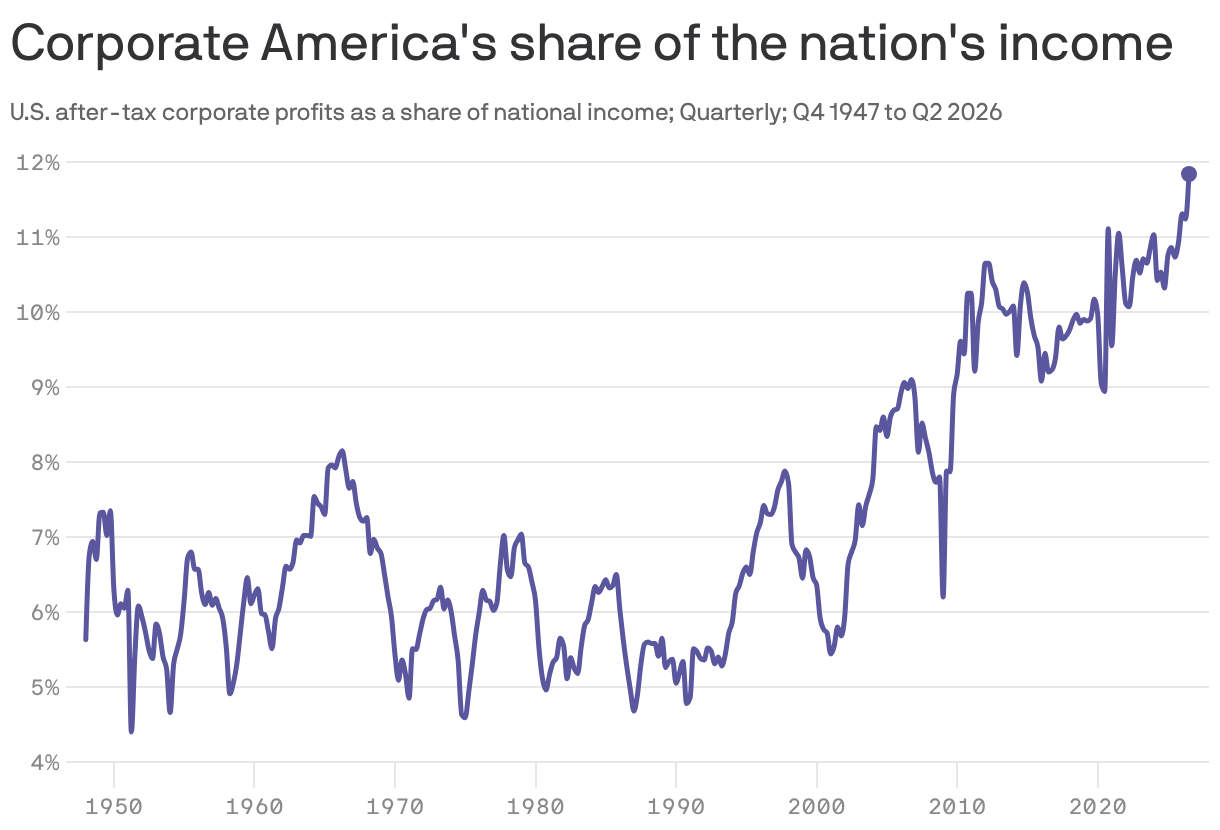
Data: U.S. Bureau of Economic Analysis, FactSet; Chart: Axios/Matt Phillips; Note: After-tax profit data includes inventory and capital depreciation adjustments.
Corporate America is raking in record profits, luxuriating in luscious margins and capturing the largest chunk of the country's income on record.
Why it matters: The corporate bonanza is bolstering the stock market, but it may also be playing a role in the persistently sour sentiment among the American electorate.
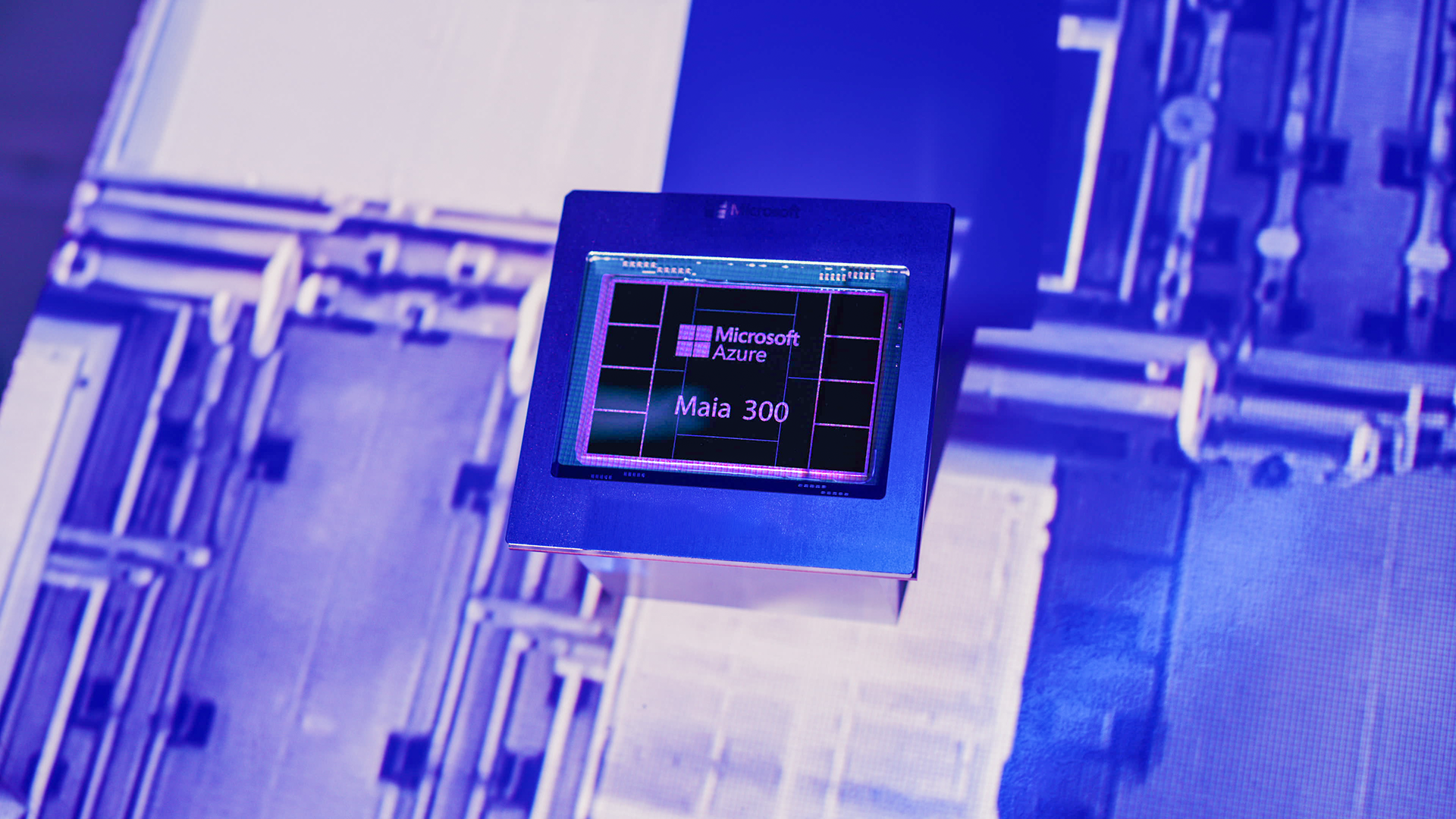
The trillion-dollar AI race is moving from software to silicon, as Microsoft's massive bet on its proprietary Maia chips proves Big Tech wants to wean itself off Nvidia's dominance.
Why it matters: Microsoft's plan to power its AI products with custom silicon shows how every major Nvidia customer is now a competitor, seeking lower costs, improved performance and more control.
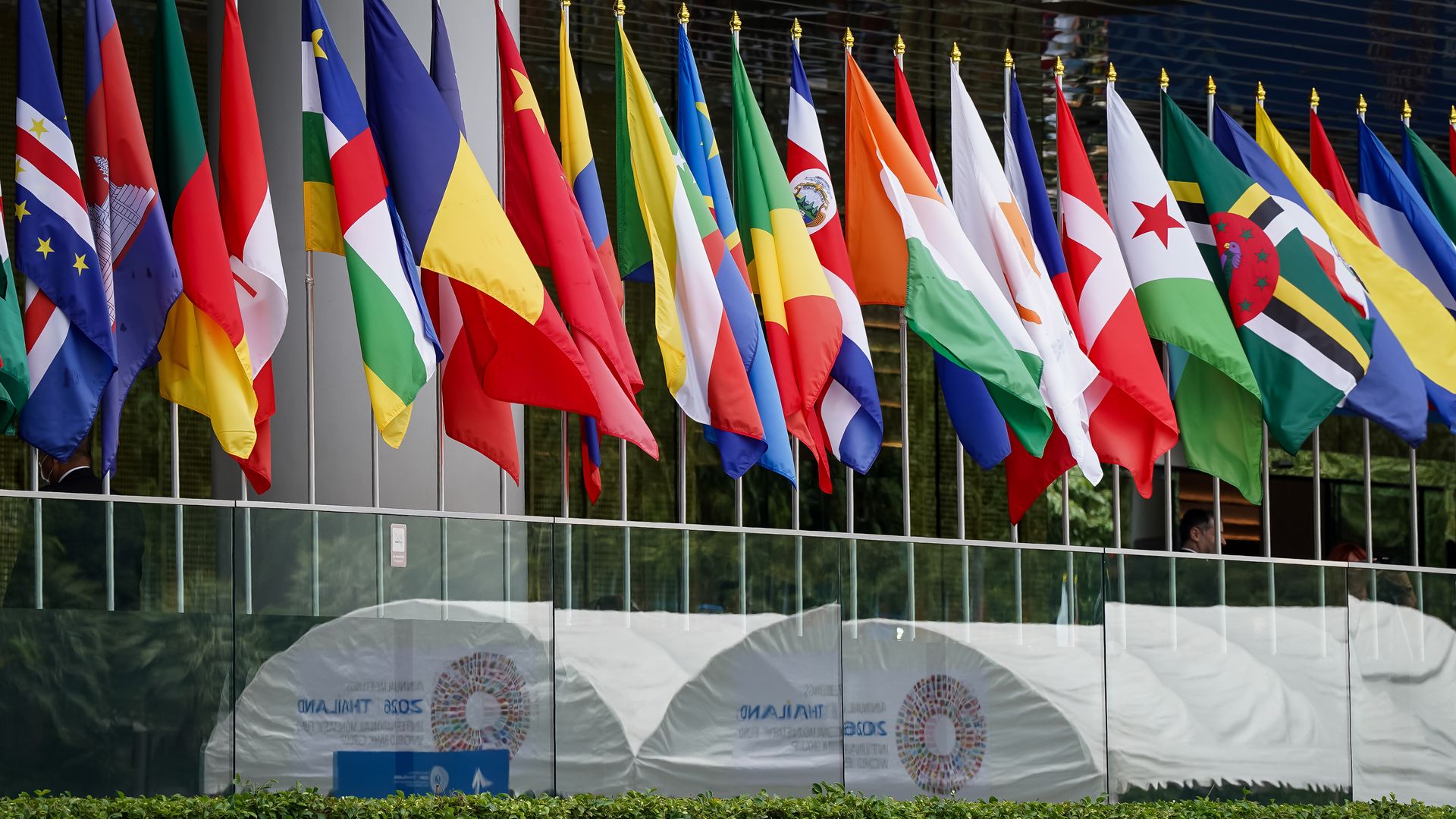
The global economy's ability to withstand new shocks is coming under strain, the International Monetary Fund warned Monday night in its latest economic forecast.
Why it matters: Worldwide growth has defied expectations, holding up despite the Middle East war and soaring oil prices. But some policymakers fear that dwindling energy reserves, mounting debt and growing reliance on the AI boom leave the world increasingly vulnerable.