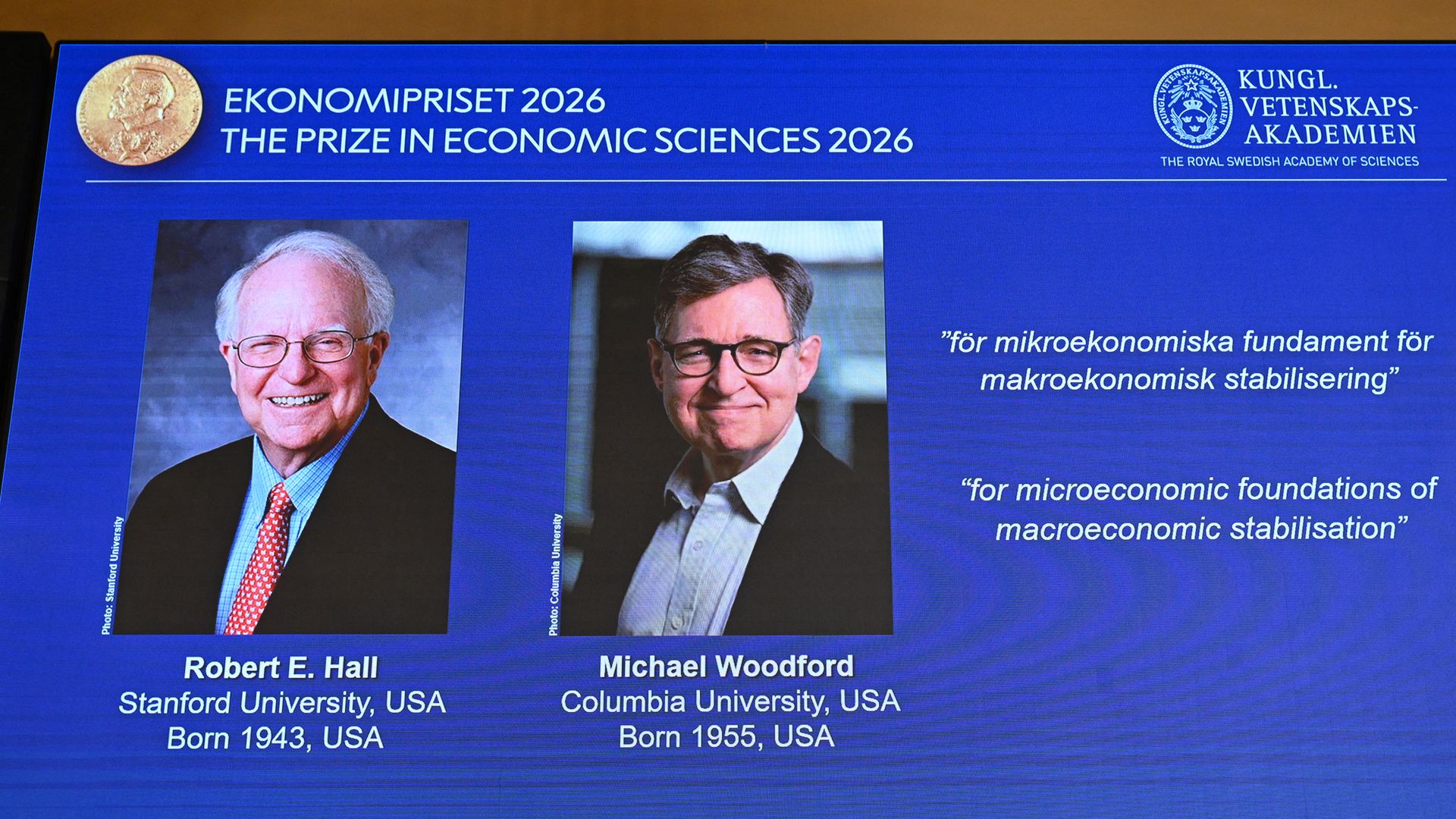
Stanford University's Robert E. Hall and Columbia University's Michael Woodford won the Nobel Prize in economics for research on how policymakers can stabilize economies, the Royal Swedish Academy of Sciences said on Monday.
Why it matters: Their work helped shape how central banks set interest rates and communicate policy. The win comes as those institutions fight energy-driven inflation and risks to economic growth.
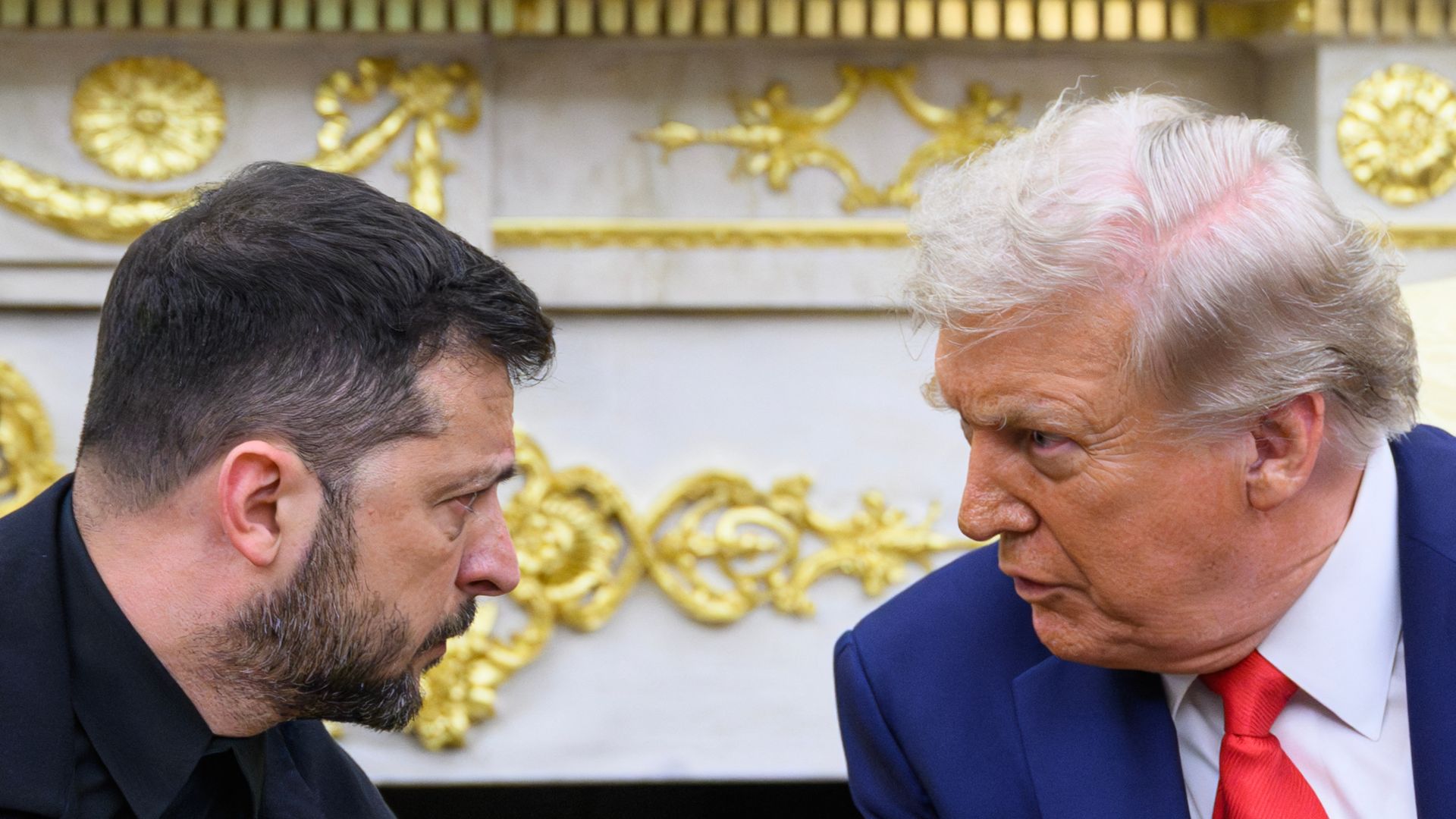
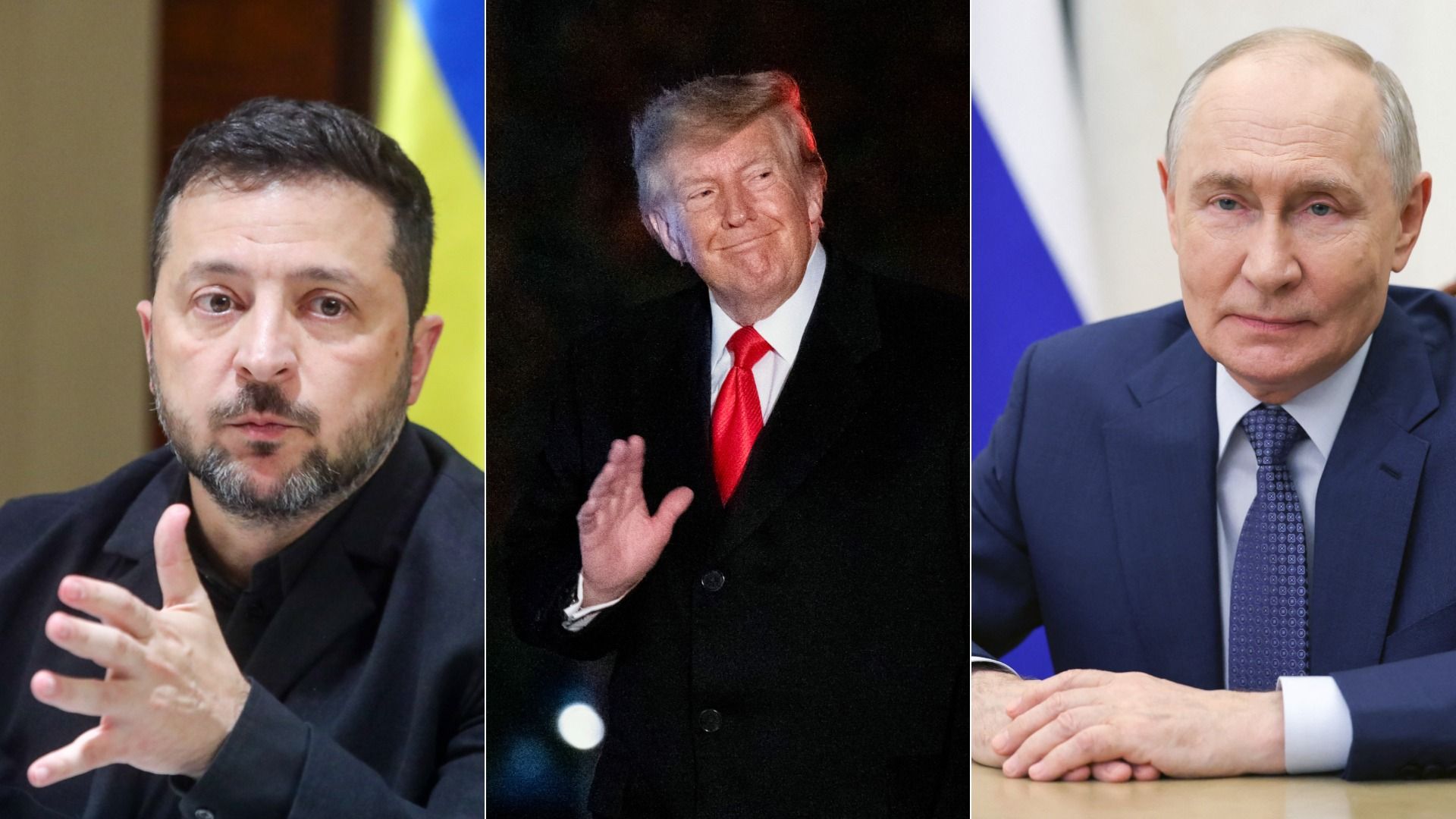
President Trump's announcement Sunday about an "energy ceasefire" between Russia and Ukraine referred to a potential deal that includes each side stopping attacks on oil refineries — and he expects Volodymyr Zelensky to abide by it, a White House official said.
The official said if attacks on oil refineries cease, a deal to stop hitting power plants and energy grids could come next.
President Trump claimed Sunday that Russia and Ukraine agreed to an "energy ceasefire" and will halt attacks on each other's energy facilities.
Ukrainian President Volodymyr Zelensky tells Axios the announcement "was news for me. But if Russians agree to an energy ceasefire, Ukraine will agree."
Why it matters: An "energy ceasefire" would be a dramatic diplomatic breakthrough ahead of the winter. It remains unclear if Russia indeed agreed to stop the strikes.
America's youth sports boom is quietly rewriting Sunday mornings, turning the family calendar into a competition between the pews and the playing fields.
Why it matters: For generations, churches helped organize American family life around a shared weekly ritual. Youth sports are increasingly filling that role on Sundays — reshaping what families treat as sacred time.