Tuesday's economy stories

Maduro ally pleads guilty to money laundering

Alex Saab, an ally and former minister of Venezuela's ex-President Nicolás Maduro, pleaded guilty Tuesday to conspiring to launder proceeds from a bribery and fraud scheme in Venezuela and the U.S., prosecutors said.
Why it matters: Federal prosecutors allege that Saab previously oversaw funding for Maduro, and his plea deal could bolster U.S. prosecutors' separate case against the former Venezuelan leader, who is awaiting trial in New York.

Sam Altman confident AI industry can handle safety risks

OpenAI CEO Sam Altman told a conference Tuesday that while people were right to be afraid of the risks of AI, he was confident that the industry would be able to develop the technology safely.
Why it matters: His comments come as he and other AI leaders have been seeking to demonstrate that the industry understands the risks even as they acknowledge that the rapid trajectory of AI makes the stakes that much higher.

Crypto's Clarity Act fails to advance in Senate
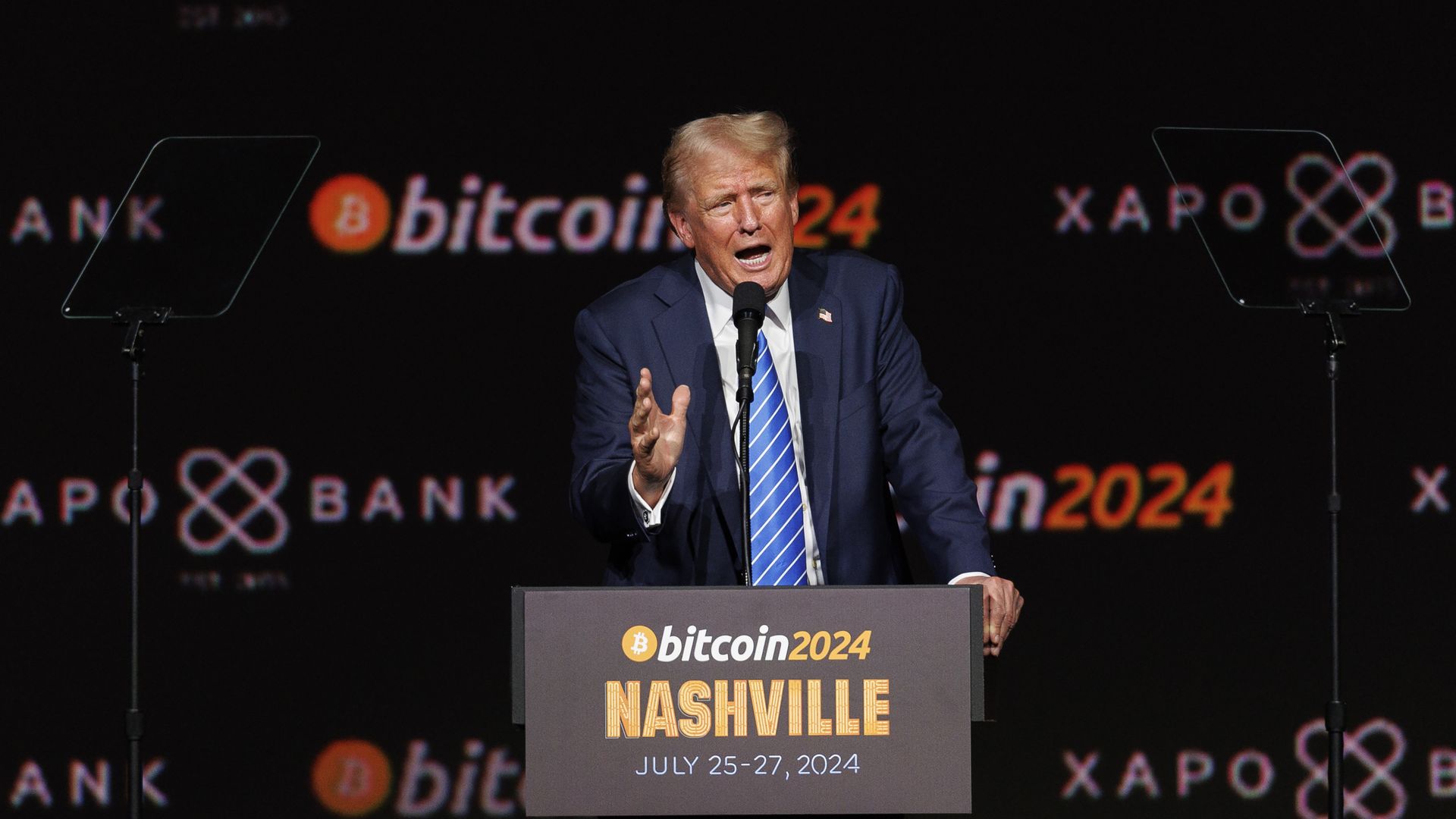
The Clarity Act failed to advance in a key Senate procedural vote Tuesday, a major setback for the long-sought crypto legislation and the industry that had made it its top policy goal.
Why it matters: The bill would create a new federal regulatory framework for the $2.3 trillion crypto industry, but has faced growing opposition from Democrats due to President Donald Trump's investments in the sector.

How voters feel about Trump's $5,000 check promise
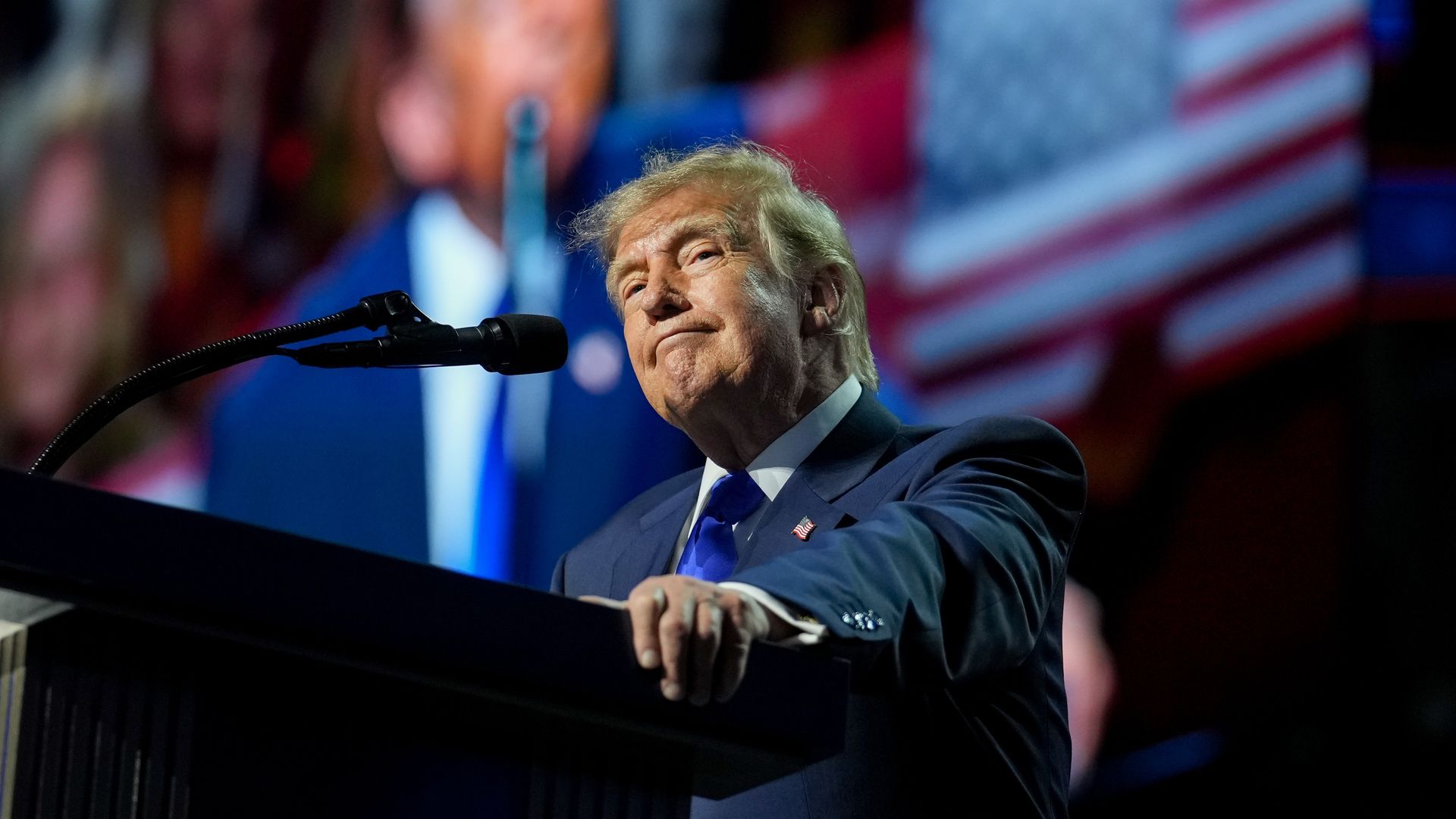
President Trump's promised $5,000 checks lack widespread support, and there's skepticism about whether the president will actually deliver them, a new Economist/YouGov poll finds.
The big picture: Trump is dangling the checks ahead of the midterm elections at a time when Americans are frustrated by rising costs.

AI boom can withstand a development slowdown
President Trump is pushing back hard against calls to slow AI development, casting it as a powerful economic growth engine.
- But sustaining that economic boom in the near term may not require ever-more-powerful AI models.
Why it matters: The economic payoff in the months ahead may depend less on the next generation of models than on continued infrastructure investment and broader adoption of the AI tools that already exist.
- AI now underpins a huge share of business investment and stock market gains, while hopes for faster productivity growth rest heavily on the technology.
Driving the news: Trump is railing against calls to slow AI development after AI frontier-lab leaders proposed slowing development of their most advanced models over mounting safety concerns.
- "AI, and Data Centers, will be the Greatest Economic Development Engine in History," Trump posted on Truth Social, predicting an impact "bigger than Oil, Gold, Diamonds, or even the Internet."
- Trump's allies argue that if the labs want to slow down, they can do so on their own, without the blessing of Washington.
The big picture: AI's economic impact is taking shape through two distinct, potentially staggered channels.
The first is the infrastructure buildout already meaningfully contributing to economic growth.
- There's a "strong pipeline of infrastructure projects in place" as companies race to secure the energy and computing capacity needed to meet demand for existing AI tools, ING chief international economist James Knightley tells Axios.
- AI-related spending has added an average 0.4 percentage point to annualized GDP growth since 2025, according to Morgan Stanley chief U.S. economist Michael Gapen.
- Bank of America analysts said that AI networks are being fully utilized and rental rates are rising for even older-generation chips as signs that demand remains robust. In a note yesterday, they called the economic stakes "too large for any sustained meaningful deceleration."
Yes, and: Salesforce president Patrick Stokes said a slowdown could actually be good news for builders, who "have a lot of catching up to do," Axios' Ina Fried reports.
The second is the hoped-for productivity boost, with AI potentially helping businesses produce more at lower cost — a payoff much less developed than the infrastructure boom.
- A slowdown "need not trigger an equivalent slowdown in broader tech-related economic activity," Mohamed El-Erian, Allianz chief economic adviser, wrote on X yesterday.
- He noted that many commercial uses don't require frontier models as businesses still figure out how to deploy capabilities that already exist.
- "There's a lot of focus on the hardware capex cycle," Goldman Sachs economist Joseph Briggs told Neil this morning at an event hosted by the Business Roundtable. "What I think is less appreciated is how much is being invested ... in softer forms of investment at the company level," including strategy and data needed to deploy AI effectively, Briggs said.
What to watch: A slowdown at the AI frontier could still hit the economy indirectly if it rattles financial markets. (AI chip stocks fell nearly 6% yesterday, compared with a much smaller decline in the broader market.)
- "An equity market correction might make [high-income households] more cautious, risking a pullback in spending," Knightley says, noting that the AI-fueled stock market boom has helped drive consumer spending among affluent households.
- "With so many of these projects now debt-financed, a drop in valuations could tighten financial conditions" and ultimately curtail the infrastructure buildout over the medium term, Knightley adds.

NYC, other cities fight Trump rule weighing immigrants' benefits
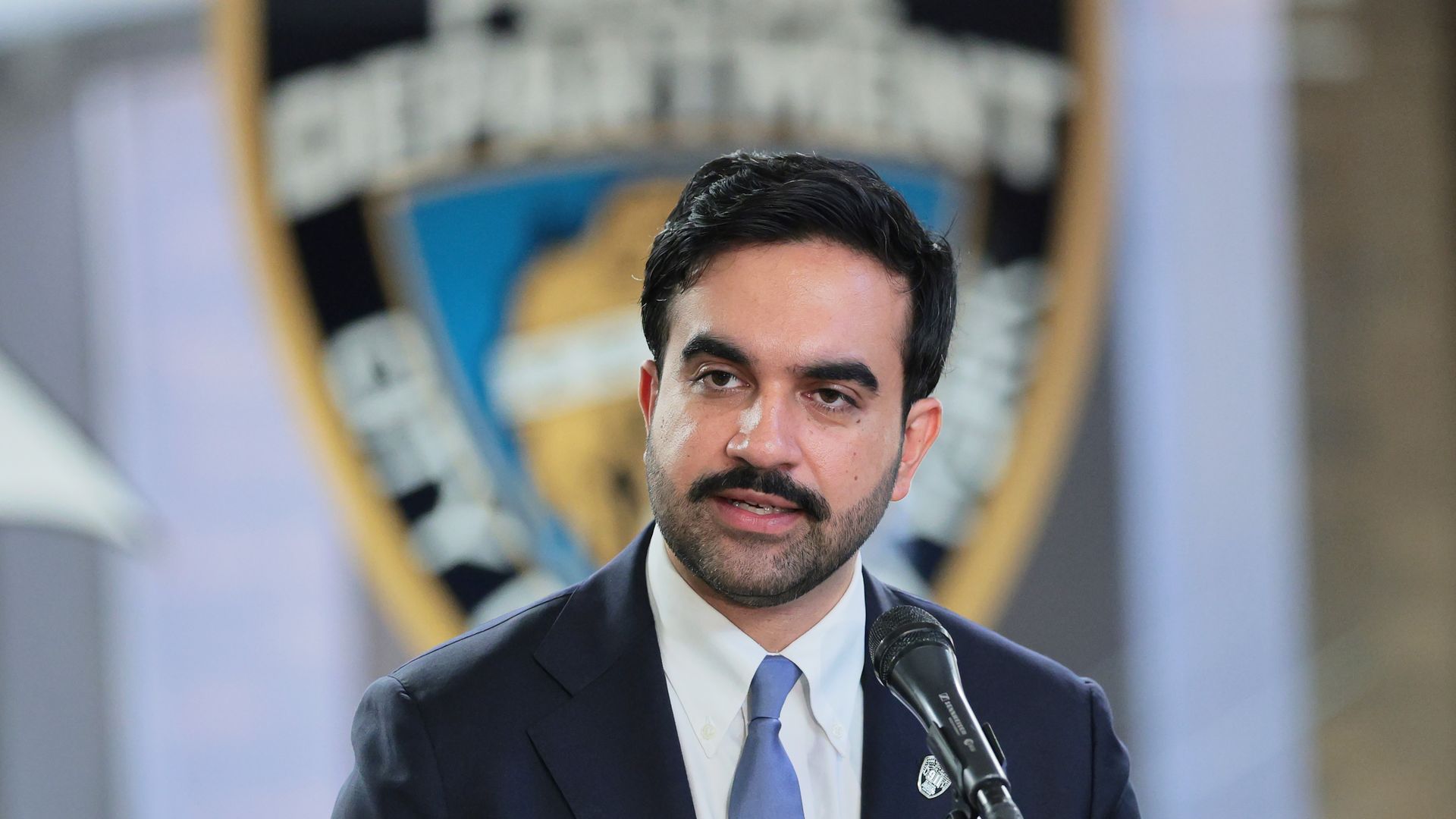
New York City and five other Democratic-led local governments sued the Department of Homeland Security to block a new Trump administration rule they say will drive immigrants and mixed-status families away from public benefits they can legally receive.
Why it matters: The cities warn the rule could drive hundreds of thousands out of health, food and housing programs, worsening public health, increasing homelessness and shifting millions of dollars in costs to local hospitals and governments.

AI fears send cybersecurity stocks higher


Fear is splitting the AI trade — the same technology advances that are raising alarms about rogue agents, cyberattacks and apocalypse are creating a bull case for the companies paid to protect against those threats.
Why it matters: Investors are, in a way, leaning into the scary AI talk, betting that companies and governments will increase cybersecurity spending to deal with rapidly advancing threats.

Trump's postings may still move the needle
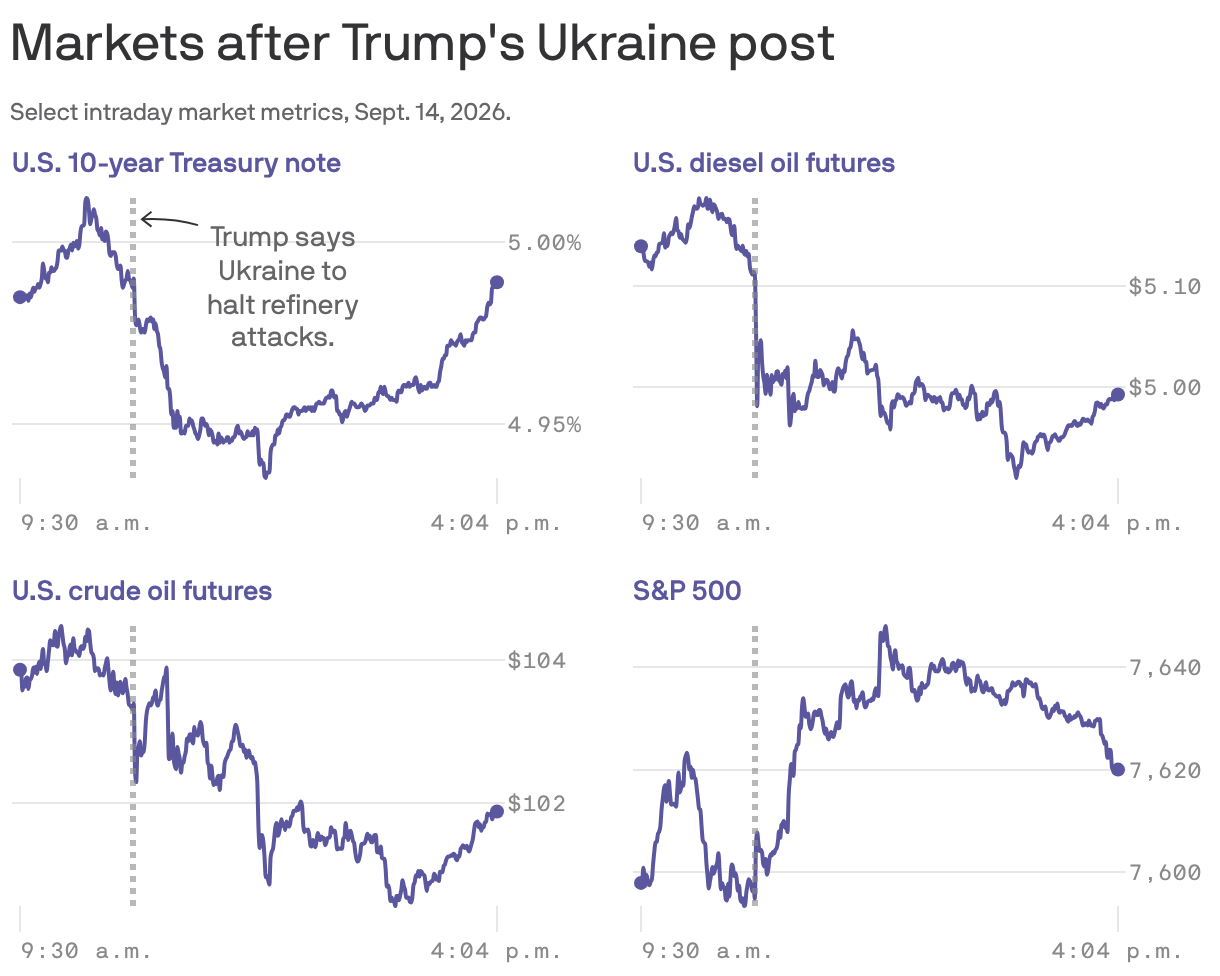
President Trump's claim that Ukraine agreed to halt strikes on Russian energy targets coincided with a pullback in oil prices and Treasury yields Monday.
Why it matters: Ukrainian drone strikes on Russia have crippled large swaths of the country's refining capacity, creating embarrassing shortages and prompting Russian officials to curtail exports to shore up domestic supplies.
- Russia has long been one of the world's largest exporters of diesel, and its export ban contributed to a worldwide ripple of diesel fuel shortages and price spikes, including in the U.S., where the national average price for diesel jumped to $6 per gallon in recent days.
What they're saying: "Ukraine has agreed not to hit Russian Energy targets. Russia has agreed to do, likewise! The World's Diesel price rise is mostly caused by the Russia/Ukraine War, not Iran. President DJT," Trump posted.
The other side: The Ukrainians sounded somewhat skeptical, with President Volodymyr Zelensky stating that "Ukraine is not convinced that Russia is willing to abide by any agreement."
- "If our partners are ready to ensure that Russia genuinely refrains from striking our electricity system, other energy facilities, critical infrastructure, and food supply routes, then, of course, we are ready to ensure a corresponding halt to our strikes."
The bottom line: In any case, diesel prices, crude oil and Treasury bond yields declined after Trump's message.
Zoom out: The market moves were a potent reminder that Trump's online pronouncements can still matter for investors.
- That's at the heart of the Trump Media & Technology Group's decision to launch its Truth API data feed product this summer.
- The product offers access — the cost is between $60,000 and $100,000 per month — to a data feed of "published and publicly available posts fractionally faster," according to Trump Media CEO Kevin McGurn, including those of the president and other top accounts on Truth Social.
- Trump owns roughly 41% of the outstanding shares in Trump Media.
Friction point: The product is the focus of a lawsuit filed last month by the Freedom of the Press Foundation and nonprofit news organization The Intercept, which accuses the president and the administration of violating the First Amendment and profiting from selling government information.
- "This scheme is profoundly corrupt. The President stands to gain financially by giving 'market-moving' government information to those who are willing and able to pay his personal company," the plaintiffs wrote in their complaint.
- A Trump Media spokesperson said: "Information from President Trump is disseminated by countless platforms and news outlets, many of which offer subscription APIs. One of those channels is Truth Social, which was founded as an uncancellable haven for free speech after the President was deplatformed. Now, left-wing activists are trying to wrongfully weaponize the courts to censor him again and harm our shareholders."
- The White House did not respond to a request for comment.
Disclosure: In 2023, TMTG sued 20 media organizations, including Axios, for defamation. Litigation is ongoing.

House Democrats face divisions on Russian sanctions bill
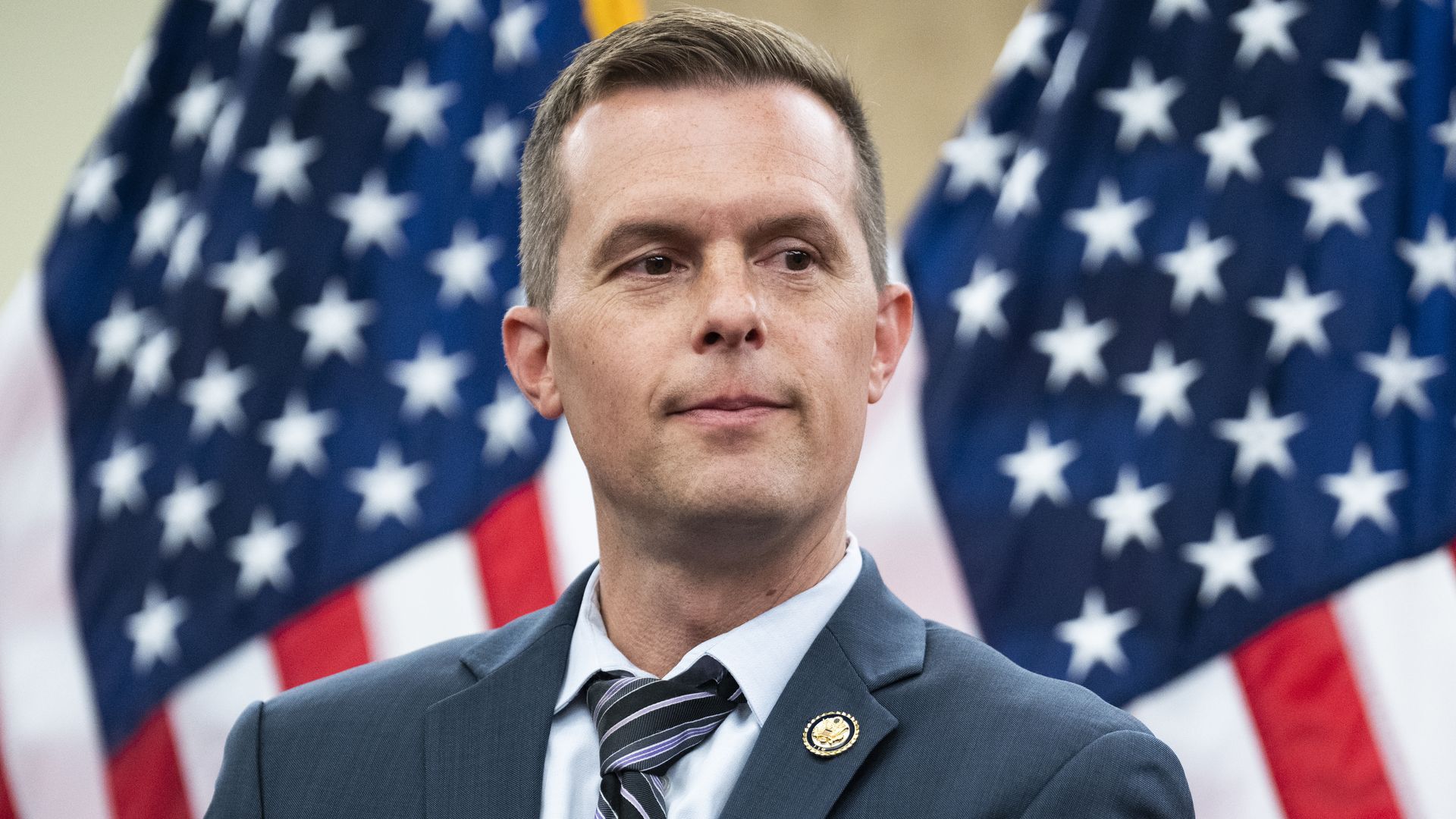
House Democratic leadership is vocally opposing a Russia sanctions bill set to come to a vote this week, but not all of their members are comfortable taking that stance just yet.
Why it matters: Republicans will reportedly need some Democratic votes to make up for defections from their isolationist wing and pass the measure.

BlackRock's John Kelly: Skilled trades are growing path to living, investing better
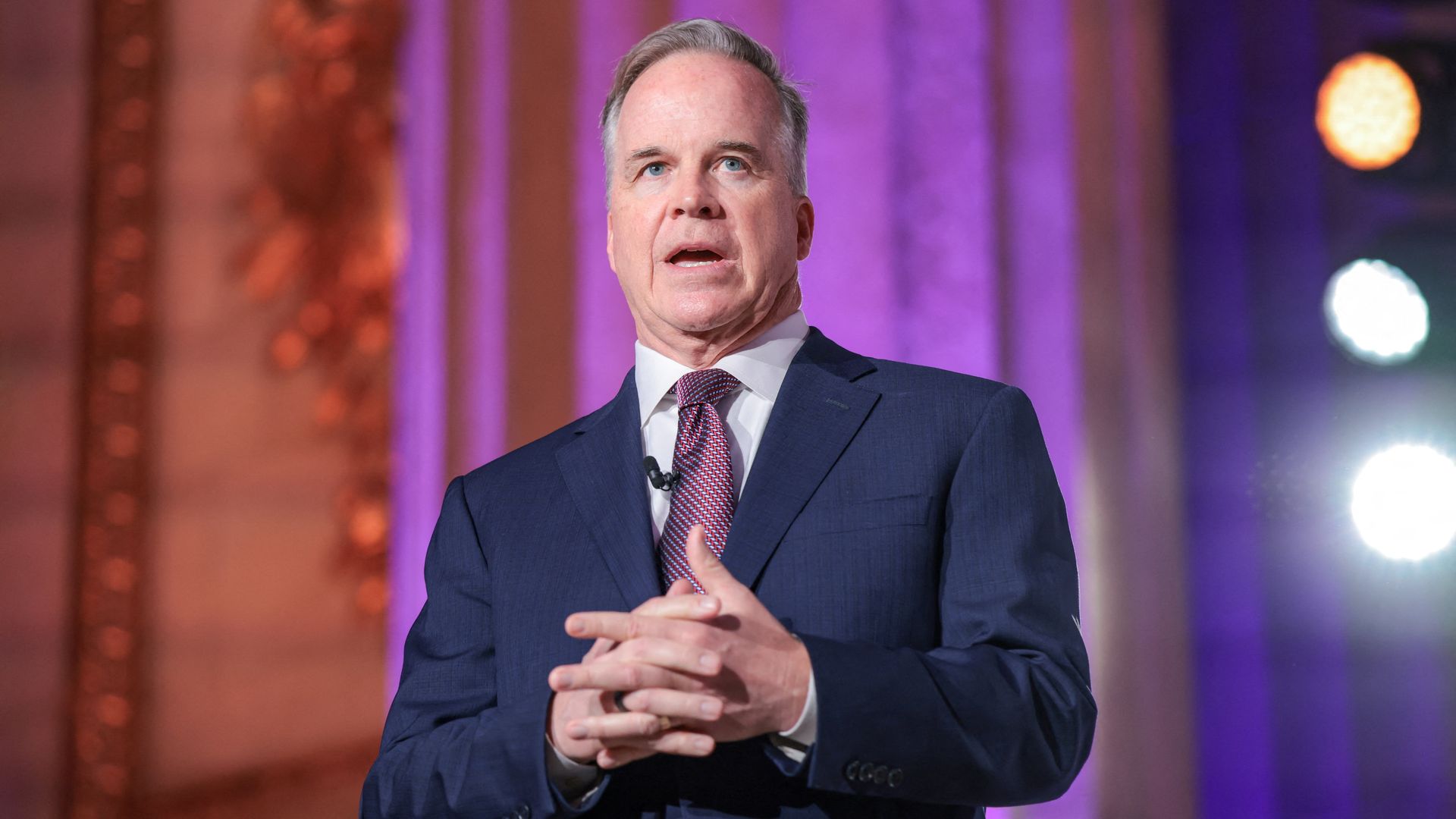
John Kelly, BlackRock's global head of corporate affairs, will be in the D.C. area Tuesday to visit an Ironworkers Local Union 5 training and apprenticeship facility as part of the investment giant's focus on building a workforce for the next generation.
Why it matters: Kelly is working to unleash BlackRock's convening power to showcase opportunities in the skilled trades for both young people and the global company's client base.

Exclusive: Kalshi partners with U.S. Hispanic Chamber of Commerce

Kalshi is partnering with the U.S. Hispanic Chamber of Commerce to provide training and resources on risk management to entrepreneurs as they dabble in prediction markets.
Why it matters: Small businesses are beginning to experiment with prediction markets, even as critics say that the spread of tools like Kalshi and Polymarket amounts to an expansion of gambling.